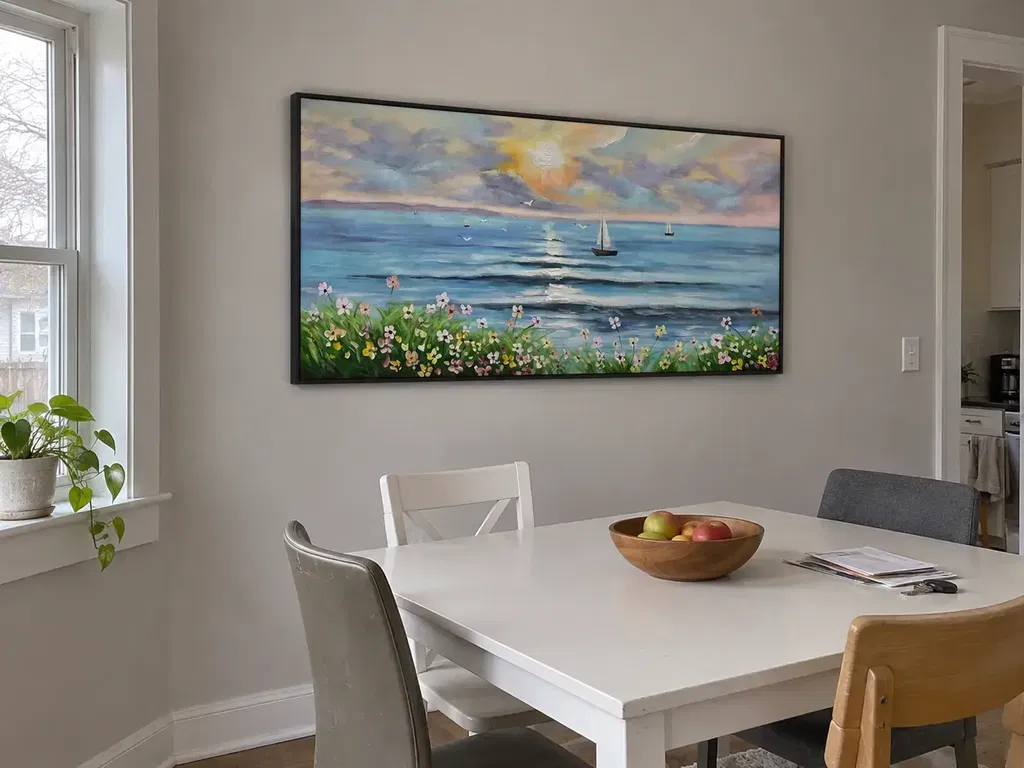
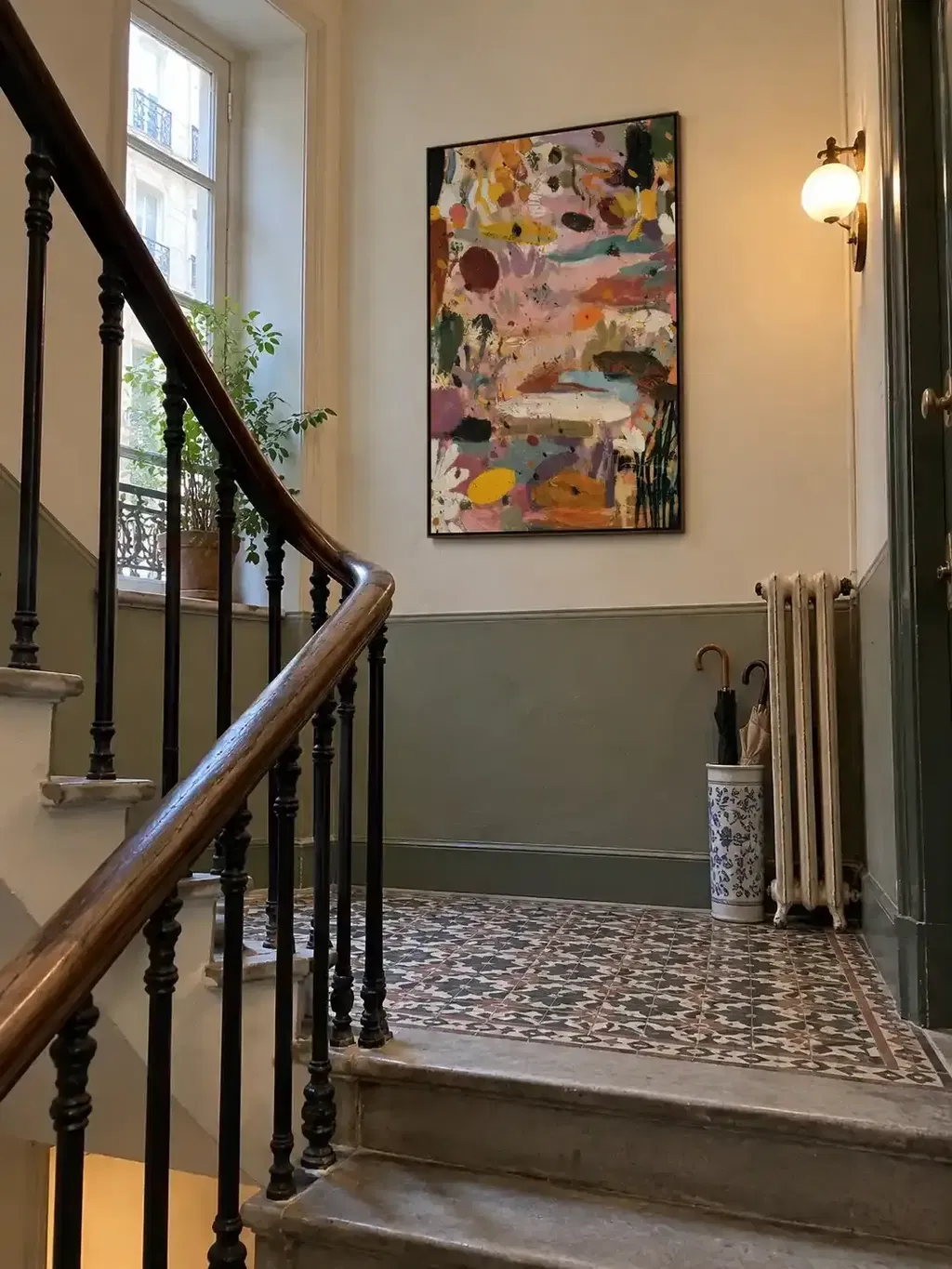
The Shift from Auction Houses to Living Room Walls
For years, the high-end art world was defined by record-breaking auction prices and purely financial speculation. However, recent shifts suggest a return to art as a lived experience. According to Marketplace, high-end auction sales plummeted 44% year-over-year in 2024, signaling a retreat from art as a mere asset class. Instead, homeowners are seeking "real application value"—art that transforms a space, reflects a mood, and evolves with the seasons.
We often observe that the modern home improver isn't looking for a static trophy; they want a "camera-ready" room that feels alive. This desire for freshness often leads to the concept of seasonal art rotation. Yet, the fear of "getting it wrong"—choosing a piece that clashes with permanent furniture or failing to match the scale of the room—often paralyzes the decision-making process.
Methodology Note: Our analysis of consumer behavior is based on common patterns from customer support interactions and interior design project feedback, contrasted with macroeconomic data from the Creative Economy Outlook 2024, which notes that creative services exports have hit a record $1.4 trillion.
The Human Premium: Why Authentic Texture Matters
In an era of rapid AI generation, the value of the "human touch" has actually increased. A study by Columbia University confirmed that consumers value art labeled as "human-created" 62% higher than AI-generated alternatives. This isn't just sentimentality; it is rooted in what researchers at the University of Chicago call "essential identity." Digital prints and NFTs often lack the physical "soul" or irreplicable texture that a hand-painted canvas provides.
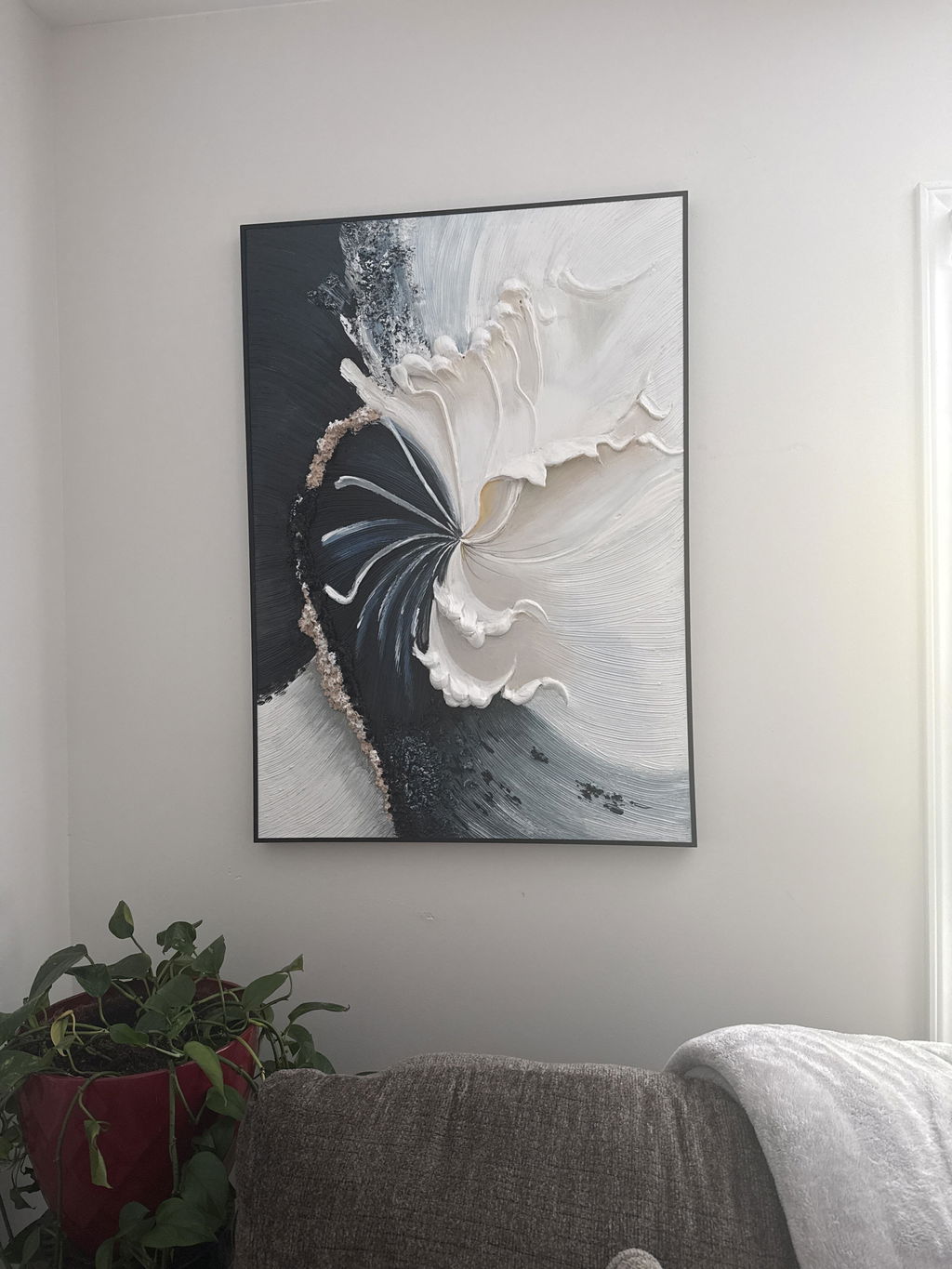
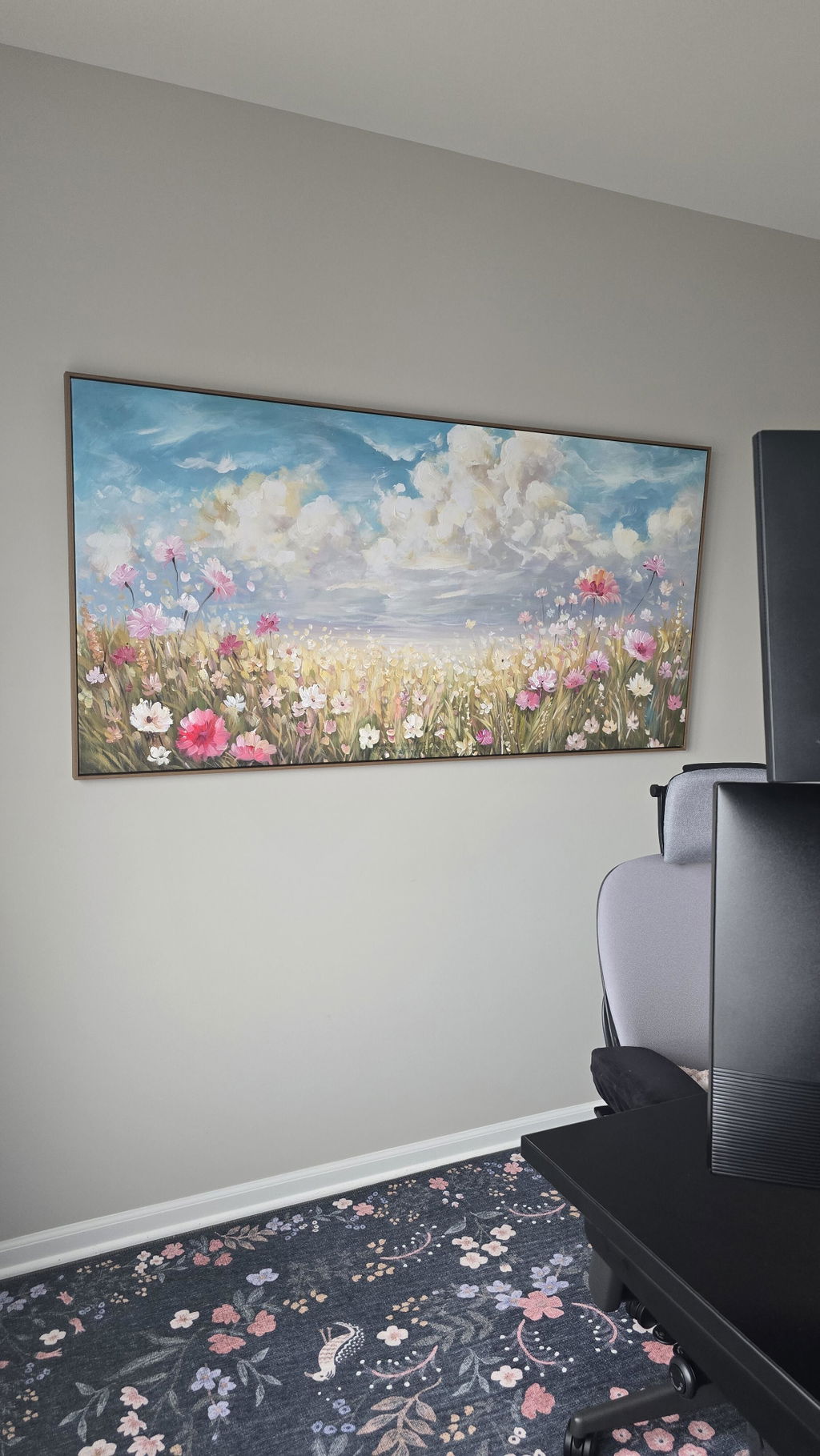
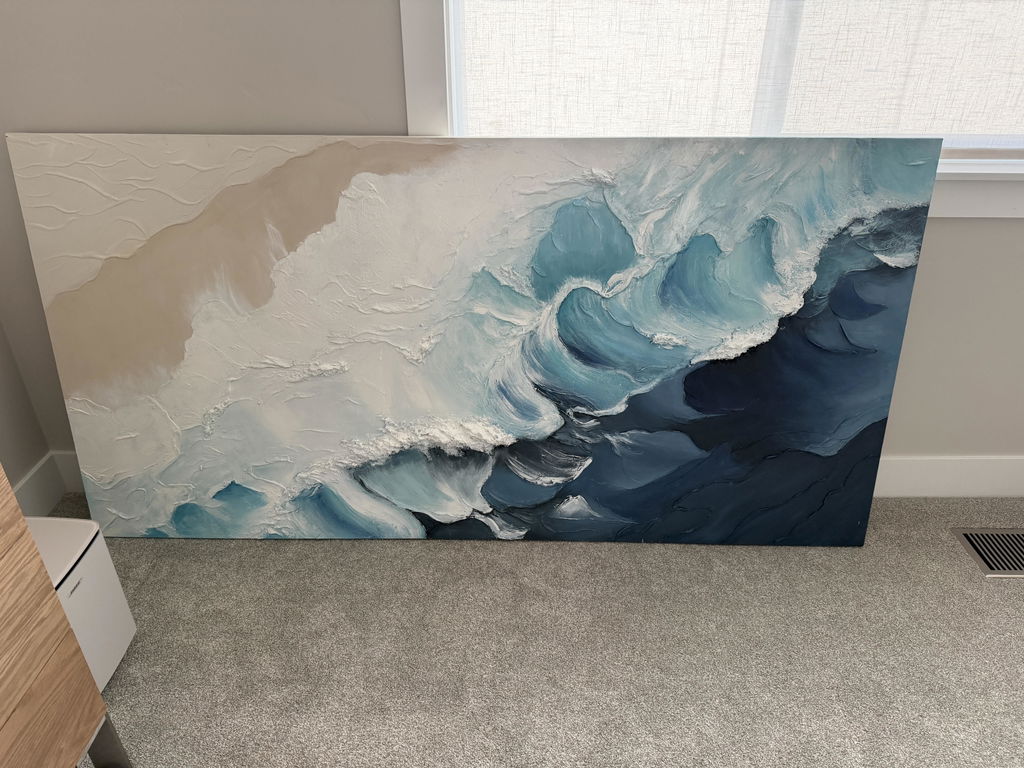
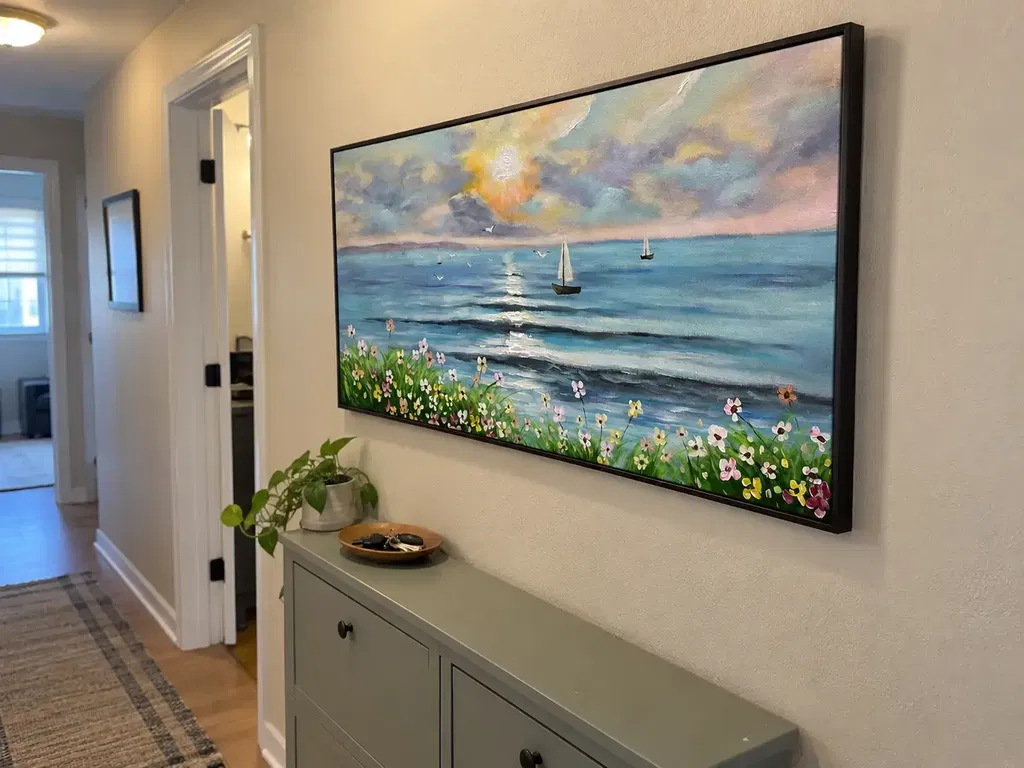
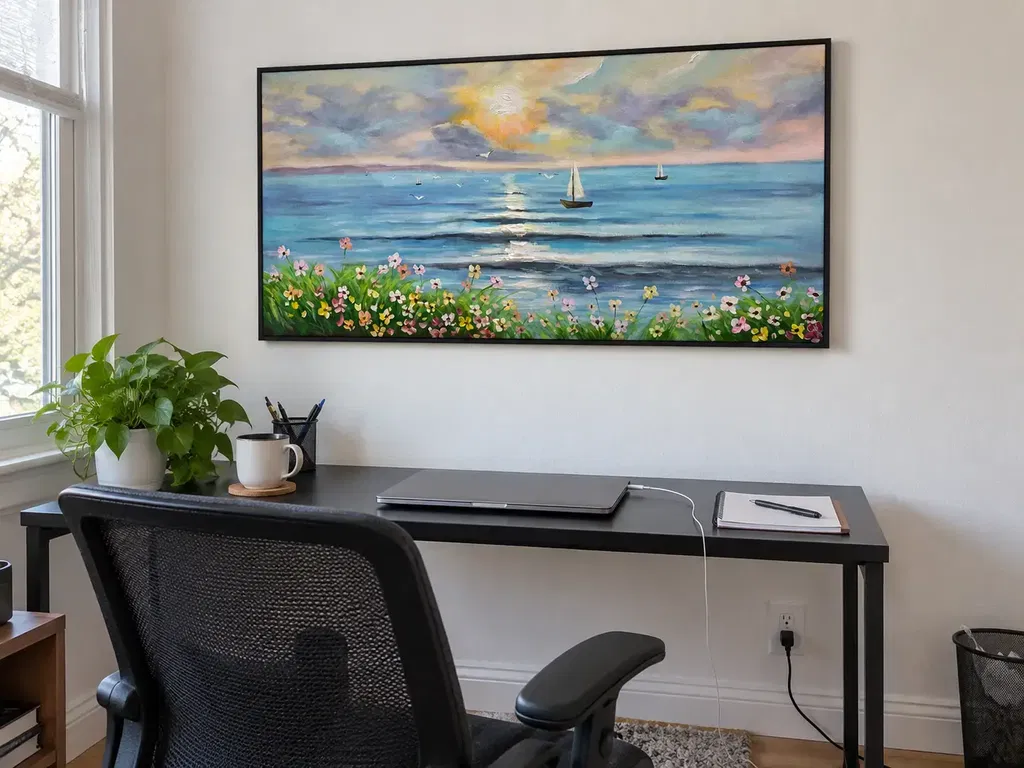
When rotating art seasonally, this texture becomes the focal point. During the winter, the heavy impasto of an oil painting provides a sense of warmth and "visual weight" that a flat print cannot replicate. Conversely, the translucent layers of a spring-themed acrylic mural can mimic the airy feel of the season.

Strategic Framework for Seasonal Rotation
The most common mistake we see is "abrupt rotation"—swapping every piece of art in a room at once. This often results in a jarring transition that disrupts the visual harmony of the home. Instead, practitioners recommend a tiered approach.
1. The "Anchor Piece" Strategy
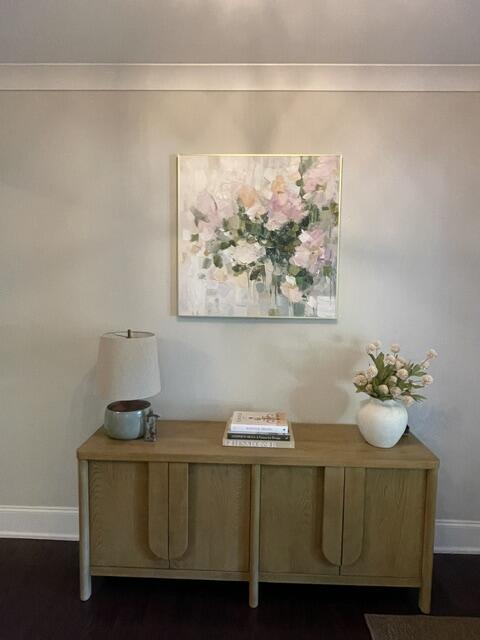
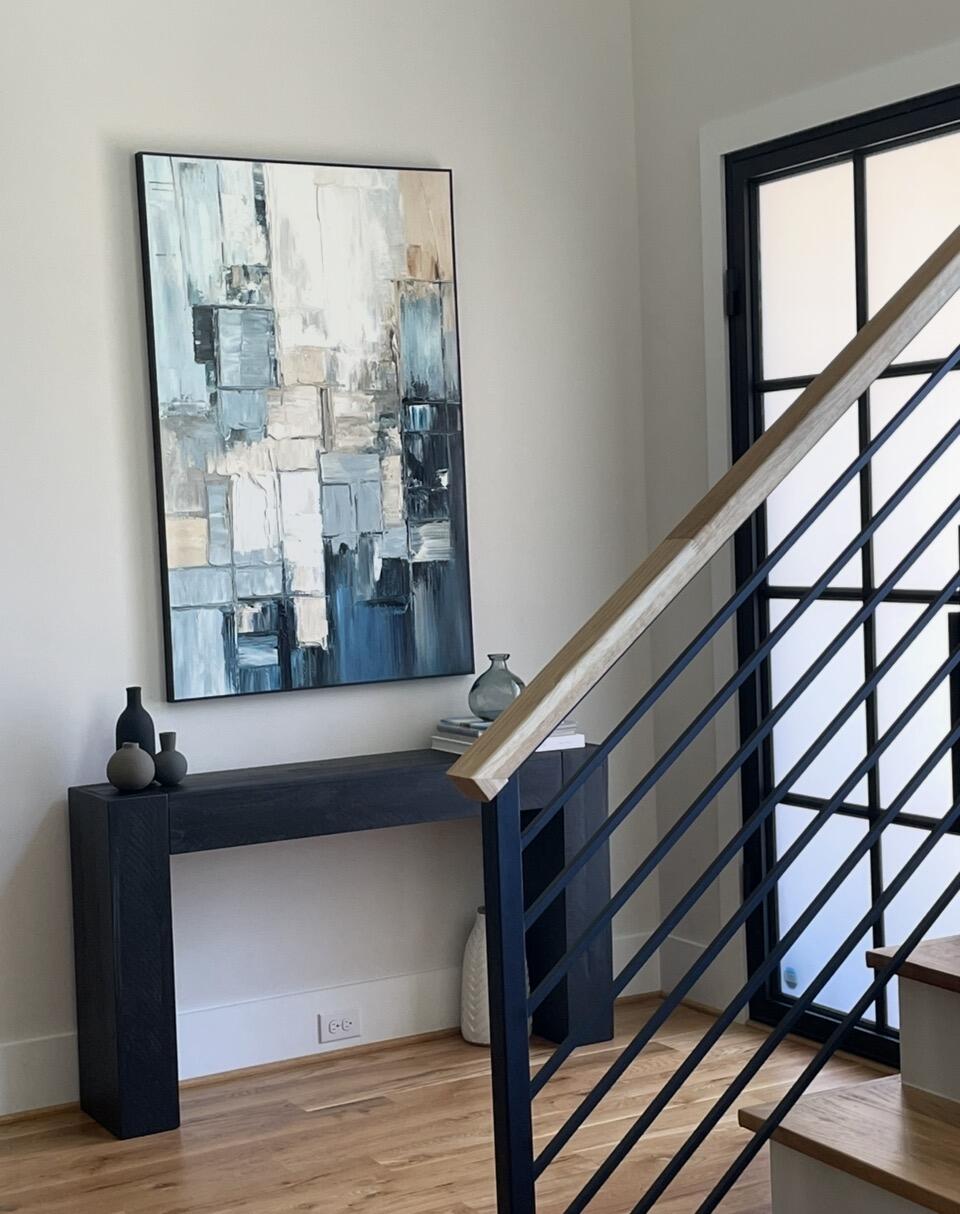
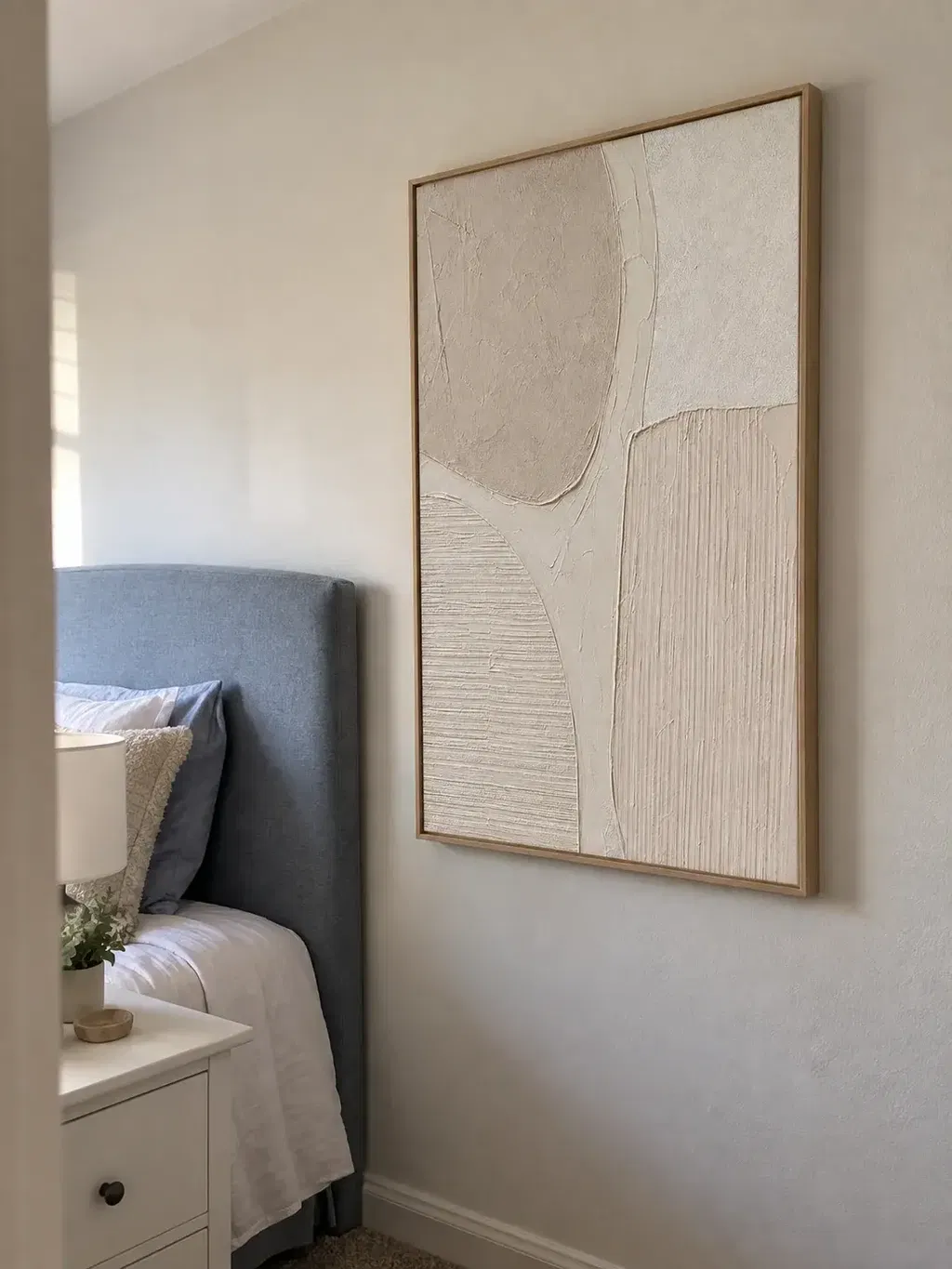
To maintain cohesion, keep one or two "neutral" pieces as year-round visual anchors. These are typically abstract works with a balanced color palette that complements your permanent furniture. You then rotate smaller, more thematic pieces around these anchors. This maintains emotional continuity while allowing for seasonal variety, a tactic supported by Artmandre's curation guidelines.
2. Gradual Introduction
Instead of a one-day overhaul, introduce seasonal elements over a week or two. This allows your eye—and your brain's emotional regulation circuits—to adjust. Research published in PMC shows that passive art viewing activates the medial prefrontal cortex (mPFC), and gradual changes prevent the "visual shock" that can lead to immediate buyer's remorse.
3. Color Psychology and "Micro-Seasons"
In regions with less dramatic weather shifts, we recommend a "micro-seasonal" approach. Focus on subtle 10–15% shifts in the color palette. For example, moving from a "Cool Summer" palette to a "Muted Autumn" palette provides a psychological cue of change without requiring a total redesign.
| Season | Psychological Goal | Recommended Palette | Texture Focus |
|---|---|---|---|
| Spring | Renewal & Energy | Pastels, Greens, Citrus | Light washes, fluid acrylics |
| Summer | Vibrancy & Flow | Bold Primaries, Turquoises | High-gloss, smooth surfaces |
| Autumn | Comfort & Grounding | Ochre, Burnt Sienna, Deep Red | Heavy impasto, palette knife work |
| Winter | Serenity & Introspection | Grays, Deep Blues, Silver | Matte finishes, layered glazes |
Logic Summary: This table is a heuristic derived from color psychology principles and 2026 design trends which emphasize "texture as the soul" of high-end interiors.
The Biophilic Connection: Art as Public Health
Seasonal rotation isn't just about aesthetics; it's about well-being. Biophilic design—incorporating natural landscapes and patterns into the home—has been shown to produce stress-reduction effects similar to spending time outdoors.
A critical review by the University of Pennsylvania noted that 73% of patients reported significant mood improvements when exposed to environmental artworks. By rotating your art to match the natural world outside, you synchronize your indoor environment with your circadian and seasonal rhythms. This is particularly effective in high-density urban areas where access to nature is limited.

Technical Integrity: The "Safety Survival Guide"
As an expert in hand-painted art, I must address the invisible factors: air quality and material longevity. When bringing large-scale murals or canvases into your living room, the chemistry of the paint matters as much as the color.
VOCs and Indoor Air Quality
The EPA warns that indoor air pollution can be significantly higher than outdoor levels. Many industrial paints emit Volatile Organic Compounds (VOCs) long after they appear dry. For seasonal rotations, especially in nurseries or bedrooms, prioritize low-VOC acrylics. A study by Aalto University demonstrated that VOC emissions plummet during the curing phase, making the choice of substrate and binder critical.
The Myth of "Non-Toxic" Labels
Don't be misled by the ASTM D-4236 label. As the CPSC Art and Craft Safety Guide clarifies, this label only means the product has been reviewed by a toxicologist and carries appropriate warnings—it does not mean the paint is "edible" or free of heavy metals.
Specifically, be cautious with:
- Cadmium Pigments: Classified as Group 1 carcinogens by the IARC. While beautiful, they should be handled with professional care.
- Solvents: Avoid using mineral spirits or turpentine indoors. Princeton University EHS warns that chronic inhalation can lead to central nervous system damage.
Lightfastness and Longevity
If you are investing in a piece to be part of a multi-year rotation, check its lightfastness rating. The ASTM D4303 standard defines how well a pigment resists fading. We recommend pieces that use Method C (xenon-arc) testing to ensure they won't lose their vibrancy after a few summers of exposure to window light.
Economic Impact: Art as a Property Value Driver
Choosing custom hand-painted art over mass-produced prints isn't just a design choice; it's a financial one. Research by the Royal Society found a direct correlation between high "art" geo-tags and relative gains in house price rankings.
For those looking to sell or "flip" a property, a high-quality mural can act as a "permanent physical billboard." In commercial settings, University of Cincinnati research shows that murals directly correlate with increased pedestrian foot traffic. This same principle applies to the "social validation" of a home; a unique, hand-painted piece creates a memorable landmark for guests and potential buyers alike.
Logistics: The Overlooked Challenge of Storage
Rotation requires a plan for the "off-season." Roughly 40% of collectors abandon seasonal rotation because they underestimate the logistics.
- Vertical Storage: Never lean canvases against each other for long periods. Use vertical racks or custom shallow cabinets to prevent "sticking" or pressure marks.
- Climate Control: Acrylics are sensitive to humidity. ResearchGate data shows that acrylic yellow pigments can swell by ~7% in high humidity. Store art in a space with stable temperature and humidity (ideally ~55% RH).
- Consistent Framing: To make the physical swap easier, maintain a consistent framing style. This allows you to use the same mounting hardware and ensures that the "new" piece fits the existing visual footprint of the room.

Summary of Seasonal Strategy
To master the rotation, view your living room as an evolving gallery rather than a finished showroom. By balancing "anchor" pieces with seasonal shifts, you reduce the risk of a "decorating disaster" while keeping your space energized.
- Select Your Anchors: Choose 1-2 large abstract pieces that stay year-round.
- Define Your Seasons: Use color psychology to map out your 4-stage rotation.
- Verify Materials: Ensure your art is hand-painted with low-VOC, lightfast pigments to protect both your health and your investment.
- Manage the Transition: Introduce new pieces gradually to avoid visual fatigue.
- Protect the Asset: Use professional storage techniques to ensure your collection lasts for decades.
For more insights on managing specific art types, see our guide on Balancing Heavily Textured Art with Minimalist Decor or explore Transitioning Acrylic Art Themes Between Living and Dining.
Disclaimer: This article is for informational purposes only. The information regarding paint toxicity and indoor air quality is based on general safety standards and should not replace professional environmental testing or medical advice. Always consult with a certified industrial hygienist if you have concerns about chemical sensitivities or indoor air quality.
Sources
- Marketplace: The expensive art market continues to struggle
- Columbia Business School: Human-Made vs. AI Art
- Royal Society: Quantifying the link between art and property prices
- EPA: Indoor Air Quality and Low-VOC Paints
- WHO: Scoping Review on Arts and Health
- ASTM International: Standard Test Methods for Lightfastness