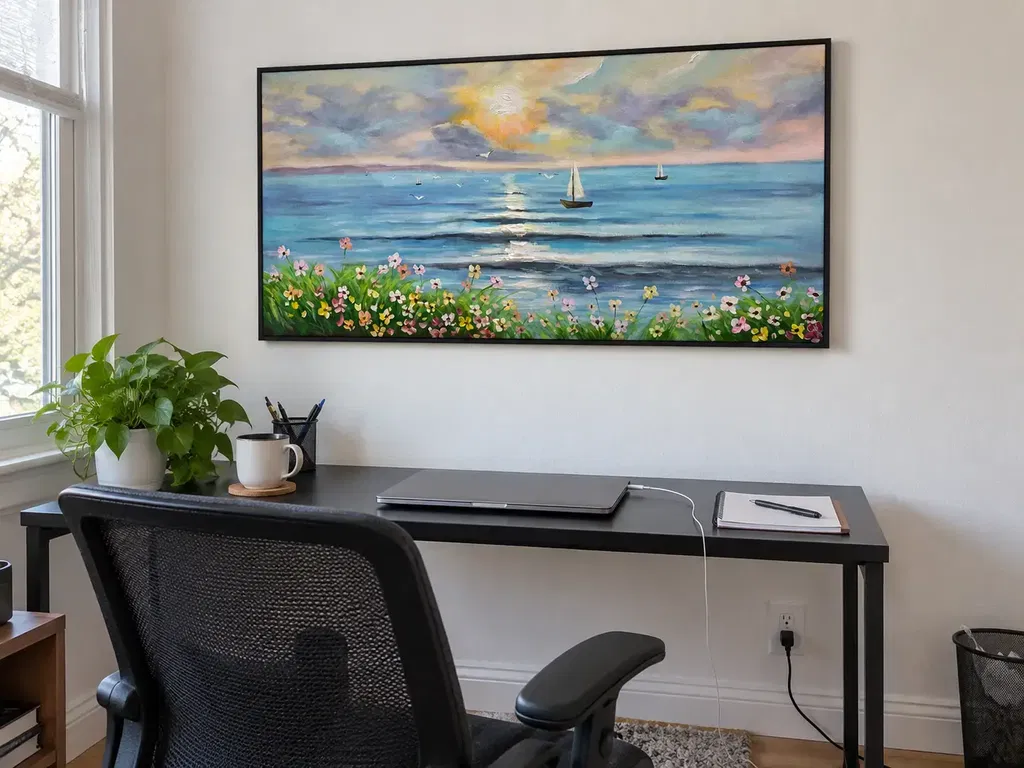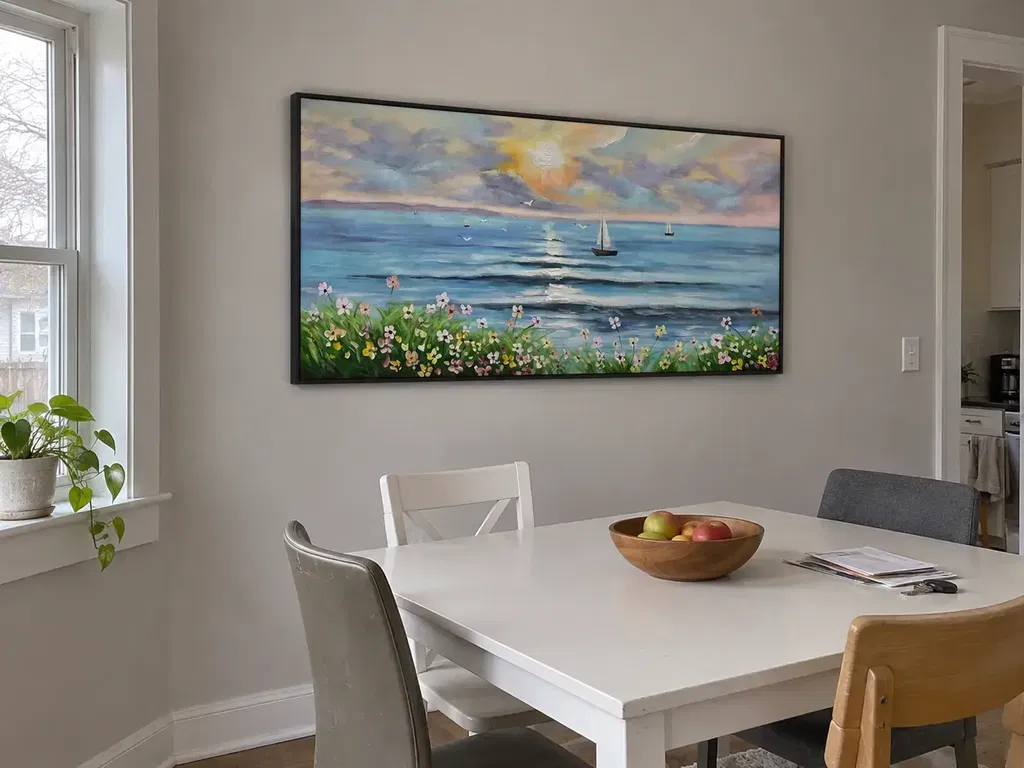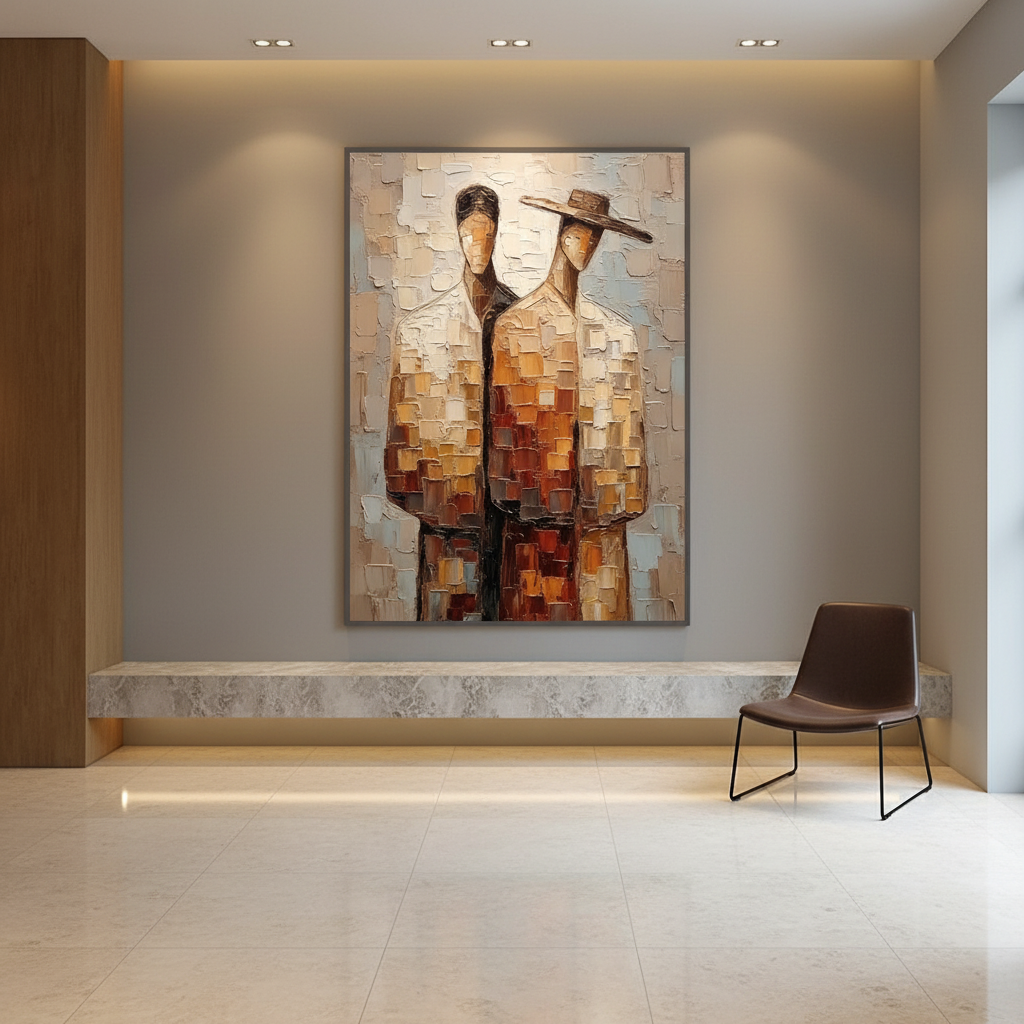
Meeting Hospitality Deadlines with Quick-Drying Acrylic Art
In the high-stakes world of hospitality renovation, the gap between a "soft opening" and a "grand launch" is often measured in hours, not days. For project managers and procurement specialists, the selection of artwork has traditionally been viewed through the lens of aesthetics. However, as the expensive art market continues to struggle, plummeting 44% in high-end auction sales as buyers retreat to real application value, the focus has shifted. Today, professional-grade acrylic art is being recognized as a strategic B2B asset—not just for its visual impact, but for its role in ensuring timeline predictability and operational efficiency.
The hospitality industry demands a delicate balance: the "authenticity" travelers crave versus the rigid deadlines of commercial construction. According to a 2025 hospitality white paper, integrating original hand-painted works is the primary way hotels compete for "absolute authenticity" in an era of mass-produced decor. This article breaks down why acrylic art is the logistical linchpin for fast-paced renovations and how to navigate the procurement process to meet uncompromising deadlines.

The 48-Hour Critical Window: Why Medium Selection Matters
In hospitality projects, the most overlooked deadline is not the installation itself, but the air quality clearance. Hotels typically conduct final air quality testing 48 hours after paint application before reopening guest rooms or lobbies. This is where the chemical properties of art mediums become a project management factor.
Unlike oil paints, which dry through oxidative cross-linking—a process that can take weeks to reach a stable state and months to fully cure—acrylics dry through a physical process called "coalescence." According to JustPaint by Golden Artist Colors, acrylic polymers consist of massive long-chain molecules that form films rapidly as the water evaporates.
Logic Summary: Renovation Timeline Modeling
Modeling Note: The following comparison is a scenario model based on typical mid-to-large-scale hospitality renovation schedules (not a controlled lab study). It assumes a climate-controlled environment (72°F, 50% RH).
| Parameter | Acrylic Art | Oil Art | Rationale |
|---|---|---|---|
| Surface Dry Time | 20–60 Minutes | 2–5 Days | Givinity Comparison |
| Safe Handling (Packing) | 24 Hours | 14–21 Days | Risk of "skinning" in oils |
| VOC Off-gassing | Minimal (Water-based) | High (Solvent-based) | EPA IAQ Guidelines |
| Installation Window | Immediate after 24h | Deferred (Curing lag) | Operational turnover speed |
| Structural Weight | Lightweight | Heavy (Lead/Oil density) | Structural reinforcement needs |
For a project manager, choosing acrylic means the "art" phase of a renovation doesn't become a bottleneck. We often see projects delayed because oil-based commissions were still "tacky" during the scheduled mounting window, leading to surface damage and costly reworks. Acrylic’s odorless curing is a non-negotiable advantage in high-occupancy environments.
Technical Durability in High-Traffic Zones
Commercial art must survive more than just a glance; it must survive the housekeeping cart, the luggage trolley, and the curious guest. Traditional prints often lack the tactile "soul" that drives guest satisfaction, but they are chosen for their perceived durability. However, research from the MUNCH Museum confirms that allowing audiences to interact with art featuring physical relief textures exponentially stimulates satisfaction.
Acrylic art provides this "physicality" without the fragility of older mediums. Because acrylic films are softer and more resistant to embrittlement than oil films, they handle the minor structural shifts of large commercial buildings with fewer cracks.
The "Anti-AI" Premium: Human Authenticity as ROI
In an era of generative AI, the commercial value of "100% human-created" has reached a tipping point. Columbia University experiments confirm that consumers value art labeled "AI-generated" 62% lower than authentic human-created art. For a luxury boutique hotel, installing human-painted acrylic murals isn't just a design choice; it's a way to capture the "artisan craftsmanship" trend which, according to Zillow search data, rose 21% in interest for 2026.

Meeting LEED and WELL Standards with Low-VOC Acrylics
For modern developers, the "Green Building" score is as important as the guest rating. Indoor air pollution is often more concentrated than outdoor pollution, and the EPA warns that low-VOC paints and sealants are strict prerequisites for healthcare and hospitality facilities seeking LEED certification.
Acrylic art is naturally aligned with these goals. While oil paintings require turpentine or mineral spirits—which Princeton University EHS warns can cause central nervous system neuropathy and acute narcosis—water-based acrylics eliminate these hazardous solvents.
Pro-Tip for Procurement: When vetting artists for a LEED-certified project, request documentation that their materials comply with ASTM D-4236. However, be aware that the ASTM D4236 logo only means warning labels comply with regulations, not that the pigment is "edible." We recommend verifying that the artist uses modern substitutes like Titanium White, which NCBI data shows captures 90% of the market due to its chemical inertness, effectively replacing highly toxic Lead White.
The Logistics of Installation: Phasing for Success
A common mistake in hospitality procurement is treating art installation as a single-day task. Based on our observations of successful high-traffic renovations, art installation should be treated as a three-phased process to avoid the "last-minute scramble."
- Site Prep (Day 1): Wall reinforcement check and surface priming. If painting directly on a wall, ensure the substrate moisture is controlled. Aalto University experiments show that coatings on 16% moisture pinewood emit significantly lower VOCs than dry wood during curing.
- Hanging & Installation (Day 2-3): For large-scale lobby pieces, the weight-to-size ratio of acrylic is crucial. Acrylic allows for lighter panels that reduce the need for heavy-duty structural anchors.
- Lighting Adjustment (Day 4): This is where the "Geometric Metamerism" of the paint is addressed. As the Getty Conservation Institute notes, the surface refractive index of pigments determines saturation. Professional lighting must be tuned to the specific absorption and scattering coefficients of the hand-painted surface.
Logic Summary: Procurement Buffer Heuristics
Heuristic Note: These buffers are "rules of thumb" derived from professional project management patterns (not a mandated ISO standard).
- Framing Lead Time: Build in a 3–5 day buffer specifically for custom mounting.
- The "Emergency Replacement" Rule: Experienced teams maintain relationships with 2–3 reliable acrylic artists for "48-hour turnaround" scenarios if pieces are damaged during move-in.
- The 20% Water Rule: According to Golden Artist Colors, adding more than 20% water to high-flow acrylics can destroy adhesion. Ensure your artists are using professional mediums rather than over-diluting, which leads to "chalking" in high-traffic hallways.
Economic Impact: Murals as Revenue Drivers
Beyond the interior, exterior acrylic murals are being used as "permanent physical billboards." The Royal Society found a direct correlation between neighborhoods with high "art" geo-tags and relative house price ranking gains. For hotel owners, this translates to increased foot traffic and "Instagrammability."
In Chicago, the Millennium Park public art projects drove an estimated $1.4 billion in real estate-related growth. For a hotel, a signature mural can turn a plain side-wall into a commercial landmark. Furthermore, University of Cincinnati research shows that large murals are the lowest-cost physical generators of pedestrian traffic, revitalizing local business districts.

Biophilic Design: The Silent Wellness Benefit
In high-density urban environments, guest burnout is a real metric. University of Central Arkansas research shows that biophilic design featuring natural landscapes produces stress-reduction effects in the brain similar to real outdoors.
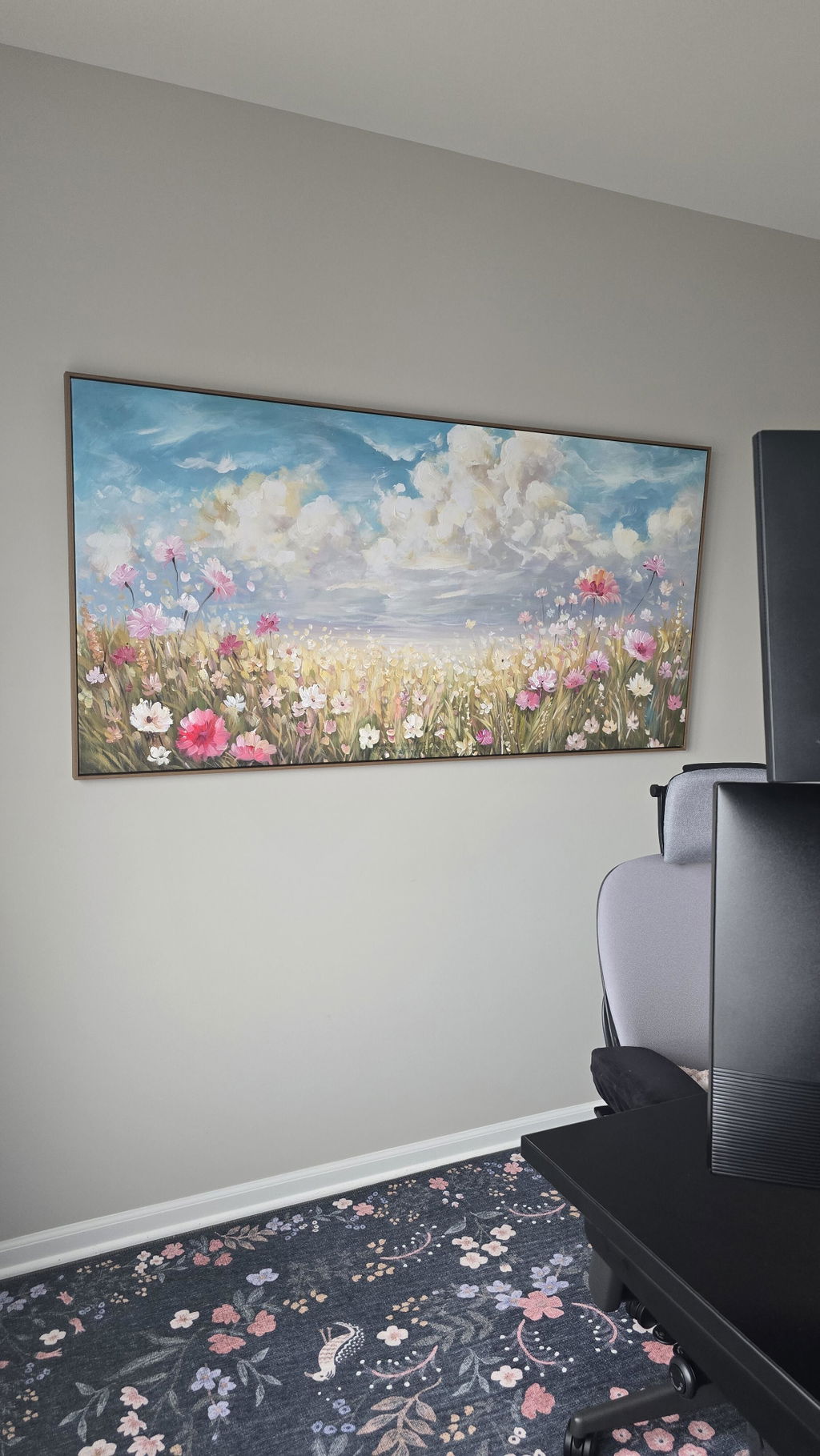
For the hospitality sector, this means nature-themed acrylic murals in guest rooms aren't just decor—they are "public health infrastructure." A UPenn review noted that 73% of patients reported significant mood improvements when exposed to environmental artworks. In a hotel context, this translates to higher guest satisfaction scores and increased repeat bookings.
Avoiding the "Hazy" Pitfall: A Technical Warning
One technical "gotcha" that can ruin a renovation is Support Induced Discoloration (SID). As Golden Artist Colors explains, water-soluble impurities in cotton or linen canvases can be drawn out when applying transparent acrylic mediums thicker than 1/16 inch, causing a yellow or brown tint.
To prevent this, ensure your procurement specs require a high-quality acrylic gesso or a specific "blocking" primer. This is the difference between an art piece that looks pristine for decades and one that looks "aged" within six months of installation.
Conclusion: The Procurement Advantage
The shift toward acrylic art in hospitality is a response to the "struggling" traditional art market's inability to meet the demands of modern commercial timelines. By choosing acrylic, hospitality professionals secure:
- Predictable Timelines: Rapid drying and 24-hour handling.
- Operational Safety: Low-VOC profiles that satisfy LEED/WELL requirements.
- Proven ROI: Enhanced property values and guest wellness through biophilic design.
As you plan your next renovation, remember that the art you choose is more than a visual finish—it is a logistical decision that dictates your opening date. By leveraging the technical advantages of acrylics and building in professional-grade buffers for framing and installation, you can deliver "absolute authenticity" without ever missing a deadline.
YMYL Disclaimer: This article is for informational purposes only and does not constitute professional legal, financial, or medical advice. For specific health and safety standards regarding VOCs or lead compliance in your region, consult with a certified industrial hygienist or local regulatory body. Always verify the safety data sheets (SDS) of materials used in large-scale public installations.
References
- The Art Basel and UBS Art Market Report 2024
- WHO Scoping Review on Arts and Health
- EPA: Indoor Air Quality and Low-VOC Paints
- National Gallery of Art: Modern Paint Analysis
- ASTM D4303 Standard Test Methods for Lightfastness
- Golden Artist Colors: Technical Research Library
Related Insights: