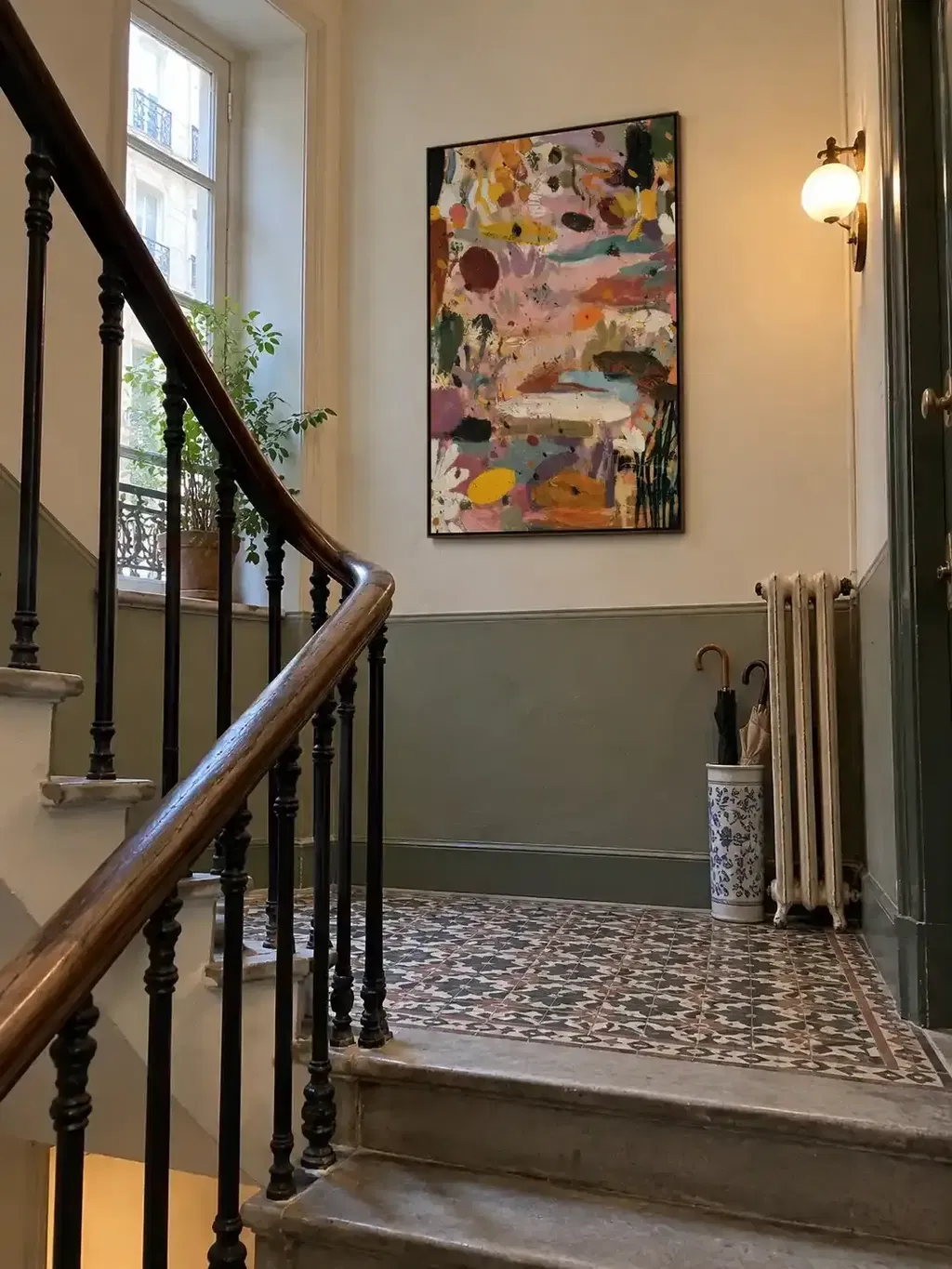
An original oil painting vs print comparison comes down to more than image quality. If you want real surface depth, one-of-one ownership, and a piece that reads as an object, an original textured oil usually delivers more. If you mainly want color, scale, and a lower price, a canvas print can be the smarter buy.
What You Get With an Original Textured Oil
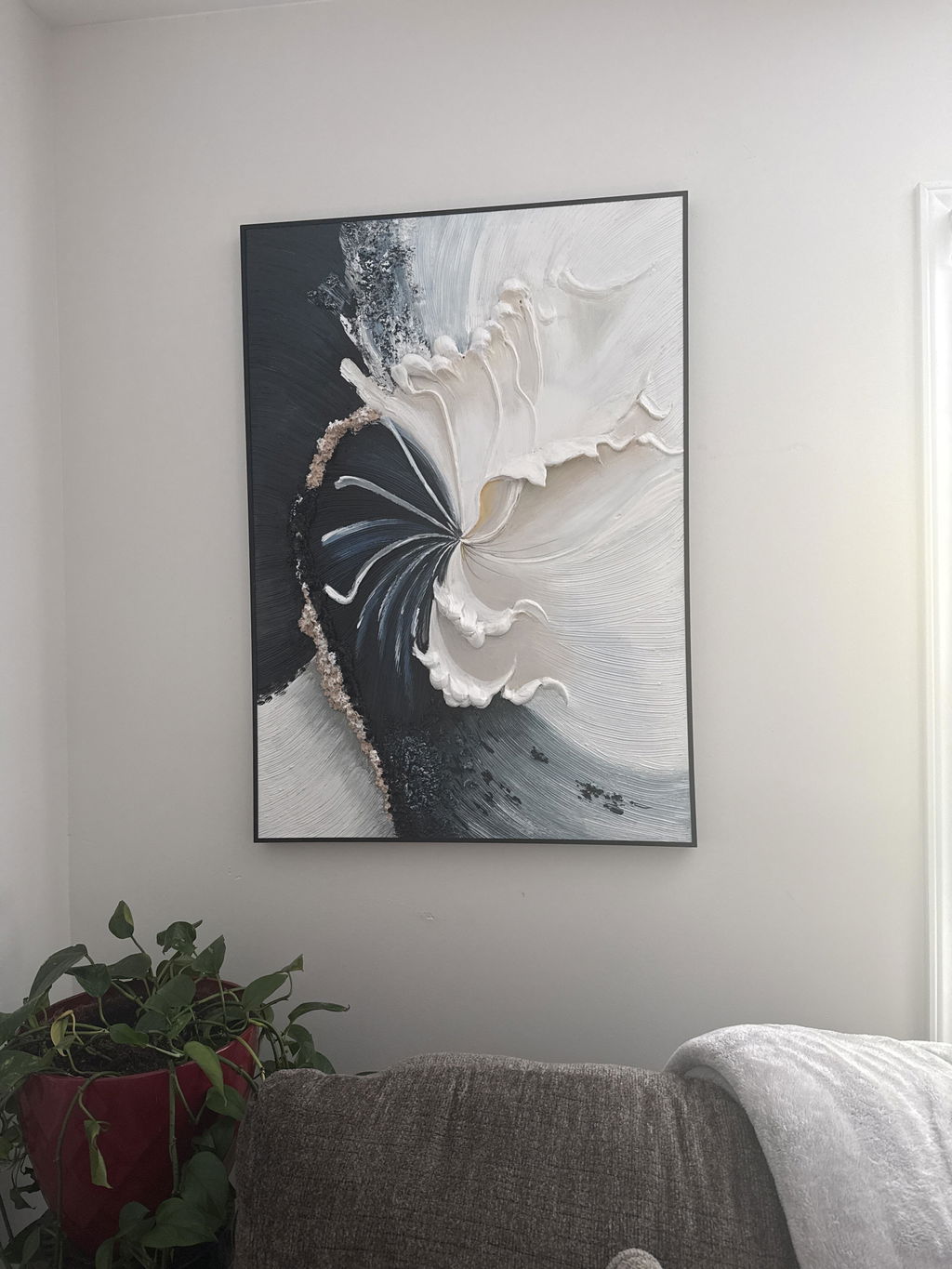
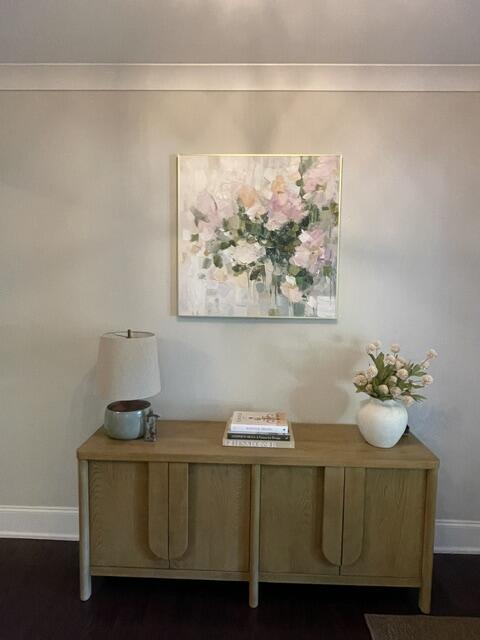
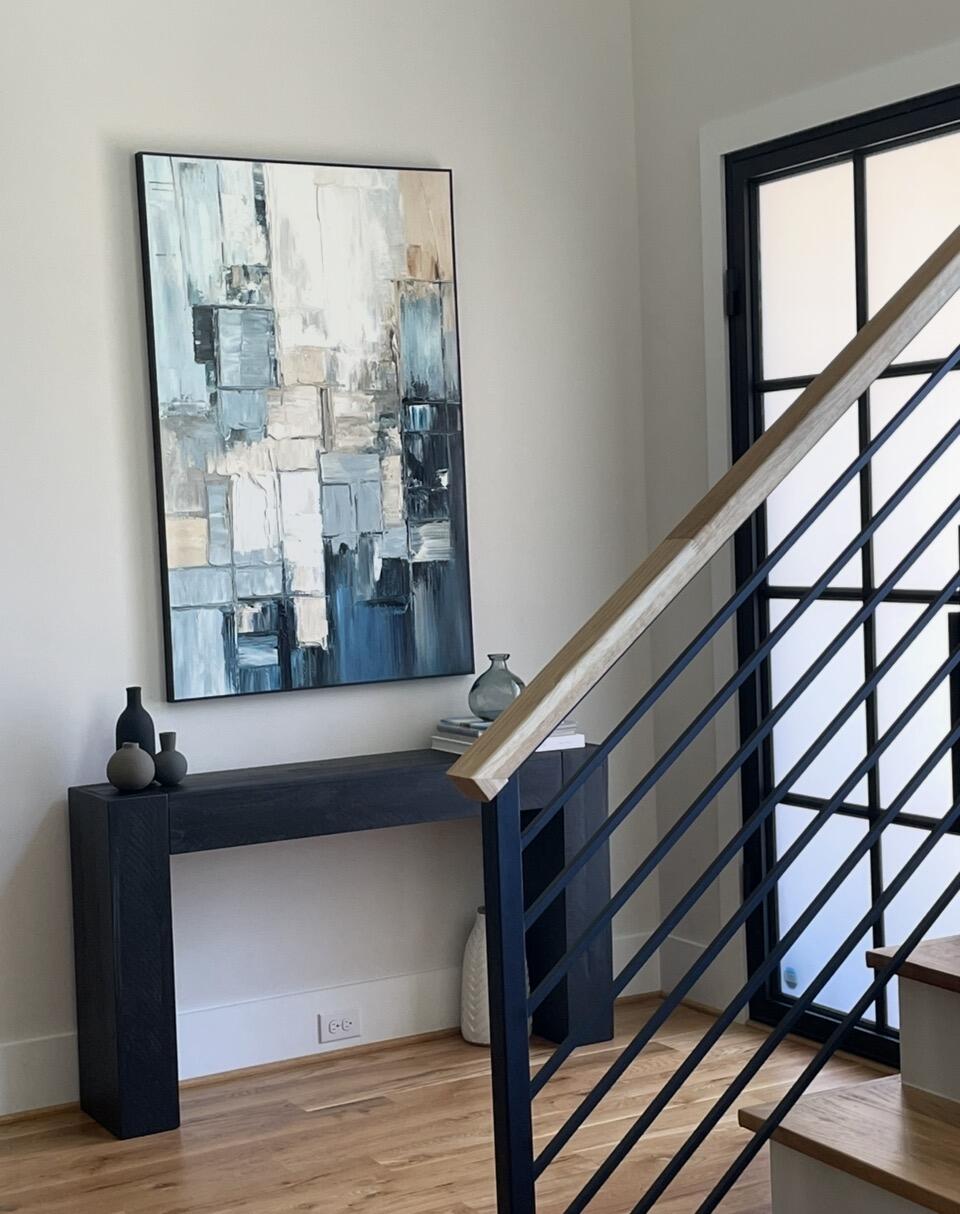
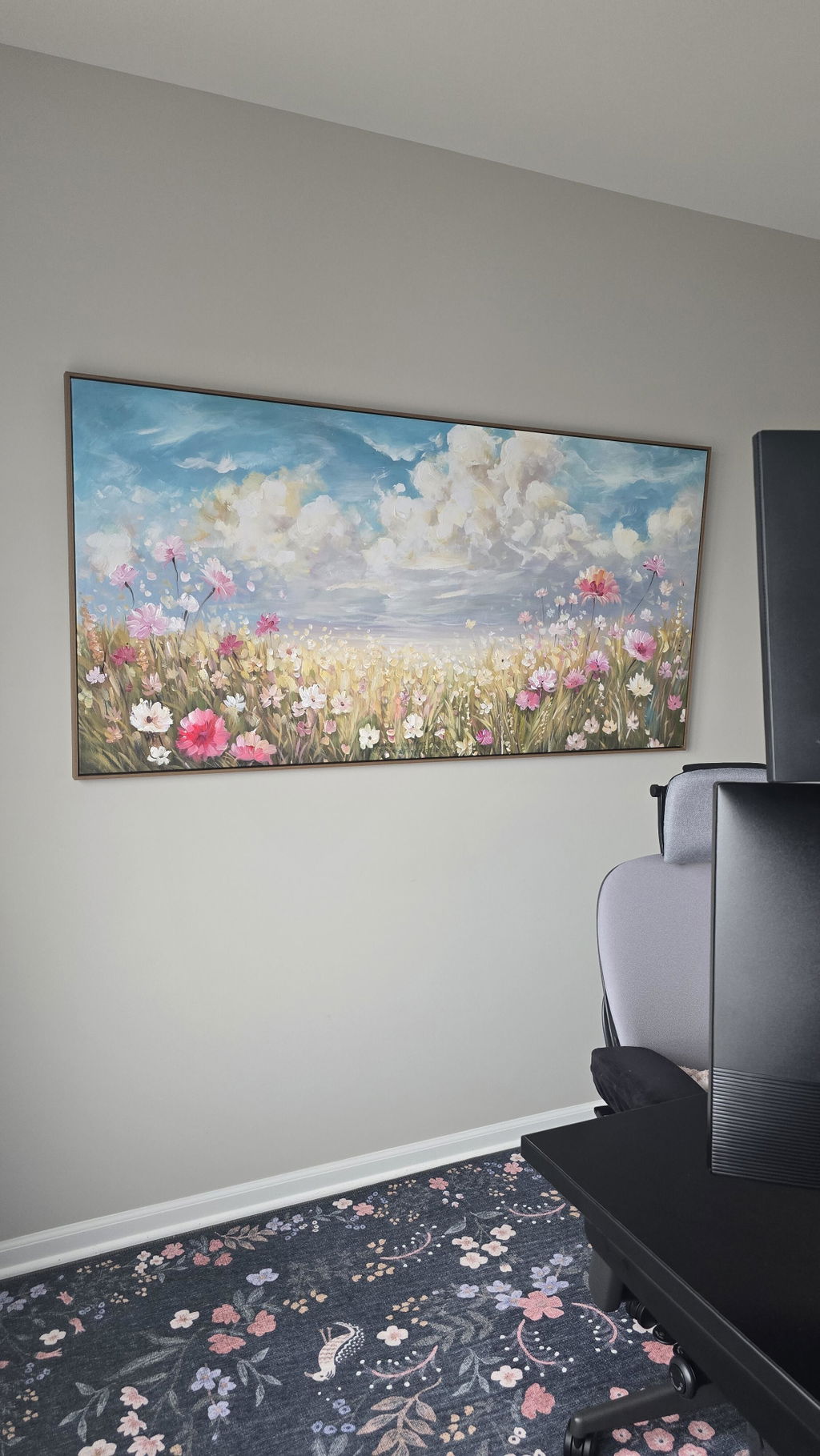
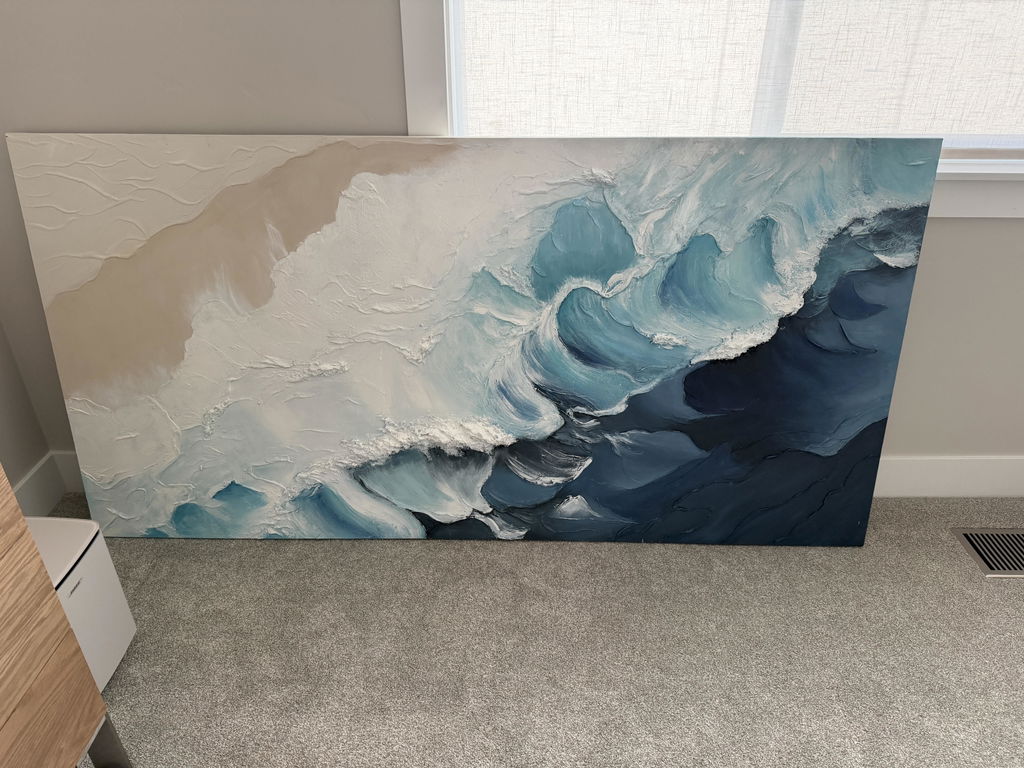
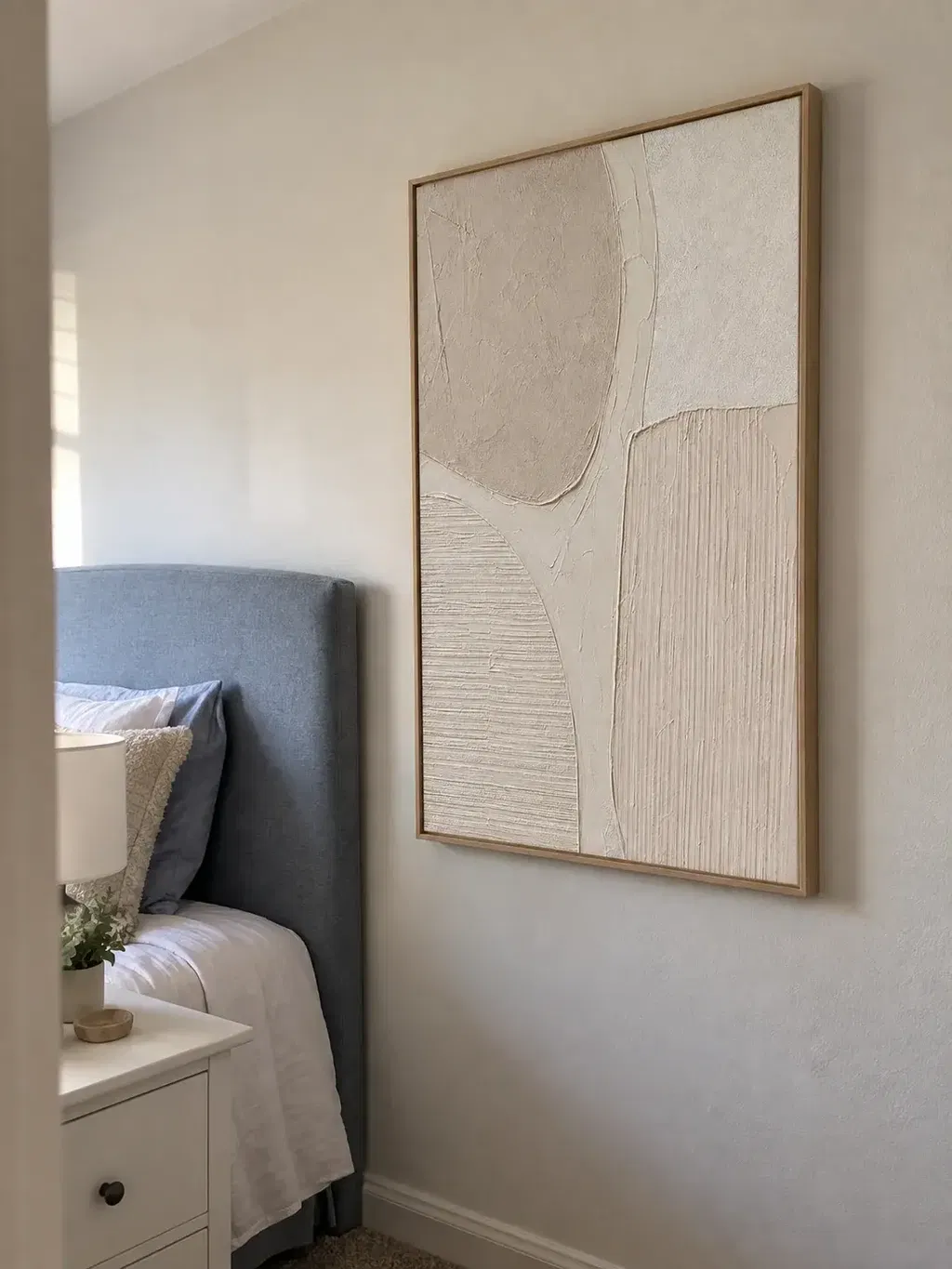
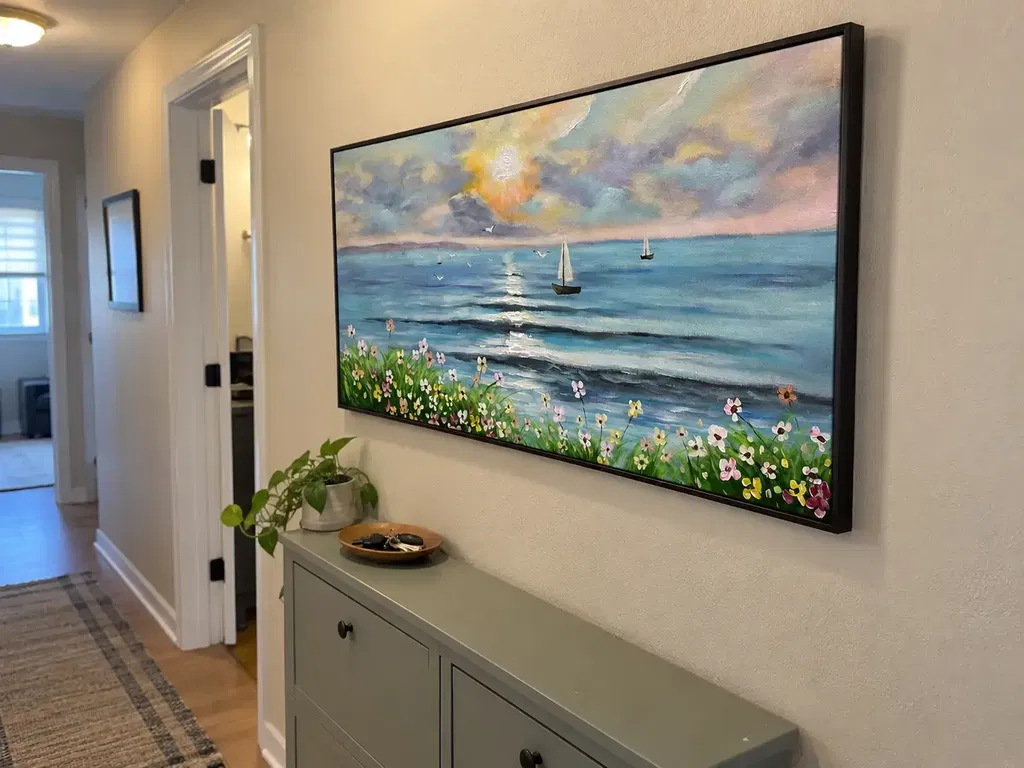
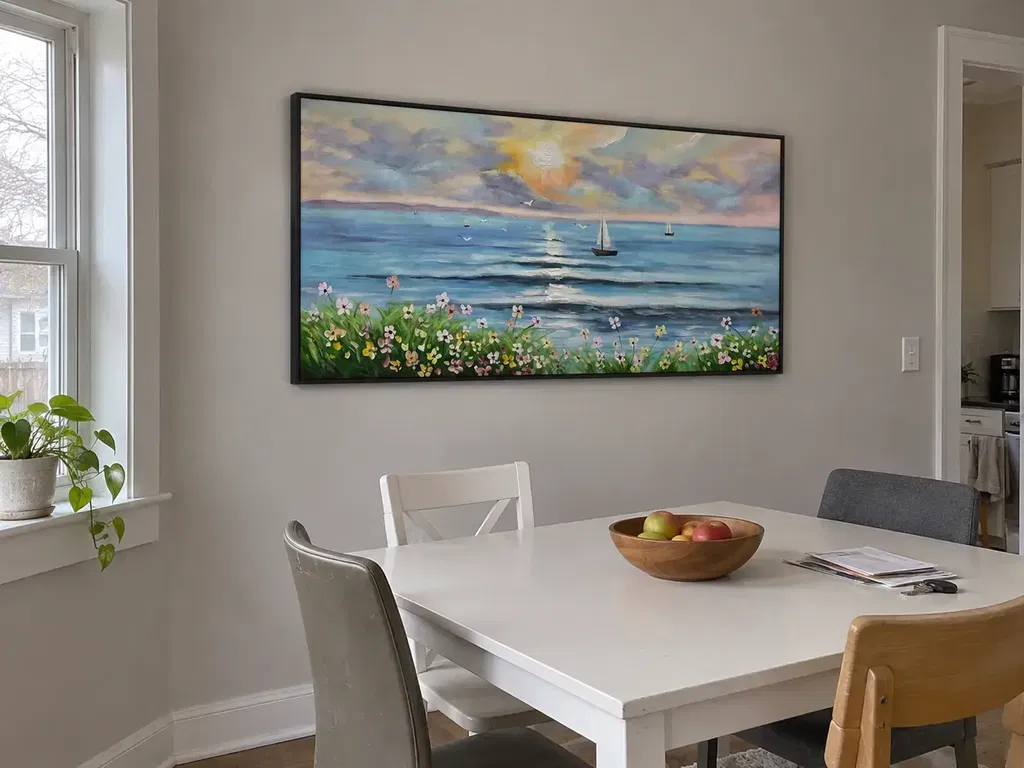
An original textured oil painting is a hand-made artwork, not a reproduced image on canvas. The difference is visible in the surface: brushwork, paint relief, and small irregularities that make the piece physically unique. That uniqueness is part of what buyers are paying for, but it is not the same thing as investment value.
A useful way to think about it is this: a print copies the image, while an original also carries the maker's surface decisions. That matters most when you want the artwork itself to feel special, not just the picture it shows. For a plain-language reference on visible brushwork and paint relief, see the hand-painted details guide.

Texture, Depth, and Surface Up Close
Real texture changes how a piece behaves in light. Raised paint can throw tiny shadows, and the surface may look slightly different as you move across the room or change the lamp angle. That is one reason an original textured oil can feel richer in person than it does in a flat listing photo.
A print can still look sharp and attractive, but its "texture" is usually an image of texture, not actual built-up paint. Under close inspection, reproduction artifacts such as dot patterns under magnification can give away a print or other reproduction, especially when the seller does not show true side angles or close-ups. In contrast, the micro-shadows from real texture are what make impasto feel dimensional rather than simulated.

What this means for online shopping is simple: zoom in, look for uneven ridges, and check whether the surface changes from one angle to another. If every close-up looks perfectly smooth, or the listing only shows one front-facing hero image, you probably do not have enough evidence to judge tactile depth.
Uniqueness and Emotional Impact
The biggest emotional difference in the original oil painting vs print decision is ownership. A true original is one object, not a repeatable edition. That makes it feel more personal for a focal wall, a meaningful gift, or a room where you want the art to carry some of the atmosphere by itself.
That feeling does not mean every original is automatically a better financial choice. It does mean the buyer gets a singular surface with real handwork instead of a reproducible image. If you are shopping for something that feels more intimate and less mass-produced, a genuine oil painting is often the stronger fit. If your goal is mainly to match a color palette or fill a wall efficiently, the print has a clear advantage.
What Justifies the Price Gap
The price gap is usually about labor, uniqueness, and the amount of object-level presence you receive. A high-quality archival print can be a durable reproduction, and archival giclée print longevity can be strong when the materials are right. But it is still a digital reproduction, while an original carries the physical work of building the surface by hand.
| Value Driver | Original Textured Oil | Canvas Print | What It Means For You |
|---|---|---|---|
| Uniqueness | One-of-one object | Reproducible image | Originals win when you want something singular. |
| Surface depth | Real built-up paint | Flat or simulated texture | Originals usually read as more dimensional in person. |
| Tactile presence | Physical relief you can feel and see | Mostly visual texture | Originals matter more for statement walls. |
| Production method | Hand-made | Printed | Prints cost less because they avoid manual surface work. |
| Best fit | Focal piece, gift, collection intent | Budget decor, color match, wall fill | The best choice depends on your goal, not pride of ownership alone. |
If you are deciding whether the premium is proportional, ask one question: will the surface itself matter after the room is furnished? If the answer is yes, the premium is easier to justify. If the piece will sit as background decor, a print often gives you the better value per dollar.
How to Judge Texture Before You Buy
Use a simple online check before you pay more for an alleged original. First, read the material description carefully. If the seller names impasto, hand-painted, palette knife, or oil layers, that is a better sign than vague wording like "textured look." Second, inspect close-ups for ridges, brush direction, and small changes in paint thickness.
Third, look for angle shifts. Real texture often catches light differently from one side to the other, while a printed surface tends to look more even. Fourth, check whether the listing says exactly how the piece was made. A listing that avoids technique details may be selling a printed effect or an embellished print rather than true impasto. Finally, if the seller includes back-of-canvas photos or construction details, those back-of-canvas verification cues can add confidence, though they still do not prove everything by themselves.
The key rule is this: photos can help you compare texture, but they cannot fully prove authenticity or tactile depth. If the listing is unclear, ask for another angle, a close-up, or a straight answer on whether the surface contains real built-up paint.
Pick the Format That Fits Your Goal
For a statement wall, an original textured oil is usually the better match because the surface becomes part of the room's impact. For a gift, it is the better choice when you want the present to feel more personal and elevated. For budget-first decor, a canvas print makes more sense when you care most about size, color, and cost control.
For first-time fine art buyers, the safest rule is this: choose an original when the object itself matters to you; choose a print when the image is the main goal. If you want to compare current original options, browse our oil paintings and use the surface details to judge whether the texture is worth the premium.
Final Takeaway
The original oil painting vs print decision is easiest when you separate image from object. Buy the original when you want real texture, a singular surface, and stronger room presence. Buy the print when cost, size, or simple decor support matter more. If you are still comparing options, inspect close-up texture photos, read the technique language carefully, and browse our original oil collection to see whether the premium fits your goal.
FAQs
Why Are Hand-Painted Paintings More Expensive Than Prints?
You are paying for manual labor, surface build, and the fact that the work is singular rather than reproducible. The price difference makes the most sense when you want the artwork to function as a focal object, not just wall filler. If the piece is mostly decorative, a print often gives you a lower-cost result with less risk.
Are Textured Paintings Better Than Canvas Prints?
Not universally. Textured originals are better when you want tactile presence, uniqueness, or a stronger statement on the wall. Canvas prints are better when budget, color matching, or size coverage matters more. The choice flips based on whether the room needs an object with depth or simply a finished visual image.
How Can You Tell If Texture Is Real From Photos?
Look for close-ups, side angles, and surface changes across the image. Real texture usually creates tiny shadow shifts and uneven paint ridges; a flat print tends to look more uniform. If the listing only uses polished front-facing photos, treat the texture claim as unconfirmed and ask for more detail before buying.
What Is the Difference Between Embellished Prints and Real Impasto?
An embellished print starts as a reproduction and may have added surface effects, while real impasto is built from actual paint. That matters because the two can look similar in a listing photo but feel very different in person. If the seller does not clearly say whether the texture is printed or painted, assume you need more proof.
Can a Print Still Be the Right Choice for a Living Room?
Yes, especially if you want a large piece that matches your color palette without spending on hand-built texture. Prints are a strong fit for rental spaces, fast room refreshes, and walls that need visual balance more than tactile depth. If you later want a more collectible or personal feel, that is the point where an original starts to make more sense.