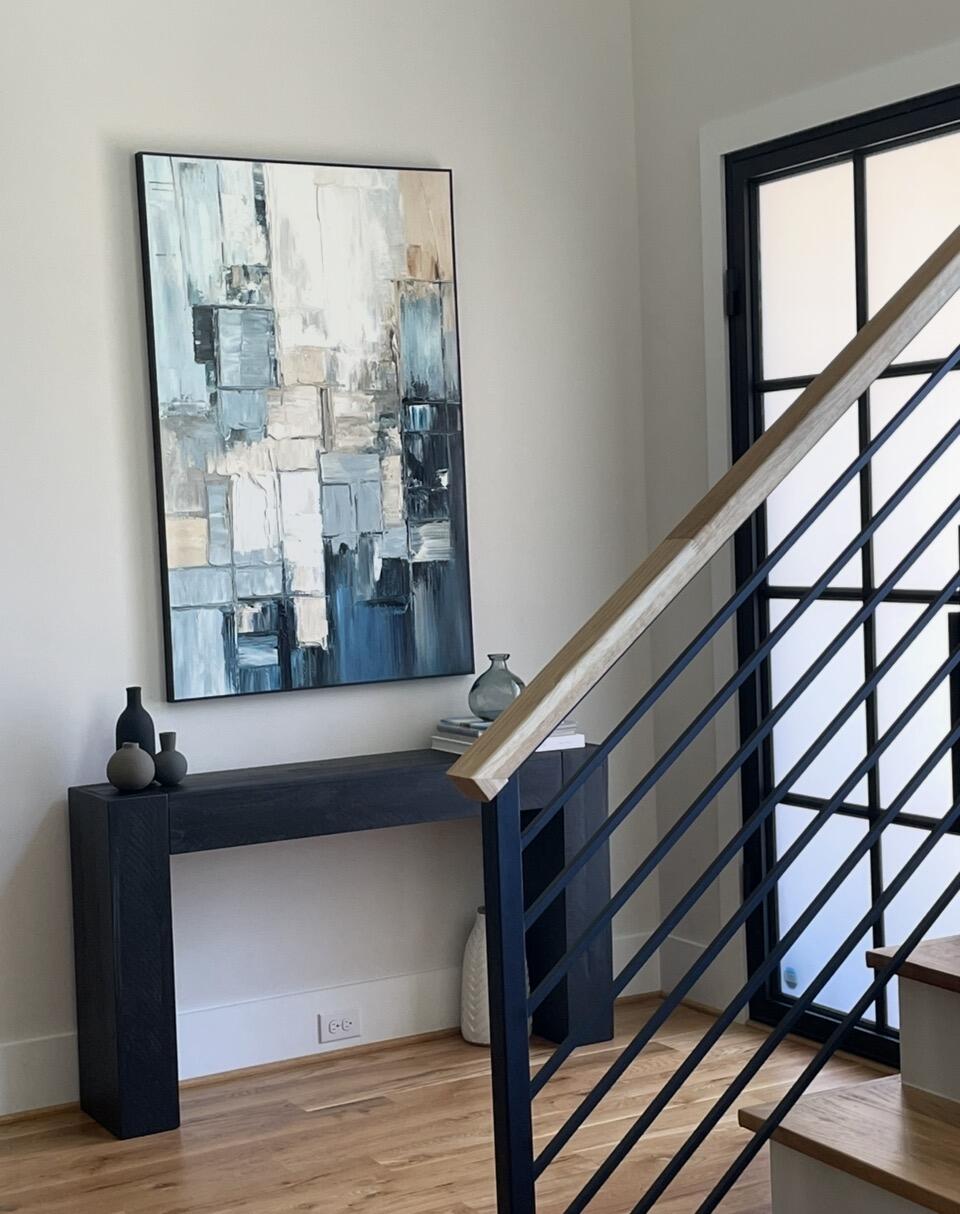
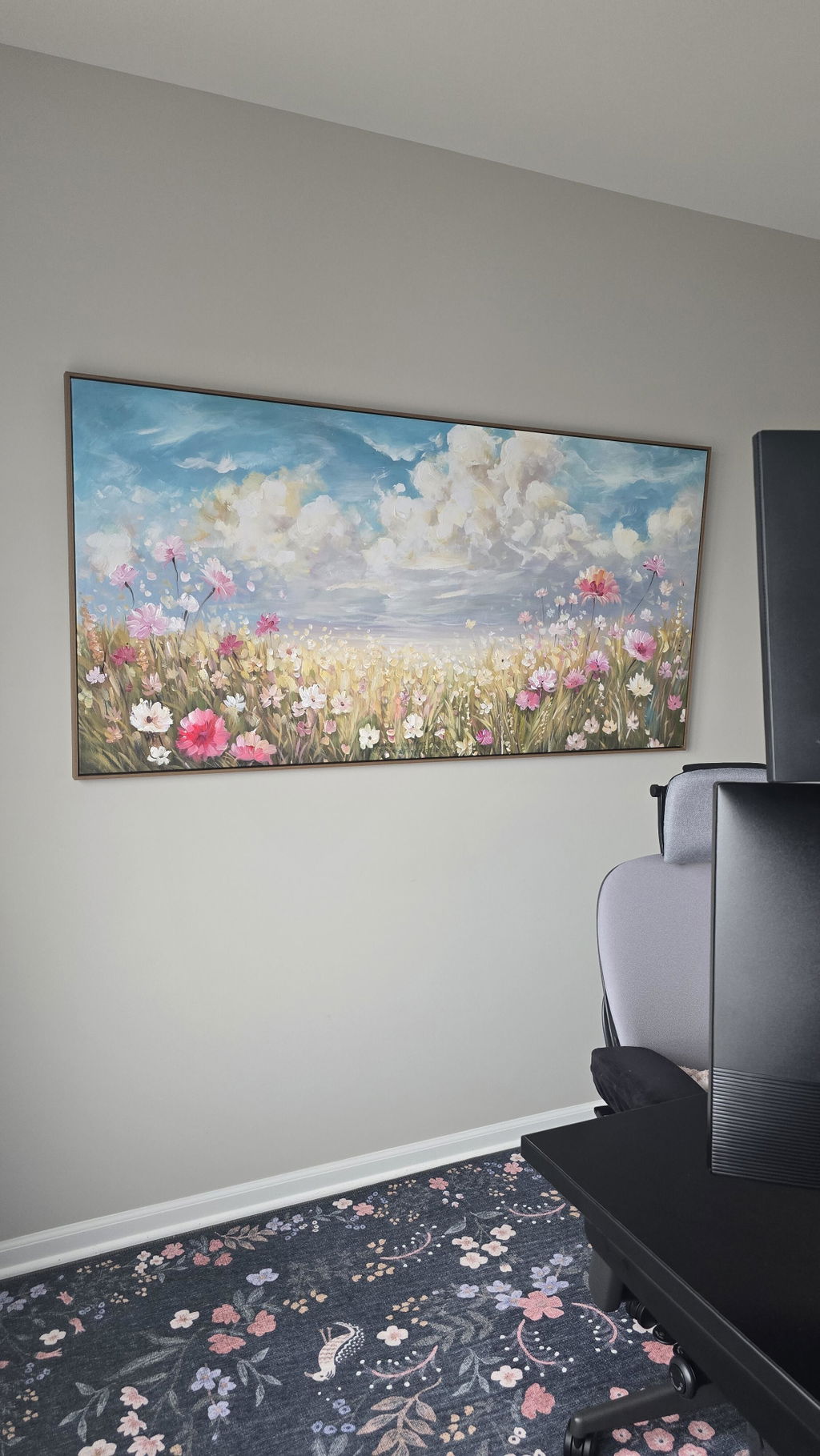
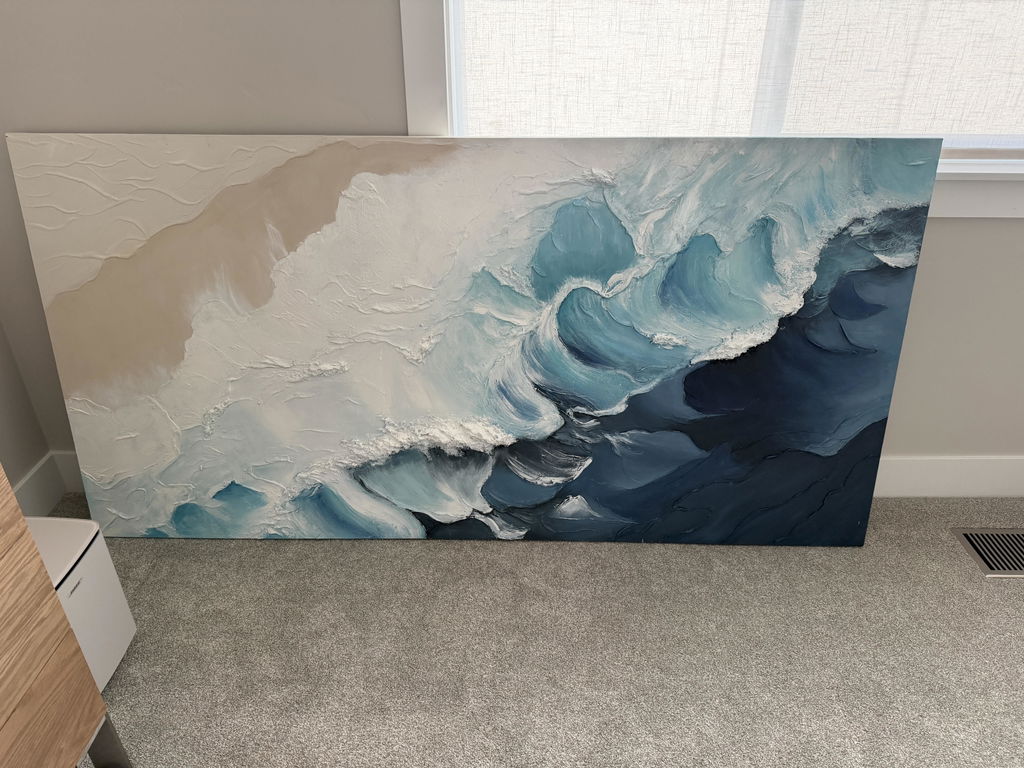
Rolled vs framed canvas comes down to a simple trade-off: rolled delivery often gives you more flexibility and lower shipping bulk, while framed delivery usually gets you closer to a ready-to-hang result. The better choice depends on your timeline, your setup comfort, and whether you want to finish the piece yourself or receive it in display-ready form.
Rolled and Framed Delivery at a Glance
| Delivery format | Best-fit buyer scenario | Main upside | Main trade-off |
|---|---|---|---|
| Rolled delivery | You plan to stretch, frame, or customize the piece after it arrives | Lower package bulk and more flexibility after delivery | More post-arrival setup and coordination |
| Framed delivery | You want the artwork closer to display-ready when it lands | Less setup after checkout and a faster path to hanging | Shipping can cost more, especially for large framed pieces that can trigger oversized shipping cost pressure |
For large art, the biggest difference is not just the box shape. It is how much work you want to take on after delivery and how much shipping bulk you are willing to pay for.
If you are comparing rolled vs framed canvas for a large piece, start by asking one question: do you want convenience now, or more control later?
When Rolled Delivery Makes More Sense
Rolled delivery usually fits buyers who can handle a second step after delivery and want more freedom over the final presentation. It can be a smart choice when the piece will be stretched, framed, or installed later, because you are not locked into the final display format before it arrives.
For a dry canvas, rolling can also reduce transit risk by avoiding sagging or vibration against stretcher bars during shipment. That makes it a practical option when the artwork is not yet mounted and you care more about compact transit than instant display.
That said, rolled does not mean finished. The buyer takes on the post-delivery work, which may include stretching, framing, or coordinating with a local shop. If you want the lowest total effort, rolled delivery is usually not the right match.
Lower Shipping Bulk and Easier Handling
Rolled artwork is easier to move through doors, store temporarily, and fit into tighter delivery paths because it ships without the final assembly attached. That matters when access is awkward, storage space is limited, or you are trying to avoid a large boxed item sitting in the way.
The benefit is reduced handling friction, not zero effort. You may save space in transit, but you still need a plan for what happens next once the tube or roll arrives.
A Better Fit for Custom Framing Plans
If you already know you want a custom frame or a specific stretching style, rolled delivery keeps that decision open. It is often the better fit for buyers who care more about final presentation control than about receiving a finished piece immediately.
For those buyers, the real question is whether the shipping savings are worth the extra finishing step later. If the answer is yes, rolled delivery keeps the purchase more flexible.
For readers thinking about canvas construction and later tension, canvas tension and stretching is worth reviewing before you decide how much finishing work you want to take on.
When Framed Delivery Is the Easier Choice
Framed delivery is usually the easier path when you want less coordination after checkout and a piece that is closer to display-ready on arrival. That is the better fit for buyers with limited time, low setup tolerance, or a strong preference for opening the box and hanging the artwork soon after it arrives.
- You skip separate stretching or framing coordination.
- You reduce the number of decisions left after delivery.
- You get a more turnkey unboxing experience.
- You may pay more in shipping because larger framed pieces can trigger dimensional-weight or oversized fees.
For artwork shipped through carrier channels, professional packing for artwork can add a useful layer of handling support. It is not a damage-proof promise, but it does show why framed delivery is often treated as the more convenient option for buyers who want less hands-on work.
Compare Cost, Risk, and Setup Effort
| Factor | Rolled delivery | Framed delivery |
|---|---|---|
| Shipping cost pressure | Often lower because the package is smaller and easier to move | Often higher for large pieces because oversized and dimensional-weight charges can apply |
| Transit handling | Compact packaging can help, especially for a dry canvas | More exposed to package size pressure and handling complexity |
| Unpacking effort | More work after arrival | Less work after arrival |
| Display readiness | Not ready to hang on arrival | Closer to ready to display on arrival |
| Post-arrival flexibility | High, because you still choose the final finish | Lower, because the presentation is already set |
| Best fit | Buyers who want control, flexibility, or lower shipping bulk | Buyers who want convenience and the fastest path to display |
The key thing to notice is that the comparison flips by scenario. If you care most about lower transit bulk and later customization, rolled is usually the better fit. If you care most about opening the box and getting to display quickly, framed is usually worth the extra shipping pressure.
The trade-off also changes with packaging quality and carrier handling. Rolling acrylic paintings for shipping or storage notes that a dry canvas can benefit from reduced sagging or vibration in transit, while framed delivery can make sense when professional packing support matters more than the extra freight cost.
How MontCarta Delivery Choices Map to Buyer Needs
If you are shopping with MontCarta in mind, use the delivery choice as a filter before you browse the artwork itself. Rolled delivery usually fits buyers who want more flexibility after arrival, while framed delivery fits buyers who want the easier, more direct path to display.
That is why it helps to browse the format that matches your plan first. If you want a larger statement piece, shop extra large canvases. If your room works better with a wide layout, browse large horizontal art. The point is to match the delivery style to the room and the amount of setup you want to handle.
Choose the Right Delivery Option
Check your timeline, space, setup tolerance, and total cost before you decide on rolled vs framed canvas. If you want the fastest path to the wall, framed usually fits better. If you want more control after arrival, rolled is usually the smarter starting point.
Before checkout, review the policy details that apply to your order so the delivery format matches the terms you are actually buying under.
FAQs
How Do I Decide Between Rolled and Framed Delivery?
Choose rolled if you want more control after delivery and framed if you want less setup work. The quickest check is your timeline: if you want to hang the piece soon after it arrives, framed is usually the easier route. If you are fine handling stretching or framing later, rolled gives you more options.
What Is the Main Benefit of Rolled Delivery for Large Art?
The main benefit is flexibility. Rolled delivery usually keeps shipping bulk lower and lets you decide later how the piece should be finished. That matters most if you are planning custom framing, a specific stretcher style, or a local installation after the artwork arrives.
Why Would Someone Choose Framed Delivery Instead?
Framed delivery is the better fit when convenience matters more than shipping efficiency. If you want the piece to arrive closer to display-ready form, framed delivery reduces the amount of work left after unboxing. It is usually the stronger choice for buyers with little time or little interest in extra setup.
Can a Large Painting Arrive Ready to Hang in Either Format?
Sometimes, but you should not assume it. Ready-to-hang depends on the exact product and how it is shipped. A framed piece is usually closer to display-ready, while a rolled piece still needs stretching or framing before it can go on the wall.
What Should I Check Before I Pick a Delivery Option?
Check your display timeline, space, setup tolerance, and total budget. Then review the return and warranty terms tied to the order. If you want the fastest path to the wall, framed usually fits better. If you want more control after arrival, rolled is usually the smarter starting point.