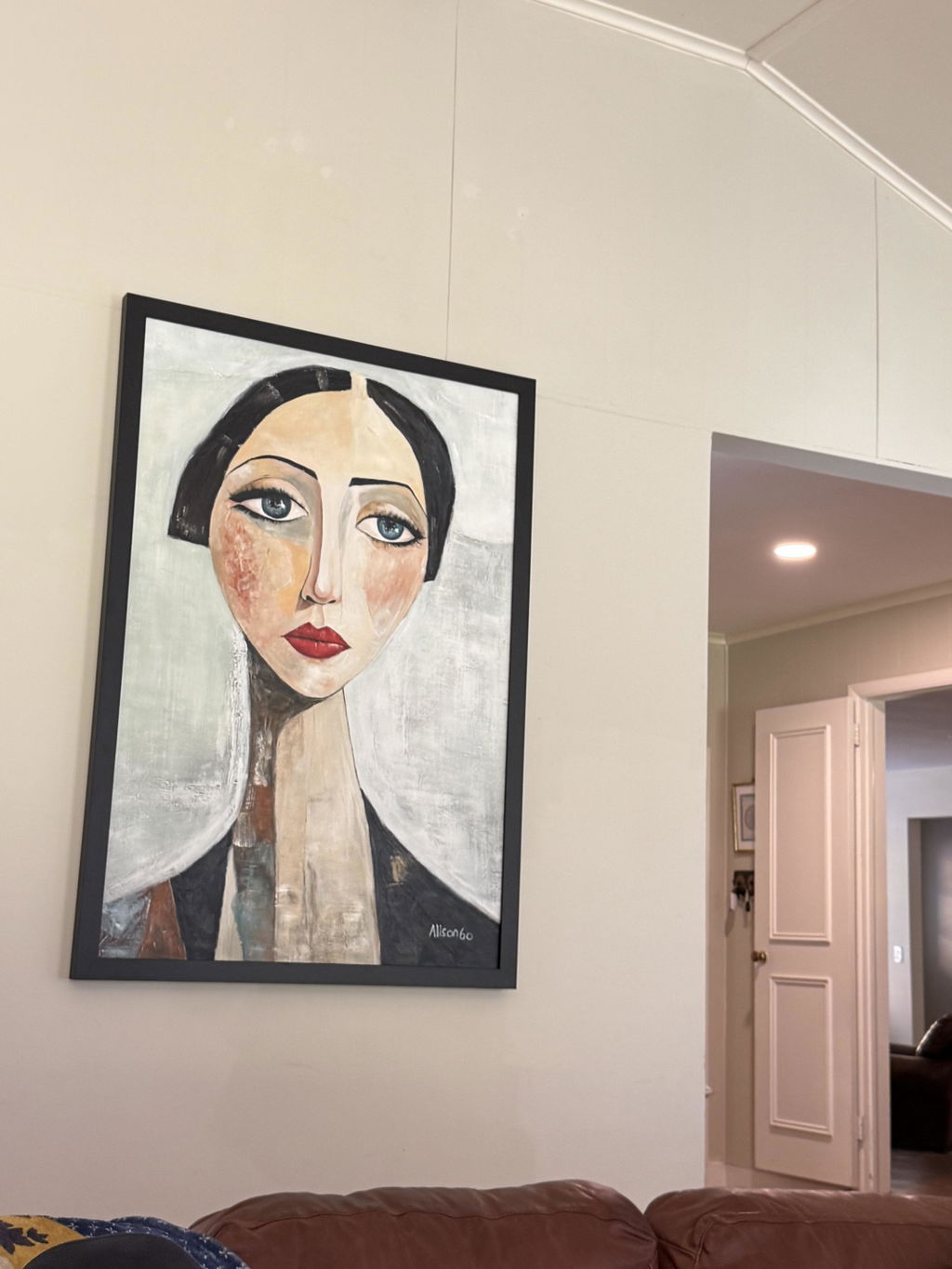
Textured originals can offer significant emotional and decor value, even when their resale potential is uncertain. The real question regarding original art value isn't just whether a piece feels worth the price today, but how easy it might be to sell down the road. A conservative rule applies: texture can enhance desirability, but it does not guarantee future price appreciation or investment upside.
What Value Means for Textured Originals
When buyers ask whether textured originals hold value, they are often blending three distinct concepts: their personal enjoyment of the piece, how well it fits their space, and what a future buyer might be willing to pay. While related, these aren't the same. In appraisal terms, fair market value is the price a willing buyer and seller would agree upon given full knowledge of the facts—a much stricter standard than personal preference.
This distinction is important because a piece can be a great decor purchase without being a strong resale asset. Art-market experts generally favor long holding periods, with meaningful returns—if they happen at all—typically measured over a decade or more rather than a quick flip. long holding periods For most buyers, the safest approach is simple: prioritize daily enjoyment, then evaluate for resale friction as a secondary step.

In practice, original art value is higher when a work has an audience beyond your own walls. If a piece only works for one specific room or color scheme, its personal value may be high, but its resale market remains limited. That is why this guide focuses on the practical signals a future buyer will look for.
The Main Factors Behind Resale Value
The biggest resale drivers are the same ones appraisers and tax professionals consistently cite: artist standing, provenance, and the market segment the work belongs to. artist standing and provenance Simply put, buyers pay more confidently when they can easily answer three questions: Who made it, can the history be traced, and is there an established market for this type of work?
Artist Reputation and Market Recognition
A known artist with an established collector base usually has better resale prospects than an unknown name, even if both pieces look impressive. Recognition doesn't guarantee a specific return, but it widens the pool of potential buyers because they aren't starting from zero. Emerging artists can still sell well, but pricing is often less predictable due to a shorter market history.
For a buyer, the practical test isn't just, "Is this artist famous?" but, "Is there enough market history for another buyer to feel comfortable?" If the answer is no, the piece may still be worth owning, but it should be viewed as a decor-first purchase rather than an investment.

Condition, Materials, and Surface Stability
Condition is critical because small defects quickly erode buyer confidence. Cracking, staining, warping, loose texture, or obvious wear can make a future buyer hesitate, even if the image itself is attractive. This is especially relevant for textured originals, where the surface is both a key feature and a potential maintenance concern.
Materials also play a role. Some markets show that a signature can boost price and that oil-based works often command stronger values than other media, though these trends are specific to certain markets rather than universal. signature and medium pricing effects The takeaway for you is not that "oil always wins," but that the medium and surface quality matter most when the work already has established demand and is in pristine condition.
Subject Matter, Size, and Display Fit
Broadly appealing subject matter usually has a higher resale potential than highly niche themes. The easier a future buyer can visualize the piece in their own home, the easier it is to resell. Size works the same way: while a large piece can make a statement, it may also narrow your buyer pool if it’s difficult to ship, transport, or hang in a standard home.
This is where original art value moves from theory to practice. If the work fits many types of rooms, it has a larger potential buyer pool. If it only fits one specific wall size or style, resale becomes dependent on finding the "perfect" buyer at the right time.
Documentation and Provenance
Documentation doesn't create value on its own, but it significantly reduces doubt. Invoices, certificates of authenticity, artist details, and ownership history help a future buyer verify the work. This is most important when the artist is not a household name.
A good rule of thumb: if the paperwork makes the story clearer, it bolsters resale confidence. If it’s missing, the work isn't automatically worthless, but a future buyer may demand a discount to account for the uncertainty.
Do Texture, Medium, and Finish Matter?
Yes, but not in the simple "more texture equals more value" way many hope. Texture can make a piece feel more authentic, tactile, and distinctive, which supports desirability. However, the surface can also raise concerns about dust, cleaning, shipping, and long-term wear. For this reason, view texture as a desirability cue, not a guarantee of future resale strength.
The key is whether the surface looks deliberate and stable. Deep ridges and heavy buildup aren't problems on their own, provided they look intentional rather than fragile. If the work uses materials where fading is a concern, asking about pigment lightfastness is a smart move; ASTM D4303 is the industry standard for evaluating artists' materials.
| Surface Factor | What It Can Support | What Can Drag On Resale | What To Check Before Buying |
|---|---|---|---|
| Texture depth | Visual interest, tactile appeal, handmade feel | Dust trapping, handling anxiety, surface damage concerns | Does the texture look secure and evenly built? |
| Medium | Sometimes clearer market recognition in established categories | Market-specific pricing differences, not universal upside | Ask what materials were used and how the surface cures or ages |
| Finish | Can change how polished or contemporary the work feels | Glare, uneven sheen, or visible wear | View it in room-like light if possible |
| Surface stability | Confidence that the piece will age normally | Cracking, flaking, or fragile impasto | Check for loose buildup, stains, or warping |
If you want a broader visual reference for this kind of surface quality, the impasto originals collection is a useful place to browse, but keep the same rule in mind: focus on surface stability, not just the style label.
Why Some Pieces Resell More Easily
The easiest pieces to resell are those that remove friction for the next buyer. This means broad appeal, manageable size, and simple placement. It also means avoiding logistics headaches. Large or unusually heavy works face shipping and handling hurdles that narrow the buyer pool, even when the artwork itself is stunning.
Think of resale ease as "buyer-pool width." A piece that can work in many homes, ship easily, and hang without special planning is generally easier to move than one requiring a specific wall or local-only pickup. This doesn't make the latter a bad purchase, just one with a narrower exit path.
Maintenance anxiety is also a factor. Buyers often hesitate if a textured surface looks difficult to clean or preserve. The more delicate the surface appears, the more a future buyer will worry about the logistics of living with it.
For those comparing oversized pieces, large wall art is a good starting point, but always consider whether the size will be practical for future rooms and shipping.
How to Judge a Piece Before You Buy
A textured original is easier to justify when you run these checks before checkout:
- Separate your goals. If you are buying for emotional impact or room design, be honest about that. If resale matters, treat it as a secondary filter, not your primary one.
- Check the artist’s history. Look for the artist’s name, their body of work, past sales context, and any exhibition or collector history. Stronger recognition helps future buyers feel less uncertain.
- Inspect condition clues. Look for cracking, flaking, stains, loose texture, warped backing, or finish issues. Surface damage usually hurts resale value more than style choices do.
- Ask about materials. If pigments or mixed media are involved, check if the materials align with an established lightfastness standard like ASTM D4303.
- Compare documentation. An invoice, certificate, or clear record of the work makes a future sale much easier, especially if the artist isn't widely known.
- Pressure-test the size. If the work only fits one room or wall type, resale depends on finding a very specific buyer. If you want more flexibility, choose a format that can live in various settings.
- Be honest about liquidity. If you want near-term resale flexibility, favor simpler, easier-to-place works. If you are buying for the long haul, room fit and personal enjoyment should take priority.
If you are comparing styles, abstract wall art is a broader category that can be easier to navigate than judging texture in isolation.
Final Takeaway
Texture adds richness and character to a piece, but original art value still comes down to the basics: who made it, how well it is documented, its condition, and how easily another buyer could place it. For the safest decision, evaluate textured originals by room fit, surface stability, and documentation first, then treat potential resale as a bonus.
FAQs
Do Original Textured Paintings Hold Value?
Sometimes, but not automatically. They tend to retain value when the artist has market recognition, the piece is in good condition, and the documentation is clear. The best test is whether the work would make sense to a second buyer in five or ten years, not just whether it looks striking today.
Is Textured Art a Good Investment?
It can be a rewarding purchase, but only if you separate "investment" from "enjoyment." Most buyers should treat textured art as a decor decision. If you are specifically looking for an investment, focus on artist standing, provenance, and market history rather than texture alone.
What Usually Lowers Resale Value in Original Art?
Damage, weak documentation, overly niche subject matter, and awkward sizing are the most common issues. A simple self-check: if a future buyer would need extra explanation, special shipping, or a "leap of faith" to say yes, resale will be harder. This is especially true for fragile or high-maintenance surfaces.
Can Documentation Make a Textured Original Easier to Resell?
Yes. Invoices, certificates, and clear artist records reduce uncertainty for the next buyer, which makes the piece feel more credible. It doesn't guarantee a higher price, but it removes the friction caused by missing history.
How Should I Compare Emotional Value and Resale Value?
Buy for emotional value if the piece enhances your room and fits your budget. Then, ask if it has enough market clarity, condition, and documentation to be easily explained to a future buyer. If you need a simple rule: choose the piece you would be happy to keep even if resale took longer than expected.