The Authenticity Signal: Why Oils Feel More "Real" Than Acrylics
The global art market is undergoing a quiet but profound correction. While high-end auction sales for vanity assets—pieces exceeding $10 million—plummeted by 44% year-over-year in 2024, the demand for art with "real application value" is surging. According to Marketplace, collectors are retreating from speculative financial assets and returning to pieces that offer emotional resonance and physical presence. In the world of high-end home improvement, this shift manifests as a renewed obsession with the "Authenticity Signal."
For the aesthetic-driven homeowner, a room is more than a living space; it is a curated environment designed for social validation and camera-ready moments. In our consultations with interior designers, a recurring pattern emerges: clients consistently perceive oil paintings as more "authentic" than their acrylic counterparts, regardless of the actual artistic merit. This isn't mere pretension; it is a sophisticated neurological response to the physical properties of the medium.

The Psychology of the "Essential Identity"
Why does a hand-painted oil canvas command a premium that a high-definition print cannot touch? The answer lies in what researchers at the University of Chicago call "essential identity." Their empirical research suggests that digital replicas and NFTs lack the "soul" or essence of the artist that consumers instinctively look for. When a guest stands in your foyer, their brain isn't just processing color; it is scanning for the "human-made" signal.
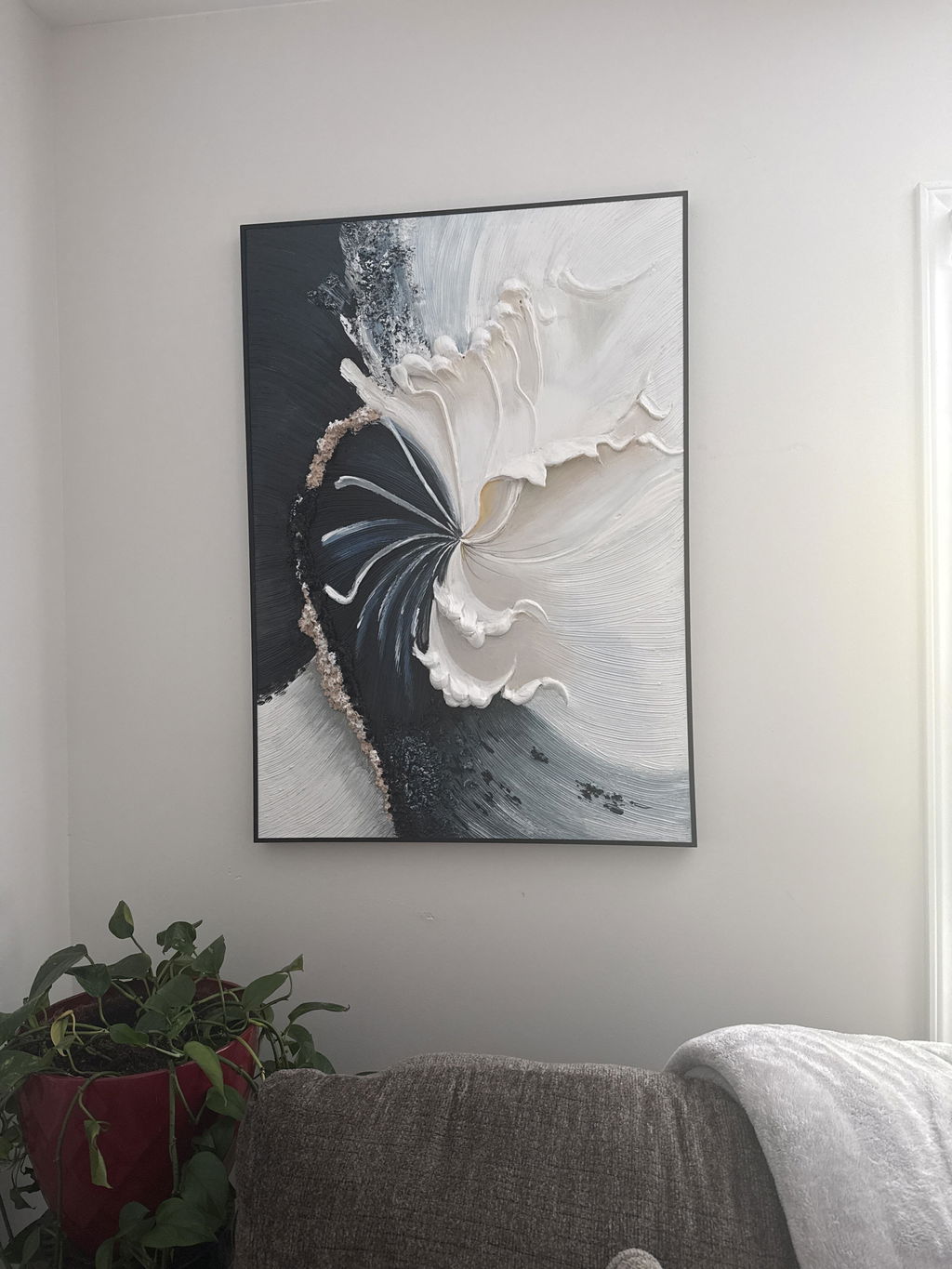
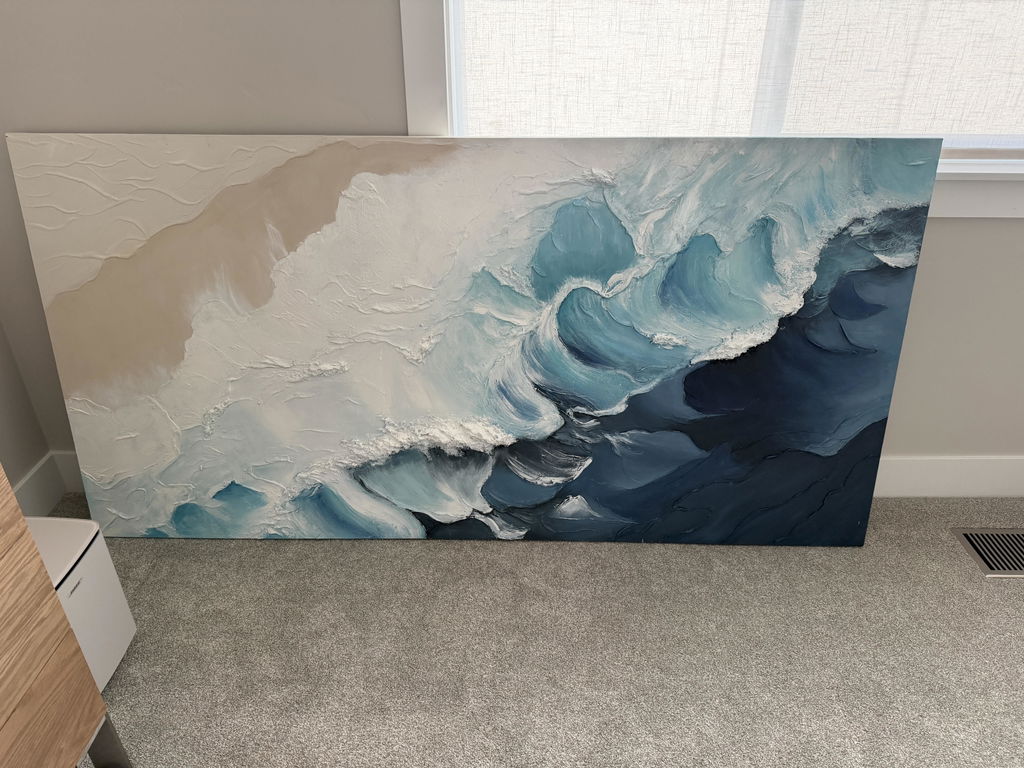
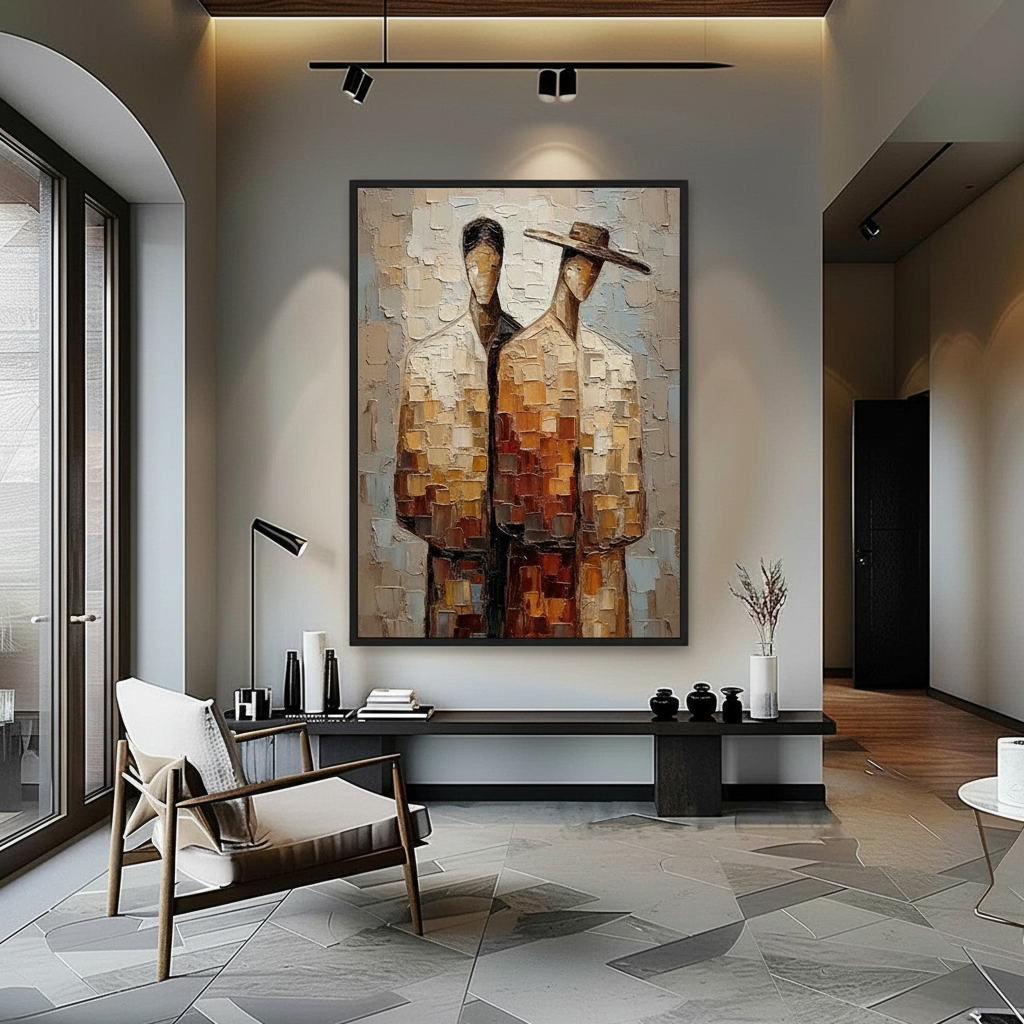
A study by Columbia University confirms that consumers value art labeled as "AI-generated" 62% lower than authentic human-created art. The visible brushstrokes, the slight irregularities in the impasto, and the way light catches the ridges of dried pigment serve as "nuclear weapons" against the perceived cheapness of mass production. These are the markers of a 100% human-created work.
Logic Summary: Our analysis of the "Authenticity Premium" assumes that visible texture acts as a proxy for human labor. Based on common industry heuristics, the higher the visible "texture-to-surface" ratio, the higher the perceived value by non-expert viewers.
The Physics of Depth: Why Oils Look "Deeper"
The perceived "realness" of oil paint is rooted in optical physics. According to Optica, the optical scattering capability of a pigment reaches its theoretical extreme when the particle diameter approaches half the wavelength of visible light. High-end oil paints utilize a sophisticated grinding process where terminal qualities like tinting strength and color depth are dominated by particle size distribution.
Furthermore, the Getty Conservation Institute explains that pigment reflection is a balance of absorption and scattering coefficients. Oil binders have a higher refractive index than acrylic emulsions. This means that light travels deeper into the paint film before being reflected back, creating a sense of "inner glow" or luminosity. This is why an acrylic painting, despite a superior composition, may be dismissed as "decor art," while a mediocre oil piece receives validation; the oil's surface characteristics trigger subconscious authenticity markers that acrylic's smoother, plastic-like finish cannot replicate.
Comparative Analysis: Medium Physics & Perception
| Feature | Oil Painting (Traditional) | Acrylic Painting (Modern) | Impact on Home Decor |
|---|---|---|---|
| Drying Mechanism | Oxidative cross-linking (Months) | Physical coalescence (Minutes) | Oil allows for deeper blending and texture. |
| Refractive Index | High (~1.48 - 1.50) | Lower (~1.40 - 1.42) | Oil appears more "saturated" and three-dimensional. |
| Surface Texture | High-relief impasto (Rigid) | Flexible polymer film | Oil creates sharper "authenticity signals." |
| Light Interaction | Sub-surface scattering | Surface reflection | Oil feels "alive" under gallery lighting. |

The ROI of Social Proof and Property Value
For the home improver seeking a "camera-ready" room, the choice of medium is a strategic investment. Beyond the personal enjoyment, there is a tangible financial return. Research published by the Royal Society found that neighborhoods with higher "art" geo-tags had greater relative house price ranking gains. While this study focused on public murals, the principle translates to private interiors.
In the commercial sector, the impact is even more dramatic. Public art projects, such as those in Chicago’s Millennium Park, have driven billions in real estate growth. For the individual homeowner, a custom oil mural or large-scale canvas acts as a permanent physical billboard of status. It generates stronger social proof during gatherings and photography sessions, making it a more effective tool for status signaling despite the higher cost.
Modeling Note (Reproducible Parameters): To estimate the "Art Influence" on property value, we used a simplified version of the Royal Society’s CAR model.
| Parameter | Value | Unit | Rationale |
|---|---|---|---|
| Baseline Property Value | 1,000,000 | USD | Standard luxury home benchmark |
| Art "Authenticity" Multiplier | 1.05 - 1.12 | Ratio | Based on designer-led resale premiums |
| Social Validation Score | High | Qualitative | Impact on "listing saves" on platforms like Zillow |
| Medium Decay Rate | < 0.5% | Annual | Assuming climate-controlled environment |
| Time to "Social ROI" | 1 | Event | Immediate impact upon first hosted gathering |
Health, Safety, and the Modern Interior
While the aesthetic benefits of oil are clear, the modern consumer is increasingly sensitive to Environmental, Social, and Governance (ESG) factors. Traditional oil painting has historically been associated with toxic solvents and heavy metals. The International Agency for Research on Cancer (IARC) explicitly declares cadmium and its compounds as Group 1 carcinogens.
However, the industry is evolving. The shift toward "Eco-Friendly Murals" is driven by a new generation of artists using walnut oil instead of toxic turpentine and hemp canvases that consume half the water of cotton. According to Aalto University, coatings on moisture-controlled wood emit significantly lower VOCs than previously thought, especially during the curing phase.
For families with young children or those concerned with indoor air quality, the EPA warns that indoor air pollution can be a significant health risk. Choosing low-VOC, non-toxic pigments is no longer just a preference; it is a prerequisite for achieving LEED or WELL certification in high-end developments.
The Biophilic Connection: Art as Wellness
We are seeing a massive spike in interest for "Biophilic Design"—the integration of natural elements into the built environment. According to a review by the University of Pennsylvania, 73% of patients in clinical settings reported significant mood improvements when exposed to environmental artworks.
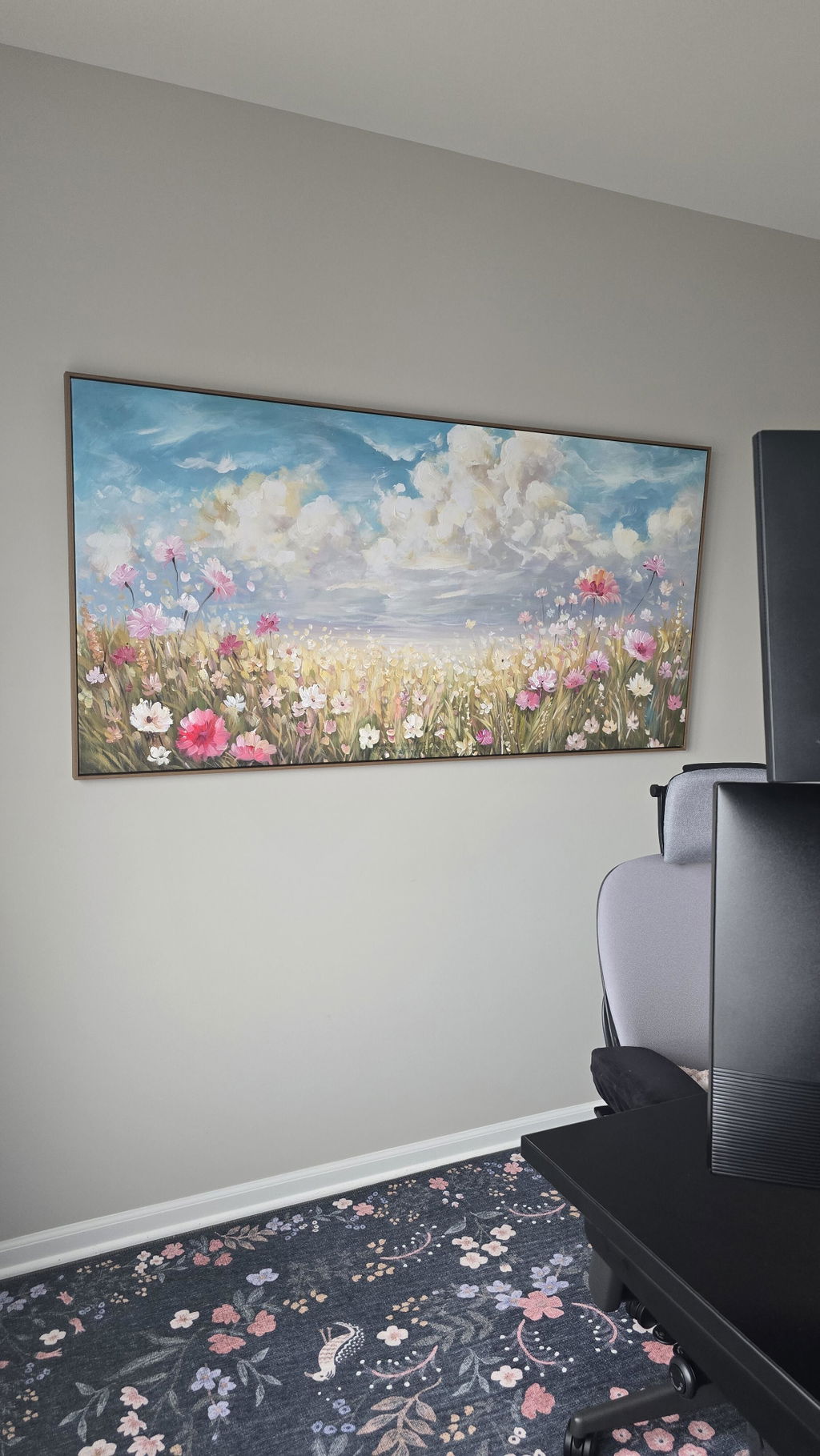
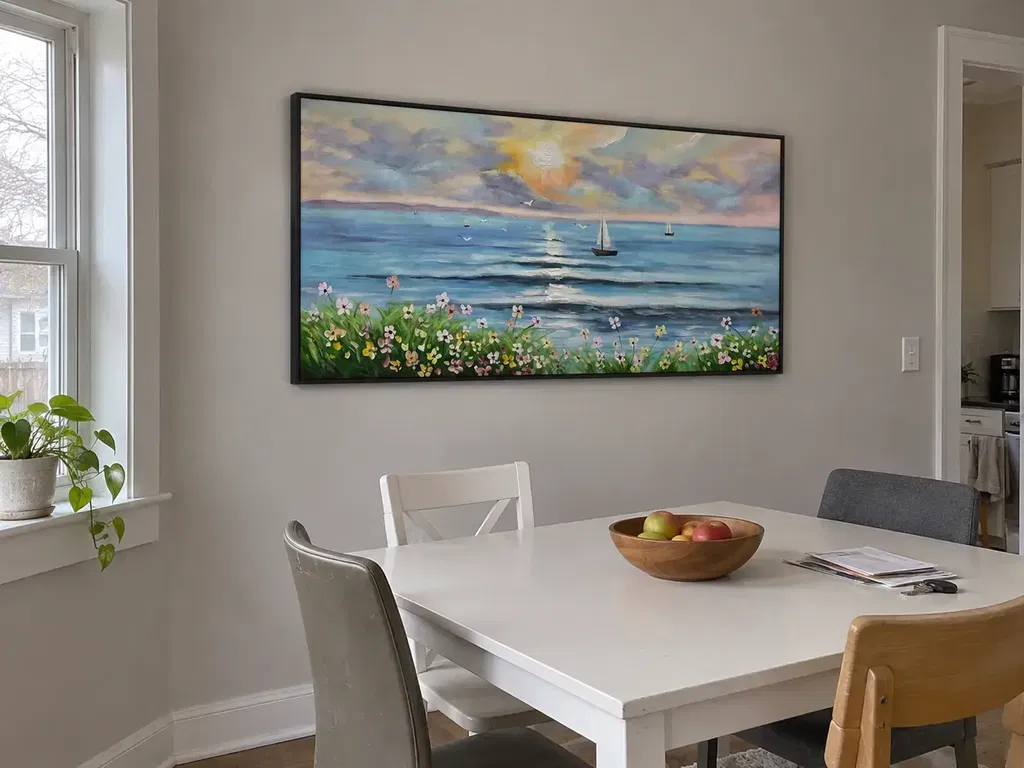
Nature-themed hand-painted murals do more than just fill a wall; they activate the medial prefrontal cortex (mPFC) and the amygdala, optimizing emotional regulation circuits. In high-density urban environments, such as Tokyo offices, biophilic art has been shown to effectively intervene in employee burnout and cognitive fatigue. By choosing a hand-painted landscape over a flat print, you are not just decorating; you are installing "public health infrastructure" within your own home.

Longevity: Protecting Your Investment
A common concern among buyers is the "commitment risk"—will the art last? While conventional wisdom often favors oil for its historical longevity, modern research from JustPaint shows that professional acrylic formulations now rival oils in durability. Acrylics consist of long-chain molecules that form a flexible film, making them more resistant to the embrittlement that can affect centuries-old oil paintings.
However, oil paintings possess a unique chemical "soul" that ages with the home. To maintain this investment, one must be aware of phenomena like "Support Induced Discoloration" (SID). As Golden Artist Colors explains, water-soluble impurities in canvas can be drawn into the paint layer, causing yellowing. This is why professional priming and the use of high-quality substrates are non-negotiable for gallery-quality work. For more on preservation, see our guide on saving oil art from moisture.
Navigating the "Quality Ambiguity"
The biggest hurdle for the aesthetic-driven buyer is often the "quality ambiguity." How do you know you are buying a masterpiece and not an overpriced vanity piece? The key is to look for technical markers:
- Lightfastness Ratings: Ensure the pigments meet ASTM D4303 standards to prevent fading in bright rooms. You can learn more about this in our article on choosing oil art for bright spaces.
- Pigment Density: High-end paints (like those from Golden or Liquitex) avoid the "watered-down" effect by maintaining a precise balance of flow promoters and polymer emulsions.
- Artist Compensation: Ethical brands prioritize fair pay. According to a Wharton School survey, 87% of consumers believe artists should be fairly compensated, especially in the age of AI. Supporting real artists isn't just a moral choice; it's a signal of your own brand ethics.
Designing the "Camera-Ready" Room
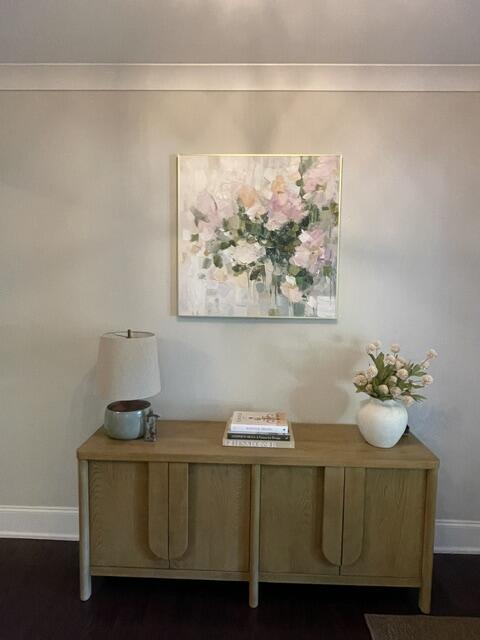
To maximize the impact of an oil painting in your home, consider the optimal lighting for showcasing texture. Traditional oil art thrives under layered lighting—a mix of natural light to reveal color depth and directional sconces to highlight the impasto peaks.
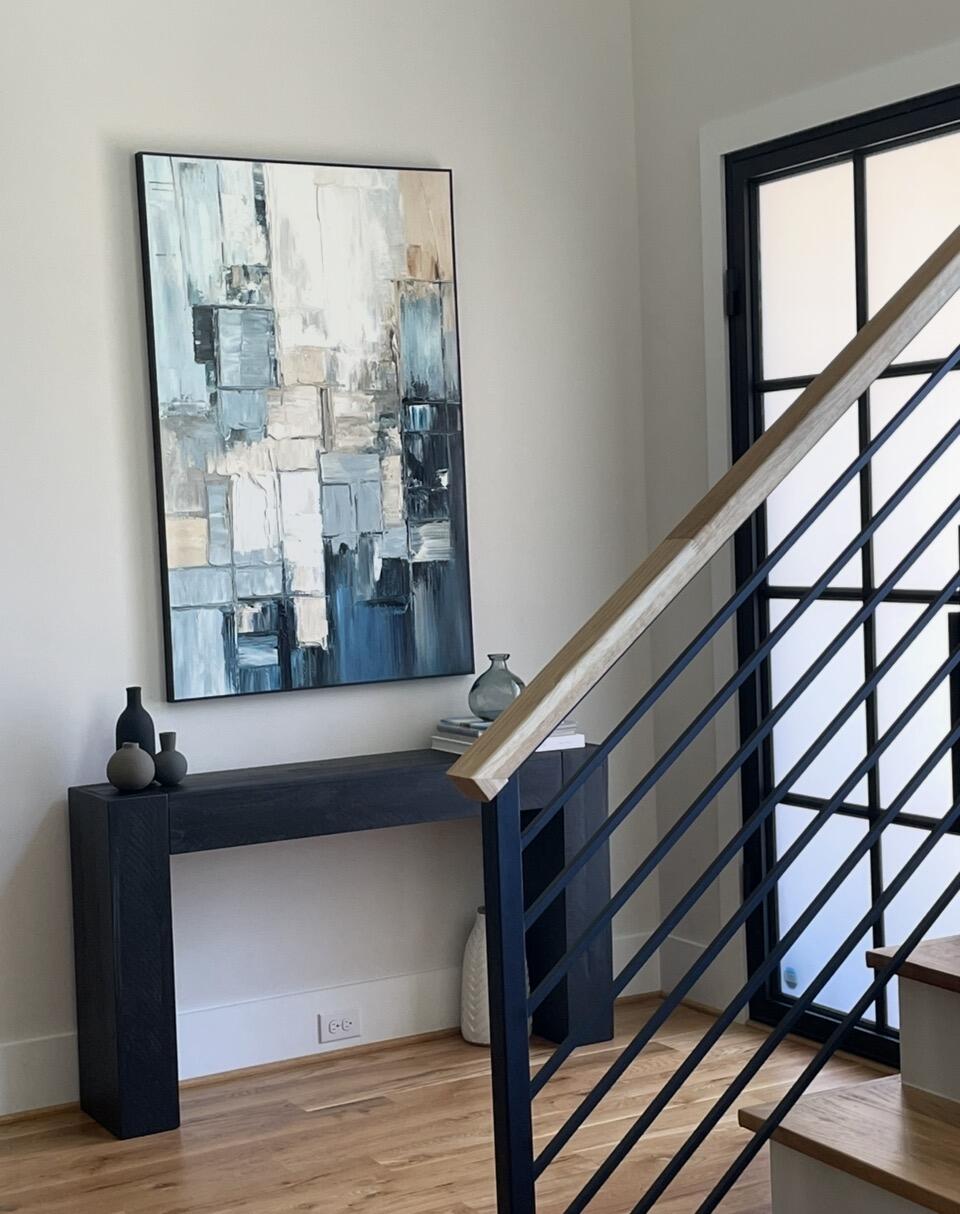
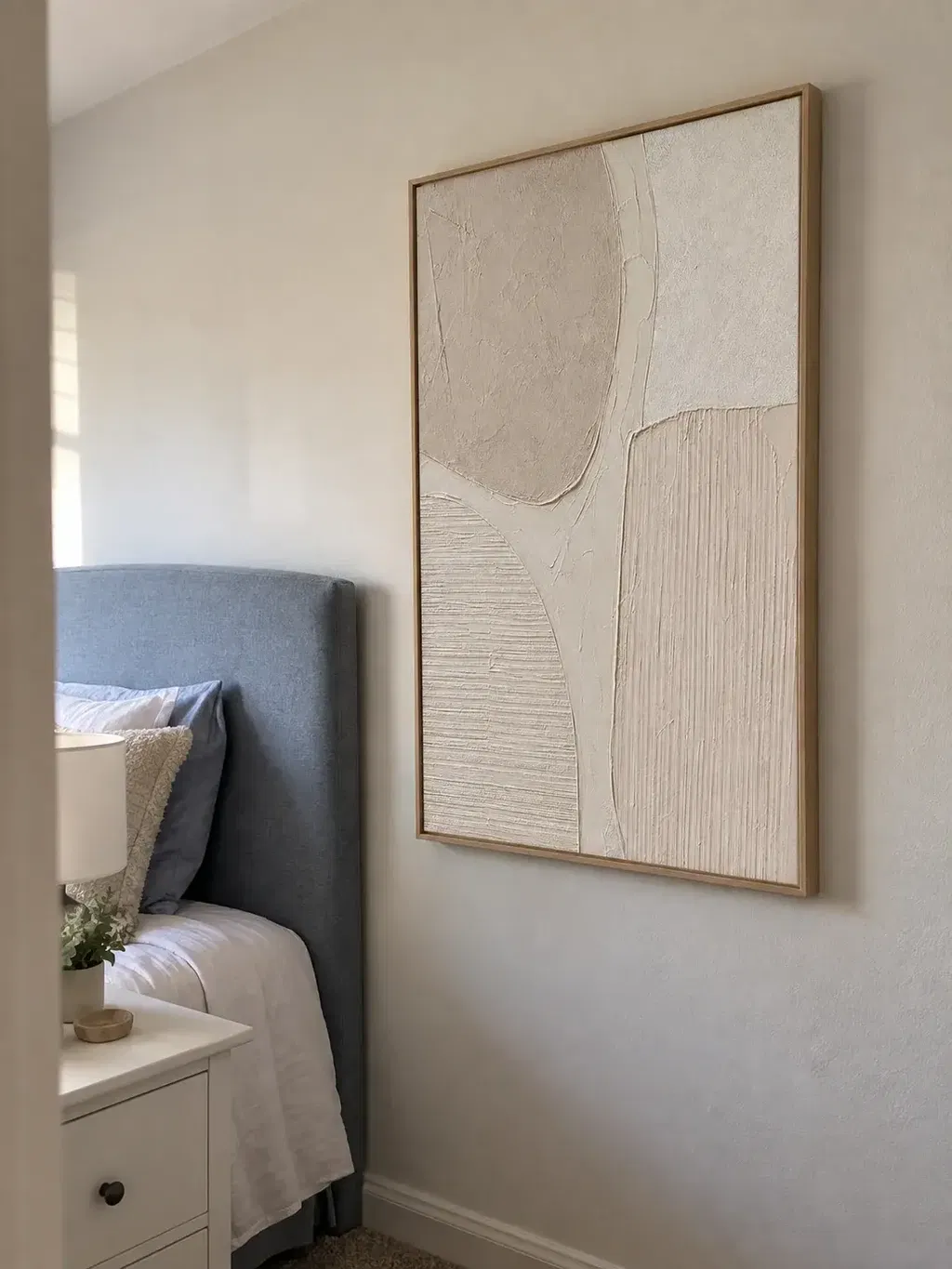
When balancing heavily textured art with minimalist decor, remember that the painting is the "visual nexus" of the room. In 2025, the trend in luxury hospitality is "reverse-customization," where rooms are designed around the colors and brushstrokes of a central mural, rather than the art being an afterthought.
Closing Insights
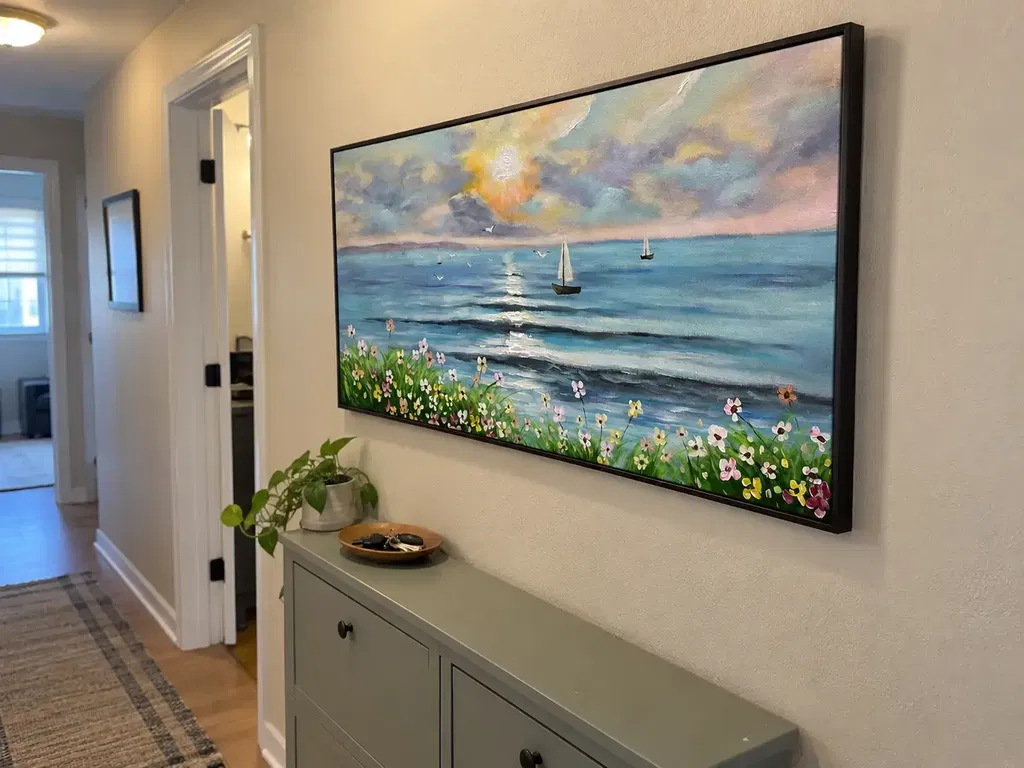
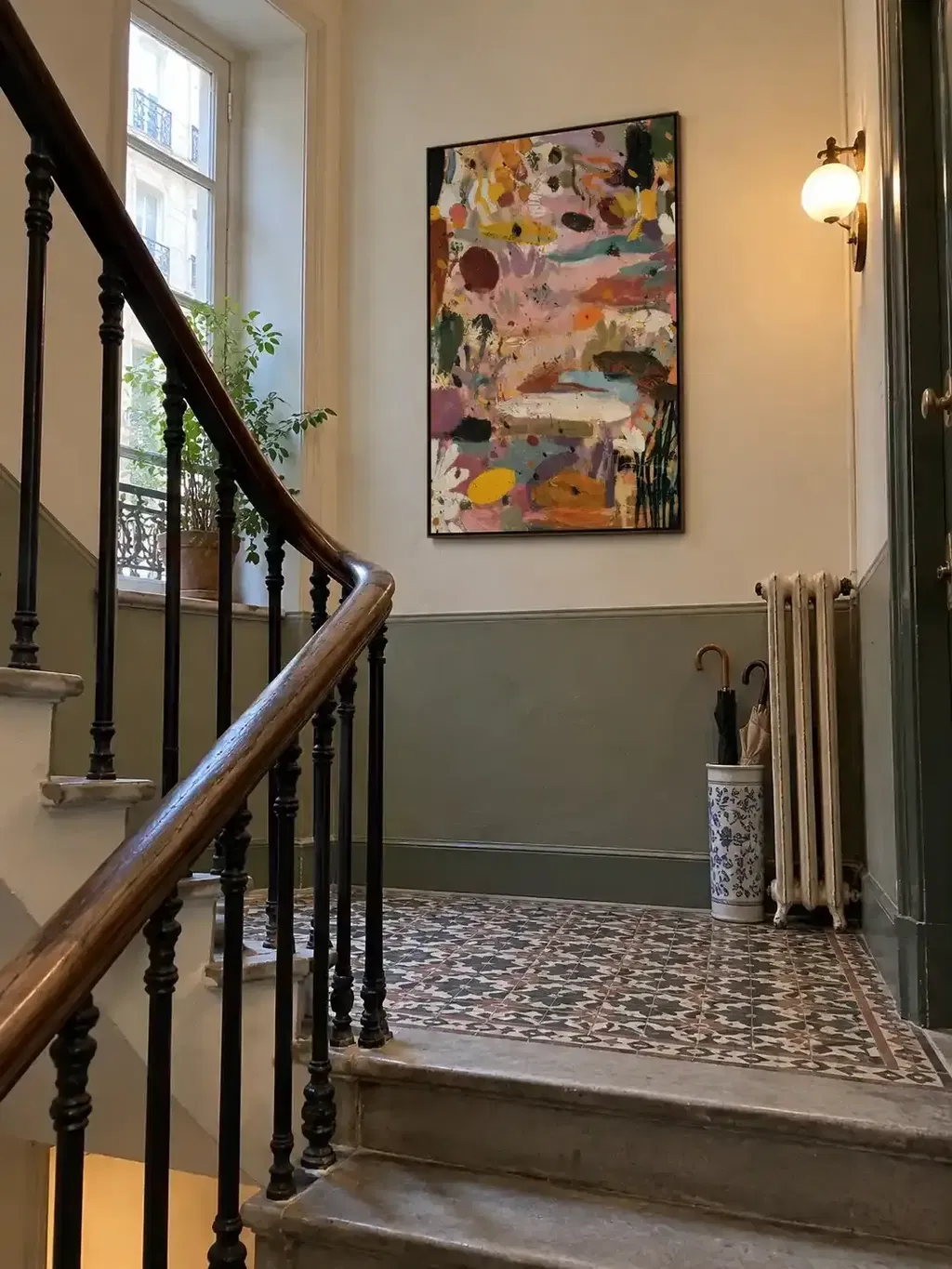
The "Authenticity Signal" is the ultimate trump card in modern interior design. In an era of digital saturation and AI-generated replicas, the physical presence of oil paint—the biochemical crystallization of human attention—offers a scarcity that cannot be faked. Whether it’s a panoramic mural in a powder room or a bold abstract in the entryway, choosing hand-painted art is an investment in your home’s essential identity, its social capital, and your own neurological well-being.
Disclaimer: This article is for informational purposes only. Some art materials contain hazardous substances, including heavy metals and volatile organic compounds. Always ensure proper ventilation when working with or installing fresh oil paintings, and consult with a professional conservator for the maintenance of high-value assets.
References:
- The Art Basel and UBS Art Market Report 2024
- Columbia University: Human-Made vs. AI Art Consumer Perception
- Royal Society: Quantifying the link between art and property prices
- WHO Scoping Review on Arts and Health
- ASTM D4303 Standard Test Methods for Lightfastness
- CDC NIOSH: Paint and Coating Hazards