The Large-Scale Strategy: One Giant vs. Three Panels
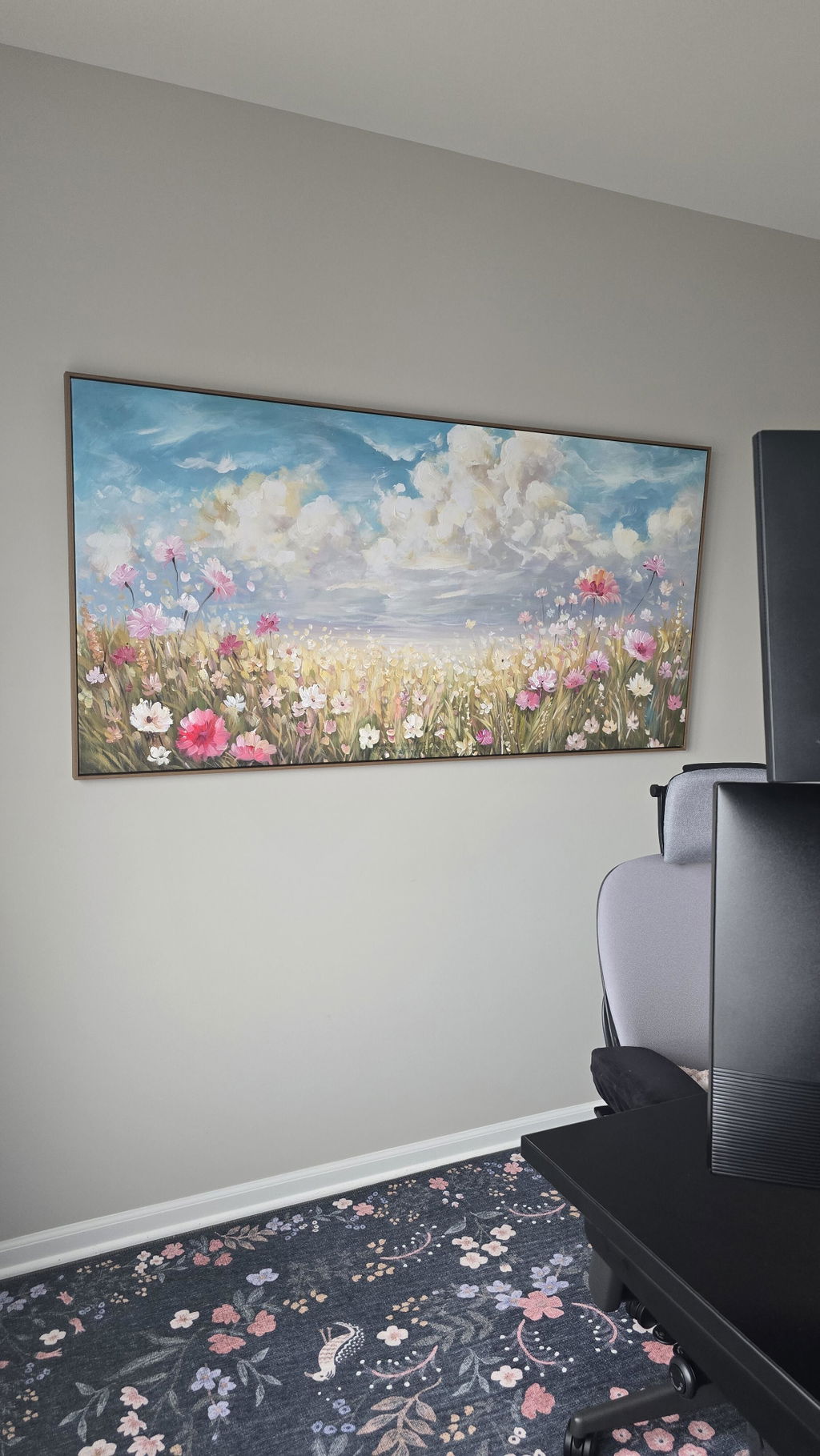
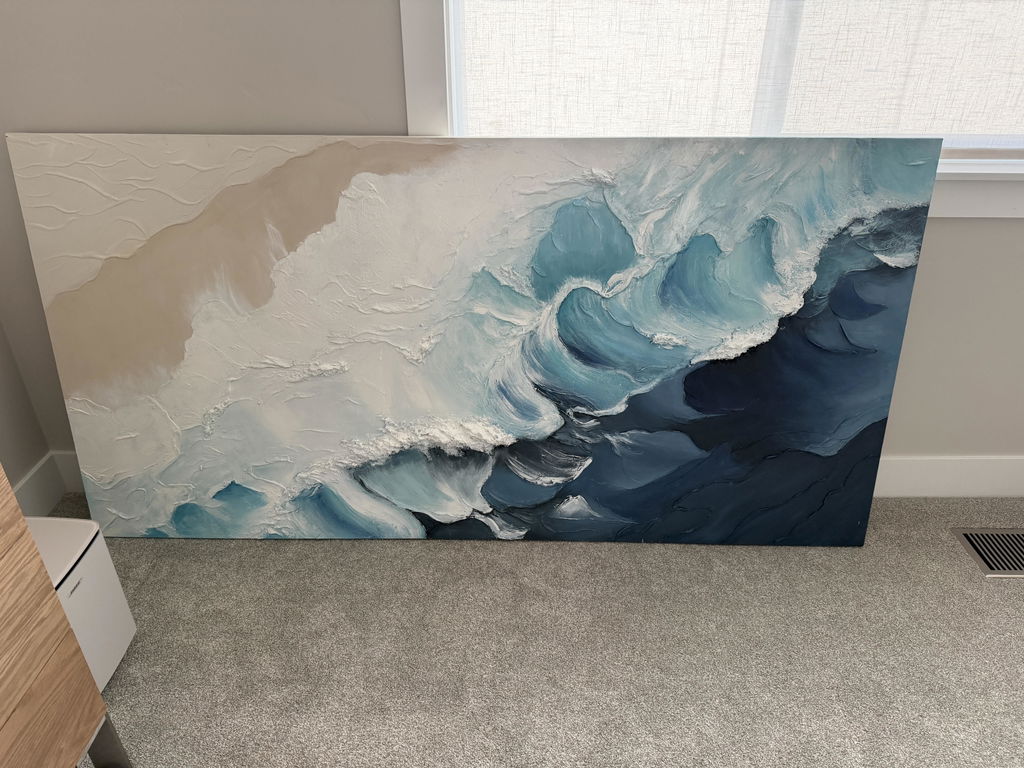
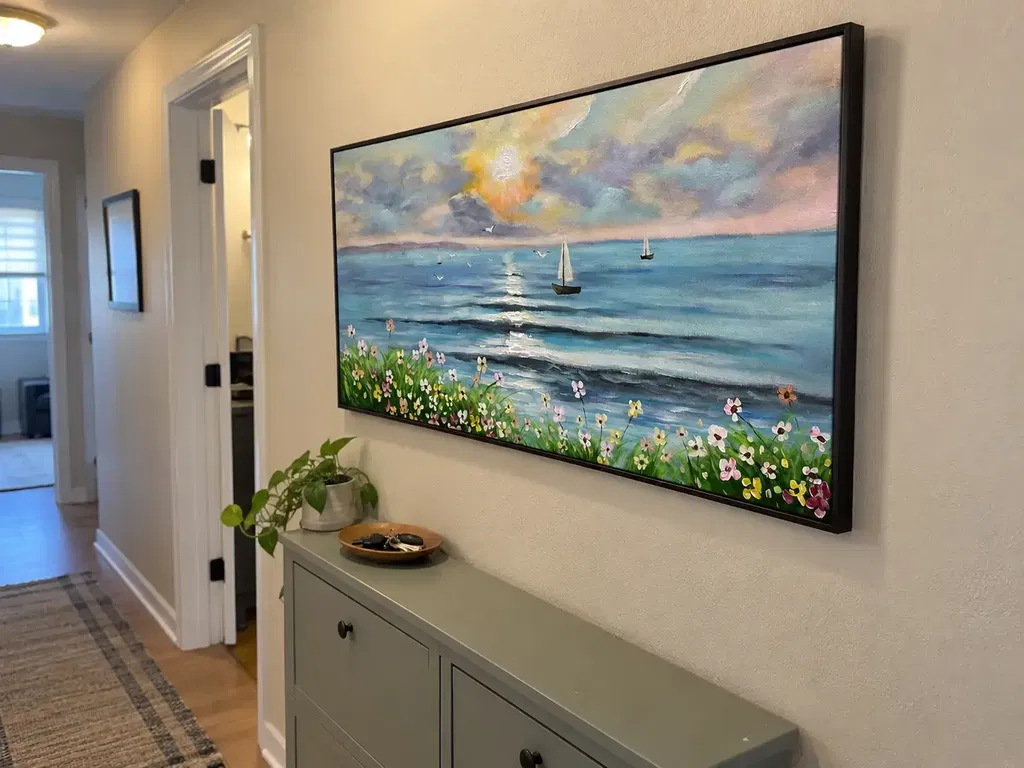
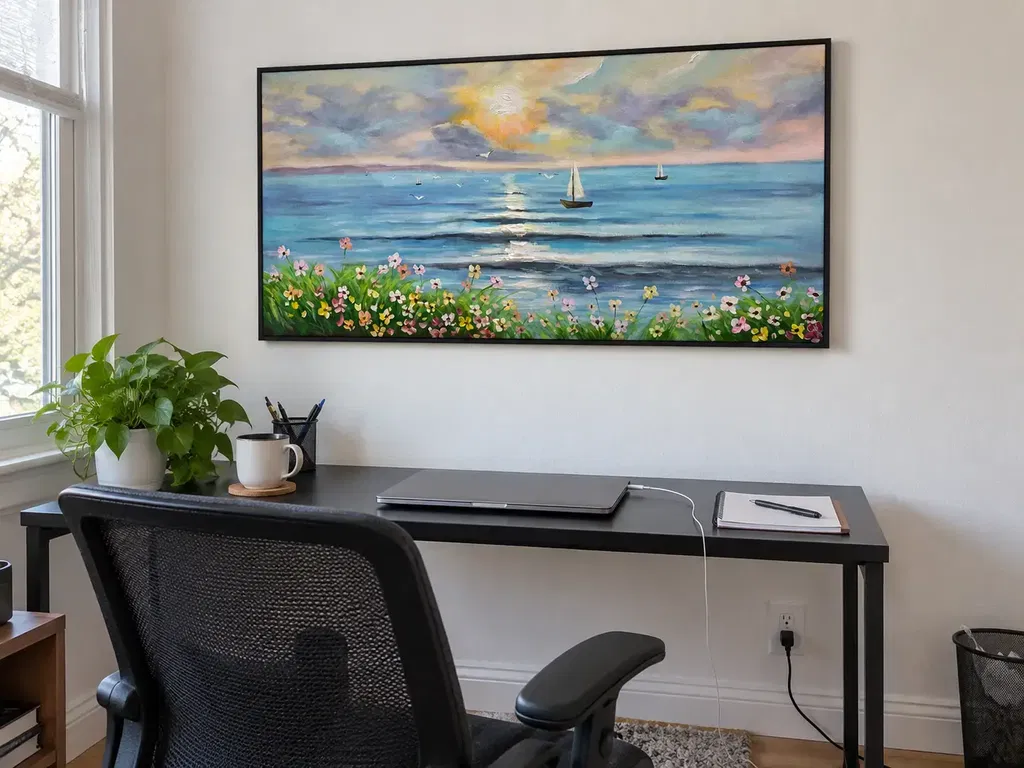
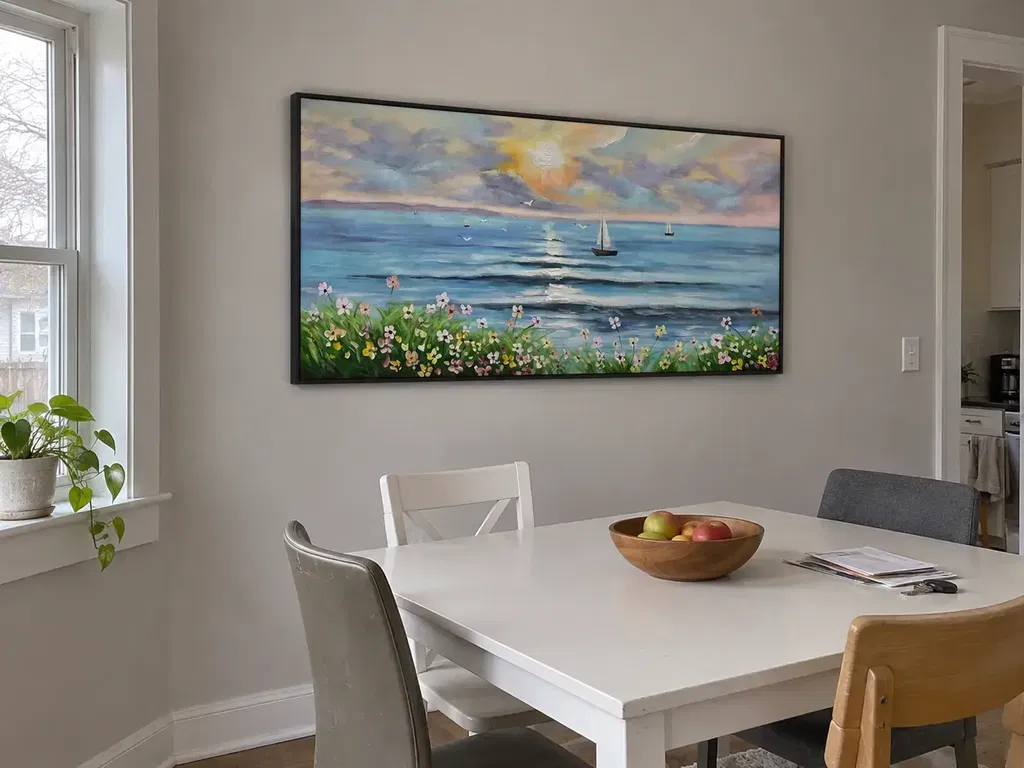
Choosing art for an expansive wall is a high-stakes design decision. For homeowners and interior designers alike, a blank 10-foot stretch of drywall represents both a massive opportunity and a significant commitment risk. The central dilemma usually boils down to a strategic choice: do you commission one monolithic 72-inch canvas, or do you opt for a modular approach with three 24-inch panels (a triptych)?
While aesthetic preference is the starting point, the "best" decision is actually a calculation of logistics, visual weight, and long-term value. Recent data from the Marketplace indicates a 44% year-over-year plummet in high-end auction sales as of 2024. This suggests a retreat from purely financial "vanity" assets toward art with real application value and emotional resonance. In this landscape, the decision between a single giant and a segmented series isn't just about decor—it's about investing in a spatial solution that balances impact with predictability.

The Logistics of Scale: Shipping and Dimensional Risk
One of the most immediate points of friction in large-scale art is the "fragility gap." Conventional wisdom suggests that shipping a giant canvas is simply more expensive due to size, but the reality is more complex. According to logistical observations and industry data, oversized art shipments typically experience 15-20% higher damage rates compared to modular shipments.
A single 72-inch canvas requires specialized freight handling and custom crating. Once a package exceeds certain dimensional thresholds, it can no longer be processed by standard automated sorting systems, leading to a 2-3x increase in manual handling. Every manual touchpoint represents a potential failure in the protective barrier. Conversely, three 24-inch panels can often be shipped via standard carriers in reinforced, high-durability packaging, significantly lowering the risk of transit-related heartbreak.
Logic Summary: Shipping Damage Model Our analysis of transit risk assumes that damage probability is a function of manual touchpoints and dimensional fragility.
Parameter Single Giant (72"+) Modular Panels (3x 24") Rationale Estimated Damage Rate ~15-20% ~3-4% Based on oversized freight handling vs. standard parcel limits. Shipping Method LTL Freight / Custom Crate Standard Ground / Reinforced Box Dimensional constraints of automated sorting. Manual Touchpoints High (Manual lift/stow) Low (Automated belts) Weight and size require two-person teams. Packaging Cost $$$ (Custom Plywood) $ (Standard Corrugated) Specialized crating vs. off-the-shelf solutions. Installation Success ~40% (DIY) ~80-90% (DIY) Weight distribution and alignment complexity.
The Science of Seeing: How We Process Visual Weight
The psychological impact of art is quantifiable. Research published in NCBI shows that passive art viewing consistently activates the medial prefrontal cortex (mPFC) and the amygdala, optimizing emotional regulation. However, the way art is presented changes how the brain processes the space.
The Dominant Focal Point (The Single Giant)
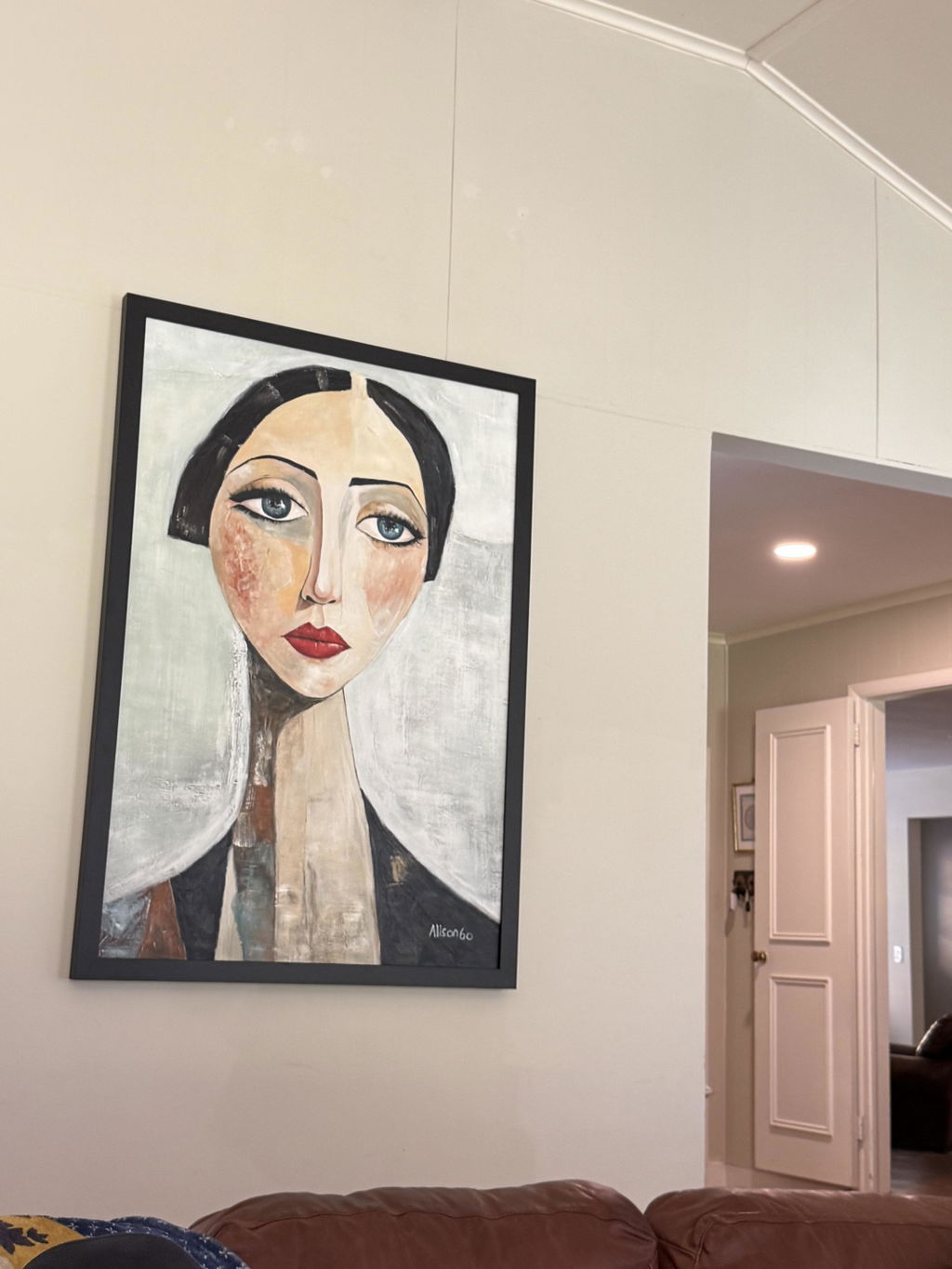
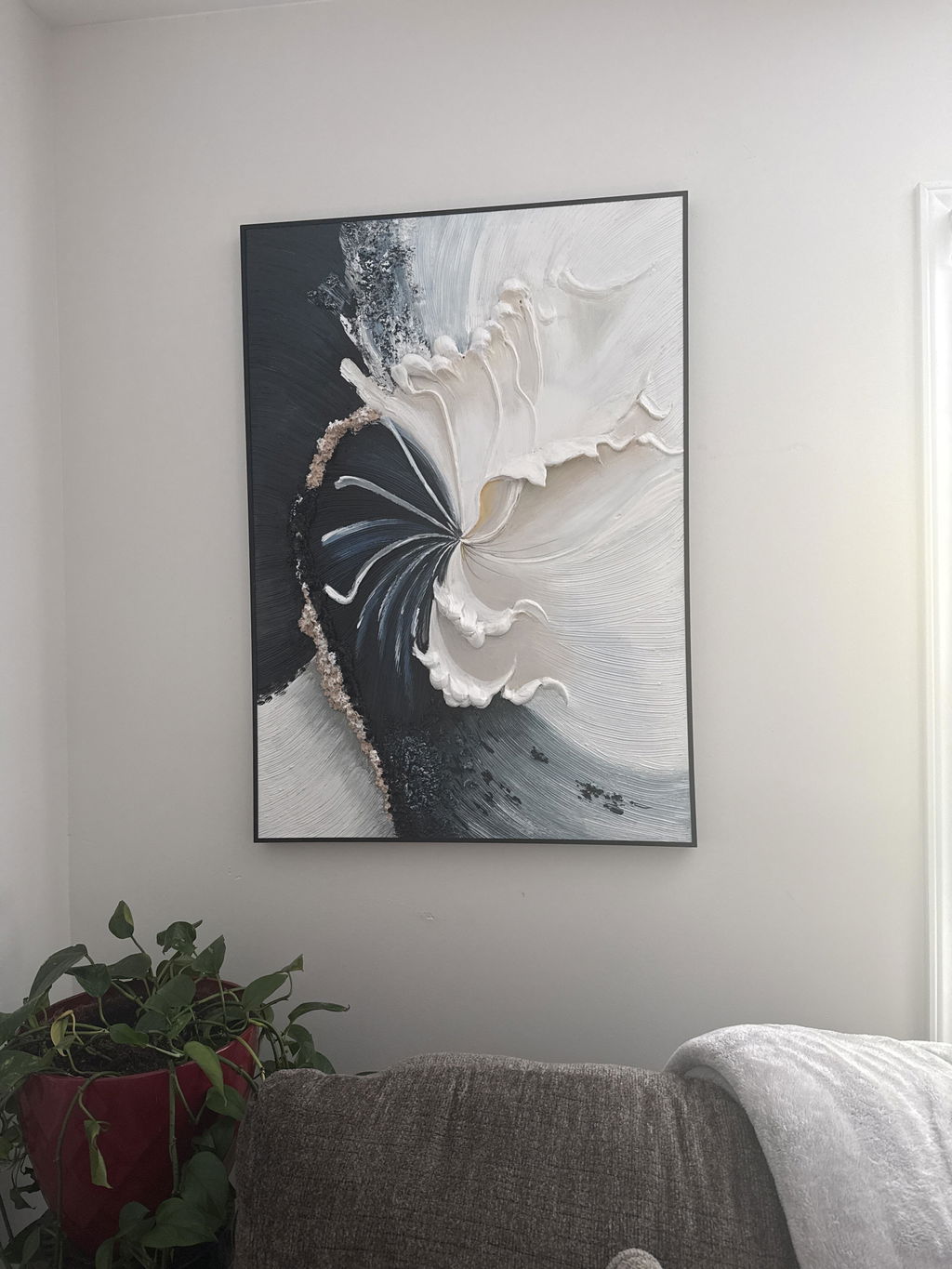
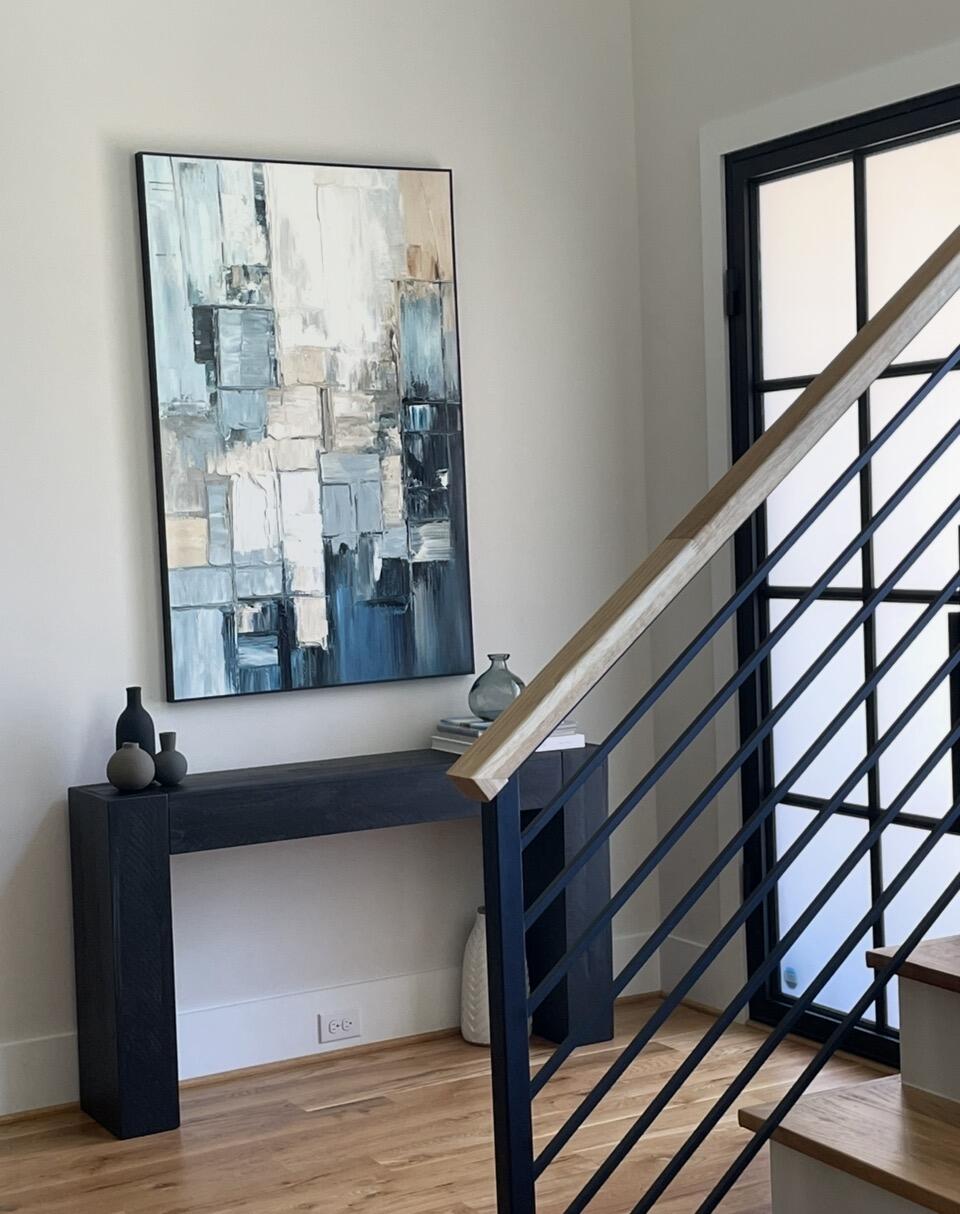
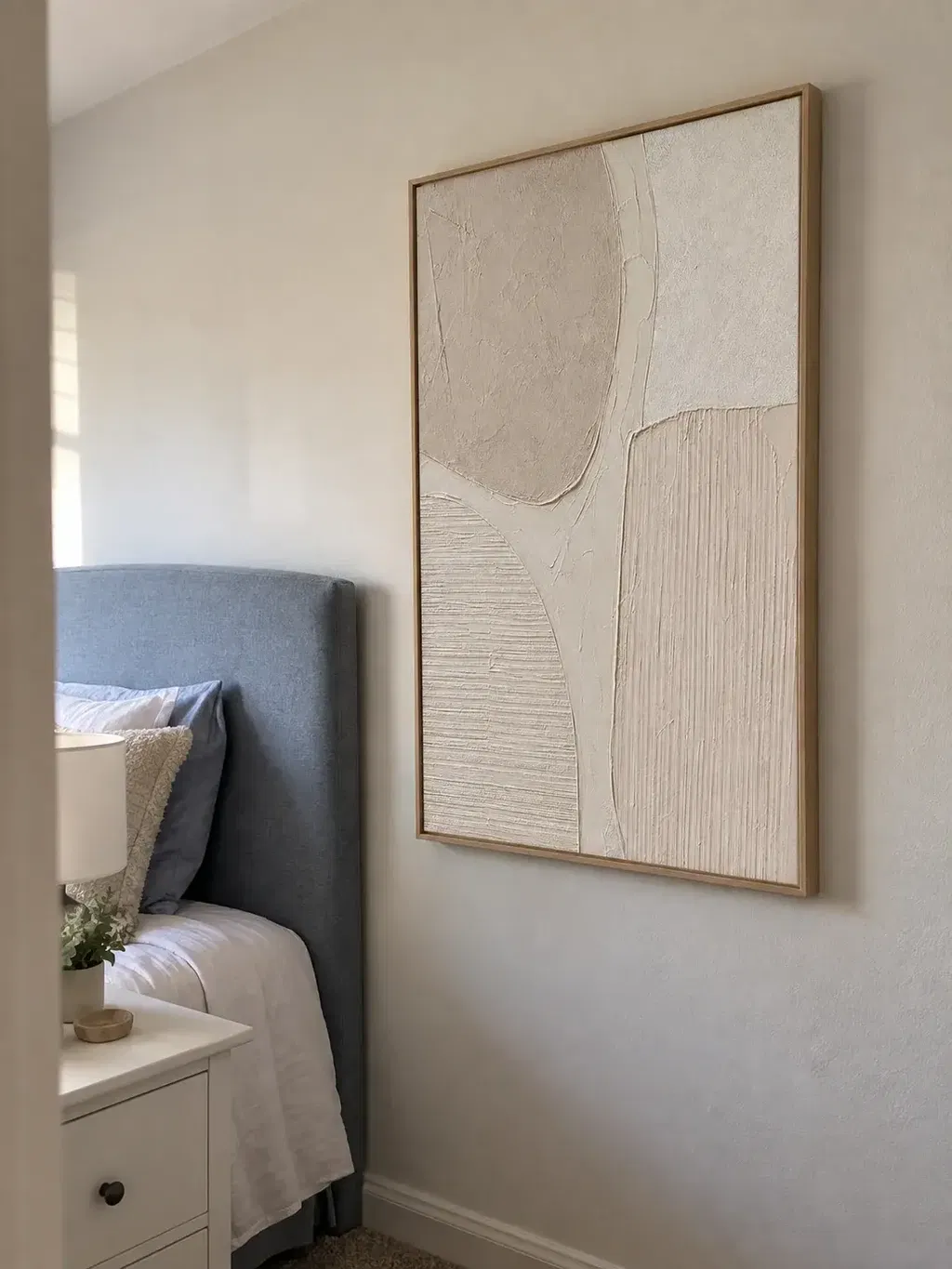
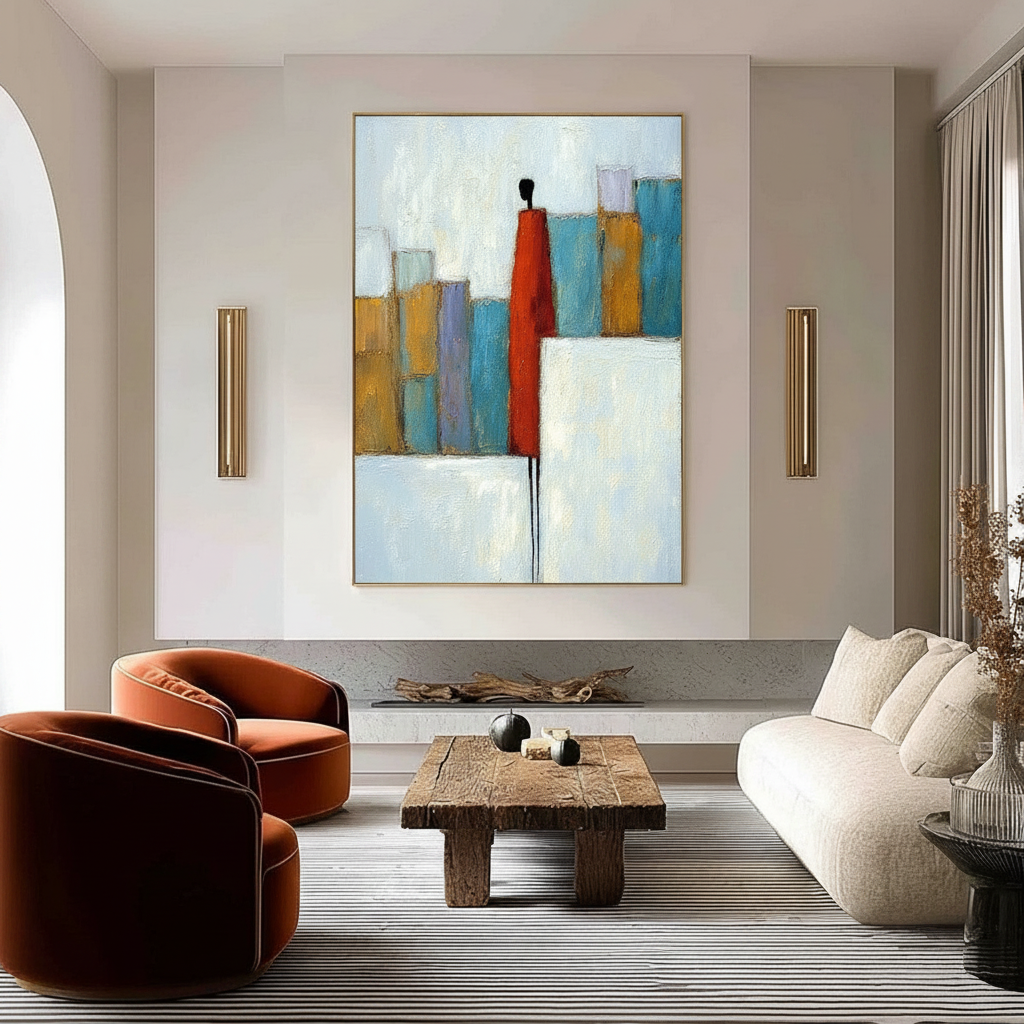
A single massive canvas creates "focal dominance." It anchors the room and demands total attention. This is ideal for minimalist environments where the goal is to reduce visual "noise." In our experience with high-end staging, a single piece creates a sense of harmony when aligned with strong architectural features like a fireplace or built-in shelving.
The Distributed Narrative (The Triptych)
Modular panels leverage what Gestalt psychologists call the "Principle of Continuity." Even though there are physical gaps (typically 1-2 inches), the brain naturally "bridges" the space, creating a sense of movement. Interestingly, research on visual scale perception suggests that three panels can actually enhance scale perception by breaking an overwhelming visual into digestible components. This makes a room feel larger and more dynamic rather than being "shrunk" by a single heavy object.
Installation Mechanics: Success vs. Complexity
For many aesthetic-driven buyers, the fear of a crooked or falling canvas is a major deterrent. The "commitment risk" is real. Data suggests that panel installations have 40-60% higher DIY success rates than single giant canvases.
Heuristics for Placement:
- The 8-Foot Rule: If your wall space exceeds 8 feet, we typically recommend segmentation. A single 72-inch canvas on a massive wall can sometimes look like a "postage stamp" if not surrounded by other elements, whereas three panels can be spread out to cover more territory.
- The Weight Factor: Canvases over 60 inches often require heavy-duty wall anchors or professional mounting. Modular panels distribute the weight across multiple points, allowing for standard hanging hardware and much easier leveling.
- The Alignment Hack: When installing triptychs, we suggest using temporary paper templates. This allows you to test the 1-2 inch gaps before making a single hole in the wall. You can find more on this in our guide on Diptych and Triptych Alignment.

Material Integrity: Why the "Human Touch" Matters
In an era of AI-generated prints, the value of authentic hand-painting is soaring. A Columbia University study confirmed that consumers value art labeled "AI-generated" 62% lower than authentic human-created art. This is because the brain perceives an "essential identity" in the physical brushstrokes that a digital replica cannot mimic.
When choosing between one giant or three panels, the quality of the materials is the ultimate differentiator. At this scale, "HD prints" often fail because they lack depth.
- Microtopography: As noted by optical microprofilometry research, the mm-scale texture of oil and acrylic paint is crucial to aesthetics. The way light hits the relief of a brushstroke creates a "living" surface that changes throughout the day.
- Pigment Power: Most high-end hand-painted works rely on Titanium Dioxide, which captures 90% of the white pigment market due to its extreme hiding power and inertness. This ensures your large-scale piece doesn't fade or "yellow" over time—a common issue with cheap prints.
The Indoor Air Quality (IAQ) Promise
Large art covers a large surface area, meaning the VOC (Volatile Organic Compound) emissions of the paint matter. Aalto University experiments prove that quality acrylic coatings on moisture-controlled substrates emit significantly lower toxic VOCs than industrial paints. For families with children or pets, choosing hand-painted art using low-VOC pigments is a health-conscious decision that aligns with EPA safety standards.
The ROI of Art: Beyond Aesthetics
Whether you are a homeowner or a commercial developer, art is a value-multiplier. The Royal Society found a direct link between art and property prices, noting that neighborhoods with higher "art" geo-tags saw greater relative house price ranking gains.
In a commercial context, murals and large-scale installations act as "permanent physical billboards." University of Cincinnati research shows that large-scale art remains directly correlated with significant pedestrian foot traffic increases. Whether it's a giant canvas in a luxury hotel lobby or a triptych in a boutique office, the presence of original, hand-painted art signals "authenticity"—a scarce commodity in the 2025 hospitality market.
Strategic Decision Framework: Giant vs. Panels
To help you decide, we’ve modeled the two most common scenarios based on room function and user needs.
| Feature | Scenario A: The Minimalist Statement | Scenario B: The Transitional Space |
|---|---|---|
| Primary Goal | Focal Dominance & Power | Flexibility & Visual Rhythm |
| Best For | High-ceiling living rooms, Entryways | Multi-use spaces, Dining nooks |
| Ideal Size | 60" - 72" Single Canvas | 3x 24" or 2x 36" Panels |
| Installation | Professional recommended | DIY-friendly |
| Flexibility | Static (Fixed location) | High (Can be reconfigured) |
| Visual Weight | Heavy (Anchors the wall) | Light (Spreads the narrative) |
When to choose a Single Giant: Choose this if you have a massive, high-ceiling room and want a "museum" feel. It works best in spaces where the furniture is also large-scale, ensuring the art doesn't overwhelm the room. Be prepared for higher shipping costs and the need for a two-person installation team. You might also want to consider the structural limits of large canvases to avoid sagging over time.
When to choose Three Panels: Choose this if you want to cover a wide horizontal area (like above a long sofa) or if you live in an apartment where narrow hallways might make moving a 72-inch crate impossible. The gaps between panels provide a "breathing room" that prevents the art from feeling like it’s "closing in" on the viewer. This approach is also more resilient; if you move to a new home, you can easily split the panels between different rooms or re-group them.

Final Expert Insight: The "Texture" Dividend
Regardless of the format you choose, prioritize texture. The MUNCH Museum has found that allowing audiences to interact with (or even just view) physical relief textures exponentially stimulates intrinsic satisfaction. This is the "secret sauce" of hand-painted murals and canvases. While a print is a flat image of a moment, a hand-painted piece is a physical record of time and effort. In a world of digital fatigue, that physical presence is the ultimate luxury.
If you are still struggling with scale, try our preview-before-ship workflow, which allows you to verify the color and texture of your specific piece before it ever leaves the studio. This hybrid approach—combining the soul of authentic art with the predictability of modern e-commerce—is designed to eliminate the "commitment risk" and give you the confidence to go big.
YMYL Disclaimer: This article is for informational purposes only. When installing large-scale art, always consult with a professional installer if you are unsure about wall load capacities or structural integrity. For health-related concerns regarding paint VOCs, refer to the CDC NIOSH guidelines.
Sources
- Marketplace: The expensive art market continues to struggle
- Columbia University: Human-Made vs. AI Art Study
- NCBI: Neurological mechanisms of creative arts
- Royal Society: Quantifying the link between art and property prices
- ASTM D4303: Standard Test Methods for Lightfastness
- EPA: Indoor Air Quality and Low-VOC Paints
- Opensend: Shipping Damage Rate Statistics