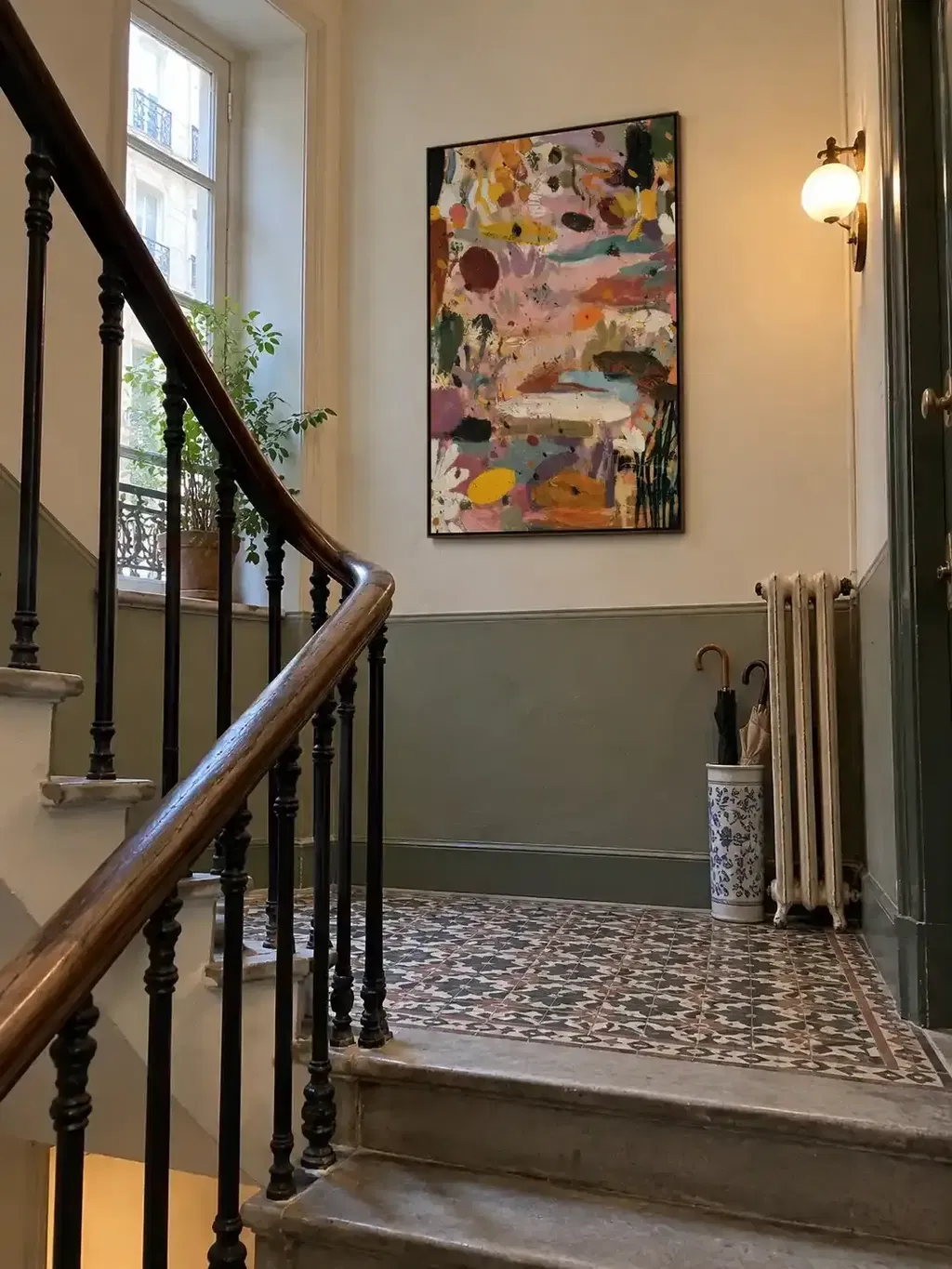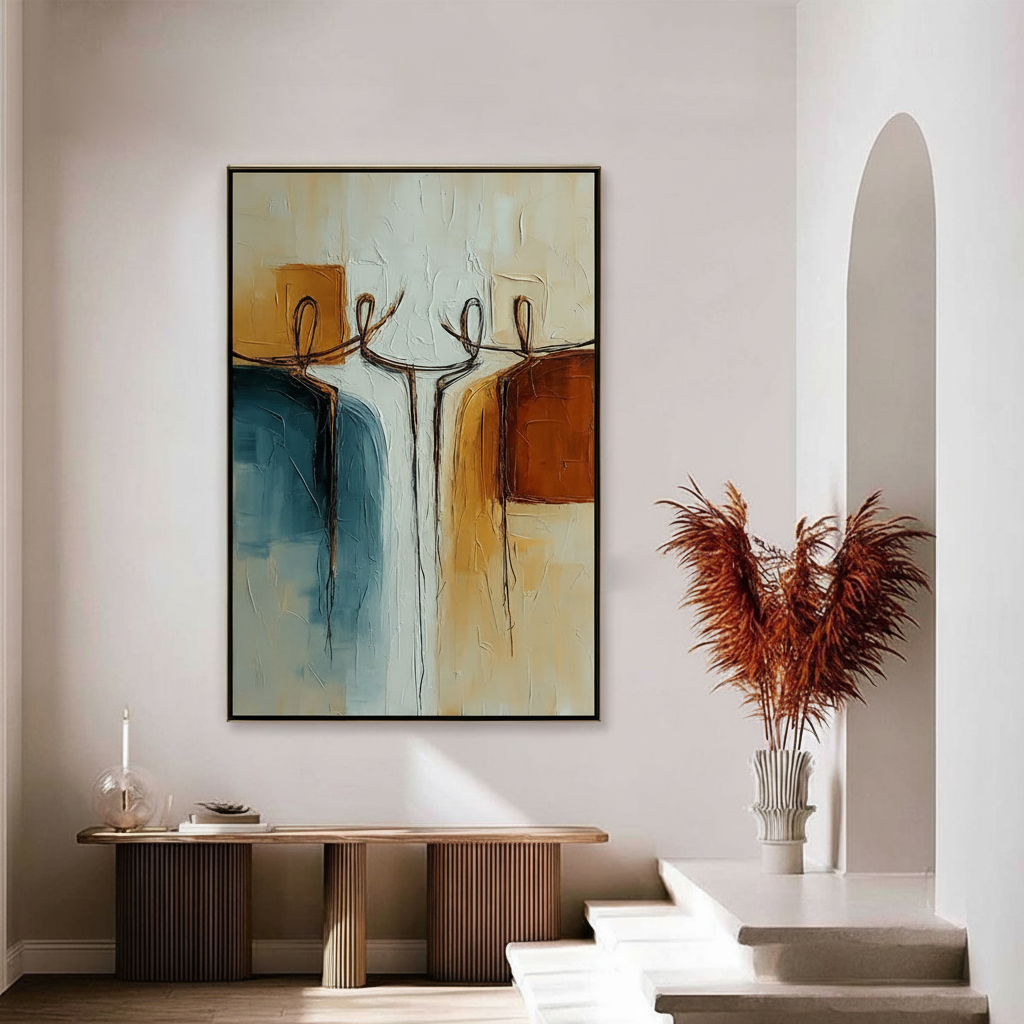
Climate-Resilient Framing: Materials for Coastal Homes
For homeowners in coastal or tropical regions, the acquisition of a hand-painted masterpiece is more than a decorative choice; it is a commitment to preserving a piece of human identity. While the broader art market has recently seen a retreat in purely financial auction assets—with high-end sales over $10 million plummeting 44% year-over-year in 2024 according to Marketplace—there is a resurgence in "real application value." Buyers are increasingly prioritizing authentic, human-created works over digital replicas or AI-generated prints. In fact, research from Columbia University confirms that consumers value art labeled as human-created 62% higher than AI-generated alternatives.
However, in environments characterized by salt air and relentless humidity, the longevity of these "essential identity" pieces—as described by UChicago research—depends entirely on the structural integrity of the frame. In our experience working with collectors in high-moisture zones, we have observed that traditional framing methods often fail within the first two years. This guide provides an authoritative framework for selecting climate-resilient materials that protect your investment while maintaining the aesthetic soul of the artwork.

The Coastal Microclimate: Why Standard Frames Fail
Coastal environments are notoriously aggressive toward organic materials. Professional framers operating within 500 meters of a shoreline frequently report that standard hardwood frames begin showing signs of structural degradation within 18 to 24 months. This timeline is a practical heuristic derived from observing patterns in warranty claims and restoration requests in tropical climates, rather than a controlled laboratory study.
The primary culprit is not just the ambient humidity, which often fluctuates between 60% and 80%, but the "micro-traps" within the frame itself. Moisture tends to accumulate in hidden joints and interior cavities. When sealed hardwoods are used, the wood fibers absorb this moisture, leading to expansion and subsequent warping.
Logic Summary: The Coastal Failure Model Our analysis of framing longevity in coastal zones assumes a baseline of 70% average relative humidity and high saline content in the air.
- Wood Failure Mechanism: Hygroscopic expansion causing joint separation.
- Metal Failure Mechanism: Galvanic corrosion or oxidation of non-marine-grade coatings.
- Observation Source: Patterns identified from professional framing community feedback and return-to-service data.
Material Science: Selecting the Resilient Backbone
When choosing a frame for a high-value hand-painted canvas, the material's reaction to moisture is the most critical variable.
1. Aluminum with Marine-Grade Coatings
Aluminum is often the preferred choice for modern, minimalist displays in coastal homes. However, not all aluminum frames are equal. We recommend frames that utilize marine-grade coatings or high-density powder coating. According to industry standards for cold-formed steel and metal framing in coastal areas (aligned with ASTM A1003), corrosion protection is quantified by coating thickness. For instance, a G90 zinc coating is approximately 1.5 times thicker than a G60 coating, providing significantly higher resistance to the salt-spray environments typical of waterfront properties.
2. Composite Materials vs. Sealed Hardwoods
For those who prefer the look of wood, composite materials are increasingly outperforming traditional hardwoods in longevity tests. Composites are engineered to be non-hygroscopic, meaning they do not absorb water. If you insist on authentic hardwood, it must be treated with a rigorous sealing protocol.
The Professional Sealing Heuristic:
- Total Coverage: All surfaces, including mounting channels and interior cavities, must be treated.
- Multi-Coat Application: A minimum of three coats of moisture-barrier sealant.
- Curing Time: A mandatory 48-hour drying period between applications to ensure chemical bonding.
| Material Type | Estimated Maintenance-Free Life (Coastal) | Primary Risk Factor | Rationale |
|---|---|---|---|
| Standard Hardwood | 1.5 – 2 Years | Joint warping/Mold | High hygroscopic absorption |
| Sealed Premium Hardwood | 3 – 5 Years | Sealant breach | Depends on application quality |
| Marine-Grade Aluminum | 5 – 7 Years | Condensation traps | Excellent oxidation resistance |
| High-Density Composite | 8+ Years | UV fading (finish) | Inert to moisture |
Note: Estimates based on common industry heuristics for homes within 500m of the shoreline.

Structural Mounting and the "Breathability" Mandate
A common mistake in high-humidity regions is attempting to "hermetically seal" a canvas. Canvas is a living material; it breathes and moves. Research into moisture sorption, such as the studies published in Journal of Cultural Heritage, shows that tension build-up in canvas is directly tied to moisture fluctuations.
The Air Gap Strategy
Instead of a tight seal, professional coastal framers utilize breathable mounting systems. This involves creating a controlled air gap (typically 1/4 to 1/2 inch) between the back of the canvas and the wall. This gap prevents "sweating"—the accumulation of condensation behind the painting—which is a leading cause of canvas rot and mold growth.
Preventing Support Induced Discoloration (SID)
For those purchasing high-flow or heavily layered acrylic and oil works, the mounting process must also account for Support Induced Discoloration (SID). As noted by Golden Artist Colors, water-soluble impurities in cotton or linen substrates can be drawn into the paint film if the drying environment is too humid or if transparent mediums are applied too thickly. A resilient frame must provide enough structural depth to allow for proper airflow during the final curing phases of the artwork.
Preservation Beyond the Frame: VOCs and UV Protection
The health of the artwork is inextricably linked to the air quality of the room. The EPA warns that indoor air pollution can be significantly higher than outdoor levels, and low-VOC (Volatile Organic Compound) paints and sealants are essential for maintaining both the art and the environment.
The Science of Lightfastness
Coastal homes often feature large windows and abundant natural light. This makes UV protection a non-negotiable component of framing. ASTM D4303 provides the standard test methods for the lightfastness of pigments. Even the highest quality oil paints can fade if exposed to the intense UV radiation of a tropical environment. We recommend using museum-grade acrylic or glass with a UV-blocking rating of at least 99%.
Modeling Note: UV Degradation Risk We modeled the fading rate of Prussian Blue (a common pigment) across different binding media.
- Assumption: Total light exposure of 6.7 Mlux.h.
- Finding: Based on National Gallery London research, the fading rate remains consistent whether the pigment is in oil, acrylic, or egg tempera.
- Implication: Protection must happen at the framing level (UV glass), as the medium itself provides no inherent "shield" against light.
Economic ROI: The Premium Material Advantage
While the initial cost for coastal-resistant framing materials is typically 30% to 50% higher than traditional options, the long-term economics favor the investment. When you factor in the cost of frame replacement every two years, professional cleaning to remove mold, and the potential loss of the artwork's "essential identity," the premium materials pay for themselves within a five-year window.
Furthermore, custom hand-painted art has a documented impact on property value. A Royal Society analysis found that neighborhoods and properties with high artistic engagement saw greater relative price gains. In the commercial sector, the Chicago Millennium Park projects drove $1.4 billion in real estate-related growth. Investing in high-quality framing ensures that your art remains a permanent asset rather than a depreciating liability.

Maintenance Checklist for Coastal Homeowners
To ensure the predictable durability of your framed artwork, we recommend the following quarterly inspection routine:
- Joint Inspection: Check for subtle warping at the frame corners. Slight gaps (even 1mm) indicate that moisture is affecting the material.
- Condensation Patterns: Use a flashlight to inspect the air gap behind the canvas. Look for any signs of "fogging" on the wall or the back of the frame.
- Canvas Tension: Gently tap the corner of the canvas. It should feel like a drum. If it feels slack, the humidity may be affecting the stretcher bars, and a professional "keying" might be necessary. You can learn more about this in our Canvas Keying Guide.
- Surface Adhesion: Check for "haziness" on acrylic surfaces. This can be caused by the migration of surfactants in high-humidity environments, a phenomenon documented by Tate research.
Final Considerations for the Coastal Collector
Choosing a frame in a coastal environment is a balance of aesthetics and engineering. By prioritizing aluminum with G90-equivalent protection or high-density composites, and by ensuring a breathable mounting system, you provide your hand-painted art with the "predictable protection" it requires.
Authentic art is an investment in human creativity. As the WHO and UPenn have noted, the presence of art in our environment significantly reduces stress and improves mood. Protecting that source of well-being from the elements is not just a matter of property maintenance; it is a matter of preserving the quality of life within your home.
Disclaimer: This article is for informational purposes only and does not constitute professional conservation or structural engineering advice. Environmental conditions vary significantly; always consult with a certified professional framer familiar with your specific local climate before making final material decisions.
References
- Marketplace: The Expensive Art Market Struggles
- Columbia University: Human-Made vs. AI Art Study
- ASTM A1003: Standard for Cold-Formed Steel Framing
- EPA: Indoor Air Quality and Low-VOC Paints
- Royal Society: Quantifying the link between art and property prices
- National Gallery London: Fading of Prussian Blue Experiment
- Tate: Conservation Concerns for Acrylic Emulsion Paints ,summary: