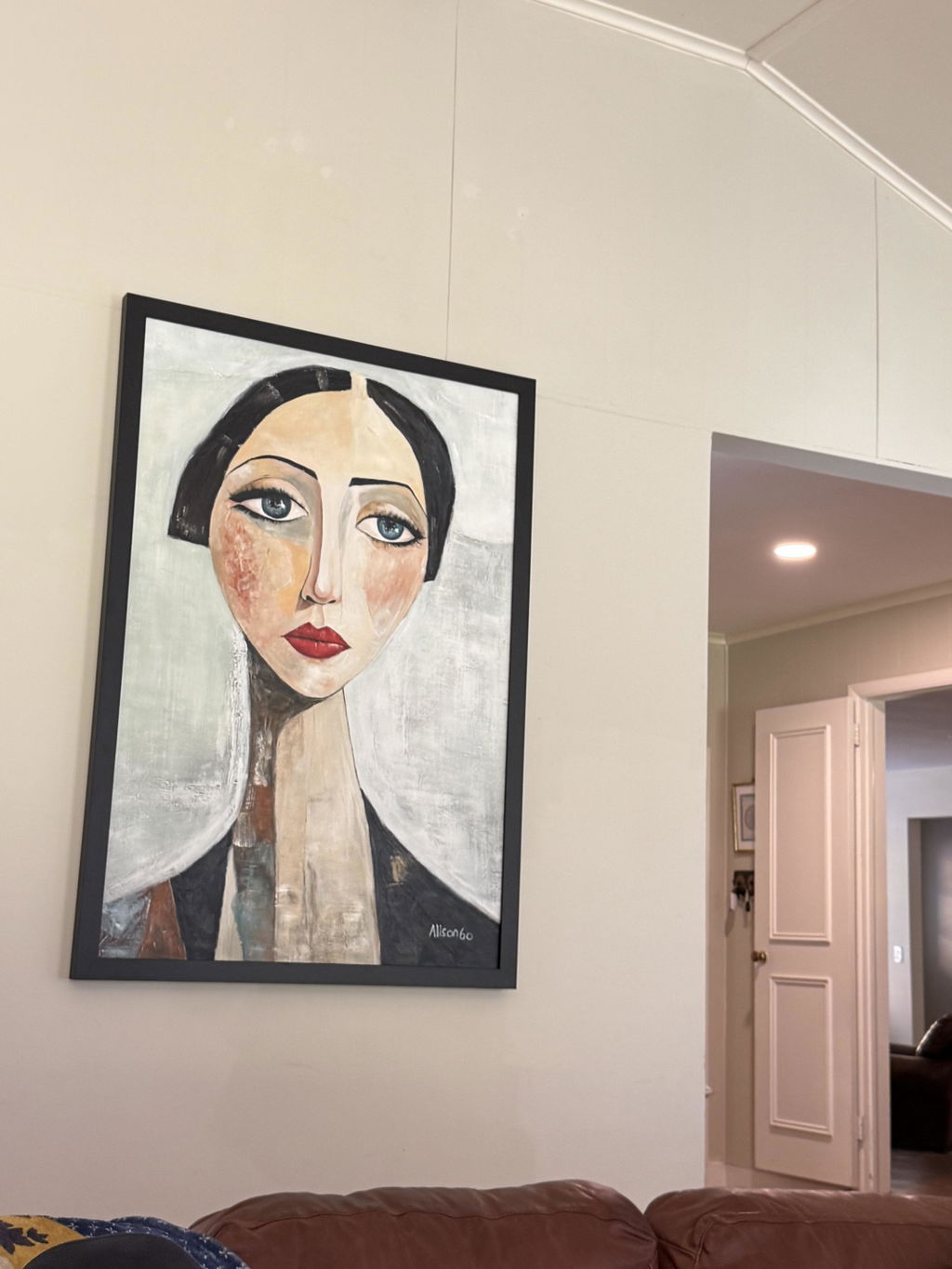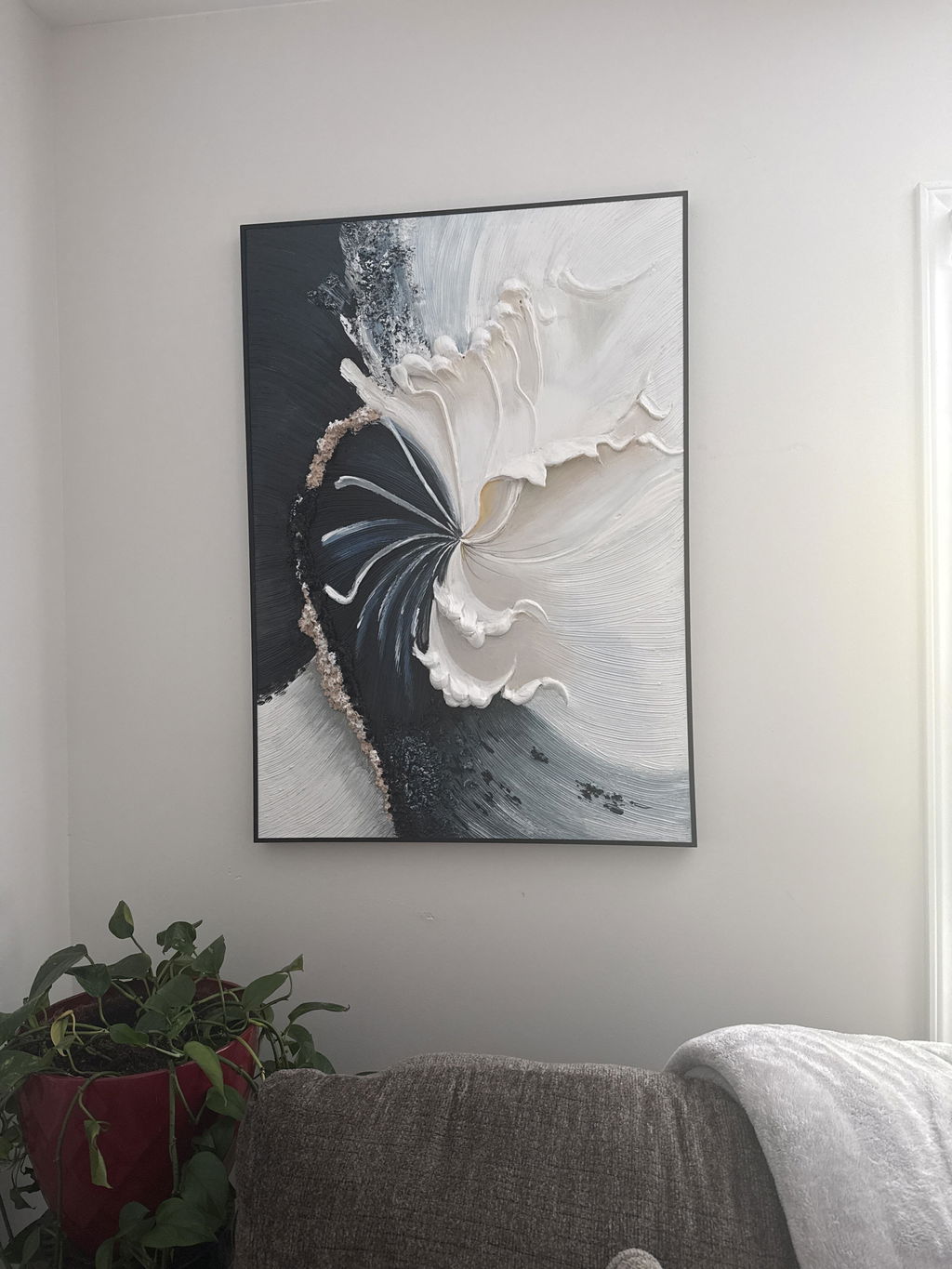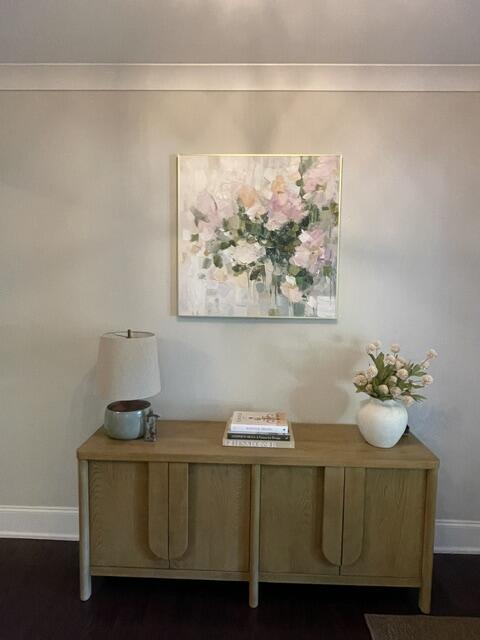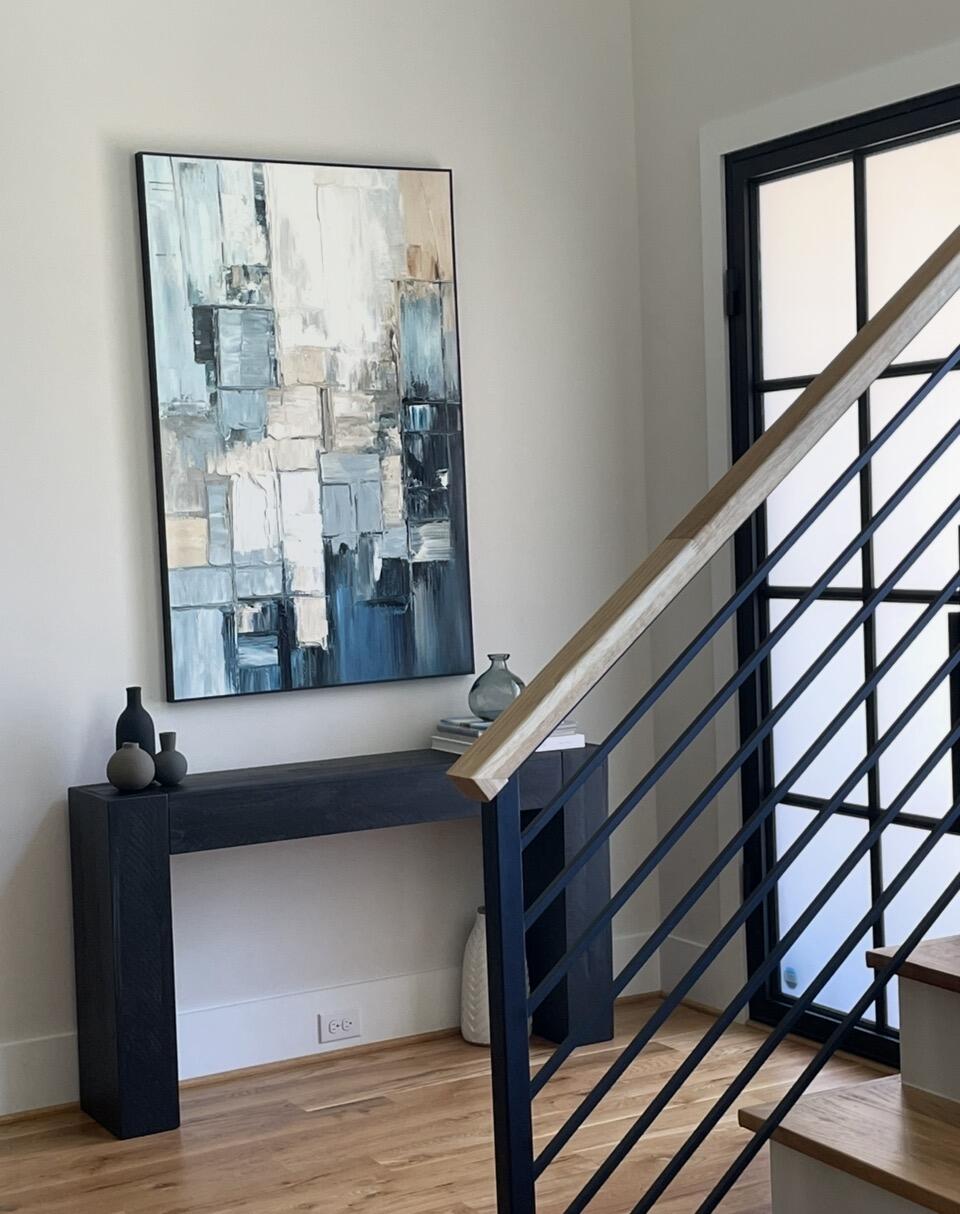
Allergy-Safe Interiors: Why Water-Based Acrylics are the Professional Standard
The landscape of high-end home decor is undergoing a profound structural shift. While the vanity-driven auction market for "financial art assets" saw a staggering 44% plummet in 2024, according to Marketplace, a new class of "decision-safe" buyers is emerging. These health-conscious homeowners and interior designers are abandoning overpriced, mass-produced prints in favor of custom, hand-painted works that offer real emotional and physical value.
For those decorating sensitive environments like nurseries, master bedrooms, or wellness-focused offices, the choice of medium is no longer just an aesthetic one—it is a health intervention. Traditional oil-based paintings, while prestigious, often carry a hidden chemical burden. In contrast, modern water-based acrylics have emerged as the benchmark for residential wellness. This article explores the chemical, neurological, and economic reasons why high-performance acrylics are the superior choice for allergy-safe interiors.
The Chemical Reality: Drying vs. Curing
One of the most common misconceptions in interior design is that once a painting "feels dry," it is safe. In our professional experience handling hundreds of custom commissions, we often see clients confuse evaporation with chemical stability.
The Problem with Oil-Based Solvents
Traditional oil paintings do not "dry" in the conventional sense; they "cure" through a long-term process of oxidative cross-linking. During this months-long phase, oil-based pieces can release irritants such as aldehydes. Furthermore, the process requires harsh solvents like turpentine or mineral spirits for thinning and cleaning.
According to the Princeton University Environmental Health and Safety (EHS), acute inhalation of high-concentration mineral spirits can cause narcosis, while chronic exposure is linked to central nervous system neuropathy. For individuals with Multiple Chemical Sensitivity (MCS), even "odorless" solvents can be deceptive, as the lack of scent does not equate to a lack of toxicity.
The Acrylic Advantage: Physical Coalescence
In contrast, water-based acrylics consist of massive long-chain polymer molecules that form a film through a physical process called "coalescence." As the water evaporates, the polymer spheres pack together to create a chemically stable film. As noted in research from Golden Artist Colors, newly dried acrylic films are softer and more resistant to the embrittlement seen in oil films, and they do not off-gas significant VOCs once the water has left the system.
Logic Summary: Our comparison of drying mechanisms assumes a standard residential environment (20°C, 50% RH). We categorize "safety" based on the duration of volatile byproduct release—months for oxidative curing (oils) versus hours for physical coalescence (acrylics).

The "Low-VOC" Myth and the Importance of Formulation
While water-based acrylics are inherently safer than solvent-heavy oils, not all acrylics are created equal. For the truly health-conscious, understanding the nuances of VOC (Volatile Organic Compound) labels is critical.
The Information Gap in "Zero-VOC" Labels
Research published in Atmospheric Chemistry and Physics reveals that paints labeled "zero-VOC" only need to fall below specific regulatory thresholds (typically <5g/L). These coatings can still emit compounds that contribute significantly to indoor air pollution. In fact, volatile chemical products contribute to roughly 13% of the VOC inventory in major urban areas like Los Angeles.
For allergy sufferers, the primary culprits are often Texanol coalescents and propylene glycol ethers (PGEs). These additives, though found in many "safe" paints, have been identified as potential contributors to asthma and respiratory allergies in children.
Professional Heuristic: The "Heavy Body" Rule
To maximize safety, we recommend prioritizing "heavy body" acrylics over fluid or high-flow versions. Based on our studio observations and material analysis:
- Heavy Body Acrylics: Utilize fewer thinning agents, surfactants, and stabilizers. They rely on a higher pigment-to-binder ratio to achieve their thick, buttery consistency.
- Fluid Acrylics: Often contain higher percentages of glycols to maintain flow and prevent "skinning" on the palette, which can lead to extended (though still low) off-gassing periods.
| Feature | Heavy Body Acrylic | Fluid/High-Flow Acrylic | Rationale |
|---|---|---|---|
| Solvent Content | Minimal | Moderate (Glycols) | To maintain viscosity vs. flow |
| VOC Profile | Typically Lowest | Low to Moderate | Fewer additives in thick paste |
| Drying Time | Fast | Extended | Glycols slow evaporation |
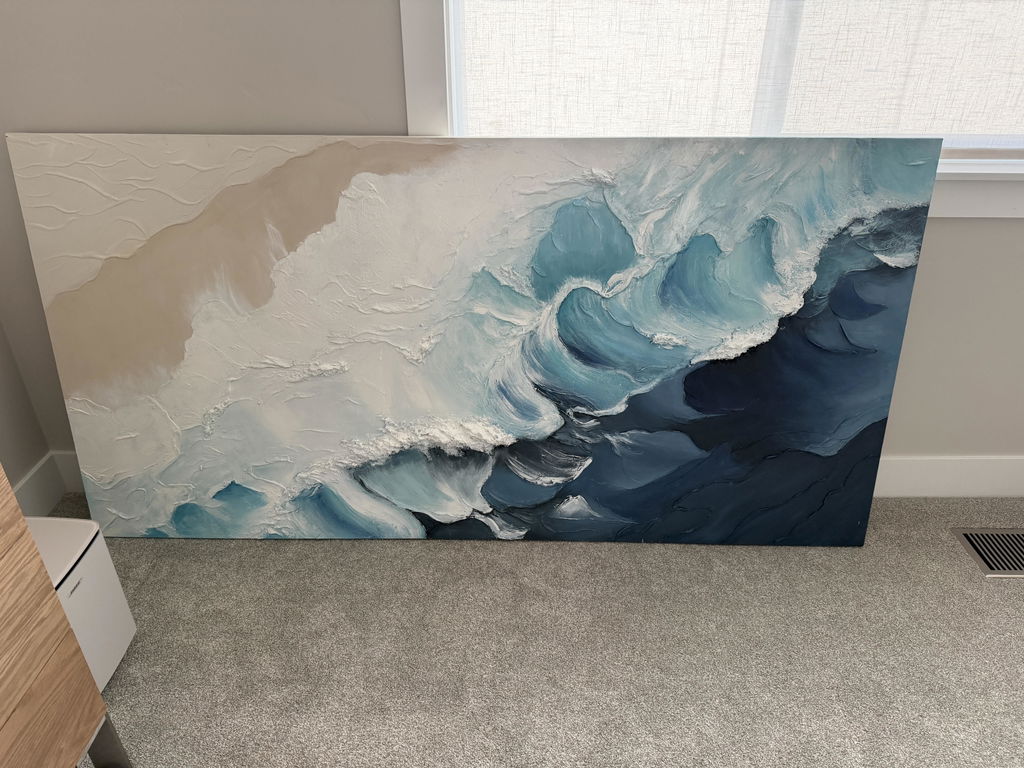
| Texture | High Relief (Impasto) | Smooth/Leveling | Impact on Visual Texture |
Neurological Benefits: Why Hand-Painted Art Heals
The value of a hand-painted mural extends beyond air quality; it actively influences the brain's emotional regulation circuits. This is particularly relevant for high-stress environments or recovery spaces.
The "Essential Identity" Factor
A study from Columbia University confirmed that consumers value art labeled "AI-generated" 62% lower than authentic human-created art. Psychologically, humans seek the "essential identity" of the artist. Research from the University of Chicago suggests that digital replicas lack this soul, causing a collapse in perceived value and emotional resonance.
Stress Reduction and Mood Improvement
The impact of visual art on health is backed by rigorous clinical data. A critical review from the University of Pennsylvania found that 61% of patients at the Cleveland Clinic explicitly stated that environmental artworks reduced their stress, while 73% reported significant mood improvements.
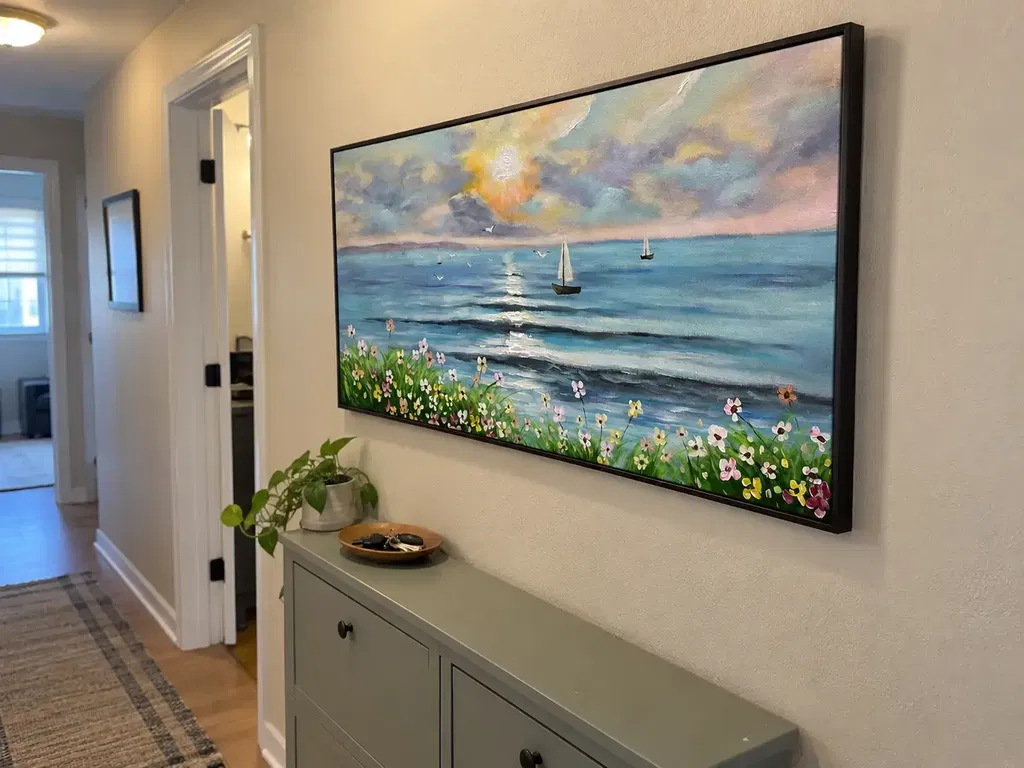
Furthermore, a systematic review of 85 records published in PMC shows that passive art viewing consistently activates the medial prefrontal cortex (mPFC) and the amygdala, optimizing emotional regulation. For a homeowner, this means that a nature-themed acrylic mural in a bedroom isn't just decor—it is a functional tool for lowering cortisol levels before sleep.

Pigment Safety: Avoiding the Heavy Metal Trap
In the pursuit of an allergy-safe interior, the choice of pigments is as important as the choice of binder. Historically, the art world relied on highly toxic materials like lead white and arsenic-based greens. While these are largely banned, modern substitutes still require scrutiny.
The Titanium White Revolution
The global white pigment market is now 90% dominated by Titanium Dioxide ($TiO_2$), according to the NCBI. Unlike the lead white of the past, titanium white is chemically inert and non-toxic, making it the foundation of safe modern palettes.
The Cadmium Question
Cadmium pigments (reds, yellows, oranges) remain popular for their vibrancy but are classified as Group 1 carcinogens by the International Agency for Research on Cancer (IARC). While the European Chemicals Agency (ECHA) found that the amount of cadmium released into the environment by artists' paints is negligible compared to industrial fertilizers, the risk of inhalation (from sanding dry paint) or ingestion remains.
For nurseries and children's rooms, we strictly advocate for "Cadmium-Free" alternatives. These modern formulations provide nearly identical lightfastness and opacity without the heavy metal risk.
Modeling Note (Pigment Safety): Our recommendation to avoid Cadmium in residential settings is based on the "Precautionary Principle." While cured acrylic films lock pigments in a polymer matrix, the risk of dust generation during eventual home renovations or accidental ingestion by pets/children makes heavy-metal-free palettes the responsible choice for Shared Living Areas.
Economic Impact: Art as an Asset for Health and Wealth
Investing in hand-painted acrylic murals is not merely a lifestyle choice; it is a strategic real estate move. The correlation between art and property value is now quantifiable.
Real Estate Appreciation
Analysis by the Royal Society found that neighborhoods with higher "art" geo-tags experienced greater relative house price gains. On a commercial scale, the Chicago Millennium Park public art projects drove $1.4 billion in real estate-related growth.
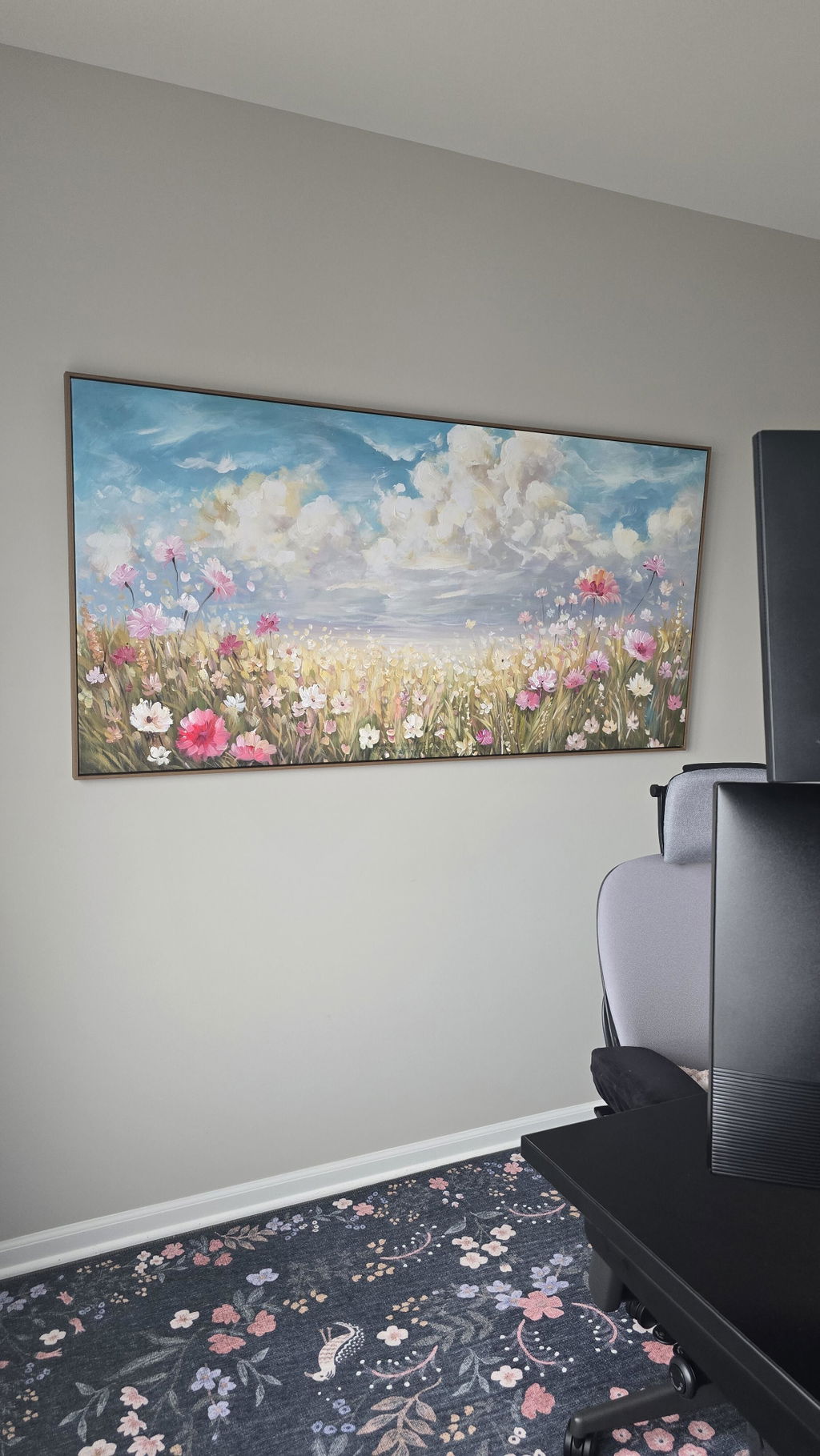
For the individual homeowner, a custom mural transforms a generic space into a "commercial landmark," increasing desirability and perceived value. This is especially true when applying Biophilic Design Principles, which have been shown to reduce cognitive fatigue and burnout—a major selling point for the modern home-office buyer.
Ethical and Sustainable Luxury
The European Crafts Alliance notes that top-tier consumers now view the fusion of avant-garde design and authentic handcrafting as the ultimate luxury. Furthermore, 87% of cultural audiences are deeply concerned about the climate crisis, according to the Gallery Climate Coalition. By choosing a studio that utilizes low-carbon logistics and non-toxic, water-based acrylics, buyers align their aesthetic prestige with their moral values.
Professional Best Practices for Allergy-Safe Commissions
If you or a client suffers from Multiple Chemical Sensitivity (MCS) or severe allergies, follow this checklist when commissioning custom art:
- Request a "Water-Only" Workflow: Ensure the studio does not use mineral spirits, turpentine, or solvent-based varnishes even for cleaning brushes.
- Verify ASTM D-4236 Compliance: While this label only means warning labels are present, it is a baseline for professional-grade, toxicologist-reviewed materials.
- Specify Heavy-Body Acrylics: As discussed, these typically contain fewer volatile stabilizers than fluid versions.
- Inquire About Support Induced Discoloration (SID): Professional artists should use a "GAC 100" or similar sealer on cotton/linen canvases to prevent impurities from the substrate from migrating into the paint film, which can cause yellowing as noted by Golden Artist Colors.
- Opt for Water-Based UV Varnishes: To protect the work from fading (essential for Low Natural Light Bedrooms), use a water-borne varnish. Research from the Tate Modern confirms that gently removing surfactants from the surface of acrylics can actually improve dirt resistance and longevity.

Future-Proofing Your Home with Health-First Art
The decision to choose water-based acrylics over traditional oils is an investment in "decision safety." It ensures that your aesthetic environment does not compromise your respiratory health or neurological well-being. From the 18% boost in academic scores seen in art-rich student environments to the 7:1 ROI on arts investment, the data is clear: art is public health infrastructure.
By prioritizing human-made, low-VOC, and heavy-metal-free acrylics, you are not just decorating a room; you are curating a sanctuary. Whether it is a Guest Bedroom or a high-traffic living area, the chemical stability and emotional depth of hand-painted acrylics provide a level of security that no digital print or solvent-based alternative can match.
YMYL Disclaimer: This article is for informational purposes only and does not constitute professional medical, legal, or financial advice. Individuals with pre-existing respiratory conditions or Multiple Chemical Sensitivity (MCS) should consult with a qualified healthcare professional or industrial hygienist before introducing new painted materials into their environment.
References
- Marketplace: The expensive art market continues to struggle
- Atmospheric Chemistry and Physics: VOC emissions from water-based products
- Princeton University EHS: Painting and Drawing Safety
- Columbia University: Consumer Perception of AI Art
- UPenn: Visual Art in the Built Environment
- Royal Society: Quantifying the link between art and property prices
- Golden Artist Colors: Longevity of Oil and Acrylic Paints
- IARC: Cadmium and Cadmium Compounds
- Tate Modern: Modern Paints Project Research Summary