The Strategic Pivot: Why Medium Choice Dictates Project ROI
The global art market is undergoing a fundamental correction. While high-end auction sales for purely financial art assets plummeted 44% in 2024, the demand for art with "real application value" remains a stable pillar of the Creative Economy, which now accounts for 3.1% of global GDP. For interior designers, this shift represents a move away from speculative "vanity" pieces toward custom, hand-painted murals that serve as functional real estate assets.
However, the choice between oil and acrylic is no longer just an aesthetic preference; it is a technical specification that impacts project timelines, maintenance cycles, and property valuation. As we navigate the 2026 design landscape—where artisan craftsmanship mentions are up 21%—professionals must balance the "authentic art" narrative with the rigorous demands of high-traffic commercial and prestige residential environments.

1. Prestige vs. Performance: The Medium Paradox
The primary trade-off in professional specification lies in the tension between perceived value and operational reality. Oil paintings are widely regarded as "investment-grade" due to their historical prestige and unique optical properties. Conversely, acrylics offer the rapid turnaround and chemical resilience required by the modern hospitality and healthcare sectors.
The Oil Specification: Heritage and Depth
Oil remains the gold standard for signature spaces—executive boardrooms, grand entryways, and primary residential suites. Its primary advantage is its slow drying time, which allows for sophisticated wet-on-wet blending and a level of gloss variance in authentic oil that synthetic binders struggle to replicate.
However, the "prestige" comes with a significant project management caveat: curing. While an oil painting may be "touch-dry" in days, it takes 6 to 12 months for the oxidative cross-linking process to fully cure the film. Specifying oil for a high-traffic restaurant opening in three weeks is a recipe for post-installation damage.
The Acrylic Specification: Speed and Resilience
For commercial developers, time is the ultimate currency. Acrylics reach a stable, touch-dry state in 24 to 48 hours. Modern acrylic polymers consist of long-chain molecules that form films through physical coalescence. According to research from JustPaint, this makes newly dried acrylic films inherently softer and more resistant to embrittlement than traditional oil films, which continue to harden and become brittle over decades.
Logic Summary: Our specification heuristic assumes that "Prestige Residential" prioritizes long-term investment value (Oil), while "Commercial Hospitality" prioritizes rapid installation and abrasion resistance (Acrylic). This is based on common patterns from trade project handling and maintenance feedback.
| Feature | Oil Medium | Acrylic Medium | Designer Recommendation |
|---|---|---|---|
| Drying Time | 2–7 Days (Touch-dry) | 20–60 Minutes | Acrylic for tight deadlines |
| Full Curing | 6–12 Months | 1–2 Weeks | Oil requires "breathable" storage |
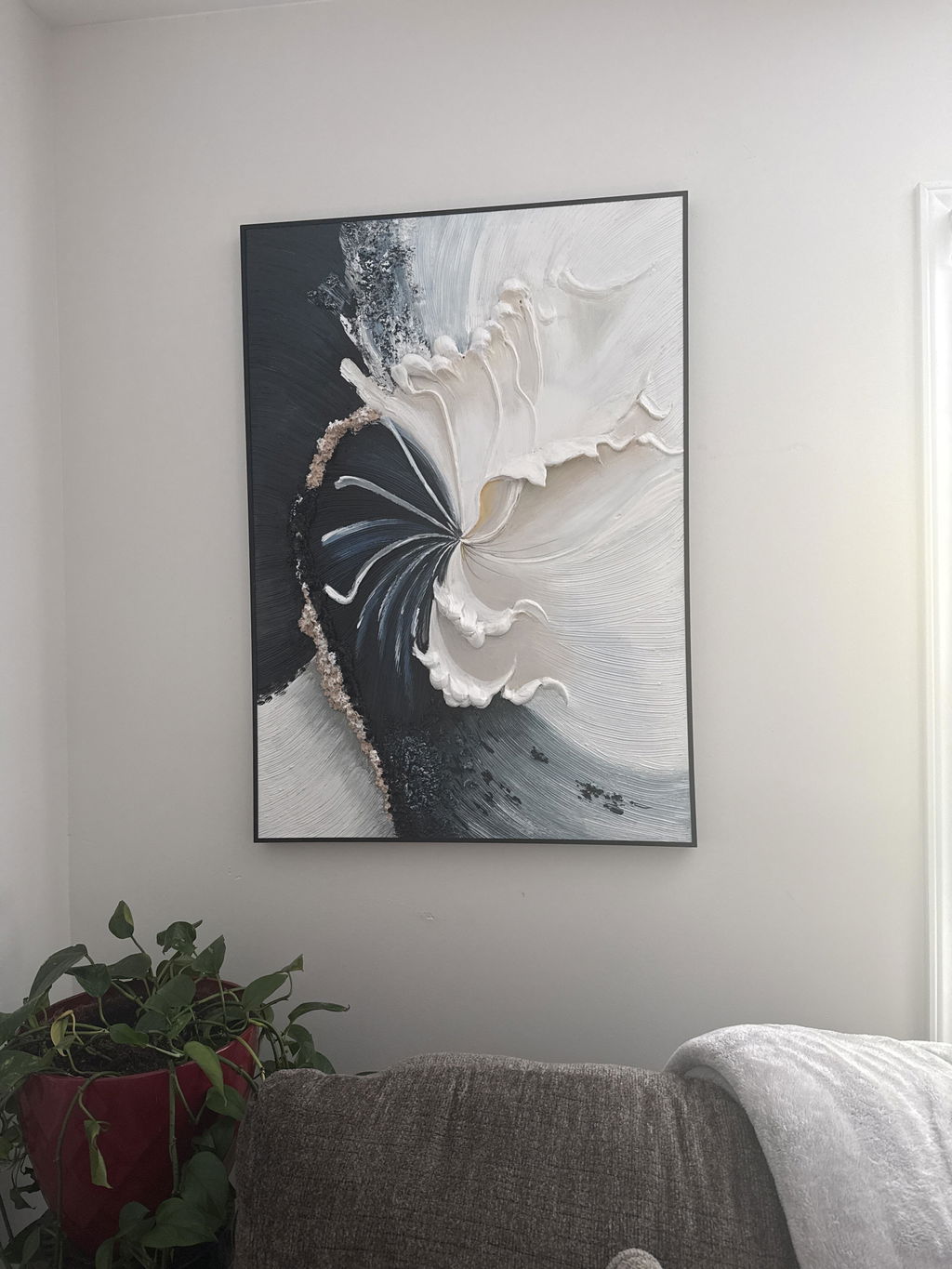
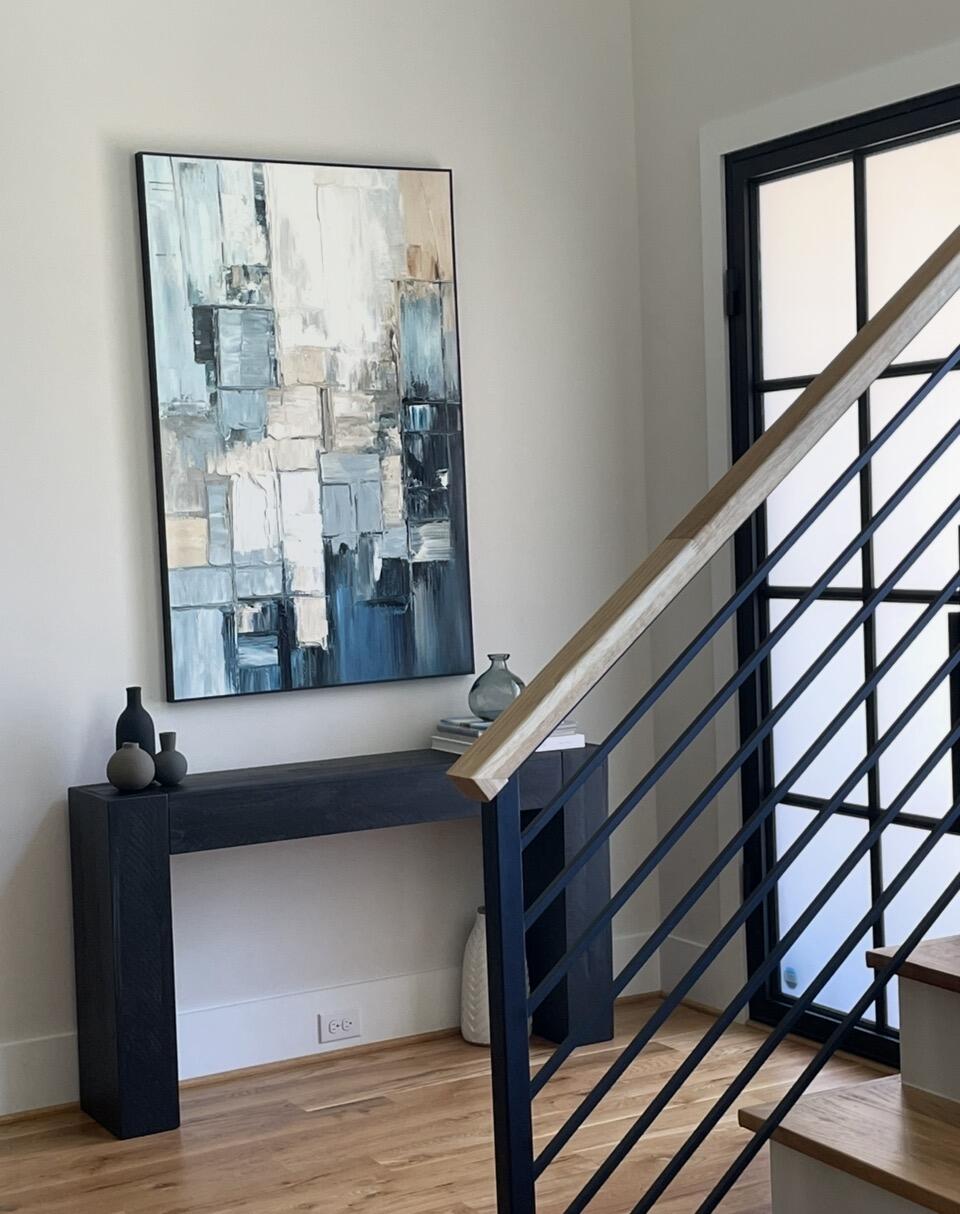
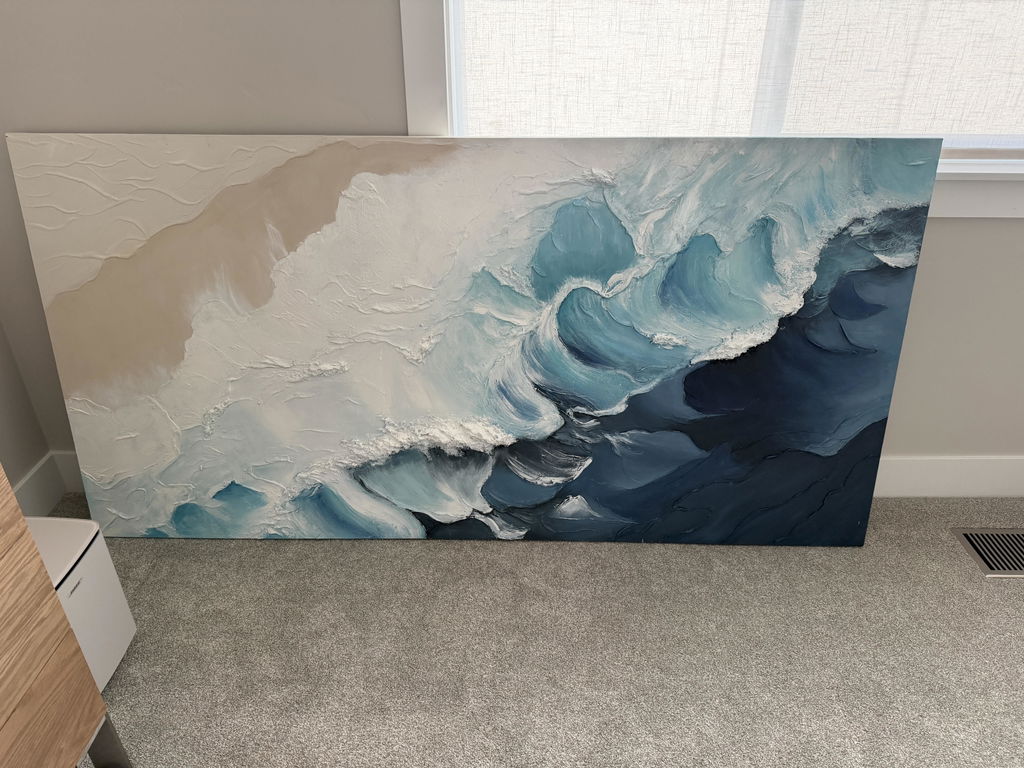
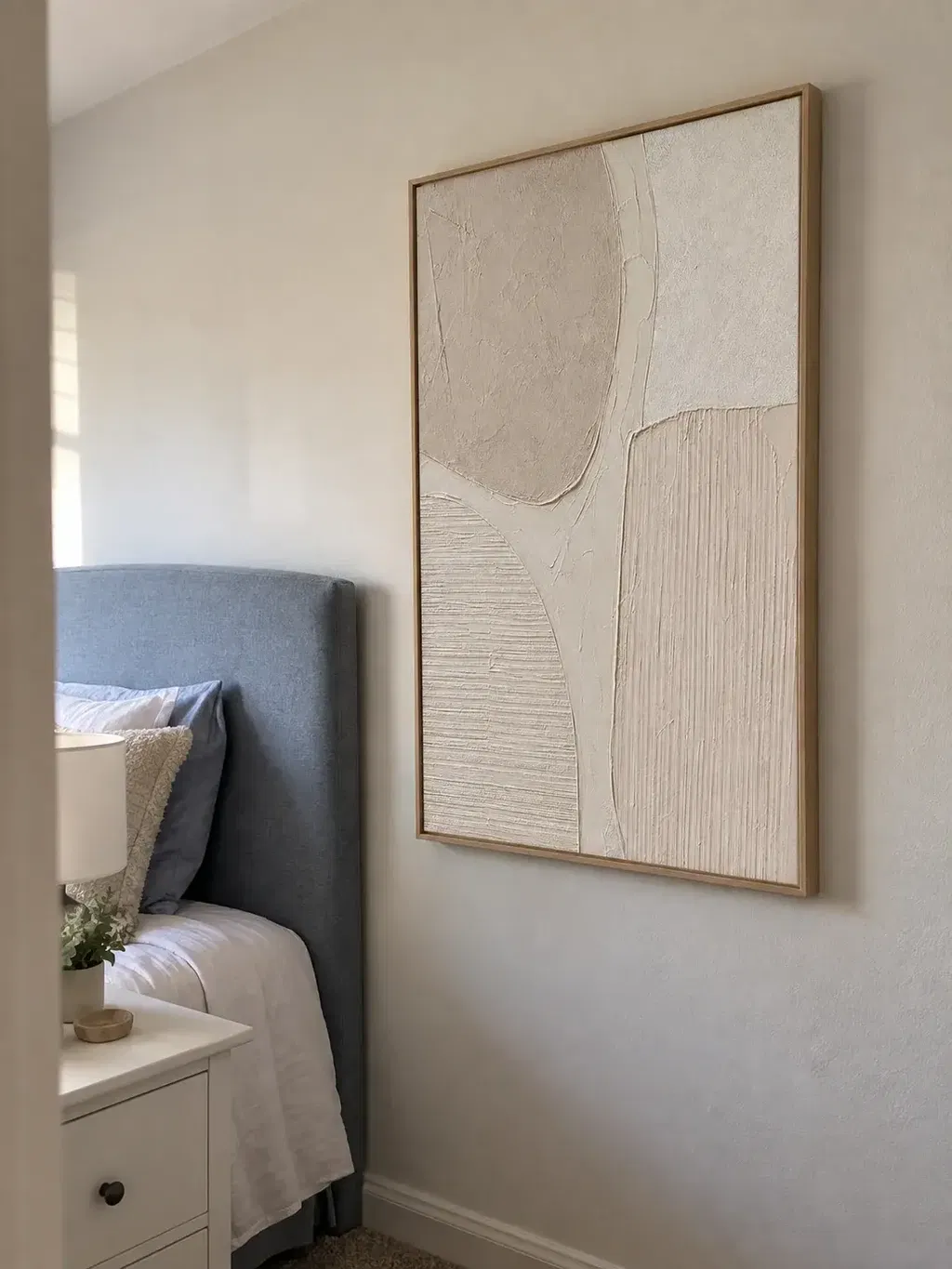
| Texture | Heavily Textured Impasto | Flat to Moderate Relief | Oil for high-tactile impact |
| Maintenance | Sensitive to solvents | Water-resistant once cured | Acrylic for high-traffic zones |
| VOC Profile | High (Requires ventilation) | Low to Zero | Acrylic for LEED/WELL projects |
2. The Science of the "Soul": Why Human Hand-Painting Wins
In an era of AI ubiquity, the "human premium" has become a quantifiable economic force. A Columbia University study confirmed that consumers value art labeled "AI-generated" 62% lower than authentic human-created work. This isn't just sentiment; it's a reaction to what University of Chicago researchers call "essential identity"—the psychological belief that a physical canvas retains the artist’s soul in a way digital replicas cannot.
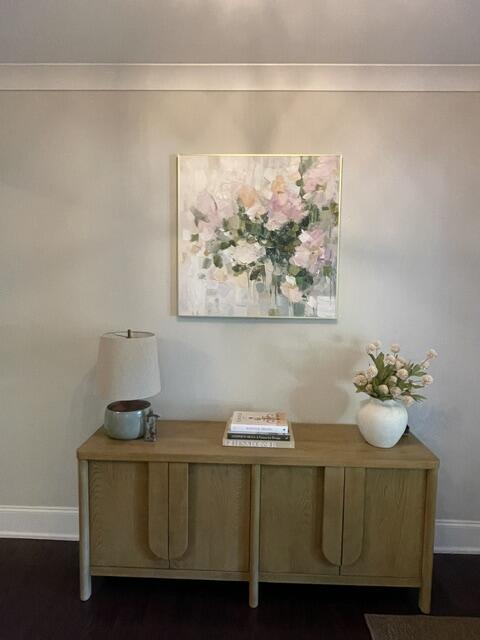
For designers, this data is a "nuclear weapon" against the use of cheap prints. Hand-painted art provides a tactile fruition where mm-scale texture creates an irreplicable aesthetic experience. Optical microprofilometry proves that the way light scatters off hand-applied pigments is fundamentally different from the flat, uniform dots of a Giclée print.

3. Technical Durability and Environmental Compliance
Specifying art for public or medical spaces requires a deep understanding of Indoor Air Quality (IAQ). The EPA warns that indoor air pollution is often deadlier than outdoor, making low-VOC materials a prerequisite for LEED and WELL certifications.
The VOC and Safety Gap
Traditional oil painting often relies on mineral spirits and turpentine. Princeton University EHS guidelines warn that acute inhalation of these vapors can cause narcosis, while chronic exposure leads to neurological damage. For healthcare facilities, water-based acrylics are the only viable path to compliance.
Pigment Toxicity and the "Non-Toxic" Myth
A common mistake is assuming that "Artist Grade" equals "Safe." Laboratory tests have detected heavy metals like Lead and Cadmium in professional pigments. IARC Volume 58 explicitly classifies Cadmium compounds as Group 1 carcinogens. Designers working on pediatric or maternity wards must verify that their art partners use pigments that pass the BS EN 71-3 safety standards for heavy metal migration.
4. Economic Impact: Art as a Capital Asset
Beyond aesthetics, murals act as "catalytic infrastructure" for real estate. In Philadelphia, an 8-year study by the Avenue of the Arts found that mural revamps triggered massive private investment.
ROI for Commercial Developers
- Property Value: Neighborhoods with higher art geo-tags see greater relative house price ranking gains.
- Leasing Velocity: Top CRE developers use unique public art as "marketing trump cards" to lease up millions of square feet of office space in a post-pandemic market.
- Foot Traffic: University of Cincinnati regression analysis shows that murals directly correlate with significant pedestrian increases, turning physical walls into commercial landmarks.
Modeling Note (ROI Analysis):
- Model Type: Capital Growth Projection based on historical "Artisan Premium" heuristics.
- Assumptions: Asset is a Tier 1 commercial property; Mural is human hand-painted (not digital); Location has high visibility.
Parameter Estimated Impact Unit Rationale Property Value Lift 5–15% % Based on Royal Society CAR model data Foot Traffic Increase 20–30% % UCincinnati pedestrian density studies Tenant Retention +12% % UPenn neuroaesthetics mood improvement data Marketing Cost Offset ~$50k/yr USD Earned social media impressions (Instagrammability)
5. Specification Guide: When to Choose What?
To avoid post-installation dissatisfaction, designers should follow this strategic decision matrix based on project-specific friction points.
Scenario A: The High-End Boutique Hotel Lobby
- Constraint: Needs to convey "Absolute Authenticity" and luxury.
- Recommendation: Oil on Canvas.
- Why: The 2025 Hospitality White Paper emphasizes that travelers crave the "scarcity" of local original work. The depth and shine factor of oil are unmatched for first-impression areas.
Scenario B: The Tech Giant’s High-Traffic Workspace
- Constraint: Tight deadline, high humidity, frequent cleaning.
- Recommendation: Acrylic Mural.
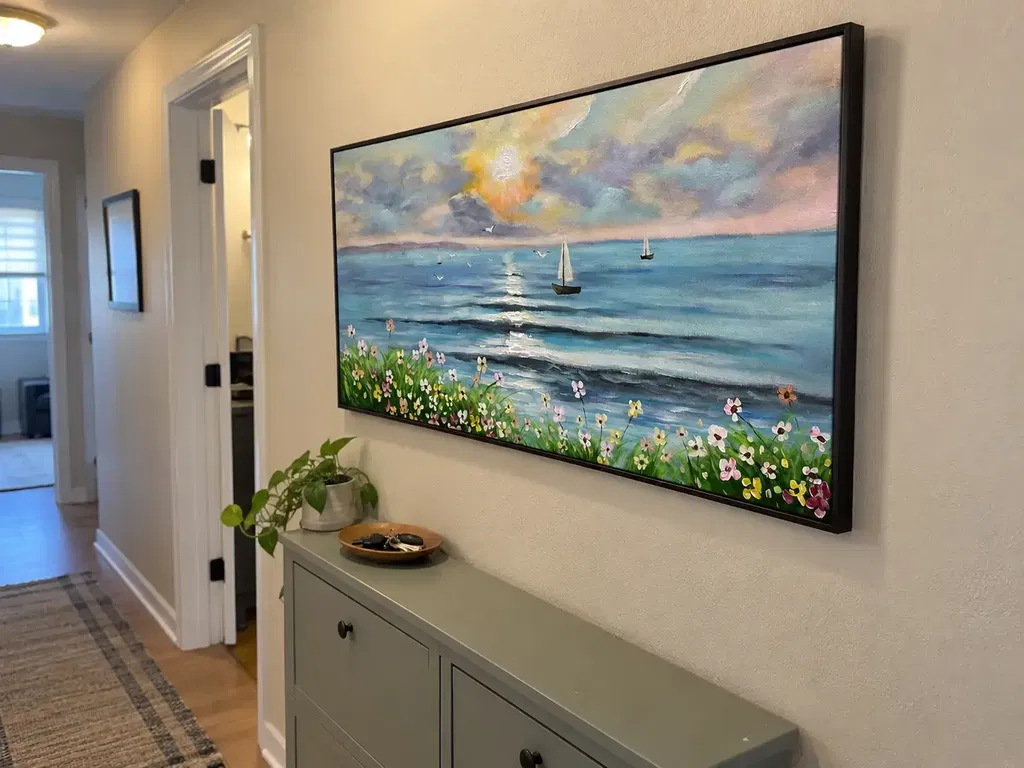
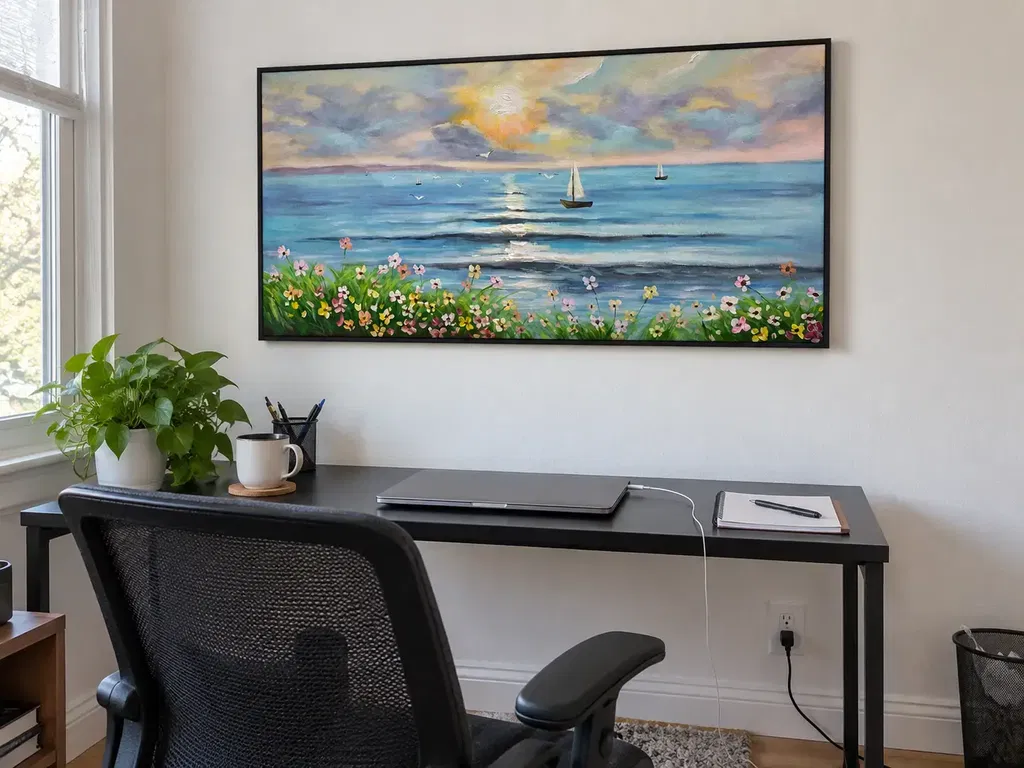
- Why: Acrylic's flexibility resists cracking from building movement. Furthermore, Tate research confirms that gently wiping acrylic surfaces helps reduce dirt adhesion, making it more manageable for facilities teams.
Scenario C: The Healing Environment (Healthcare)
- Constraint: Zero-VOC, biophilic stress reduction.
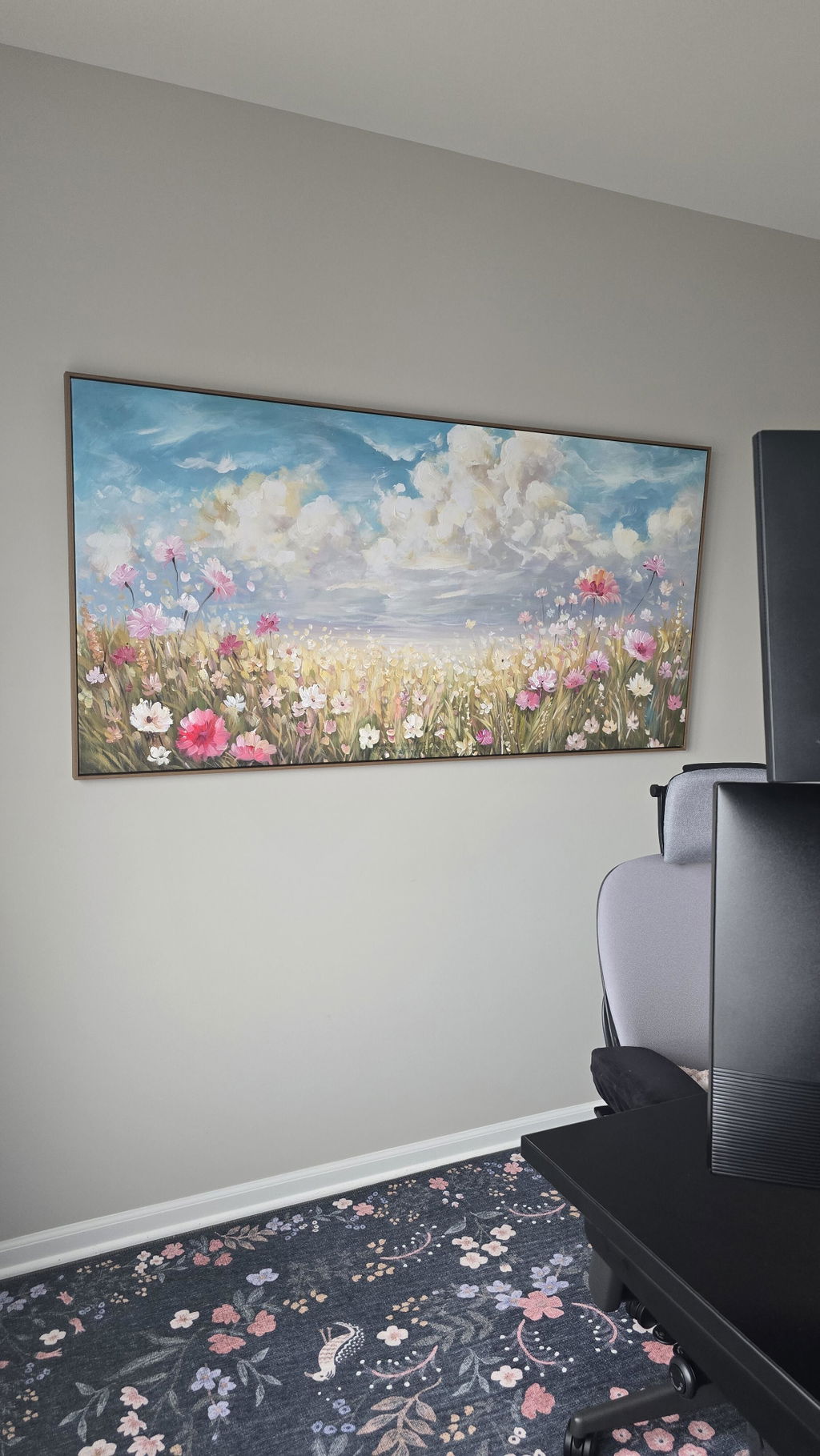
- Recommendation: Low-VOC Acrylic Biophilic Landscapes.
- Why: WHO scoping reviews confirm art interventions alter clinical indicators. Nature-themed murals reduce patient stress by 73%, but they must adhere to UCL-level clinical ethics regarding air quality.

6. Avoiding the "Gotchas": Professional Implementation
Experienced designers know that the sale doesn't end at installation. Clear client education is the best defense against revision requests.
- The SID Phenomenon: When using acrylics on cotton canvas, applying thick transparent mediums can draw out water-soluble impurities, causing a brown tint known as Support Induced Discoloration (SID). Always specify a high-quality primer.
- Lightfastness Standards: Don't rely on brand marketing. Verify that pigments meet ASTM D4303 Standard Test Methods for lightfastness. This ensures the mural won't fade in sun-drenched atriums.
- The "Odorless" Trap: Odorless mineral spirits are not non-toxic; they simply lack the olfactory warning signal. Always ensure proper ventilation during the curing phase of an oil installation.
- Curing vs. Drying: Educate clients that an oil painting is "vulnerable" for months. Avoid placing them near HVAC vents or in direct contact with cleaning chemicals until the film has fully polymerized.
The Future of Spatial Solutions
As we move toward 2026, art is being redefined as "public health infrastructure." Whether it's reducing neighborhood crime by 40% or boosting student academic scores by 18%, the impact of hand-painted environments is scientifically undeniable.
For the design professional, the choice between oil and acrylic is a tool for managing risk and maximizing value. By aligning the medium with the project’s technical constraints—and leveraging the 62% "human premium"—you transform a simple wall into a high-performing capital asset.
Disclaimer: This article is for informational purposes only and does not constitute professional health, safety, or legal advice. When specifying art materials for public or healthcare facilities, always consult with a certified industrial hygienist or environmental compliance officer to ensure adherence to local building codes and safety regulations.
Sources & Authoritative References
- The Art Basel and UBS Art Market Report 2024
- Columbia University: Consumer Perception of AI Art
- Royal Society: Quantifying Art and Property Prices
- WHO: Scoping Review on Arts and Health
- EPA: Indoor Air Quality and Low-VOC Paints
- ASTM D4303: Standard Test Methods for Lightfastness
- Tate: The Modern Paints Project (TAAMPP)
- CDC NIOSH: Paint and Coating Hazards