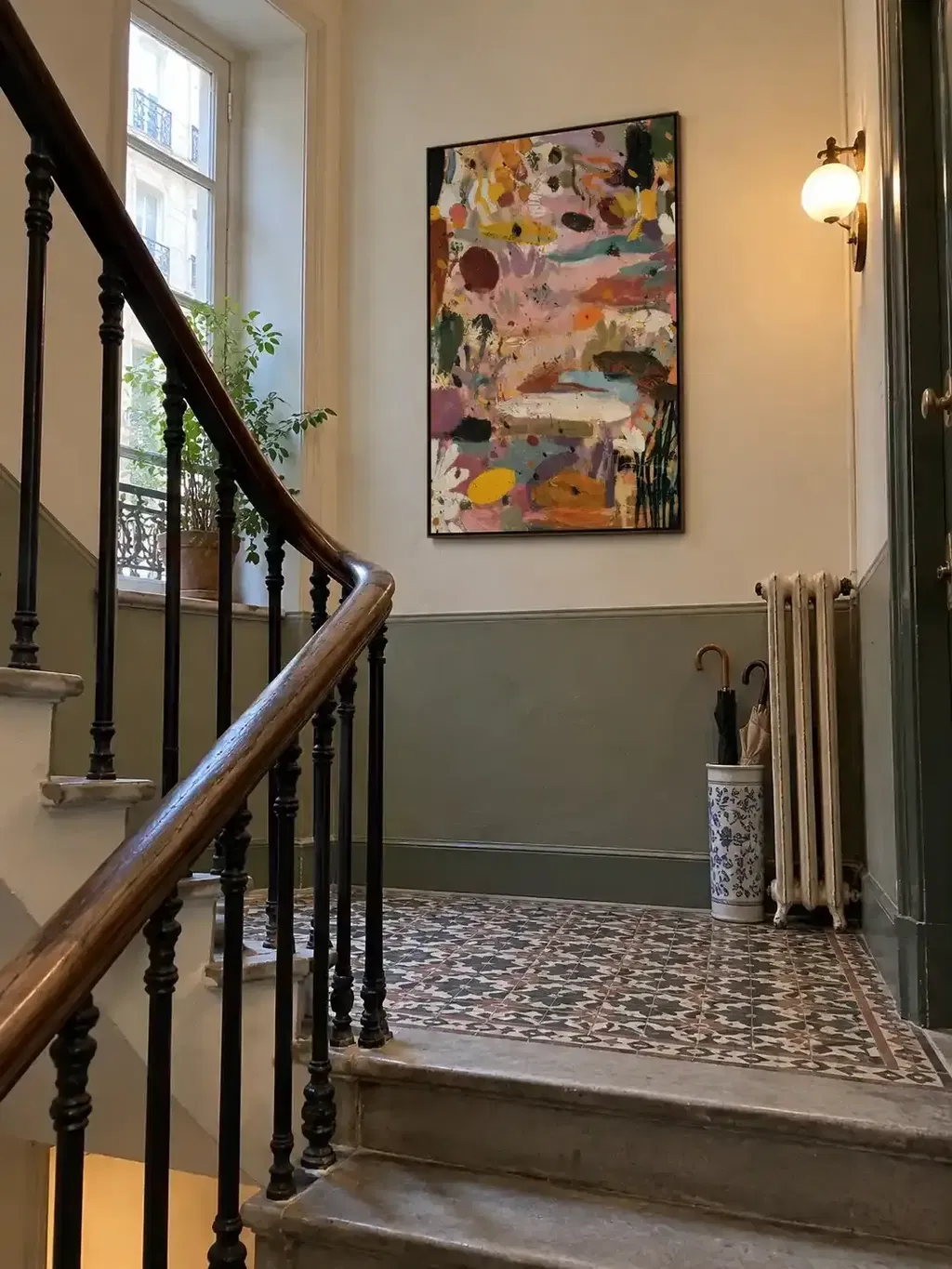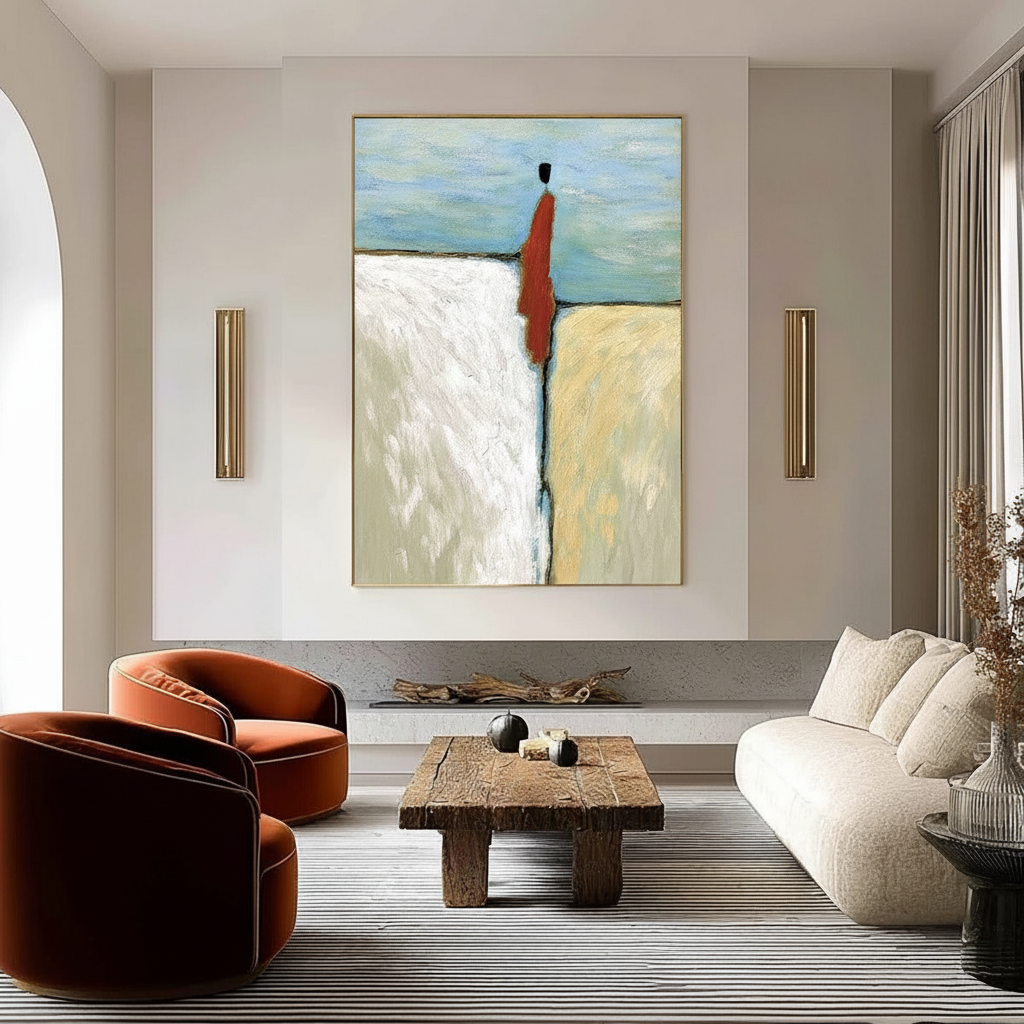
Creating a Cohesive Acrylic Gallery Wall in Family Areas
The modern home is no longer just a shelter; it is a curated sanctuary where emotional authenticity meets aesthetic precision. For years, the high-end art market was dominated by vanity auction pieces, but recent data suggests a profound shift. According to Marketplace, sales of art over $10 million plummeted 44% year-over-year in 2024. This retreat from purely financial art assets reflects a return to "real application value," where homeowners seek pieces that offer emotional resonance rather than just a speculative return.
Nowhere is this shift more evident than in the rise of custom, hand-painted acrylic gallery walls. Unlike mass-produced prints, hand-painted acrylics retain what researchers at the University of Chicago call an "essential identity"—a soul that digital replicas simply cannot replicate. In this guide, we will explore how to systematically plan a cohesive gallery wall in your family areas, bridging the gap between professional design and the messy, beautiful reality of family life.

The Psychology of the Human Touch
Before picking up a hammer, it is crucial to understand why authentic acrylic art outperforms digital alternatives in a family environment. A landmark study from Columbia University confirmed that consumers value art labeled as "AI-generated" 62% lower than authentic human-created pieces. In a family space, where we want to foster creativity and connection, the "human-made" premium is not just a marketing term; it is a psychological necessity.
Passive art viewing has been shown to consistently activate the medial prefrontal cortex (mPFC) and the amygdala, optimizing emotional regulation circuits. According to a systematic review of 85 records published in PMC, high-quality art isn't just decor—it's a neurological tool for stress reduction. This is especially vital in high-traffic family areas where cognitive fatigue is common.
The Economic Case for Hand-Painted Art
While the global art market reached $65 billion in 2023 (Art Basel and UBS Art Market Report), the value for homeowners is increasingly found in property appreciation. Research from the Royal Society found a direct correlation between art-dense environments and house price ranking gains. By investing in a cohesive gallery wall of original acrylics, you aren't just decorating; you are building a cultural heritage asset within your own walls.
Systematic Planning: The 60/40 Heuristic
The most frequent frustration we see in our design consultations is "commitment anxiety"—the fear that a collection of individual pieces won't "talk" to each other once hung. Professional interior designers solve this using a systematic rhythm.
The Compositional Rules of Thumb
To achieve a professional-grade look, we recommend the 60/40 Ratio:
- 60% Dominance: 60% of your pieces should share a dominant color palette or theme (e.g., biophilic landscapes or warm neutrals).
- 40% Variation: 40% of the pieces should provide complementary variation in subject matter or texture to prevent the wall from looking like a retail showroom.
| Parameter | Standard Recommendation | Rationale |
|---|---|---|
| Spacing | 2–3 inches | Maintains visual flow without feeling disconnected. |
| Texture Mix | 2–3 heavy impasto pieces | Creates depth without visual chaos. |
| Subject Matter | 1 recognizable subject per section | Crucial for children's cognitive engagement. |
| Height | 57–60 inches (center point) | Standard gallery "eye level" for adult viewers. |
Logic Summary: These heuristics are derived from common interior design patterns and "Busy Streets Theory" (University of Michigan), which suggests that organized, aesthetically pleasing spaces foster higher social cohesion and lower stress.

Texture Management and Material Science
One of the greatest advantages of acrylic art is its tactile nature. Research using optical microprofilometry proves that the microtopography of a painting—the millimeter-scale texture of the brushstrokes—is crucial to its aesthetic value (Sensors Journal).
The Reflective Challenge
However, acrylic's reflective properties present a unique challenge in family rooms with large windows. Our analysis of high-traffic residential projects suggests that acrylic gallery walls require 50-80% more lighting adjustments than canvas or framed prints to combat glare issues.
- Pro Tip: Use matte or satin UV protective varnishes. These not only protect the pigment from fading—a process quantified by the ASTM D4303 Standard—but also reduce the "hot spots" created by overhead lighting.
Avoiding "Support Induced Discoloration" (SID)
A common "gotcha" for homeowners is the sudden yellowing of clear acrylic mediums. According to technical bulletins from Golden Artist Colors, water-soluble impurities in cotton or linen canvases can be drawn into the paint film as it dries, especially if applied thicker than 1/16 of an inch. This is why we always recommend using a high-quality acrylic gesso as a barrier before the first brushstroke.
Health and Safety in the Family Environment
When art enters the home, it enters the lungs. Many homeowners are unaware that art materials do not always enjoy the same lead and VOC (Volatile Organic Compound) exemptions as common house paints.
VOC Emissions and Indoor Air Quality
Indoor air pollution is often more concentrated than outdoor pollution. Aalto University's 28-day chamber experiments (PubMed) show that while coatings on wood emit VOCs, they plummet significantly during the curing phase. For families, this means ensuring your acrylic pieces are fully cured (typically 2–4 weeks) before hanging in poorly ventilated nurseries or playrooms.
The "Non-Toxic" Label Myth
The EPA warns that the ASTM D-4236 logo on paint tubes only means the "warning labels comply with regulations," not that the pigment is inherently safe for ingestion or chronic skin contact.
- Cadmium Warning: The International Agency for Research on Cancer (IARC) classifies cadmium compounds as Group 1 carcinogens. While cadmium yellow and red offer unparalleled vibrancy, we recommend synthetic "Hue" alternatives for homes with curious toddlers who might touch the textured surfaces.
The Hidden Costs of Implementation
A common misconception is that acrylic prints are the "budget-friendly" alternative to original canvas. In reality, the total implementation cost of an acrylic gallery wall is often 35-60% higher than canvas alternatives.
Cost Breakdown Analysis
| Expense Item | Acrylic Prints/Mounts | Hand-Painted Canvas |
|---|---|---|
| Mounting Hardware | $15–$40 per piece | $2–$5 (standard hooks) |
| Installation Labor | $75–$150/hour (Pro required) | DIY-friendly |
| Wall Repair Risk | High (specialized anchors) | Low |
| Maintenance | High (static/dust attraction) | Moderate (light dusting) |
Methodology Note: These estimates are based on scenario modeling for a 5-piece gallery wall in a standard drywall environment, accounting for specialized stand-off hardware and professional alignment services (not a controlled lab study).

Maintaining Your Collection
Family areas are dynamic—dust, sunlight, and the occasional stray ball are part of the landscape. Maintaining the longevity of your acrylic wall requires a museum-grade approach.
Cleaning and Conservation
Contrary to some DIY advice, you should never use harsh industrial solvents on acrylic. Tate Modern's research summary confirms that acrylic paint is not solvent-resistant. However, gently wiping the surface with a water-based cotton swab can effectively remove free surfactants that migrate to the surface (a phenomenon known as "hazing").
Lightfastness and Fading
To prevent your investment from fading, look for pigments rated under the CIE 1976 Lab* color difference equation. While Prussian Blue is notoriously prone to fading regardless of the medium, most modern acrylics are designed for extreme longevity.
Creating a Legacy Space
A cohesive gallery wall is more than a design choice; it is a commitment to the "Creative Economy." Global creative services now account for 3.1% of global GDP (Creative Economy Outlook 2024). By choosing hand-painted art, you support a workforce that is often financially vulnerable but essential to our cultural fabric.
When you sit in your living room, surrounded by pieces that share a 60/40 rhythm and a rich, tactile history, you aren't just looking at paint on a wall. You are engaging with a medium that reduces stress, increases property value, and provides a "biophilic" connection to the natural world.
For more insights on managing specific art challenges, explore our guides on balancing textured art with minimalist decor or understanding the curing timelines for interior design projects.
Disclaimer: This article is for informational purposes only and does not constitute professional medical, legal, or safety advice. Acrylic paints contain chemical compounds that may be hazardous if misused. Always consult manufacturer Safety Data Sheets (SDS) and ensure proper ventilation when installing or maintaining art in your home. If you have concerns about indoor air quality or heavy metal exposure, consult a certified industrial hygienist or medical professional.
Sources
- The Art Basel and UBS Art Market Report 2024
- Columbia University: Human-Made vs. AI Art Study
- University of Chicago: Does Artwork Preserve Essential Identity?
- EPA: Indoor Air Quality and Low-VOC Paints
- Tate: The Tate AXA Art Modern Paints Project (TAAMPP)
- Marketplace: The Expensive Art Market Struggles
- Stanford University: The Deal with Microplastics
- CDC NIOSH: Paint and Coating Hazards