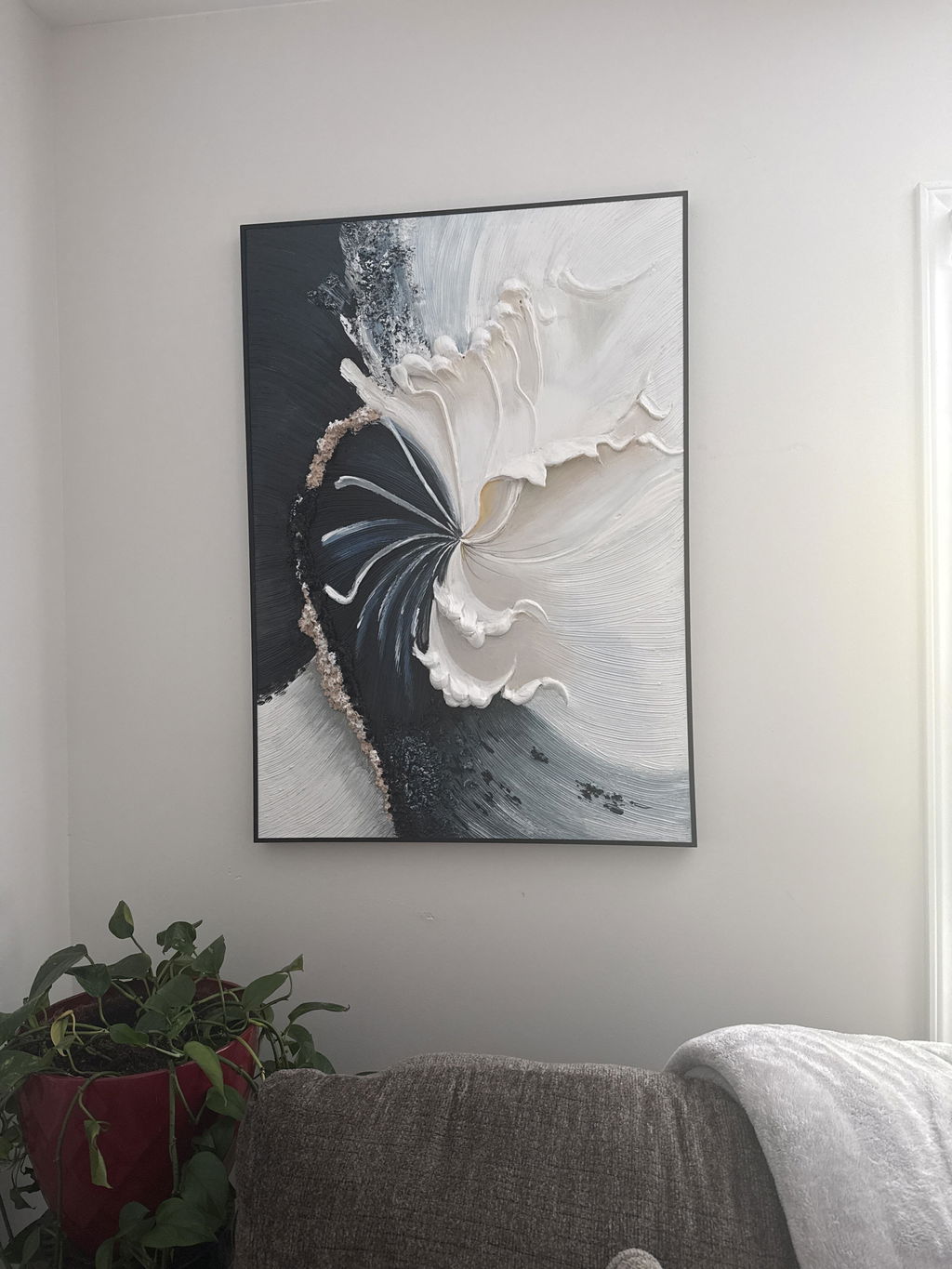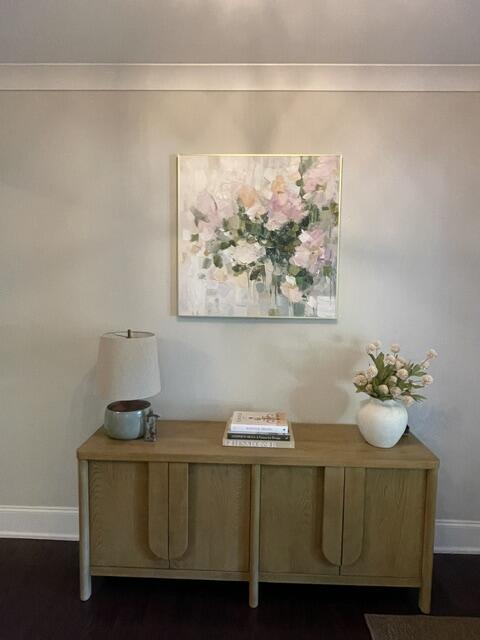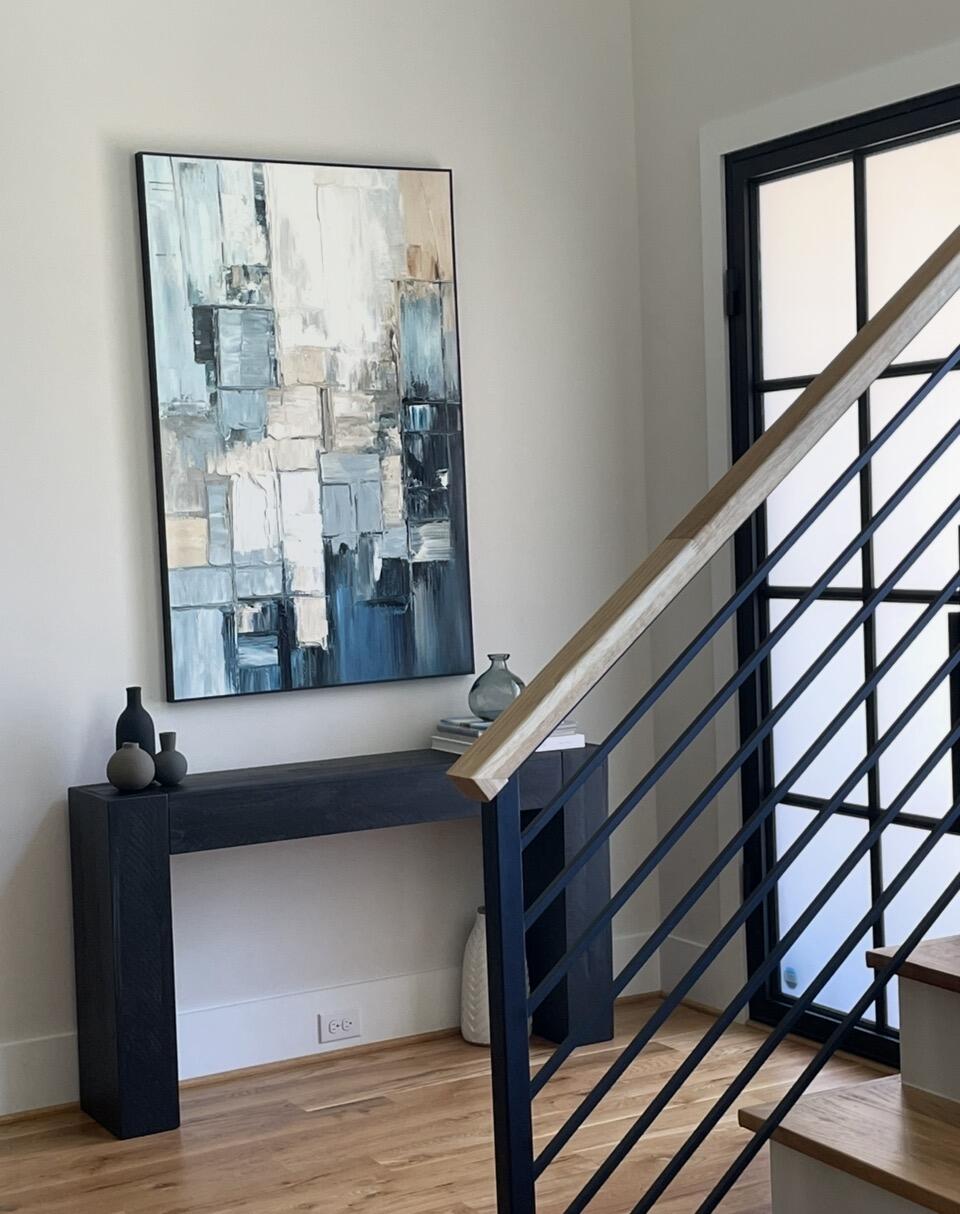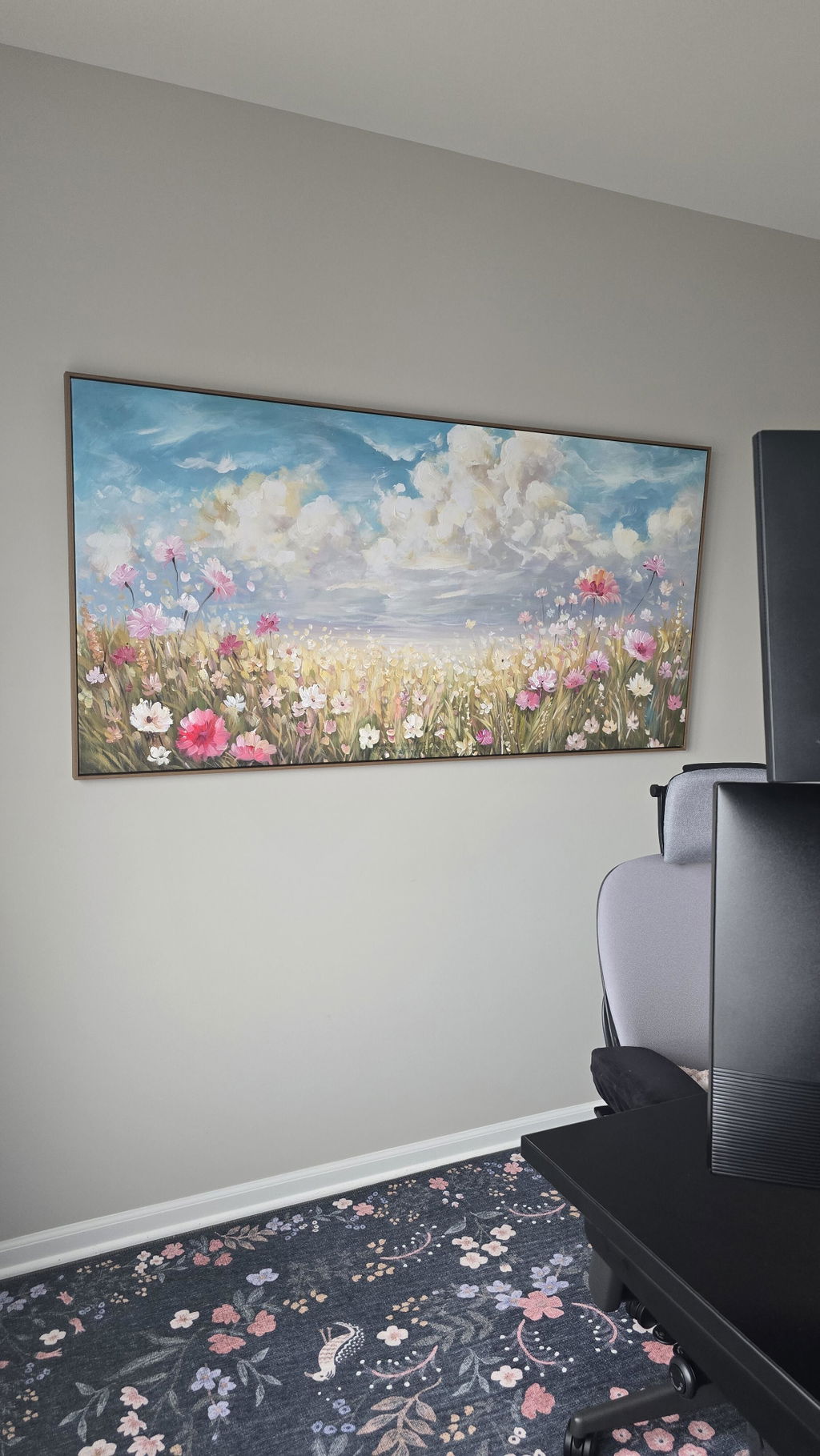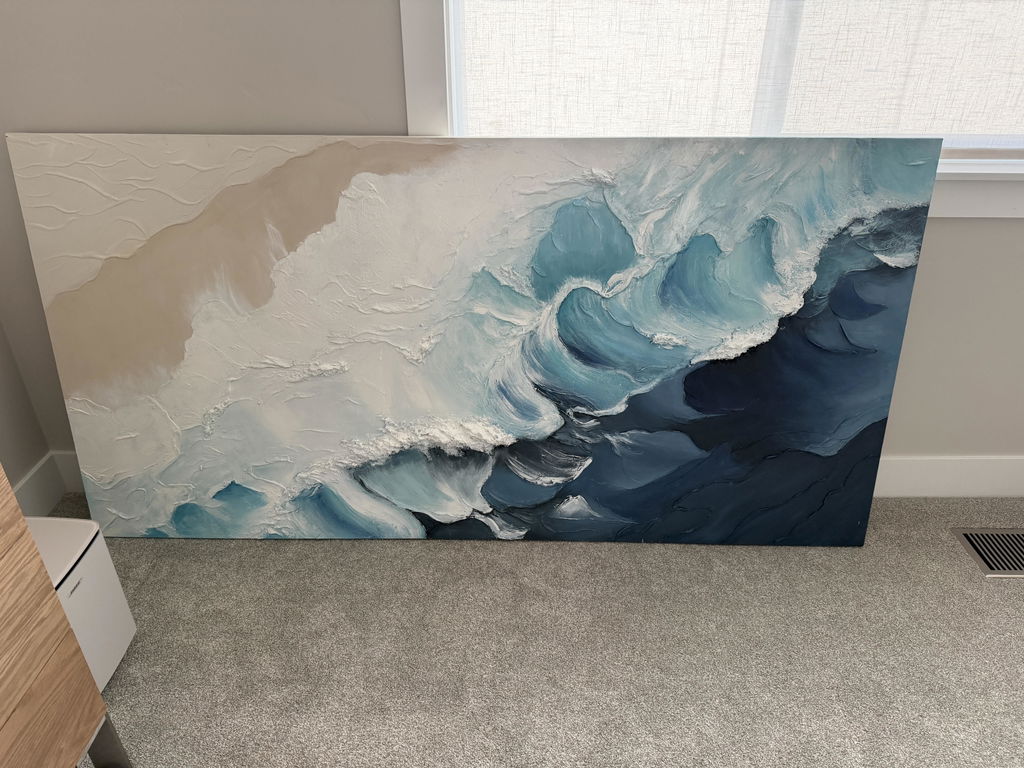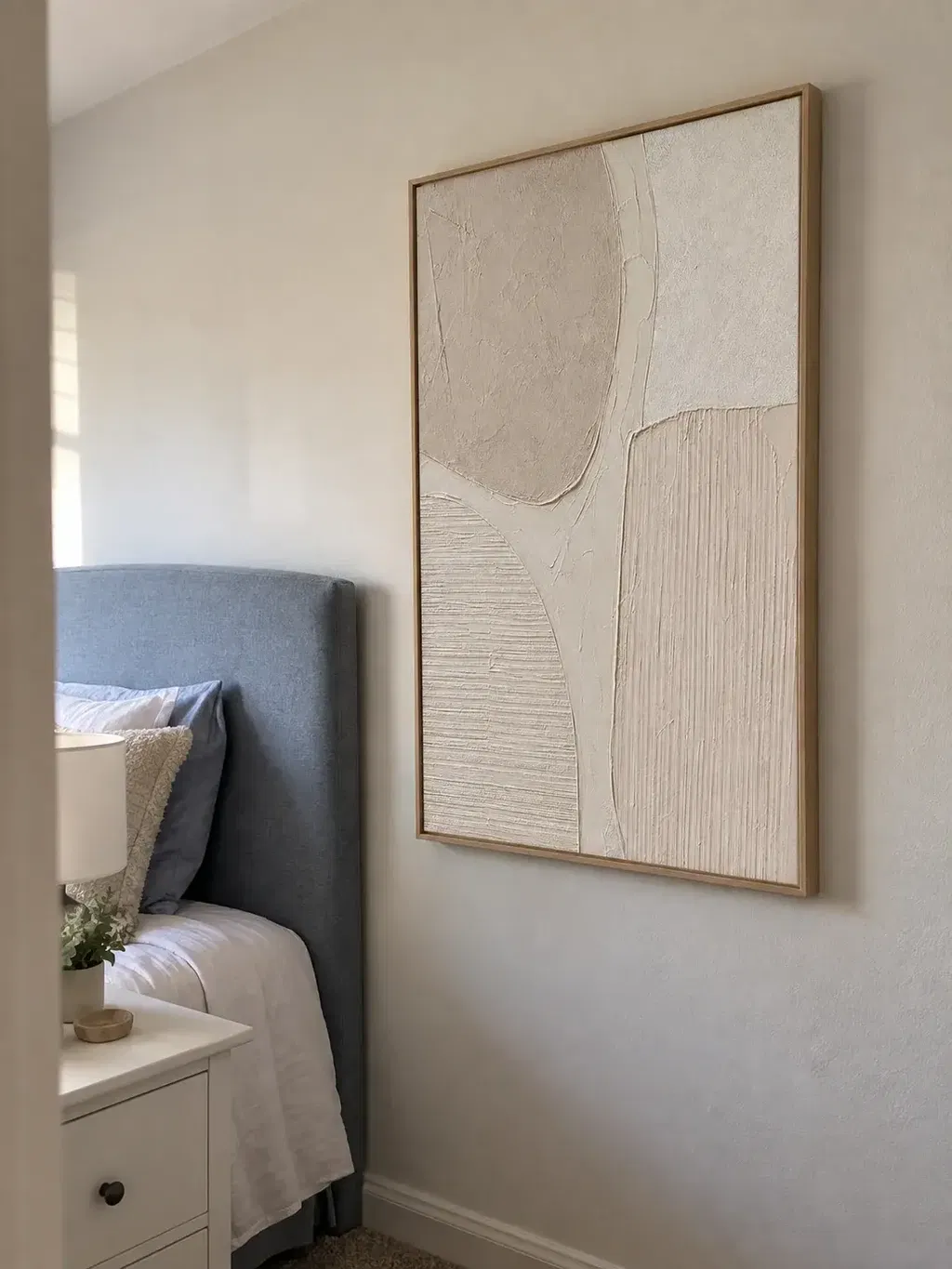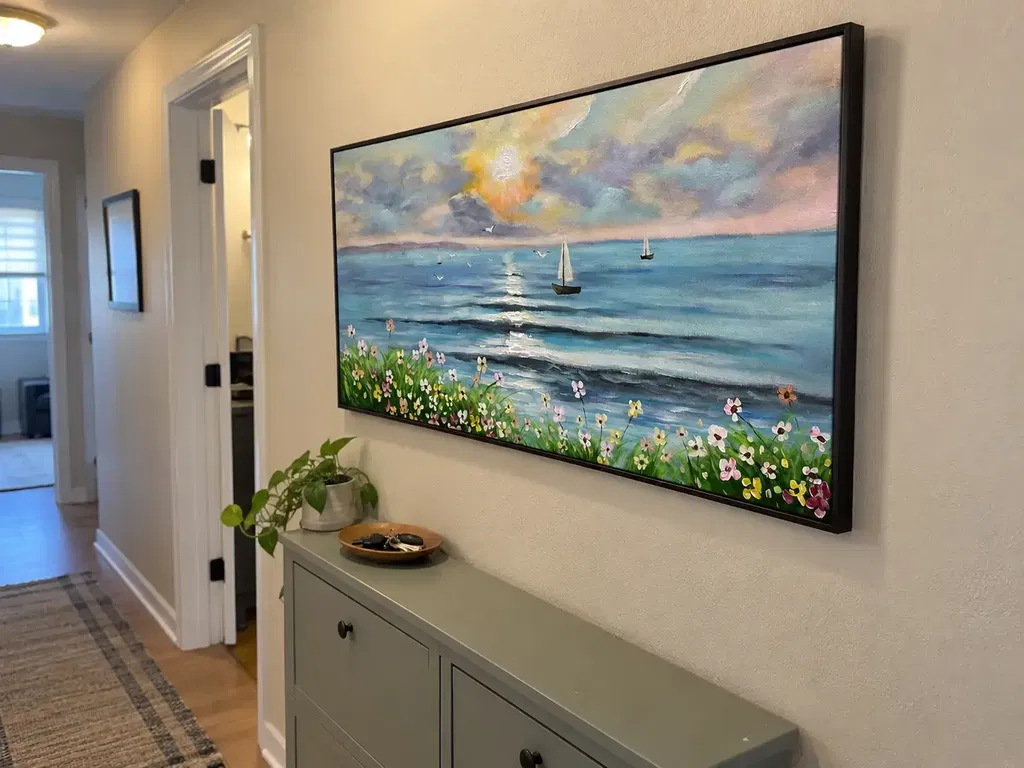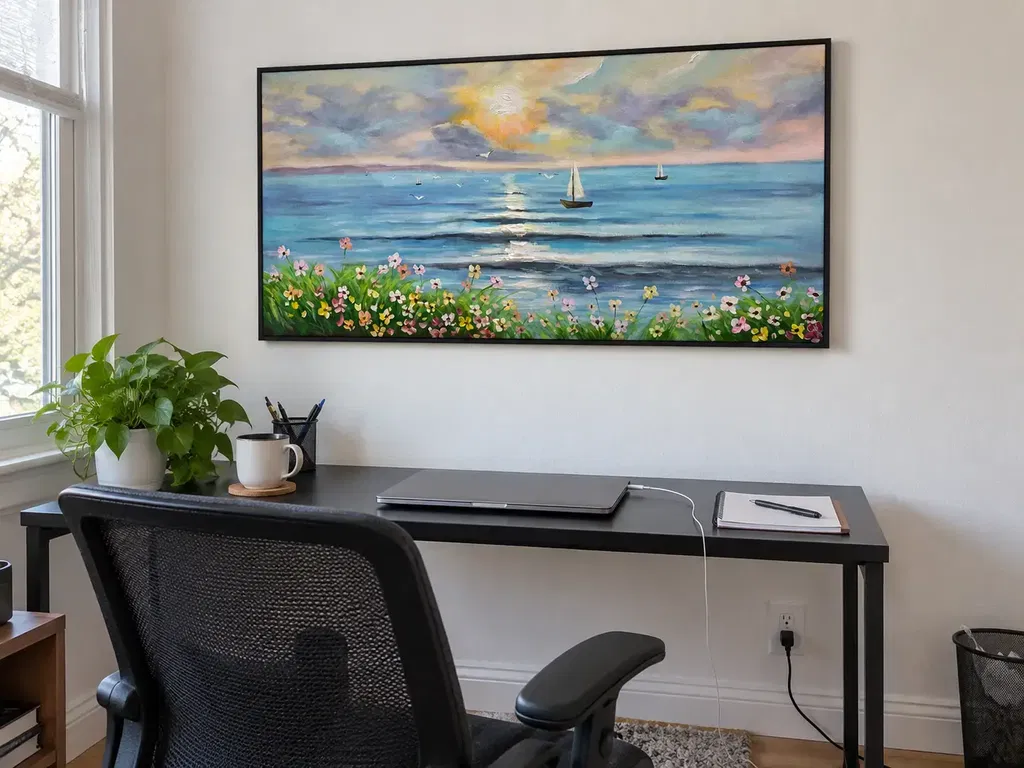
Art may seem like a luxury, but a single canvas can change the air of a room. Where walls once stood empty, paintings, prints, and sculptures weave warmth and meaning. Each piece carries a fragment of you, reflecting moods that words often fail to capture. This guide is a companion for beginners, helping you walk slowly from curiosity to confidence, until art becomes not a choice but a source of daily joy.

How the Art You Display Shapes Daily Life
Art is often treated as decoration, but it does much more than fill empty walls. A thoughtfully chosen piece reflects your story, influences your emotions, and sets the tone for each room. Once you realize how much art shapes daily life, the process of selecting it feels less like guesswork and more like a rewarding decision.
Art Shapes How You Feel Every Day
Standing before a canvas, silence often says more than words. Your body instinctively knows whether it feels at ease or stirred. A calm landscape may bring peace after a long day, while bold abstract colors might energize a morning routine. The emotional link between a person and an artwork is the reason people live happily with the same piece for decades.
Art Sets the Mood of a Room
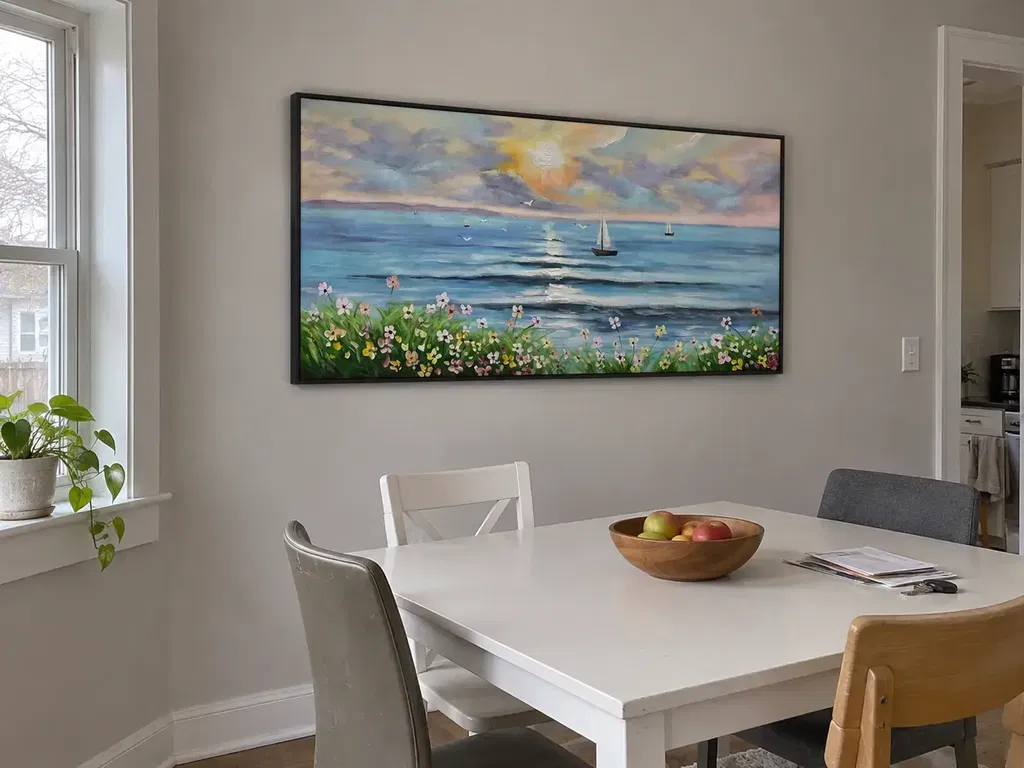
Colors and forms change how a room feels. A muted pastel painting softens a bedroom, while vivid geometric art can turn a dining space into a lively social hub. Interior designers often recommend art as the final layer that completes the atmosphere.
Art Reflects Heritage and Values
Art also tells stories about background and values. A family may display traditional ink paintings to honor heritage, while another might choose contemporary prints to highlight innovation. Each choice is a statement, and together they form a visual autobiography of your home. A single painting on the wall can whisper of ancestry, travels, or the dreams of its owner.
Art is meaningful because it brings emotion, atmosphere, and cultural expression into daily life. Once you recognize its impact, every piece you select feels purposeful.
Explore Popular Art Styles as a Beginner
Beginners often wonder where to start. Familiarity with different art styles provides a gentle introduction. Each style has unique qualities that suit different personalities and interiors, and learning about them removes much of the mystery.
| Style | Key features | Best fit for |
| Abstract | Shapes, colors, open interpretation | Energetic or modern interiors |
| Realism | Detailed, lifelike scenes | Traditional or formal spaces |
| Minimalism | Clean lines, simple forms | Calm and uncluttered homes |
| Impressionism | Loose brushwork, emphasis on light | Bright and welcoming rooms |
| Surrealism | Dreamlike combinations | Creative studios or personal spaces |
| Pop Art | Bold colors, pop-culture themes | Youthful or playful interiors |
Styles are not boxes but doorways, and each one opens to a different kind of mood in your home. Someone looking for a beginner's guide to popular art styles often wants practical alignment. A minimalist living room benefits from clean abstract works, while a rustic dining area might feel warmer with impressionist landscapes. Exploring several art styles gives you reference points. With exposure, preferences emerge and connect naturally to your interior environment.

Practice Easy Exercises to Find What You Like
Discovery requires participation. Simple exercises turn casual interest into clear recognition of taste. By experimenting, you uncover the patterns that define your artistic preferences. Taste often hides in small habits, like pausing longer in front of a print that others walk past.
- Create a Mood Board: Collect images from magazines, websites, or apps. Over time, repeating colors and shapes appear.
- Visit Galleries and Museums: Scale and texture become clearer in person than online. Stand near large canvases to feel their impact.
- Save Digital Folders: Use Pinterest or your phone gallery to keep screenshots of works you admire. Looking back will reveal patterns.
- Compare Room Mockups: Online tools allow you to test how different works would look in a living room or bedroom.
- DIY Practice: Try sketching or painting simple versions of styles. The act of creating highlights that feel natural.
- Discuss With Friends: Share opinions with others. Sometimes, an outside perspective reveals what you consistently lean toward.
- Take a Short Class: Many communities offer art workshops. Participating gives hands-on experience and exposure.
Exercises like mood boards, visits, and DIY trials make taste visible. The more you practice, the clearer your artistic preferences become.
Identify the Art Style That Reflects You
Once you have experimented, the next stage is narrowing choices. The goal is not perfection but identifying styles that mirror your personality and way of life.
Ask Yourself Five Questions
- Which colors make me feel calm or energized?
- Do I prefer order or spontaneity in visuals?
- Do I enjoy detail or simplicity?
- What kind of memories do I want to evoke?
- Which art would I proudly share with visitors?
Sometimes the answer is already visible in your bookshelf, your clothing colors, or the music you replay most.
Connect Personality to Style
Art often mirrors personality in subtle ways. Someone introverted might feel drawn to gentle landscape paintings or muted tones, while an outgoing host may prefer bold pop art that sparks conversation. A person who values order may lean toward minimalism, while those who thrive on spontaneity often choose abstract works. Art is never random; it reflects personality traits in visible form, turning private character into public expression.
Fit Art to Lifestyle
Practical needs are just as important as taste. A busy parent may choose durable prints that can withstand daily life, while a dedicated collector with more time might invest in fragile originals. People who move frequently often prefer lightweight works that are easy to transport, while pet owners may look for materials that resist scratches or stains. Aligning lifestyle with art ensures that each piece not only looks right but also lasts comfortably within daily routines.
Identifying style means answering personal questions, linking traits to visuals, and considering lifestyle. This combination creates choices that feel authentic.

Translate Inspiration into a Cohesive Home Aesthetic
Beginners often gather scattered inspirations. Cohesion is what transforms individual pieces into a harmonious environment.
Look for Repetition
Review saved images. Repeated colors, shapes, or moods often signal your core preference.
Build Color Schemes
A cohesive home benefits from a clear palette. For example, combining navy, white, and gold across different rooms creates consistency.
Avoid Common Mistakes
Cohesion is less about strict rules and more about rhythm, like how notes form a melody instead of scattered sounds.
- Using too many unrelated styles in one room
- Hanging pieces at inconsistent heights
- Choosing frame colors that clash with furniture
Create Flow Between Rooms
Cohesion does not mean every room looks identical. It means subtle threads connect them, such as one repeating accent color or a shared framing style.
Cohesion grows from repetition, clear color schemes, and avoiding mismatched details. The result is a home that feels intentionally designed.
Choose Decorative Paintings That Fit Your Space
The shift from style to space involves technical considerations. Decorative paintings must align with scale, placement, and environment.
| Room | Recommended Style | Placement Tips |
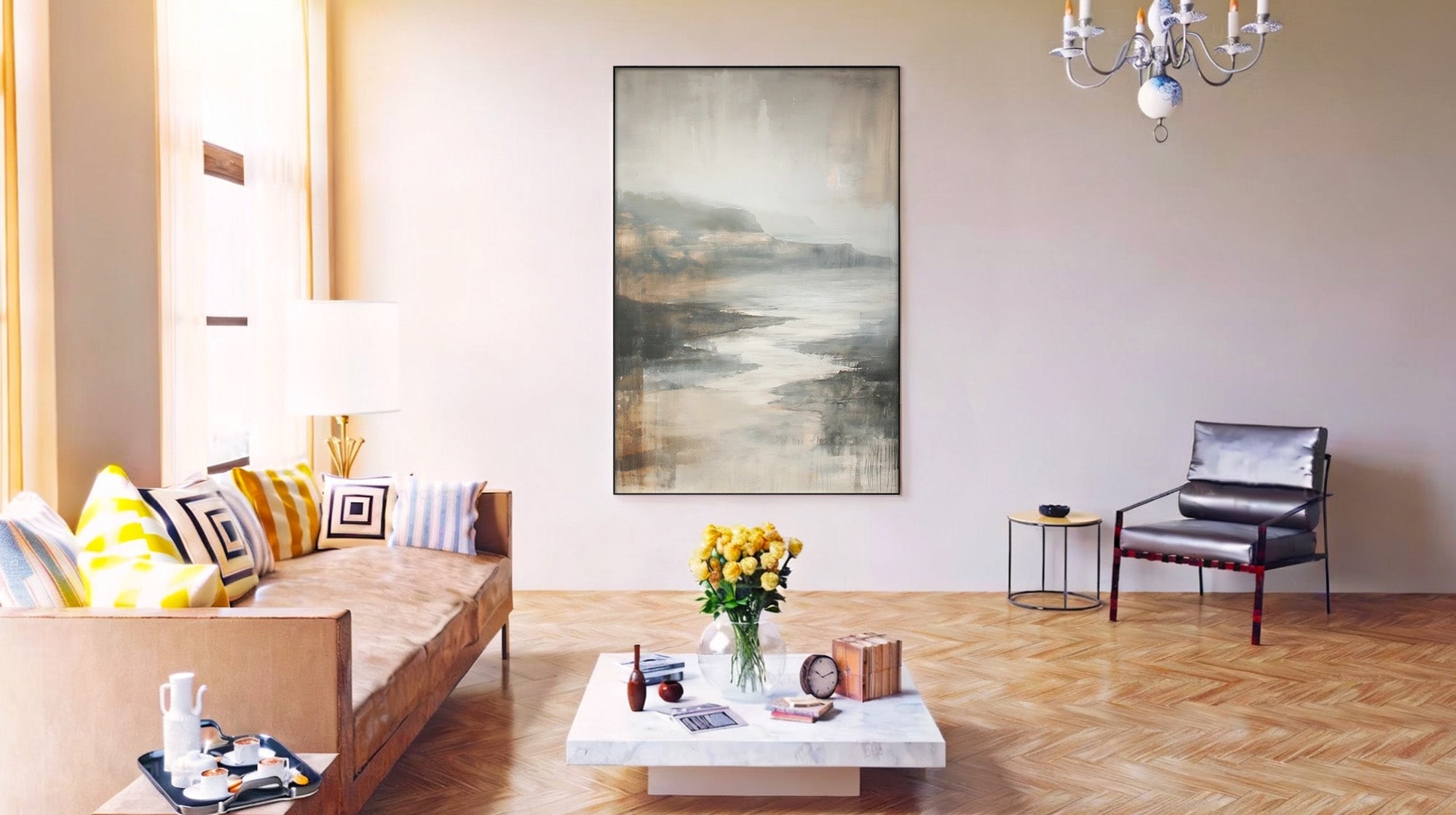
| Living Room | Large statement works | Center above sofa or fireplace |
| Bedroom | Calming colors and themes | Place opposite the bed for gentle viewing |
| Dining Area | Warm landscapes or abstracts | Hang where guests can see comfortably |
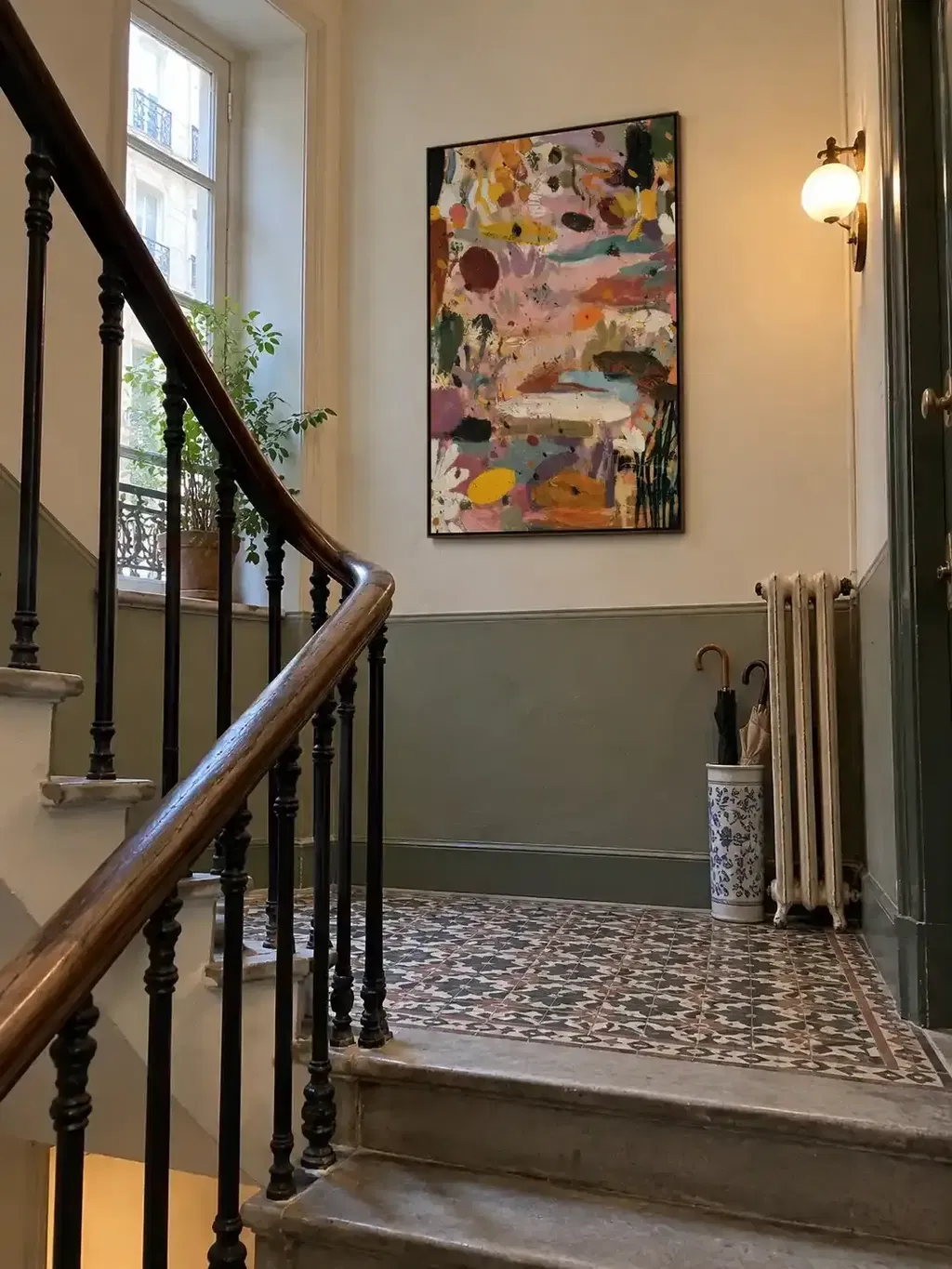
| Entryway | Bold and welcoming art | Position at eye level to greet visitors |
| Office | Minimalist or inspiring prints | Keep near desk for motivation |
Balance Proportions
Large works overwhelm small rooms, while tiny pieces disappear on big walls. A simple rule: artwork should be about two-thirds the width of the furniture it hangs above. For example, over a 180 cm sofa, choose a piece around 120 cm wide, or group smaller works to fill that space. Use paper cutouts on the wall to test size before you buy.
Match Wall Colors
A pale wall may benefit from vibrant art, while darker walls suit lighter paintings for contrast. The relationship between wall and canvas should feel like a quiet conversation, never a competition for attention.
Choose Frames Wisely
Frames act like clothing for art. A modern frame fits a sleek interior, while a rustic frame matches traditional décor.
By aligning paintings with room type, proportions, wall colors, and frames, you achieve harmony between art and interior design.
Practical Tips to Begin Your First Art Collection
Knowledge is helpful, yet the biggest barrier is often hesitation. Building confidence makes the process enjoyable and sustainable.
Start Small and Accessible
Student exhibitions, local markets, and affordable prints allow you to learn without financial pressure. Begin with small pieces, such as A4 or A3 prints, which are easy to frame and move if you later rearrange your space. Prices for these works are often under $50–$200, making them ideal for beginners. Choose simple, ready-made frames so you can rotate artworks as your collection grows without incurring additional costs.
Set a Clear Budget
Define a monthly or yearly art budget. Clear boundaries remove anxiety and turn browsing into focused decision-making. For example, you might set aside $50 each month or $500 a year, depending on your comfort level. Use a separate envelope or digital wallet for art purchases to track your spending easily. When you stick to a budget, you'll enjoy the process more and avoid impulse buys that cause regret later.
Avoid Common Traps
Do not buy something just because it's trendy. Avoid purchasing multiple large pieces at once. A good rule is to buy one piece at a time and live with it for a few weeks before adding more. Check whether the artwork truly fits your space by taping the size on the wall with paper before making a purchase. This prevents the common mistake of buying art that feels overwhelming once it's hung.
Learn About Sources
Art can be found in local galleries, on online platforms, at charity auctions, and even at community fairs. Explore online print shops and artist-run websites, which often list detailed information about editions, paper quality, and size. Community art fairs are also great places to talk directly with artists and hear the stories behind the work. Keep a list of trusted sources so you know where to look when you're ready to make a purchase.
Accept Change Over Time
Taste evolves with life stages. The piece you loved at 25 may not be the same one you cherish at 40. Growth is part of the experience. Rotate your art every few years to refresh your walls without needing to buy something new. If you outgrow a piece, consider gifting it, reselling it, or storing it as part of your personal archive. An evolving collection is like a diary, each piece marking a chapter of who you were at that moment.
Confidence comes from small starts, smart budgets, awareness of traps, and openness to evolving taste. This approach builds a collection you truly enjoy.
Start Finding the Art That Feels Right
Having experimented and seen what you prefer, believe in your instincts. The best advice is simple: choose pieces that bring you joy day after day. Update your artwork, change frames, or combine new and old pieces. Even small details can refresh a room without great expense. Over time, these decisions tell the story of a life well lived.
FAQs About Starting an Affordable Art Collection
Q1: How can a beginner start collecting art without spending too much money?
Start by exploring inexpensive options such as print-on-demand editions, small-run giclée prints, and student shows. Look for affordable art at local festivals, college exhibitions, and online platforms such as Etsy, Saatchi Art's new talent section, and newsletters from local galleries. Begin with one small piece and see how it fits your space. This approach helps you build confidence without overspending.
Q2: What mistakes should be avoided when buying art for the first time?
Do not purchase an item solely because it is fashionable or on sale. Measure your wall and test the scale with paper templates before buying. Plan for framing, mounting, and lighting costs, as these can sometimes exceed the price of the artwork itself. Finally, prioritize pieces that resonate with you emotionally and that you revisit often, rather than making impulse purchases.
Q3: How can someone build a consistent art collection over time?
Look for a common link, such as a recurring color, frame style, or subject. Keep a simple record with photos, purchase dates, sources, and prices to track the themes in your collection. Periodically review and curate by selling, reframing, or rotating pieces instead of only adding more. This thoughtful organizing helps keep the collection coherent.