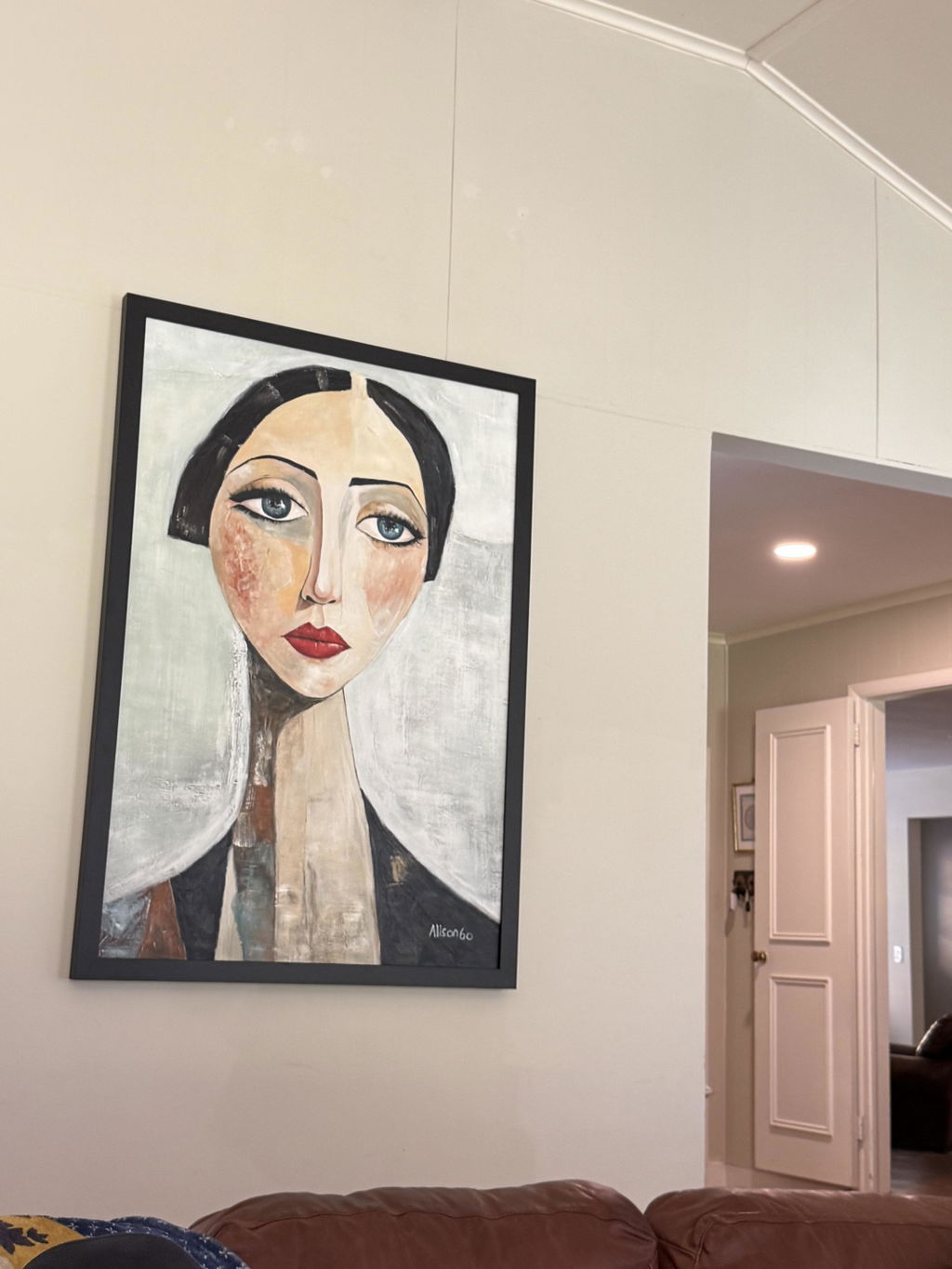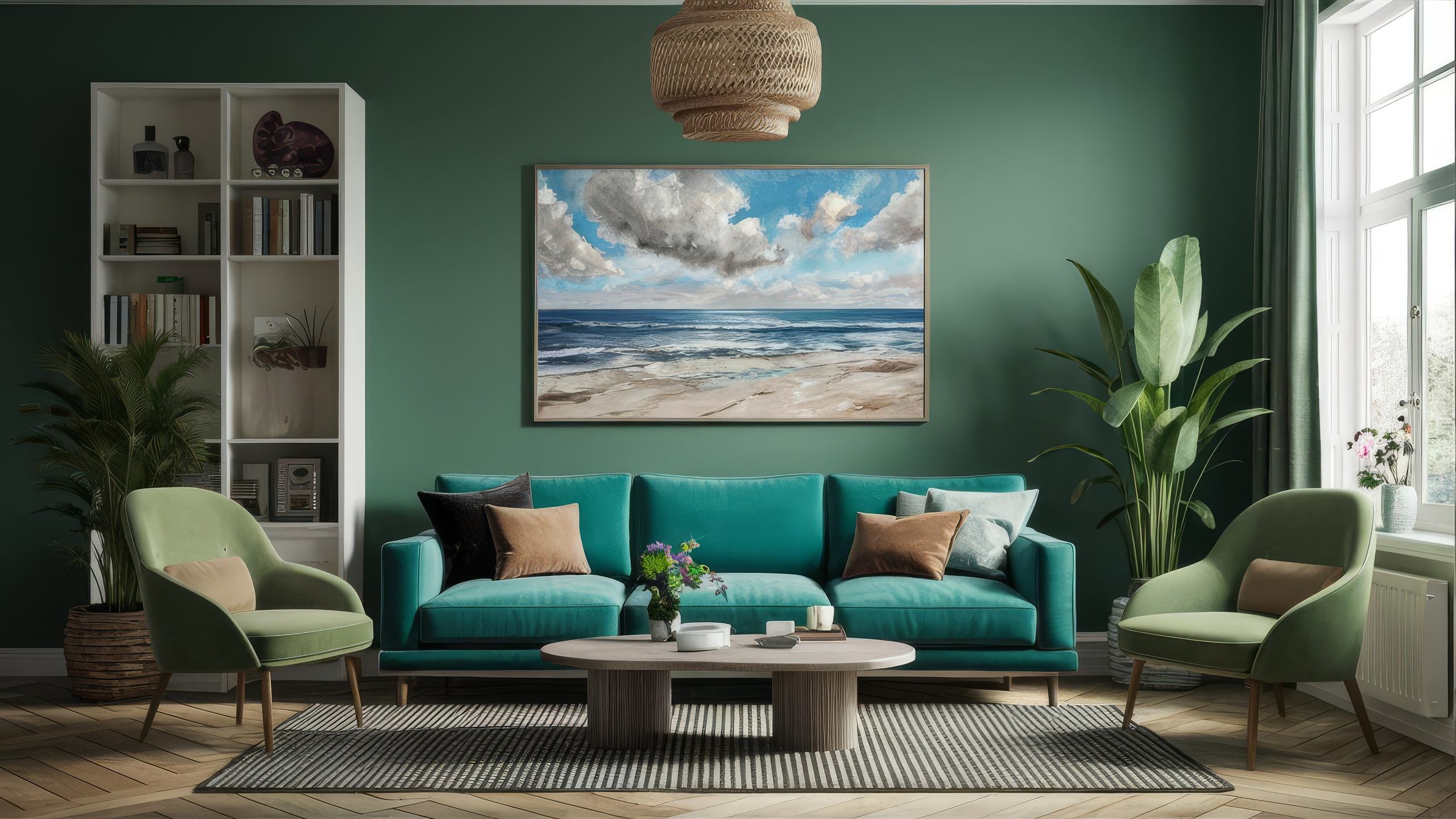
A bare wall can feel like a missed chance. The right oil painting can add warmth, depth, and character to a room. If you want to make a cozy corner or a bold statement, a good painting can change an empty wall into a lively part of your home. This guide gives easy ideas to help you pick paintings that fit your rooms and show your own style.
Why Decorative Paintings Matter in Every Room
Decorative paintings shape the personality of a room. They do more than decorate walls; they help define space and influence how people feel within it. Choosing the right artwork can add balance and harmony to your home's design.
Create Personality in Every Room
Paintings prevent empty walls from feeling dull. They add color and style that reflect the homeowner's taste. For example, bright and lively paintings can energize a living room, while softer tones promote calm in a bedroom. Artwork also tells a story about the people who live there.
Prevent Rooms from Feeling Empty
Large paintings work well on tall walls and can make a room seem bigger. Smaller pieces arranged thoughtfully suit narrow hallways or cozy corners. Using horizontal or vertical artwork can correct awkward room shapes and improve flow.
One Set of Paintings Doesn't Fit Every Room
Different rooms have different purposes and moods. Kitchens and bathrooms benefit from simple, clean designs, while studies or dining rooms may call for more detailed and narrative artwork. Repeating the same set of paintings can feel monotonous and dull.

Key Factors to Consider Before Buying Decorative Painting
Choosing a painting is more than liking the image—it's about how well it fits your space. Here are specific tips to help you make the right choice:
Color and Style Harmony
Start by identifying your room's main colors—walls, sofa, curtains—and choose a painting with matching or softly contrasting tones to avoid clashes. Consider your home style too; for example, Scandinavian décor suits simple lines and light colors, while modern minimalist style favors clean shapes and monochrome palettes with bold accents. Take photos of your space to compare colors and styles before purchasing.
Reference Table – Painting Styles for Different Home Looks
| Home Style | Recommended Painting Style | Suggested Color Palette | Visual Effect |
| Bohemian | Eclectic, layered compositions | Wine reds, burnt oranges, greens | Lively, free-spirited atmosphere |
| Wabi-Sabi | Textured, earthy-toned abstracts | Beige, warm gray, earthy browns | Calm, grounded with natural imperfection |
| Modern Minimalist | Clean lines, simplified forms | Monochrome with bold accents | Sleek, uncluttered with a striking focal point |
| Scandinavian | Light, airy landscapes or abstracts | Soft whites, pale blues, sage | Fresh, open, and welcoming |
| Traditional | Classic landscapes or portraits | Warm neutrals, deep blues, golds | Elegant, timeless character |
Material Quality
Check that the canvas is tight, and make sure the frame is strong. It should not have loose parts, so it stays in good shape. Choose paintings made with non-toxic, odorless paints, because this keeps the colors bright and prevents bad smells. If you are not sure, then ask the seller about the materials, and also ask if there are any safety certifications.
Lighting Conditions
Watch how the light in the room changes during the day, and notice which walls get more sunlight. Do not choose colors that fade quickly or ones that reflect too much light. Place the painting where it does not get glare from windows or lamps, so it is easy to see.
By following these steps, you can choose a painting that looks good and also fits your home well.

Room-by-Room Decorative Painting Guide
Choosing the right artwork for each room can completely change the feel of your home. A bold piece can bring energy, a soft scene can create calm, and the right image can help you focus in a work area.
Making Living Rooms Stand Out
The living room sets the mood for the whole house. A painting here shouldn't just fill a space—it should shape the way the room feels.
- Large-Scale Impact: Big landscapes, city views, or striking abstracts can dominate a wall and pull the eye in. Match the colors with your furniture and fabrics, and hang them on a clear, uncluttered wall so they have room to shine.
- Multi-Panel Art: A triptych or a set of matching panels works well over a long sofa or cabinet. Keep the colors and subjects related but not identical, so the display feels connected yet still lively.
- Conversation Starters: Detailed scenes or textured abstracts can spark curiosity and lead to good talks. Place them close to where people sit, so they naturally draw attention.
The right painting in your living room should blend into your everyday life—something you enjoy looking at often, and that quietly reflects your taste and personality.
Creating a Restful Bedroom Atmosphere
Soft, calming artwork can transform your bedroom into a sanctuary. Choose paintings that feature gentle landscapes like misty mountains, tranquil lakes, or pastel skies. These subtle tones soothe the mind and invite relaxation after a long day. Hang your painting where it's easily seen from your bed—this way, its calming presence greets you as you wake and soothes you as you rest. Avoid bright colors or busy patterns that might overstimulate your senses and disturb your peaceful retreat.
Inspiring Focus in a Study Space
For your study or home office, opt for paintings that balance simplicity with subtle energy. Look for artwork featuring clean, defined lines or geometric shapes that guide the eye and foster concentration. Abstract pieces with flowing patterns can spark creativity without overwhelming your thoughts. Textured brushstrokes and layered elements add depth while maintaining clarity. Position the painting directly within your line of sight, so it acts as a visual anchor—helping your mind stay grounded and focused during work.
Bringing Life and Warmth to the Dining Room
The dining room is more than just a place to eat—it's where friends and family come together to connect. Choosing the right artwork can make all the difference. Pieces with warm, rich colors or still lifes featuring fruits and flowers can beautifully complement your table setting and add a cozy touch. Artwork that incorporates natural elements or soft abstract patterns helps stimulate appetite while creating a relaxed vibe.
Tips for Making Your Decorative Painting Stand Out
Even the most beautiful painting needs the right placement to shine. Proper height, spacing, and layout can turn a wall into a focal point and make the art feel like a natural part of the room.
Hang at the Right Height
For most spaces, position the center of the painting around 58 to 60 inches from the floor—average eye level for comfortable viewing. Above a sofa or console, lower it slightly so the artwork feels connected to the furniture.
Maintain Proper Spacing
When hanging multiple pieces, leave 2 to 4 inches between frames. This gives each work room to breathe without feeling disconnected.
Match Size to Space
A wide sofa can handle an expansive painting, while a narrow reading nook might look best with a medium-sized or vertical piece.
Try Creative Layout Styles
- Symmetrical Layout – Formal and balanced, ideal for similarly sized works.
- Asymmetrical Layout – Casual and dynamic, mixing different shapes and sizes.
- Gallery Wall – Multiple smaller paintings arranged around a theme or palette, perfect for living rooms, hallways, or staircases.
Enhance with Lighting
Use adjustable wall lamps or spotlights to show a painting's colors and textures. This works well for oil paintings with deep, layered brushstrokes. Warm light makes the room feel cozy and inviting. Cooler light makes the details look sharp.
Let Every Wall Tell Your Story
An oil painting is more than decoration. It carries emotion. It changes the mood of a room. Choose each piece with care. Place it in the right spot. This will turn a plain wall into something meaningful. These paintings add beauty to your home. They make it feel personal and alive.