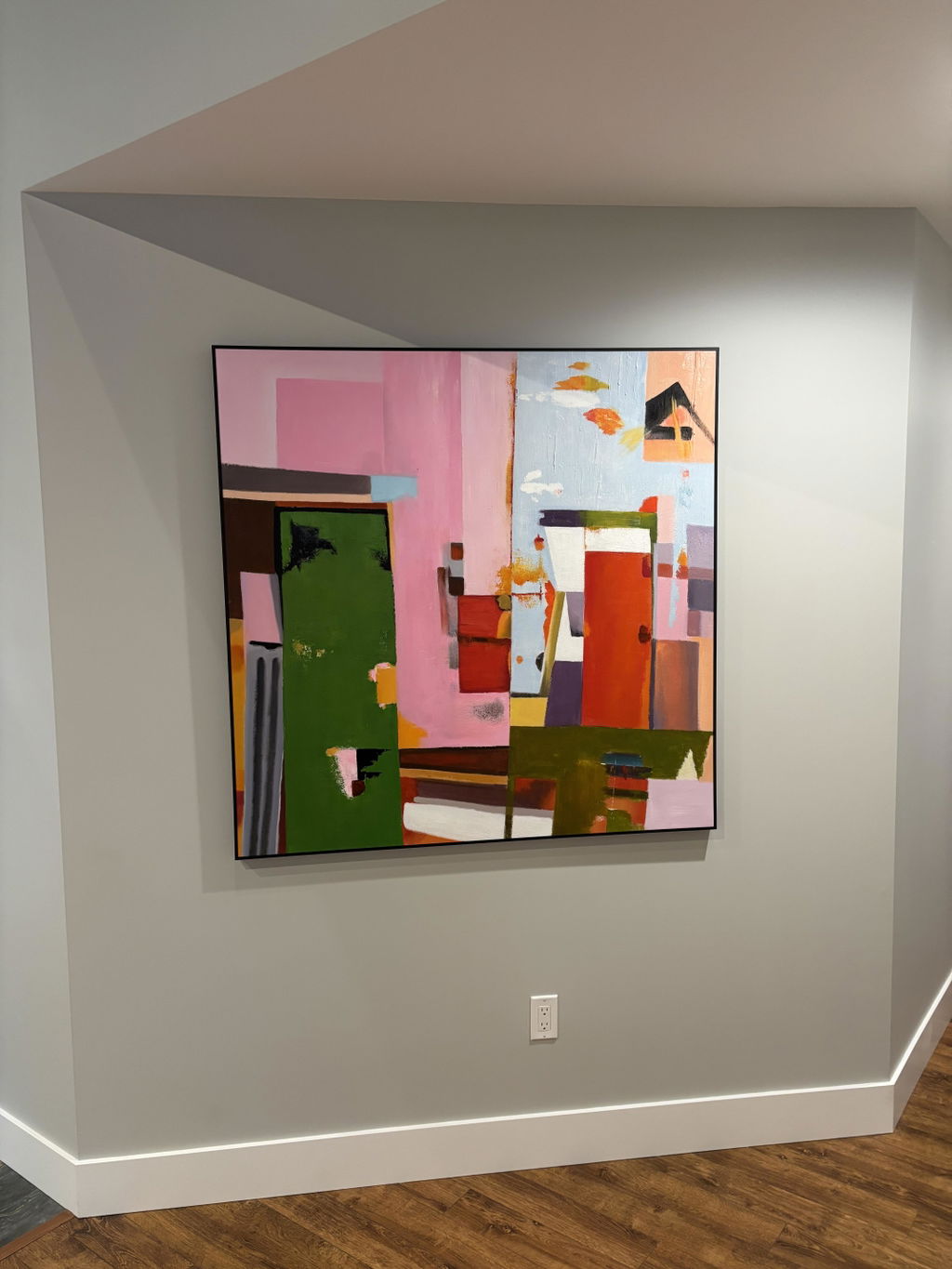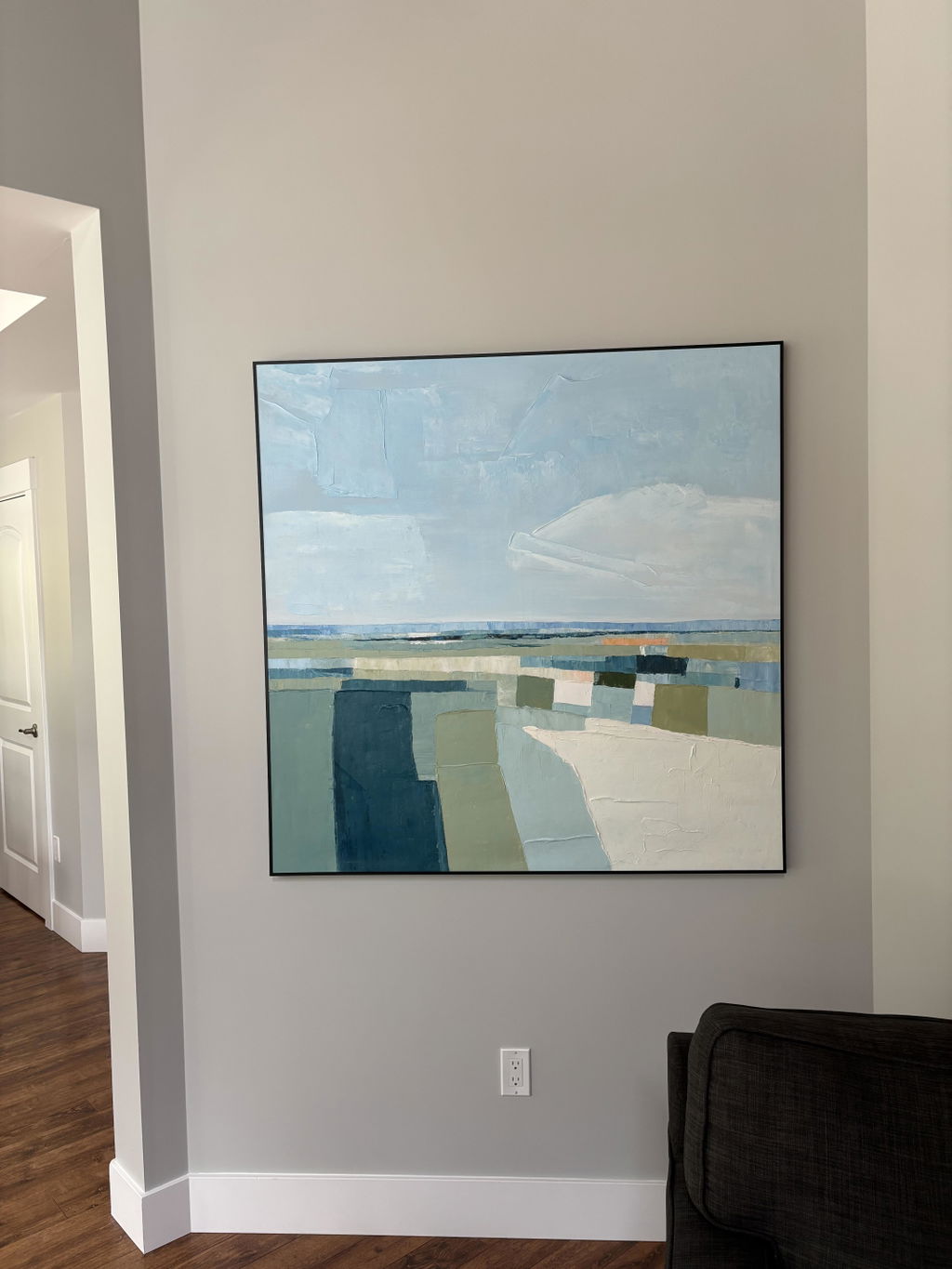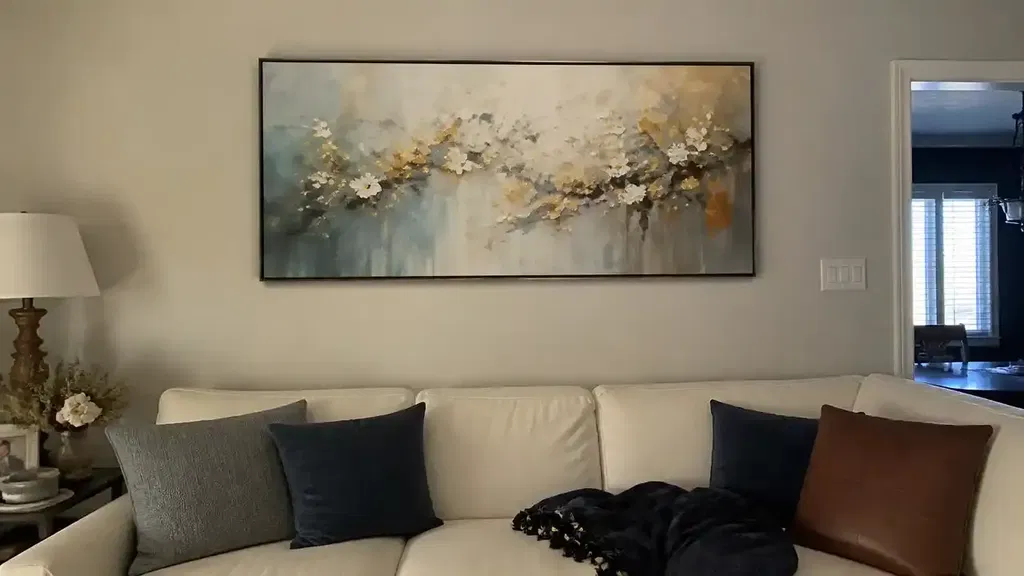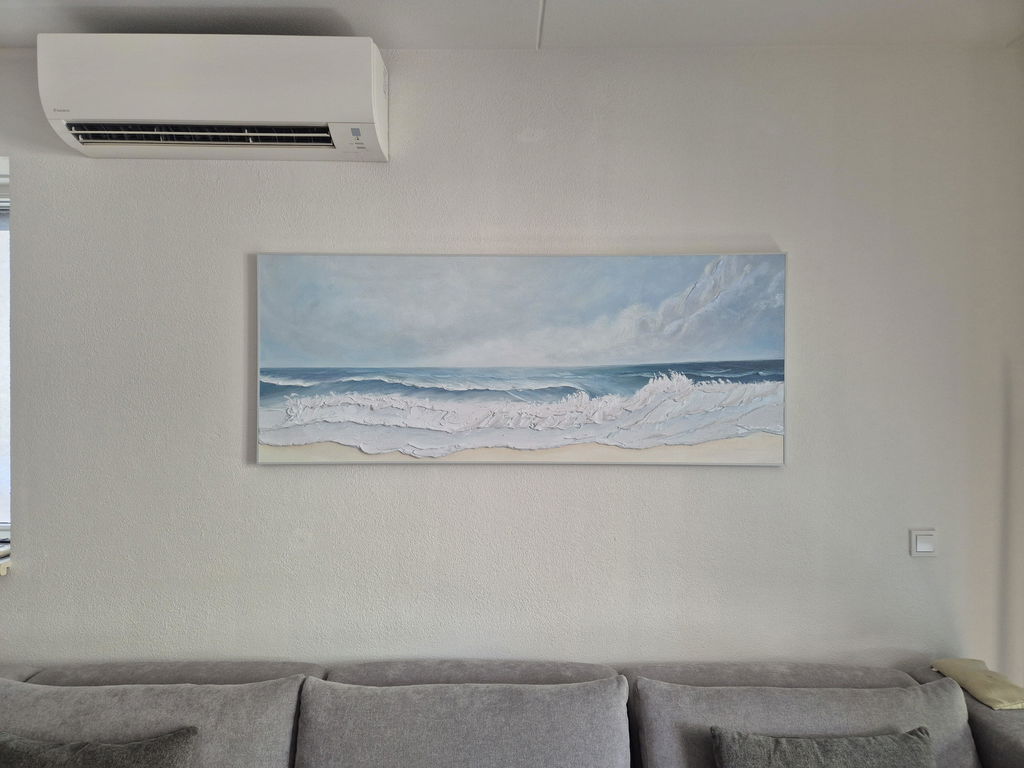
Acrylic paint has revolutionized the way artists work, regardless of their skill level. Initially, it was a durable house paint but has become a favorite among artists, who value its vivid colors, quick-drying nature, and convenience. Its popularity shows how easy it is to use and how well it adapts to different art forms.
Why Acrylic Paint Stands Out
Acrylic paint was originally produced in the mid-20th century. It evolved from industrial coatings into a fine art material. It met the demand for a paint that suited quicker, contemporary teaching techniques. Artists soon discovered it was easy to work with and introduced new methods of expression. It is not just easy to use; it also creates effects that most other paints cannot achieve.
Vivid and Lasting Color
Acrylic paint is designed to stay vivid and resist color changes. Unlike oil paint, which often yellows and fades over time, acrylic remains stable even under strong sunlight. This makes it a reliable choice for indoor portraits as well as outdoor murals.
Works on Many Surfaces
One of the reasons acrylic became so widespread is its ability to adhere to nearly any surface. Beyond traditional stretched canvas, it performs well on:Wood for decorative panels and furniture
- Ceramics for functional pieces like vases and tiles
- Metal for sculpture bases and installations
- Textiles for costume or fabric design
This versatility has allowed artists to take acrylic outside of the studio and into public art, craft projects, and even product design.
Expanded Range with Mediums and Additives
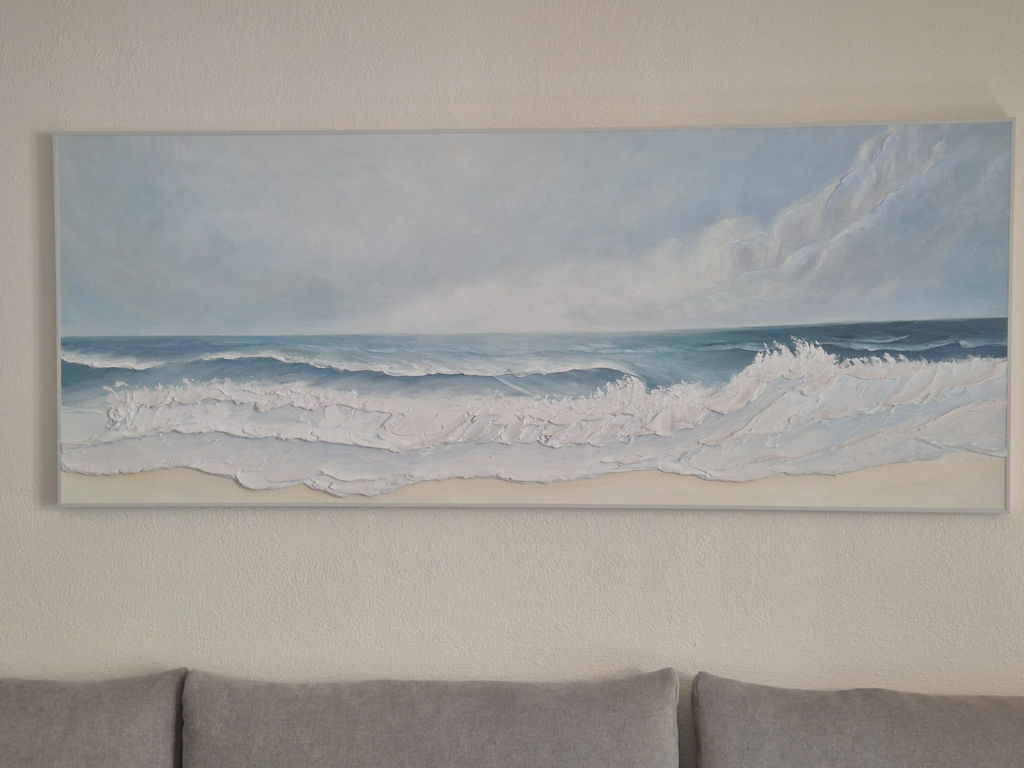
Acrylic's true flexibility comes from the variety of additives available. These transform the paint into almost anything an artist requires:Gel mediums for sculptural, raised textures
- Flow enhancers for smooth gradients and brushwork
- Retarders to slow drying for more complex blending
- Matte and gloss agents to alter surface finish and light reflection
By combining these, painters can mimic watercolor transparency, achieve oil-like depth, and create effects unique to acrylic alone.
Acrylic is fast-drying paint with a lot of techniques and tools that allow artists to alter their style with nearly any piece of furniture, city wall art, or canvas.

Comparing Acrylic with Other Painting Mediums
Many painters wonder how acrylic stands in relation to long-established options. Comparing it with oil and watercolor paints helps clarify its strengths and trade-offs.
Acrylic vs. Oil Paint
Oil painting is admired for its depth and blending capabilities, but acrylic offers a practical alternative.
- Drying time: Acrylic becomes touch-dry in less than an hour, while oil layers can take days.
- Cleaning process: Acrylic requires only soap and water, while oils rely on turpentine or mineral spirits, both of which release strong odors.
- Texture options: Oils allow buttery blending, but acrylic gels and pastes now replicate thick, sculptural strokes with faster results.
- Environment and health: Acrylic paints emit fewer fumes, making them more suitable for small apartments or shared studio spaces.
Acrylic trades the patience demanded by oil painting for efficiency, without losing the ability to create textured, expressive surfaces.
Acrylic vs. Watercolor
Watercolor emphasizes delicacy, yet acrylic can borrow some of its qualities while adding durability.
- Transparency: When diluted, acrylic can create washes similar to watercolor.
- Color permanence: Acrylic colors dry to a strong, resistant film, while watercolor shades may lighten once absorbed into paper.
- Resistance to water: Once acrylic cures, it no longer dissolves in water, whereas watercolor remains reactive.
Acrylic acts as a bridge between watercolor's softness and oil's permanence, offering versatility that serves artists working across multiple techniques.

Making the Most of Acrylic Paint Characteristics
Acrylic paint is loved for being fast and flexible, yet these same qualities ask for a bit of technique. Once you learn how to work with them, they can become part of your creative style rather than obstacles.
Characteristics That Shape the Painting Process
- Color shift after drying: Acrylic tones often dry slightly deeper, which can be used to build natural shadows or depth without extra mixing.
- Quick setting time: Fast drying encourages confident strokes and allows for layered effects in a single session. With practice, it can feel liberating rather than limiting.
- Responsive to environment: Warm or dry conditions speed up drying, but this can be used to experiment with texture—thin glazes in drier air, thicker impasto in cooler rooms.
Helpful Techniques
- Moisture-retaining palettes keep paints workable for longer.
- Retarding mediums extend blending time when smoother gradients are needed.
- Protective varnish enhances longevity while giving the finish you prefer—matte or glossy.
- Layering in thinner coats provides stability while opening creative options for glazes and overlays.
Instead of seeing these traits as limitations, many artists treat them as creative partners. Acrylic rewards those who adapt their technique, offering a responsive and dynamic painting experience.

Suitable Users and Applications of Acrylic Paint
Acrylic adapts well to different creative needs, making it attractive across skill levels.
Beginners
- Affordable starter sets are widely available.
- Easy cleaning encourages experimentation without stress.
- Mistakes can be painted over quickly.
Professional Artists
- Trusted for large-scale murals in public spaces.
- Suitable for mixed-media projects that combine collage, texture, and layering.
- Reliable for galleries thanks to lightfastness and durability.
Applications Table
| Application | Why Acrylic Works Well |
| Murals | Fast drying prevents smudging outdoors |
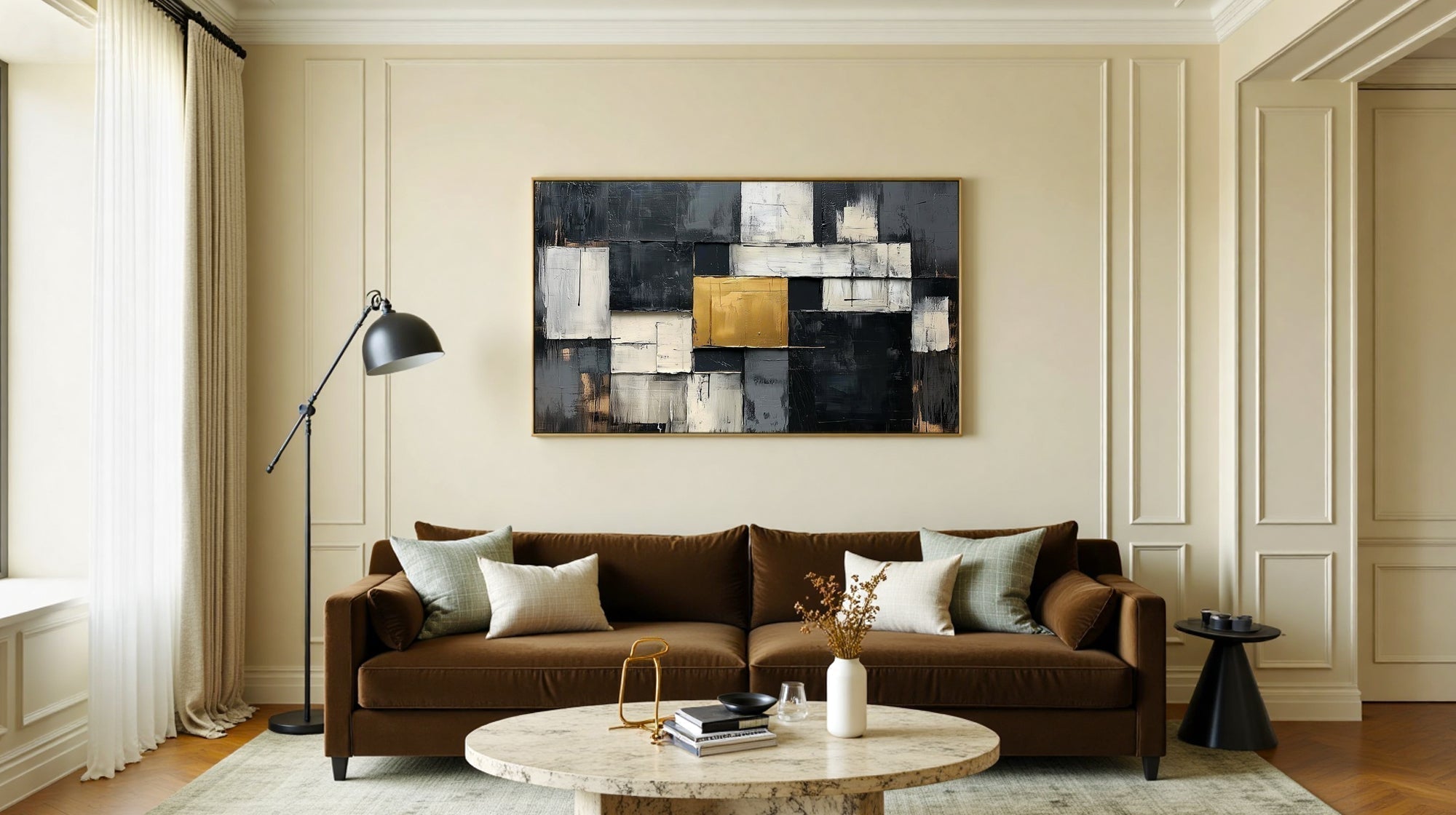
| Abstract painting | Supports bold strokes and texture variation |
| Illustration | Allows precise detail or loose washes |
| Craft projects | Bonds to wood, paper, and fabric easily |
Try Acrylic in Your Next Artwork
Acrylic paint can be used in many ways because it is colorful, quick-drying, and durable. While other paints may share some of these qualities, acrylic combines them in a way that makes it especially easy to work with. Artists can quickly bring their ideas to life in small artworks, large wall murals, and many other creative projects.