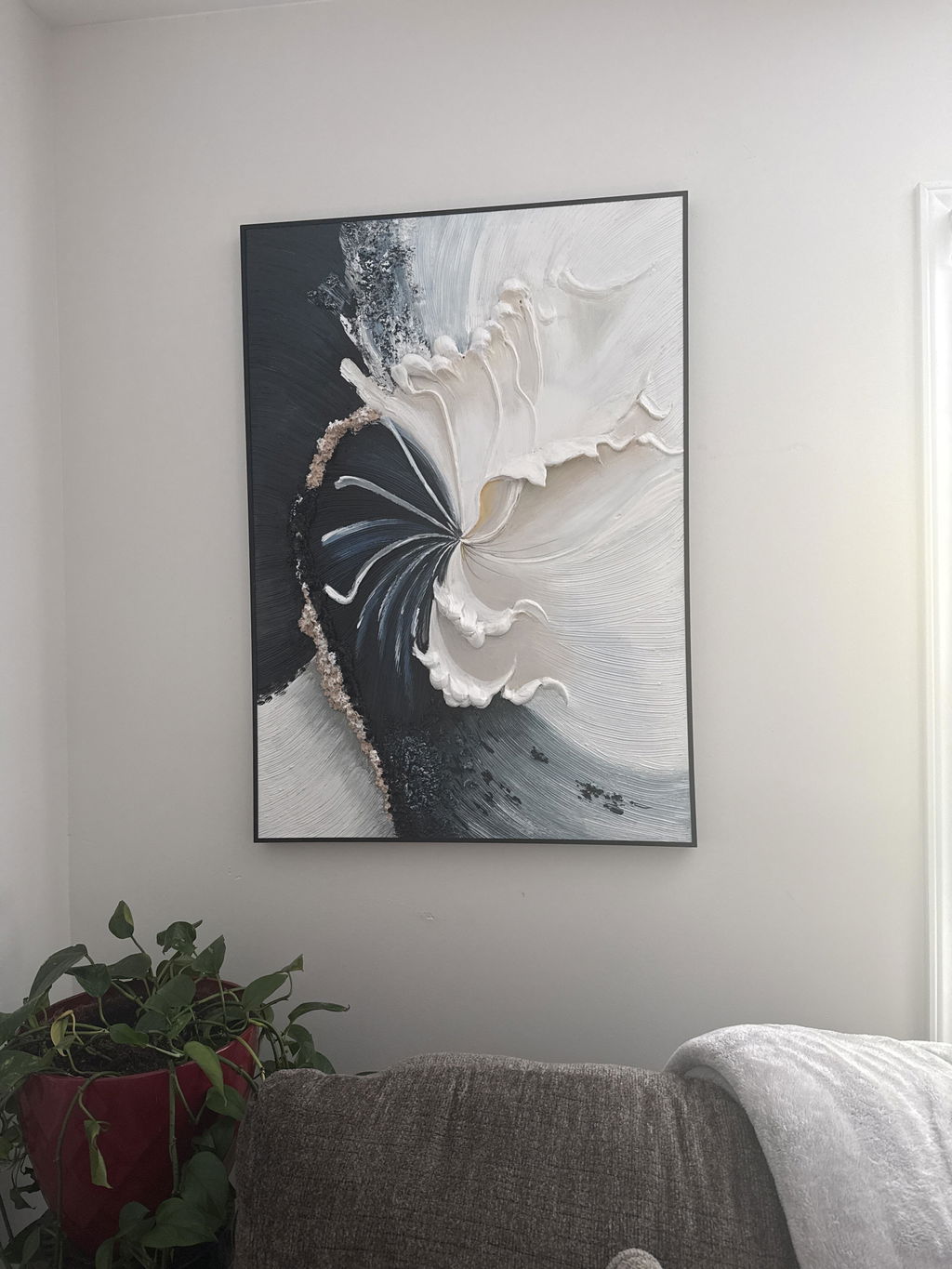
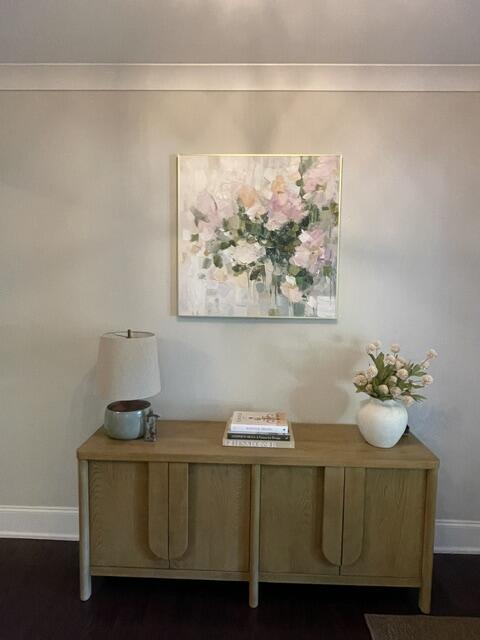
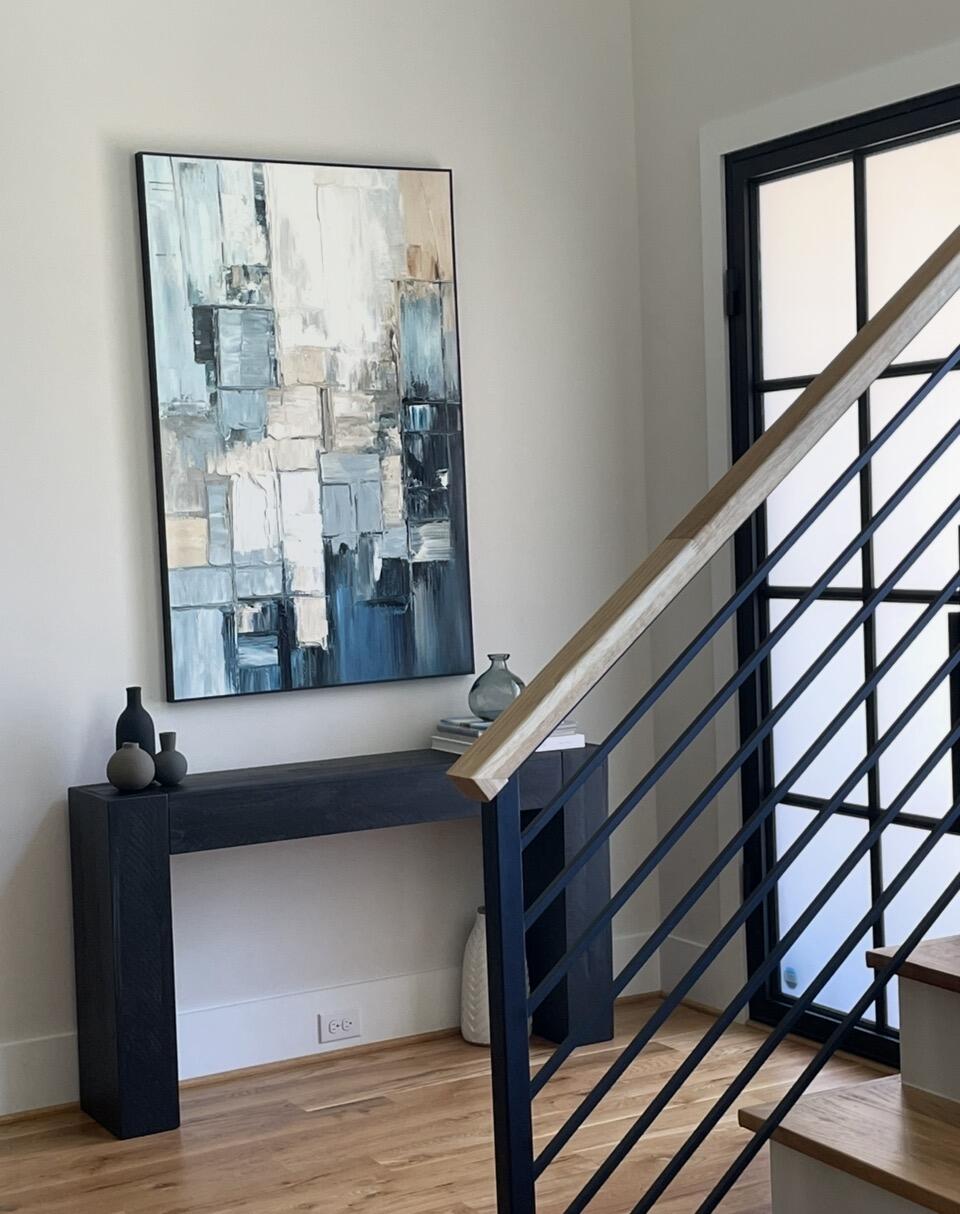
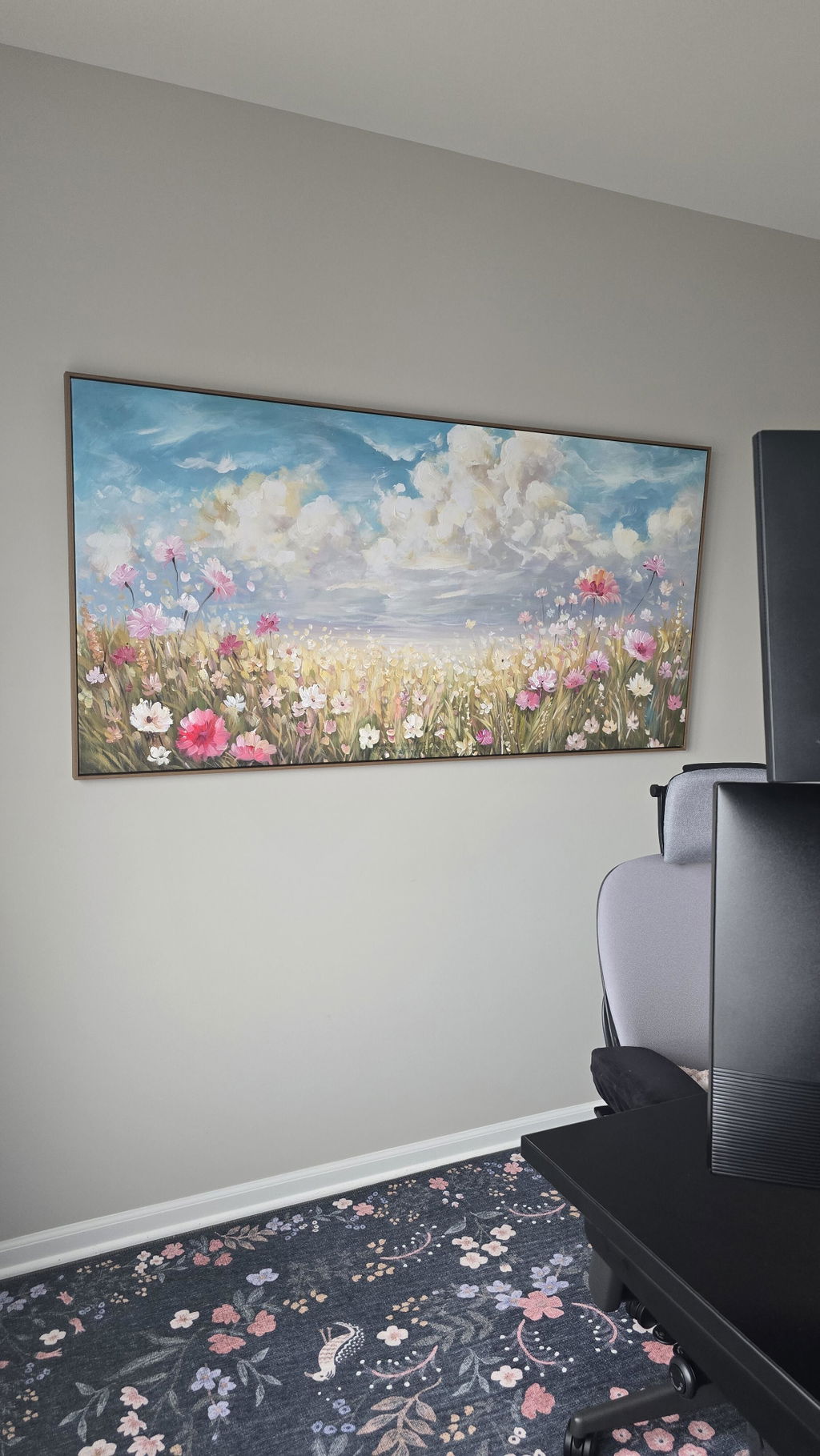
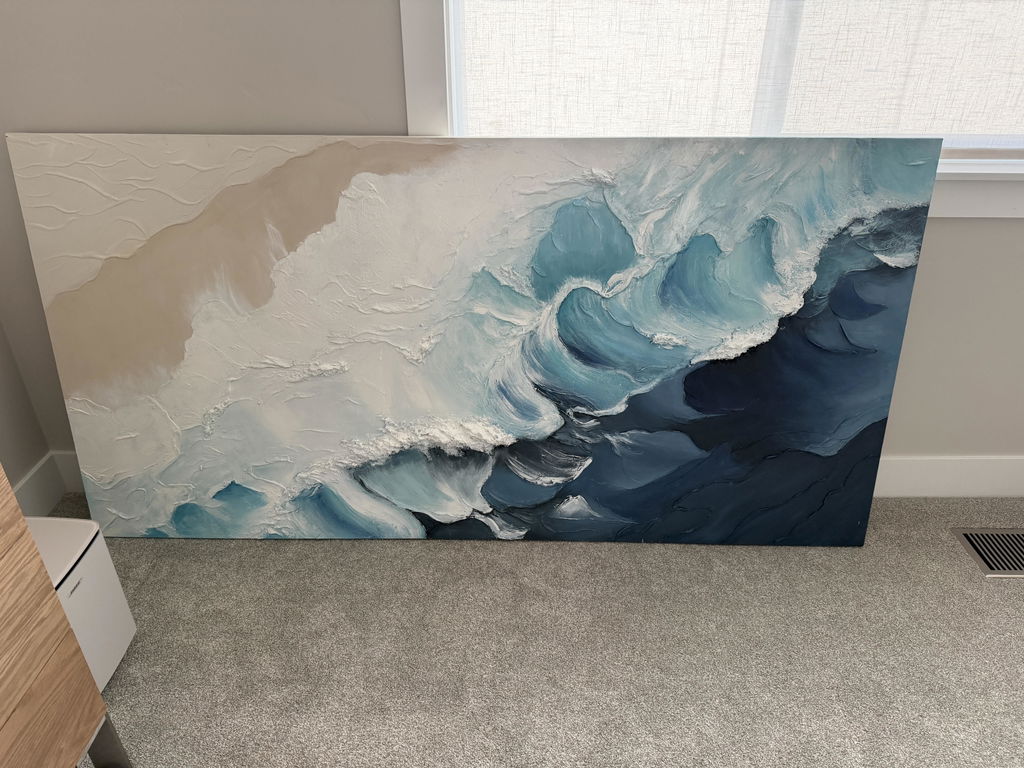
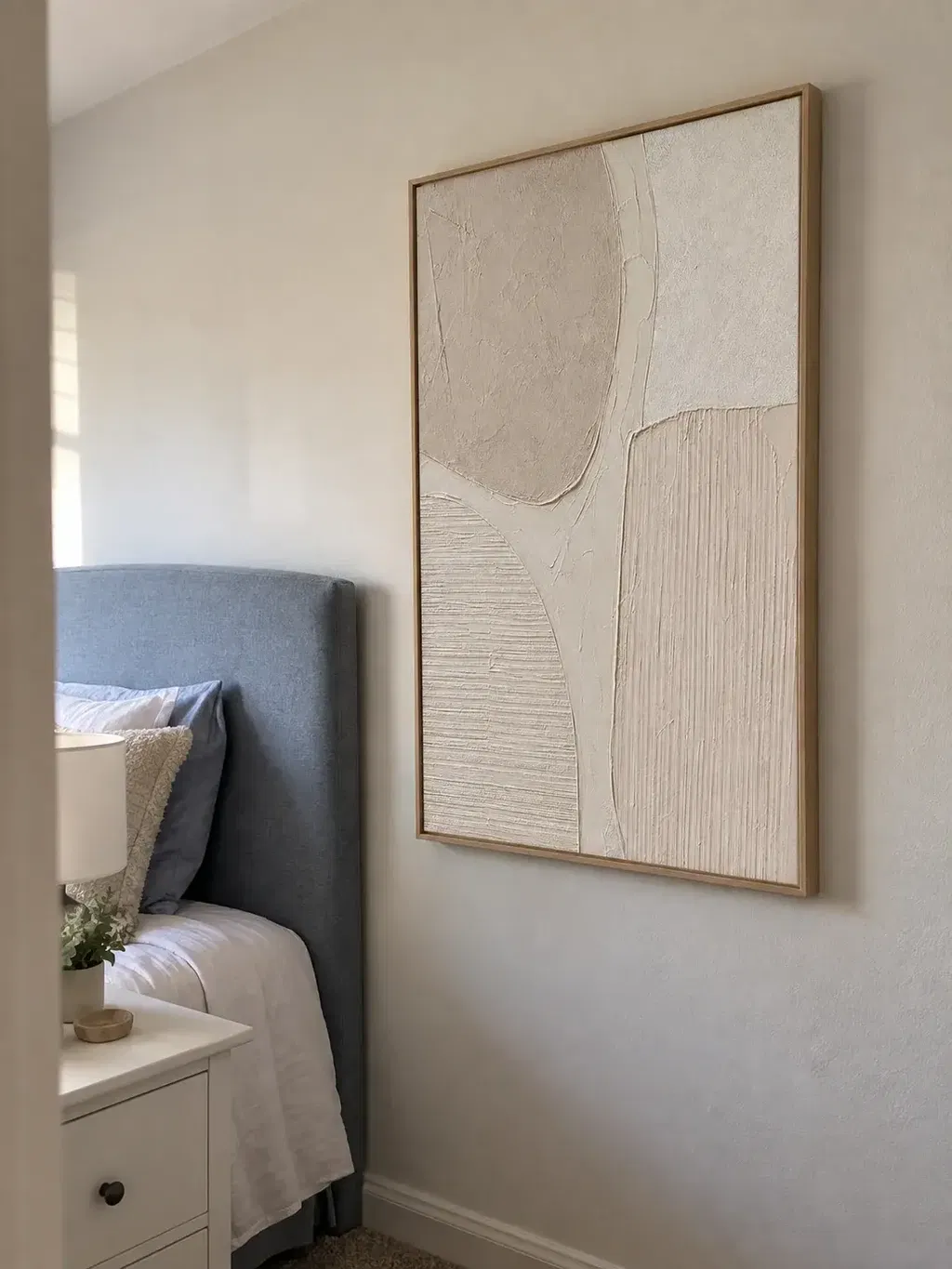
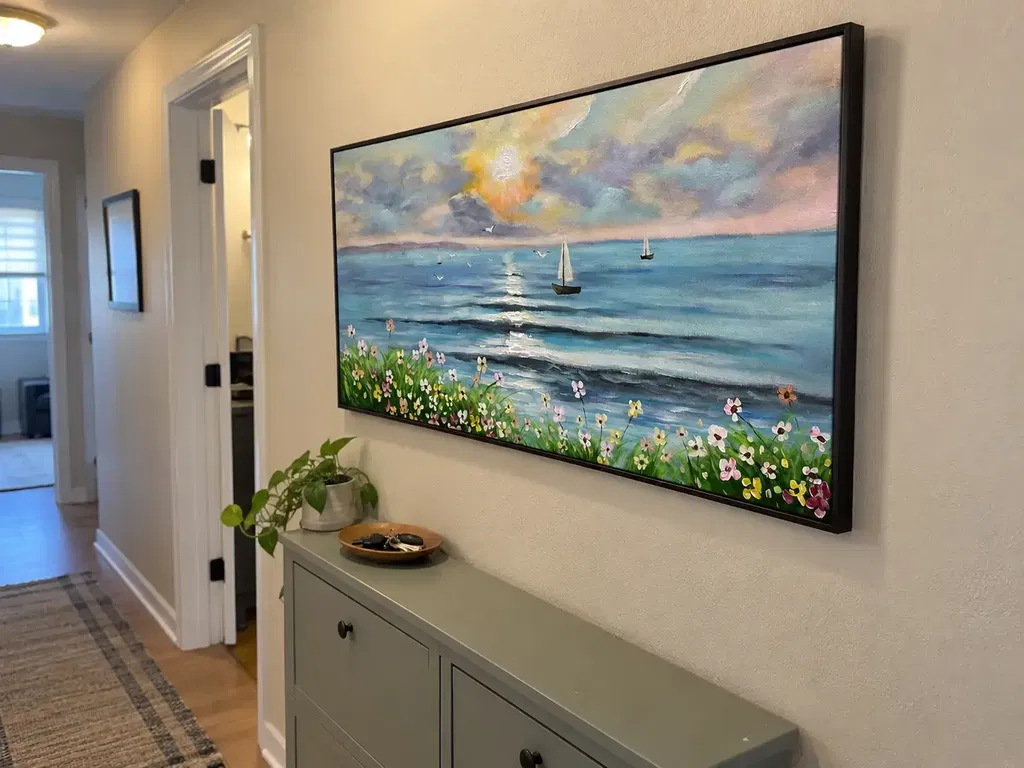
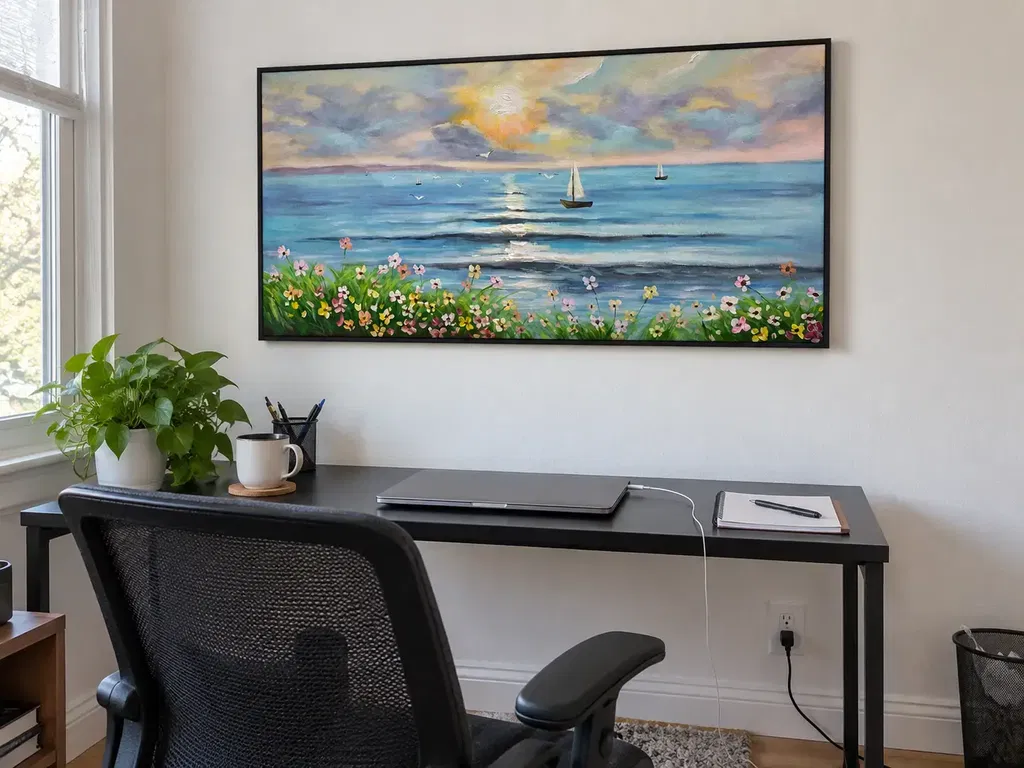
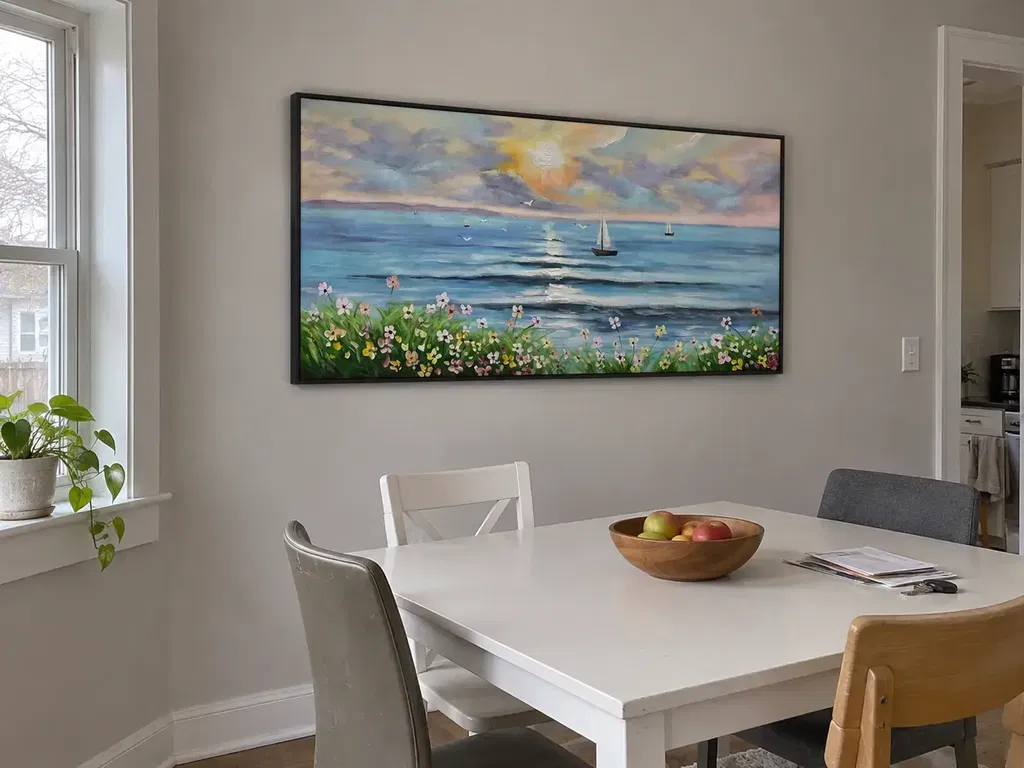
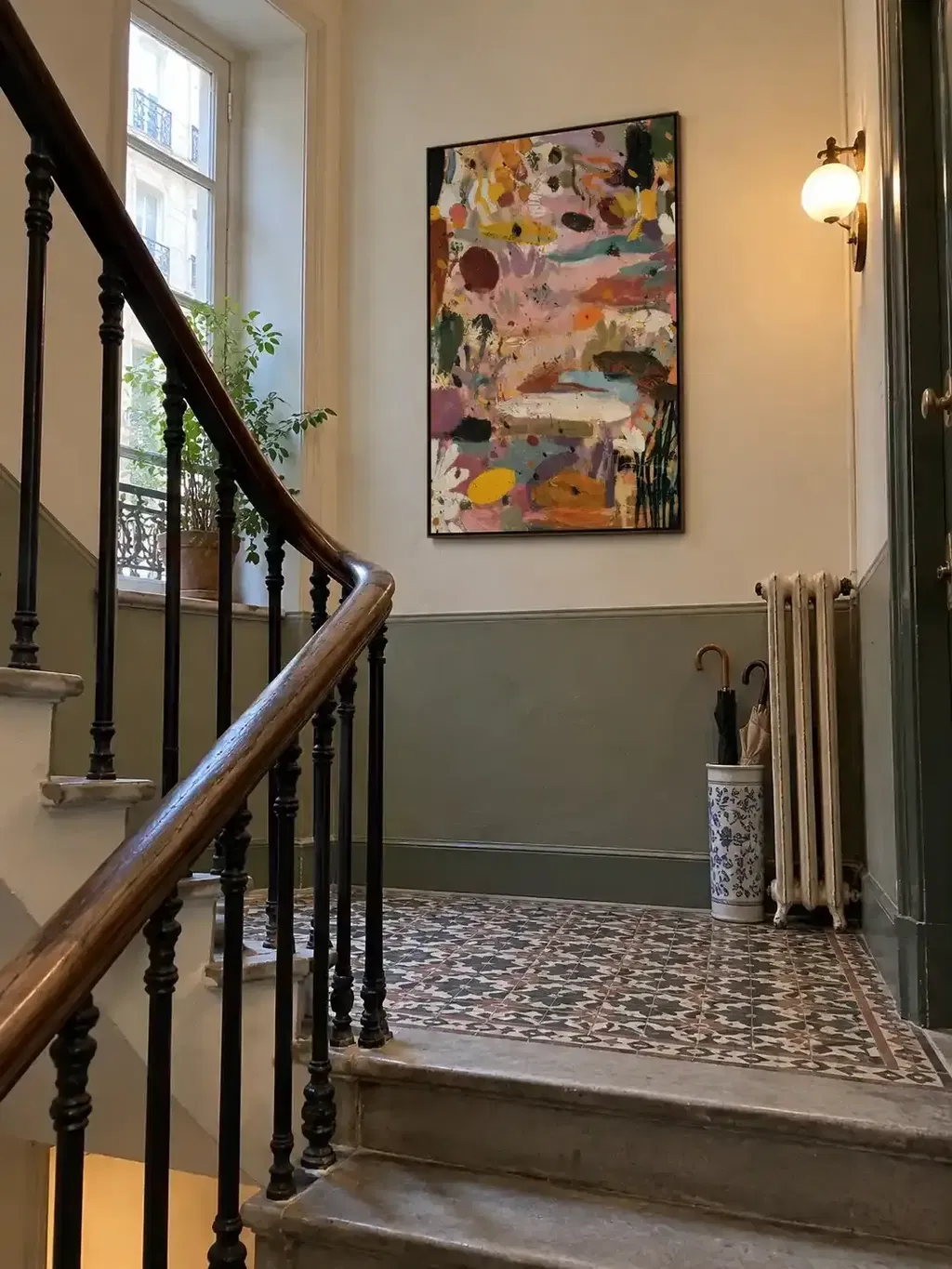
The right impasto oil painting does more than fill an empty wall. It can bring the space to life. Thick and careful strokes catch the light. They change as the light moves through the day. Shadows and small glimmers appear and fade. Unlike flat prints, the surface has a rhythm. It gives a quiet pulse that draws the eye and keeps it there.
Why Choose an Impasto Oil Painting
An Impasto oil painting brings depth, warmth, and a tactile quality that printed décor can't match. Each layer of paint is applied by the artist, giving the surface a richness that interacts beautifully with both light and shadow.
The Unique Craft of Impasto Oil Painting
Impasto oil painting is known for its sculptural way of putting on paint. Thick, clear strokes rise from the canvas and turn a flat surface into one full of texture. From the first stroke to the last, every movement leaves behind subtle ridges, blends, and shifts in tone—details that no mechanical process can truly replicate. Even when based on the same design, no two impasto works are exactly alike.
Texture, Light, and Movement
The raised textures and layered pigments make the painting respond to changes in natural and artificial light. Morning softness, afternoon brightness, and the glow of evening all bring out different aspects of the work, keeping the room visually engaging. Light falls on the ridges in different ways during the day. Shadows move, and colors change. From far away, the colors and shapes look like one image. When you get closer, you see ridges, grooves, and raised lines that show the work of the artist's hand.
A Lasting Artistic Statement
Thick layers of paint help keep the colors bright and the surface full of life for years to come. An impasto oil painting does not fade into the background. It becomes the center of the room and adds depth and character. Choosing an impasto oil painting means welcoming something personal, dimensional, and enduring—an artwork that continues to enrich the space each day.

How to Find the Right Oil Painting for Your Home
The right materials and colors allow an oil painting to harmonize with your home's style while lasting for decades. By selecting a frame, canvas, and paints that match both the palette and the atmosphere of your décor, the artwork becomes a seamless part of the space while retaining its beauty over time.
Right Color Choices for Every Interior Style
Color shapes how a painting belongs in a room. Aligning its palette with the home's style creates unity while still allowing the piece to stand out.
| Style | Recommended Colors | Styling Tips |
| Modern Minimalist | Bold, high-saturation blocks | Keep surrounding décor neutral to heighten contrast |
| Farmhouse | Warm neutrals, off-white, soft blues or greens | Pair with wood tones and natural fabrics |
| Coastal | Sea blues, sand tones, white | Use ocean tones and flowing strokes |
| Wabi-Sabi | Linen beige, warm gray, earthy browns | Choose low-saturation, natural tones with visible textures |
| Bohemian | Wine red, burnt orange, emerald green | Mix rich colors with relaxed layouts |
Matching color to style helps the painting feel like a natural part of the home, while its texture ensures it remains a focal point.
Right Materials for Timeless Oil Paintings
Choose frames built from sturdy pine wood with strong finger joints. These joints keep the frame from warping and help it stay solid over the years. A fine layer of gesso adds stiffness and gives the frame extra protection.
Go for a tightly woven linen canvas. It lasts well and shows paint textures beautifully. Pair it with non-toxic, eco-friendly oil paints to protect the piece from humidity, avoid unpleasant smells, and keep the colors bright for many years.

Step-by-Step to Designing a Perfect Fit Oil Painting
Commissioned paintings allow for a tailored fit—both in scale and in feeling. Working with an artist ensures the final piece belongs entirely in the space it was made for.
1. Prepare the Basics
First, measure the wall where the painting will hang. Think about how the size will work with your furniture, wall color, and lighting. This will help the whole look feel balanced. You can also take a quick photo of the space. This helps the artist understand the setting and suggest the right size. It only takes a few minutes, but it can save you many problems in the future.
2. Choose a Customization Type
There are two main ways to customize. One way is to choose an existing artwork and ask for changes. You can adjust the size, change the colors, or refine small details. This helps the piece fit your space perfectly.
The other way is to share a personal photo, an inspirational image, or a simple sketch. The artist can turn it into a unique hand-painted piece. This makes the design feel personal and gives it special meaning. You don't need to know a lot about art; a good artist can make your vague ideas into a vivid painting.
3. Start the Creation
When everything is confirmed, the artist starts with a blank canvas. The artist uses traditional techniques and works step by step. Each stroke is added with care. Colors and textures are built in layers. This brings the idea to life. During the process, the artist follows your preferences, so the work matches the mood and style you want.
4. View the Finished Work
When the painting is finished, you will get clear photos and short video clips. They show the painting from different angles. You can see how the texture catches the light, and you can check how the colors look up close. If something does not feel right, the artist can make changes before it is delivered.
5. Approval and Delivery
The painting is shipped only when you are happy with it. It comes with framing and hanging tips. These help you display it well. If it does not feel right for any reason, you can ask for changes or return it. This makes sure you feel at ease.
Caring for Your Oil Painting
Giving proper care ensures that an oil painting not only looks beautiful today but also remains vibrant and intact for decades.
To keep the painting in its best condition:
- Avoid direct sunlight, high humidity, and extreme temperature changes, as these can cause fading or warping. A stable indoor climate helps preserve both structure and color.
- Dust gently with a soft brush or duster. Avoid rough fabrics or chemical cleaners, as they may damage the surface. Light, regular cleaning prevents buildup and keeps the colors fresh.
- When moving, cover the front with clean, acid-free paper or soft cotton to prevent scratches or contact damage.
- Have the work checked periodically for loose frames, lifted edges, or small cracks, and arrange professional repairs if needed. Applying a protective varnish can help maintain color vibrancy and resist dirt.
Let Art Set the Tone for Your Home
Impasto oil paintings can make a room feel warm and rich. They can also make it feel more complete. Choosing one that matches your style can change the atmosphere right away.Start by measuring your wall, thinking about colors that work with your furniture, and finding—or commissioning—a piece that feels right for your home.