Environmental Safety: Understanding VOC Differences in Art Mediums
The traditional "studio smell" of an oil painting—a heady mix of linseed oil and mineral spirits—has long been associated with the prestige of fine art. However, as the high-end art market shifts away from purely financial assets towards pieces with real application value, health-conscious collectors are looking beyond the canvas. Recent data shows that sales of vanity auction pieces over $10 million plummeted 44% in 2024, as reported by Marketplace, signaling a return to custom, hand-painted works that offer emotional resonance and aesthetic authenticity.
For the modern homeowner, particularly those decorating nurseries or sensitive living spaces, "authenticity" now includes environmental safety. Central to this concern is the presence of Volatile Organic Compounds (VOCs). Understanding the chemical lifecycle of your artwork—from the wet brush to the cured surface—is essential for maintaining indoor air quality (IAQ).

The VOC Landscape: Content vs. Emissions
In the world of interior design and health-conscious decorating, "Low-VOC" is a frequent buzzword. However, there is a fundamental distinction between VOC content and VOC emissions that most consumers overlook.
The Content Measurement Trap
Standard regulatory testing, such as EPA Method 24, measures the weight of volatile matter in a product. While useful for industrial compliance, it does not accurately predict how much a painting will "off-gas" once it is on your wall.
Methodology Note (Modeling IAQ): Our analysis of indoor emissions assumes a standard residential room volume with a 0.5 air change per hour (ACH) rate. We contrast "content" (static chemical makeup) with "emissions" (dynamic release over 28 days). This logic is based on Intertek's 30-year testing history, which highlights the data gaps in standardized art material comparisons.
Hidden Toxicants
Even products labeled "Low-VOC" (<100 g/l) can contain hazardous air pollutants (HAPs). The Ohio EPA identifies over 300 toxic air contaminants, including xylene and toluene, that may still be present in compliant products. Furthermore, certain solvents like acetone are technically "VOC-exempt" by regulatory definition, meaning they don't count toward the VOC limit despite having significant physiological effects.
| Metric | Oil Medium (Traditional) | Acrylic Medium (Modern) |
|---|---|---|
| Primary VOC Source | Solvents (Turpentine/Spirits) | Preservatives/Coalescents |
| Drying Mechanism | Oxidative Cross-linking | Physical Coalescence |
| Emissions Duration | Months (Low-level) | Days (Initial) |
| Odor Profile | Distinct, Sharp | Minimal to None |
| Long-term Risk | Chronic Solvent Inhalation | Microplastic Shedding |
Traditional Oil Painting: The Aesthetic/Health Paradox
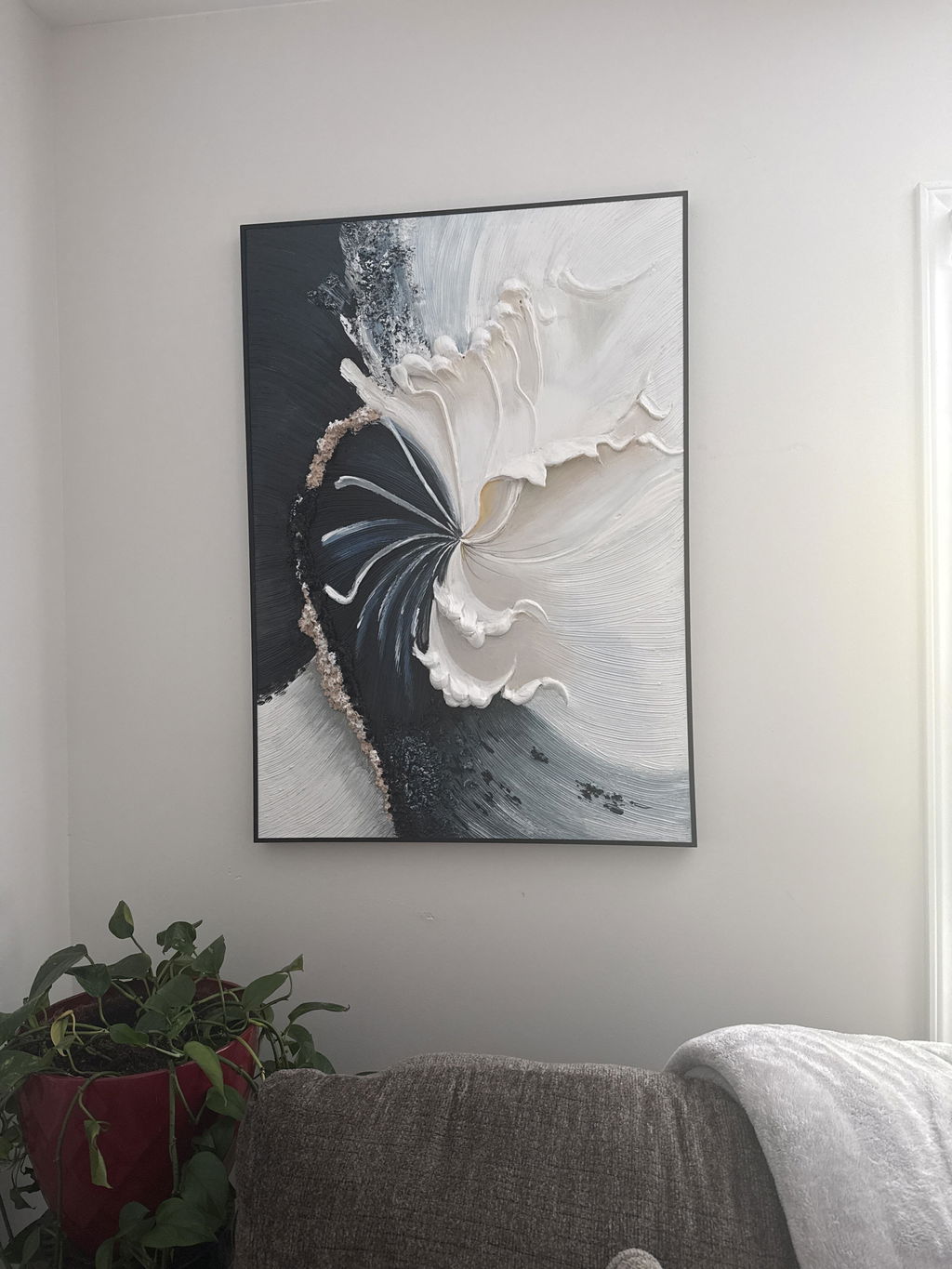
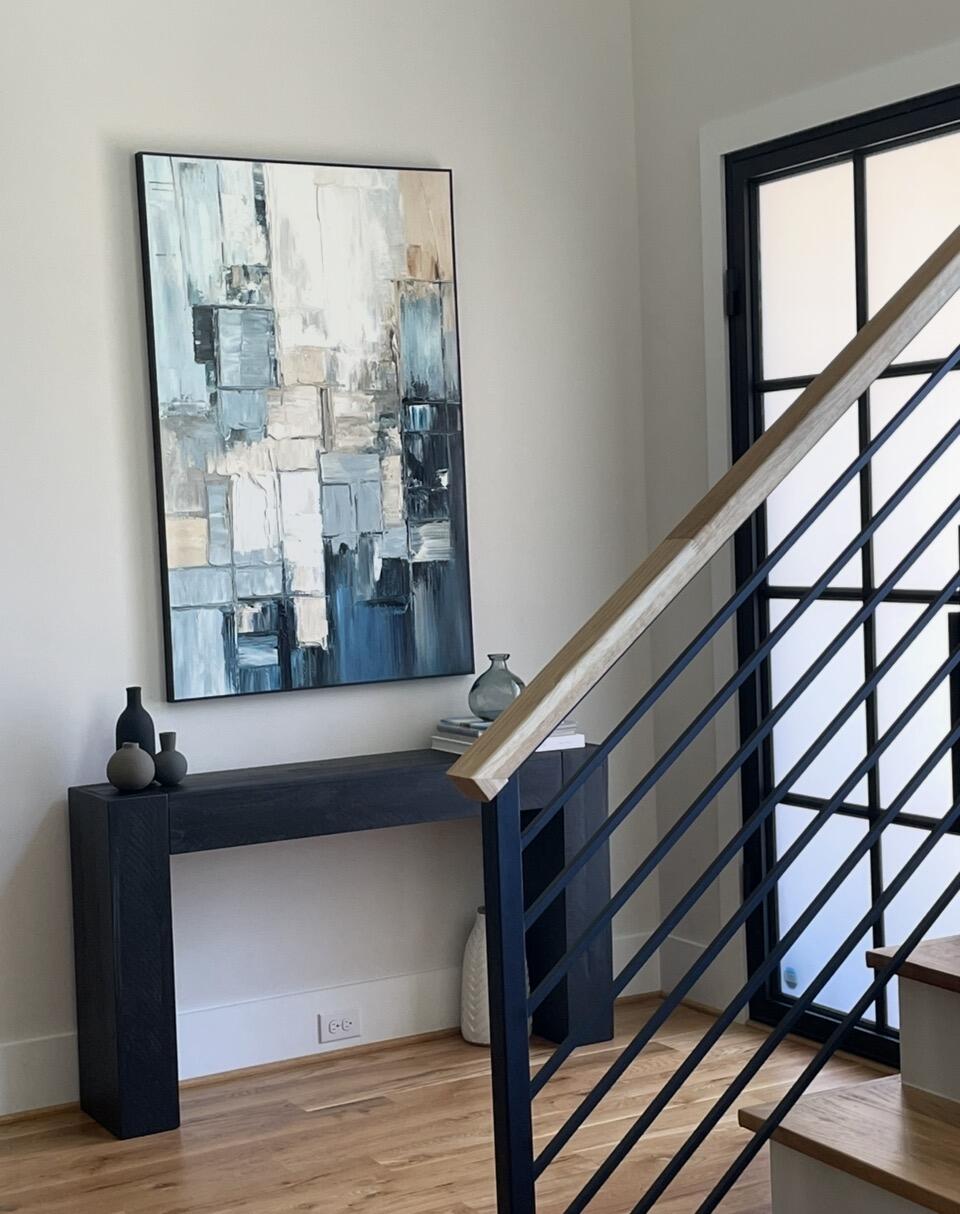
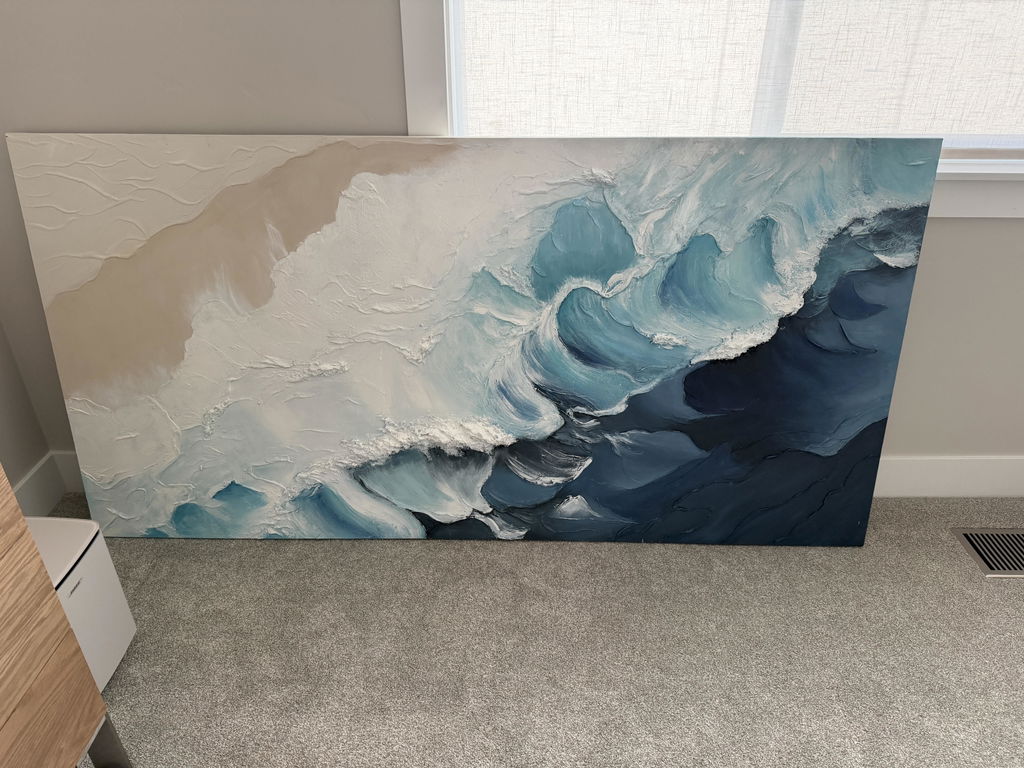
Oil paintings are prized for their depth and "micro-physical texture." Research from Optical Microprofilometry proves that the mm-scale texture of oil paint is crucial to its aesthetic value, providing a tactile richness that HD prints cannot replicate. However, this beauty comes with a complex chemical profile.
The Solvent Surge
The primary health risk in oil painting stems from the solvents used to thin the paint and clean brushes. Traditional turpentine and mineral spirits emit high concentrations of VOCs. According to Princeton University EHS, acute inhalation of these vapors can cause narcosis, while chronic exposure is linked to central nervous system neuropathy.
The "Dry" Oil Myth
One of the most common misconceptions is that once an oil painting is "dry to the touch," it is no longer emitting chemicals. Oil paint cures through oxidative cross-linking—a chemical reaction with oxygen that can continue for months or even years. Gallery professionals often observe that even "dry" oils continue to emit low-level VOCs during this initial curing phase.
Heuristic for Collectors: For spaces occupied more than 8 hours daily, such as bedrooms or nurseries, we typically recommend waiting at least 3-6 months before hanging a freshly painted oil work, or ensuring the artist utilized safer alternatives like walnut oil, which Cincinnati Art Museum notes can replace toxic industrial solvents.

Acrylic Mediums: Odorless but Not Inert
Acrylics are often marketed as the "safe" alternative because they are water-based and virtually odorless. While they do significantly reduce the risk of solvent-related IAQ issues, they are not without environmental footprints.
The Coalescence Process
Acrylics dry through coalescence. As the water evaporates, the polymer spheres crowd together and fuse into a continuous film. While this process is faster and generally lower in VOCs, Tate Modern research reveals that surfactants (like PEG) can migrate to the surface over time, potentially causing "haziness" and attracting dust or pollutants.
The Microplastic Reality
A growing concern in environmental science is the degradation of acrylic paint into microplastics. A study published in ScienceDirect highlights that acrylic polymers are persistent in the environment. Stanford University scholars warn that coatings and pigment breakdowns are a core source of global microplastic pollution.
Pigment Toxicity: The Heavy Metal Factor
Beyond the medium (the "liquid" part of the paint), the pigments (the "color" part) carry their own risks. This is where the distinction between "hand-painted" and "factory-printed" becomes most acute.
The Cadmium and Lead Legacy
Historically, some of the most vibrant colors were derived from heavy metals.
- Cadmium: The International Agency for Research on Cancer (IARC) classifies cadmium as a Group 1 carcinogen. Even low doses can damage DNA and impair renal function.
- Lead White: Once the standard for brilliance, lead white is now strictly regulated. The EU REACH regulation prohibits mixtures with lead carbonate concentrations exceeding 0.1%.
Modern premium paints have largely replaced these with safer alternatives like titanium dioxide. NCBI data confirms that titanium white now dominates 90% of the market due to its superior hiding power and chemical inertness.
Identifying Safe Materials
When commissioning a mural or purchasing a painting for a nursery, look for the ASTM D-4236 label. However, be aware: this label only means the product's warning labels comply with regulations, not that it is zero-risk. For maximum safety, premium brands now provide Material Safety Data Sheets (MSDS) upon request—a practice that is becoming a standard in commercial LEED-certified installations.
Psychological and Economic Impacts of Hand-Painted Art
Choosing a hand-painted mural isn't just a health decision; it’s an investment in well-being and property value.
The Healing Power of Art
A review by UPenn found that 61% of patients in healthcare environments stated that artwork reduced their stress levels. Specifically, biophilic designs—those featuring natural landscapes—activate emotional regulation circuits in the brain, as noted by the World Health Organization (WHO).
Real Estate Valuation
The impact of art extends to the bottom line. A Royal Society analysis found that neighborhoods with higher "art" geo-tags saw greater relative house price gains. For commercial developers, murals are "permanent physical billboards" that drive foot traffic and can even reduce neighborhood crime rates by up to 40%, according to the University of Michigan's "Busy Streets Theory".

Designing for Safety: A Practical Framework
If you are a homeowner or designer navigating these choices, use the following scenario-based logic to optimize both health and aesthetics.
Scenario A: The Nursery or Primary Bedroom
- Preferred Medium: Premium Acrylic or "Solvent-Free" Oil (using walnut or linseed oil only).
- Pigment Choice: Synthetic organic pigments; avoid Cadmiums or Cobalts.
- Protocol: Request an MSDS from the artist. Ensure the room has active ventilation (open windows or HEPA filtration) for 72 hours post-installation.
Scenario B: The Formal Living Room or Office
- Preferred Medium: Traditional Oil for maximum texture and "essential identity."
- Pigment Choice: Professional-grade pigments for lightfastness.
- Protocol: Leverage the 7:1 ROI that arts investments typically yield for local economies. Allow a 30-day "off-gassing" period in a well-ventilated space before final placement if solvents were used.
Logic Summary (Safety Selection):
- Nursery/Bedroom: Priority = IAQ (Low VOC/Emissions). Acrylic is typically safer for immediate occupancy.
- Formal Space: Priority = Longevity/Depth. Oil is acceptable with a 30-day ventilation buffer.
- Assumption: These recommendations assume standard professional-grade materials, not discount-store supplies which may have higher heavy metal concentrations (up to 526 $\mu g/g$ in some cases, per PMC research).
The Future of Sustainable Art
The art world is increasingly aligning with ESG (Environmental, Social, and Governance) principles. 87% of cultural audiences are concerned about the climate crisis, leading to a surge in eco-friendly practices like using hemp or flax canvases, which consume half the water of cotton (Gallery Climate Coalition).
By choosing hand-painted art over mass-produced prints, you are not only supporting the freelance creative economy—which contributes $1.2 trillion to the U.S. GDP (NEA)—but you are also ensuring that your home environment remains a sanctuary of health and authentic expression.
Disclaimer: This article is for informational purposes only and does not constitute professional medical, environmental, or safety advice. Indoor air quality can be affected by numerous factors beyond artwork. If you have pre-existing respiratory conditions or chemical sensitivities, consult with an industrial hygienist or medical professional before introducing new materials into your home.
Sources
- US EPA - VOC Content Analysis (Method 24)
- World Health Organization - Arts and Health Scoping Review
- Royal Society - Quantifying the link between art and property prices
- IARC - Cadmium and Cadmium Compounds
- Tate Modern - Conservation Concerns for Acrylic Emulsion Paints
- Columbia University - Consumer Perception of AI vs. Human Art