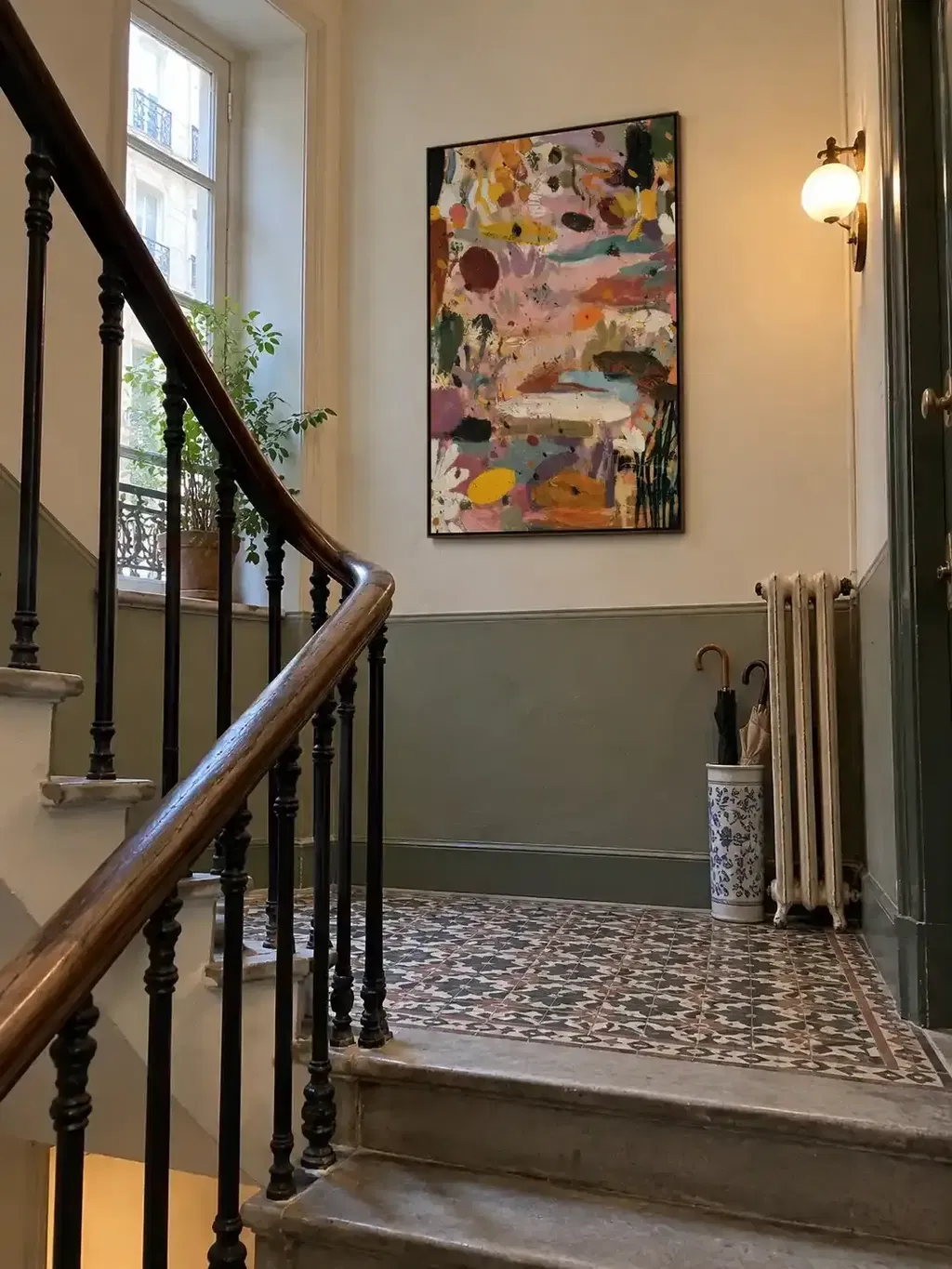
Textured art kids room choices can work well when the piece adds warmth and depth without creating avoidable safety or clutter concerns. The real question is not whether texture looks good, but whether the materials, mounting, placement, and visual intensity make sense for a nursery, toddler room, shared kids' space, or playroom.
Why Textured Art Can Work in Kids' Spaces
Texture can soften a room that feels flat, especially in nurseries and children's bedrooms that rely on a few strong surfaces rather than lots of decor. A tactile piece can give a wall more presence without forcing a loud theme. That is useful in spaces where you want interest, but not visual noise.
At the same time, a child room is not the same buying situation as an adult living room. A piece that feels fine on a guest-room wall may be a poor fit if it sheds, has fragile details, or sits too close to a crib or reach zone. In other words, the question is not "does it look stylish," but "does it clear the safety and maintenance checks for this room?"
For a new nursery, that fit test matters most before the furniture plan is finalized. In a toddler room or playroom, it matters even more because hands, toys, and movement are part of daily use. If you want a browse-first starting point for family spaces, the kids room decor path is a reasonable place to compare styles, then narrow by the checks below.
Materials, Finishes, and Build Checks
Before you buy textured wall art for children's spaces, check the listing for a clear materials description instead of a vague style label. The U.S. Consumer Product Safety Commission advises using art materials labeled non-toxic art materials in children's environments, so that wording is worth looking for when the piece will be near a nursery or kids' room.
If a listing mentions the AP Seal, that gives you a concrete safety label to verify. ACMI uses that seal for materials reviewed as non-toxic by a board-certified toxicologist. If the seller does not say that, do not assume the piece meets that standard just because it is sold as nursery decor.
The physical build matters too. Parents should check for sharp edges, loose pieces, and small detachable parts, especially on highly textured work with beads, layered elements, or raised additions. The sharp edges and small parts check is especially relevant in infant rooms and active toddler spaces.
Surface Materials and Coatings
Look for the exact surface description. A listing that says "textured" is not enough by itself. You want to know whether the surface is painted, sealed, mixed-media, layered, or finished in a way that will hold up to the room's use.
If the seller does not name the finish, treat that as a gap, not a detail to ignore. For a nursery, a verified material label is more useful than a pretty product photo.
Edges, Embellishments, and Fragile Details
Raised dots, attached shells, beads, or loose embellishments can turn a decorative piece into a maintenance or safety headache. If the room will be used by an infant or a curious toddler, simpler construction is usually the safer fit.
A good rule is to favor texture that is integrated into the piece, not texture that can chip, snag, or detach with light contact. If the wall art looks delicate enough to worry you during cleaning, it probably deserves a second look before you hang it.
Weight, Backing, and Frame Construction
Heavier pieces need a stronger hanging plan. A frame that feels sturdy, a backing that sits flat, and hardware that matches the wall matter more in child rooms because you want the piece to stay put after daily bumps, cleaning, and room changes.
This is also where online shopping can be misleading. Photos may show the surface clearly while hiding whether the piece is light, rigid, or awkward to mount. If the listing does not explain the backing or hanging method, that is a reason to slow down.
What to Ask Before You Buy
Ask four direct questions: What materials are used? What is the finish? What hardware is included? Is the piece intended for a nursery or child's room, or just general home decor? If the answer is vague, keep shopping.
It also helps to save the listing details before checkout. If you need to return the piece, ask about it later, or compare it with another option, you will want the product page and seller notes in one place.
How to Place Wall Art Safely
Placement is the main practical safety lever in a nursery or kids' room. Even a well-made piece becomes a bad choice if it sits in a reach zone, hangs over a crib, or forces the room into a cramped layout. For child spaces, it is usually better to place art a little higher and a little simpler than to chase perfect symmetry.
A pediatric safety source flags avoid crib placement risks as a basic nursery mistake to avoid, and that is the right starting point here. Heavy or framed art should not be placed directly above a crib. If the room layout makes that the easiest spot, choose a different wall.
For art above a dresser or changing table, a common nursery design starting point is 8 to 10 inches above furniture, but treat that as a layout cue, not a universal rule. The right height still depends on piece size, furniture height, and whether little hands can reach it.
A Simple Placement Flow
- Pick the wall that is most visible but least reachable.
- Check whether the art would sit over a crib, bed, changing table, or climbing area.
- Measure the furniture line and decide whether the piece can sit above it with clear separation.
- Choose hardware that matches the wall type and the piece's weight.
- Finish with a gentle shake test and confirm nothing shifts.
That flow works better than starting with the art and trying to force the wall plan around it. In small rooms, it also preserves breathing room, which matters almost as much as the decor itself.
When This Setup Breaks Down
If the only available wall is above a crib or directly beside a bed rail, skip the art or choose a much lighter option with a lower-risk mounting plan. If the piece is heavy, glazed, or has layered parts, do not treat it like a lightweight print. The more active the room, the more conservative the placement should be.
Colors and Texture Levels That Feel Calm
In nursery and kids' room design, the best textured pieces usually do one job well instead of competing with every other surface. Softer palettes, lower contrast, and fewer competing patterns tend to help the room feel calmer. That does not mean the art has to be plain. It means the room should still have one clear visual center.
For sleep-focused nurseries, quieter color choices are usually easier to live with than high-contrast pieces that pull your eye across the room. For a toddler bedroom or sibling room, a little more energy can work, but the texture itself should not become the loudest thing in the space.
Best Palette Choices for Nurseries
Muted tones often make texture read as detail instead of clutter. Think warm neutrals, soft blues, dusty greens, or gentle blush tones rather than extreme contrast. If the room already has a patterned rug or bright bedding, the wall art should usually be the calmer element.
A useful check is to compare the art against the existing crib bedding, rug, and paint color before you buy. If the piece fights those surfaces from across the room, it may look busier in real life than it does in the listing photo.
How Much Texture Is Enough
One strong textured piece is often enough. If the wall art has a lot of depth, keep nearby decor simpler so the room does not feel crowded. That matters most in smaller nurseries, where every extra shape gets noticed.
Listing photos can also understate texture intensity. Close-up relief often looks subtle in a product image and more dramatic once it is hung on a wall. If you are unsure, imagine seeing it from the doorway, not just from a few feet away.
Mixing Textured Art With Other Decor
Balanced rooms usually repeat one or two colors from the art in bedding, baskets, or a rug. That gives the wall piece a job without making it the only visual idea in the room. Lighting matters too, because strong side light can make texture read more dramatic than it did online.
If the room already has shelves, toys, books, and other wall decor, keep the art quieter. In a playroom, you can get away with more texture than in a nursery, but the piece still should not compete with the room's main function.
A Practical Buying Checklist for Parents
Use this checklist before you add textured wall art to a child's room:
- Verify the room fit first. A nursery, toddler room, shared kids' room, and playroom do not have the same risk level.
- Look for explicit material labeling, and treat non-toxic art materials as the baseline to check when the piece will be used near children.
- If you see the AP Seal, confirm what it means instead of assuming it is just a decorative mark.
- Check for sharp edges, loose parts, and fragile embellishments.
- Confirm the weight and hanging method before you buy.
- Avoid direct crib placement.
- Use a calm palette if the room is meant to support sleep.
- Choose the safest fit first, then style the room around it.
If the listing is vague on materials, backing, or hardware, treat that as your cue to keep looking. For families comparing options, the kids room decor browsing path can help you narrow style first, then verify the safety details that matter most.
Final Takeaway
Textured art kids room decor can be a smart fit when it stays calm, securely mounted, and easy to verify before you buy. The best pieces are the ones that pass the material check, clear the placement check, and still look good once they are living in a real nursery or kids' room.
Before you order, verify the label, confirm the hardware, and decide where the piece will hang. If any of those answers are vague, keep shopping until the safer choice is also the better-looking one.
FAQs
Is Textured Wall Art Safe for Kids' Rooms?
It can be, but safety depends on the piece's materials, construction, and placement more than on the fact that it is textured. Start with explicit material labeling, then check for secure mounting, detachable parts, and whether the wall location stays out of crib and reach zones.
What Should I Look for in Nursery Wall Art Materials?
Look for a clear materials description, a verified safety label if available, and a finish that is spelled out instead of implied. For child spaces, the most useful next check is whether the piece has any sharp edges, loose elements, or hardware that makes hanging less stable.
How High Should Textured Art Hang Above a Crib or Bed?
There is no one-size-fits-all safe height for every nursery, so start with the furniture line and the reach zone. Avoid placing heavy or framed art directly over a crib, and use the size and weight of the piece to decide whether another wall is the better choice.
Can Textured Art Be Used in a Toddler's Playroom?
Yes, if the piece is sturdy, easy to mount securely, and not full of fragile add-ons. Playrooms usually need tougher construction than nurseries because kids move more, but the same rule still applies: if the art feels easy to grab, chip, or tip, it is probably not the best fit.
What Makes a Textured Piece Look Calming Instead of Busy?
Lower contrast, fewer competing patterns, and one clear visual center usually make textured art feel calmer. If the room already has bright bedding, a patterned rug, or a lot of toys on display, choose a quieter piece so the wall does not become the loudest part of the room.