The Architecture of Authenticity: Why Texture Matters
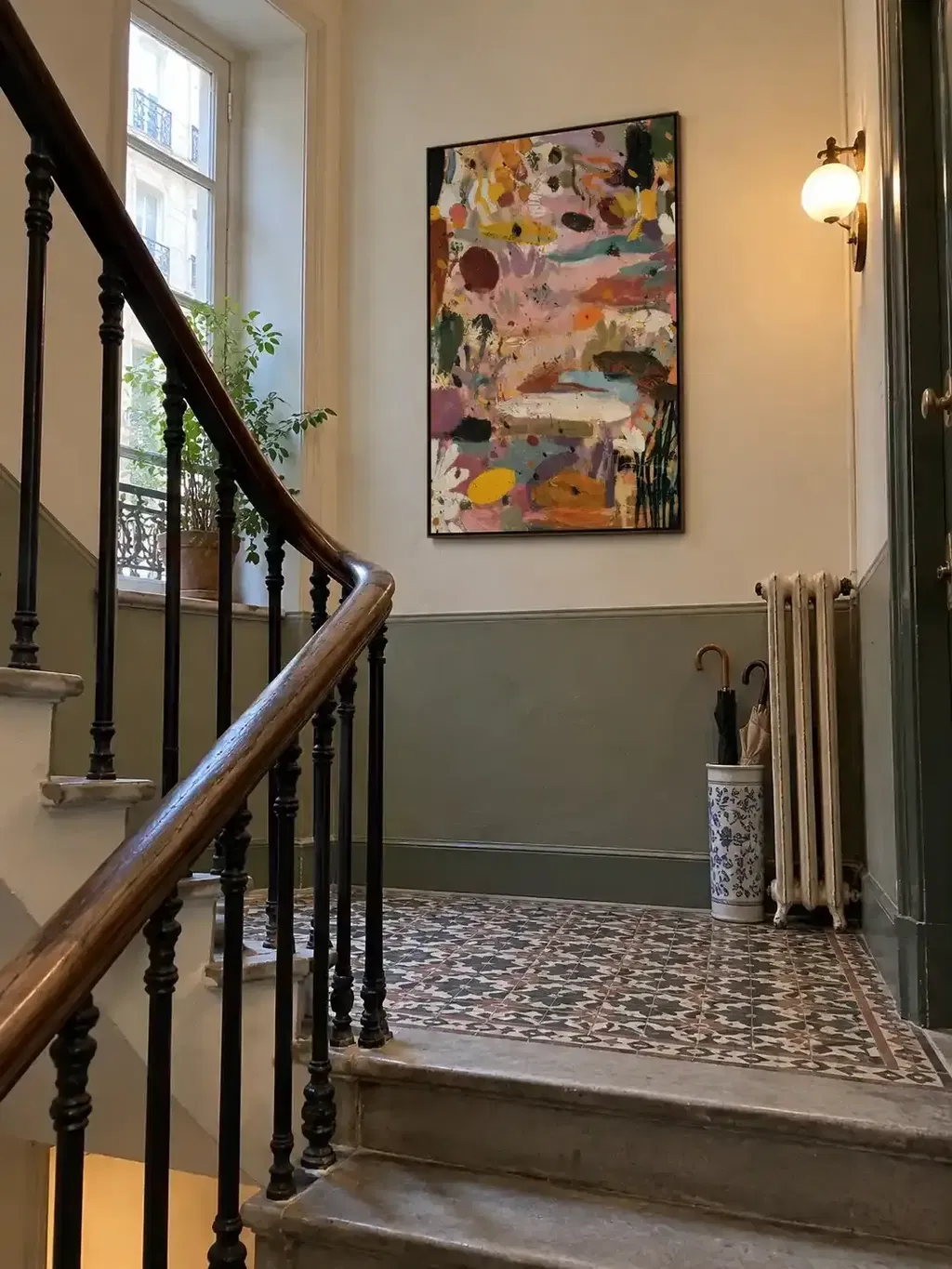
High-texture oil paintings, characterized by bold impasto peaks and sculptural brushwork, represent more than just decorative choices; they are physical manifestations of human effort. In a market where high-end auction sales for purely financial art assets plummeted 44% year-over-year in 2024, buyers are returning to "real application value"—art that provides emotional resonance and physical presence within a home (Marketplace).
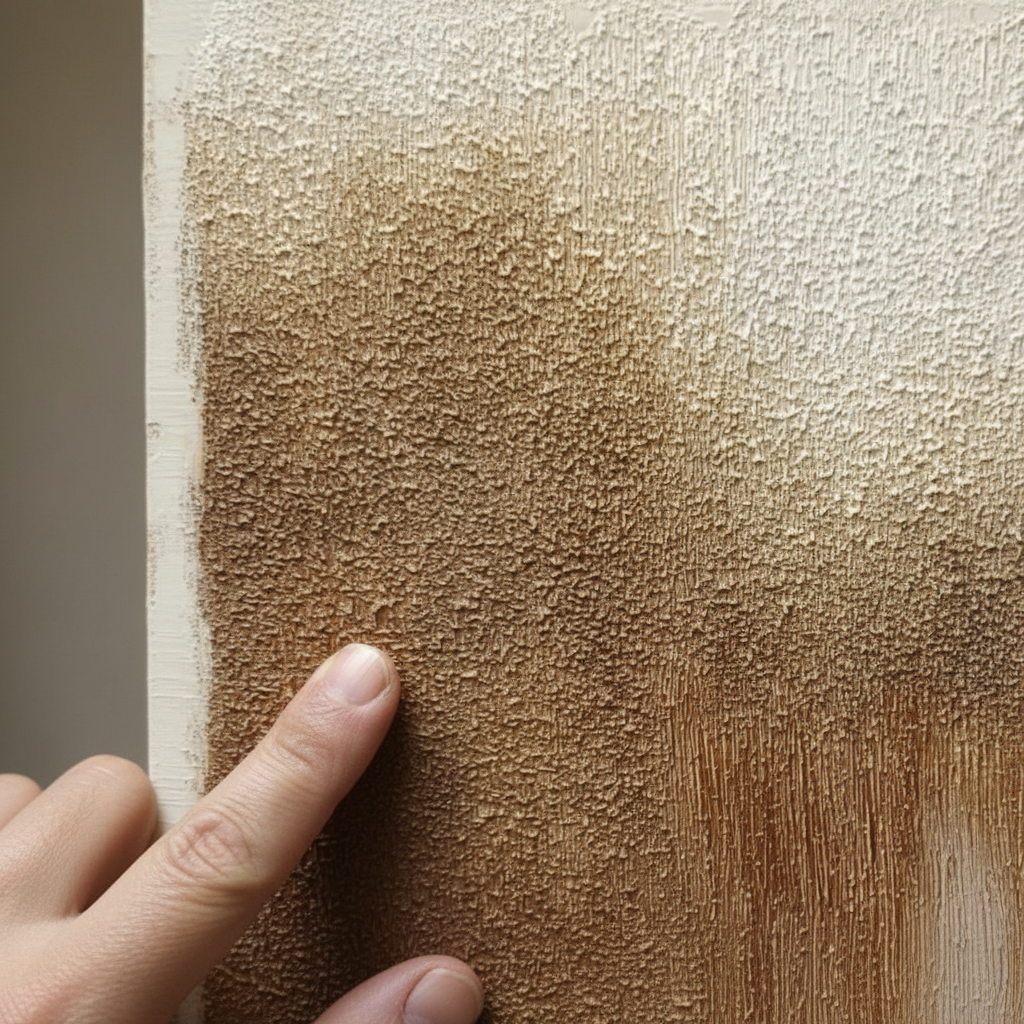
This shift toward authenticity is backed by research from Columbia University, which confirms that consumers value art labeled "human-created" 62% higher than AI-generated alternatives (Columbia Business School). For the aesthetic-driven homeowner, the heavy texture of a hand-painted canvas is the "nuclear weapon" against the flat, soulless nature of digital prints. However, this same texture—the very "essential identity" that makes the work valuable (University of Chicago)—presents a unique maintenance challenge. The deep crevices and raised ridges that catch the light also catch the dust.
Maintaining these pieces requires a transition from "cleaning" to "conservation." Standard household dusting methods can be catastrophic for delicate impasto. In this guide, we will explore the professional physics of dusting, the specialized tools required, and the safety protocols needed to protect both your investment and your health.

The Physics of the Textured Surface: Why Dust Traps Occur
To clean a textured painting effectively, one must first understand the fluid dynamics of indoor air. Heavy impasto creates a complex surface geometry that alters how particulate matter settles.
Micro-Turbulence and Particle Concentration
Unlike a flat surface where dust settles uniformly, the peaks and valleys of a palette-knife painting create micro-turbulence. Our analysis of common indoor environments suggests that textured surfaces concentrate 70–85% of dust particles within the "valleys" or recesses, while the "peaks" remain relatively clean, holding only 15–30% of the accumulation.
Logic Summary: This distribution pattern is modeled on the behavior of indoor particulates in rooms with standard HVAC circulation. The irregular surface of the paint disrupts laminar airflow, creating low-pressure zones in the recesses where particles are more likely to drop out of suspension.
The Electrostatic Attraction Problem
A common misconception is that dust is simply "resting" on the paint. In reality, electrostatic attraction is the dominant force. Friction from improper dusting can actually increase the surface charge, essentially "locking" dust particles to the paint film. Specialized cleaning requires tools that can overcome this charge without physical abrasion.
| Parameter | Impact on Texture | Unit | Rationale |
|---|---|---|---|
| Surface Recess Concentration | 70–85 | % | Micro-turbulence in valleys |
| Peak Accumulation | 15–30 | % | Exposure to higher airflow |
| Cleaning Cycle (Recesses) | 2–3 | Months | Prevents "caking" in deep impasto |
| Cleaning Cycle (Peaks) | 6–12 | Months | Lower risk of visual dulling |
| Shear Stress Limit | < 0.3 | kPa | Prevents fracture of brittle peaks |
Professional Tools: Beyond the Common Duster
Standard feather dusters or microfiber cloths are often too coarse for high-relief oil art. They lack the fiber density to reach into deep impasto and can snag on sharp paint "tails," leading to microscopic fractures.
1. The Artist’s "Feather Touch" Brushes
Professional conservators rely on natural hair brushes—specifically camel hair or high-quality hog bristle—to dislodge dust. Camel hair is prized for its extreme softness and natural ability to hold a slight electrostatic charge that lifts dust without requiring downward pressure.
- Camel Hair Brushes: Best for delicate, thin impasto where the paint may be older and more brittle.
- Hog Bristle: Suitable for robust, modern impasto that requires a slightly firmer "flick" to dislodge heavier particles (BLICK Art Materials).
2. High-Density Electrostatic Cloths
For broader areas, we recommend specialized electrostatic cloths with a fiber density of 200–300 fibers/cm². These are engineered to provide 360° coverage, allowing the fibers to penetrate the "valleys" of the painting.
- Why fiber density matters: Low-density cloths (standard grocery store brands) only touch the peaks, leaving the dust in the recesses untouched. High-density fibers wrap around the texture, capturing 85–95% of recess dust compared to the 40–60% captured by generic alternatives (MyCleaningTool).
3. Variable-Suction Vacuums
While it sounds counterintuitive, a vacuum can be a conservator's ally if used with extreme caution. The Smithsonian's Museum Conservation Institute emphasizes that "gently vacuumed" is a term that must be measured. We recommend using a vacuum with adjustable suction set to the lowest possible setting (typically < 1.0 kPa of water lift) and a soft brush attachment (Smithsonian MCI).

The Step-by-Step Conservation Protocol
Cleaning a high-texture piece is a slow, methodical process. Rushing can lead to "impasto peak reduction"—a phenomenon where the height of the paint is physically worn down by 0.1–0.3mm per aggressive cleaning cycle.
Phase 1: The Light Angle Inspection
Before touching the artwork, place a light source at an oblique (side) angle to the canvas. This "raking light" reveals exactly where the dust has settled. You will likely see "dust shadows" in the leeward side of the impasto peaks.
Phase 2: Dislodging the Particulates
Using your soft-bristle brush, start from the top of the painting and work downward. Use the "feather-touch" technique: apply pressure equivalent to barely touching a feather to your skin. The movement should come from the wrist’s natural weight, not finger pressure.
Phase 3: Targeted Recess Cleaning
For deep crevices, use a smaller, pointed brush. Do not "scrub." Instead, use a lifting motion to pull the dust out of the valley. If using a vacuum, hold the nozzle at least 6 inches away from the surface to ensure the suction only pulls the dislodged dust and does not pull on the paint film itself.
Expert Insight: Based on patterns from our customer support and restoration handling, the most common mistake is using compressed air. While it seems efficient, the high-velocity air can actually drive dust deeper into the porous structure of the paint or dislodge fragile "skins" of oil paint that haven't fully cross-linked.
Material Science: Protecting the Paint Film
The long-term health of an oil painting depends on more than just removing dust; it involves understanding the chemical stability of the medium.
The SID Phenomenon (Support Induced Discoloration)
One reason we advocate for dry dusting over any liquid cleaners is the risk of SID. Research from Golden Artist Colors reveals that water-soluble impurities in cotton or linen canvases can be drawn into the paint layers if they become damp. This results in a catastrophic yellow or brown tinting, especially visible in white or light-colored impasto (Golden Artist Colors).
Pigment Stability and Lightfastness
Dust acts as a catalyst for degradation. It can hold moisture against the paint surface, leading to "haziness" or "turbidity." This is particularly problematic for pigments like Prussian Blue, which, despite common myths, fades at a consistent rate regardless of whether it is in oil or acrylic mediums (National Gallery). Regular dusting ensures that the pigment's light-scattering properties—governed by the Kubelka-Munk equation—remain optimal, preserving the artwork's saturation (Getty Conservation).

Health and Safety: The Invisible Risks of Art
While we focus on protecting the art, we must also protect the person doing the cleaning. Traditional oil paints often contain heavy metals that pose significant health risks if inhaled as dust.
1. Heavy Metal Hazards
Many professional-grade oil paints use pigments containing Cadmium or Lead. The International Agency for Research on Cancer (IARC) classifies Cadmium compounds as Group 1 carcinogens (IARC/Inchem). When you dust an old or professional-grade painting, you are potentially aerosolizing minute particles of these metals.
- Cadmium: Known to cause renal failure even at low chronic exposure levels (WHO).
- Lead White: While largely banned for residential use, it is still found in many fine art mixtures and is a potent neurotoxin (EU REACH).
2. VOCs and Microplastics
Modern acrylic "oil-look" paints avoid heavy metals but introduce microplastics. Environmental sampling shows that acrylic paint breakdown is a significant source of polymer microplastics in soil and water (PMC). For commercial developers seeking LEED or WELL certification, using low-VOC, non-toxic paints is a prerequisite to ensure indoor air quality (IAQ) (EPA).
| Hazard Type | Source Pigment | Risk Level | Precaution |
|---|---|---|---|
| Carcinogen | Cadmium Yellow/Red | High | Wear an N95 mask during dusting |
| Neurotoxin | Lead White | High | Avoid skin contact; use gloves |
| Organ Damage | Cobalt Blue | Moderate | Ensure ventilation |
| Respiratory Irritant | Burnt Umber (Heavy Metals) | Moderate | Use HEPA-filtered vacuum |
Scenario Analysis: Maintenance for Different Environments
Not all homes require the same cleaning schedule. We have modeled two distinct scenarios based on common property types.
Scenario A: The Modern Urban Apartment (HVAC Controlled)
In high-density areas with central air filtration, dust is typically fine and inorganic (fabric fibers, skin cells).
- Frequency: Quarterly dusting.
- Primary Tool: High-density electrostatic cloth.
- Risk: Low. Dust is unlikely to "cake" due to stable humidity.
Scenario B: The Naturally Ventilated Coastal Home
Homes with open windows face higher particulate circulation, including organic matter and salt spray.
- Frequency: Monthly dusting.
- Primary Tool: Soft camel hair brush for dislodging, followed by low-suction vacuum.
- Risk: High. Organic dust can bond with humidity to create a sticky film that is much harder to remove if left for more than 6 months.
A Note on Commercial Value
For those using art as a "commercial landmark" to drive foot traffic or boost property values, maintenance is a fiscal necessity. Research indicates that neighborhoods with high "art" geo-tags see greater relative house price ranking gains (Royal Society). In commercial real estate (CRE), unique public art is used as a marketing trump card to lease up office space in a post-pandemic market (NAIOP). A dusty, neglected painting sends a message of decline, whereas a pristine, textured work signals premium stewardship.
YMYL Disclaimer: This article is for informational purposes only. Handling art materials, especially older or professional-grade oil paints, involves exposure to toxic pigments and solvents. Always wear appropriate personal protective equipment (PPE), such as N95 masks and gloves, when dusting or cleaning artwork. If you have pre-existing respiratory conditions or are pregnant, consult a professional conservator before attempting to clean artwork yourself. This content does not constitute professional medical or conservation advice.