The Rule of Odds: Proportioning Groupings in Eclectic Living Spaces
The modern art market is undergoing a seismic shift. While high-end auction sales for purely financial assets—those exceeding $10 million—plummeted by 44% year-over-year in 2024, a new trend is emerging among aesthetic-driven homeowners. According to Marketplace, buyers are retreating from overpriced vanity pieces and returning to "real application value." In the home, this manifests as a move toward custom, hand-painted works that offer emotional authority and visual harmony.
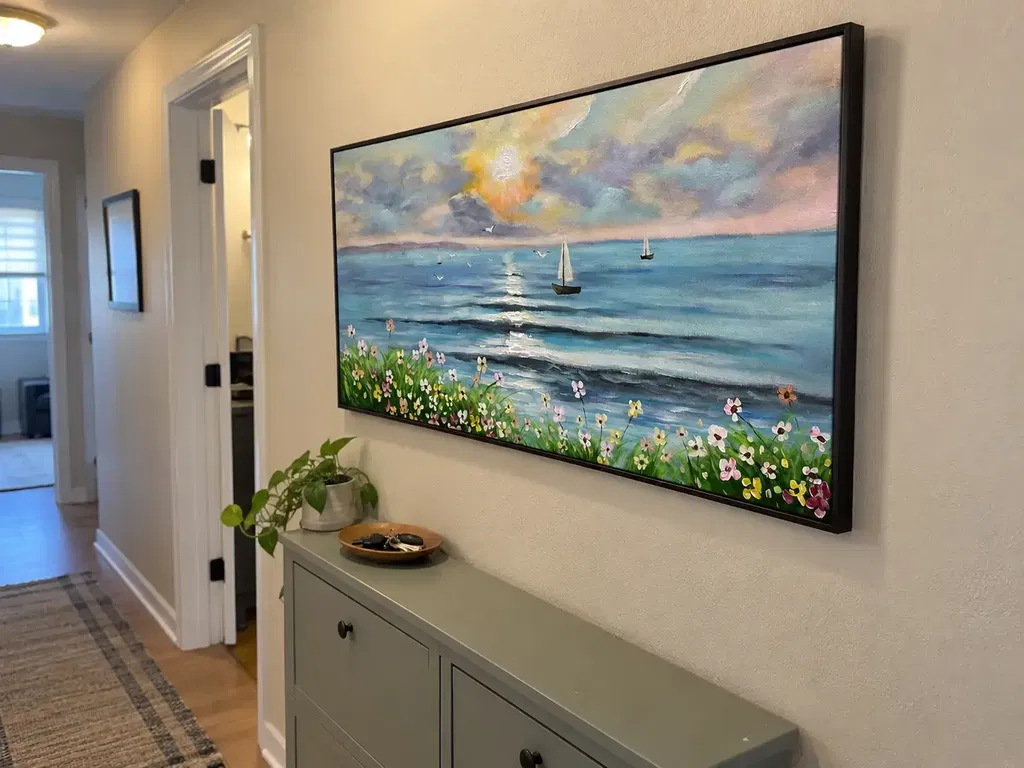
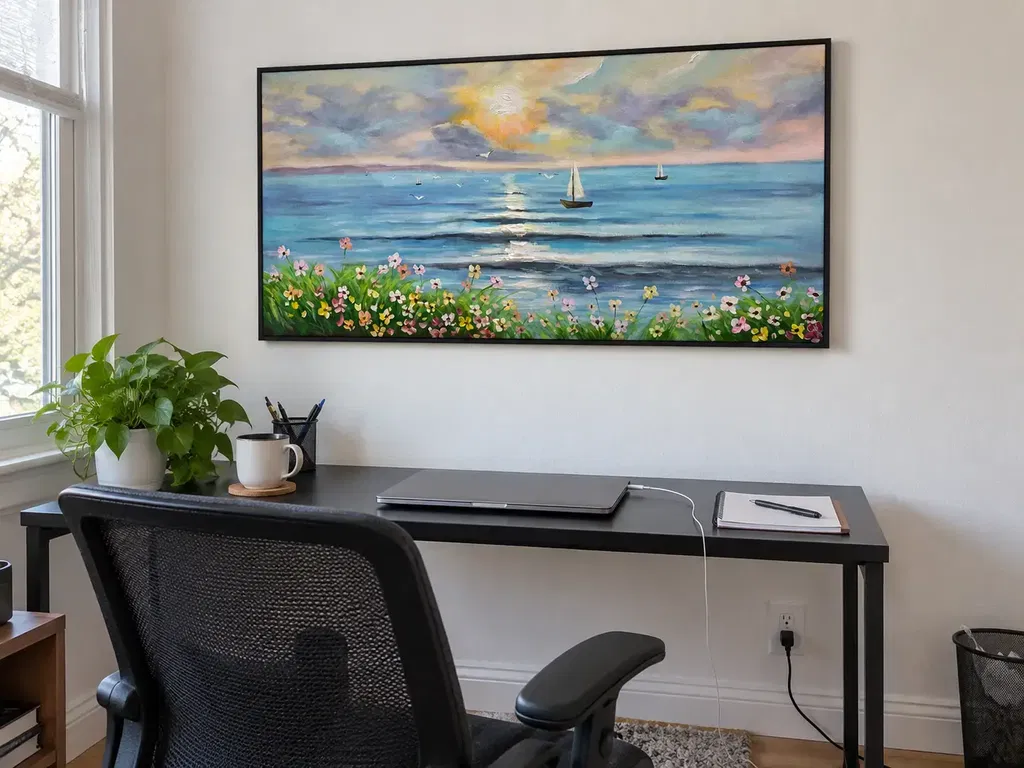
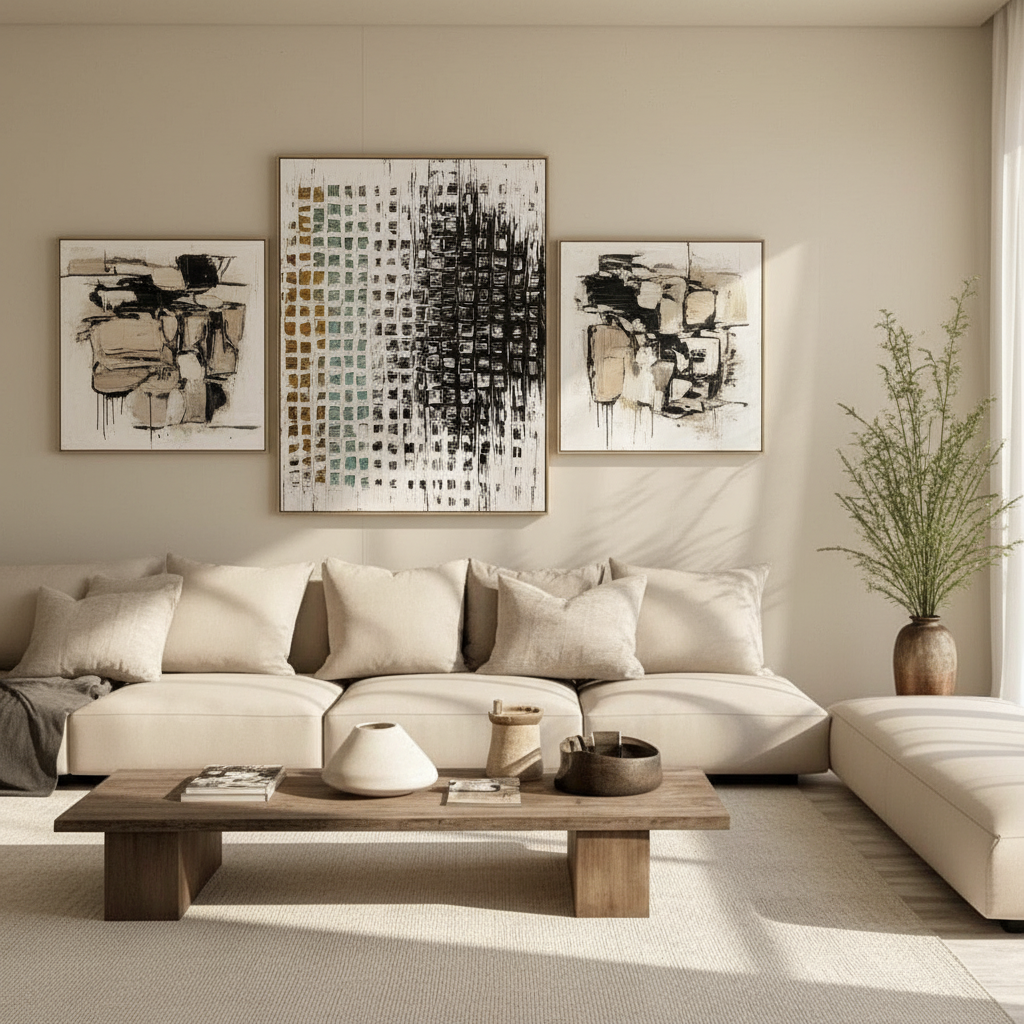
However, acquiring beautiful art is only half the battle. The true challenge lies in placement—specifically, how to arrange multiple pieces in an eclectic living space without creating visual chaos. We often observe that the most successful arrangements rely on the "Rule of Odds," a heuristic that suggests groupings of three, five, or seven items are more dynamic and intentional than even-numbered sets.
The Global Art Landscape and the Value of the Human Touch
To understand why custom hand-painted art holds such a premium in today’s interiors, we must look at the macro trends. The Art Basel and UBS Art Market Report 2024 notes that global art market sales reached $65 billion in 2023, with a massive economic baseline driven by the US, China, and the UK. Within this massive $1.4 trillion creative economy, consumers are increasingly rejecting mass-produced digital prints.
Research from Columbia University confirms a "nuclear weapon" in the marketing of original art: consumers value artwork labeled "AI-generated" 62% lower than authentic human-created art. This is further supported by UChicago empirical research, which suggests that digital replicas lack an "essential identity" or soul that only a physical canvas, textured with the artist's brushstrokes, can provide.
The Psychology of Proportion: Why Odds Win
The "Rule of Odds" is not just an arbitrary design tradition; it is rooted in how the human brain processes visual information. Odd-numbered groupings create a central focal point flanked by an even number of items, which forces the eye to move around the arrangement, creating a sense of energy.
Modeling Note: Proportional Weight Distribution This model assumes a standard 8-foot ceiling and a 72-inch sofa as the primary anchor.
Parameter Value/Range Unit Rationale Primary Piece Size 40–50 % of total area Establishes visual hierarchy Size Variance > 25 % difference Prevents visual monotony Furniture Gap 6–12 Inches Provides "breathing room" Spacing Ratio 1:1.5:2 Relative units Creates intentional rhythm Odd Count 3, 5, or 7 Count Optimizes subconscious tension Scenario model based on common design heuristics, not a controlled lab study.
While PeerJ research on food plating suggests a preference for odd numbers (specifically 3 vs. 4), we must acknowledge that "balance" is the ultimate goal. In eclectic spaces, the Rule of Odds acts as a safeguard against the "stiffness" of perfect symmetry. However, as noted in the Houzz 2024 U.S. Study, achieving proper proportion is often more critical than the sheer count of items.

Technical Spacing and Layout Heuristics
The most common mistake in multi-piece arrangements is using identical spacing between every frame. This creates a "grid" feel that clashes with an eclectic aesthetic. Based on patterns we see in professional gallery installations, we recommend a spacing ratio of approximately 1:1.5:2.
- Primary Spacing (1): The tightest gap between the largest piece and its closest neighbor.
- Secondary Spacing (1.5): A slightly wider gap for secondary supporting pieces.
- Accent Spacing (2): The widest gap for smaller, "floating" accent pieces that lead the eye out of the cluster.
Furthermore, the largest piece in your grouping should occupy roughly 40-50% of the total visual area. This "anchor" provides the emotional weight necessary to ground the arrangement. Smaller pieces should vary in size by at least 25% to avoid appearing as "mismatched twins."
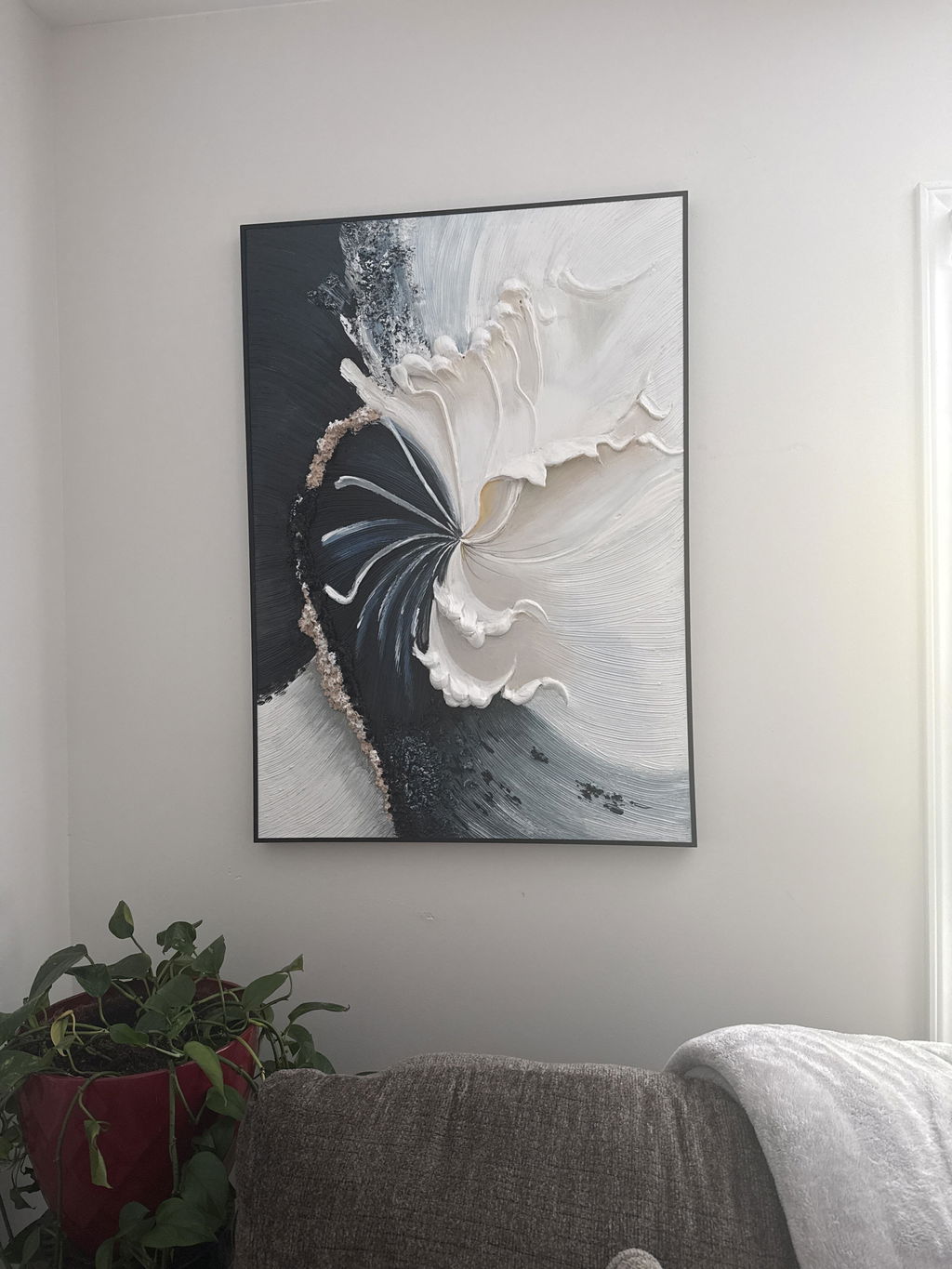
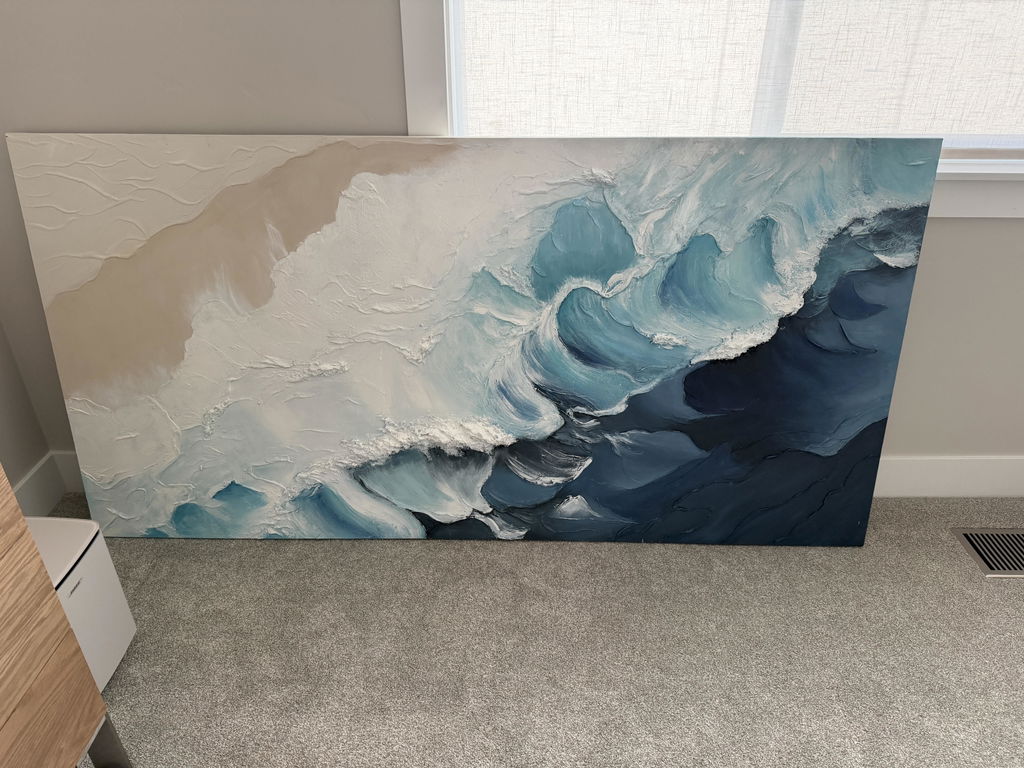
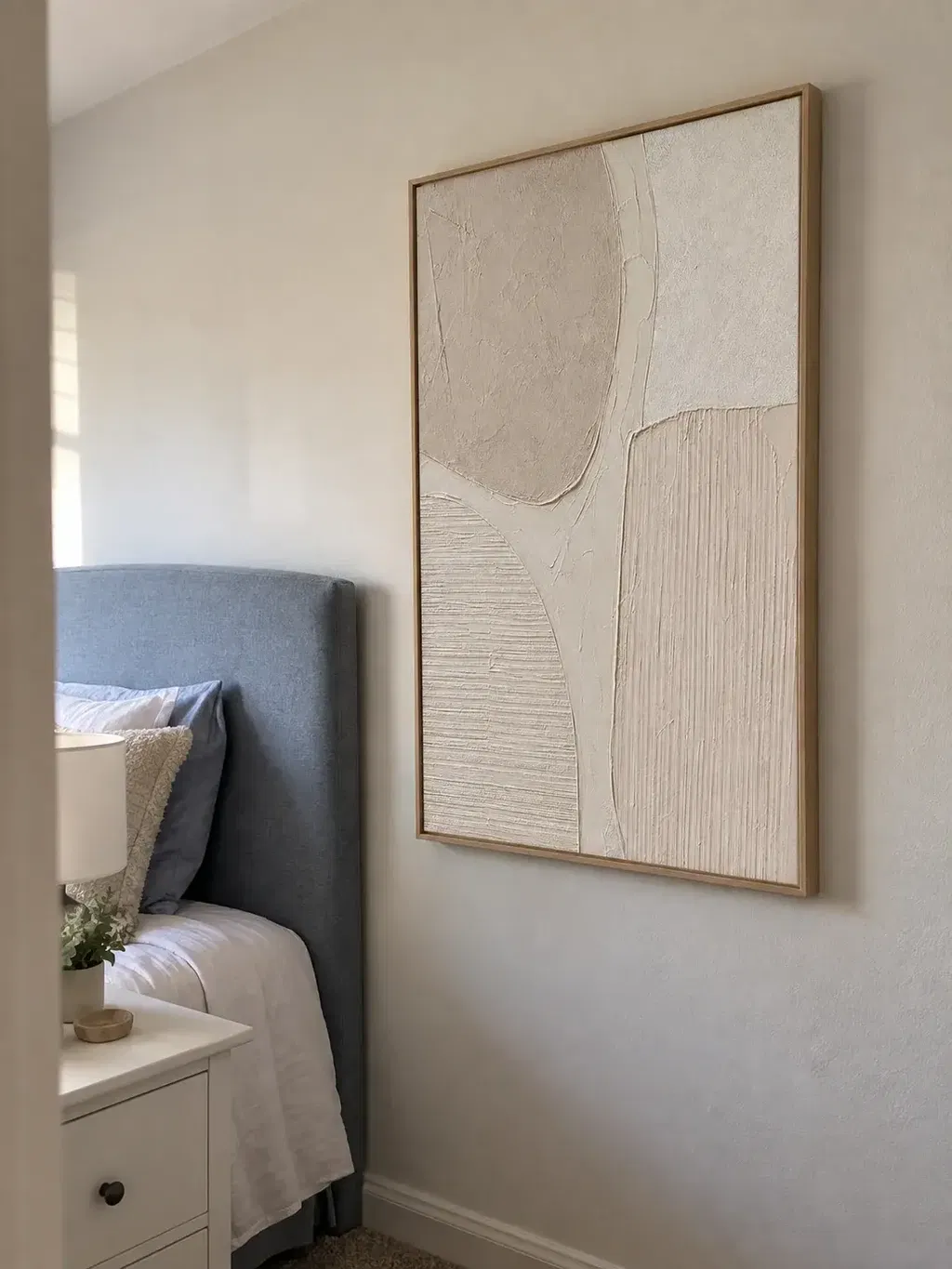
When mixing styles—perhaps a surrealist custom mural homage with a minimalist abstract—consistency is key. Interior design trends for 2026 emphasize "texture as the soul" of a space. Maintaining at least one consistent element, such as a color palette or a shared heavy-impasto texture, prevents the grouping from appearing chaotic.
The Neurological Impact of Visual Art
Why does a well-proportioned hand-painted wall feel so much more comfortable than a bare one? The answer lies in our biology. A systematic review of 85 records published in PMC shows that passive art viewing consistently activates the medial prefrontal cortex (mPFC) and the amygdala, optimizing emotional regulation circuits.
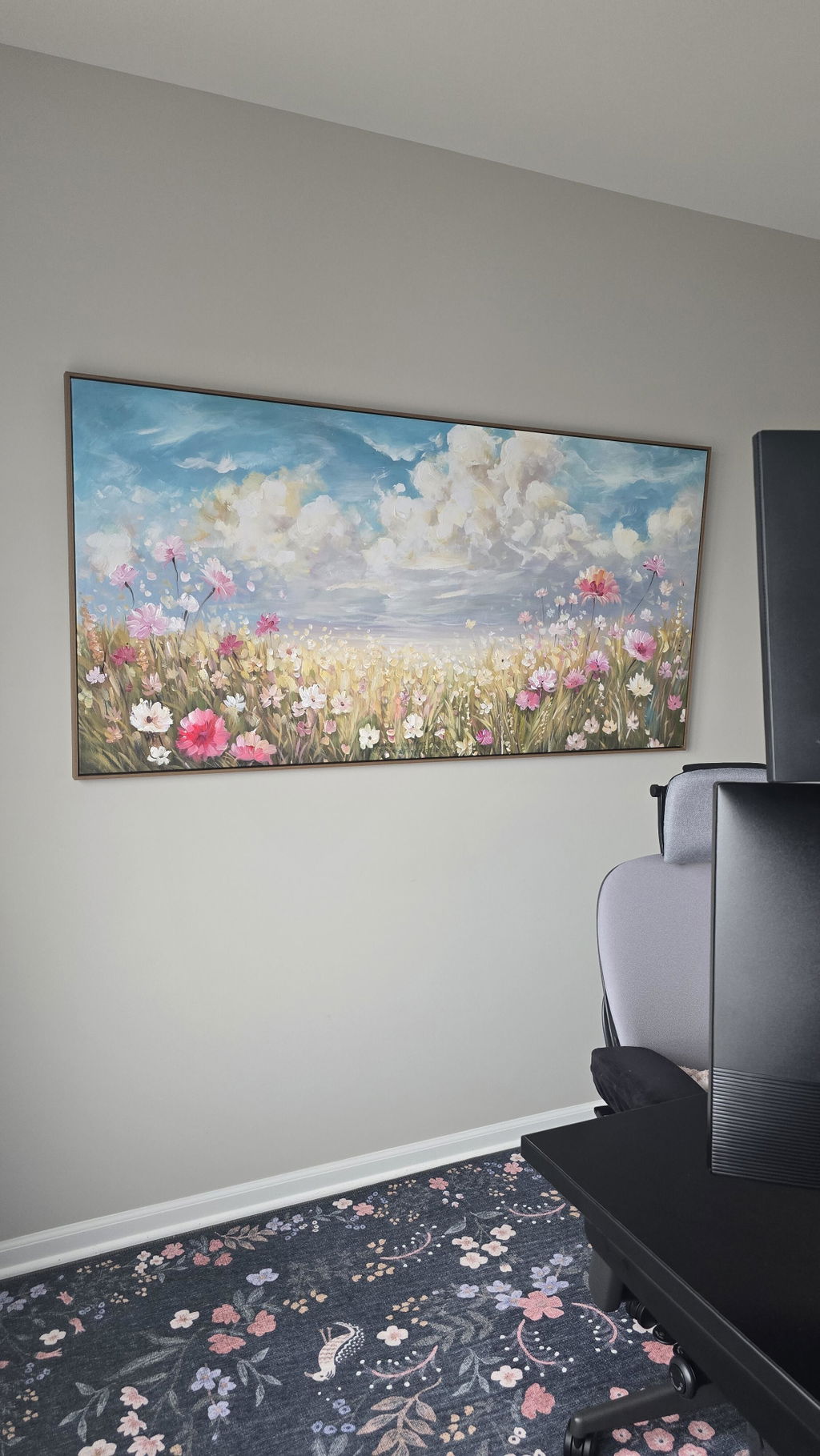
This is particularly true for biophilic design—art featuring natural landscapes. According to the University of Central Arkansas, nature-based art produces the same stress-reduction effects in the brain as being outdoors. In high-density environments, such as those studied in Tokyo office spaces, these visual interventions effectively combat cognitive fatigue and burnout.

Safety and Material Integrity: Beyond the Aesthetics
For the premium home improver, visual harmony must be matched by environmental safety. Indoor air pollution is a significant concern; the EPA warns that indoor air can be more polluted than outdoor air.
When choosing hand-painted murals or canvases, the chemical composition of the pigments matters:
- VOC Emissions: Research from Aalto University proves that coatings on wood with specific moisture levels emit significantly lower toxic Volatile Organic Compounds (VOCs) during curing. Using low-VOC paints is a prerequisite for achieving LEED or WELL certifications in modern buildings.
- Heavy Metal Risks: The International Agency for Research on Cancer (IARC) classifies cadmium compounds—common in bright yellow and red pigments—as Group 1 carcinogens. While the European Chemicals Agency (ECHA) found that the environmental discharge from artists' paints is relatively low compared to industrial fertilizers, the health risk of chronic inhalation of pigment dust remains a concern for practitioners.
- Eco-Friendly Alternatives: Leading studios are shifting toward hemp or flax canvases, which consume half the water of cotton, and using walnut oil as a non-toxic replacement for turpentine solvents, as highlighted by the Cincinnati Art Museum.
The "Magic" of the Artist's Hand: Technical Depth
For the highly educated buyer, the value of a hand-painted piece lies in the complex physics of light and matter. Stockton University research suggests that top painters possess a unique neural ability to suppress "perceptual constancy illusions," allowing them to capture light and shadow with apex precision.
From a materials science perspective, the "glow" of an oil painting is governed by the Kubelka-Munk equation, which explains how pigment reflection is dominated by absorption and scattering coefficients (Getty Conservation Institute). This is why a print can never replicate the depth of a physical painting; the physical relief of the paint (impasto) creates a microtopography that interacts with room lighting in real-time.
Logic Summary: Why Prints Fail the "Depth Test"
- Micro-Physical Texture: Optical microprofilometry proves that the mm-scale texture of paint is crucial to its aesthetic appeal.
- Metamerism: Prints often suffer from "metamerism," where colors shift unpleasantly under different light sources (LED vs. Daylight). Hand-applied pigments are typically more stable.
- Coalescence: Acrylic films form through a physical "coalescence" process, creating a flexible, long-chain molecular structure that is more resistant to embrittlement than the oxidative cross-linking found in older oil paints (JustPaint).

Commercial and Community Value: Art as an Asset
Investing in custom art is not merely a decorative choice; it is a savvy financial move. The Royal Society found a direct link between "art" geo-tags and relative house price gains in neighborhoods. In commercial real estate, public art projects like Chicago’s Millennium Park have driven $1.4 billion in related growth (NC Realtors).
On a community level, the "Busy Streets Theory" from the University of Michigan shows that transforming spaces with murals can reduce violent crime by up to 40%. For the homeowner, this translates to "Creative Placemaking"—using art to reverse feelings of blight and make a property more attractive to long-term buyers (Community Progress).
Summary of Best Practices for Eclectic Groupings
To ensure your living room arrangement achieves maximum impact, follow this checklist derived from our analysis of professional curation patterns:
- Follow the 0.66 Rule: Multiply your sofa width by 0.66 to find the ideal total width of your art grouping (Rossetti Art).
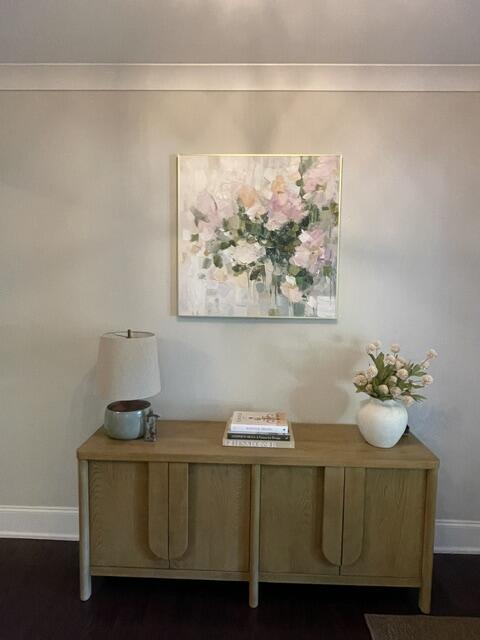
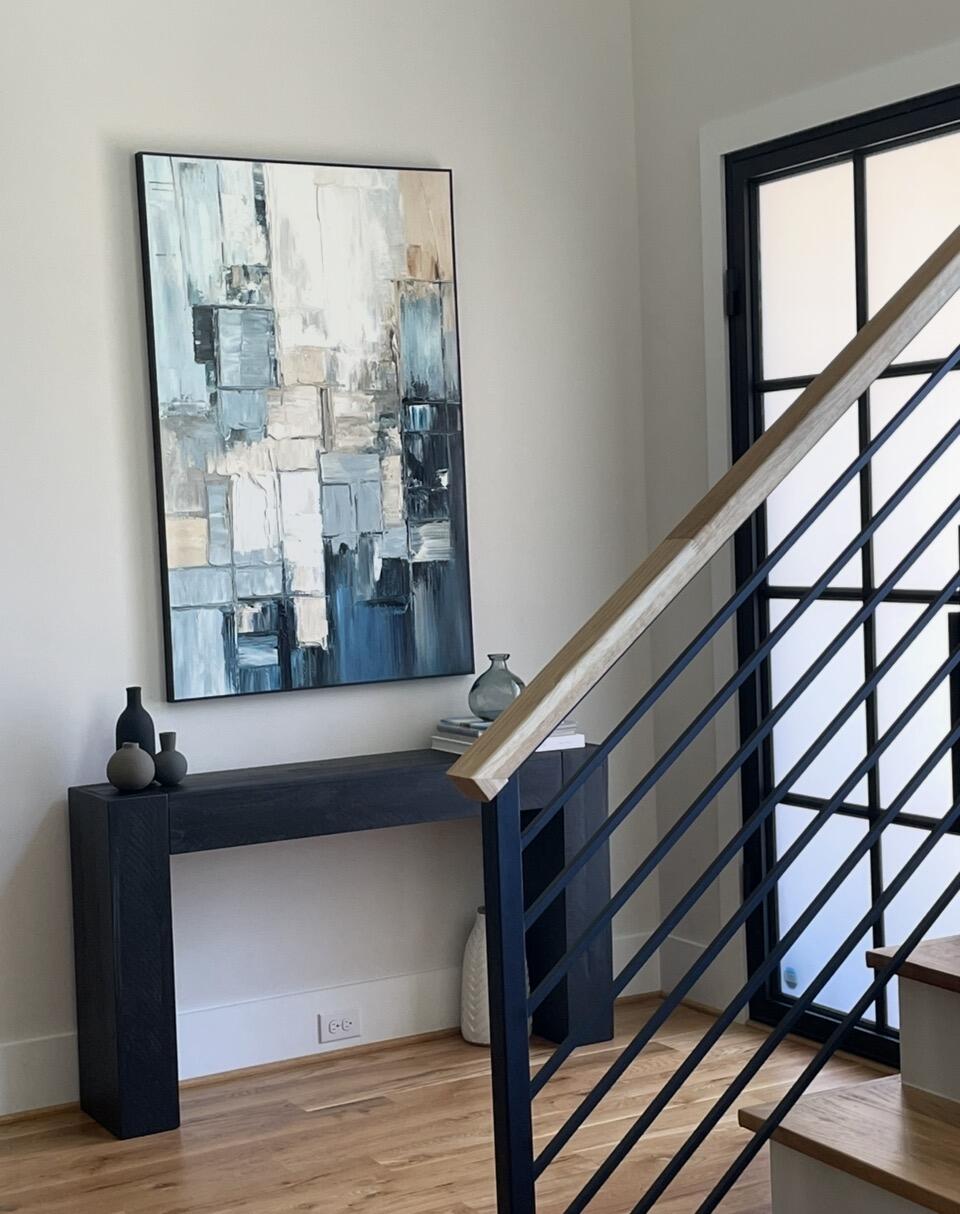
- Maintain Breathing Room: Leave 6-12 inches between the bottom of the art and the top of the furniture to avoid a "crowded" look.
- Vary Sizes Boldly: Ensure at least a 25% size difference between pieces in a cluster to create a clear hierarchy.
- Prioritize Human Art: Leverage the 62% "human-made premium" by choosing original works that show visible brushwork and texture.
- Check Safety Labels: Look for the ASTM D-4236 label, but remember that it only indicates that warning labels comply with regulations, not that the pigment is inherently non-toxic (EPA). Always ensure proper ventilation in rooms with fresh oil paintings.
By moving away from disposable, assembly-line decor and embracing the logic of the Rule of Odds, you transform your living space into a gallery of "cultural heritage assets." This approach not only provides immediate psychological comfort but also secures long-term value in an increasingly digital world.
Disclaimer: This article is for informational purposes only and does not constitute professional medical, legal, or financial advice. Pigment toxicity and indoor air quality can vary significantly based on specific products and environmental conditions. Always consult with a certified industrial hygienist or environmental professional for specific safety concerns regarding art materials in your home.
Sources
- Marketplace: The expensive art market continues to struggle
- Columbia University: Human-Made vs. AI Art Study
- Royal Society: Quantifying the link between art and property prices
- UPenn: Visual Art in the Built Environment Review
- EPA: Indoor Air Quality and Low-VOC Paints
- WHO: Scoping Review on Arts and Health
- ASTM D4303: Standard Test Methods for Lightfastness
- Houzz 2024 U.S. Study: Proportion in Interior Design