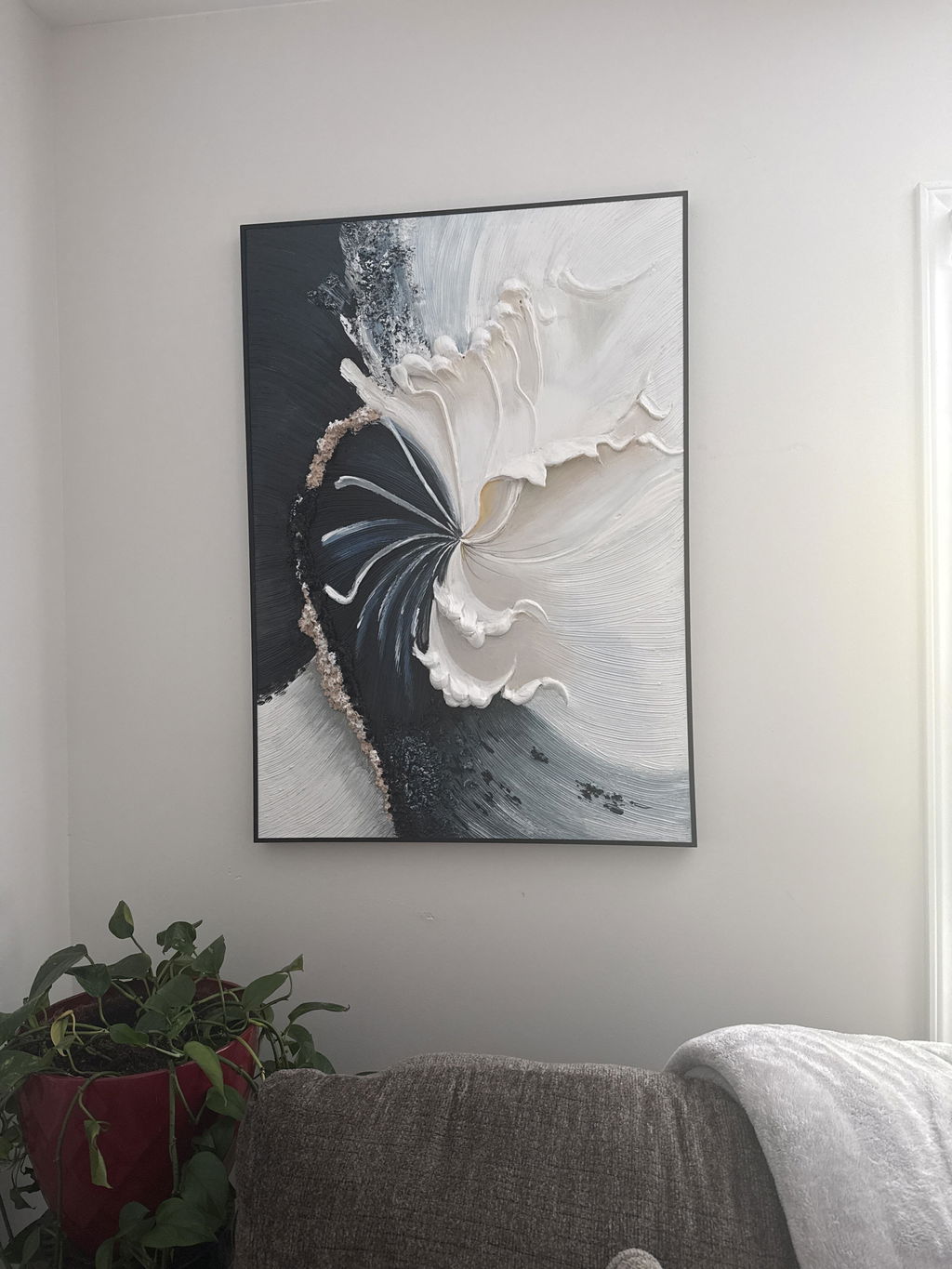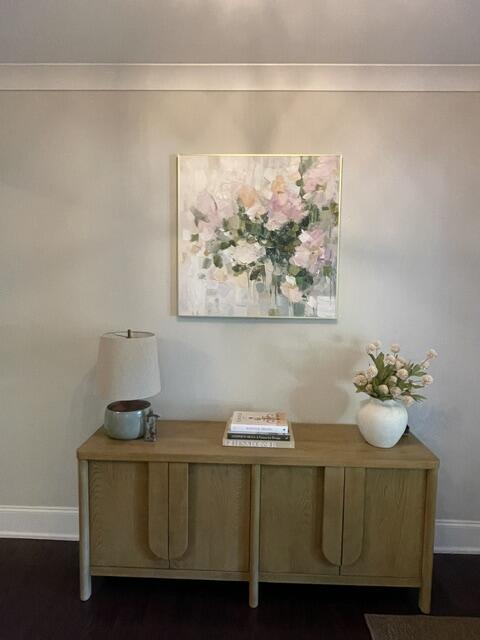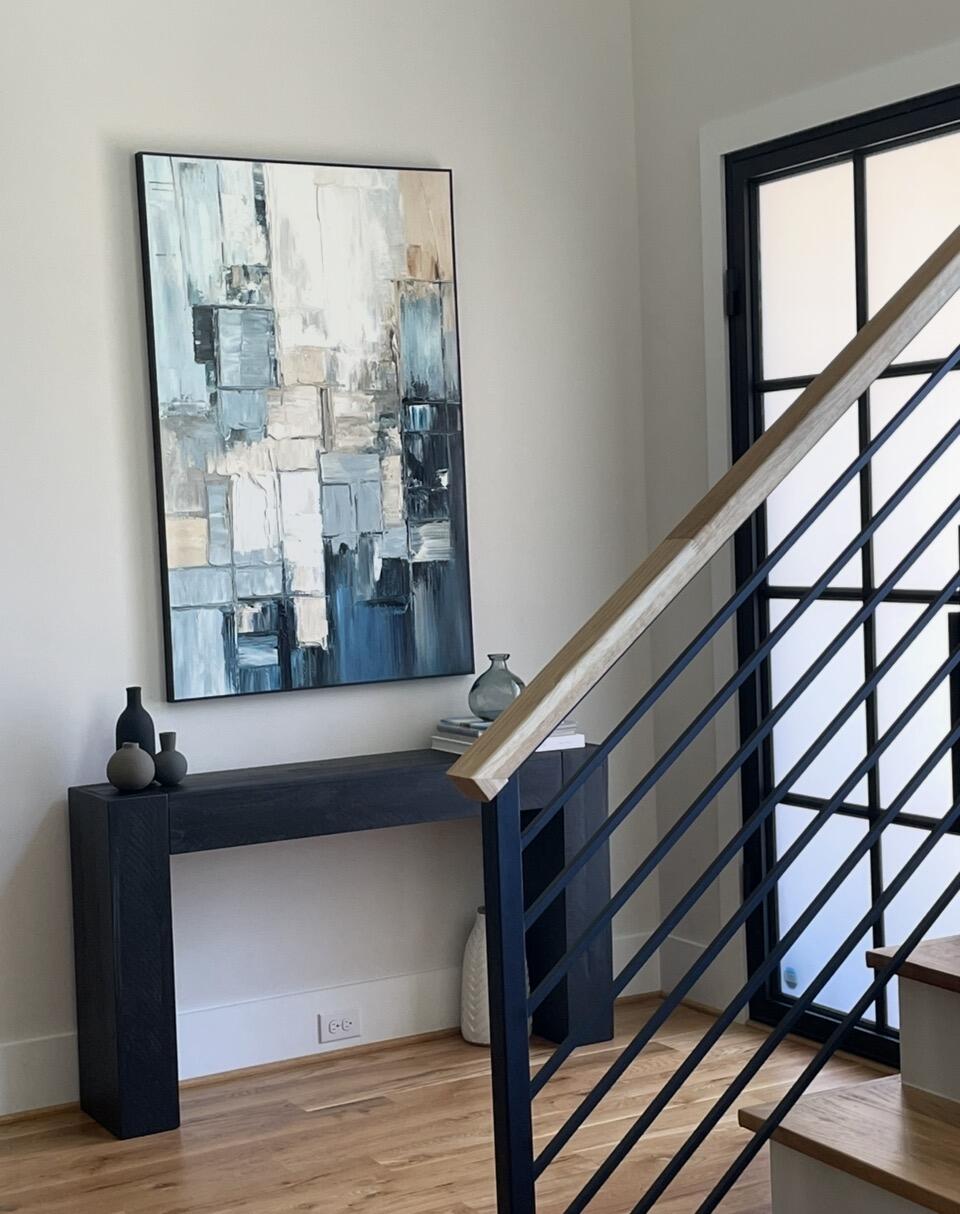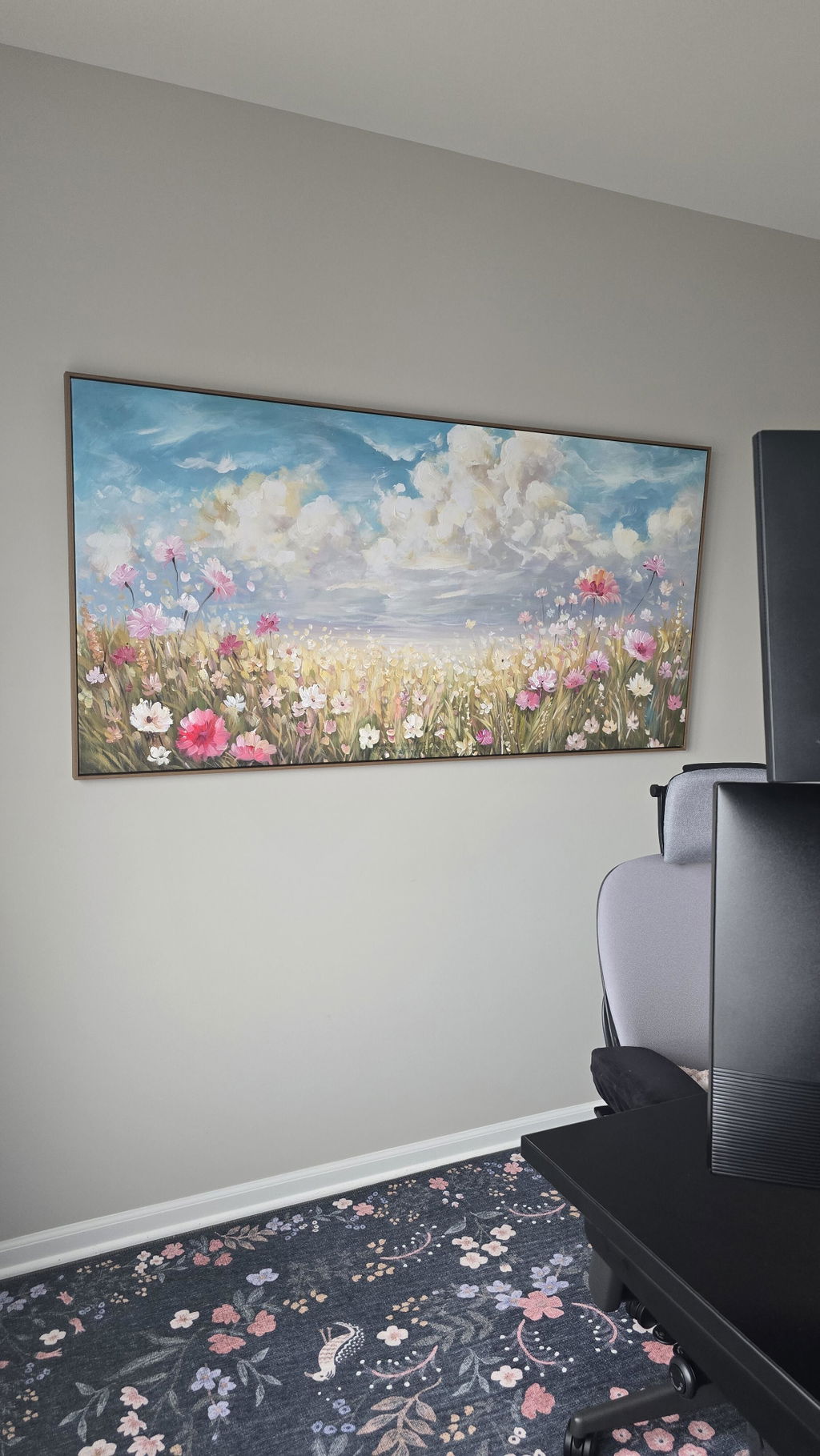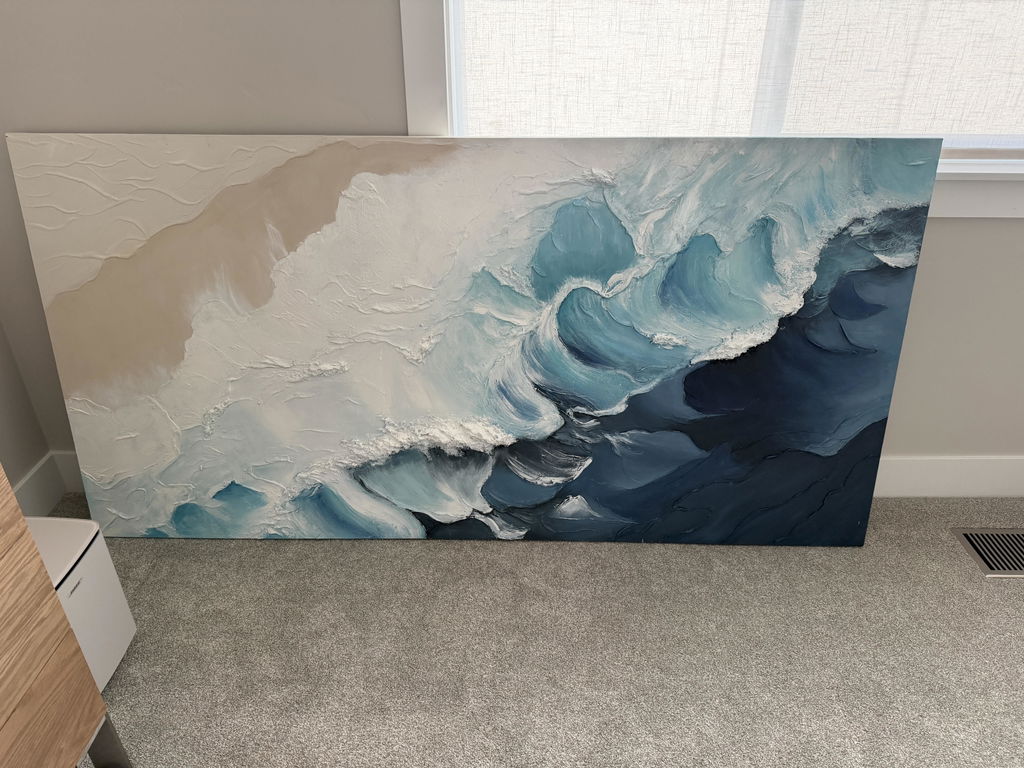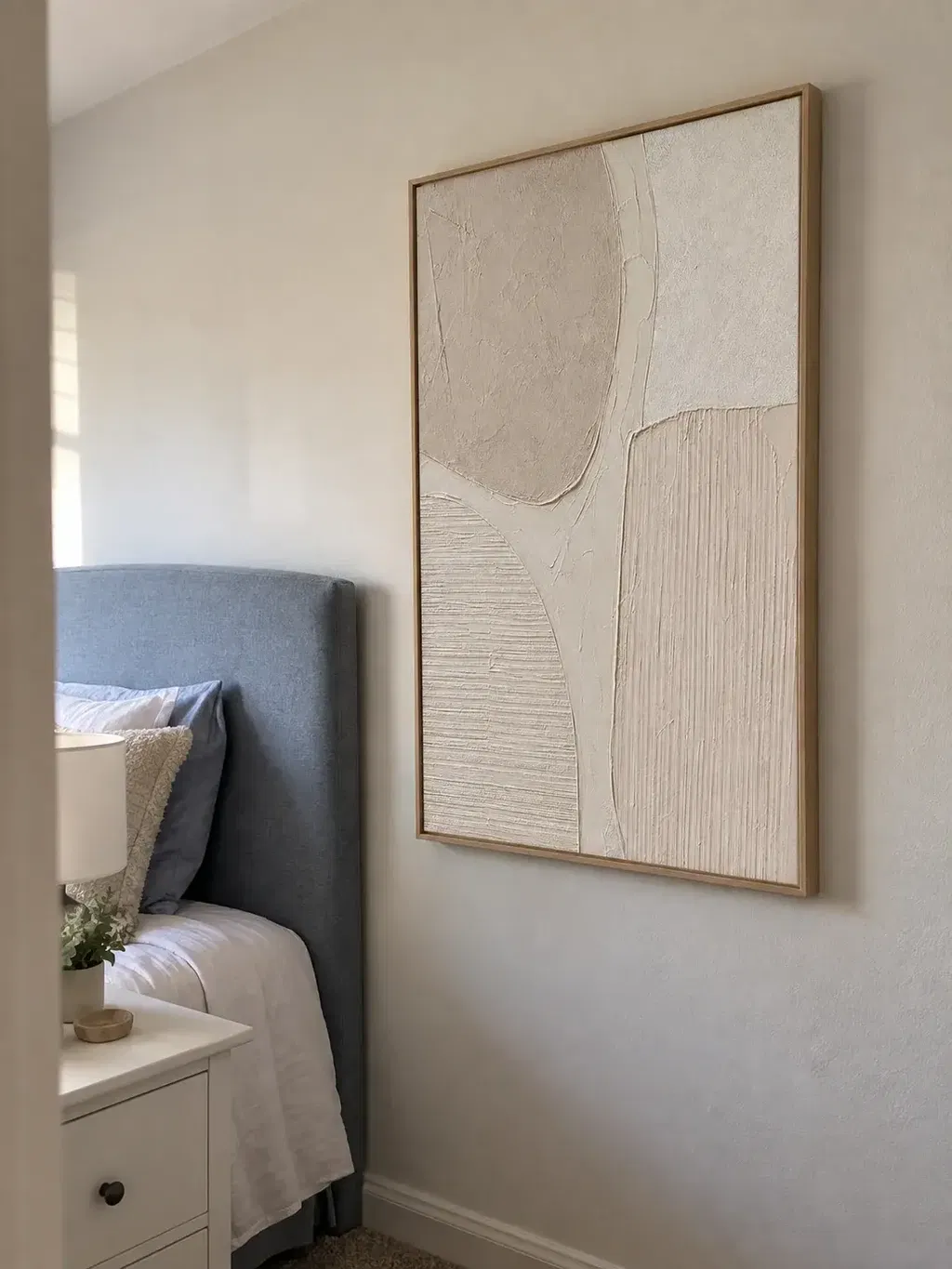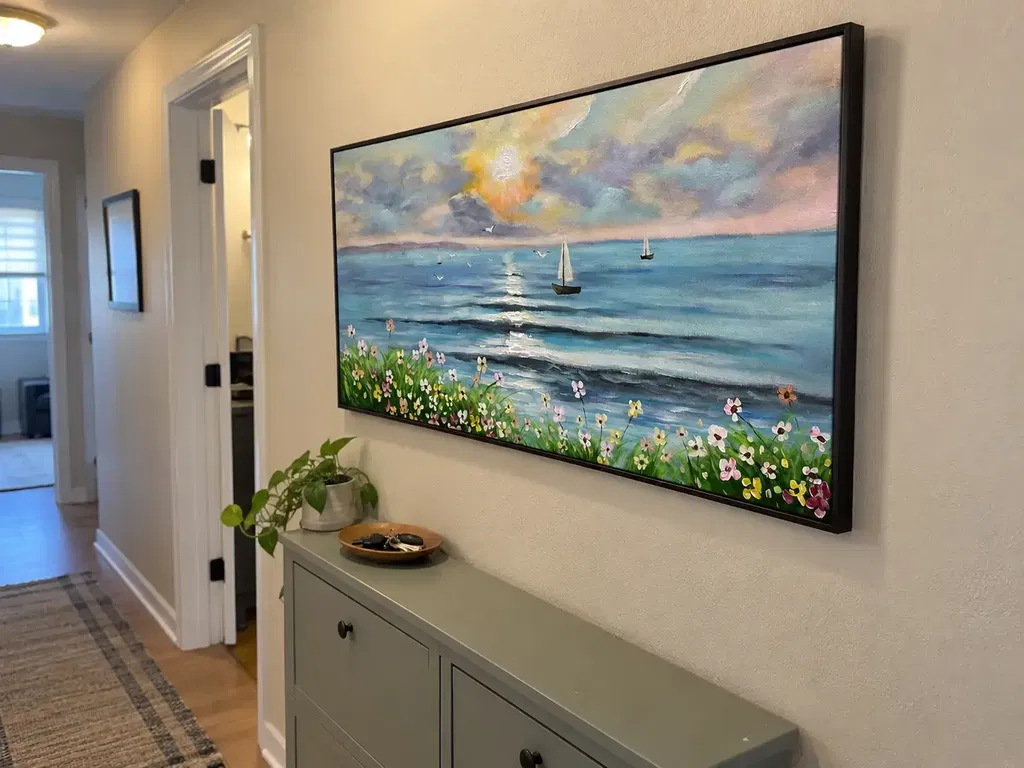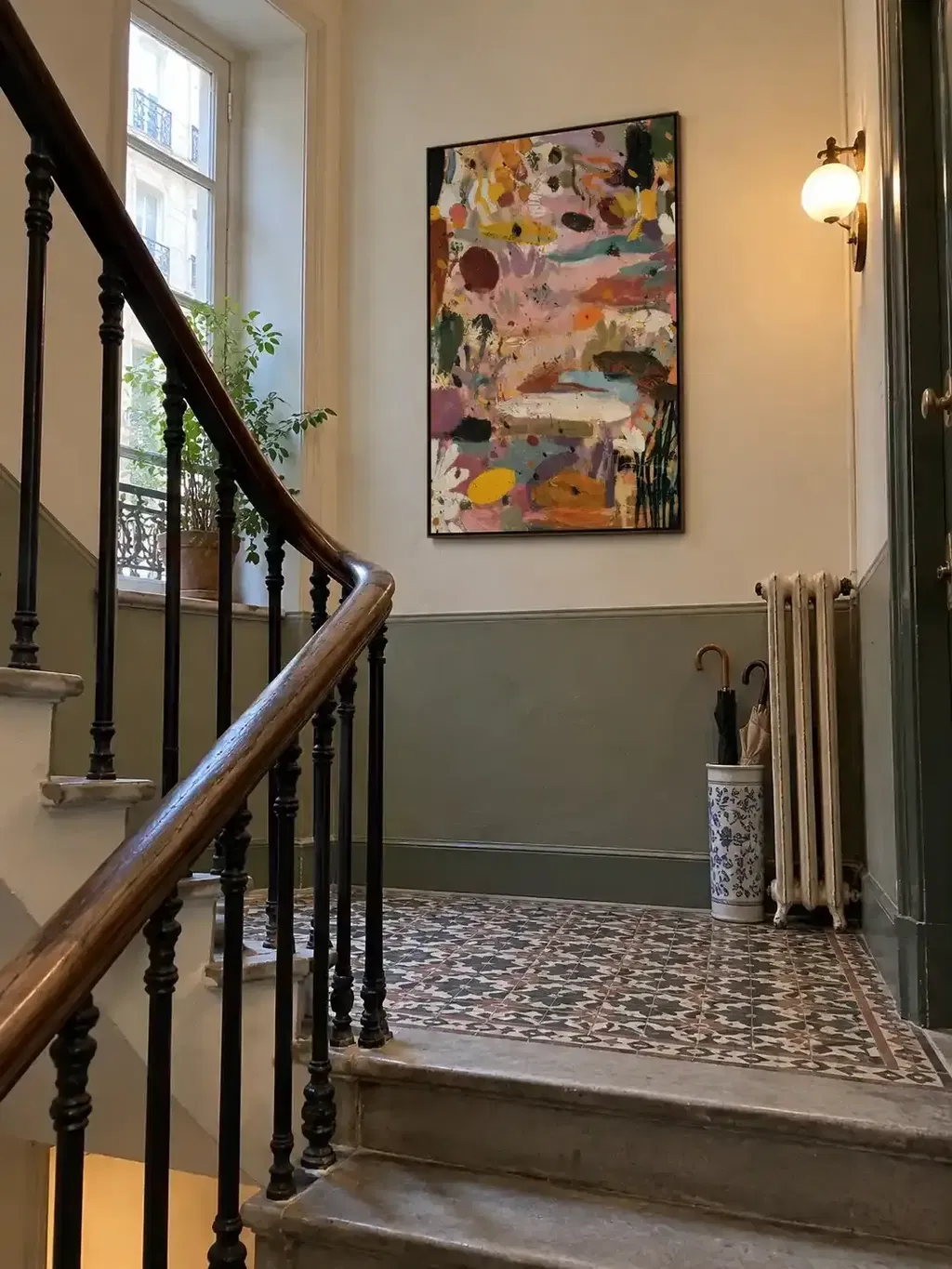
To safely care for textured paintings, you should use dry, soft-bristled brushes for dusting from the top down. Avoid moisture and household chemicals, which can cause permanent damage to the paint layers. Maintaining a climate-controlled environment and considering a professional-grade varnish are also essential for long-term preservation.
Textured art, particularly pieces featuring heavy impasto or 3d textured painting, presents unique cleaning challenges. Unlike smooth canvases, these works have peaks, valleys, and deep grooves that act as magnets for dust, soot, and airborne pollutants. If left unmanaged, these particles can become embedded in the paint film, making them nearly impossible to remove without risking the structural integrity of the artwork.
The Best Way to Dust and Clean Textured Paintings
The most effective way to maintain the vibrancy of a textured piece is through regular, gentle dry cleaning. For most modern textured art, moisture is the primary enemy. Liquid cleaners or even a damp cloth can cause acrylic emulsions to swell or lead to the leaching of surfactants. According to the Smithsonian Museum Conservation Institute, water can remove water-sensitive additives from acrylic paint, while even mild organic solvents may soften the acrylic surface.
When cleaning oil paint on canvas, the risks are different but equally significant. Oil paint can take years or even decades to fully cure through oxidation. Using liquids on a relatively young oil painting can disrupt this chemical process, potentially leading to cracking or loss of gloss. The gold standard for home maintenance is a "dry-only" policy. By using a top-down brushing motion, you ensure that dust falling from the upper ridges of the painting does not settle into areas you have already cleaned.
Essential Tools for Safely Cleaning Deep Impasto Grooves
You cannot use standard household cleaning tools on high-texture art. Feather dusters and microfiber cloths are particularly dangerous because they have tiny fibers that easily snag on sharp impasto peaks. These snags can lead to tiny fragments of paint being pulled away or leave behind unsightly lint that is difficult to extract from the paint's texture.
To safely remove debris from textured wall art, you should assemble a dedicated cleaning kit consisting of:
- Goat-Hair Mop Brushes: These are exceptionally soft and hold a natural charge that attracts dust without requiring pressure.
- High-Quality Makeup Brushes: Large, fluffy powder brushes (specifically those with synthetic or natural hair that does not shed) are excellent for reaching into fine crevices.
- Cheesecloth: This is used to cover vacuum attachments to create a safety barrier.
- White Cotton Gloves: These prevent skin oils and acids from transferring to the canvas edges during handling.
Avoid compressed air canisters. While they seem convenient for blowing dust out of grooves, the rapid expansion of the gas can create localized freezing or moisture droplets, both of which can shock the paint layers.

Pre-Cleaning Inspection to Prevent Paint Loss
Before you touch the surface with a brush, you must perform a thorough visual inspection. Use a strong, angled light source to look for signs of instability. You are searching for "cupping" (where paint edges curl upward), flaking, or powdery residues. If the paint appears to be crumbling or lifting, stop immediately. Dusting a compromised surface will only accelerate paint loss.
It is important to distinguish between the artist's intended texture and actual deterioration. The Canadian Conservation Institute (CCI) notes that their terminology differentiates cracking and flaking from genuine impasto. If you notice tiny fragments on the floor beneath the painting or see the white primer (ground) through cracks, the piece requires professional stabilization rather than a home cleaning. Moving or cleaning an unstable work can turn a minor repair into a major restoration project.
Step-by-Step Top-Down Dusting and Vacuuming Process
Once you have confirmed the painting is stable, follow this sequential process to remove accumulated grime. This method prioritizes the physical safety of the paint ridges while ensuring a thorough clean.
- Preparation: Wash and dry your hands thoroughly or put on white cotton gloves. Clear a space around the painting so you can reach all edges without stretching.
- Top-Down Brushing: Starting at the top left corner, use a soft goat-hair brush to sweep the dust toward the floor. Use light, flicking motions rather than a heavy scrubbing action. Work your way across the top and then move downward in horizontal bands.
- Detail Work: For deep grooves where a large brush cannot reach, use a smaller makeup brush. Insert the bristles gently into the valley and flick outward to lift the dust.
- Vacuuming (Optional): If the painting is heavily soiled, you may use a vacuum with a hose attachment. Place a piece of cheesecloth over the nozzle and secure it with a rubber band. Hold the nozzle 2 to 3 inches away from the surface. Never touch the vacuum nozzle to the paint. The vacuum should only be used to catch the dust you are loosening with the brush.
- Reverse Cleaning: If the painting is not protected by a backing board, dust can accumulate on the stretcher bars and the back of the canvas. Gently brush the reverse side to prevent this dust from attracting moisture or pests.
Matte vs. Gloss Varnish for Sealing Textured Art
Varnishing is a critical long-term protection step, especially for unvarnished acrylics which are naturally porous and slightly tacky. A proper seal fills the microscopic pores of the paint, preventing dust from bonding to the surface. However, the choice between matte and gloss involves both aesthetic and practical considerations.
| Feature | Gloss Varnish | Matte Varnish |
|---|---|---|
| Visual Impact | Enhances color saturation and depth. | Softens colors and reduces glare. |
| Texture Definition | Highlights peaks through reflections. | Provides a subtle, stone-like finish. |
| Dust Visibility | Dust is highly visible on shiny surfaces. | Hides light dust accumulation well. |
| Maintenance | Easier to wipe (carefully) when cured. | Can become "shiny" if rubbed too hard. |
Smithsonian experts point out that varnishing acrylic work requires careful judgment because the solvents used to remove old varnish can damage the underlying acrylic layers. For most contemporary textured pieces, a non-removable isolation coat followed by a removable UV-protective varnish is the safest professional recommendation.
Protecting Paintings from Sunlight and Humidity Damage
The environment where you hang your art is just as important as how you clean it. High humidity is a primary cause of canvas expansion, which creates mechanical stress on the paint layer. Conversely, very low temperatures can make acrylics brittle and more prone to cracking during handling. The CCI suggests that incorrect or rapidly fluctuating relative humidity causes supports and paint layers to expand and contract differently.
Light damage is also a major concern. UV radiation and even high-intensity visible light cause chemical changes in pigments and binders. The Library of Congress emphasizes that light damage is cumulative and irreversible. To protect your investment, avoid hanging textured art in direct sunlight or directly across from large windows. Use LED lighting with low UV output and maintain a consistent indoor environment—ideally between 65°F and 72°F (18°C to 22°C) with relative humidity between 45% and 55%.

Conclusion: Long-Term Strategies for How to Dust and Care for Textured Paintings
In summary, the secret to preserving the beauty of your collection lies in a combination of preventive care and gentle maintenance. By avoiding liquids, using the correct soft-bristled tools, and monitoring the light and humidity in your home, you can prevent the most common forms of degradation. Remember that a top-down dry dusting every three to six months is usually sufficient to keep the surface clear without risking the paint's stability. Understanding how to dust and care for textured paintings is an essential skill for any art owner, ensuring that the bold textures and vibrant colors of your favorite pieces remain intact for generations to come.
Safety Notice
This article provides general guidance only. Always follow the manufacturer's instructions, applicable local requirements, and appropriate safety practices. For installations involving electrical systems, structural loads, fire safety, or other significant risks, consult a qualified professional.
FAQs
Can I use a damp cloth to clean a textured painting?
No. You should strictly avoid moisture as it can cause acrylic paint to swell, encourage mold growth, or damage the curing process of oil paints.
How often should I dust my artwork?
A light dusting every 3 to 6 months is generally recommended, depending on how much dust accumulates in your home environment.
What should I do if a piece of paint falls off?
Save the fragment in a small container and consult a professional art conservator immediately. Do not try to glue it back on yourself.