Understanding the Spectrum of Manual Brushwork
Choosing between a "painterly" and a "precise" style is one of the most significant decisions you will make when investing in hand-painted art. It is the difference between an artwork that captures the impression of a moment and one that seeks to replicate the micro-details of reality.
In recent years, we have observed a shift in the global art market. High-end auction sales for purely financial assets have fluctuated significantly, with a noted 44% year-over-year retreat in sales over $10 million in 2024. This indicates that collectors are moving away from "vanity" pieces and returning to works with real application value and emotional resonance.
At the heart of this return to value is the human element. While AI-generated prints have flooded the market, research from Columbia University confirms that consumers value art labeled 'AI-generated' 62% lower than authentic human-created art. This "human premium" is not just a preference; it is a psychological response to what researchers at the University of Chicago call 'essential identity'—the belief that a physical canvas retains an irreplicable soul left by the artist's hand.

The Painterly Approach: Emotion Through Texture
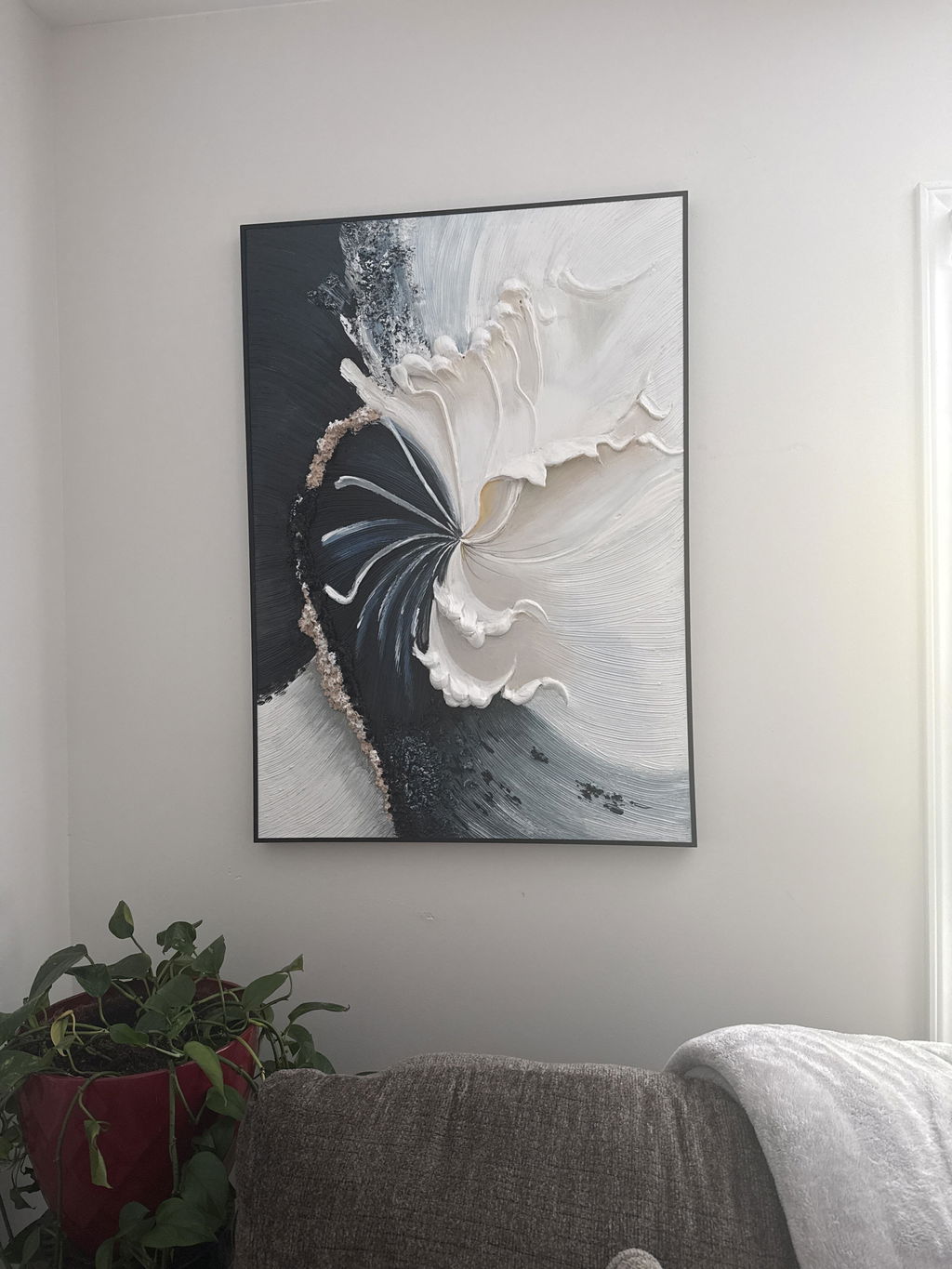
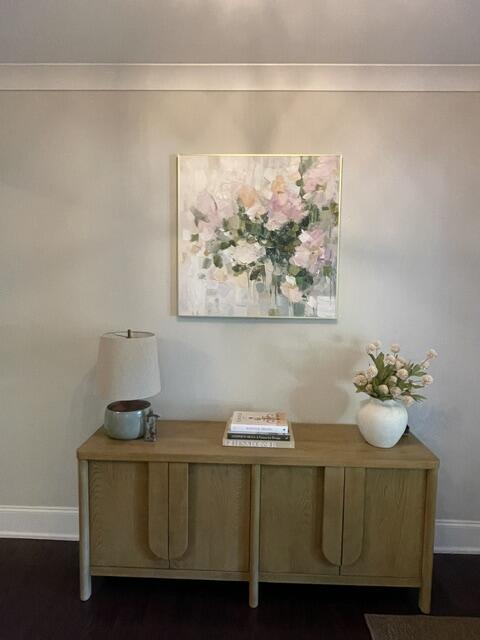
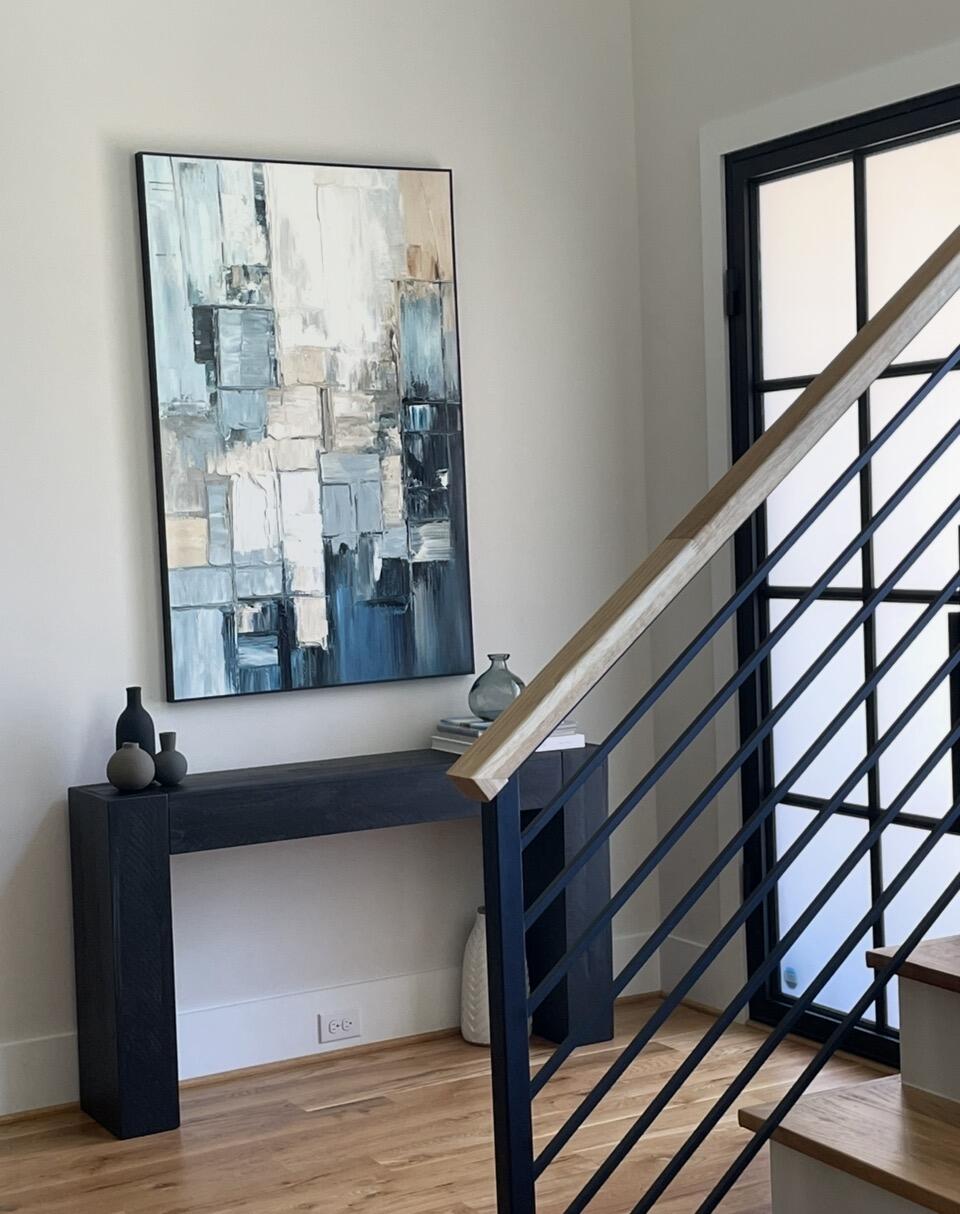
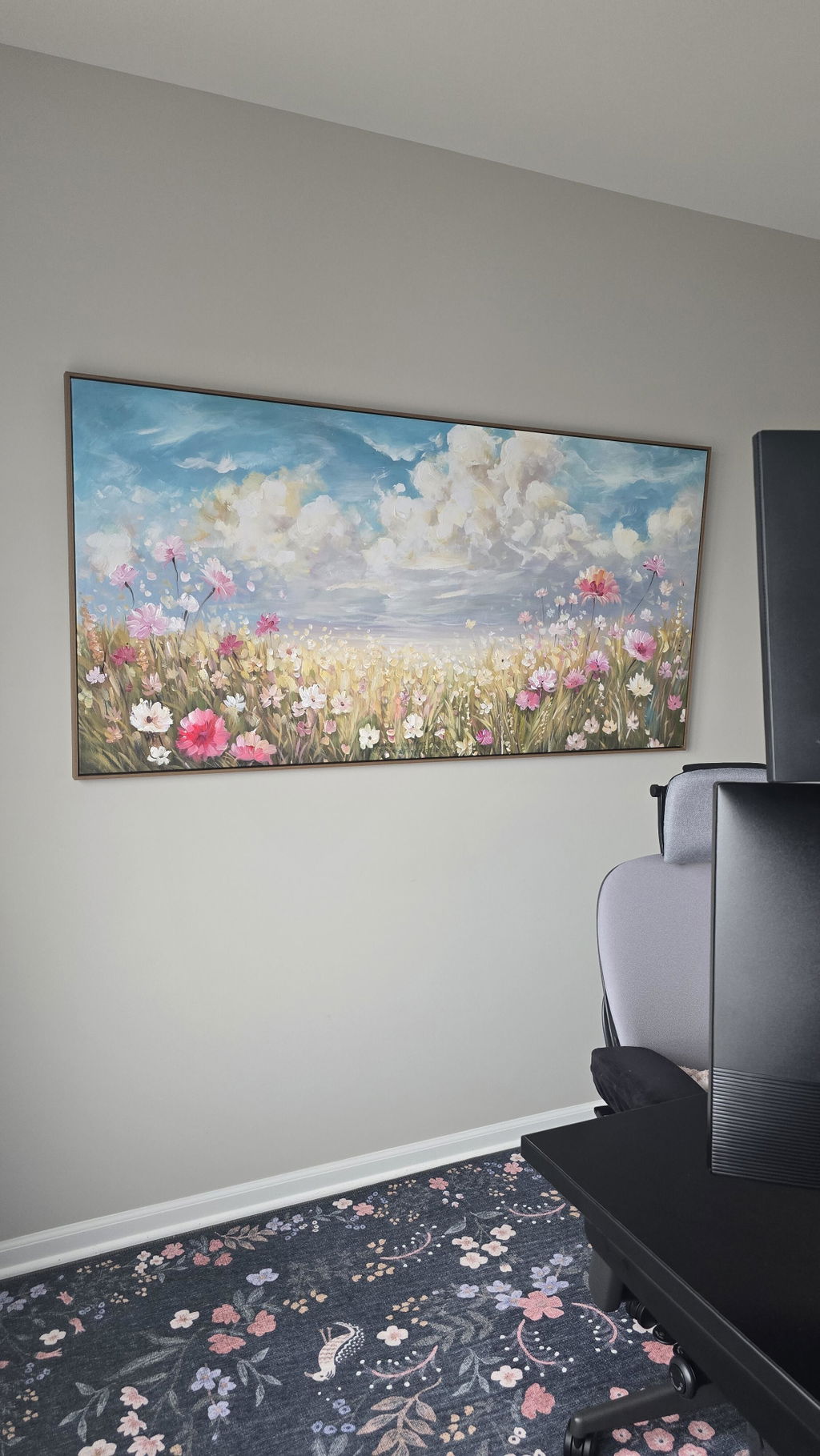
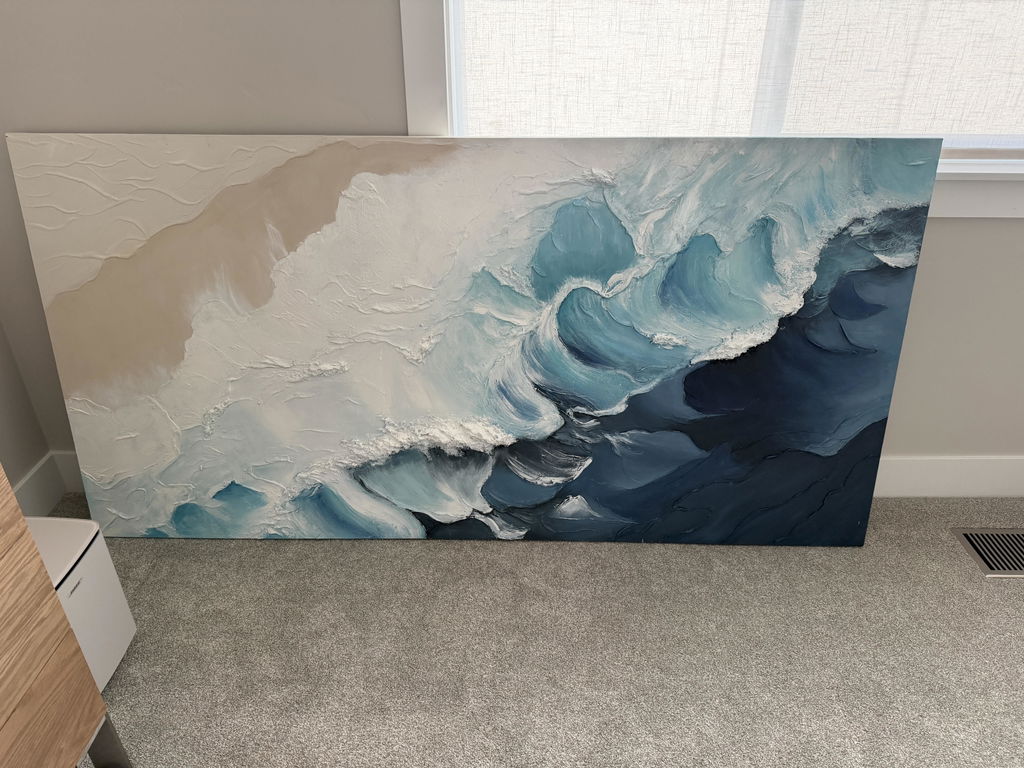
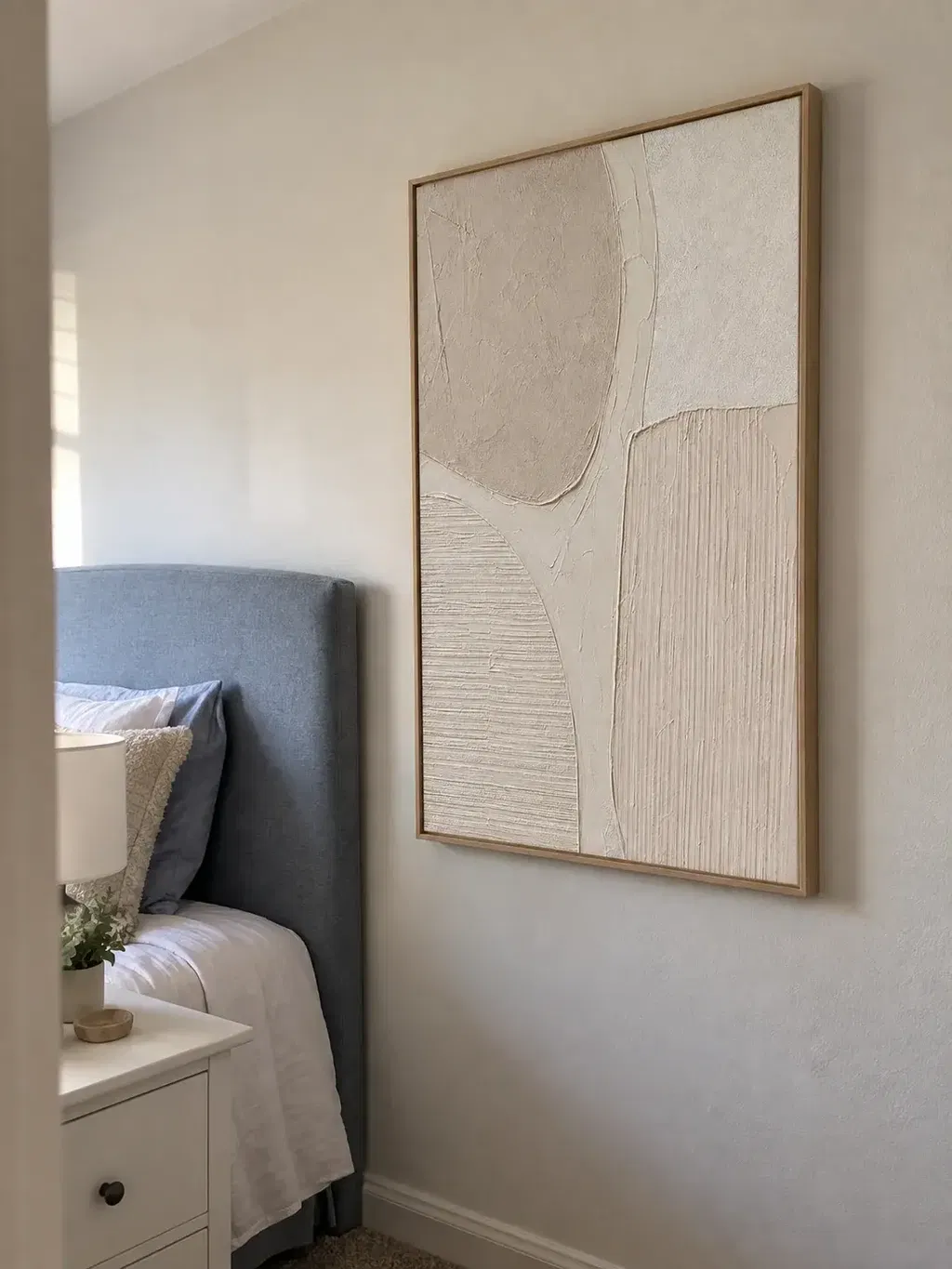
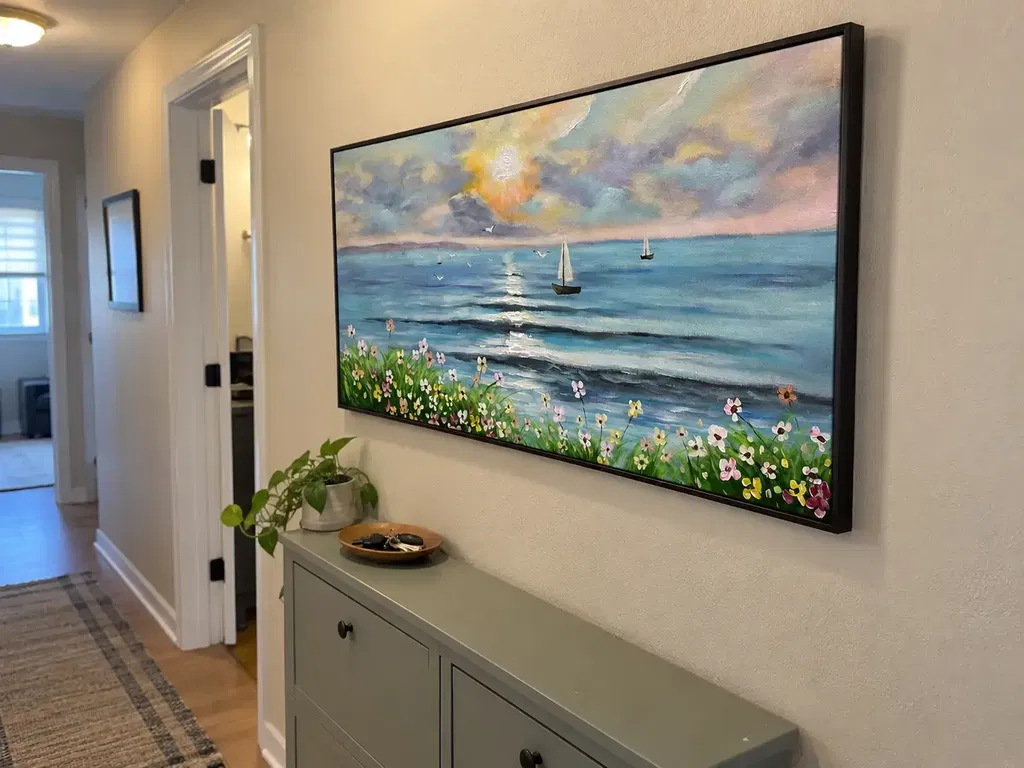
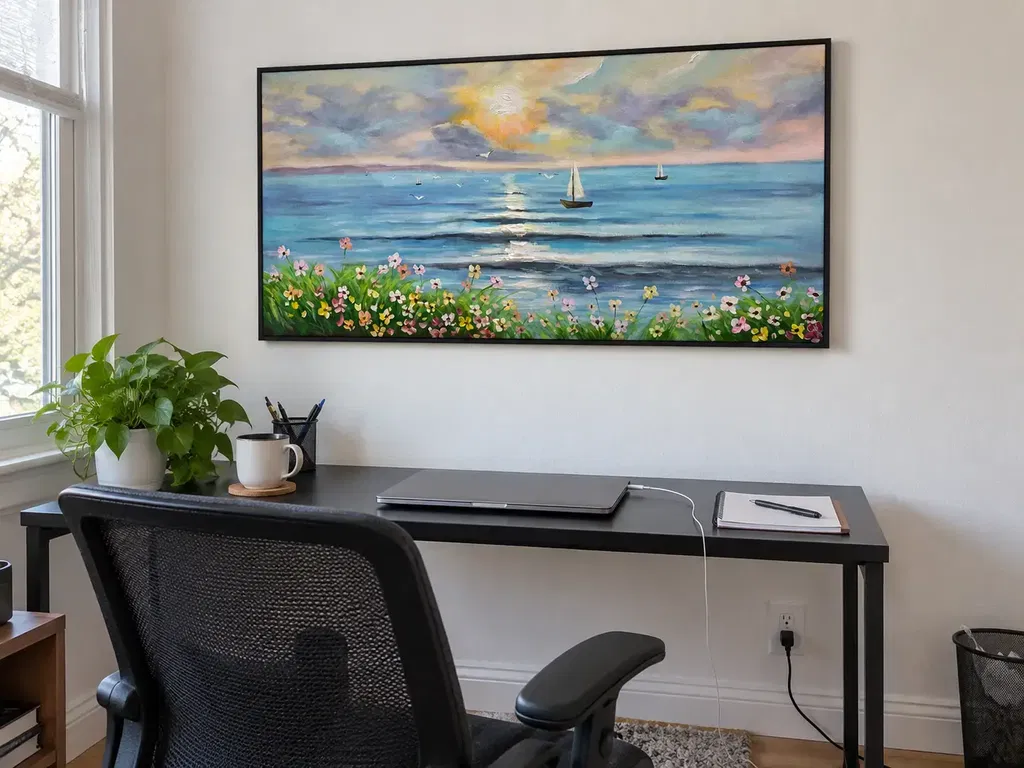
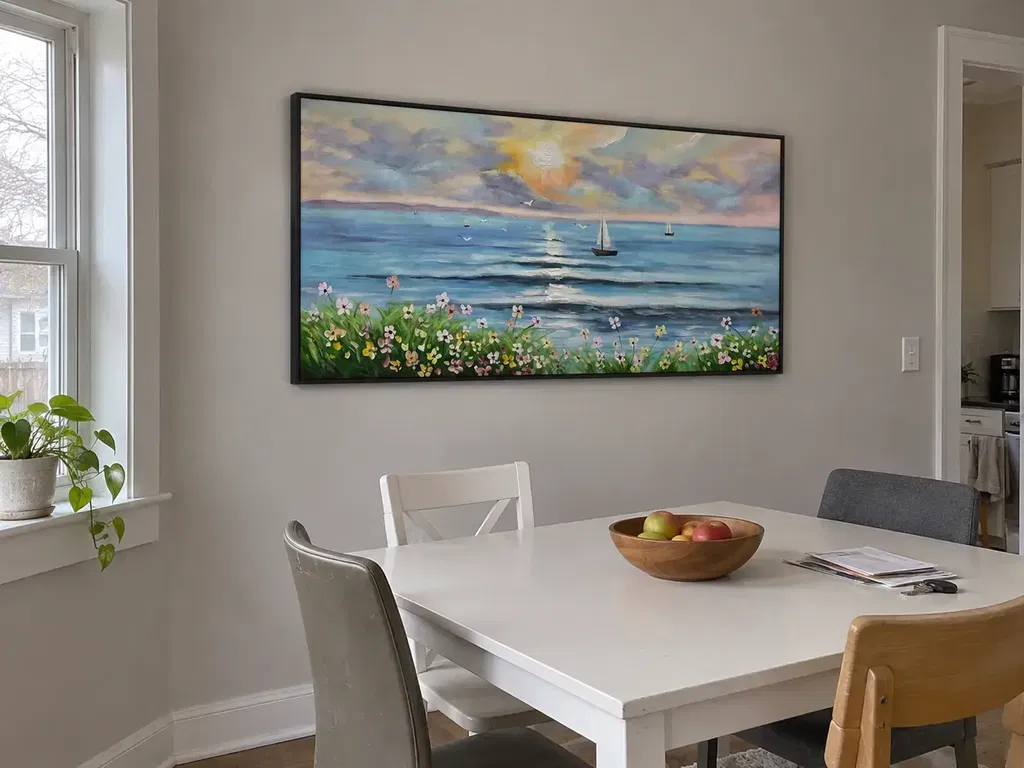
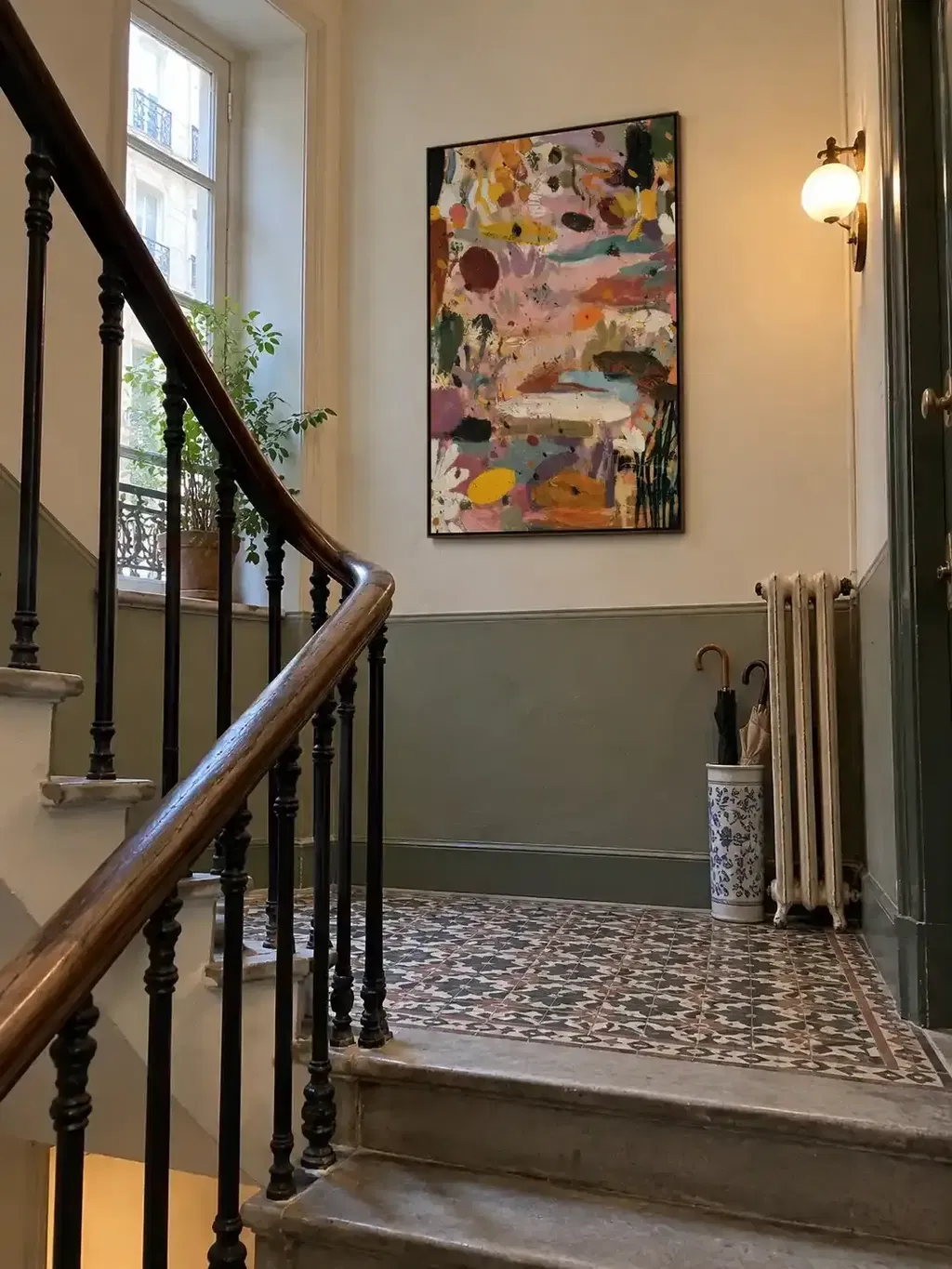
The "painterly" style is defined by visible brushstrokes, thick impasto textures, and a "loose" application of pigment. In this style, the artist does not attempt to hide the tools of creation. Instead, the texture becomes as much a part of the subject as the image itself.
From a neurological perspective, viewing these textures is highly beneficial. A systematic review published in NCBI shows that passive art viewing consistently activates the mPFC and amygdala, optimizing emotional regulation circuits. When you see the physical relief of oil paint, your brain recognizes the three-dimensional depth, stimulating intrinsic motivation and satisfaction in a way that flat digital prints never can.
When to Choose Painterly
- Rooms with High Viewing Distances: If your artwork will be viewed from more than 8 feet away (such as in a large foyer or above a high-set fireplace), painterly works are ideal. At this distance, the human eye blends the loose strokes into a cohesive image, while the texture provides a sense of "life" that remains visible.
- Biophilic Design Goals: We often recommend painterly landscapes for offices or healthcare settings. According to a WHO scoping review, art interventions effectively alter clinical indicators for mental wellness. Loose, nature-themed murals can reduce stress and improve mood by up to 73%, as noted by UPenn researchers.
- Casual Living Areas: Painterly art should typically occupy 70-80% of wall space in casual living areas. Its softer edges create a welcoming, relaxed atmosphere.
Methodology Note: This "8-foot rule" is a common heuristic used by our design team. It is based on visual acuity thresholds where the eye begins to lose the ability to resolve fine lines, making high-precision work appear "flat" while textured work maintains its character.
The Precise Approach: The Power of Realism
Precise art—often associated with hyper-realism or tight illustrative styles—focuses on fine lines, smooth gradients, and exact proportions. This style is about the "magic" of the artist's hand being used to trick the eye into seeing perfect reality.
Stockton University research reveals that the skill of top realistic painters is rooted in the brain's ability to suppress "perceptual constancy illusions." Essentially, these artists see the world more accurately than the average person, and their work reflects that apex visual attention.
When to Choose Precision
- Intimate Focal Points: Reserve precise detail for areas where viewers will be within 4-6 feet. This includes powder rooms, hallways, or dining areas where guests remain stationary.
- Social Validation (The 'Instagrammable' Room): High-precision works often garner the most attention in digital photos. If your goal is a high-visibility, "showstopper" room, precision delivers that immediate "wow" factor.
- Modern, Smooth Furniture: If your decor features glass, polished metal, or smooth lacquered wood, a precise artwork provides a harmonious visual match.

The Designer’s Heuristic: Balancing Detail and Decor
One of the most common mistakes we see in our design consultations is a mismatch between art detail and furniture texture. Heavy brushwork alongside ultra-smooth modern furniture can create unintended visual tension.
| Detail Level | Best Furniture Pairing | Ideal Viewing Distance | Recommended Coverage |
|---|---|---|---|
| Loose/Painterly | Rustic wood, linen, woven textiles | > 8 Feet | 70-80% of wall |
| Balanced/Hybrid | Mid-century modern, leather | 6-10 Feet | 40-60% of wall |
| Tight/Precise | Polished metal, glass, velvet | 4-6 Feet | 20-30% of wall |
The "Primary Viewing Time" Guideline
We suggest allocating your "detail budget" proportional to the time spent in each room.
- High Investment: Dining rooms and home offices (where you sit and look for hours).
- Medium Investment: Living rooms (where movement is frequent).
- Strategic Investment: Entryways (where the "wow" factor matters, but viewing time is short).
Technical Excellence: Safety and Longevity
Beyond aesthetics, the "detail level" of an artwork is often dictated by the materials used. Whether you choose painterly or precise, the chemical composition of the paint matters for your home's health.
Indoor Air Quality (IAQ) and VOCs
Indoor air pollution is a critical concern, with the EPA warning that it can be more concentrated than outdoor pollution. We prioritize low-VOC (Volatile Organic Compound) paints, which are essential for large-scale murals in healthcare or residential settings. Research from Aalto University shows that VOC emissions from painted surfaces plummet during the curing process, making high-quality acrylics a safer choice for nurseries and clinics.
The Lightfastness Standard
To ensure your investment doesn't fade, we look to ASTM D4303 standards. This protocol uses xenon-arc tests to simulate years of sunlight exposure. It is a common misconception that oil paints hold color better than acrylics; in fact, National Gallery experiments proved that the fading rate of pigments like Prussian Blue is identical across all media.
Preventing "Support Induced Discoloration" (SID)
For high-precision works on canvas, a technical phenomenon called SID is a major risk. Golden Artist Colors technical bulletins explain that water-soluble impurities in cotton or linen can be drawn into the paint layer as it dries, causing yellowing. This is why professional preparation of the substrate is just as important as the final brushstroke.
Logic Summary: Our material recommendations are based on a synthesis of EPA safety guidelines and ASTM durability standards. We assume a standard indoor environment (55% relative humidity) for these longevity estimates.
The ROI of Hand-Painted Art
Investing in a hand-painted mural or large-scale canvas isn't just an aesthetic choice; it's a financial one.
- Property Value: A CAR model analysis found that neighborhoods with higher "art" geo-tags saw greater relative house price ranking gains.
- Commercial Success: For business owners, murals act as "permanent physical billboards." University of Cincinnati research shows a direct correlation between murals and increased pedestrian foot traffic.
- Community Safety: On a macro level, transforming unkempt spaces with murals can reduce neighborhood violent crime by up to 40%, according to the University of Michigan.
Selecting Your Path
Whether you lean toward the expressive energy of a painterly piece or the disciplined clarity of precision, the goal is the same: to create a space that feels authentic. In a world increasingly dominated by digital replicas, the physical relief of pigment on canvas remains a powerful statement of human creativity.
By following the viewing distance heuristics and material safety guidelines outlined here, you can reduce buyer uncertainty and ensure that your next art purchase becomes a lasting, healthy, and valuable addition to your home.
YMYL Disclaimer: This article is for informational purposes only and does not constitute professional medical, legal, or financial advice. While we cite authoritative safety data regarding paint toxicity (VOCs and heavy metals), individuals with specific respiratory conditions or chemical sensitivities should consult a qualified health professional before commissioning large-scale indoor paintings.