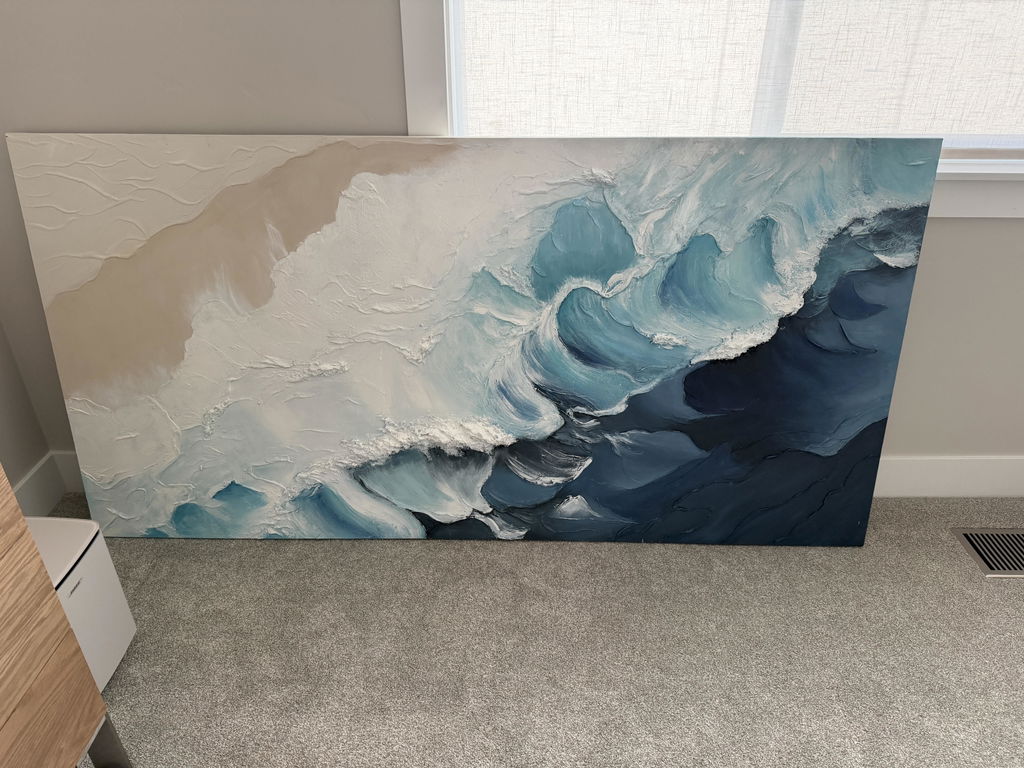
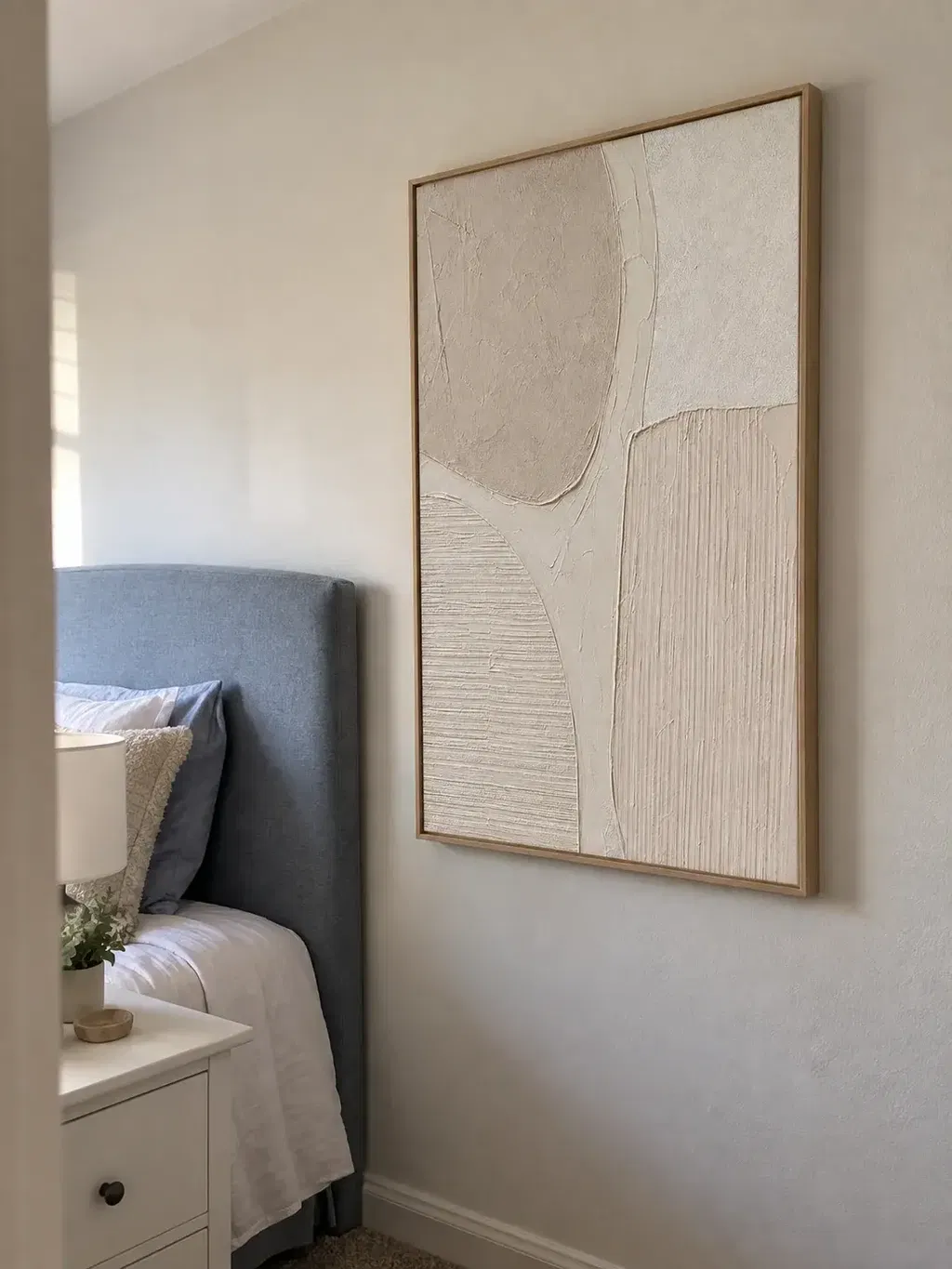
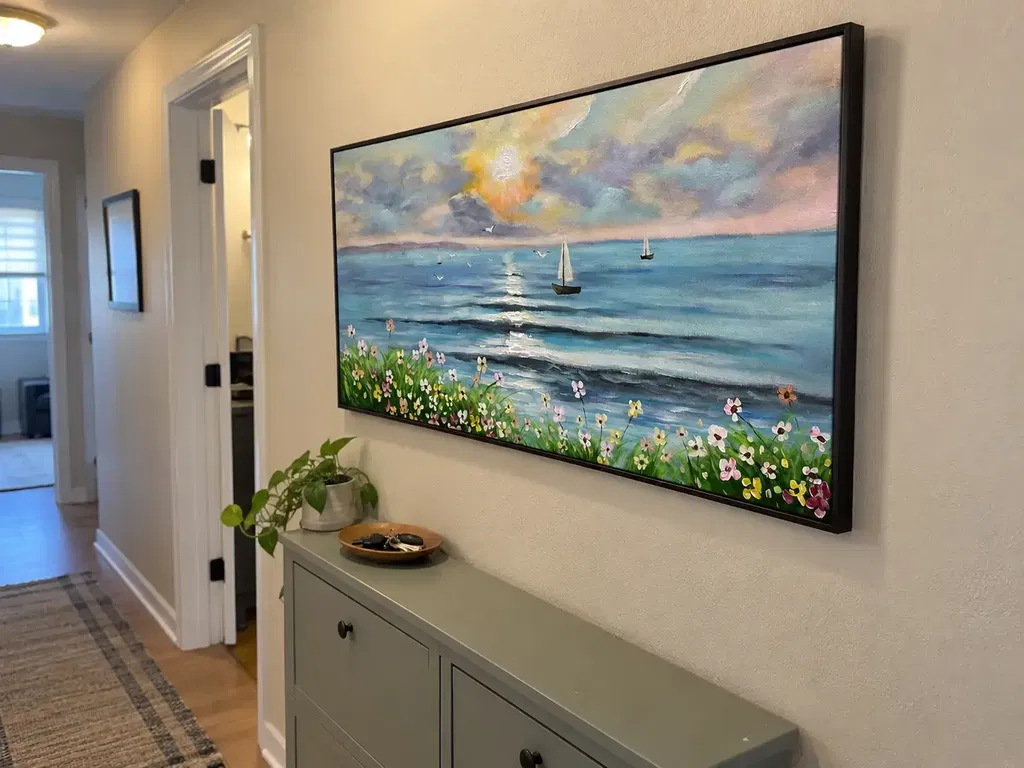
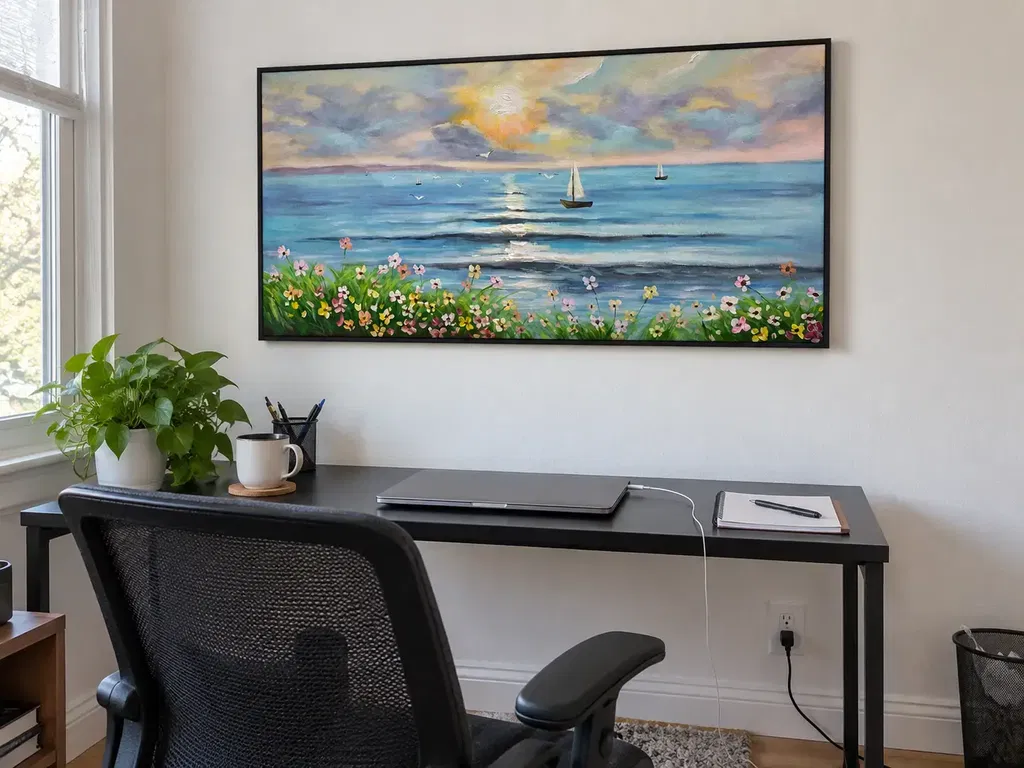
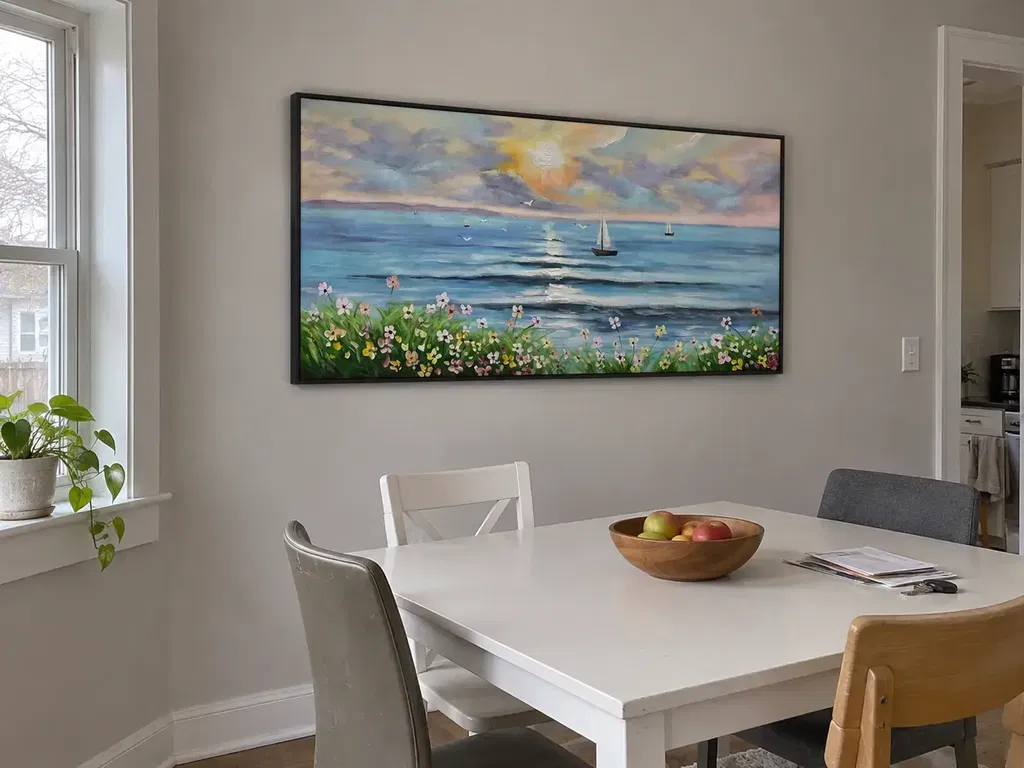
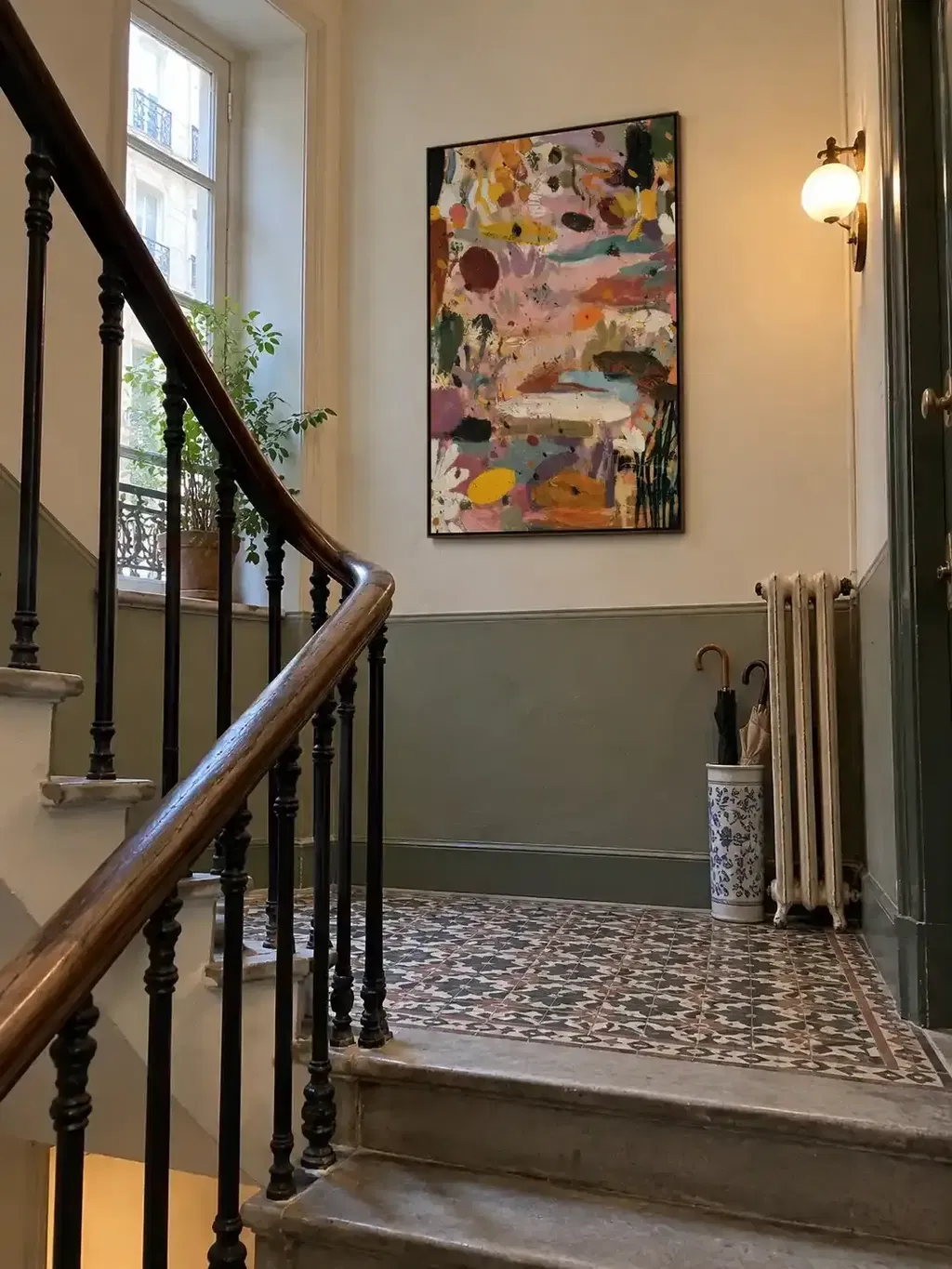
Original art vs print comes down to more than image quality. An original is a one-of-one hand-painted object, while a print is a reproduced image. The price gap usually reflects labor, uniqueness, and the physical presence of paint, so the real question is not which one is "better," but what your budget should buy on the wall.
What Makes an Original Different
At the object level, the difference is simple: an original is made once by hand, while a print reproduces an image that can be made again. That matters because the two formats sit in different value categories, which is why the premium for an original is not just about having the same picture in a nicer frame.
For most shoppers, that means the original art vs print comparison is really a comparison of ownership experience. With an original, you are paying for the actual surface the artist built. With a print, you are paying for visual content, consistency, and easier replacement if your room changes later.

A useful first check is the listing language itself. If the page says original, print, limited edition, or reproduction, those words change the value story before you ever get to style. If the wording is unclear, treat the item as a candidate that needs a closer look rather than as a confirmed hand-painted piece.
If you are still trying to separate category from style, our textured wall art basics article is a helpful background read before you compare prices.
Texture, Depth, and Visual Presence
Brushwork and Surface Relief
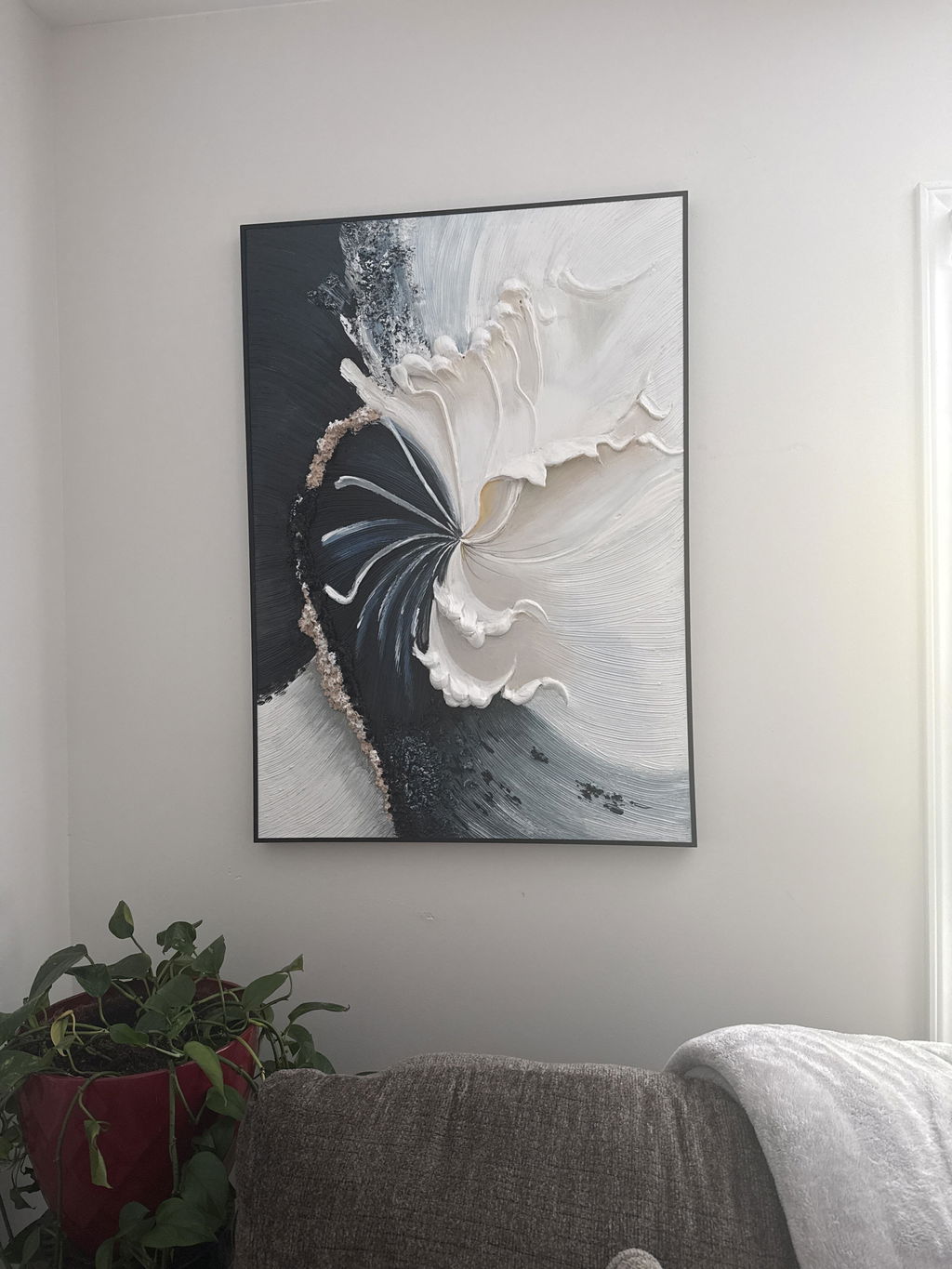
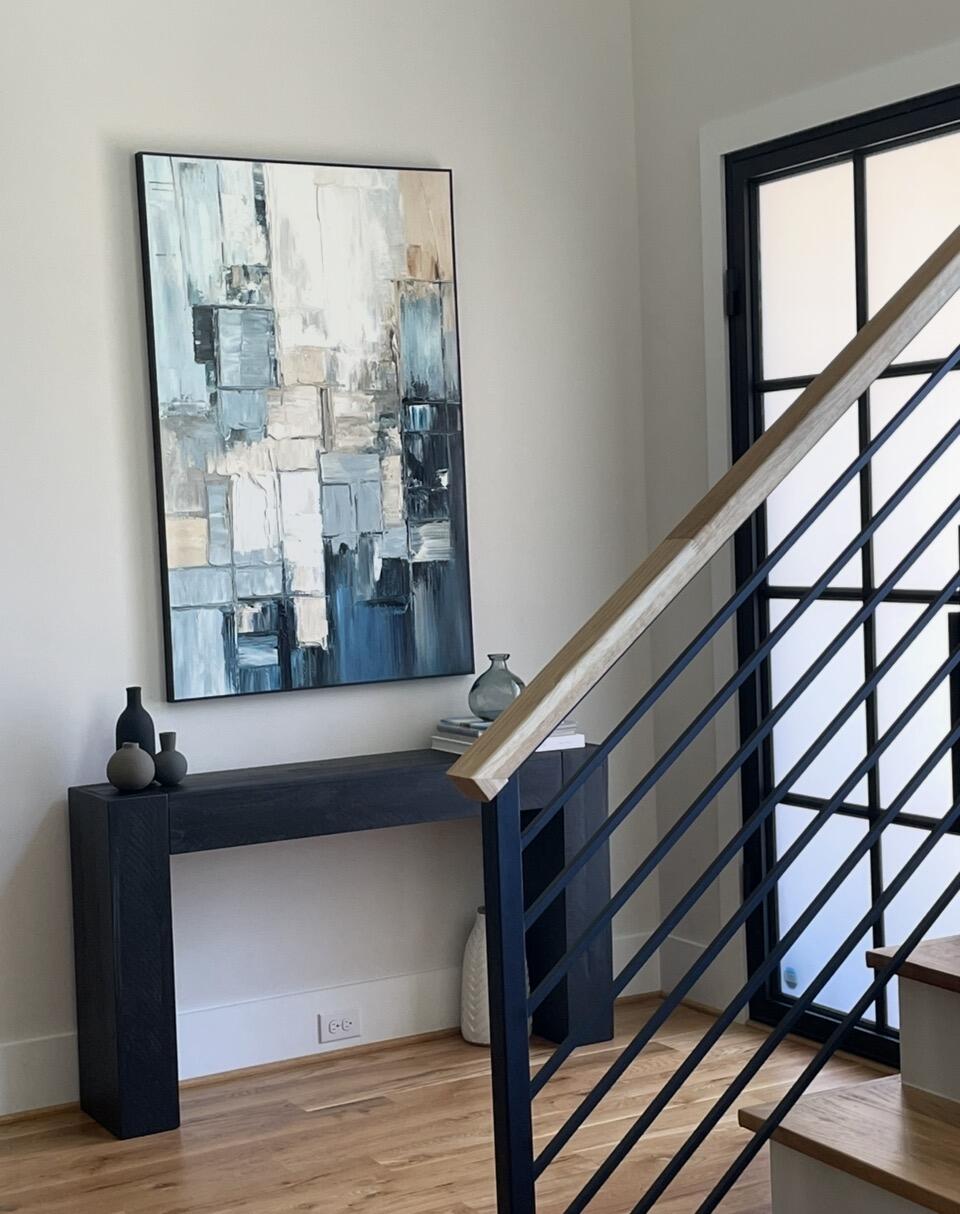
Texture is one of the clearest reasons originals often feel more dimensional. Raised paint, visible brushwork, and uneven surface relief create real depth that changes how the piece reads in the room. A technical study on impasto artworks describes this as view-dependent appearance, which means highlights and shadows shift as you move.
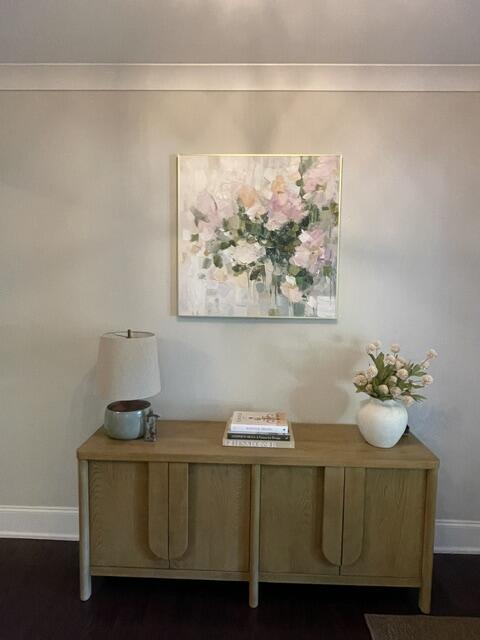
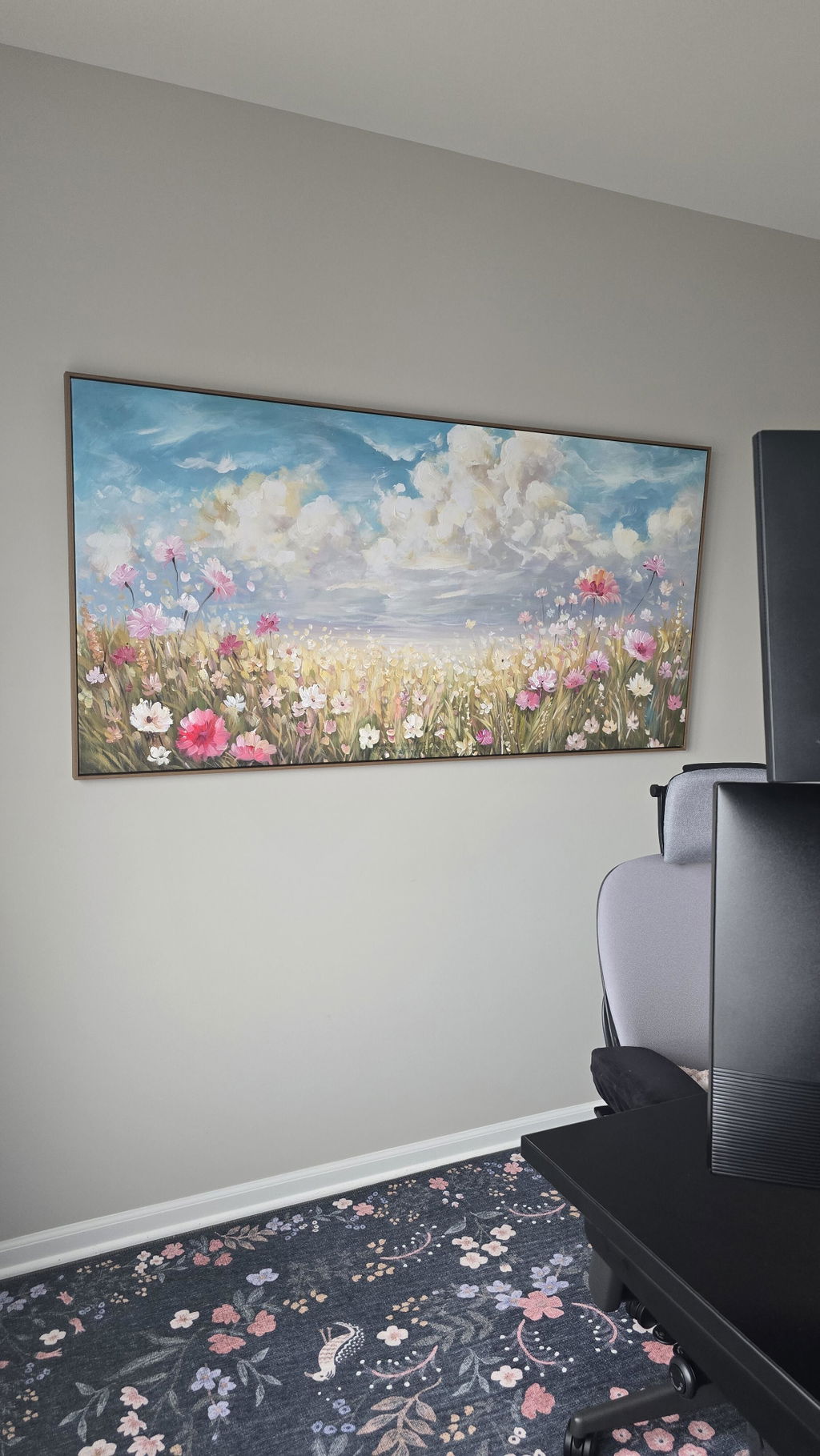
In plain language, the same painting can look a little different from the sofa, from a doorway, or from a side angle. That is part of why textured originals can feel more present than flat wall decor, especially on a focal wall where people will pass by and see the surface at different angles.

How Prints Flatten the Image
Prints can still look strong, especially when color and composition are the main priorities. What they do not recreate is the physical buildup of paint. The image may be detailed, but the surface is usually more uniform, so the eye gets less shadow, less relief, and less tactile variation.
That difference matters most when the room needs a statement piece. If you want a piece to read as a physical object rather than just a picture, the original usually has the stronger presence. If you mainly want the image and a cleaner budget, the print is often the more efficient buy.
How Light Changes the Experience
Texture also changes the artwork across the day. Morning light, afternoon sun, and lamp light will pick up different parts of the surface, so the piece can feel more alive without changing its subject. That is one reason textured work often looks better in person than on a flat screen photo.
The practical takeaway is straightforward: if the wall gets varied lighting and the artwork matters in the room, texture is not a minor detail. If the piece will sit in a lower-priority corner, the dimensional advantage matters less and the print becomes easier to justify.
What the Price Gap Usually Covers
The price gap between original art and prints usually comes from four things: labor, uniqueness, production method, and finishing. An original is hand-built layer by layer, while a print is reproduced from an existing image. In appraisal language, that difference matters because originals and reproductions are not valued the same way.
| Factor | Original Hand-Painted Art | |
|---|---|---|
| Creation method | One-of-one, built by hand | Reproduced from an image |
| Uniqueness | Unique surface and marks | Repeatable image |
| Surface texture | Real paint buildup and variation | Usually flat or lightly textured at most |
| Finishing variability | Can vary by artist and medium | More consistent from copy to copy |
| Replacement ease | Harder to replace exactly | Easier to re-buy or reprint |
| Buyer fit | Best when uniqueness and presence matter | Best when affordability and consistency matter |
| What the higher price does not guarantee | It does not guarantee investment gains or perfect durability | It does not mean the piece is low quality by default |
That is why the original art vs print value for wall decor question should not be reduced to "which looks nicer." A print can be the smarter choice when you need a clean, predictable result at a lower cost. An original can be worth the premium when the room, the occasion, or your personal attachment makes uniqueness part of the value.
If you like to browse by style first and compare options from there, the hand-painted art value idea is useful context, and our canvas paintings collection is a practical starting point.
Longevity, Care, and Display Value
Originals and prints do not just age differently, they fail differently. Conservation guidance notes that artist-grade oil paints can offer long display life under the right conditions, and preventive conservation guidance also makes clear that durability depends on the materials used and the environment the work lives in.
The Smithsonian's conservation guidance adds the key boundary: paintings can suffer mechanical stress, while prints on paper are more sensitive to light and humidity. different failure modes That means longevity is not a simple "originals last longer" answer. It is a question of medium, framing, light exposure, and handling.
Here is the practical version:
- If the piece will live in bright light, check how the materials are described and whether the work is protected from direct sun.
- If the piece will be moved often, think about handling and surface stress, not just image fading.
- If it will hang in a room where style changes frequently, replaceability may matter more than preservation.
- If it is a long-term display piece in a main room, the more substantial feel of an original may justify the extra care.
For many buyers, the real decision is not "which lasts forever." It is "which is easier to live with in this room for the next few years."
Which Option Fits Your Budget and Goal
Choose a Print When
Choose a print when the budget matters most, when you want a simpler swap later, or when the room is temporary. Prints also make sense if you care more about the image than the surface, or if you need multiple pieces that look cohesive across a home or office.
Choose an Original When
Choose an original when the wall is a focal point, when texture and uniqueness matter, or when you want the piece to feel special every time you walk past it. That is where original hand-painted art worth the price becomes a clearer yes, because the premium is buying a more personal object, not just a different file type.
What to Check Before You Buy
Before checkout, confirm whether the listing says original, print, or limited edition. Then compare size, framing, finish, shipping, and return policy on the same basis. A cheaper listing can become less attractive once you add framing or shipping, while a more expensive original can make more sense if it arrives ready to display.
If you are comparing styles, start with abstract paintings, then narrow to the finish and room fit that matter most. For a more tactile look, textured wall art is the better browse path than a flat print category.
Bottom Line on Value
The premium for an original usually buys uniqueness, physical depth, and a more personal ownership experience. A print still makes sense when cost, flexibility, and easy replacement matter more. If the piece needs to carry the room for years, lean original; if you want the look at a lower cost, lean print.
FAQs
Are Original Paintings Worth More Than Prints?
Usually, yes, because originals are one-of-one hand-made objects and prints are reproduced objects. That said, "worth more" is not the same as "better for every buyer." If your main goal is lower cost, easy replacement, or consistent styling across several rooms, a print may deliver more value for your situation.
Does Original Art Hold Value?
It can, but that depends on the artist, the market, and the specific work. Do not treat emotional value, decorative value, and resale value as the same thing. If you are buying mainly for the room, judge the piece by how long you expect to enjoy it and how important uniqueness is to you.
What Is the Difference Between Original Canvas Art and Prints?
Original canvas art is physically created by hand on the surface you hang, while a print reproduces an image onto another material. The biggest buyer-facing differences are texture, uniqueness, and how the piece feels in the room. If you want real surface variation, original is the category to check first.
Why Are Impasto Oil Paintings More Expensive?
Impasto takes more material handling and more labor because the surface is built up in thick layers. That usually increases creation time and makes each piece more unique. If the extra cost is mostly about texture, inspect close-up photos and side-angle views so you know you are paying for a real surface, not just a printed effect.
Can a Print Look Similar to an Original in a Room?
Yes, especially from a normal viewing distance. The image can look very close even when the surface is different. The key boundary is texture: a print can mimic the picture, but it cannot recreate the same physical paint relief or the changing highlights that make an original feel dimensional.