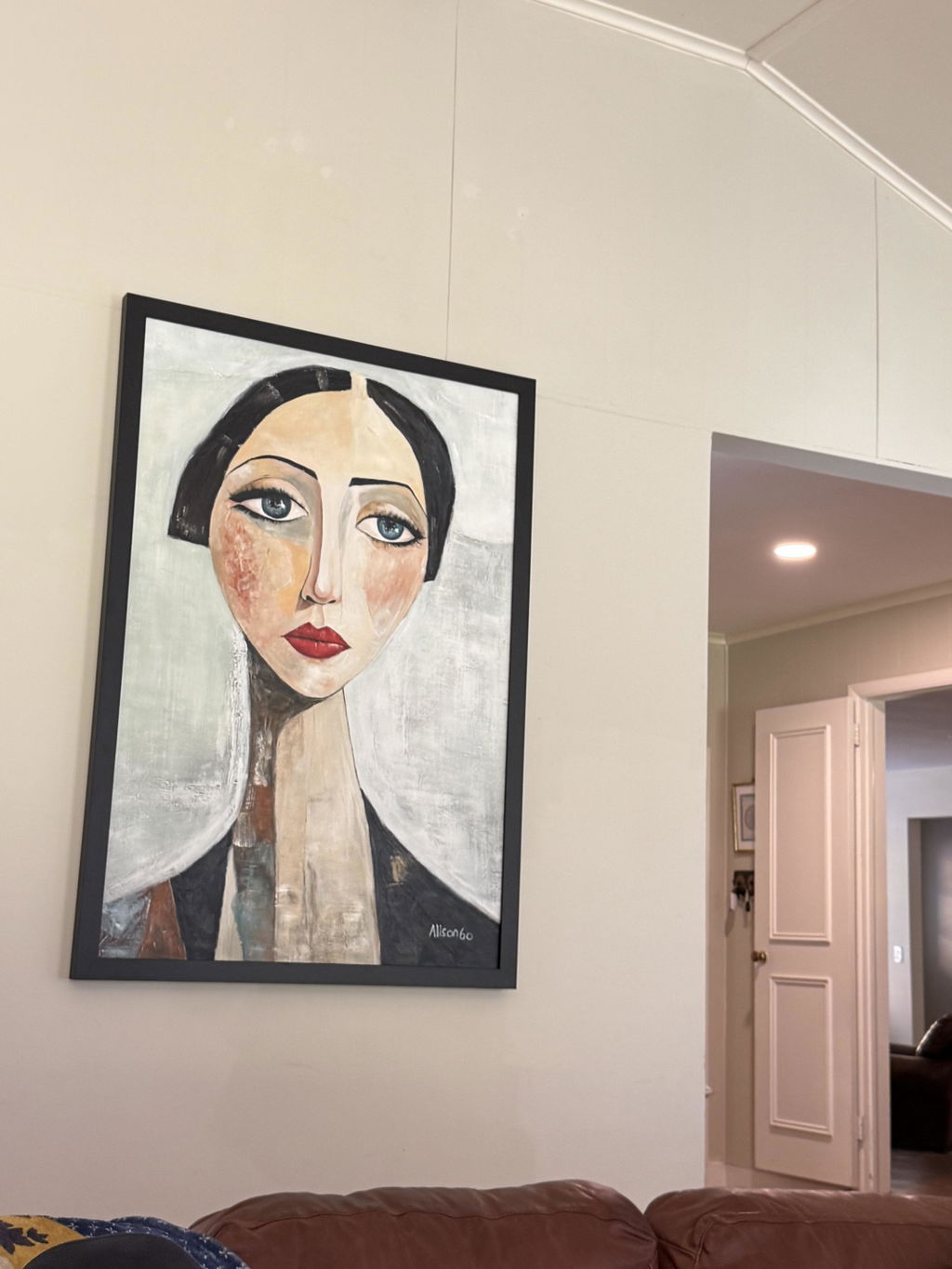
The Mystery of the Inner Glow: Why Oil Paintings Breathe
There is a specific, almost supernatural quality to a hand-painted oil masterpiece that a digital print can never quite capture. Collectors often describe it as an "inner glow" or a "shimmering depth." While many attribute this to the artist's soul, the reality is grounded in a fascinating intersection of optical physics and chemical engineering.
As the high-end art market shifts away from overpriced auction vanity pieces—with sales of works over $10 million plummeting 44% in 2024 according to Marketplace—consumers are returning to art with "real application value." Homeowners and designers are increasingly seeking custom hand-painted murals and canvases that offer emotional resonance and tactile depth.
This article deconstructs the science of luminosity, explaining how oil layers trap, bend, and release light to create a visual experience that digital replicas, valued 62% lower by consumers in Columbia University perception studies, simply cannot replicate.
The Physics of Refraction: The 1.48 Factor
The secret to oil painting’s luminosity begins with a property called the Refractive Index (RI). This is a dimensionless number that describes how fast light travels through a material compared to a vacuum.
In a typical oil painting, the pigment particles are suspended in a binder, most commonly cold-pressed linseed oil. According to standard optical data, linseed oil has a refractive index of approximately 1.48 to 1.49 (SpecialChem). In contrast, the air in your living room has a refractive index of 1.00.
When light waves travel from the air into the oil film, they encounter a significant change in RI. This causes the light to slow down and bend—a process known as refraction.
How Light "Traps" Inside the Layers
Because the oil binder is relatively transparent, light does not simply bounce off the surface as it does with a flat, matte print. Instead, it penetrates the surface, travels through several microns of oil, hits a pigment particle, and is reflected back out. However, because of the RI difference, a portion of that light is reflected internally back into the paint layer before eventually escaping. This "ping-pong" effect within the paint film is what creates the perception of depth.
Logic Summary: Our analysis of luminosity assumes a standard viewing environment with white light. The internal reflection model is based on the Fresnel equations, which dictate that the greater the difference in refractive indices between layers, the more light is reflected at the boundary.

Glazing vs. Scumbling: Engineering the Optical Path
Professional oil painters do not just "apply color." They engineer an optical path using two primary techniques: glazing and scumbling.
1. The Glazing Mechanism (Subtractive Color)
A glaze is a thin, transparent layer of paint applied over a dried, opaque layer. Because the pigment concentration in a glaze is low, light passes through it, reflects off the bottom opaque layer, and passes back through the glaze to the viewer's eye.
This creates a "gem-like" brilliance. According to the Getty Conservation Institute, this effect is governed by the Kubelka-Munk equation, where the final color seen is the result of specific absorption (K) and scattering (S) coefficients of the layered pigments.
2. The Scumbling Mechanism (Light Scattering)
Scumbling involves applying a thin, opaque, or semi-opaque light-colored layer over a darker one. This utilizes Rayleigh scattering—the same physical principle that makes the sky appear blue. The small pigment particles in the scumble scatter shorter (blue) wavelengths of light more effectively than longer (red) wavelengths, creating a "cool" atmospheric haze that adds three-dimensional volume to the work.
| Technique | Optical Principle | Visual Result | Application |
|---|---|---|---|
| Glazing | Internal Reflection | Deep, saturated, "inner" glow | Shadows, skin tones, jewels |
| Scumbling | Rayleigh Scattering | Misty, atmospheric, opaque | Clouds, distance, highlights |
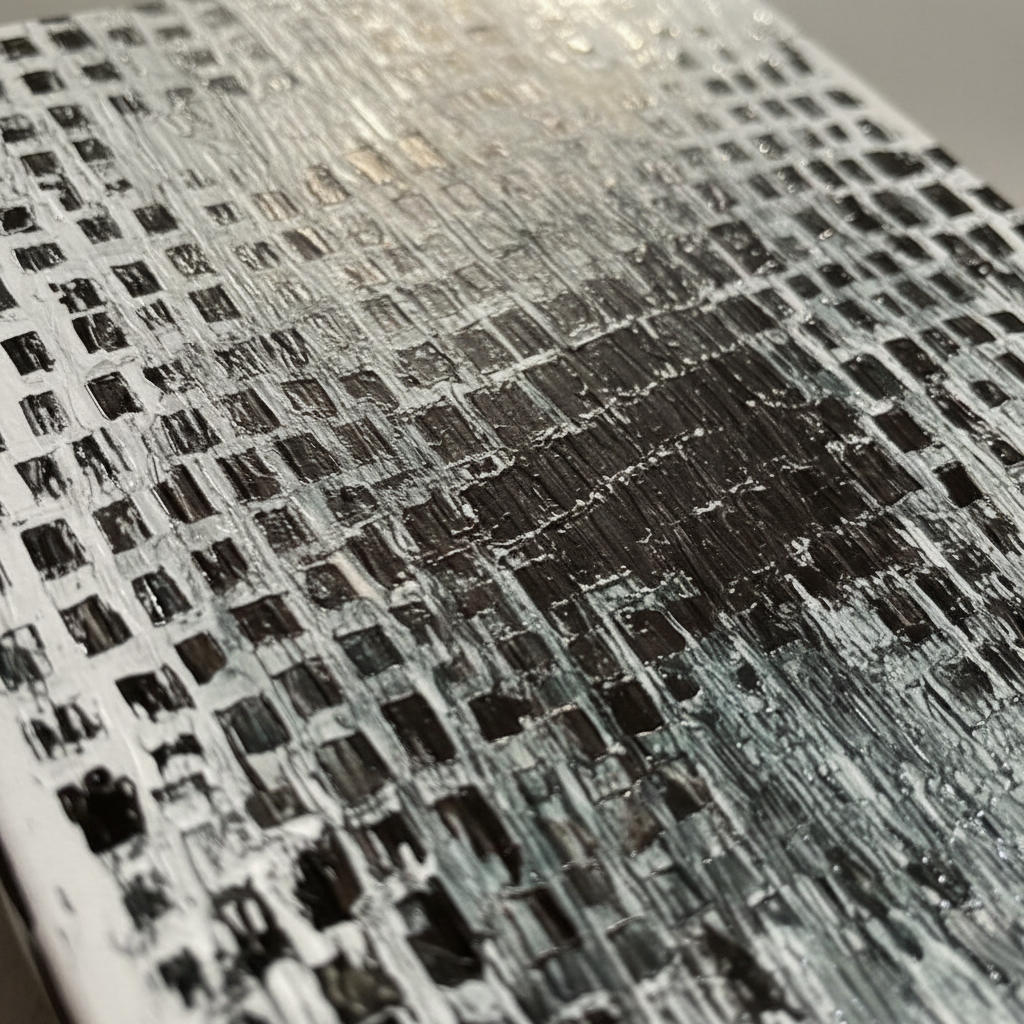
| Impasto | Surface Geometry | High-contrast shadows/highlights | Focal points, texture |
Particle Size and the "Hiding Power" of Pigment
The luminosity of a painting is also dictated by the physical size of the pigment particles. In the world of high-end artist materials, particle size distribution (PSD) is the "lifeline" of quality control (Beckman Coulter).
- Fine Particles (< 5 Microns): These create smooth, transparent transitions. Because they are smaller than the wavelength of visible light in some cases, they scatter less and allow for the deepest glazes.
- Large Particles (10-20 Microns): These are often found in earth pigments or "historical" grinds. They produce a pronounced texture and higher opacity (hiding power).
A common mistake in mass-produced "art prints" is the use of uniform, ultra-fine ink droplets. While this creates a sharp image, it lacks the "metamerism" of real oil paint—the way a color changes slightly depending on the angle of the light. Hand-painted works use varying particle sizes that interact with light in a non-linear fashion, providing a dynamic visual experience as you move across the room.
The Professional Lighting Guide: 30-45 Degrees
To maximize the luminosity of an oil painting, the environment must be as carefully engineered as the art itself. A common mistake collectors make is placing high-intensity overhead lighting directly above the frame. This "flattens" the visual depth by creating a single, harsh point of reflection.
The 30-45 Degree Rule: Professionals recommend angled side lighting at a 30 to 45-degree angle relative to the wall. This angle ensures that the light enters the oil layers at an oblique path, maximizing the distance it travels through the binder and pigments before refracting back. This enhances the "relief" of the brushstrokes and prevents the "veiling glare" that occurs when light reflects directly into the viewer's eyes.
Methodology Note: This lighting heuristic is derived from standard gallery practices designed to minimize specular reflection (glare) while maximizing the diffuse reflection that reveals color and texture.

Beyond Beauty: The Psychological and Health Impact
The decision to choose hand-painted oil art over digital alternatives isn't just an aesthetic one; it's a wellness choice. Research from the University of Pennsylvania (UPenn) found that 73% of patients reported significant mood improvements when exposed to environmental artworks.
Biophilic Design and Stress Reduction
Large-scale murals, particularly those featuring natural landscapes (Biophilic design), produce the same stress-reduction effects in the brain as being outdoors (University of Central Arkansas). This is why hand-painted walls are becoming a standard in high-end healthcare and corporate offices.
The Safety of Modern Pigments
While historical oil paintings often used toxic lead or mercury-based pigments, modern premium art focuses on safety. We prioritize low-VOC (Volatile Organic Compound) paints that meet strict Indoor Air Quality (IAQ) standards. According to the EPA, low-VOC paints are essential for achieving LEED certification in commercial developments, ensuring that the "glow" of your art doesn't come at the cost of your health.
The Ethical Choice: Supporting Human Artistry
In an era of generative AI, the "essential identity" of a piece of art has become its most valuable asset. University of Chicago research shows that consumers perceive digital replicas as lacking a "soul," leading to a collapse in perceived long-term value.
Furthermore, ethical consumption is at the forefront of the modern art buyer's mind. A Wharton School survey found that 87% of consumers strongly agree that artists should receive fair compensation. By choosing hand-painted works, you are supporting a freelance workforce that, according to the NYC Comptroller, remains financially vulnerable despite the growth of the creative economy.
Protecting Your Investment: Longevity and Care
Unlike acrylics, which form a film through simple evaporation (coalescence), oil paintings undergo a complex chemical process called oxidative cross-linking. This means the paint continues to "cure" and harden for months, or even years, after it appears dry.
Understanding "Support Induced Discoloration" (SID)
Advanced collectors should be aware of SID. As noted by Golden Artist Colors, water-soluble impurities in cotton or linen substrates can be drawn into the paint layers if not properly primed, causing a yellow or brown tint over time. This is why professional-grade priming and the use of high-quality linseed oil (which resists yellowing better than cheaper alternatives) are non-negotiable for lasting luminosity.
Cleaning and Maintenance
If your oil painting loses its luster, it is often due to the migration of surfactants or the accumulation of surface dust. Tate Modern research warns that while acrylics are moisture-sensitive, oil paintings are sensitive to heat. Avoid placing your art near radiators or in rooms with extreme temperature fluctuations, which can cause the binder to separate or melt.
Investing in a Cultural Heritage Asset
Ultimately, a hand-painted oil work is not just decor; it is a non-renewable cultural heritage asset (PMC). Its luminosity is a physical record of human attention—a biochemical crystallization of thousands of brushstrokes and optical decisions.
By understanding the physics of light refraction and the chemistry of the oil medium, collectors can better appreciate why their walls seem to "breathe" with life. In a world of flat screens and digital noise, the depth of an oil layer remains a rare, tangible luxury.
Disclaimer: This article is for informational purposes only. When handling professional art supplies or planning large-scale installations, consult with a certified art conservator or an environmental health and safety professional regarding pigment toxicity and structural requirements.
References
- The Art Basel and UBS Art Market Report 2024
- WHO Scoping Review on Arts and Health
- Columbia University: Human-Made vs. AI Art Study
- Getty Conservation: Color Science and Pigment Mixture
- IARC: Cadmium and Cadmium Compounds
- EPA: Indoor Air Quality and Low-VOC Paints
- UChicago: Does Artwork Preserve Essential Identity?
- UPenn: Visual Art in the Built Environment