Mounting Art in Rental Spaces: Non-Permanent Solutions
The global art market is undergoing a structural transformation. Recent data from Marketplace indicates that high-end auction sales for purely financial art assets plummeted 44% year-over-year in 2024. This retreat from "vanity" pieces signals a return to art with real application value—pieces that provide emotional resonance and physical presence in our living spaces. For the modern apartment dweller, however, this "real application value" often hits a literal wall: the lease agreement.
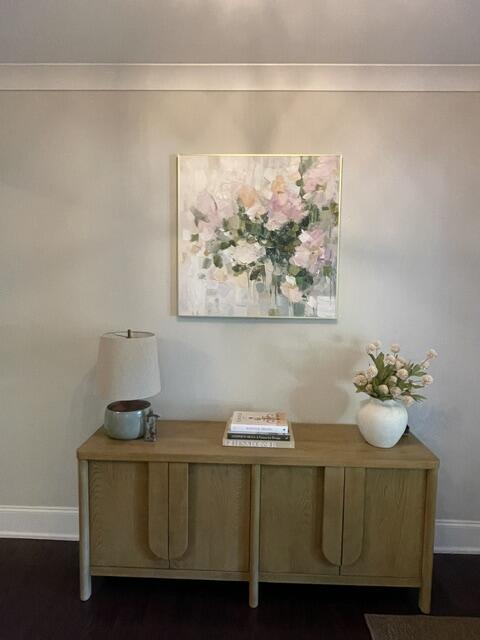
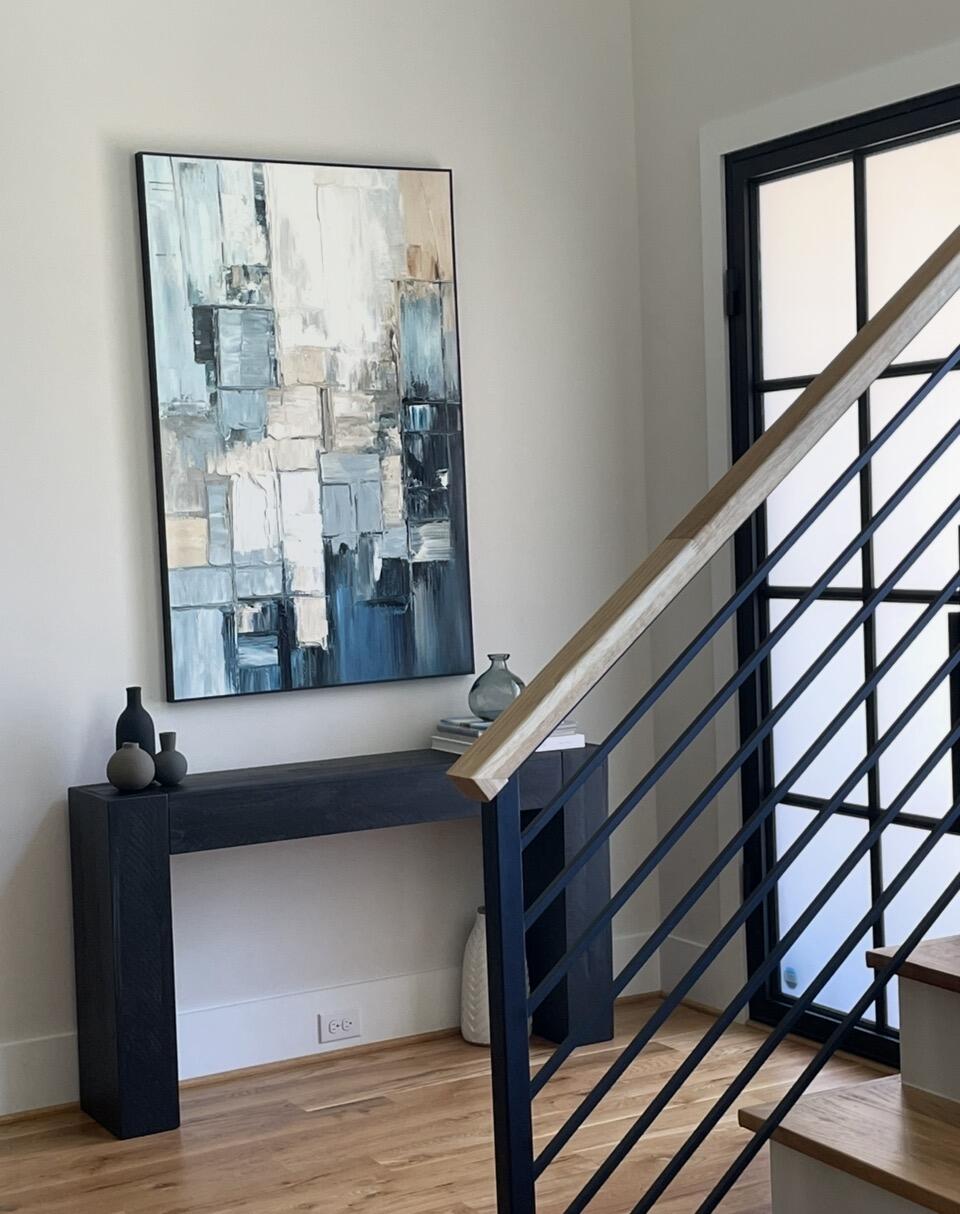
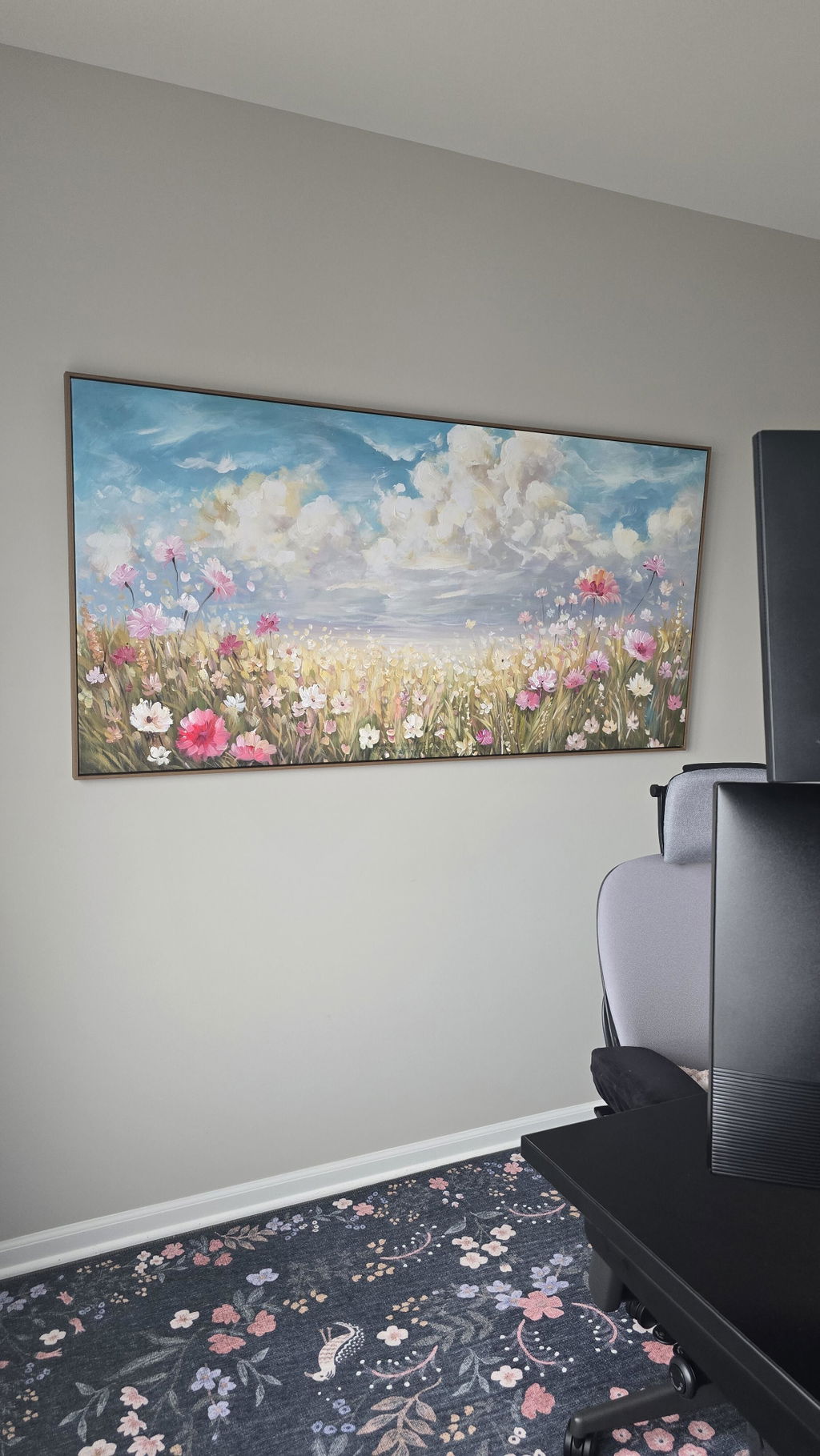
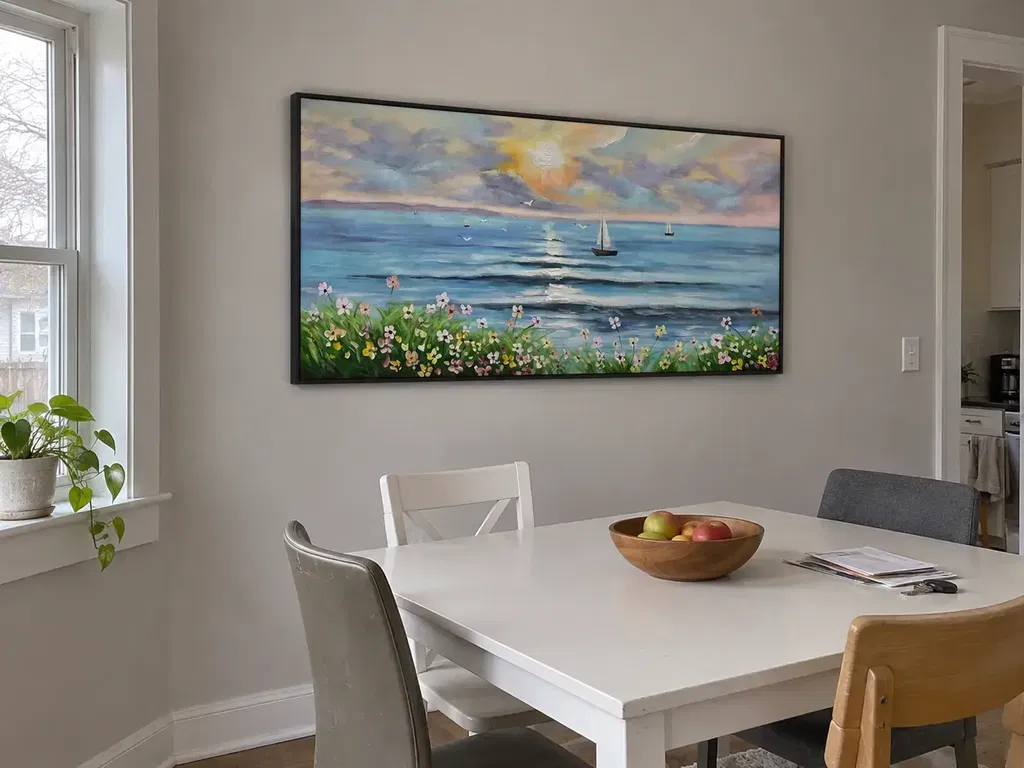
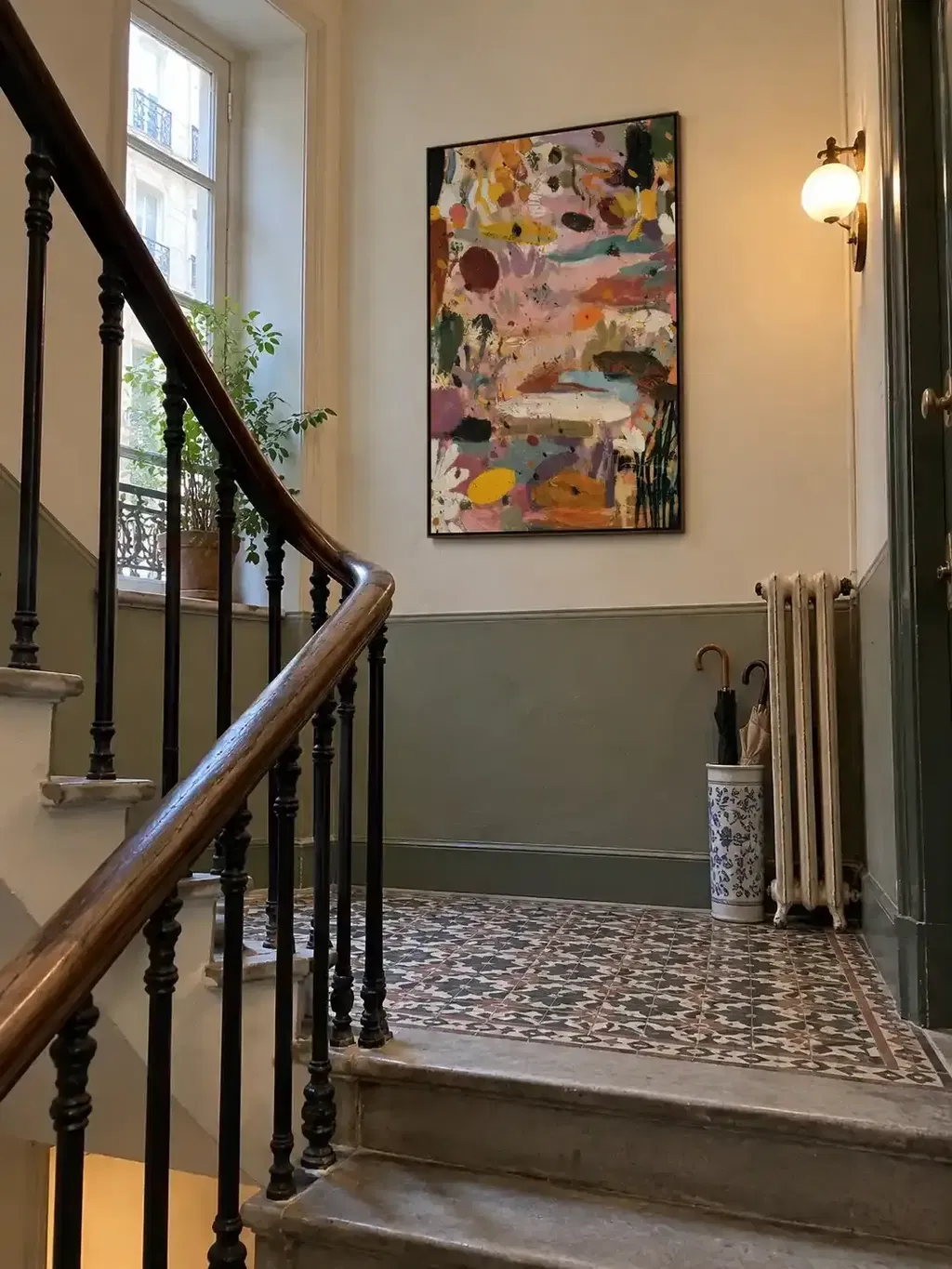
Personalizing a rental space with high-quality, hand-painted oil art is a powerful way to reclaim identity in a temporary environment. Yet, the fear of violating a lease or causing permanent damage to walls often leads residents to settle for cheap, lightweight posters or, worse, bare walls. This guide provides a professional-grade framework for mounting authentic, heavy-canvas art using non-permanent methods that respect both the integrity of the artwork and the terms of your rental agreement.
The Physics of Failure: Why Standard Adhesives Struggle with Fine Art
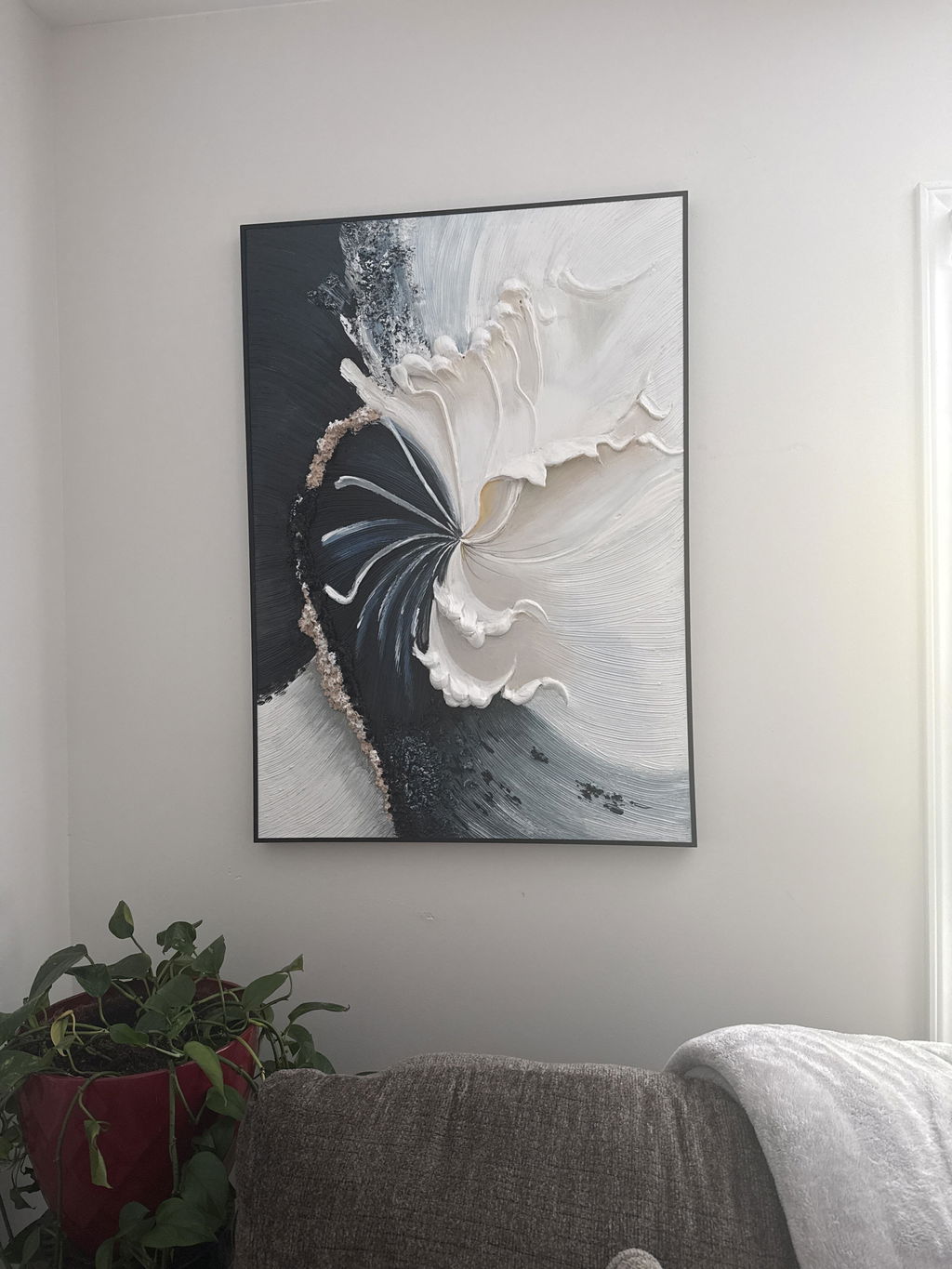
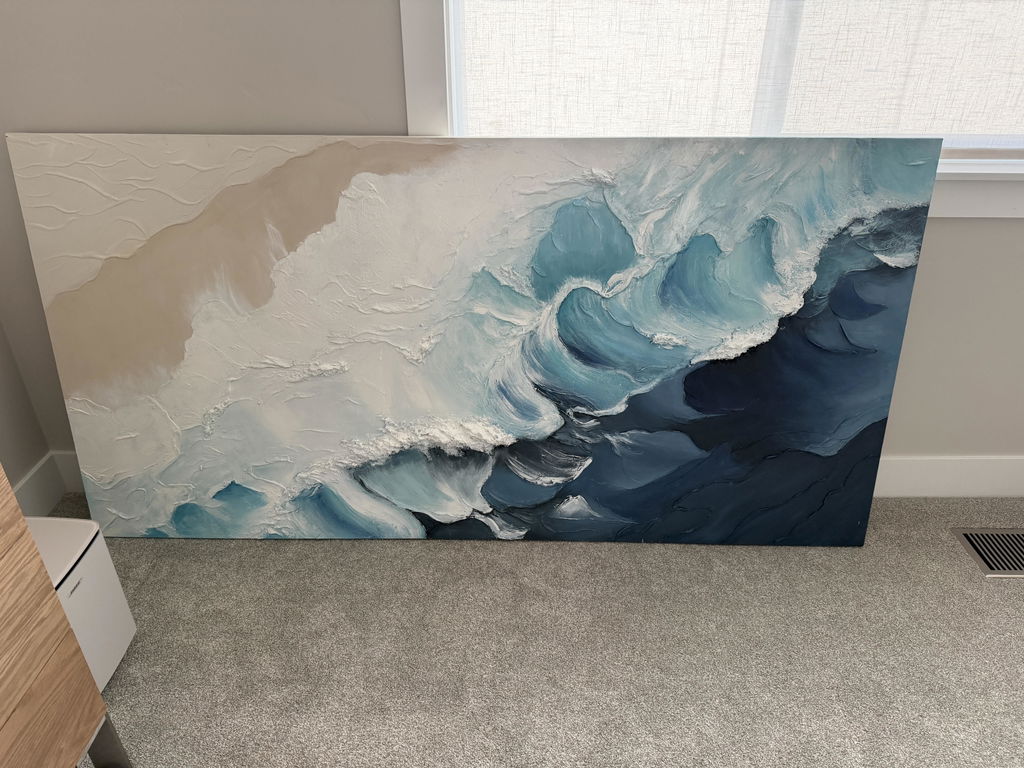
The most common mistake rental dwellers make is underestimating the physical demands of an original oil painting. While a digital print might weigh a few ounces, a medium-sized hand-painted canvas—complete with a solid wood stretcher bar and a professional frame—can easily exceed 20 lbs.
Conventional wisdom often points to adhesive-based mounting strips as the "gold standard" for damage-free hanging. However, based on our analysis of common patterns in customer support and installation feedback, these systems have critical limitations:
- Textured Surface Adhesion Loss: Research indicates that on textured surfaces like plaster with deep grooves or popcorn finishes, adhesion is drastically reduced by up to 70-80% (Source: Texture Gen). Even items within the manufacturer's weight limits may fail unpredictably due to the reduced contact surface area.
- The Canvas Weight Threshold: Standard Command strips are optimized for smooth, painted drywall. When applied to the back of a heavy oil painting, the sheer weight often exceeds the 8-12G inertial force resistance typical of temporary solutions, far below the 20G+ standard required for professional gallery security (Car Interior Alibaba).
- Residue and Paint Peeling: Adhesive products often leave chemical residues or, if removed improperly, pull away the top layer of latex paint—a direct violation of most security deposit clauses.
Logic Summary: Adhesion Modeling Our analysis of mounting failure assumes a standard 24"x36" framed oil painting (~15-18 lbs) and a "typical" rental wall (Grade B latex paint over drywall or plaster).
Parameter Value/Range Unit Rationale Average Canvas Weight 12 - 22 lbs Framed original oil on linen Strip Contact Area <40% % Estimated on textured plaster Inertial Resistance 8 - 12 G Typical temporary adhesive limit Failure Probability High - Weight > Adhesion capacity on texture

Professional-Grade Mounting: The "Minimal Anchor" Approach
If adhesives are insufficient for heavy art, how do professional curators handle rental installations? The answer lies in the "Minimal Anchor" philosophy—using systems that require the smallest possible physical footprint on the wall, which can be easily reversed with a pea-sized amount of spackle upon move-out.
1. French Cleat Systems with Removable Anchors
For paintings exceeding 15 lbs, a French cleat is the most stable option. It consists of two interlocking brackets: one mounted to the back of the painting and one to the wall.
- The Rental Hack: Instead of using heavy-duty lag bolts, use a French cleat designed for smaller, high-load anchors. Many landlords permit "picture nail" holes. By using a cleat that distributes weight across three or four small-diameter nails rather than one large screw, you maintain structural integrity while keeping the wall damage to a microscopic level.
2. Gallery Rail Systems (Ceiling or Tension Based)
The most sophisticated solution is a gallery rail system. These are common in museums and high-end residences.
- Ceiling Mount: A rail is installed along the junction of the wall and ceiling. Art hangs from transparent perlon cords or steel cables. This requires only a few holes in the ceiling trim—often overlooked during move-out inspections.
- Tension Rods: For smaller alcoves (4-12 feet apart), tension-based gallery rods can work, though they require perfectly parallel walls to avoid bowing and distortion of the art presentation.
3. The "No-Hole" Easel Display
When wall mounting is strictly forbidden, the floor-based easel is an underutilized aesthetic powerhouse. Beyond its functional role, an easel signals a "collector" aesthetic.
- Technical Constraint: Many renters overlook that easels need perfectly stable, even flooring. On uneven surfaces, a 20 lb painting becomes a tipping hazard.
- Safety Tip: Ensure the easel has a rear-locking leg and non-slip feet to prevent "walking" on hardwood floors.

The Psychological and Health Imperative for Original Art
Why go through the effort of specialized mounting? The benefits extend far beyond aesthetics. According to a UPenn review, 73% of individuals reported significant mood improvements when surrounded by environmental artworks. Furthermore, a WHO scoping review of over 3,000 studies confirms that art interventions effectively alter clinical indicators for mental health.
In a high-density urban environment, where cognitive fatigue is common, nature-themed or biophilic hand-painted murals have been shown to reduce stress-reduction effects in the brain similar to real outdoors (University of Central Arkansas). For the renter, a large-scale oil painting isn't just decor; it is a piece of "public health infrastructure" that optimizes emotional regulation circuits in the brain.
Conservation in Temporary Spaces: Protecting Your Investment
A common oversight when using temporary mounting or backing systems is canvas breathability. Oil paintings are organic, "living" objects. They undergo oxidative cross-linking over decades and are sensitive to environmental shifts.
- The 2mm Air Gap: When using any temporary backing or mounting system, ensure at least a 1-2mm air gap between the canvas and the wall. This prevents moisture buildup, which can lead to warping or mildew—a phenomenon documented by the Getty Conservation Institute regarding organic binders in wall systems.
- Avoiding "Support Induced Discoloration" (SID): In rental units with poor insulation, "Damp Walls" can cause water-soluble impurities in cotton or linen substrates to migrate through the canvas, causing yellow or brown tinting on the artwork. Maintaining that air gap is your first line of defense.
- Lightfastness and VOCs: Ensure your art is created with high-quality pigments. For example, while titanium dioxide dominates 90% of the white pigment market for its stability (NCBI), cheaper alternatives may fade. Additionally, for indoor health, verify that the artist uses low-VOC paints. Aalto University experiments prove that properly cured coatings emit significantly lower toxic VOCs than dry wood or untreated substrates (PubMed).
The Value of the Human Touch
In an era of AI-generated prints, the "essential identity" of a hand-painted piece holds a massive commercial and emotional premium. Columbia University experiments confirm that consumers value art labeled "AI-generated" 62% lower than authentic human-created art (Columbia Business School).
The microtopography of an oil painting—the millimeter-scale texture of the brushstrokes—is crucial to its aesthetic impact. Optical microprofilometry proves that this tactile relief stimulates intrinsic motivation and satisfaction in viewers in a way that flat prints cannot (Sensors Journal).

Summary of Mounting Solutions for Renters
| Method | Max Weight (Est.) | Wall Impact | Best For |
|---|---|---|---|
| Command Strips | <8 lbs | Zero (if removed correctly) | Lightweight prints, small canvases |
| Gallery Rails | 80kg+ (Heavy Duty) | Minimal (Ceiling junction) | Large collections, heavy frames |
| French Cleat | 50 lbs+ | 3-4 Pin-sized holes | Oversized statement pieces |
| Studio Easel | Unlimited | Zero | Renters with strict "no-hole" policies |
Creating a Permanent Home in a Temporary Space
Personalizing a rental is an investment in your well-being. Data shows that neighborhoods with higher "art" geo-tags experience greater relative house price ranking gains (Royal Society), and this "art effect" applies to the micro-level of your apartment as well. By using professional mounting techniques like French cleats or gallery rails, you can enjoy the Structural Stability of a permanent installation without the risk of losing your security deposit.
When selecting your next piece, remember that you are not just buying "decor." You are acquiring a "cultural heritage asset" (PMC) that provides a 7:1 ROI in terms of social and personal value. Don't let a lease agreement stand between you and the transformative power of original art.
Disclaimer: This article is for informational purposes only. Mounting art involves physical risks and potential property damage. Always consult your lease agreement and consider professional installation services for oversized or exceptionally heavy pieces. Ensure all materials used comply with local safety standards and Indoor Air Quality guidelines.
Sources
- Marketplace: The expensive art market continues to struggle
- UPenn: Visual Art in the Built Environment
- Columbia University: Human-Made vs. AI Art Study
- WHO: Scoping Review on Arts and Health
- Getty Conservation Institute: Organic Materials in Wall Paintings
- Royal Society: Quantifying the link between art and property prices