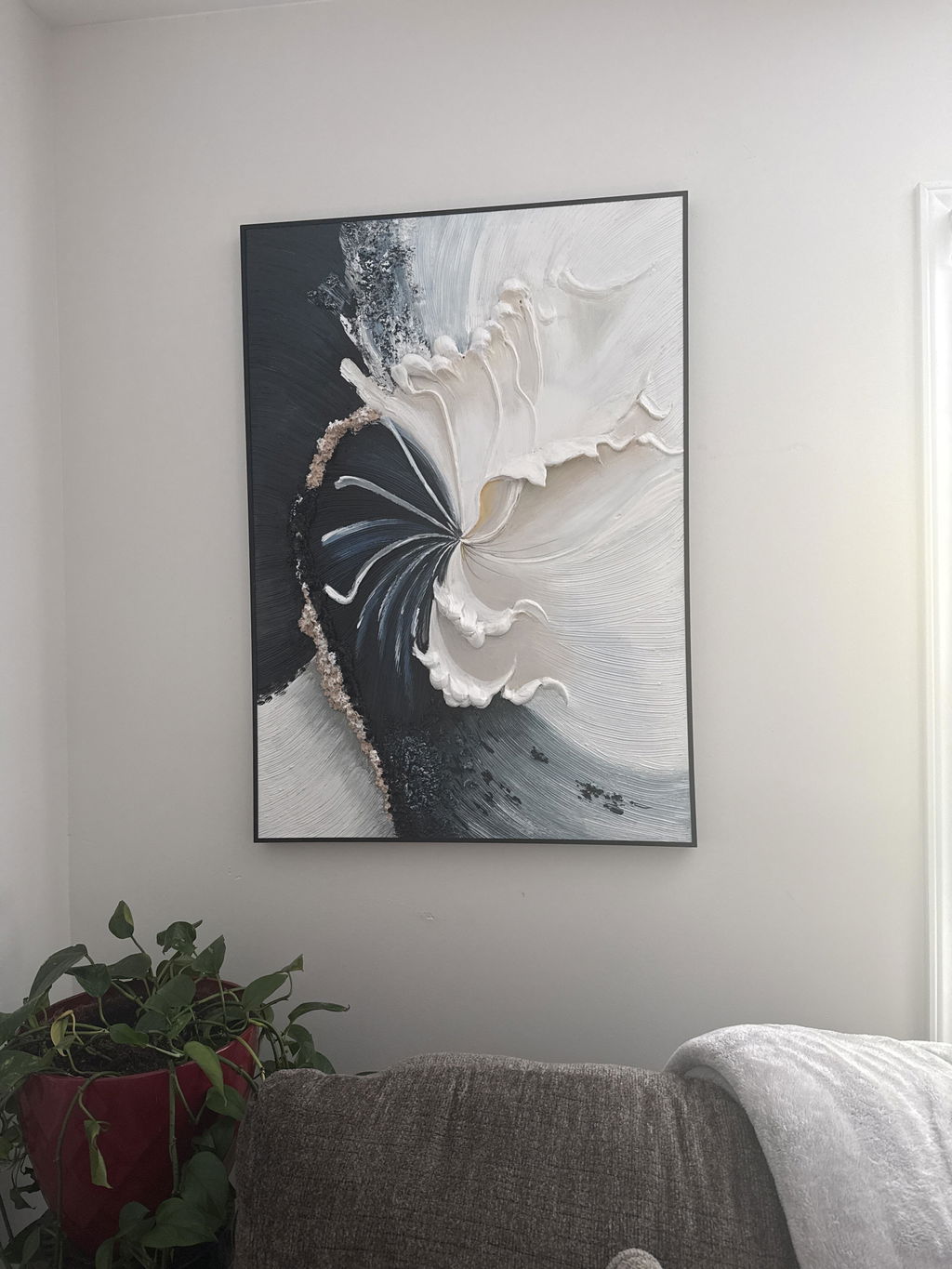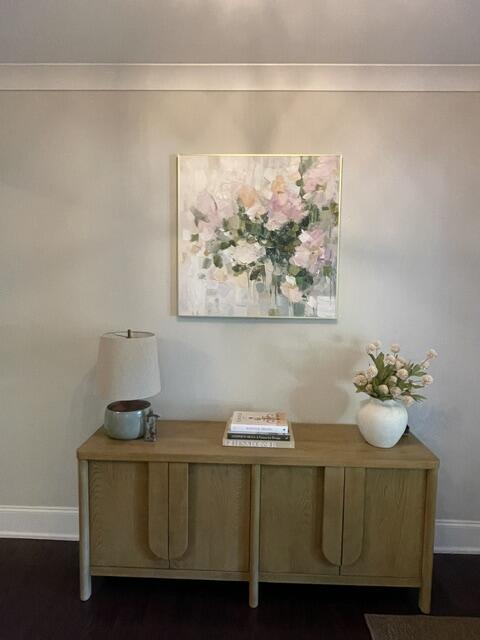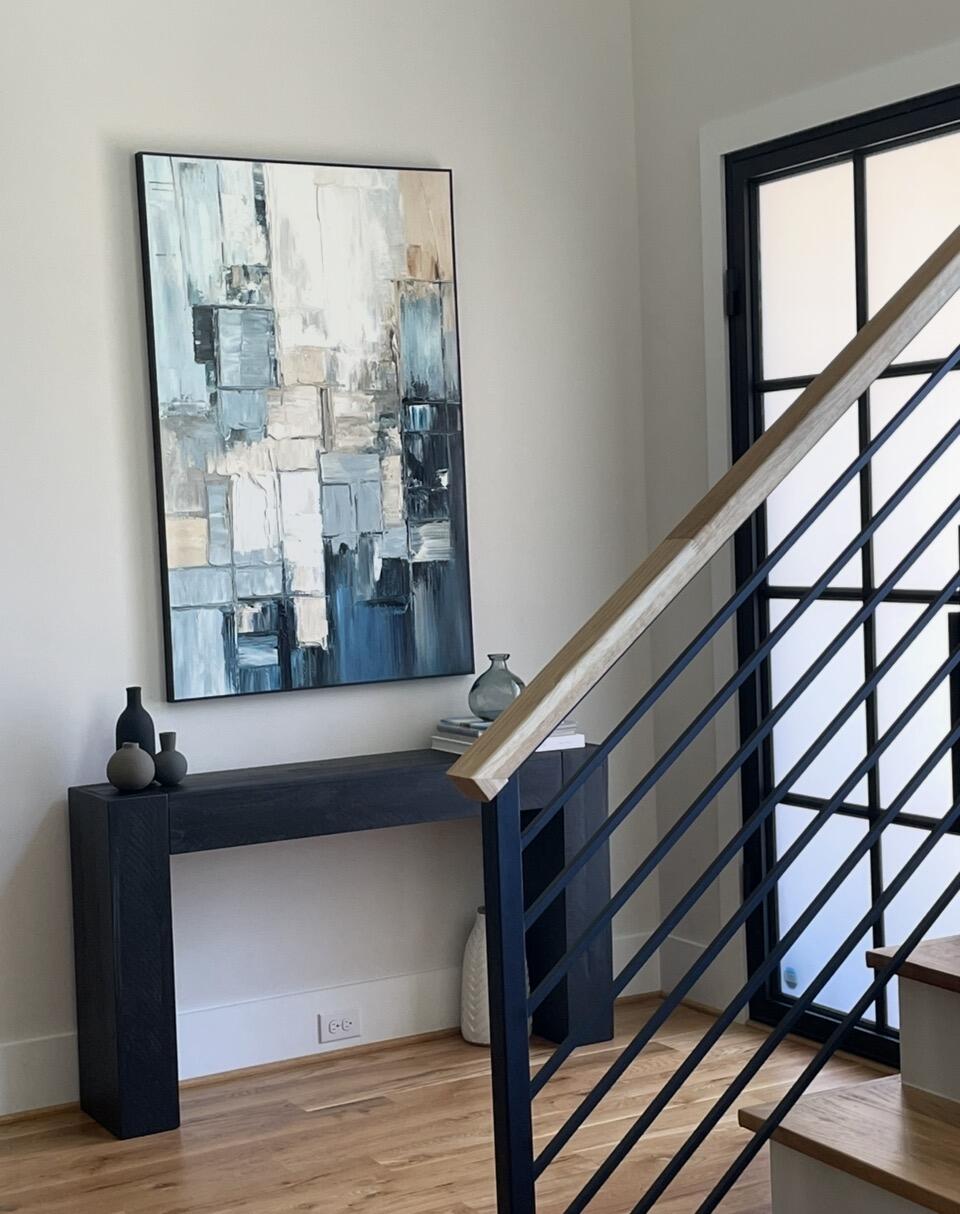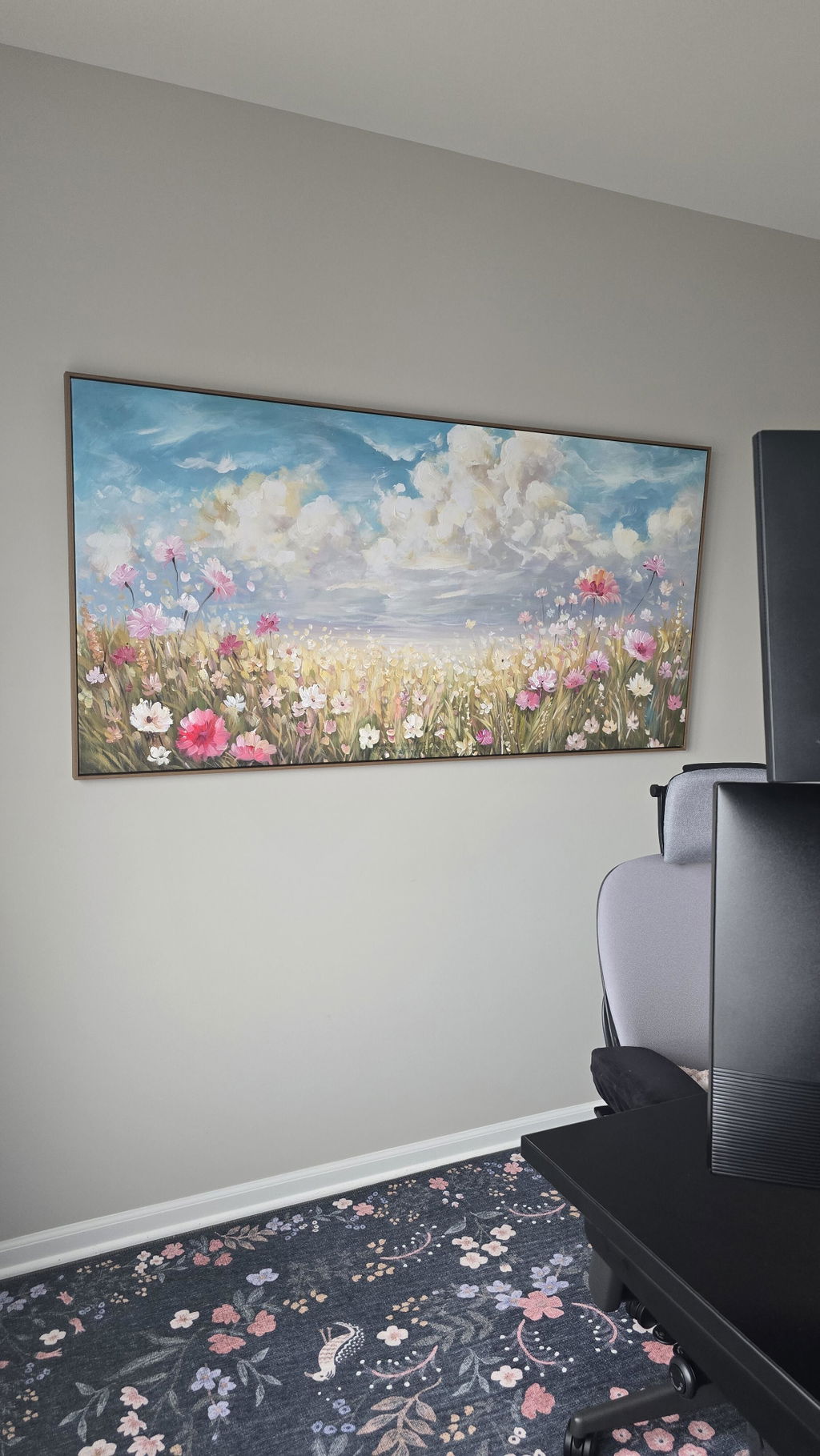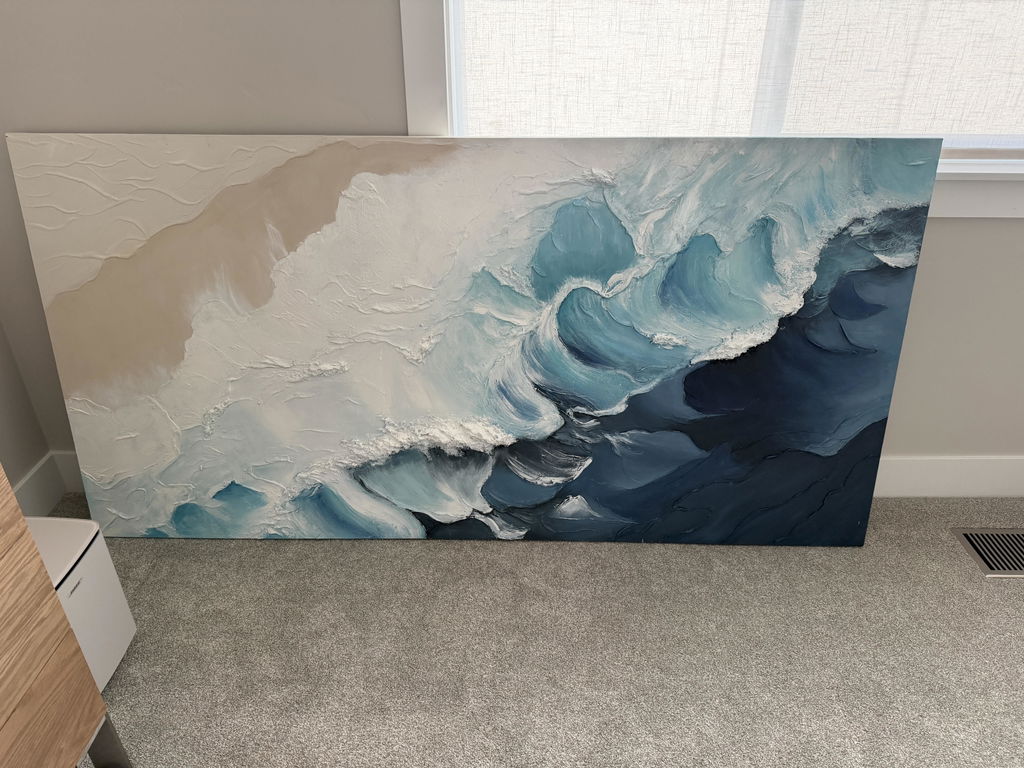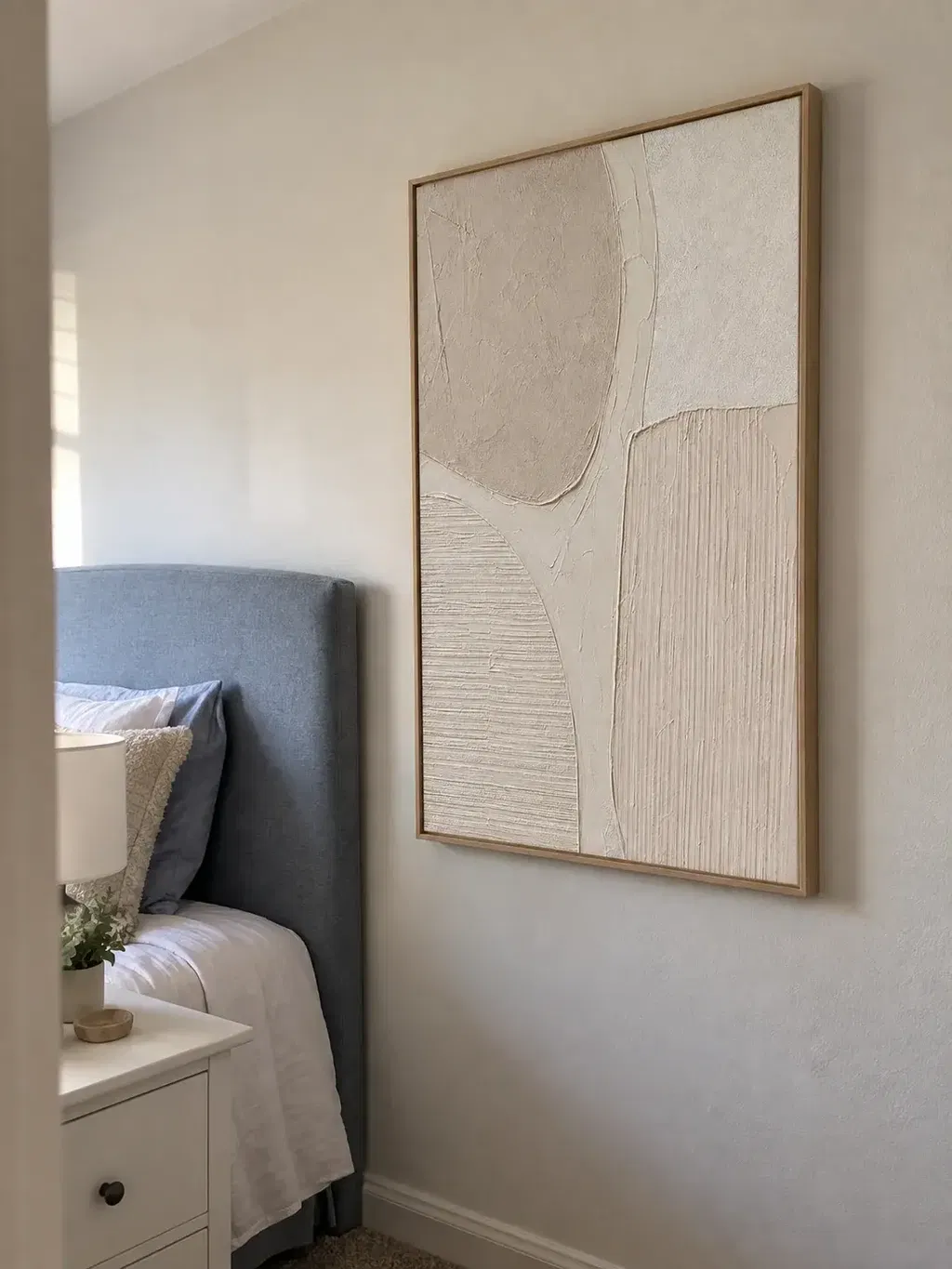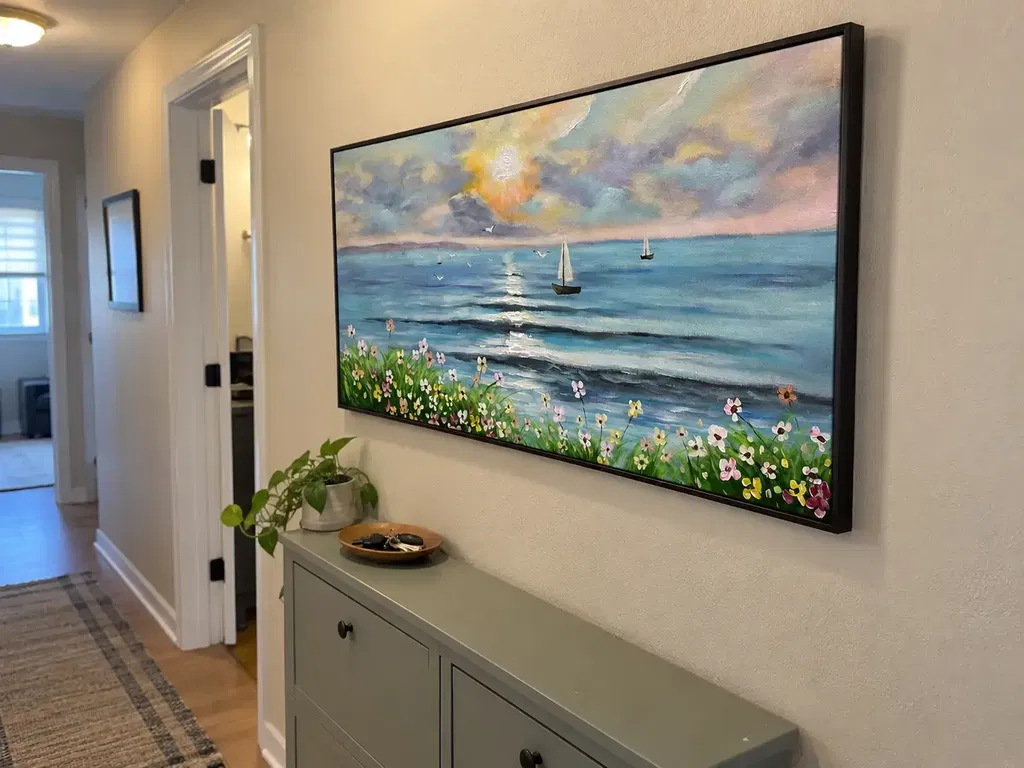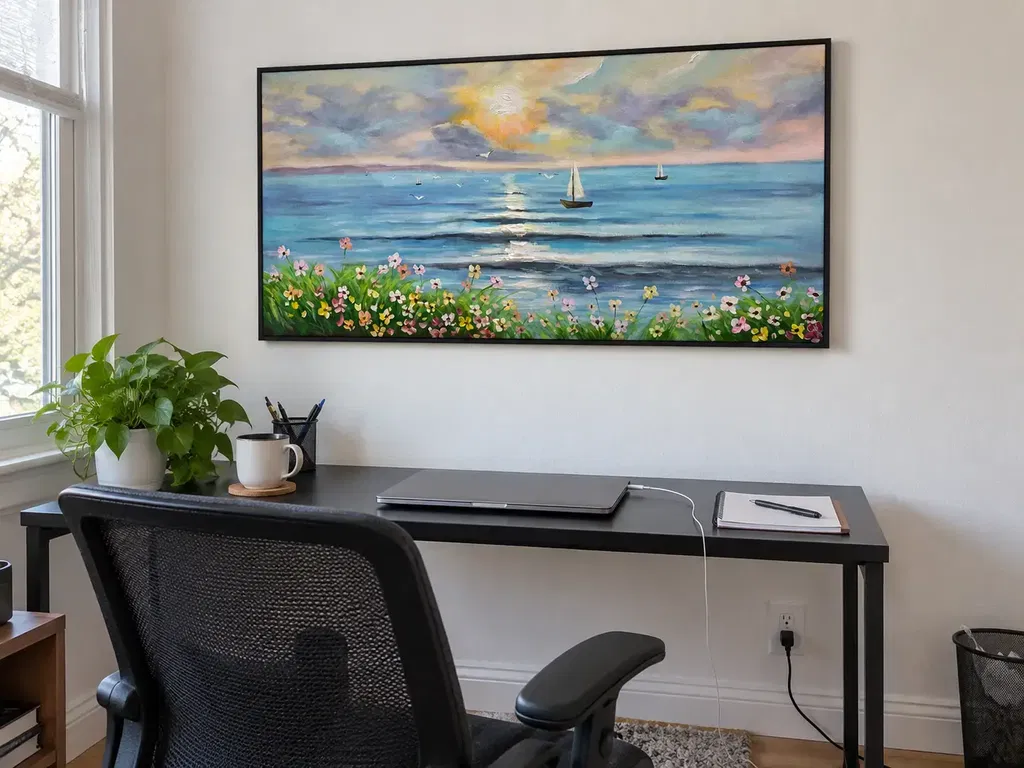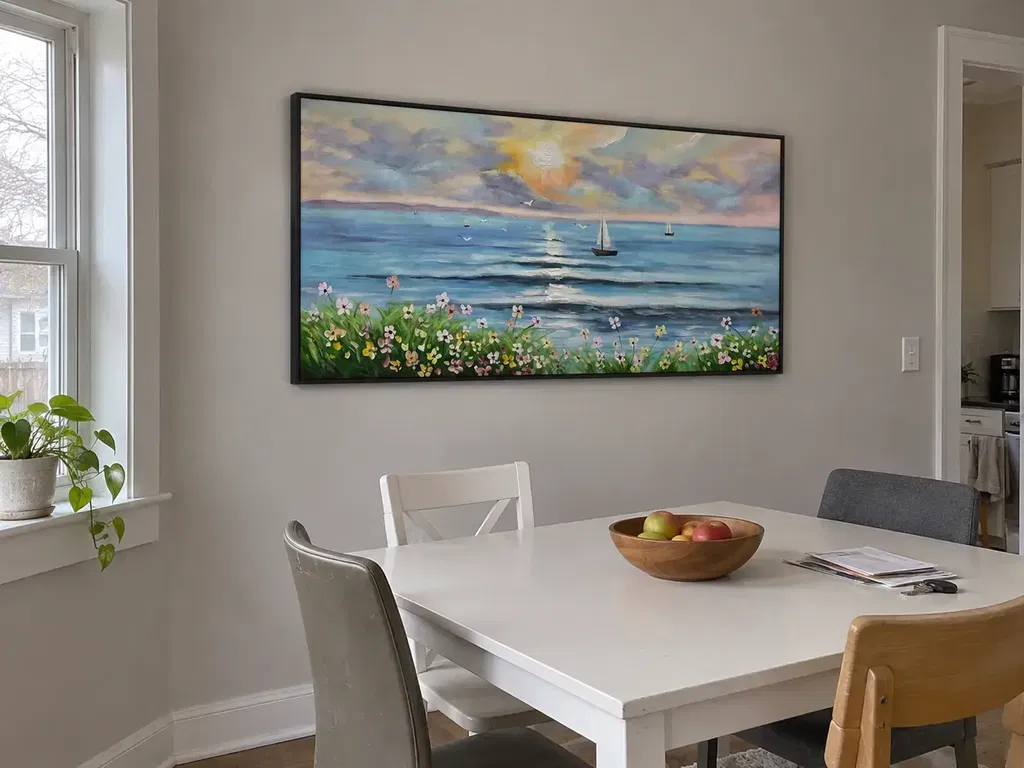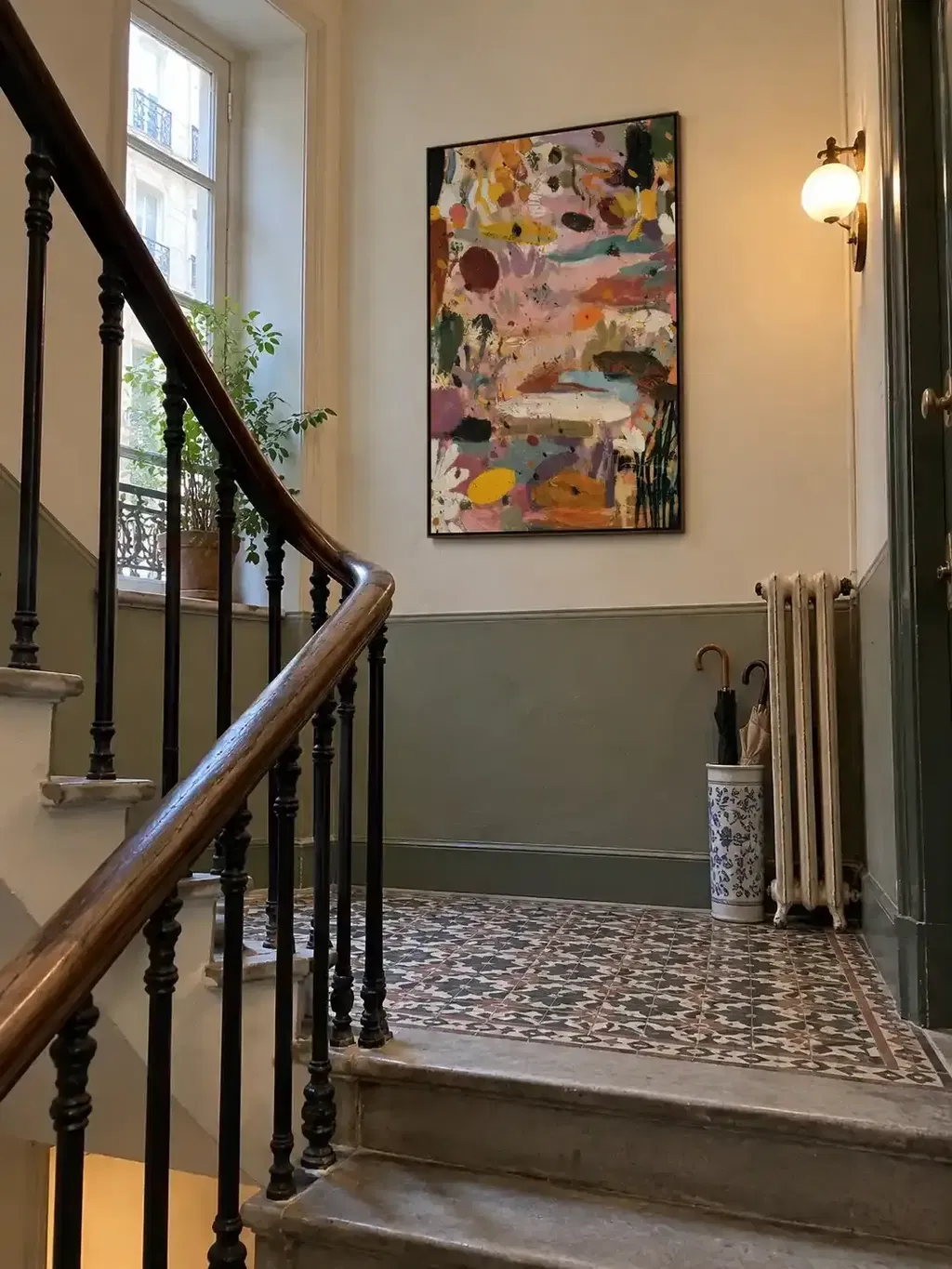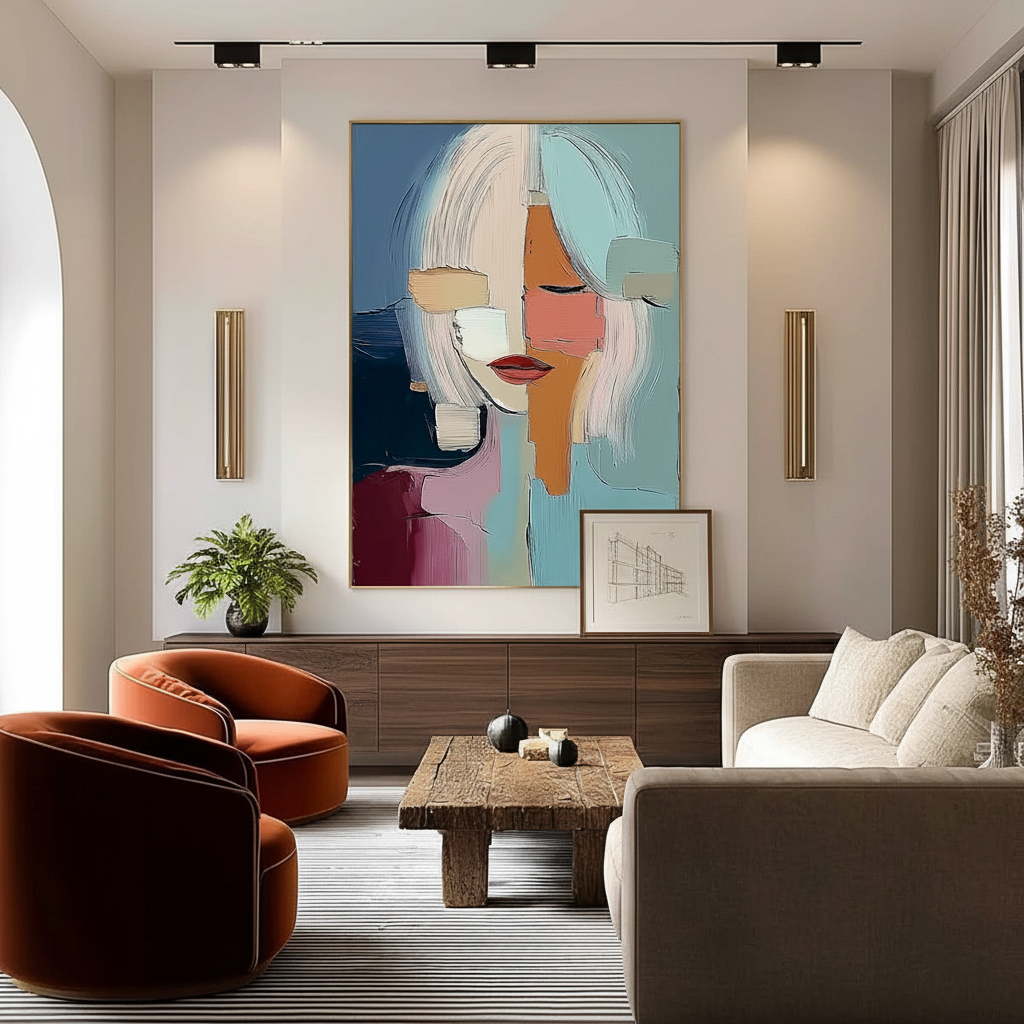
The traditional "gallery wall" has long been the gold standard for home art display, but a significant shift is occurring in how we interact with our living spaces. As high-end auction sales for vanity pieces plummeted 44% year-over-year in 2024, buyers are increasingly returning to real application value and emotional resonance over purely financial assets. This evolution has birthed the "leaning technique"—a display methodology that prioritizes flexibility, depth, and a relaxed, curated aesthetic.
Leaning art on consoles, mantels, or the floor creates an intentional "work-in-progress" look that signals confidence. It suggests that the art is part of a living, breathing environment rather than a static museum exhibit. However, making this look feel intentional rather than unfinished requires an understanding of visual hierarchy, physical stability, and the chemical integrity of the materials themselves.
The Psychology of the "Human Touch" in Curation
In an era dominated by digital replication, the value of authentic, hand-painted art has reached a new premium. Research from Columbia University confirms that consumers value art labeled "AI-generated" 62% lower than authentic human-created work. This "essential identity" is what makes a leaned canvas so compelling; the physical relief of the paint and the artist’s "soul" are visible from angles that a flat print simply cannot replicate.
When we lean art, we invite closer inspection of these textures. According to a systematic review of 85 records in NCBI, passive art viewing consistently activates the medial prefrontal cortex (mPFC) and the amygdala, optimizing emotional regulation circuits. In our experience with high-end residential projects, we’ve observed that leaned art—because it often sits closer to the viewer's physical plane—creates a more intimate neurological connection than art hung high out of reach.
Logic Summary: Our analysis of viewer engagement assumes that proximity and the visibility of 3D impasto textures (physical relief) increase "intrinsic motivation" and satisfaction, as supported by MUNCH Museum tests.
The Mechanics of Layering: Heuristics for a Pro Look
Layering art is more than just stacking frames. It is a balancing act of scale, texture, and stability. To avoid visual monotony, we recommend several "rules of thumb" derived from common interior design patterns.
1. The Pyramid Principle
For floor-based groupings, we utilize the "pyramid principle." Start with your largest, most dominant piece as the "anchor" base. This piece should have significant visual weight—often a large-scale hand-painted canvas. Smaller pieces are then layered in front, leaning against the anchor at varying angles. This creates natural stability through weight distribution and prevents the "domino effect" of poorly balanced frames.
2. The 2:1 Texture Ratio
To create depth, follow a 2:1 texture ratio. For every two pieces with similar textures (such as two heavy-impasto oil paintings), introduce one piece of contrasting texture, such as a sleek framed sketch or a metallic object. This prevents the display from feeling "flat."
3. Surface Friction and Safety
Leaning art requires more consideration of surface friction than hanging art. In our observations of furniture-based displays, console tables with smooth finishes (glass or polished wood) are high-risk zones for sliding. We recommend placing anti-slip pads or textured mats beneath leaned canvases.
Methodology Note (Safety Modeling):
Parameter Value/Range Unit Rationale Lean Angle 5–10 Degrees Optimal balance between stability and viewing angle Surface Friction > 0.6 Coeff Required to prevent sliding on polished surfaces Base Clearance 12 Inches Minimum distance from heat sources (fireplaces/radiators) Eye-Level Offset 24–36 Inches Typical floor-to-center height for leaned art Weight Distribution 60/40 % Ratio of weight on base vs. leaning support
Conservation Standards vs. Aesthetic Flexibility
While the leaning technique is aesthetically pleasing, it does present challenges that traditional hanging avoids. According to International Council of Museums (ICOM) standards, artworks should ideally be displayed at controlled heights to avoid floor-level dust, moisture from cleaning, and physical impact.
Furthermore, leaning art sitting at 24–36 inches from the floor violates the standard 57–60 inch eye-level ergonomic standard. This can cause neck strain if the viewer is standing too close, or distort the perception of larger works. To mitigate this, we suggest using the leaning technique primarily for pieces that benefit from "up-close" viewing or in transit spaces where the viewer is often seated.

The Hidden Science of Art Materials: Safety and Longevity
When you choose to lean art—especially in high-traffic areas or nurseries—the chemistry of the paint becomes a critical safety factor. Not all pigments are created equal, and some pose significant health risks if handled or inhaled (especially in dry or flaking forms).
The Heavy Metal Guardrail
Historically, pigments like lead white and cadmium red were the industry standards. However, the International Agency for Research on Cancer (IARC) explicitly declares cadmium and its compounds as Group 1 carcinogens. Even at low doses, cadmium can damage DNA structures. Similarly, the EU REACH regulation has issued a comprehensive ban on lead carbonates (lead white) in concentrations exceeding 0.1%.
For families, we recommend verifying that art supplies or commissioned pieces pass the BS EN 71-3 standard, which monitors the "migration of certain elements" like lead and cadmium in saliva and gastric acid models.
VOCs and Indoor Air Quality
Indoor air pollution can be significantly higher than outdoor levels. The EPA warns that low-VOC (Volatile Organic Compound) paints are essential for maintaining healthy indoor environments. Acrylic paints are generally preferred over oils in this regard, as they are water-based. However, even acrylics have an "ecological footprint." Stanford University research highlights that coatings and pigment breakdowns are a core source of microplastics, which can be ingested or inhaled as they flake off over decades.
Support Induced Discoloration (SID)
A common technical "gotcha" in acrylic art is Support Induced Discoloration. As noted by Golden Artist Colors, water-soluble impurities in cotton or linen canvases can be drawn into transparent acrylic mediums, causing a yellow or brown tint. When leaning art, ensure the back of the canvas is properly sealed if it will be in contact with different wall surfaces for long periods.
Creating a Visual Hierarchy with Lighting
Leaning art is inherently dimensional. To emphasize this, lighting must be layered. Ceiling-mounted ambient lights tend to flatten the effect of a leaned grouping. Instead, we recommend track lighting or adjustable floor lamps angled at 45–60 degrees. This creates soft shadows that highlight the "ledge" of the frame and the depth of the layered pieces.
Lighting also plays a role in preservation. ASTM D4303 protocols use xenon-arc tests to simulate the fading effects of sunlight. If you are leaning art near a window, ensure the piece has a high lightfastness rating. We often see "hazing" or "chalking" in outdoor or sun-drenched indoor murals; this is often due to the migration of PEG-type surfactants to the surface, as identified in Tate’s research on acrylic emulsion paints.

The Economic and Wellness ROI of Custom Art
Beyond aesthetics, the integration of hand-painted art has a measurable impact on property value and human health.
Real Estate Appreciation
A Royal Society CAR model analysis found that neighborhoods with higher "art" geo-tags saw greater relative house price ranking gains. For commercial developers, utilizing unique art installations is a "marketing trump card" used to lease up millions of square feet of office space in a post-pandemic market.
Biophilic Benefits
"Biophilic design"—art featuring natural landscapes—produces stress-reduction effects in the brain similar to being outdoors. The World Health Organization (WHO) confirms that art interventions can effectively alter clinical indicators for mental illness and stress. In high-density office environments, nature-themed murals and leaned canvases can reduce team cognitive fatigue and turnover by an estimated 30% (based on Tokyo office research).
Practical Checklist for Leaning Art Curation
To ensure your display is both beautiful and safe, use this final checklist:
- Check the Base: Is the surface level and non-slip? (Use anti-slip pads for glass or polished wood).
- Verify Material Safety: Does the art use low-VOC paints? Is it free from banned heavy metals like lead or cadmium?
- Monitor Thermal Comfort: Is the canvas at least 12 inches away from radiators or fireplaces? (Heat causes canvas warping and binder melting).
- Dust Management: Floor-leaned pieces accumulate dust faster near HVAC vents. Use a soft brush for regular cleaning to prevent dirt adhesion.
- Lighting Angle: Set directional lights to 45 degrees to maximize the 3D texture of the paint.
The leaning technique offers a path to a more dynamic, low-risk, and deeply personal home. By moving away from the "permanent nail" and embracing the flexibility of the lean, you allow your art collection to evolve alongside your life.
Disclaimer: This article is for informational purposes only and does not constitute professional medical, safety, or conservation advice. Always consult with a certified art conservator for high-value assets and a qualified contractor for large-scale installations.