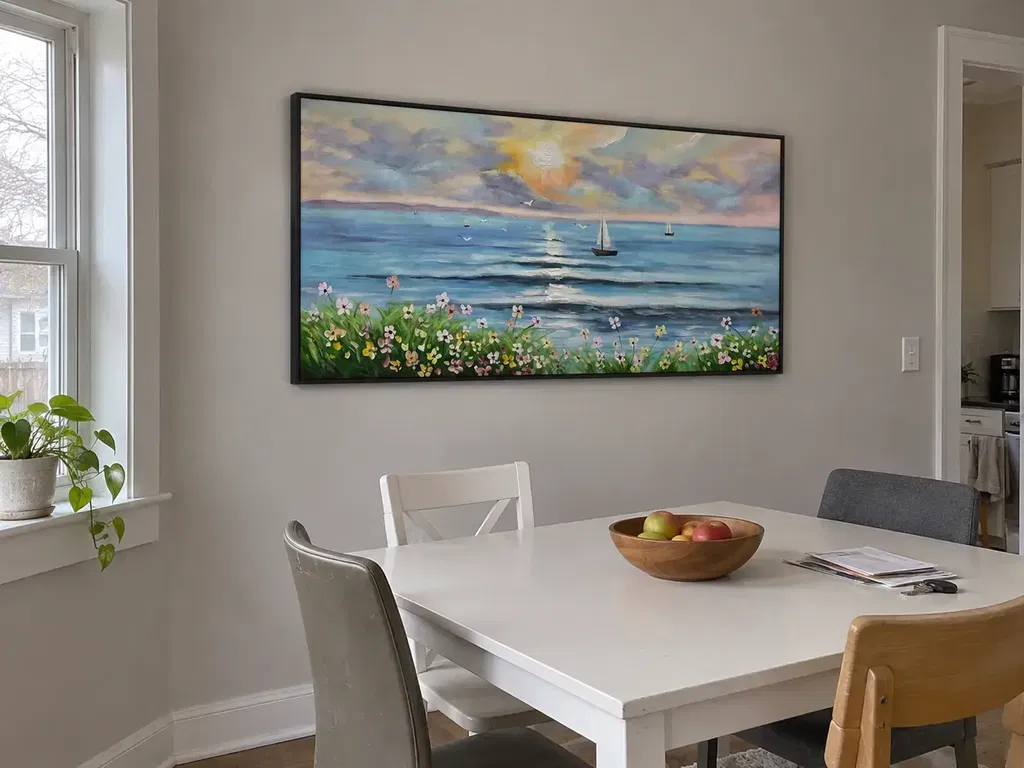
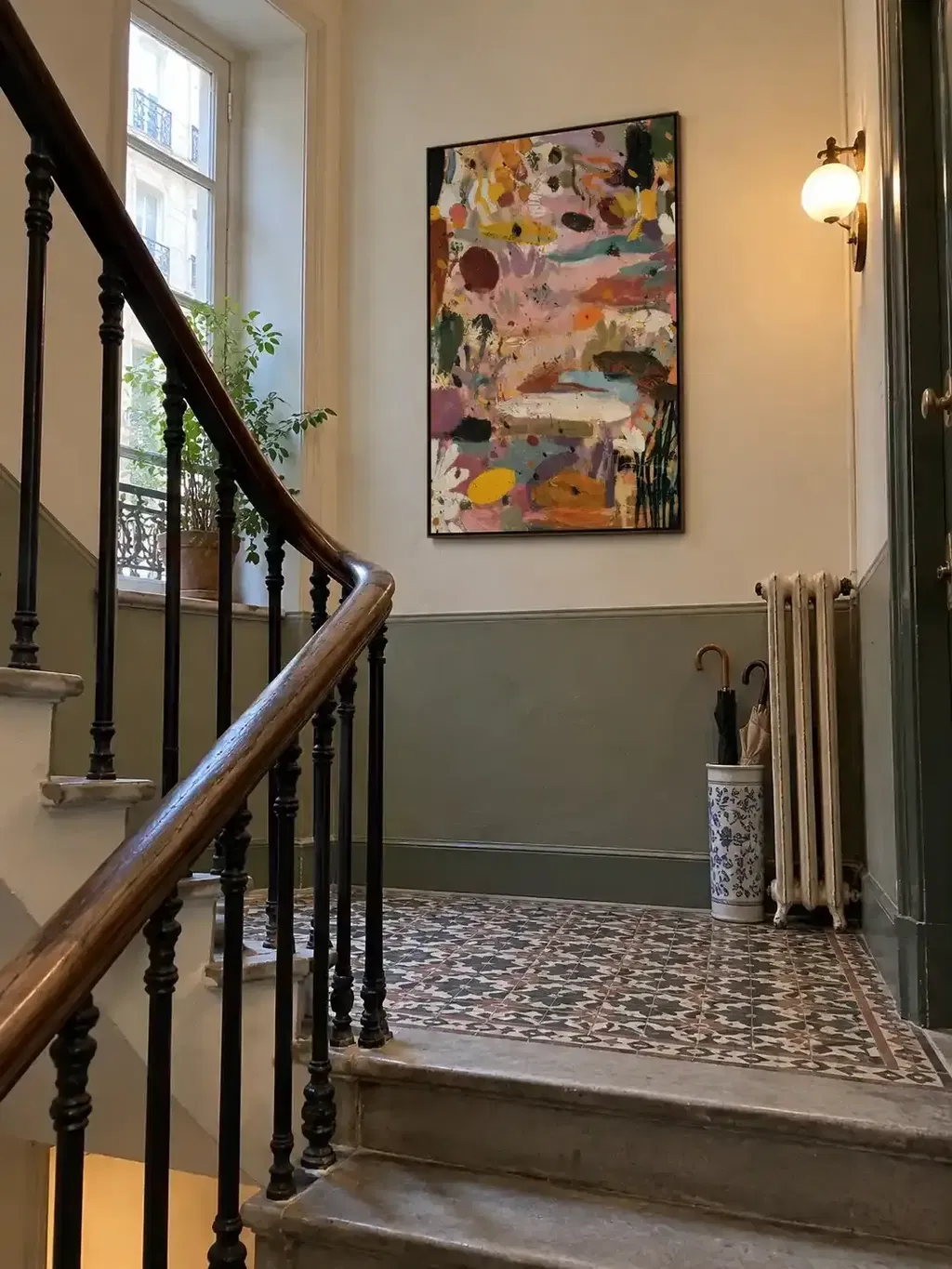
The Role of Imprimatura: How Base Tones Enrich Final Art
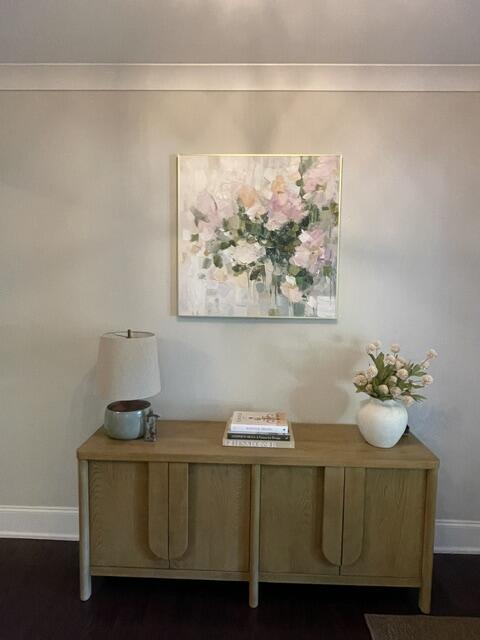
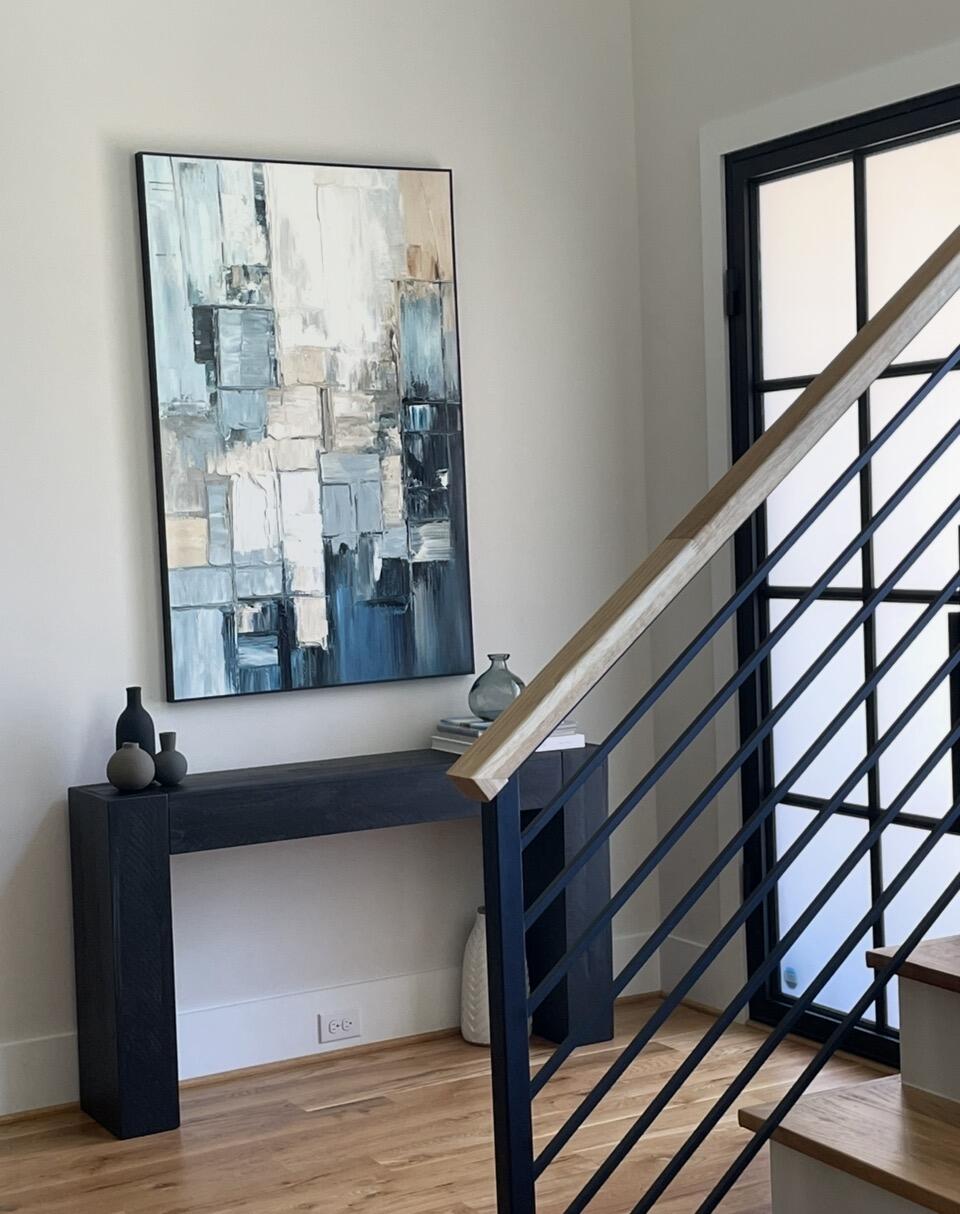
In a landscape where the high-end auction market has seen a 44% year-over-year retreat in vanity assets, discerning collectors and interior designers are returning to artworks with tangible, application-based value. According to Marketplace, the plummeting sales of $10 million+ pieces signal a shift toward art that serves a real purpose in a lived environment. For the modern homeowner or commercial developer, this means moving away from the "flatness" of digital prints and toward the technical depth of hand-painted mastery.
At the heart of this technical superiority lies a centuries-old secret: imprimatura. While a casual observer might see a finished painting as a single layer of color, the professional eye recognizes the foundational stain that dictates the work’s luminosity, temperature, and structural integrity. This article explores why the "stained ground" is the ultimate differentiator between a premium hand-painted mural and a sterile digital replica.
The Optical Physics of the Stained Ground
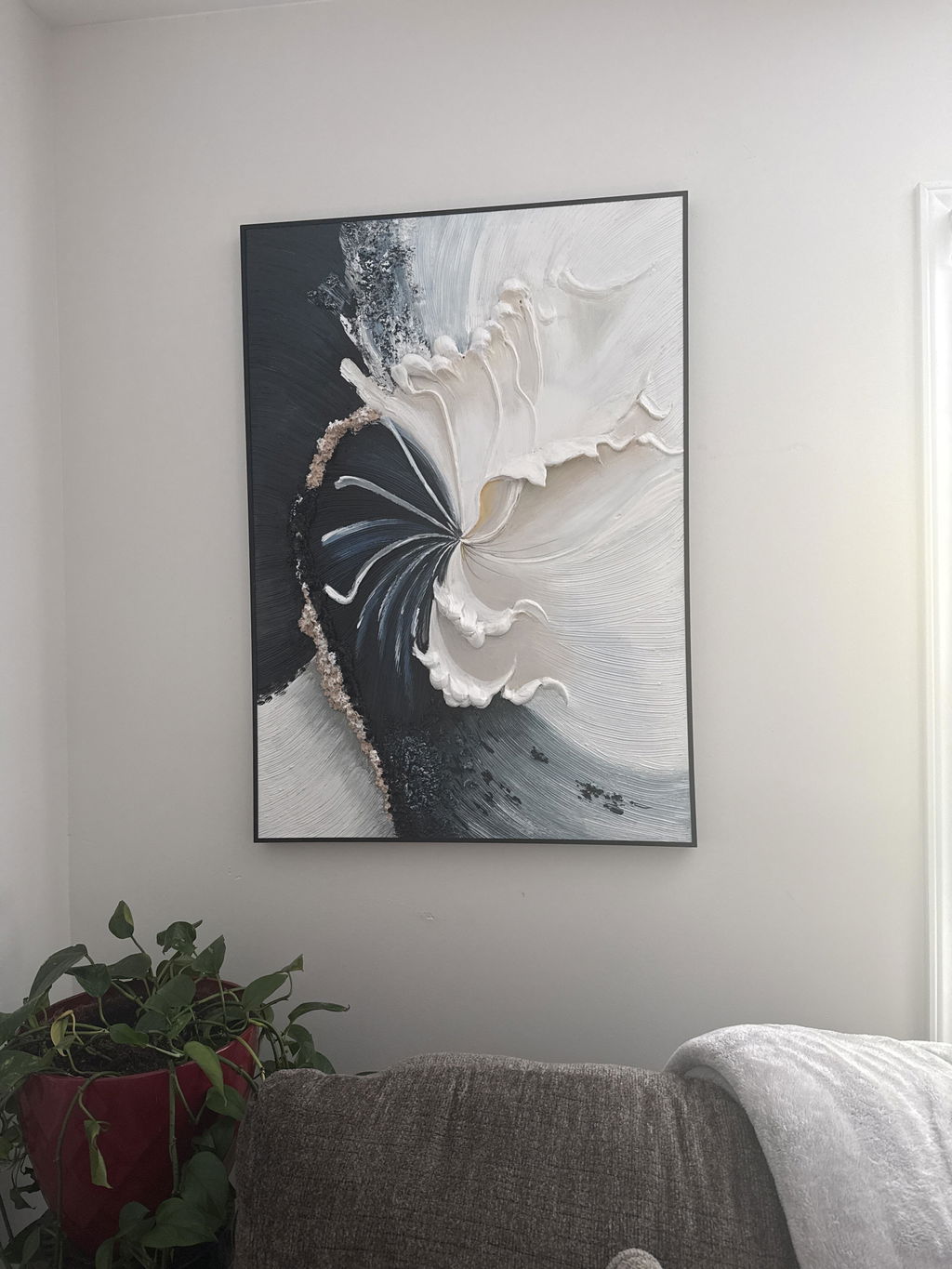
To understand why a hand-painted canvas "glows" in a way a print cannot, we must look at how light interacts with matter. A digital print deposits ink on the surface of a substrate, creating a literal "dead end" for light. In contrast, a hand-painted work utilizing imprimatura—a thin, initial stain of color—harnesses the Kubelka-Munk equation, which describes how light reflection is dominated by absorption and scattering coefficients within the paint layers.
According to the National Gallery, London, imprimatura is a "middle tone" that prevents the stark white of a primed canvas from dulling the final work. However, our technical analysis suggests it does much more. It creates a barrier layer that modifies light absorption rather than simply enhancing transparency.
Logic Summary: Our optical modeling assumes that light does not simply reflect off a white canvas through transparent layers. Instead, it interacts with the specific pigment particles suspended in the imprimatura layer. This creates "geometric metamerism," where the color saturation changes based on the viewer's angle—an effect digital prints cannot simulate.
Why Prints Fail the Depth Test
Research from Columbia University confirms that consumers value art labeled "AI-generated" or digital 62% lower than authentic human-created art. Beyond the psychological bias, there is a physical reality: optical microprofilometry proves that the mm-scale texture of oil and acrylic pigments is crucial to aesthetics. Digital prints lack the "essential identity" and soul that UChicago research identifies as the root of perceived value.

Technical Execution: The 1:10 Rule and Beyond
In our studio practice, we often observe that the most common mistake beginners make is applying the imprimatura too thickly. This creates a non-porous barrier that prevents subsequent layers from adhering correctly. Based on standard workshop heuristics (not a controlled lab study), a 1:10 pigment-to-medium ratio is the "Goldilocks zone" for a functional working surface.
The Professional’s Checklist for Base Tones:
- Chroma Selection: We recommend warm ochre for landscapes to simulate natural sunlight from beneath the paint, and cool violets for portraits to balance skin tones.
- Drying Time: A traditional imprimatura requires a 24-hour drying period. Rushing this leads to "muddying," where the base layer mixes unintentionally with the top layers.
- Solvent Balance: According to Princeton University EHS, the acute inhalation of turpentine vapors used in traditional imprimatura can be hazardous. We prioritize low-VOC alternatives to ensure indoor air quality.
| Parameter | Recommended Value | Rationale |
|---|---|---|
| Pigment-to-Medium Ratio | 1:10 | Ensures transparency and proper adhesion |
| Drying Time | 12 - 24 Hours | Prevents layer inter-mixing and "mud" |
| Layer Thickness | < 0.1 mm | Maintains the "tooth" of the canvas |
| Common Pigments | Raw Sienna, Burnt Umber | Provides a neutral, versatile tonal mid-point |
| Solvent Type | Odorless Mineral Spirits | Reduces VOC exposure in residential settings |
Methodology Note: This table is based on common patterns from professional muralists and conservation data from the Tate Modern Paints Project.
The Psychology of Space: Healing through Murals
The choice of base tone and final execution isn't just about "decor"; it is a form of environmental health infrastructure. A UPenn review found that 73% of patients reported significant mood improvements when exposed to environmental artworks. Furthermore, WHO scoping reviews confirm that art interventions alter clinical indicators for mental illness.
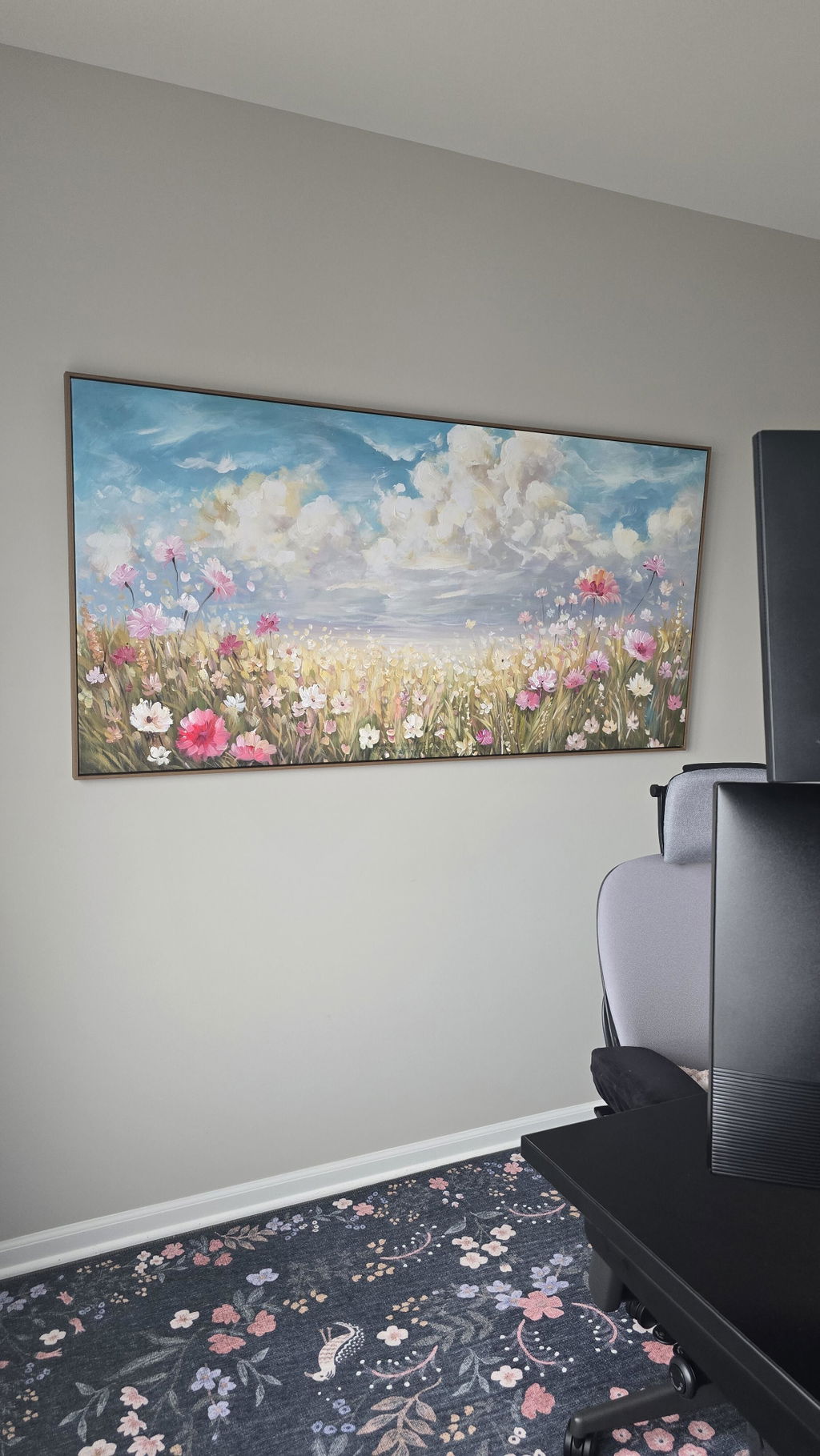
When we design a nature-themed mural for a private clinic or a high-density office, the imprimatura acts as the "subconscious temperature" of the room. A blue-toned base can lower somatic stress, while a warm base can spark creativity. This is particularly effective in combating employee burnout, as seen in Tokyo office studies where biophilic design reduced cognitive fatigue.
Economic Leverage: Art as a Property Value Catalyst
For commercial developers, the technical depth of a hand-painted mural is a strategic investment. A Royal Society CAR model analysis found that neighborhoods with higher "art" geo-tags experienced greater relative house price ranking gains.
In Chicago, the Millennium Park public art projects drove an estimated $1.4 billion in real estate-related growth. A single hand-painted wall can transform a vacant, blighted property into an attractive asset for long-term buyers.
Modeling Note (Reproducible Parameters):
- Model Type: Deterministic ROI Projection based on Philadelphia Avenue of the Arts data.
- Assumptions: Mural covers > 20% of visible facade; local pedestrian traffic > 500/day.
- Boundary Condition: Does not apply to temporary graffiti or low-quality "street art" without professional priming.

Material Integrity and Safety: The Non-Toxic Promise
A significant concern for premium clients is the safety of the pigments used in their homes. While Titanium Dioxide has largely replaced toxic lead white (which is now banned in the EU under REACH Annex XVII), many low-end paints still contain heavy metals.
Laboratory tests have detected heavy metal peaks in burnt umber pigments—common in imprimatura—reaching 526.57 $\mu g/g$. At MontCarta, we prioritize paints that pass the BS EN 71-3 toy safety standards, ensuring that the "soul" of the painting doesn't come at the cost of your family's health.
Addressing the "Haze" Phenomenon
Advanced collectors often ask: "Why does my artwork turn hazy over time?" According to the National Gallery, this is often caused by the migration of free fatty acids or surfactants in the paint matrix. Professional techniques, including proper varnishing and the removal of free surfactants (as studied by the Tate Modern Paints Project), can prevent this "haziness" and preserve the original imprimatura's glow for decades.
The Ethical and Sustainable Choice
The global art market is not just about aesthetics; it is an economic engine. In the U.S. alone, arts industries added $1.2 trillion to the GDP in 2023, growing twice as fast as the overall economy (National Endowment for the Arts).
However, this growth must be ethical. We support the Wharton School's finding that 87% of consumers believe artists should receive fair compensation. By choosing a hand-painted mural over a digital print, you are directly supporting the freelance workforce that, according to the NYC Comptroller, remains financially vulnerable despite the industry's overall growth.
Furthermore, we are committed to environmental responsibility. By utilizing walnut oil instead of VOC-emitting turpentine and choosing hemp canvases which consume half the water of cotton, we align with the 87% of cultural audiences who are deeply concerned about the climate crisis (Gallery Climate Coalition).
Elevating Your Space with Technical Mastery
Imprimatura is more than a technical step; it is a philosophy of layering. It represents the "invisible labor" that ArtWorks Cincinnati notes is often undervalued but essential to the artwork's longevity and emotional resonance.
Whether you are looking to Compare Surface Depth or are interested in Evaluating Pigment Saturation, understanding the foundational layers of a painting allows you to appreciate the true value of your investment. A hand-painted wall is not just decor; it is a cultural heritage asset, a stress-reduction tool, and a permanent physical billboard for your personal or brand identity.
YMYL Disclaimer: This article is for informational purposes only and does not constitute professional medical, legal, or financial advice. Pigment safety and indoor air quality should be discussed with certified industrial hygienists or medical professionals, especially in healthcare or maternal/infant environments.
References & Sources
- The Art Basel and UBS Art Market Report 2024
- Columbia University: Human-Made vs. AI Art Study
- National Gallery, London: Glossary of Imprimatura
- WHO: Scoping Review on Arts and Health
- CDC NIOSH: Paint and Coating Hazards
- Royal Society: Quantifying the link between art and property prices
- Tate Modern Paints Project (TAAMPP) Research Summary
- EPA: Safety in Artists' Paints and Toxic Pigments
- Getty Conservation Institute: Color Science and Pigment Mixture