Choosing original wall art for your home is a transformative process that bridges the gap between basic decoration and personal storytelling. Unlike mass-produced items, original art creates a curated focal point that reflects your unique taste and the narrative of your living space. To select the perfect piece, you must balance emotional intuition with technical interior design principles, such as proper scaling, color harmony, and strategic placement.
Selecting art is not merely about finding a "wall piece online" that matches your curtains; it is about finding a work that resonates with you daily while respecting the architectural dimensions of your room.
The Core Philosophy: Balancing Emotion and Aesthetics
The most successful art collections are built on a foundation of emotional connection. When you look at paintings for home display, the primary question should not be "Is this trendy?" but rather "How does this make me feel?"
Trusting Your Instincts
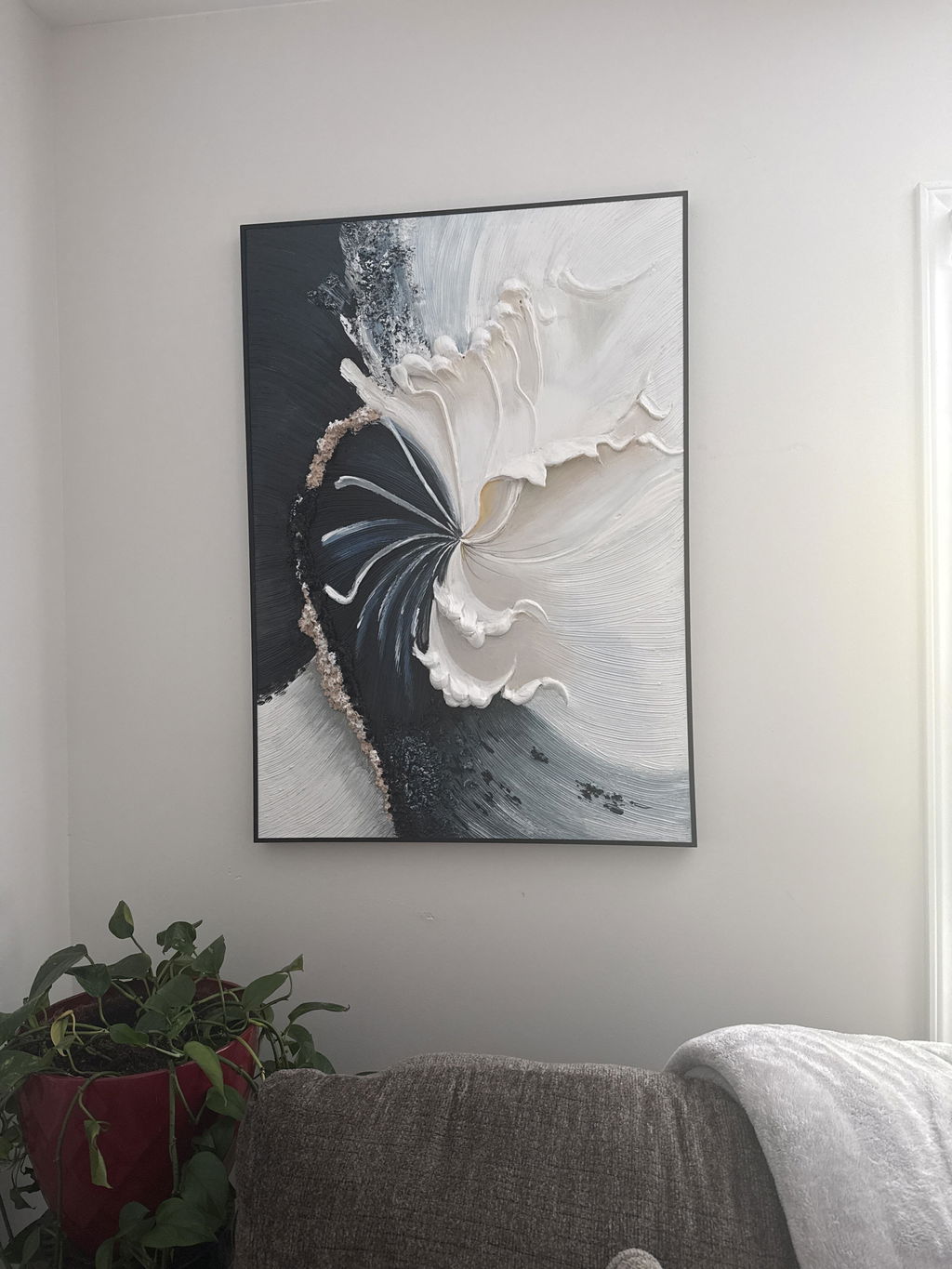
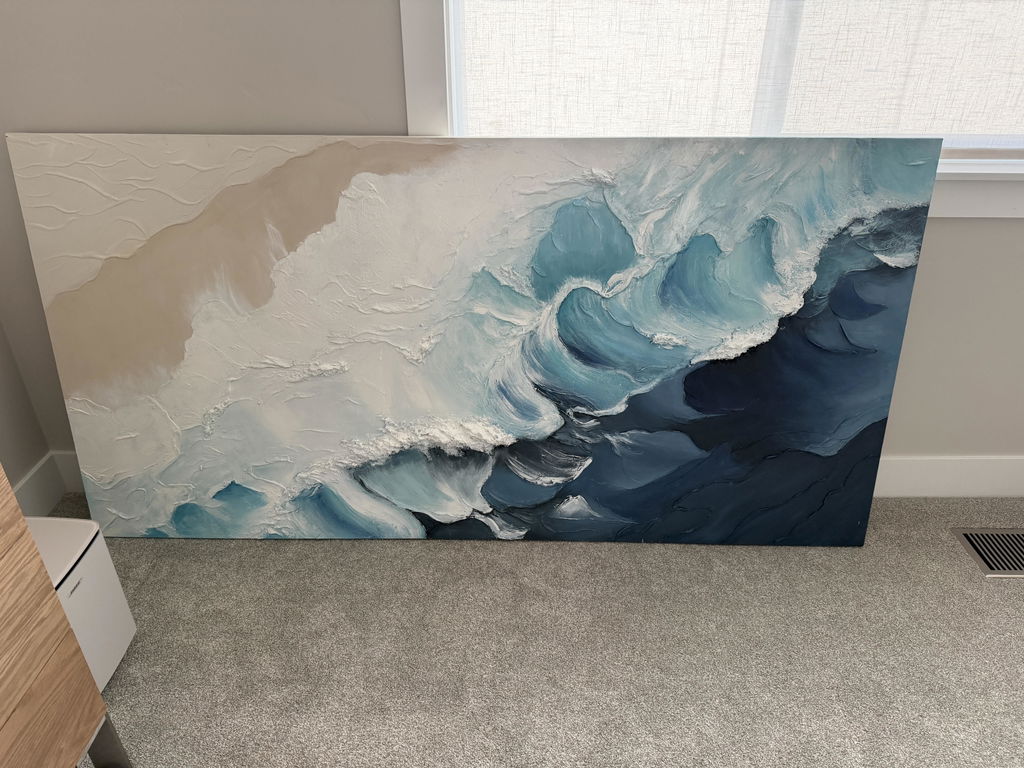
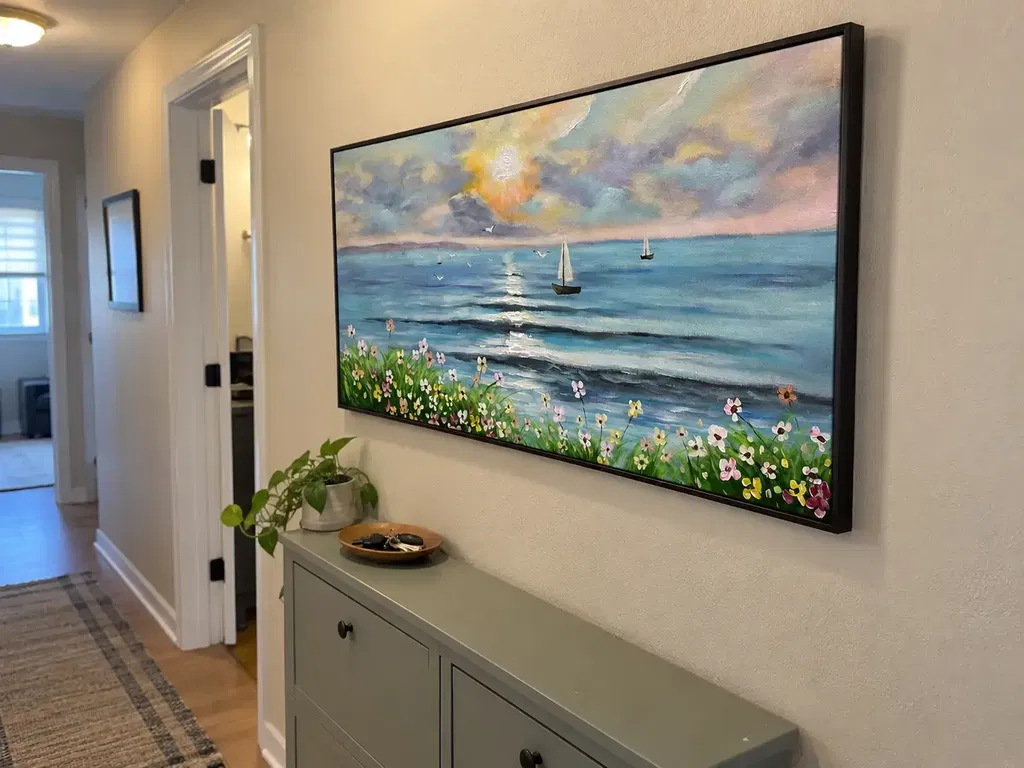
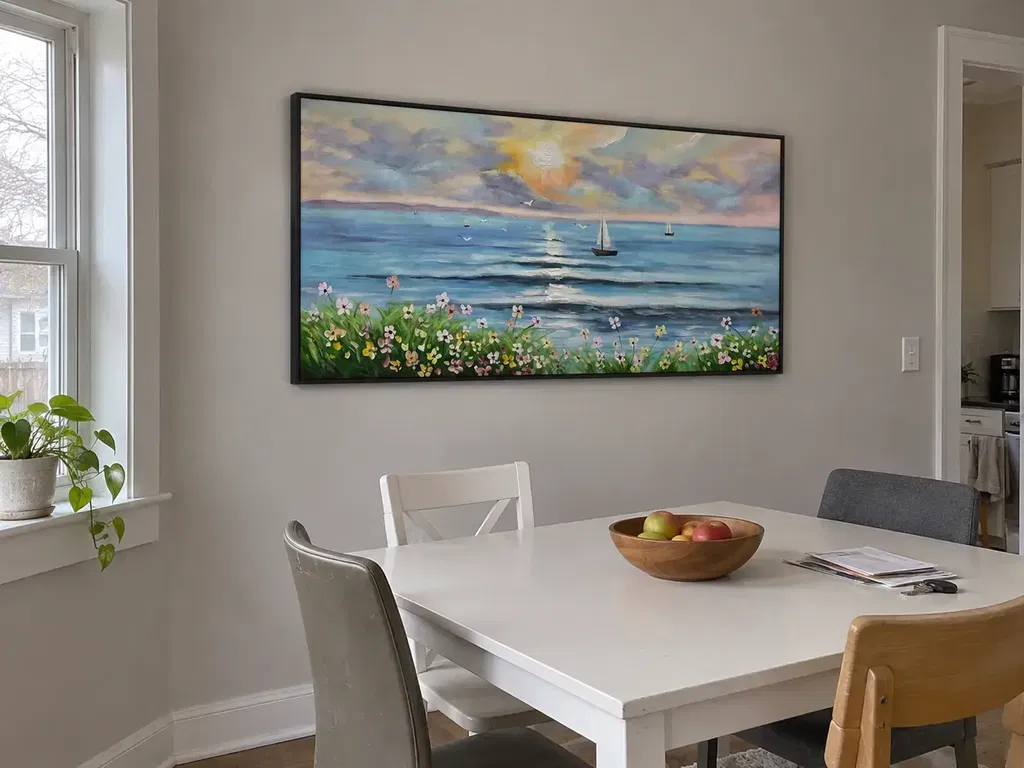
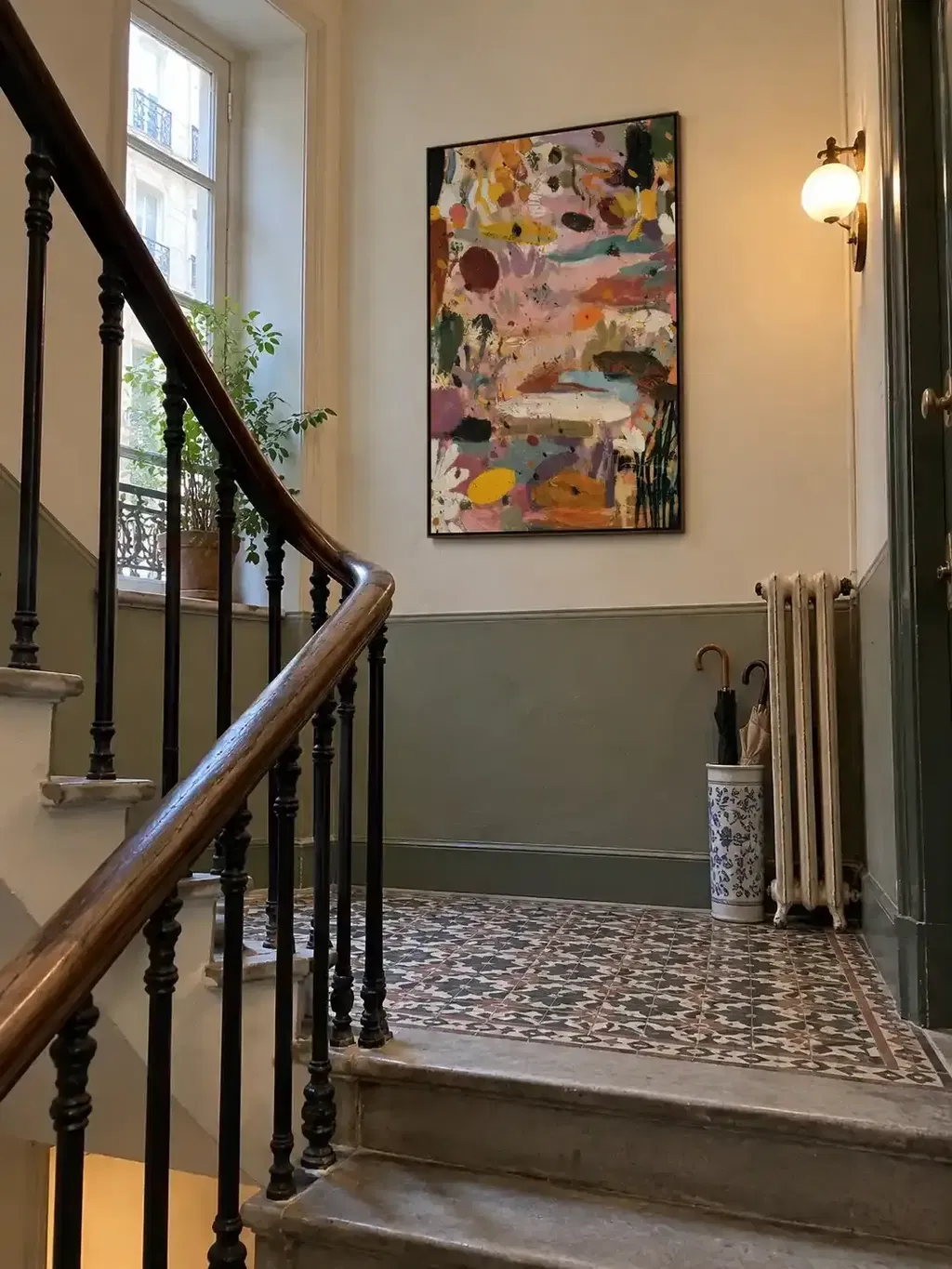
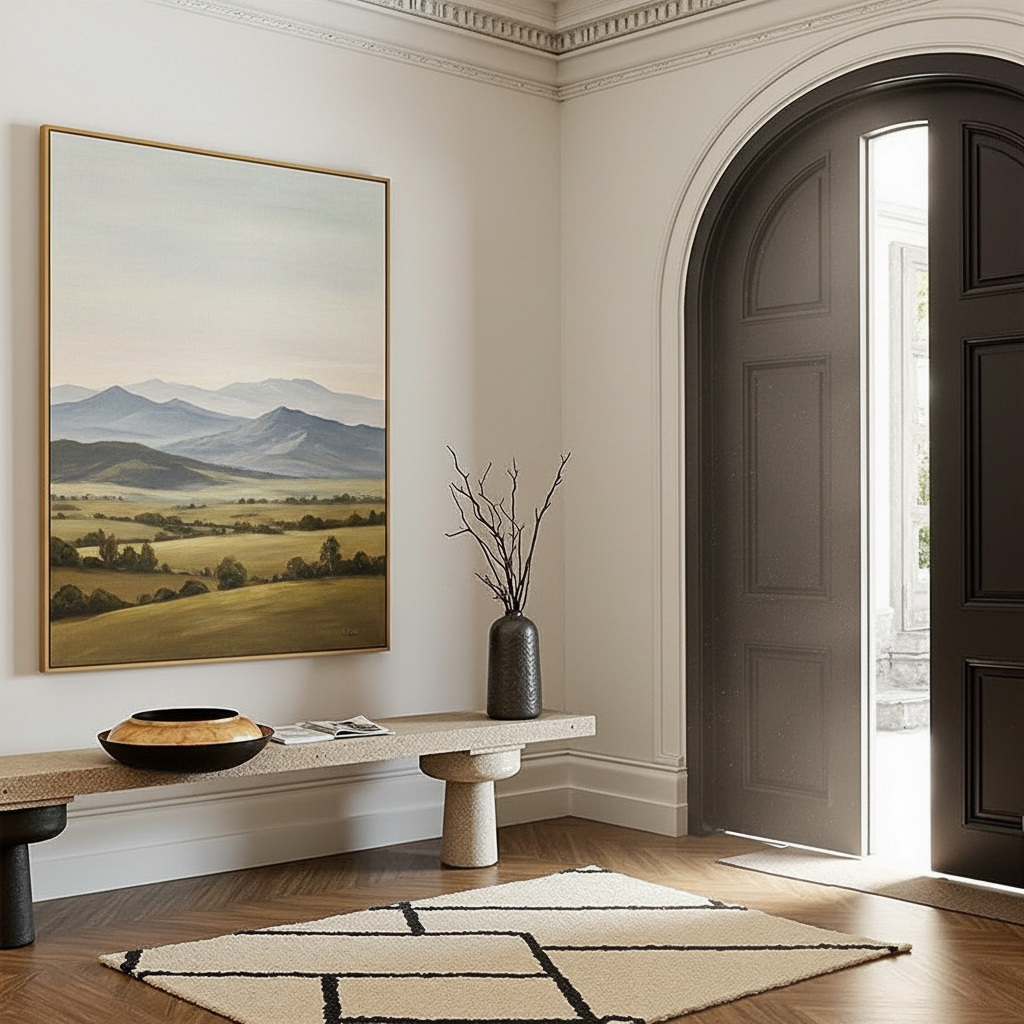
Your first reaction to a piece of art is often the most honest. Whether you are drawn to large colorful abstract art or quiet, minimalist mountain paintings, your intuition recognizes a narrative that speaks to your personality. Original art—unlike a generic print—carries the energy and physical history of the artist's process. You may find yourself captivated by the texture of an abstract oil painting or the depth of a seascape painting. Trusting these instincts ensures that your purchase remains meaningful for years, rather than becoming another discarded piece of home decor.
Defining the Room's Mood
Art is a powerful tool for psychological atmosphere. Before you purchase original artwork, consider the intended function of the space:
- The Living Room: Often benefits from conversation starters, such as a large abstract painting or high-end art for sale that commands attention.
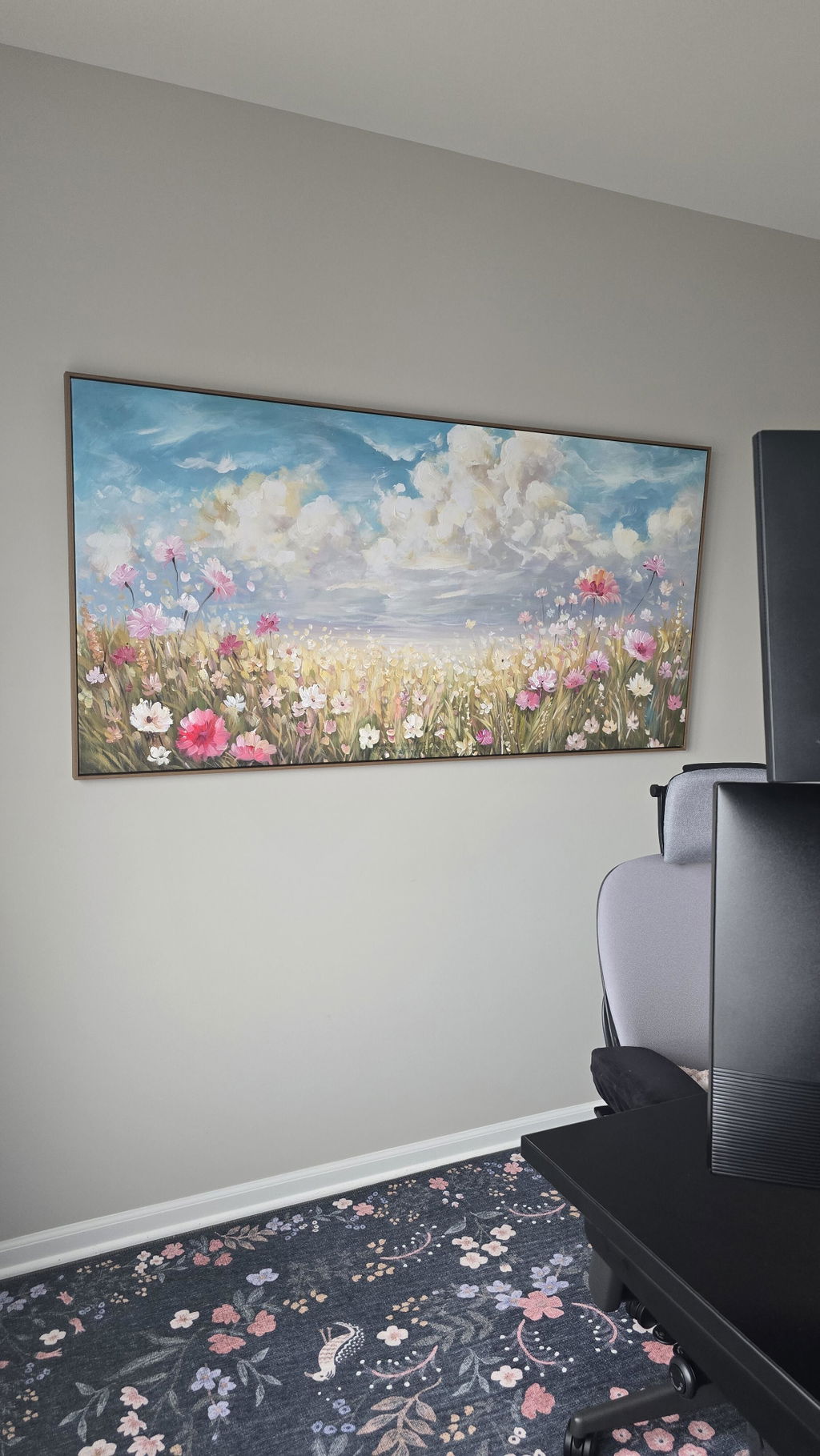
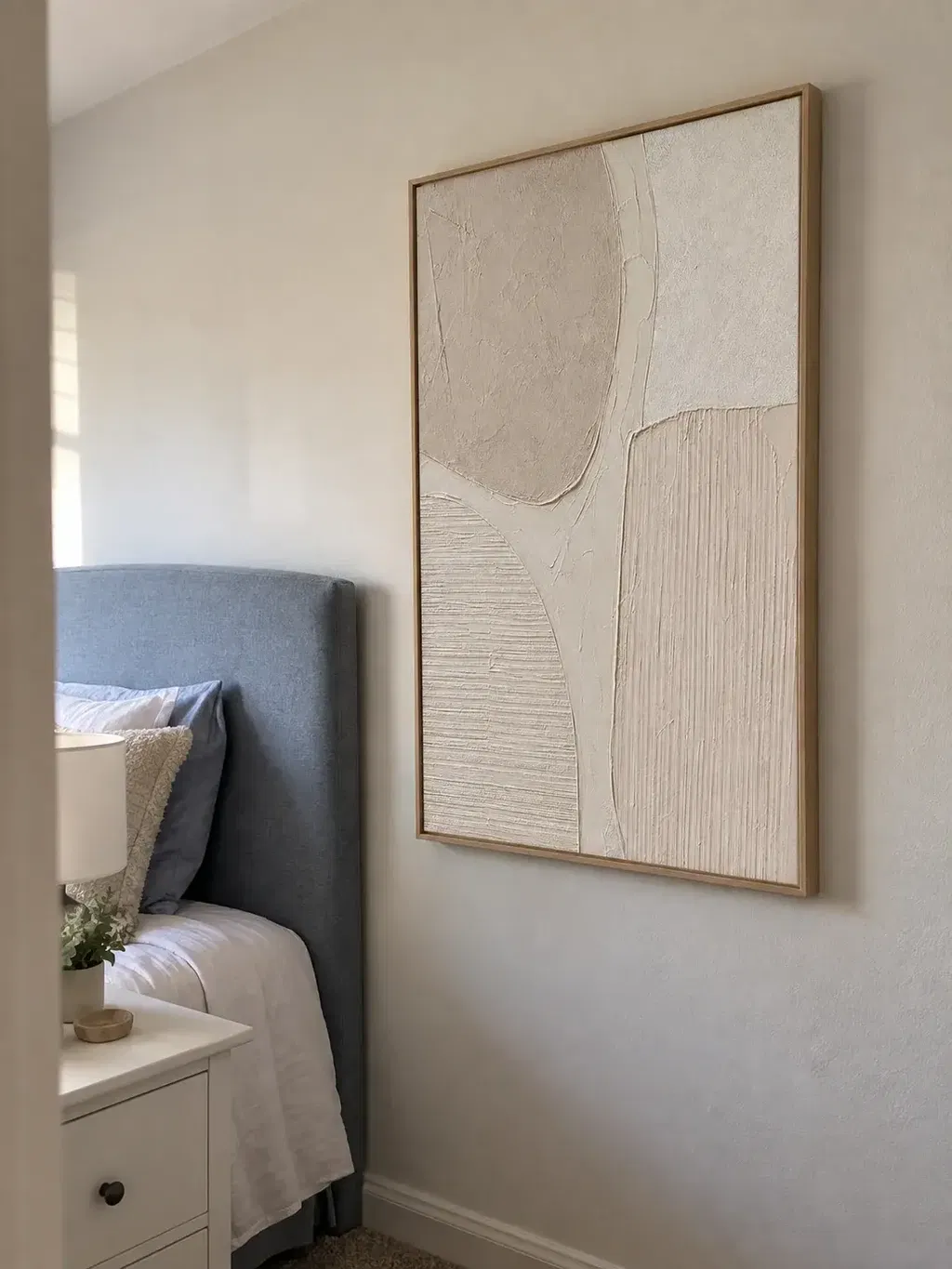
- The Bedroom: Typically calls for serenity. Scenic wall art, nature paintings, or a blue and green abstract can lower visual noise and promote relaxation.
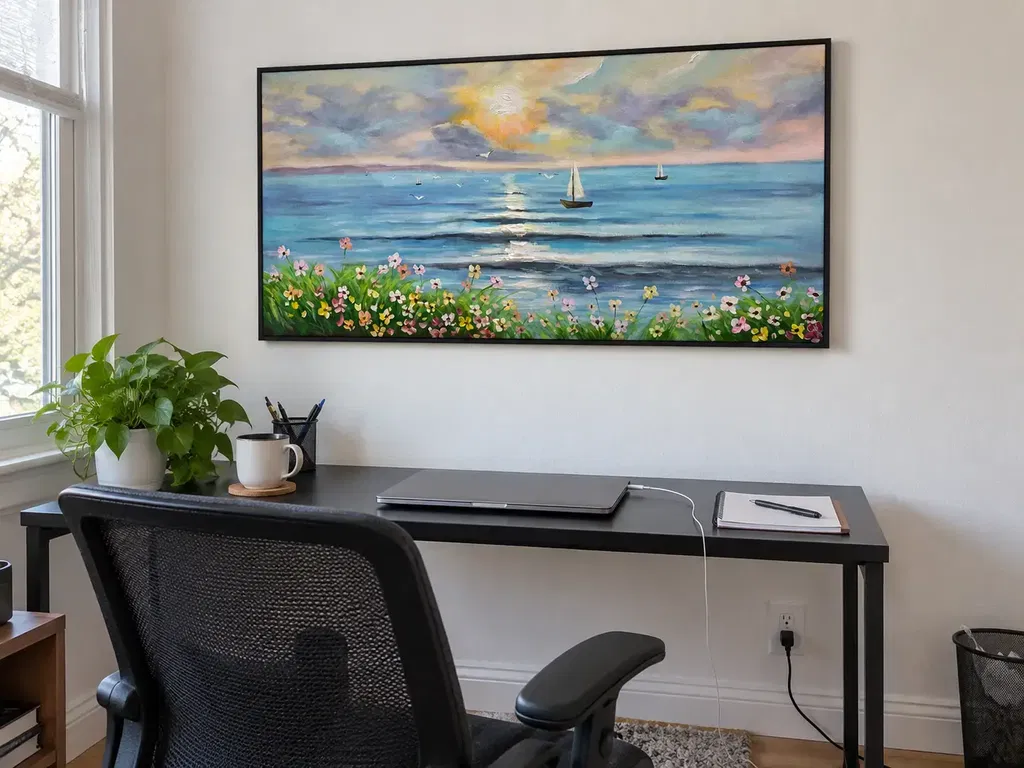
- The Home Office: Modern law office decor or modern aviation art can project professional focus or creative energy.
By defining the mood first, you narrow down the vast world of online art into manageable categories that serve your lifestyle.

Original Art vs. Mass-Produced Prints: Why It Matters
Understanding the distinction between an original piece and a reproduction is vital for both aesthetic and investment reasons. While a "canvas print" might fill a gap on a wall, it lacks the tactile presence and long-term value of a hand-painted work.
| Feature | Original Wall Art | Limited Edition Prints | Mass-Produced Prints |
|---|---|---|---|
| Uniqueness | One-of-a-kind; no duplicates. | Limited run; numbered/signed. | Unlimited; found in many homes. |
| Texture | Physical impasto, brushstrokes, and 3D depth. | Flat surface (unless embellished). | Completely flat, printed surface. |
| Value | Potential for appreciation over time. | Stable, some collectible value. | Rapidly depreciates. |
| Narrative | Deep connection to the artist's hand. | Secondary connection. | No unique narrative; decorative only. |
Original works, especially an oil paint on canvas or a textured wall art piece, offer a sensory experience that changes throughout the day as light hits the physical ridges of the paint. Furthermore, research indicates that viewing original artworks can lead to more significant physiological responses, such as a decrease in cortisol levels, compared to viewing reproductions.
Technical Rules for Scale and Placement
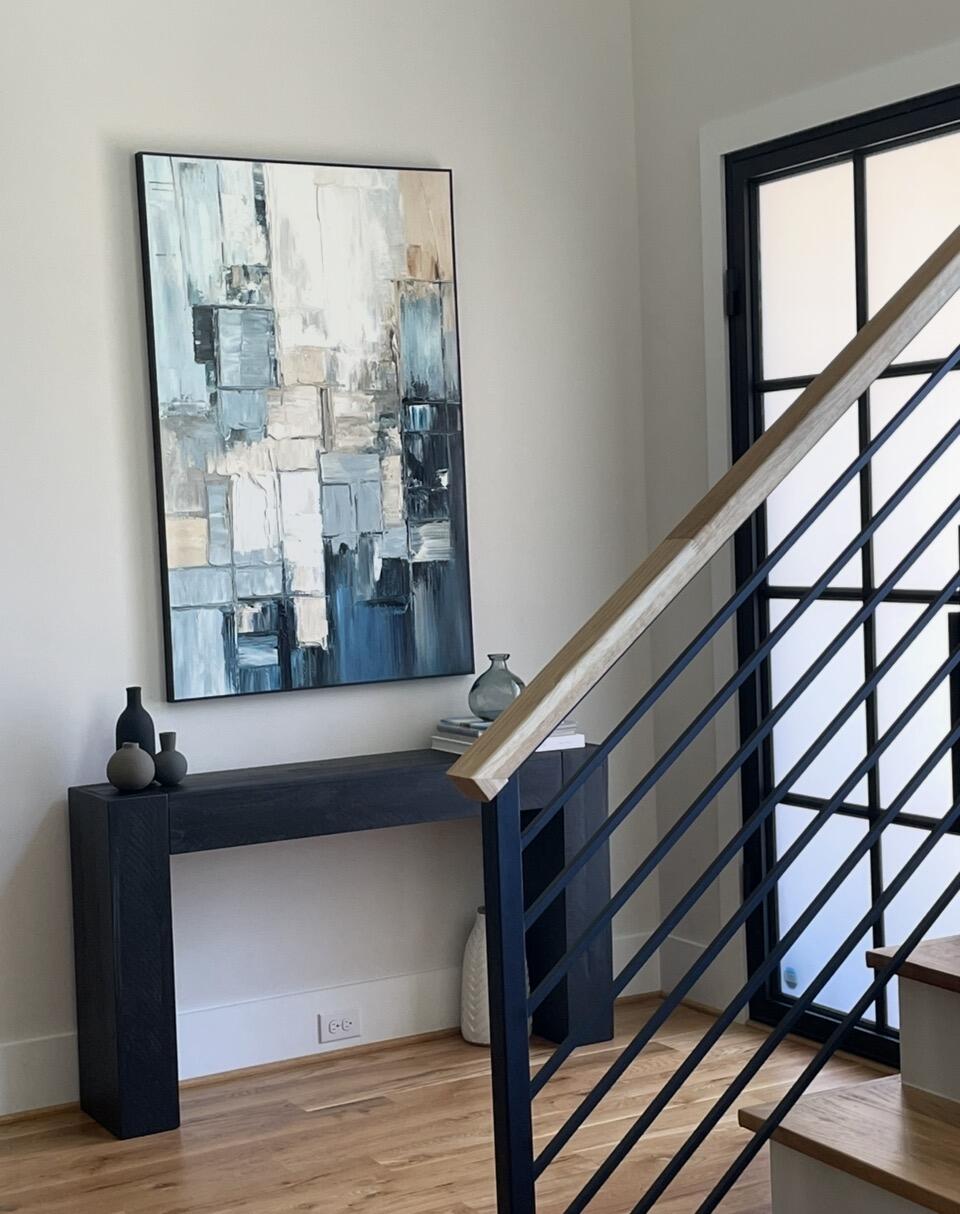
Even the most beautiful abstract gallery wall can feel "off" if it is hung incorrectly. Designers use specific technical rules to ensure that art integrates seamlessly with furniture and architecture.
The 57-Inch Hanging Rule
A common mistake is hanging art too high, which disconnects the piece from the room's seating and flow. The "57-inch rule" is the standard used by galleries and museums to ensure art is at a comfortable eye level.
Step-by-Step Guide to the 57-Inch Rule:
- Measure 57 inches up from the floor and mark the wall lightly with a pencil. This is your center point.
- Measure the height of your artwork and divide by two to find the center of the piece.
- Measure the distance from the top of the frame to the hanging wire (pull the wire tight as it will be when hanging).
- Subtract the wire distance from your half-height measurement.
- Add this final number to your 57-inch mark on the wall. This is where your nail or hook should go.
The 3-5-7 Rule for Gallery Walls
If you are planning a gallery wall, balance is achieved through odd numbers. The 3-5-7 rule suggests grouping pieces in odd increments to prevent the arrangement from looking too symmetrical or "retail-like."
- For Small Walls: Start with a grouping of 3 pieces.
- For Hallways or Large Areas: Use 5 or 7 pieces to create a dynamic, evolving story.
- Spacing: Keep a consistent distance between frames (typically 2 to 3 inches) to make the collection feel like a single cohesive unit.
Harmonizing Art with Your Room's Color Palette
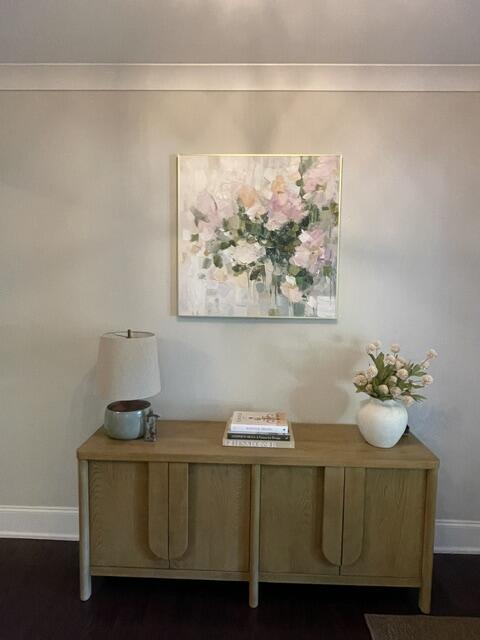
You do not need your art to match your sofa exactly; in fact, "identical matching" often makes a room feel flat and uninspired. Instead, use the color wheel to find a piece that complements your existing decor.
- Complementary Colors: Choose art with colors opposite your room's dominant hue (e.g., a blue and green abstract for a room with warm orange or wood tones) to create vibrant energy.
- Analogous Colors: Choose art with colors next to each other on the wheel for a more harmonious, soothing feel.
- The Power of Neutrals: If your room features vibrant furniture, a white minimalist painting or large beige wall art can provide a sophisticated "breathing space."

Sourcing Original Art: Beyond the Gallery
Finding original artwork for sale has never been easier, thanks to digital platforms and local artist communities. You no longer need to step into an intimidating high-end gallery to purchase paintings online.
- Independent Creator Platforms: Websites specializing in original art allow you to filter by medium, such as oil paintings or 3d textured painting.
- Local Open Studios: Hunting for local artist open studios near you is an excellent way to see the work in person.
- Social Media Portfolios: Following hashtags like #OriginalAbstractArt or #LandscapeArtists can lead you directly to creators.
Common Pitfalls to Avoid When Buying Art
Even with the best intentions, several common errors can undermine your interior design goals:
- The "Postage Stamp" Effect: This occurs when a piece is too small for the wall. For a large empty wall, prioritize huge wall art decor.
- Lighting Mistakes: Light damage is cumulative and irreversible. Avoid hanging sensitive pieces in direct sunlight.
- Neglecting the Backing: For canvas works, ensure the piece has a protective backing board to reduce exposure to humidity and dust.
- Hanging Hardware Failure: Large format paintings are heavy. Always check that your wall attachments are rated for the weight.
Conclusion
Choosing original wall art is a journey of discovery. By combining your emotional response with the technical discipline of the 57-inch rule and the 3-5-7 grouping method, you create a space that is both professionally designed and deeply personal.
FAQs
How high should I hang my artwork?
You should hang your artwork so that the center of the piece is exactly 57 inches off the ground. This is known as the 57-inch rule and ensures the art is at eye level for the average person.
Does my art need to match my sofa?
No, your art should complement rather than identically match your furniture. Use a color wheel to find complementary or analogous colors that enhance the room's vibe without looking overly coordinated.
What is the 3-5-7 rule for gallery walls?
The 3-5-7 rule suggests using odd numbers of artworks in a grouping to create a more balanced and visually interesting gallery wall, as odd numbers are more appealing to the human eye than even ones.