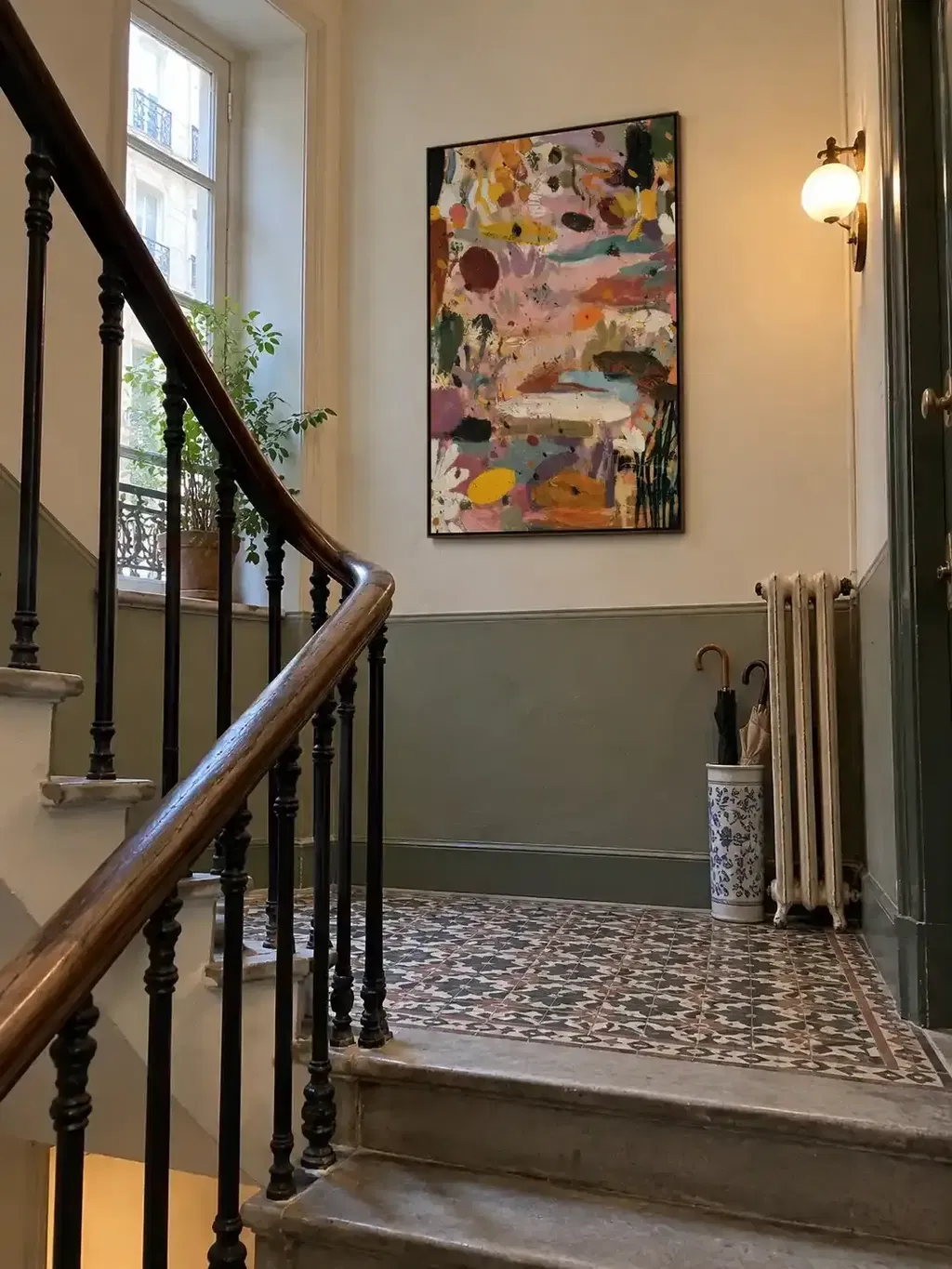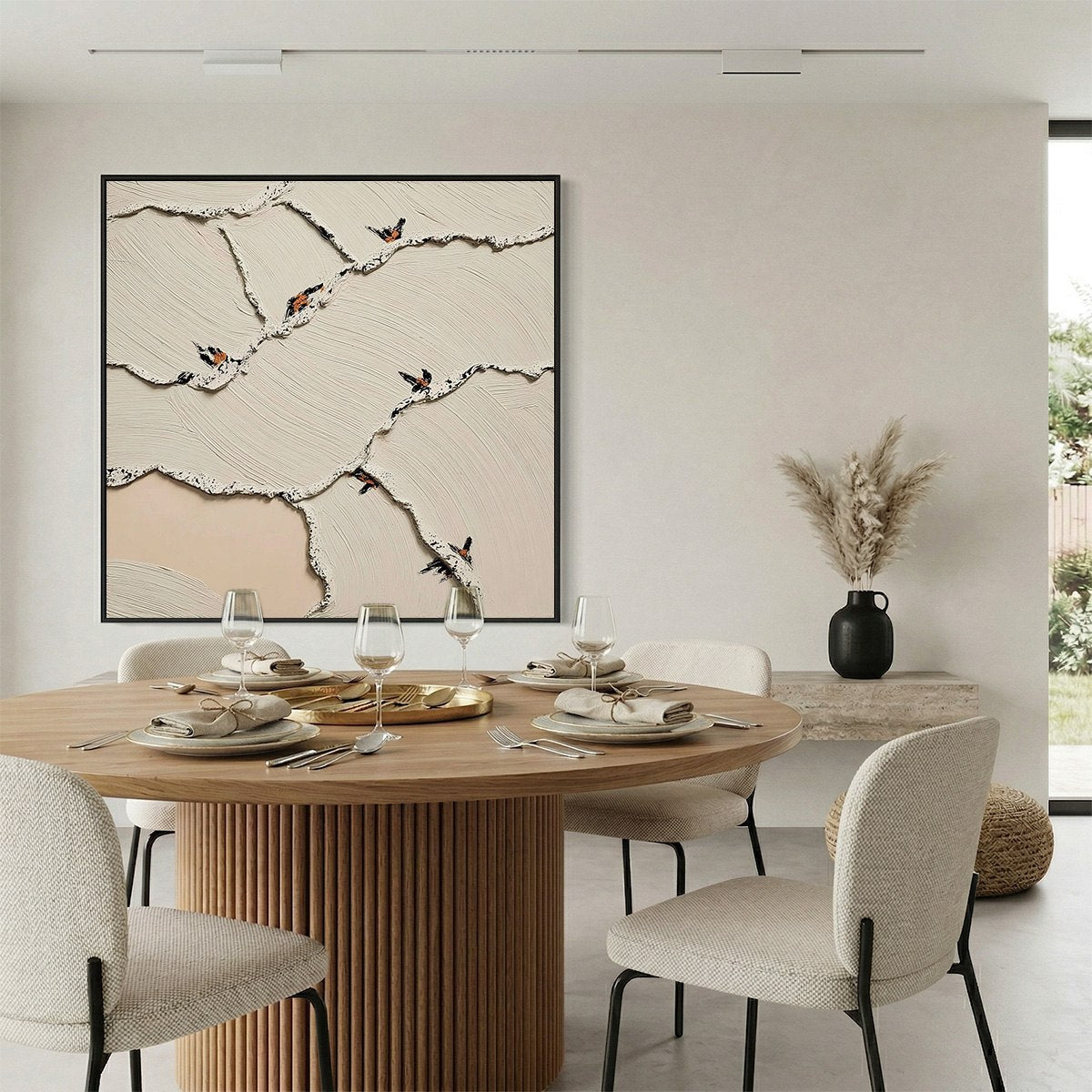
Choosing how to display artwork is just as important as the piece itself. For most homeowners, the debate comes down to framed wall art vs. unframed canvas. If you are looking for a quick answer: Unframed canvases offer a modern, lightweight, and glare-free look that suits minimalist spaces perfectly. In contrast, framed wall art provides structural protection, a sense of formal sophistication, and higher perceived value, making it the standard for traditional rooms.
Deciding between the two requires balancing the aesthetic of your room with practical concerns like budget, weight, and long-term durability. This guide breaks down the trade-offs to help you select the right presentation for your specific interior design goals.
Quick Comparison: Framed vs. Unframed Wall Art at a Glance
When comparing these two styles, the primary differences involve how the art interacts with light and how much physical presence it has on the wall.
| Feature | Unframed Canvas (Gallery Wrap) | Framed Wall Art (Traditional) |
|---|---|---|
| Aesthetic Style | Modern, Minimalist, Casual | Formal, Structured, Classic |
| Price Range | Budget-friendly (Lower material cost) | Premium (Higher labor & materials) |
| Weight | Lightweight (Easy to hang) | Heavier (Requires sturdy hardware) |
| Light Reflection | Zero glare (Textured surface) | Variable glare (Protective glass/acrylic) |
| Durability | Vulnerable edges and surface | High (Protected by frame and backing) |
| Room Fit | Lofts, modern offices, casual dens | Dining rooms, formal entries, hallways |
One of the biggest advantages of framed wall art is the use of backing boards and glazing, which provide a physical barrier against environmental stressors. However, if you are decorating a room with heavy overhead lighting, an unframed canvas might be preferable to avoid the distracting reflections common with glass-fronted frames.

The Unframed Canvas Look: Modern, Minimalist, and Seamless
An unframed canvas, often referred to as a gallery-wrapped canvas, is a contemporary favorite for those who prefer an edge-to-edge visual experience. In this format, the canvas is stretched tightly over stretched wooden bars (also called stretcher bars), and the image is wrapped around the sides of the frame.
Why Choose Unframed Canvas?
- Modern Minimalist Abstract Art Appeal: Without the border of a frame, the art feels like a part of the wall itself. This is ideal for modern interiors where clean lines are a priority.
- Focus on Texture: Because there is no glass covering the piece, the viewer can appreciate the depth of the texture wall art and the tactile nature of the paint application.
- Cost-Efficiency: Because you aren't paying for professional framing services, glass, or decorative molding, it is generally the most affordable way to display large abstract wall art.
- Lightweight Versatility: Unframed canvases are significantly lighter than framed pieces. A standard 24x36 inch canvas usually weighs between 3 to 5 pounds, making it easy to hang with simple hooks.
This style is particularly effective for large colorful abstract art where the composition is intended to feel expansive and boundary-free. However, the lack of protection means the surface is susceptible to "touch sensitivity," where finger oils can damage the paint over time.
The Case for Framed Art: Sophistication and Better Protection
Traditional framing remains the gold standard for formal spaces like dining rooms and corporate offices. Adding a frame does more than just "finish" the look; it provides a structural ecosystem that preserves the artwork for decades.
The Benefits of a Structured Frame
- Perceived Value: A frame creates a sense of importance. It acts as a window, signaling to the viewer that the work inside is valuable and curated.
- Enhanced Durability: According to the Canadian Conservation Institute, all canvas paintings should ideally have backing boards as a preventive measure. A frame facilitates this, protecting the back of the canvas from dust, pollutants, and sudden changes in relative humidity.
- Physical Protection: In high-traffic areas, a frame protects the vulnerable corners of the canvas from "dings" and accidental punctures. Glass or acrylic glazing also shields the surface from cooking grease, smoke, and irreversible light damage.
- Stylistic Coordination: Framing allows you to tie the artwork into the rest of the room. You can choose a wood grain that matches your furniture or a metallic finish that aligns with your light fixtures.
What is a Floater Frame? The Modern Middle Ground
If you love the clean look of a canvas but want the protection and presence of a frame, the floater frame is the perfect solution. Unlike traditional frames that overlap the edge of the art, a floater frame leaves a small gap (usually 1/8 to 1/4 inch) between the canvas and the frame.
This creates an illusion that the artwork is "floating" within the frame. It is often the best choice for framed abstract wall art because it provides the structural benefits of a frame without hiding the edges of the painting. This middle ground is highly recommended for high-end galleries and modern luxury homes.

Installation and Durability: Addressing Weight and Edge Damage
One of the most overlooked aspects of the framed wall art vs. unframed canvas debate is the practical side of hanging the piece. While a canvas is easy to handle, a framed piece requires careful planning.
Checklist for Hanging Heavier Framed Art
- Check Hardware: Ensure your wall hangers are rated for the total weight of the piece.
- Locate Studs: For very large pieces, it is safest to screw directly into a wall stud.
- Use Two Points of Contact: Hanging from two hooks prevents the piece from tilting.
- Verify Stability: Ensure the hanging hardware is secure.
Room Fit Guide: Choosing the Right Style for Your Home Decor
The Living Room: Casual vs. Contemporary
In a minimalist aesthetic, an unframed large abstract wall art piece can serve as a bold, seamless focal point. For a more transitional space, a canvas wall art framed in a simple floater frame bridges the gap effectively.
The Dining Room: Formal and Focused
Dining rooms benefit from the "weight" of framed art. The structured look of a frame adds to the sense of occasion during formal gatherings.
High-Traffic Areas: Protection is Key
In hallways or entryways, always opt for framed pieces. The Smithsonian MCI emphasizes that proper framing reduces the risk of surface damage from accidental physical contact.
Safety Notice
This article provides general guidance only. Always follow the manufacturer's instructions, applicable local requirements, and appropriate safety practices. For installations involving heavy structural loads, high-ceiling hanging, or wall-attachment failure risks, consult a qualified professional to ensure the artwork is safely secured.
Frequently Asked Questions
Is it cheaper to buy unframed canvas?
Yes, unframed canvas is generally significantly cheaper because it eliminates the labor and material costs associated with custom frames, glass, and mounting.
Can you frame a gallery-wrapped canvas later?
Absolutely. You can add a floater frame later, which is specifically designed to accommodate the depth of a gallery-wrapped canvas while leaving the edges visible.
Which is better for high-traffic hallways?
Framed wall art is better for high-traffic areas because the frame and glass protect the artwork from accidental touches, punctures, and corner damage.