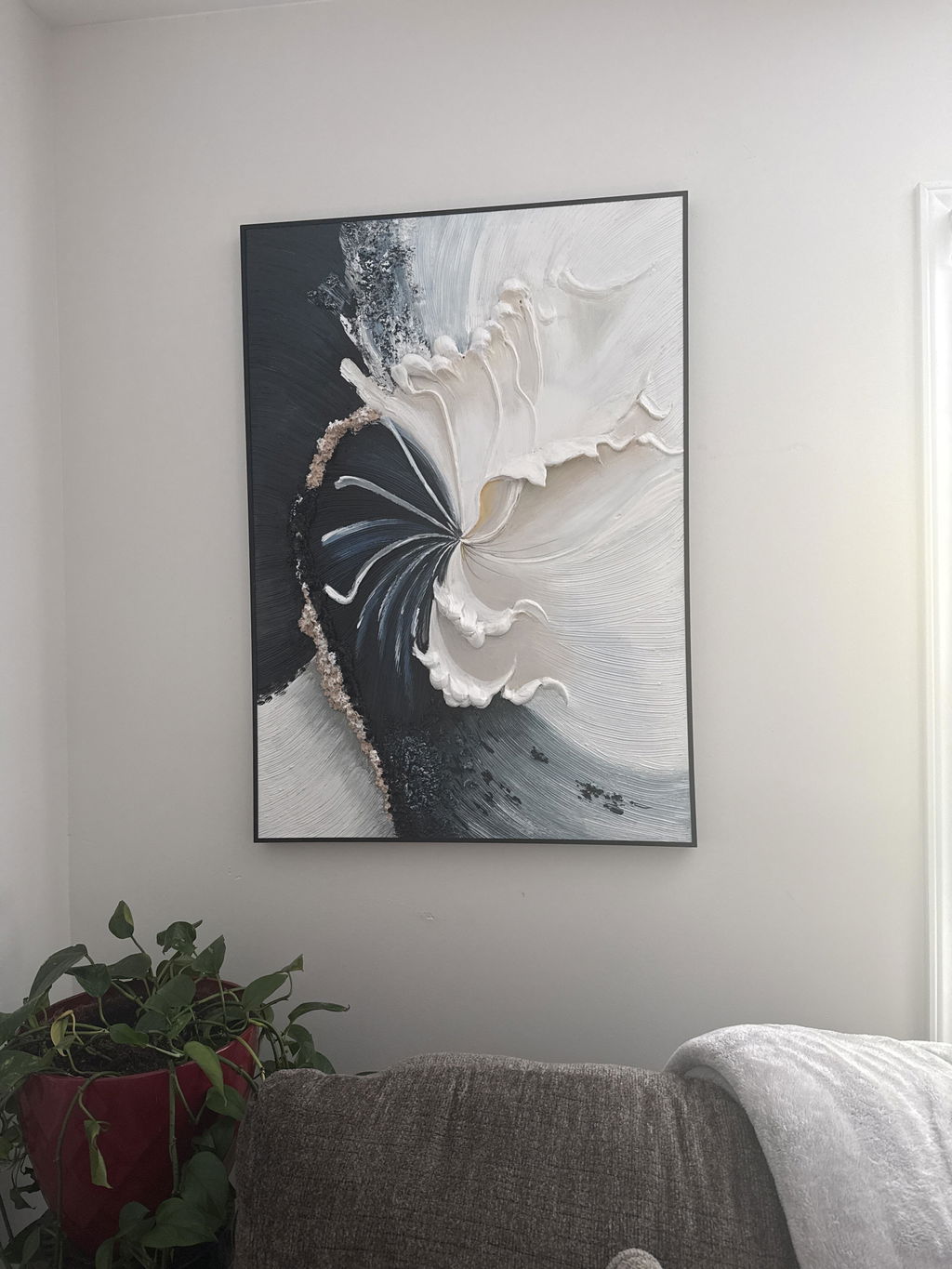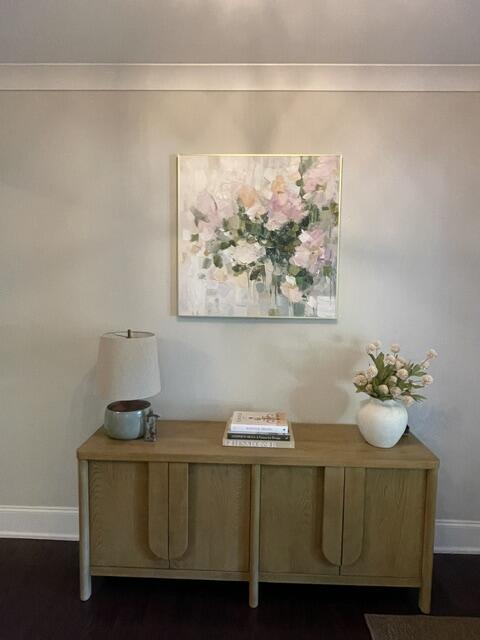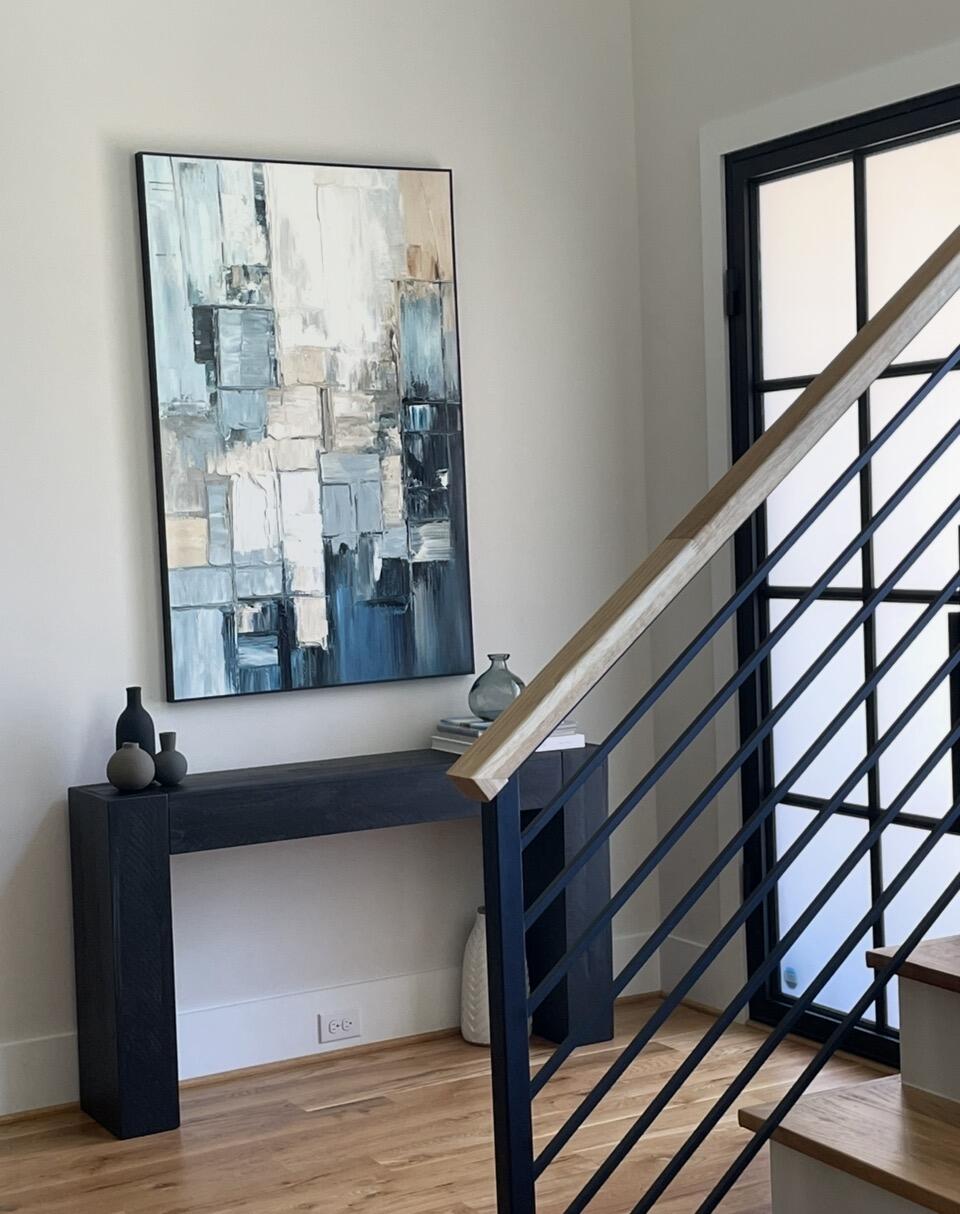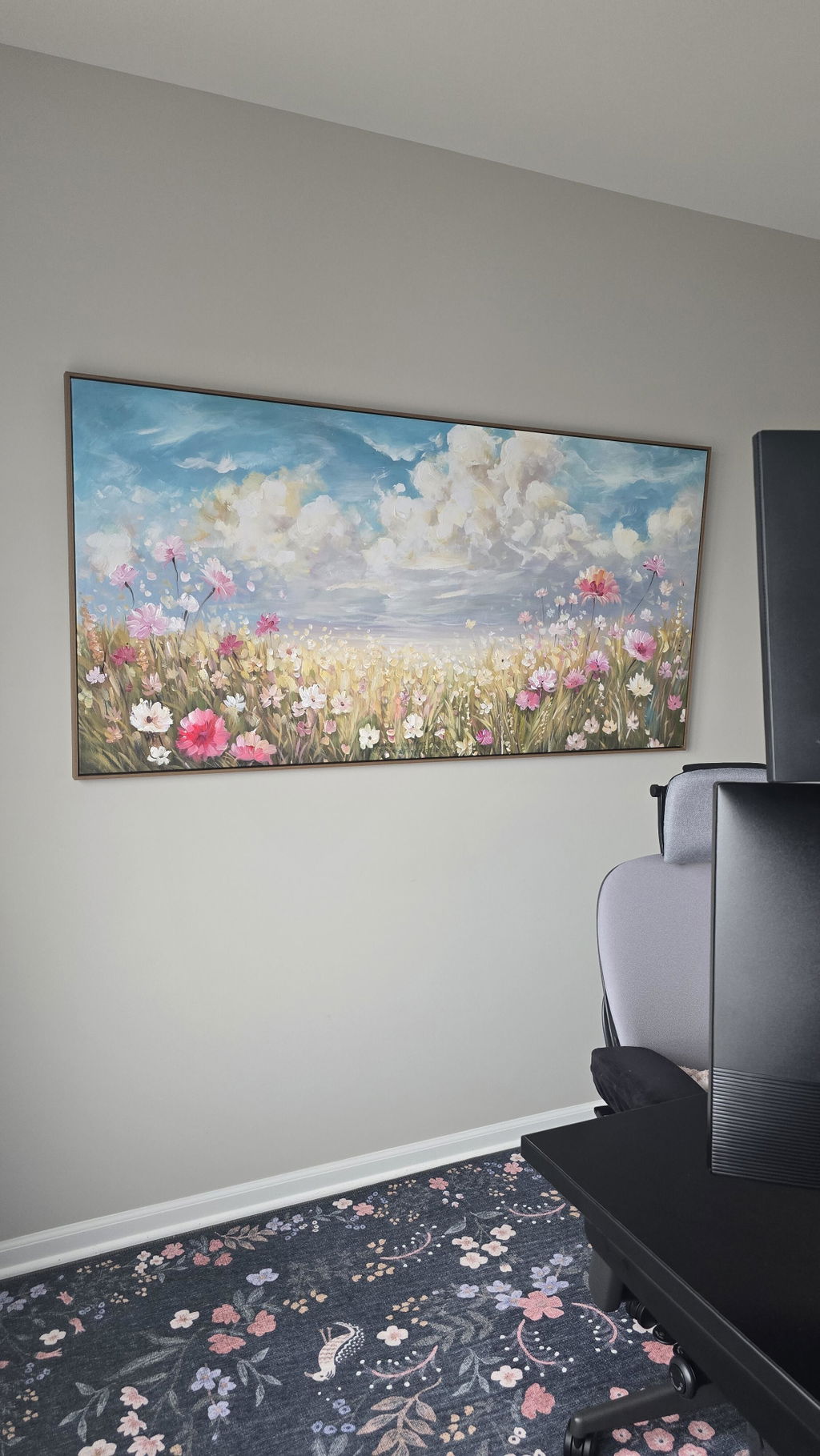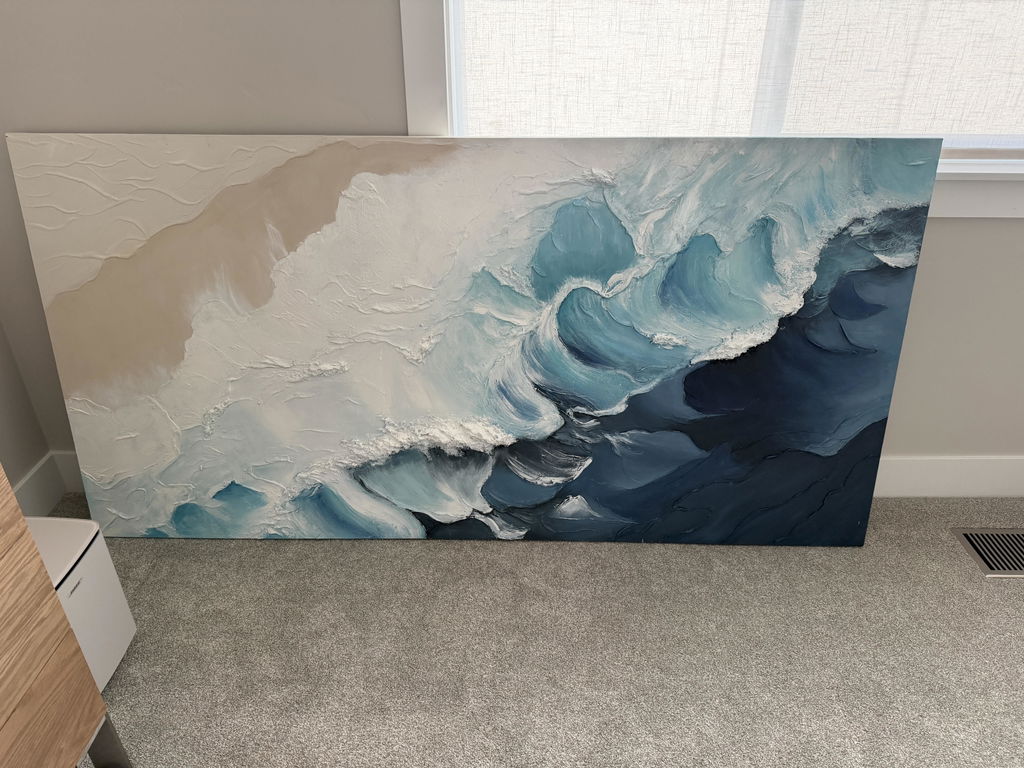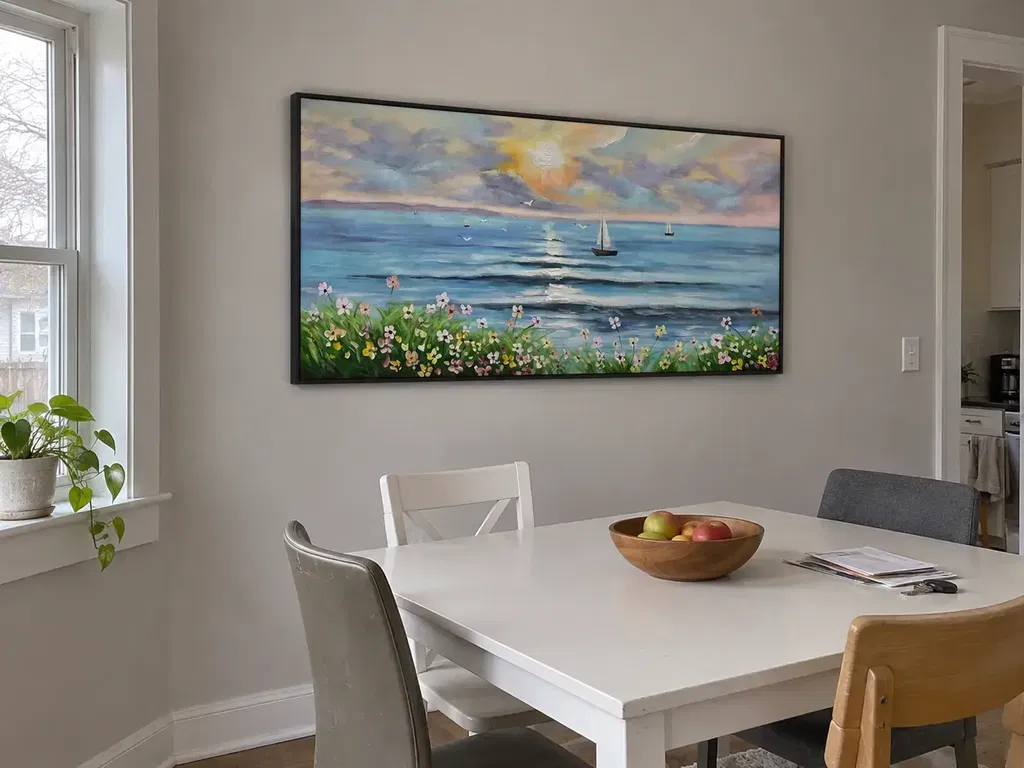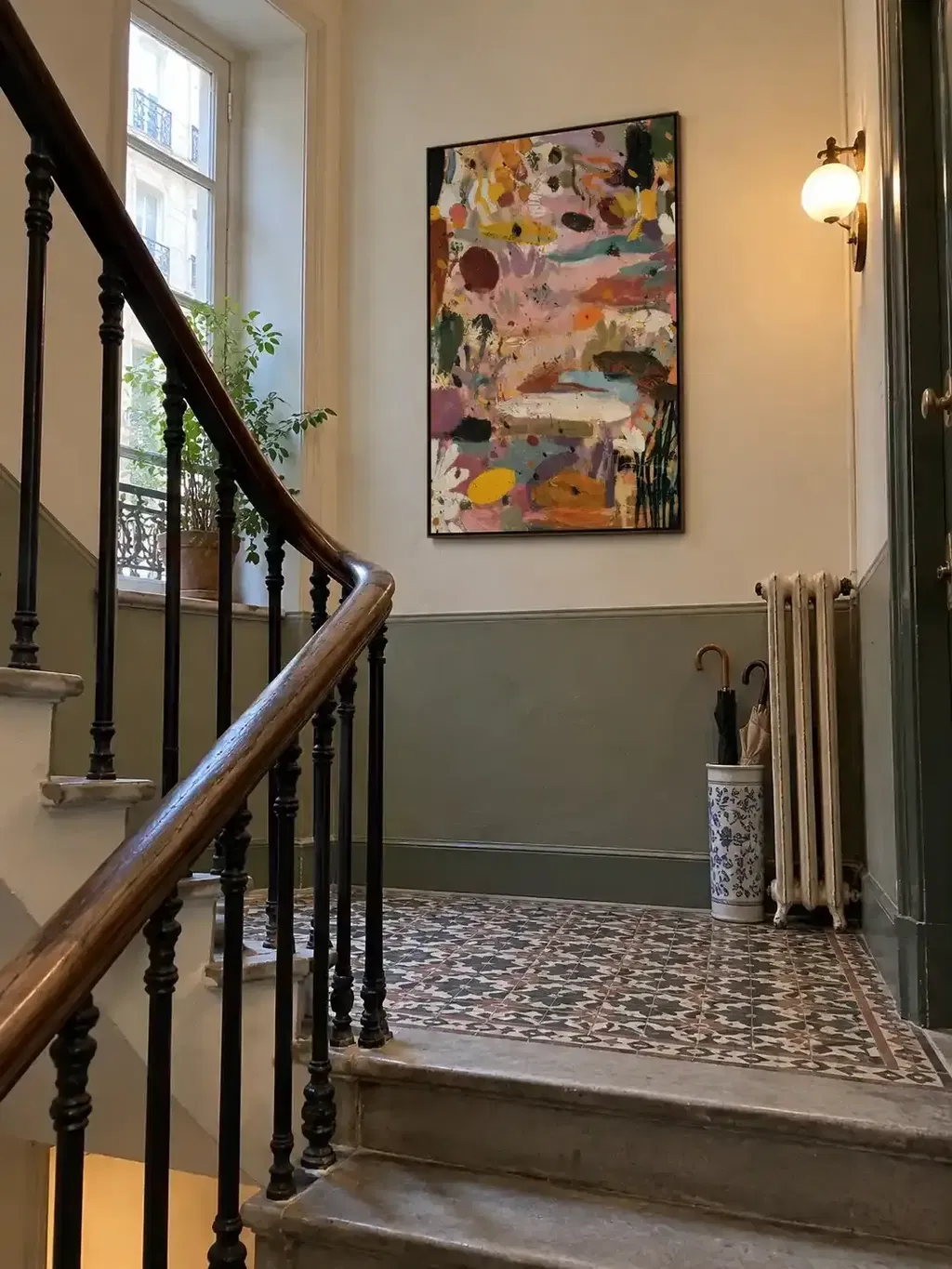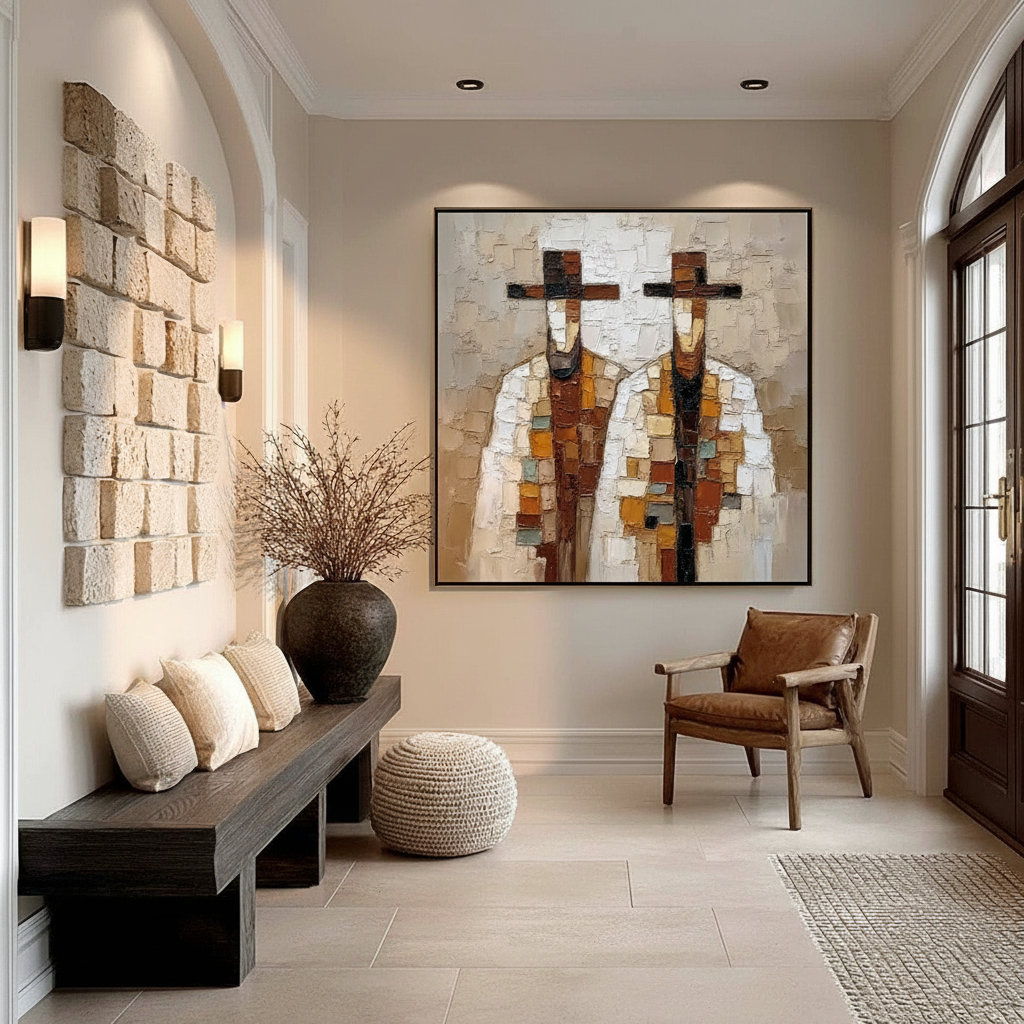
To choose the right canvas painting for your home, follow two primary mathematical ratios: ensure the art covers 60% to 75% of the available wall space, and select a piece that is 2/3 to 3/4 the width of the furniture below it. For placement, hang the center of the canvas approximately 57 to 60 inches from the floor to achieve professional-grade eye-level alignment. By balancing these proportions with the 70/30 color rule, you can create a cohesive interior that feels intentional rather than accidental.
Fundamental Rules for Canvas Sizing and Placement
The most frequent mistake in interior design is selecting art that is too small for the space. When a piece of art fails to meet the 60% to 75% wall coverage rule, it often appears "lost" or disconnected from the architecture of the room. To calculate this, measure the blank wall space (excluding molding or existing furniture). Multiply the width and height by 0.60 and 0.75 to find your ideal range. For example, on a wall that is 10 feet wide, your art or gallery grouping should ideally span 6 to 7.5 feet.
Why does art look too small? It is usually a matter of visual weight. A small frame on a large, empty wall creates a high amount of negative space that draws the eye toward the emptiness rather than the artwork itself. If you are decorating a large foyer or a living room with vaulted ceilings, large abstract wall art is often necessary to anchor the vertical space.
Beyond width and height, you must consider the environmental conditions of the placement. The Canadian Conservation Institute (CCI) notes that light damage to paintings is cumulative and irreversible. When placing your canvas, avoid spots where direct sunlight will hit the surface for extended periods, as this can lead to fading and chemical degradation of the pigments over time.

Matching Art Dimensions to Your Sofa or Headboard
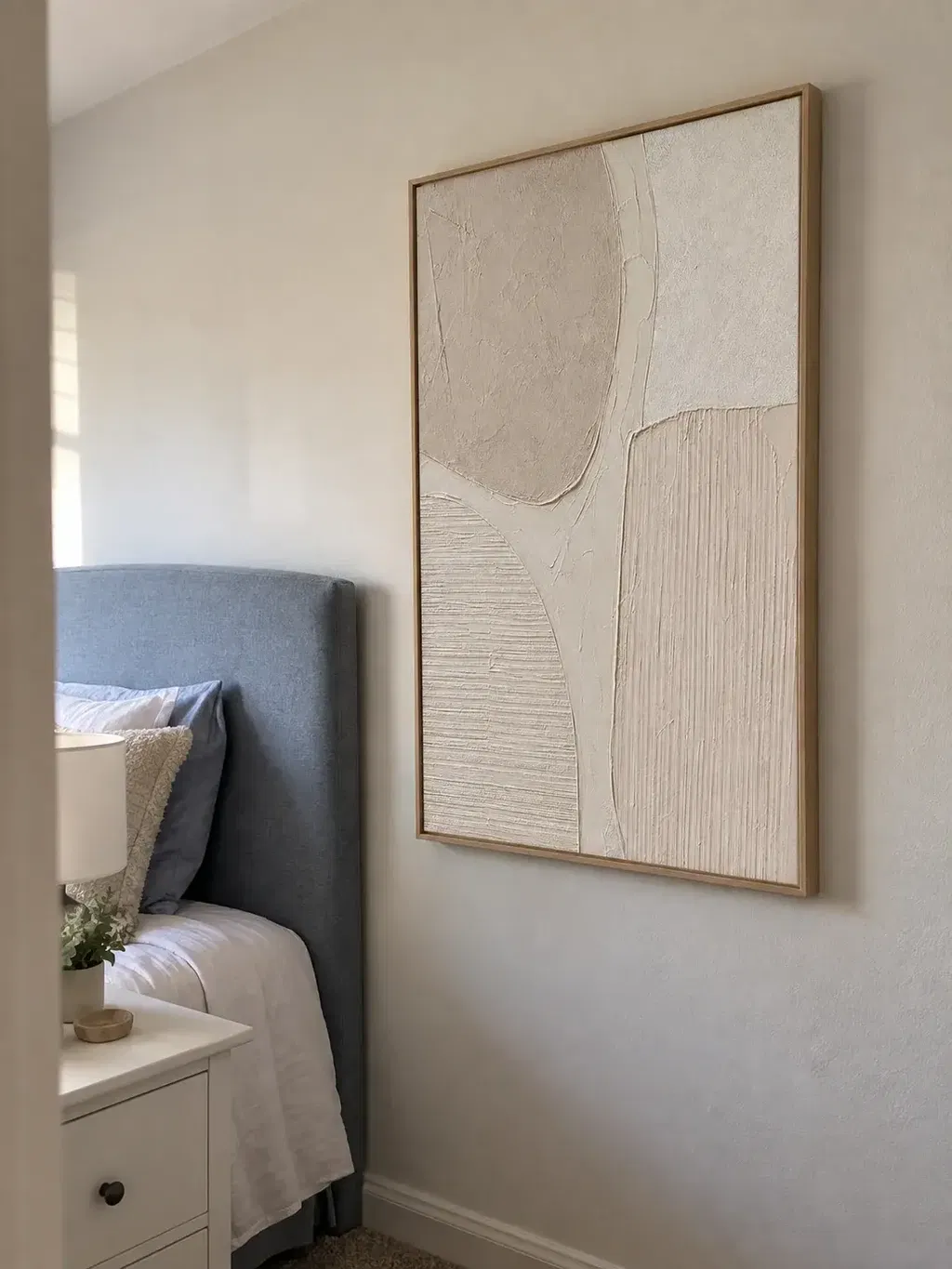
When hanging art above furniture—such as a sofa, headboard, or sideboard—the furniture acts as a foundation. To prevent the arrangement from looking top-heavy or floating awkwardly, the art should be roughly 2/3 to 3/4 the width of the furniture below.
For an 84-inch sofa, the ideal canvas width would be between 56 and 63 inches. If the art is wider than the sofa, it creates a sense of instability. In a bedroom, the same rule applies to the headboard. A common concern is whether modern wall art will overpower a small room. In a compact bedroom, sticking to the 2/3 ratio ensures the art enhances the bed without making the walls feel like they are closing in.
| Furniture Item | Furniture Width | Min Art Width (2/3) | Max Art Width (3/4) |
|---|---|---|---|
| Loveseat | 60 inches | 40 inches | 45 inches |
| Standard Sofa | 84 inches | 56 inches | 63 inches |
| Large Sofa | 96 inches | 64 inches | 72 inches |
| Queen Headboard | 60 inches | 40 inches | 45 inches |
| King Headboard | 76 inches | 50 inches | 57 inches |
Single Panels vs Triptychs for Large Room Walls
Filling a massive wall does not always require a single, heavy oversized canvas. Triptychs—artworks divided into three panels—offer a strategic way to cover 75% of a wall while maintaining a sense of airiness. Because triptychs have gaps between the panels, the wall color peeks through, preventing the art from feeling as "heavy" as a solid block of canvas.
When to choose a Single Panel:
- When you want a singular focal point or a high-impact abstract art piece.
- In rooms with minimalist decor where you want the art to provide the primary texture.
- When the artwork features a complex, detailed subject like a portrait or a busy cityscape.
When to choose a Triptych:
- When filling large architectural spaces like corridors or high-ceilinged living rooms.
- To create a sense of movement, such as in landscape canvas art where a horizon spans multiple panels.
- When you need to fill 70% of a wall but want to avoid the structural stress of a single massive frame.
Large panels require significant structural support. The Smithsonian MCI suggests that large canvases should be handled by two or more people and that poor hanging hardware increases the risk of structural damage. Using multiple smaller panels in a triptych can often mitigate the weight load on a single wall fastener.
The 70/30 Rule for Coordinating Art with Wall Colors
Color coordination is about more than just matching shades. The 70/30 rule is a professional framework: 70% of the colors in your art should harmonize with the existing palette of your room, while the remaining 30% should provide contrast.
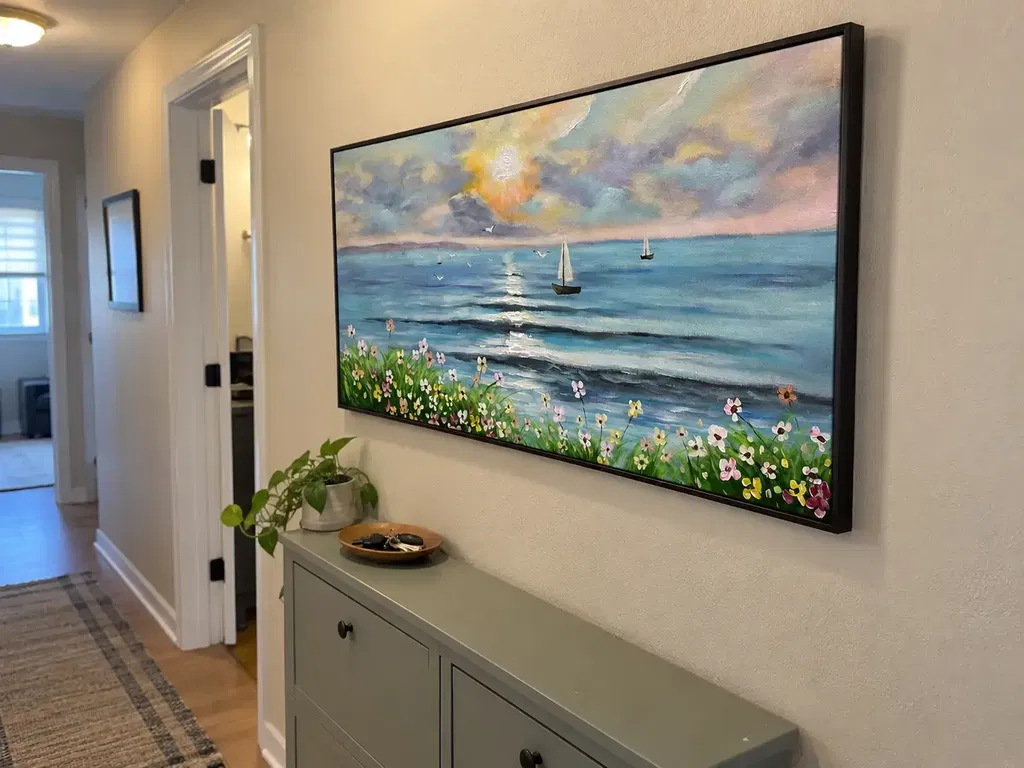
- Neutral Walls: If your walls are beige or white, choose art that introduces one or two bold accent colors. A canvas wall art framed in black or dark wood can provide the necessary "pop" against a light backdrop.
- Dark Accent Walls: For a navy blue or charcoal wall, look for art with lighter hues or metallic elements (like gold leaf) to create a glowing effect.
- The Power of Nature: Choosing art with natural themes isn't just a stylistic choice; research shows that nature-themed art can produce lower systolic blood pressure and higher perceived restoration compared to blank walls.

Selecting Frames to Complement Furniture Finishes
The frame is the bridge between the painting and the room’s furniture. A mismatched frame can make even the most beautiful canvas feel out of place.
- Matching Wood Tones: If your coffee table and shelving are walnut, look for frames in a similar dark wood. You do not need an exact match, but the undertones should align.
- Metallic Finishes: Modern interiors often use brushed brass or matte black hardware. Use these same materials for your frames to create a unified metallic "story" across the room.
- Protective Backing: Regardless of the style, ensure your frame is functional. The CCI recommends using protective backing boards for framed paintings to reduce exposure to humidity fluctuations and dust.
Standard Hanging Heights for Professional Alignment
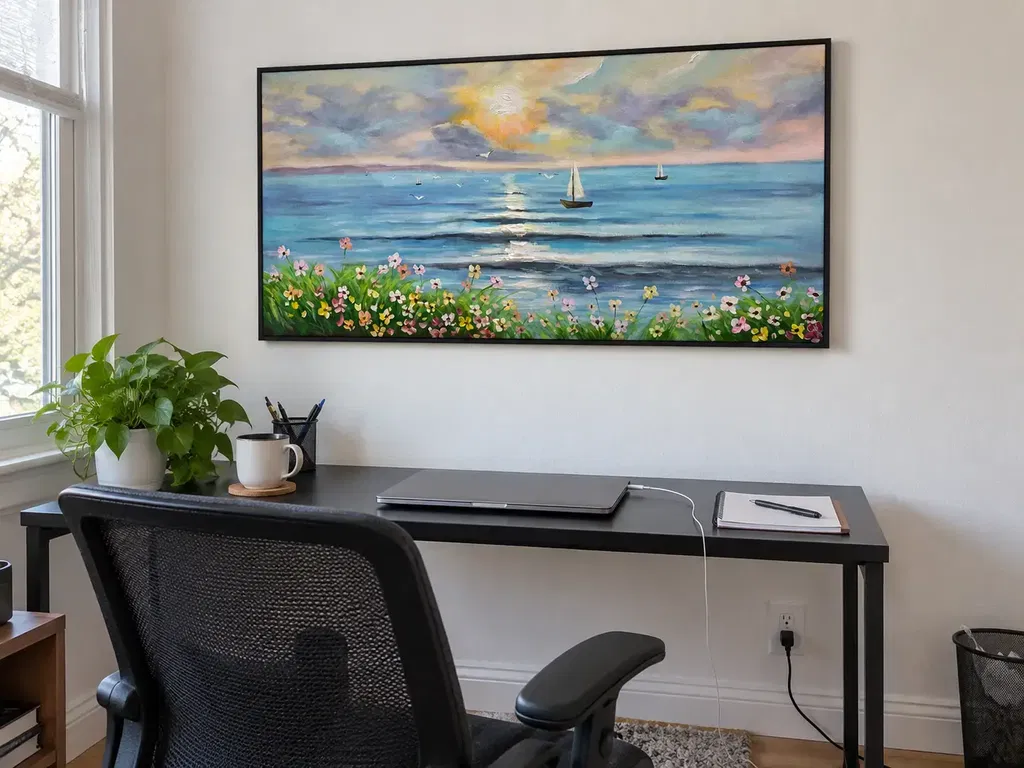
The final step to a professional look is the height. Museums and galleries use the "eye-level" rule, which positions the center of the artwork approximately 57 to 60 inches from the floor.
- Find the Center: Measure the height of your canvas and divide by two.
- Mark the Wall: Measure 58 inches up from the floor and mark it lightly.
- Calculate the Hook Placement: Measure the distance from the wire to the top. Adjust your mark accordingly.
- Hardware Safety: Ensure your wall attachment is rated for the weight. The CCI warns that falling damage often results from aged hardware or wall-attachment failure.
FAQs
Can a painting be wider than the sofa below it?
No; a painting should ideally be 2/3 to 3/4 the width of the sofa. Art that is wider than the furniture beneath it creates a top-heavy look that feels unstable and visually overwhelming.
How do I choose art for a dark accent wall?
On dark walls like navy or charcoal, choose art with lighter colors or metallic frames (brushed brass or silver). This creates high contrast and prevents the artwork from being absorbed into the dark background.
What is the best height to hang a canvas painting?
The center of the piece should be 57 to 60 inches from the floor. This aligns the art with the average human eye level, which is the standard used in professional art galleries.