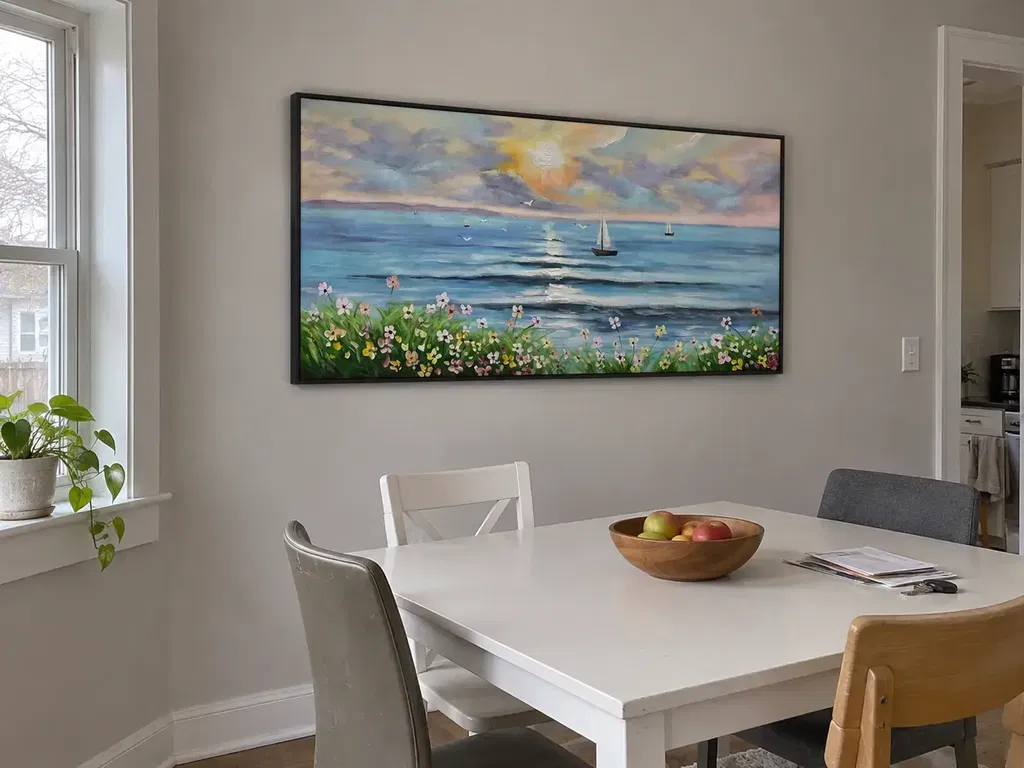
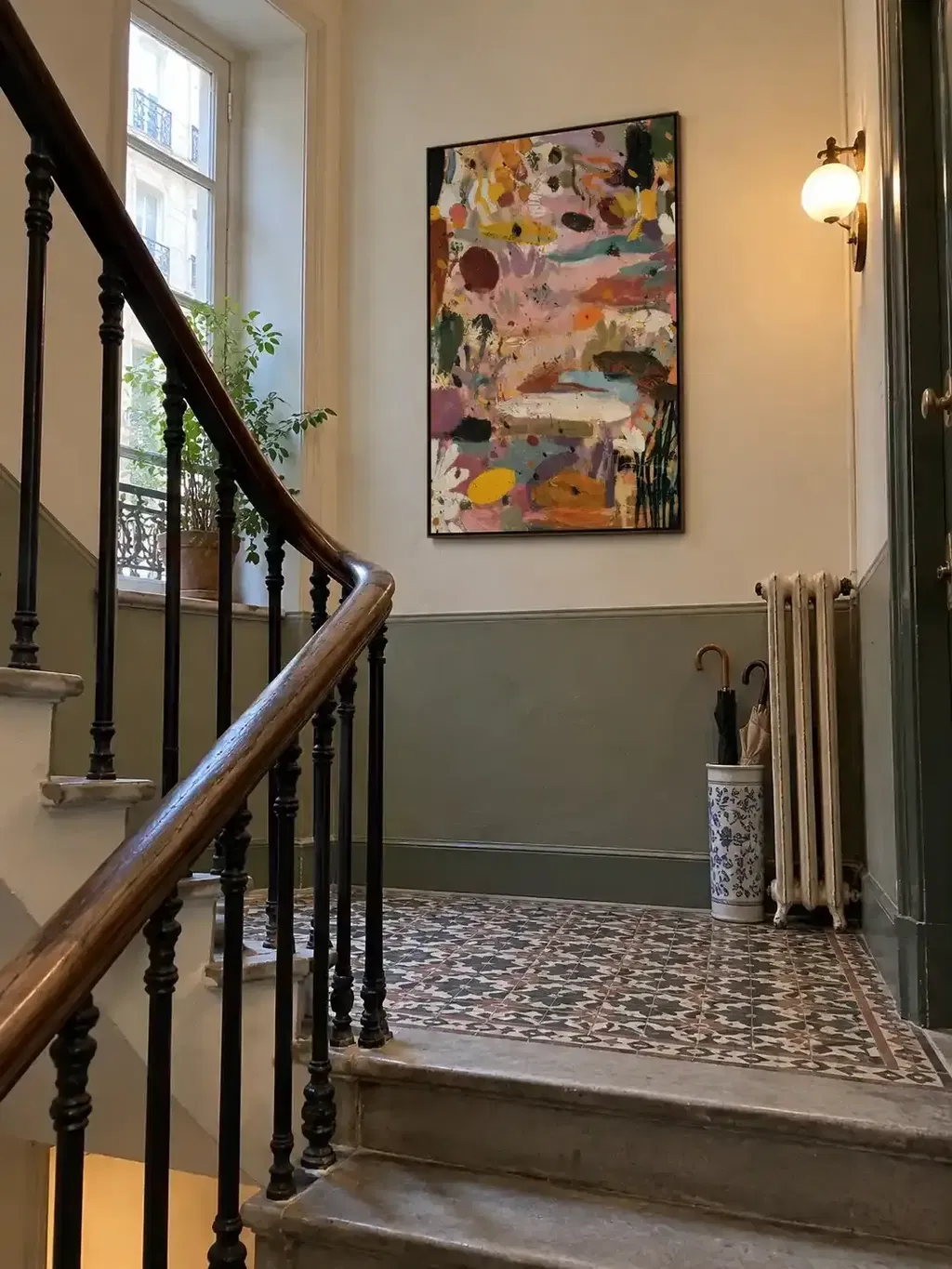
The Modern Aesthetic: Why Floating Frames Define the Contemporary Gallery Look
The global art market, while seeing a 44% decline in high-end auction sales over $10 million in 2024, is witnessing a significant pivot toward "real application value." According to Marketplace, buyers are retreating from purely financial art assets in favor of pieces that offer emotional resonance and architectural integration. In this landscape, the floating frame has emerged as the gold standard for modern interiors, offering a "camera-ready" finish that bridges the gap between raw, handmade authenticity and professional, retail-grade certainty.
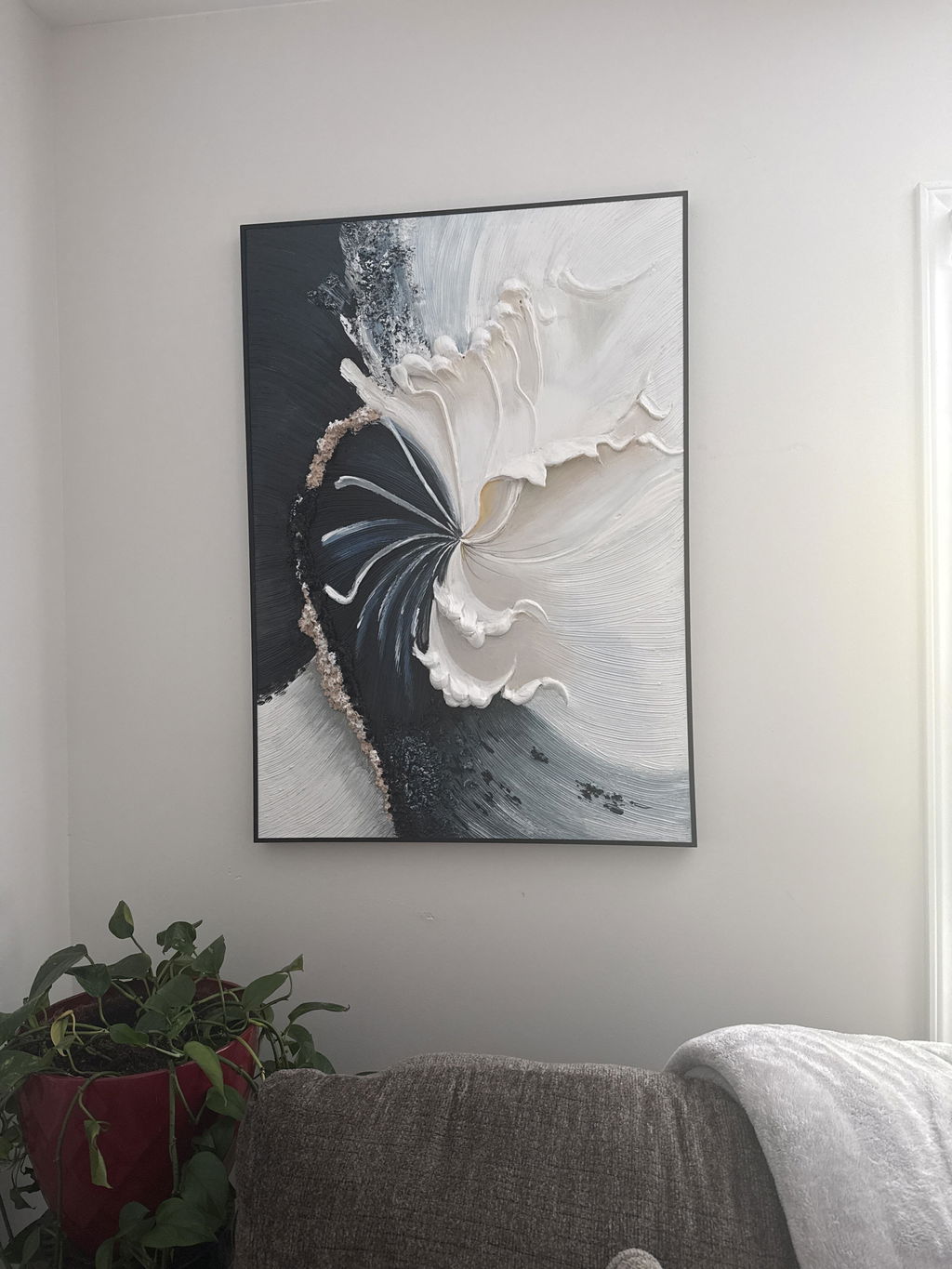
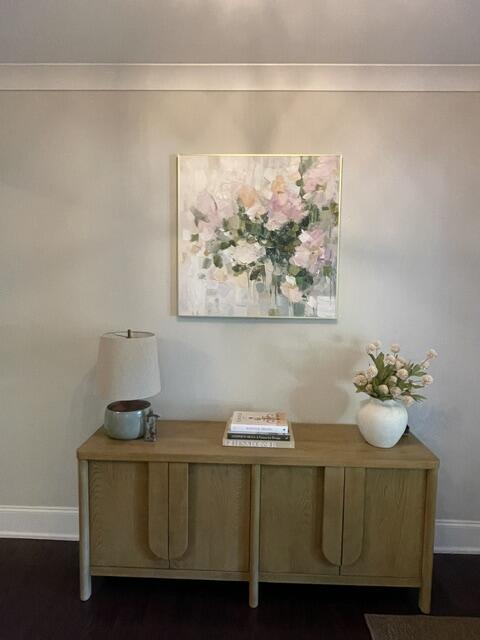
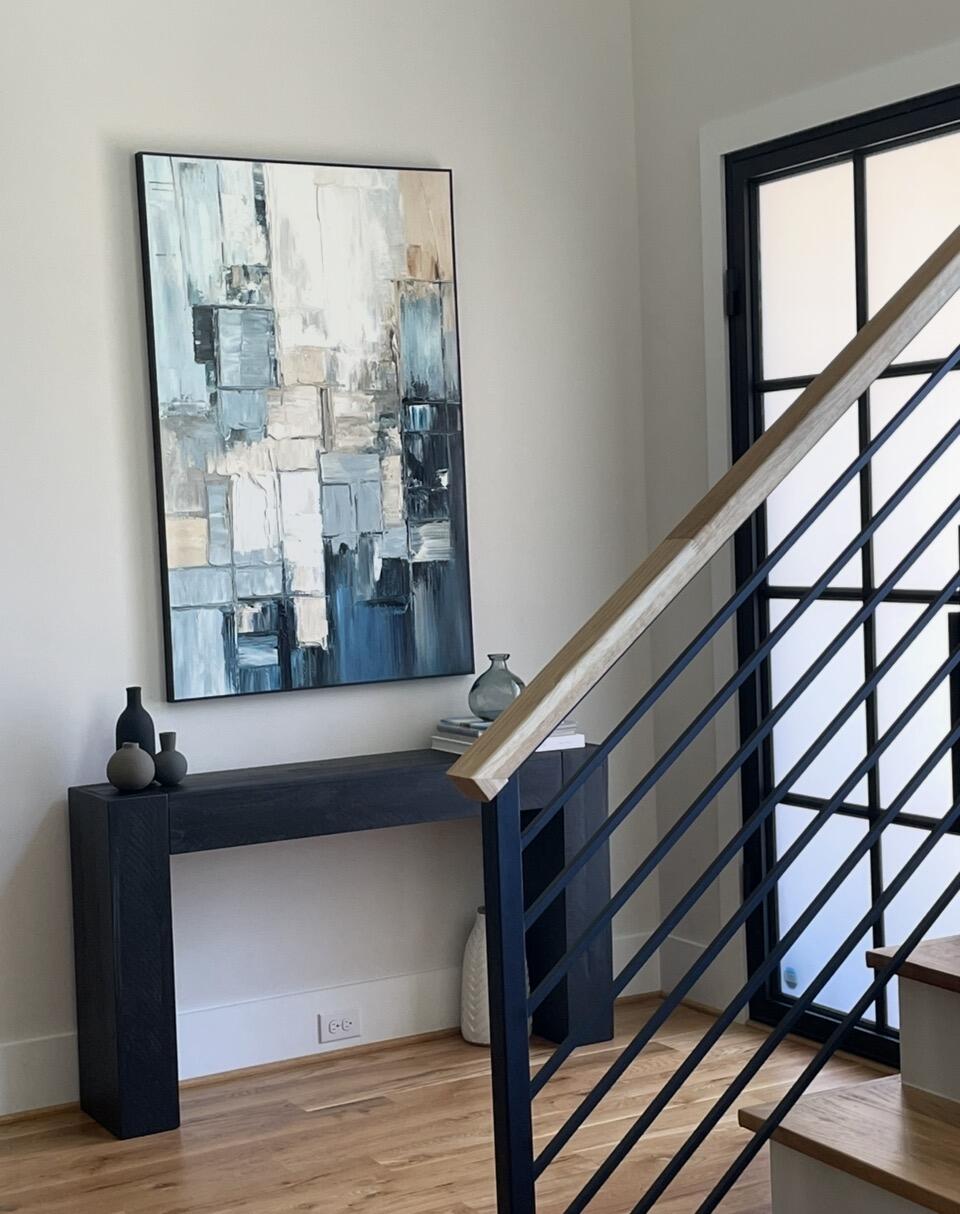
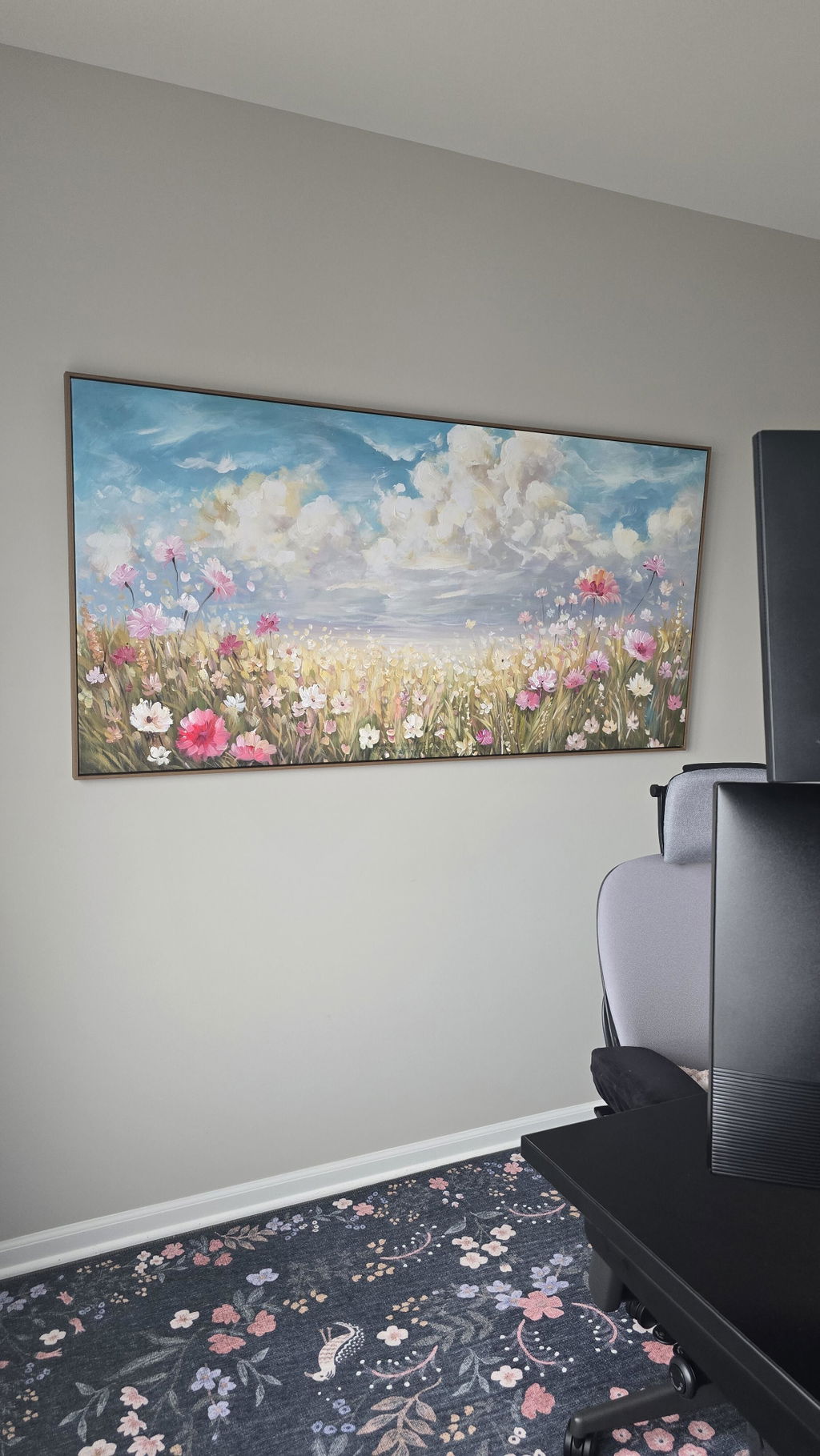
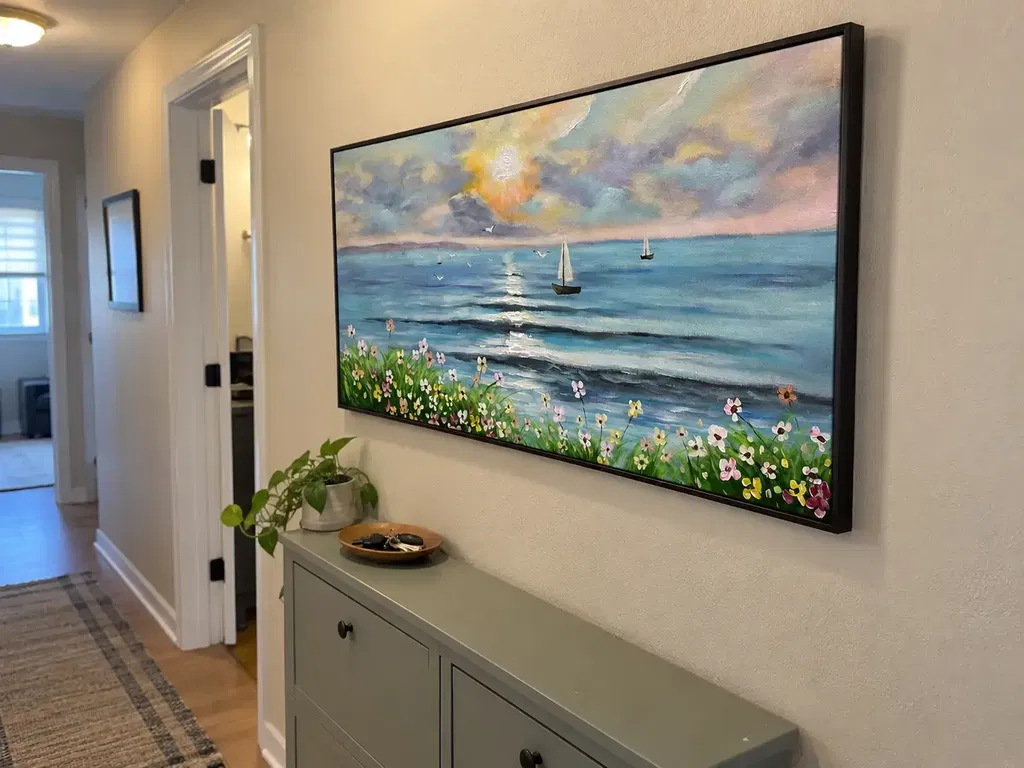
A floating frame (or "floater frame") is designed specifically for works on canvas or wooden panels. Unlike traditional frames that overlap the edge of the artwork, a floater frame leaves a small gap between the canvas and the interior edge of the frame. This creates the illusion that the painting is "hovering" within the structure. For the aesthetic-driven homeowner, this style is essential because it preserves 100% of the painted surface, including the textured edges often found in premium hand-painted murals and canvases.
The Psychology of Authenticity: Human-Made vs. AI Reproductions
In an era of digital saturation, the value of the "human touch" has never been higher. Research from Columbia Business School confirms that consumers value art labeled "AI-generated" 62% lower than authentic human-created art. This commercial premium is rooted in what University of Chicago researchers call "essential identity"—the psychological belief that a physical canvas retains an irreplicable soul and the artist's presence that digital prints simply cannot mimic.
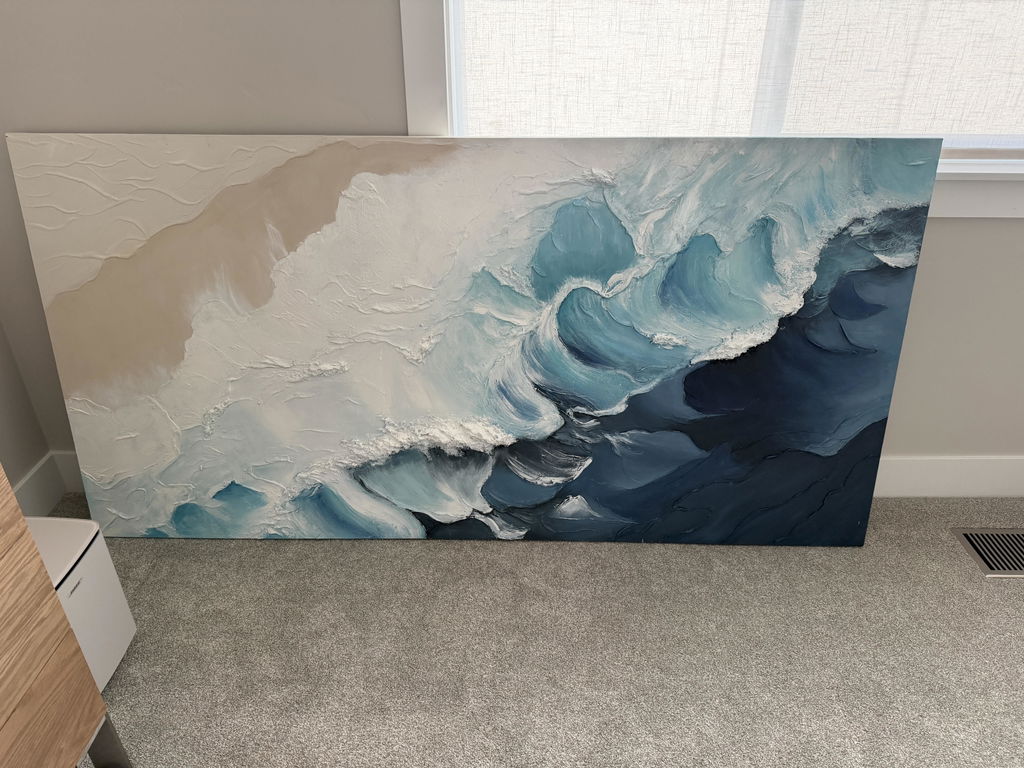
Floating frames accentuate this authenticity. By exposing the sides of the canvas, the viewer sees the physical evidence of the artist’s process—the drips, the brushstrokes, and the thickness of the impasto. This visual transparency satisfies the 87% of consumers who, according to Wharton School surveys, believe artists should be fairly compensated and recognized for their physical labor.

Technical Standards: The "1/4 Inch Rule" and Structural Integrity
While the floating frame is prized for its minimalist look, its installation requires strict adherence to professional standards to prevent long-term damage. The most common error observed by professional framers is underestimating canvas expansion.
The Expansion Gap
Oil paintings on stretched canvas are organic materials that naturally expand and contract with fluctuations in humidity. According to Lowy 1907, rigid frames that offer no clearance can cause the canvas to sag, tear, or even lead to paint cracking within 2–3 years.
Analysis Note (The 1/4 Inch Heuristic):
- Standard: Leave a minimum of 1/4 inch (6mm) clearance between the canvas edge and the frame interior.
- Rationale: This gap provides a buffer for the natural movement of the wooden stretcher bars and the fabric.
- Verification: Measure the canvas at its widest point (often the center) rather than just the corners, as stretcher bars can bow slightly over time.
Weight and Joinery
For large-scale works—specifically those over 36 inches—the frame's structural joinery must be capable of withstanding at least 1.5 times the canvas weight. Professional mounting involves using offset brackets rather than direct contact points. This method distributes weight evenly across the frame's perimeter, preventing the "sagging" effect that often plagues DIY installations.
| Parameter | Recommended Value | Unit | Rationale |
|---|---|---|---|
| Float Gap | 0.25 (6) | inch (mm) | Accommodates thermal/hygroscopic expansion |
| Weight Capacity | 1.5x | multiplier | Safety margin for heavy impasto and solid wood frames |
| Mounting Type | Offset Brackets | N/A | Distributes tension to prevent frame warping |
| Cleaning Cycle | 5–10 | years | Prevents dust accumulation in the "float" channel |
Environmental Safety: VOCs and Indoor Air Quality
For "camera-ready" rooms that are also healthy living spaces, the choice of art materials is as critical as the frame itself. The EPA warns that indoor air pollution can be significantly higher than outdoor levels, making low-VOC (Volatile Organic Compound) materials a prerequisite for modern homes.
The IAQ Promise
While historical pigments like Lead White were once standard, they have been largely replaced by Titanium Dioxide, which now dominates 90% of the white pigment market due to its chemical inertness and hiding power (NCBI). However, even modern acrylics and oils can emit VOCs during the curing process. Aalto University experiments show that coatings on wood with 16% moisture emit significantly lower toxic VOCs than dry wood, particularly during the 28-day curing window.
Logic Summary: Our recommendation for "nursery-safe" or "medical-grade" art environments is based on selecting water-based acrylics or oils that utilize walnut oil instead of toxic turpentine solvents, as suggested by the Cincinnati Art Museum’s eco-friendly guidelines.
Biophilic Design: Art as Public Health Infrastructure
The trend for 2025 and 2026 is moving toward "understated elegance" with texture as its soul (Design State of Mind). This aligns with the rise of Biophilic Design—integrating natural landscapes into the built environment.
The World Health Organization (WHO) has confirmed through a review of over 3,000 studies that art interventions effectively alter clinical indicators for mental health. Specifically, UPenn researchers found that 73% of patients reported significant mood improvements when exposed to nature-themed art. In a high-density office or a modern home, a large-scale nature mural in a floating frame does more than decorate; it activates the mPFC (medial prefrontal cortex) to optimize emotional regulation (NCBI).

Economic Impact: From Vanity to Investment
Commissioning a hand-painted piece in a professional floating frame is increasingly viewed as a property value driver. The Royal Society found a direct correlation between "art geo-tags" and relative house price gains. In commercial sectors, the impact is even more pronounced: public art projects in Chicago’s Millennium Park drove $1.4 billion in real estate-related growth (NCREALTORS).
For the individual buyer, this means that a $2,000–$5,000 investment in a custom mural or large-scale canvas isn't just "disposable decor." It is a cultural heritage asset. By following the ASTM D4303 standards for lightfastness and ensuring the frame allows for breathability, you are preserving a piece that may yield a 7:1 ROI in community and property value (Americans for the Arts).
Selecting the Right Finish: Receding vs. Competing
The visual success of a floating frame depends heavily on the finish relative to the room’s palette.
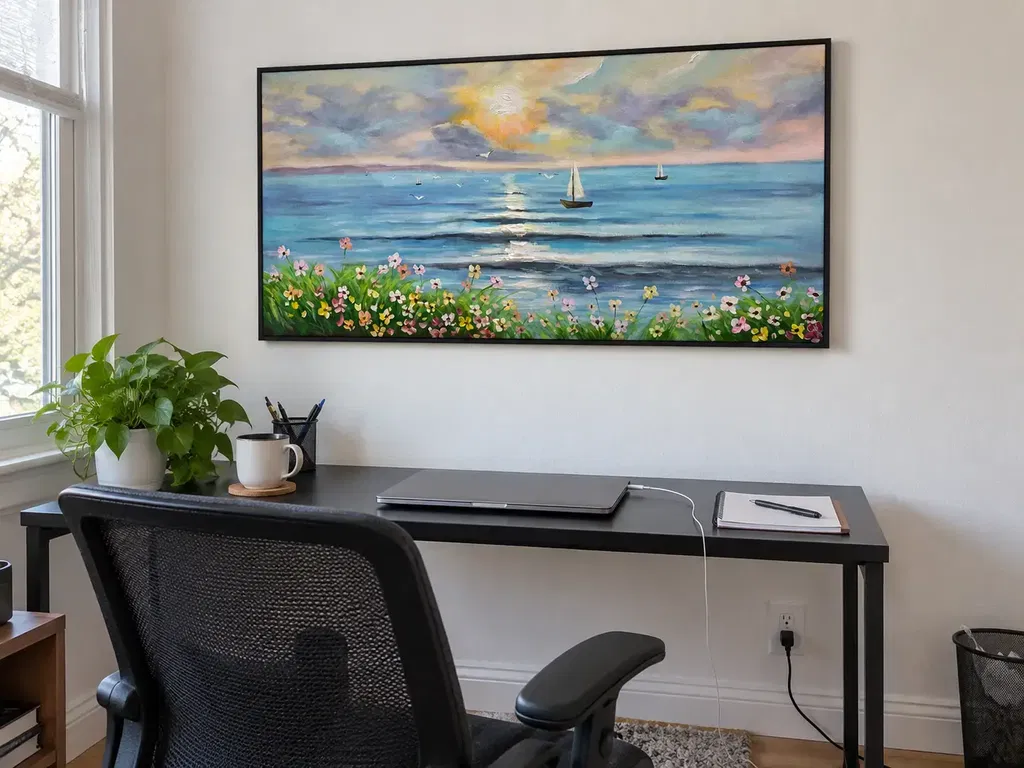
- Darker Finishes (Black, Espresso): These tend to recede visually, creating the strongest "hover" effect. They are ideal for high-contrast modern interiors where the artwork needs to pop.
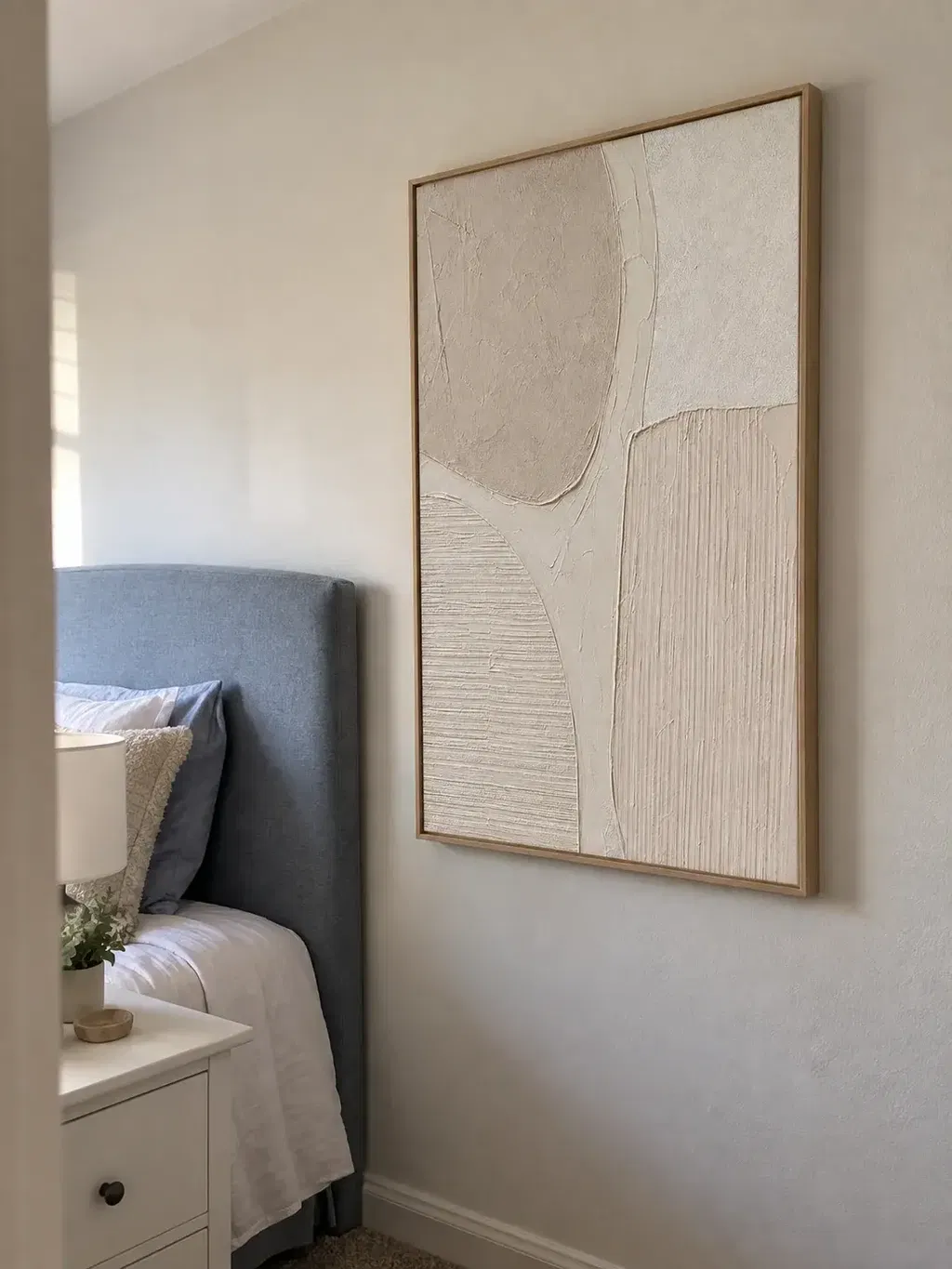
- Natural Wood (Oak, Maple): These can compete with the painting's palette. Professional designers typically reserve natural wood frames for artworks with muted, earthy tones to ensure the frame doesn't "overpower" the piece.
- The "Gallery White": Provides a seamless transition for minimalist, "white-cube" aesthetics, making the frame almost invisible against a matching wall.
Maintenance and Long-Term Care: The Hidden Costs
A common misconception is that floating frames provide "sleek protection." In reality, they can create micro-environments. If a floating frame is poorly sealed in a high-humidity area, RH levels can reach 90%, becoming a conservation hazard (Conservation Physics).
Professional conservation guidelines suggest a cleaning and inspection cycle every 5–10 years. Because floating frames have a "channel" where dust can settle between the canvas and the frame, they may require professional disassembly for deep cleaning, which can cost between $200 and $500 depending on the size of the work.
Buyer’s Checklist for Floating Frames
- Verify the Gap: Ensure the maker provides at least 1/4 inch of clearance on all sides.
- Check the Joinery: For large pieces, look for reinforced corner joints (V-nails and wood glue).
- Inquire About Pigments: Confirm the use of lightfast, non-toxic pigments (ASTM D-4236 compliant).
- Confirm Mounting Hardware: Ensure the use of offset clips or Z-brackets to prevent sagging.
- Environment Check: Avoid hanging floating frames in areas with extreme humidity fluctuations (e.g., directly opposite an uninsulated window or near a bathroom).
YMYL Disclaimer: This article is for informational purposes only. When dealing with heavy art installations or potentially toxic art materials, always consult with a professional framer or a certified industrial hygienist. Proper structural mounting is essential to prevent injury or property damage.
References:
- Marketplace: The expensive art market continues to struggle
- Columbia Business School: Human-Made vs. AI Art Study
- WHO: Scoping Review on Arts and Health
- EPA: Indoor Air Quality and Low-VOC Paints
- Royal Society: Quantifying the link between art and property prices
- Lowy 1907: Protecting Artworks from Humidity Damage
- ASTM International: Standard Test Methods for Lightfastness
- NCBI: Neurological mechanisms of creative arts