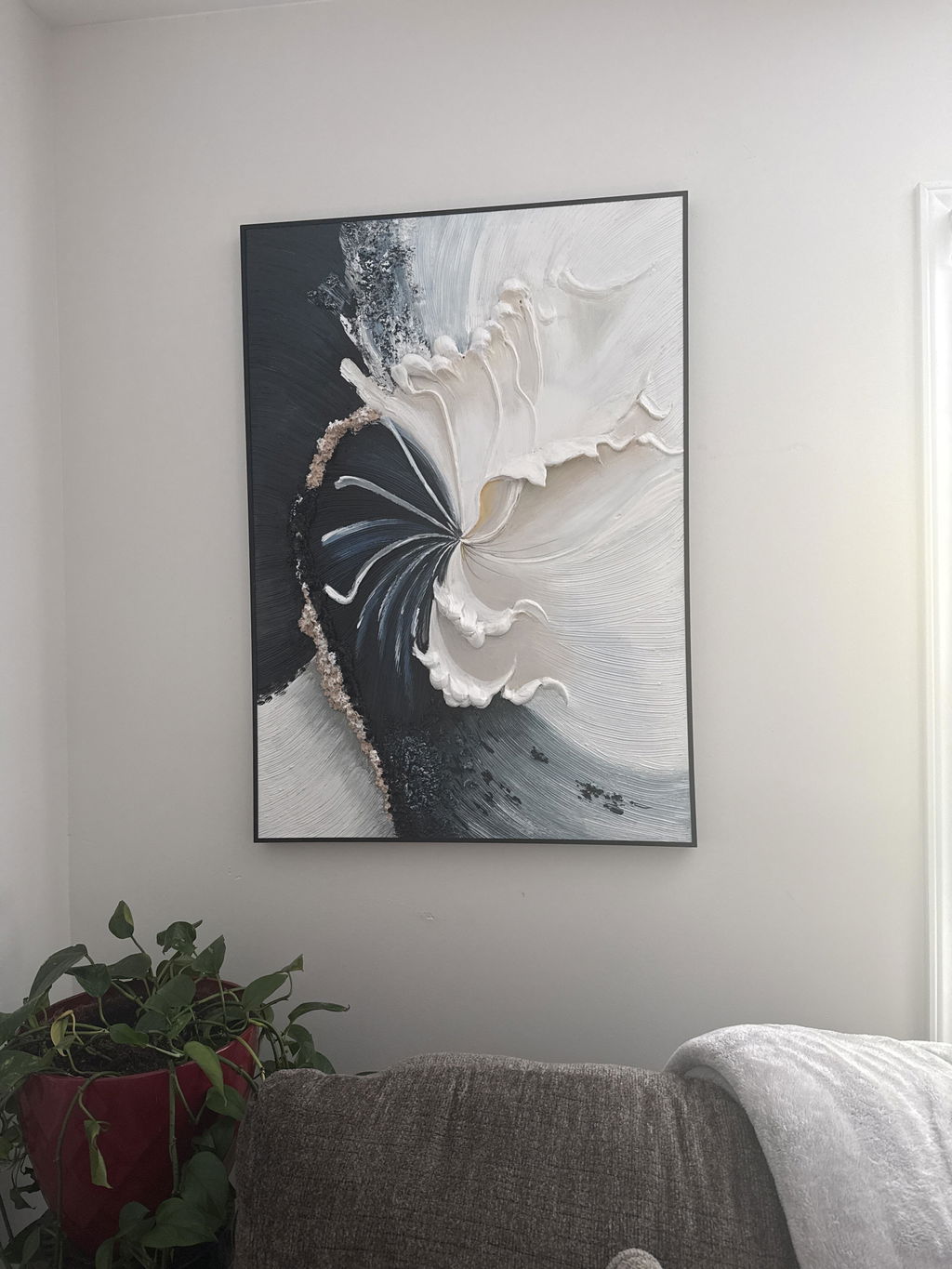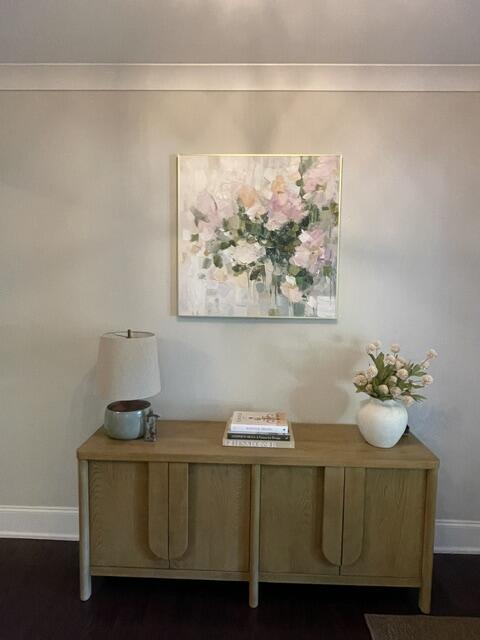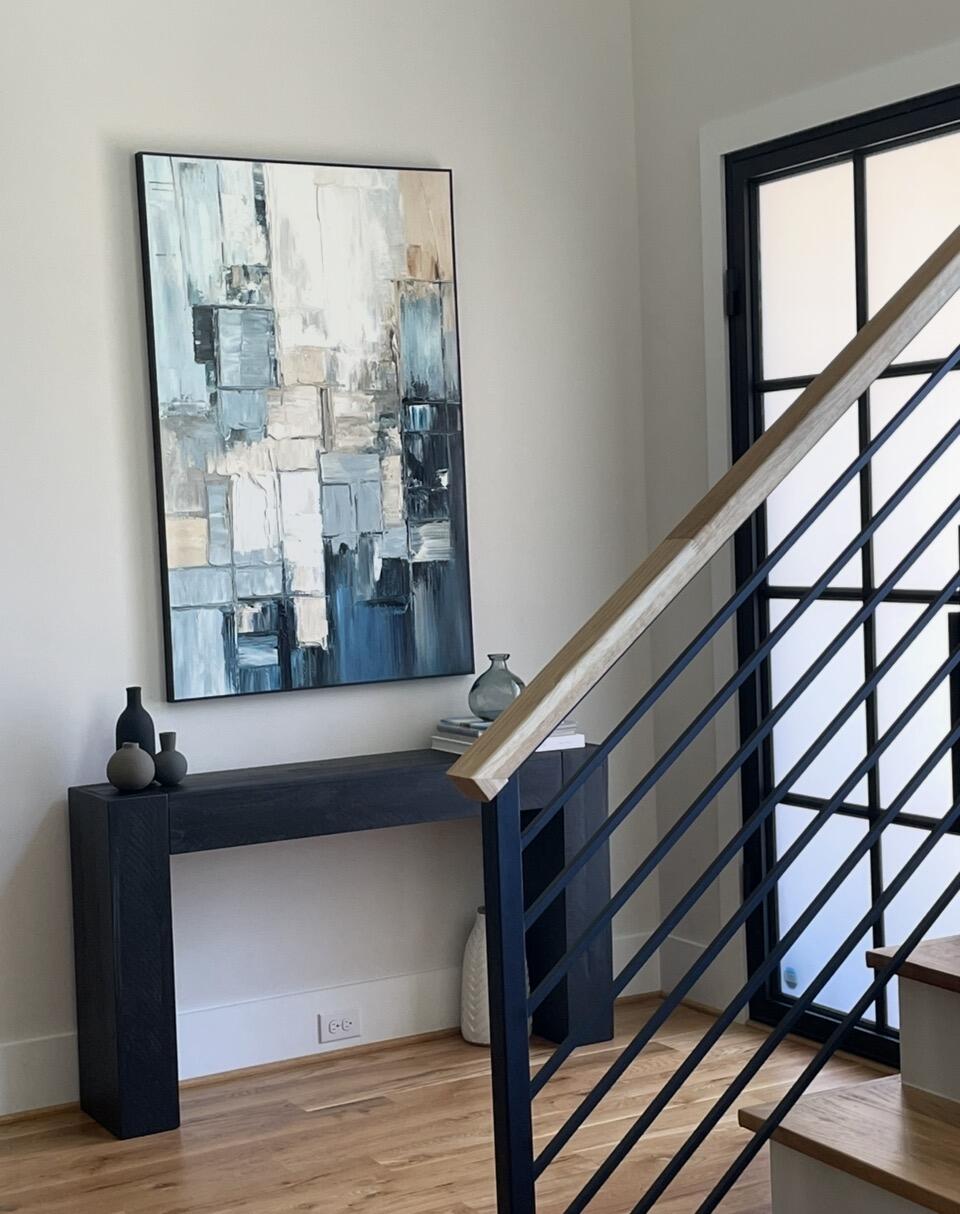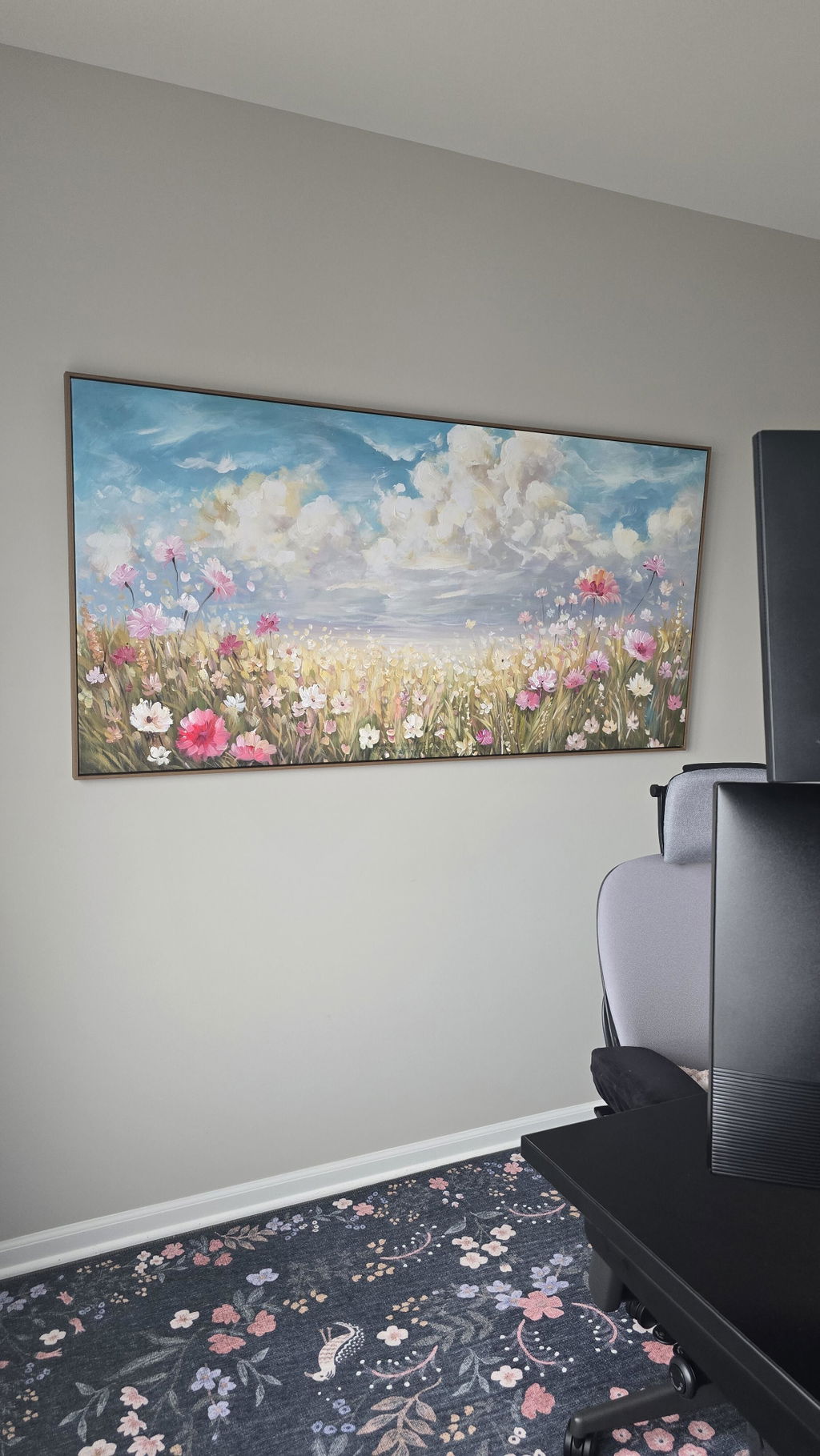
Fireplace Decor: Managing Soot Risks for Mantle-Hung Oils
The mantle is the traditional "throne" of the home—a natural focal point where architecture and personal style converge. For many homeowners and interior design enthusiasts, placing a hand-painted oil painting above a fireplace is the ultimate aesthetic statement. However, this placement introduces a complex set of environmental variables that can threaten the longevity of a fine art investment.
While high-end auction sales for "financial asset" art plummeted 44% year-over-year in 2024, according to Marketplace.org, there is a growing trend toward "real application value" art. Consumers are increasingly prioritizing custom, hand-painted works that offer emotional resonance and physical presence. This shift makes the preservation of these pieces even more vital. To protect the "essential identity" and soul of a human-created canvas—which UChicago research confirms is irreplicable by digital prints—one must understand the chemistry of the fireplace environment.
Hanging art above an active fireplace exposes the canvas to two primary threats: rapid thermal cycling and particulate deposition (soot). This guide provides a technical breakdown of these risks and actionable strategies to mitigate them.
The Physics of the Mantle Environment
The area above a fireplace is a high-energy zone. Even a well-functioning chimney creates a "plume" of upward airflow. This draft does not just carry heat; it carries microscopic combustion byproducts.
1. Particulate Deposition (The Soot Problem)
Soot is not merely "dust." It consists of fine particulate matter (PM2.5) and carbonaceous materials that carry acidic components like sulfates and nitrates. Research indicates that soot particles smaller than 10 microns behave like airborne pollutants, moving through a room via Brownian motion and aerosolization.
These particles do not simply sit on the surface; they bond with the oil paint film through Van der Waals forces and electrostatic attraction. Because oil paintings often feature complex microtopography—the millimeter-scale texture that optical microprofilometry proves is crucial to their aesthetic—these particles become embedded in the "valleys" of the brushwork, making them exceptionally difficult to remove without damaging the underlying pigment.
2. Thermal Stress and Humidity Fluctuations
Oil paintings are "living" structures. The linseed or walnut oil binders undergo oxidative cross-linking over decades. Rapid heat cycles from a fireplace cause the wooden stretcher bars and the fabric canvas to expand and contract at different rates.
According to ResearchGate data on the ageing of commercial paints, oil-based yellow pigments can experience binder separation and even melting when exposed to extreme thermal aging (100°C). While a mantle rarely reaches such temperatures, the cumulative effect of hundreds of minor "shocks" can lead to premature embrittlement and cracking (craquelure).

Risk Assessment: Fireplace Type and Art Safety
Not all fireplaces present the same level of risk. The following table outlines the estimated risk levels and recommended mitigation strategies based on common household setups.
| Fireplace Type | Primary Risk Factor | Particulate Density | Recommended Clearance | Mitigation Strategy |
|---|---|---|---|---|
| Wood Burning | Acidic Soot / Ash | High | 30"+ above mantle | Deep mantle shelf + Varnish |
| Vented Gas | PM2.5 / Formaldehyde | Moderate | 24"+ above mantle | Mantel deflector / Glass frame |
| Ventless Gas | Moisture / NO2 | Low (Particulate) | 24"+ above mantle | Humidity monitoring |
| Electric/Decorative | Minimal Heat | Trace | 12"+ above mantle | Standard archival care |
Modeling Note: This risk assessment is a heuristic based on standard chimney draft patterns and particulate deposition rates observed in residential settings. It assumes a standard mantle depth of 6–10 inches. Actual results may vary based on room volume and HVAC filtration.
The "24-Inch Rule" and Architectural Barriers
Professional conservators frequently observe a measurable accumulation of soot on paintings hung less than 24 inches above the mantle lip within just 6 to 12 months of regular use. Distance alone, however, is often insufficient because aerosolized soot can travel 20+ feet.
The most effective preventative measure is the use of a physical barrier. A deep mantel shelf that extends forward acts as a "plume deflector," pushing the rising column of warm, particle-laden air away from the wall and the face of the painting.
Expert Insight: If you are designing a space for a high-value oil painting, consider placing the artwork on a recessed wall section or a "floating" panel. This creates a dead-air space that reduces the direct impact of the fireplace's convection currents.

Material Vulnerability: Why Pigment Quality Matters
The chemical composition of your painting dictates how it responds to the fireplace environment. Traditional oil paintings using mineral pigments often have higher heat resistance than modern synthetic alternatives, but they are still susceptible to chemical interactions.
The Role of Varnish as a Sacrificial Layer
Professional conservators recommend the use of museum-grade removable varnishes, such as Paraloid B-72. This creates a "sacrificial layer." Instead of soot bonding to the delicate oil paint, it bonds to the varnish. When the painting eventually requires cleaning, a professional can remove the soiled varnish without ever touching the original pigment.
For those interested in the timing of this protection, understanding the six-month rule for varnishing is essential, as applying varnish too early can trap moisture and lead to "blooming" or cloudiness.
Support Induced Discoloration (SID)
A specific risk in environments with fluctuating heat and humidity is Support Induced Discoloration. As noted in Golden Artist Colors technical bulletins, water-soluble impurities in the canvas substrate can be drawn forward through the paint layers during environmental shifts, causing a yellow or brown tint. This is particularly noticeable in works with thick impasto textures.
Cleaning and Maintenance: The "Do No Harm" Protocol
If you notice a dulling of the colors or a fine grey "veil" over your painting, it is likely soot accumulation. Your response must be measured.
- Never Use Household Cleaners: Ammonia, vinegar, or "all-purpose" sprays can dissolve the oil binder or cause the paint to swell and flake.
- Dry Methods Only: Use a high-quality, clean microfiber cloth or a soft natural-hair brush (like a hake brush) to gently lift surface dust. Apply minimal pressure to avoid pushing particles deeper into the paint texture.
- Monitor for "Haziness": If the painting appears cloudy or yellowed, this may indicate polymer breakdown from heat exposure or the migration of surfactants. Tate research suggests that environmental shifts can cause water-soluble crystals to form on the surface, a phenomenon often mistaken for simple dirt.
- Professional Assessment: If a piece is a significant investment, consult a conservator every 5–10 years for a condition report. They can use non-destructive infrared and ultraviolet imaging to see beneath the surface and identify structural issues before they become catastrophic.
Health, Safety, and the "Green" Mantle
Beyond the art itself, the fireplace environment impacts the air you breathe. The EPA warns that indoor air pollution can be significantly higher than outdoor levels. When choosing art and materials for a home with a fireplace, consider the "Indoor Air Quality (IAQ) Promise."
- Low-VOC Materials: Ensure that any framing or backing materials are low-VOC and acid-free.
- Pigment Safety: Be aware that some traditional pigments, such as Cadmium or Lead White, carry health risks if they become friable or are handled during restoration. The IARC classifies cadmium compounds as Group 1 carcinogens, making professional handling a prerequisite for any damaged older works.
- Eco-Friendly Alternatives: Modern studios are increasingly moving toward walnut oil binders and hemp canvases, which Cincinnati Art Museum notes are more sustainable and emit fewer toxic vapors during the curing process.
Scenario Analysis: Choosing Your Strategy
To better understand how to apply these principles, let’s look at two common household scenarios.
Scenario A: The Active Family Hearth
- Context: A wood-burning fireplace used 3–4 times a week during winter.
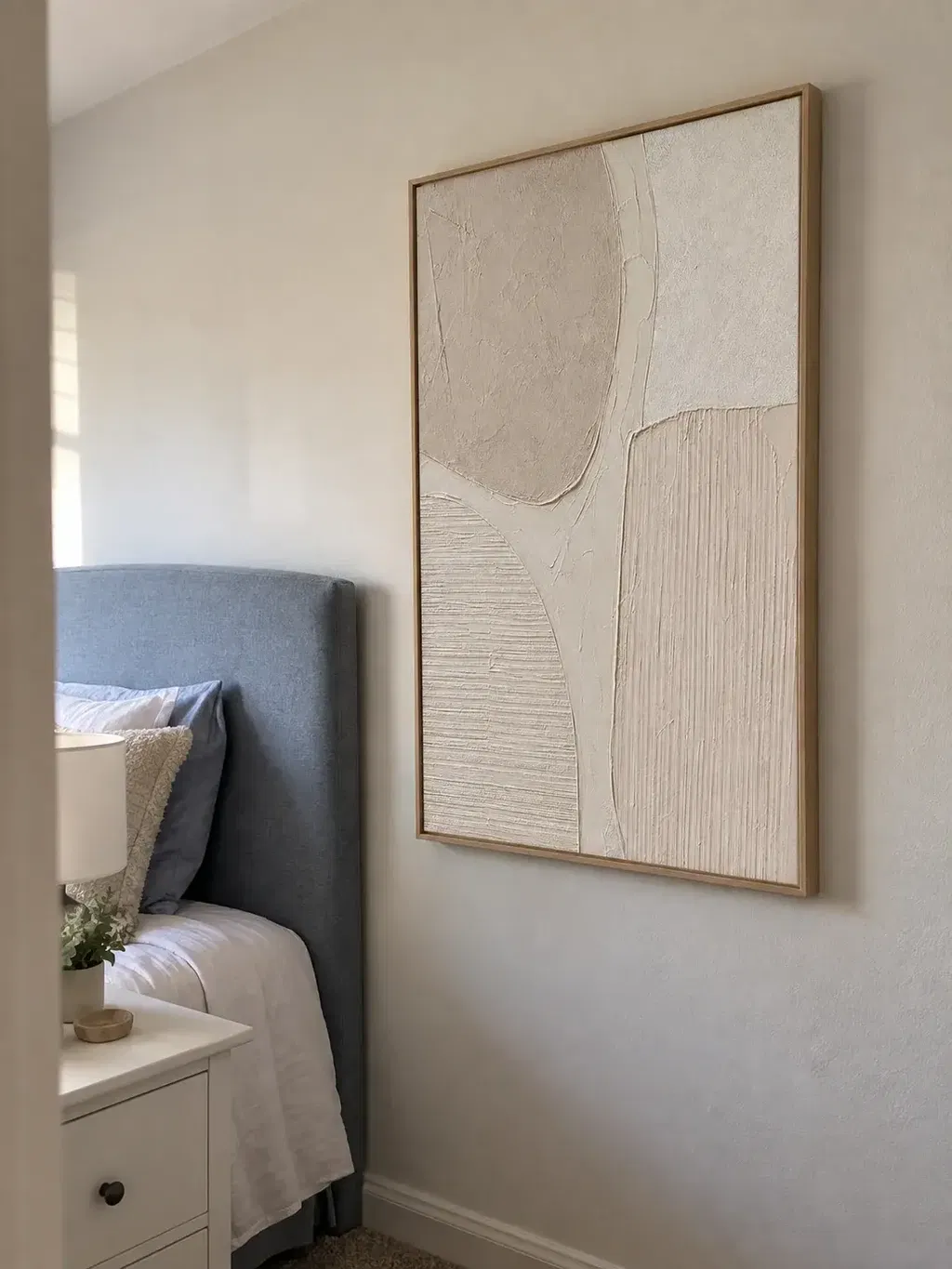
- The Art: A large-scale, heavily textured impasto oil painting.
- The Strategy: This is a high-risk environment. The homeowner should install a mantel shelf with a minimum 10-inch depth. The painting should be professionally varnished with a removable synthetic coating. A "dusting" schedule with a soft brush should be implemented every two weeks during the burning season.
Scenario B: The Modern Minimalist Suite
- Context: A ventless gas fireplace used primarily for ambiance.
- The Art: A smooth-surfaced oil portrait with minimal texture.
- The Strategy: The primary risk here is nitrogen dioxide and minor moisture spikes. The homeowner should prioritize a stable humidity and temperature environment. Because the surface is smooth, soot is less likely to "anchor," but a glass-fronted frame (with spacers to prevent contact with the paint) would provide the ultimate protection.
Long-Term Value and the "Identity" of Art
Investing in hand-painted oil art is an investment in human creativity. While Artsy 2024 reports show that online e-commerce for high-end art is maturing, the physical care of these objects remains a hands-on responsibility.
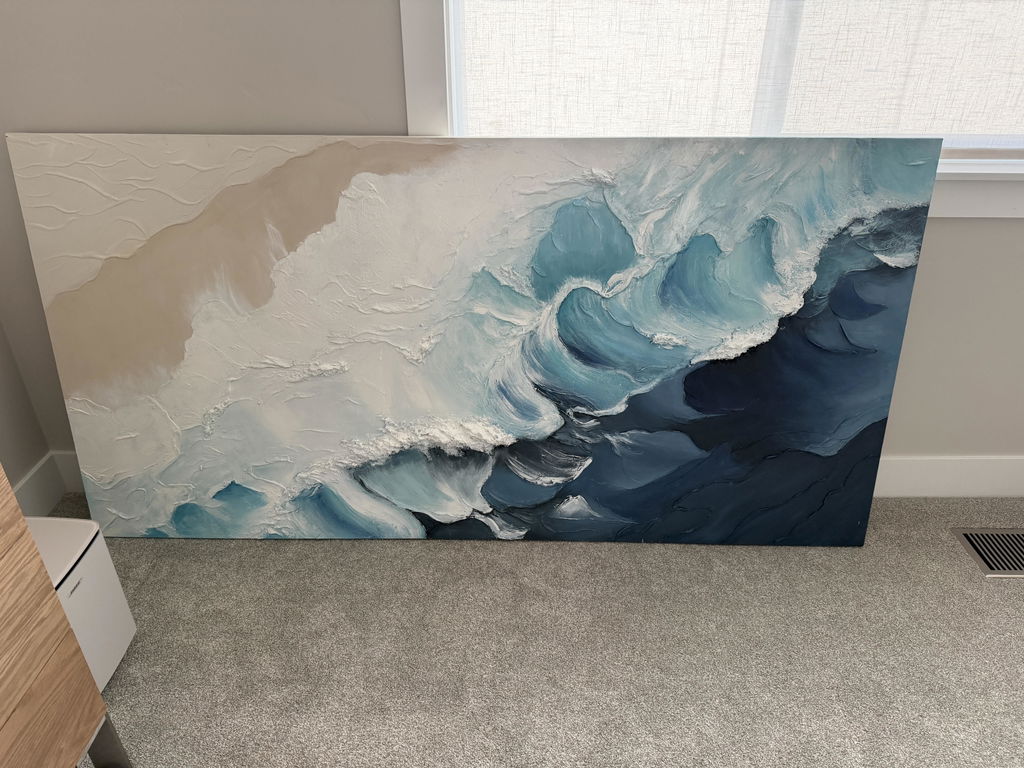
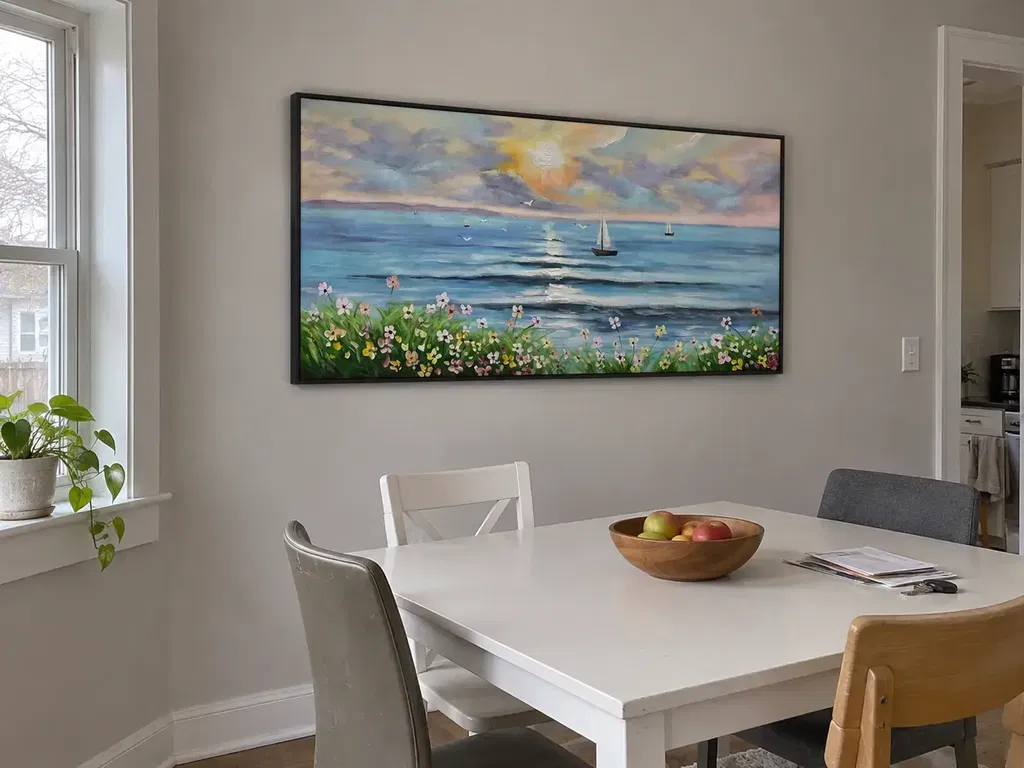
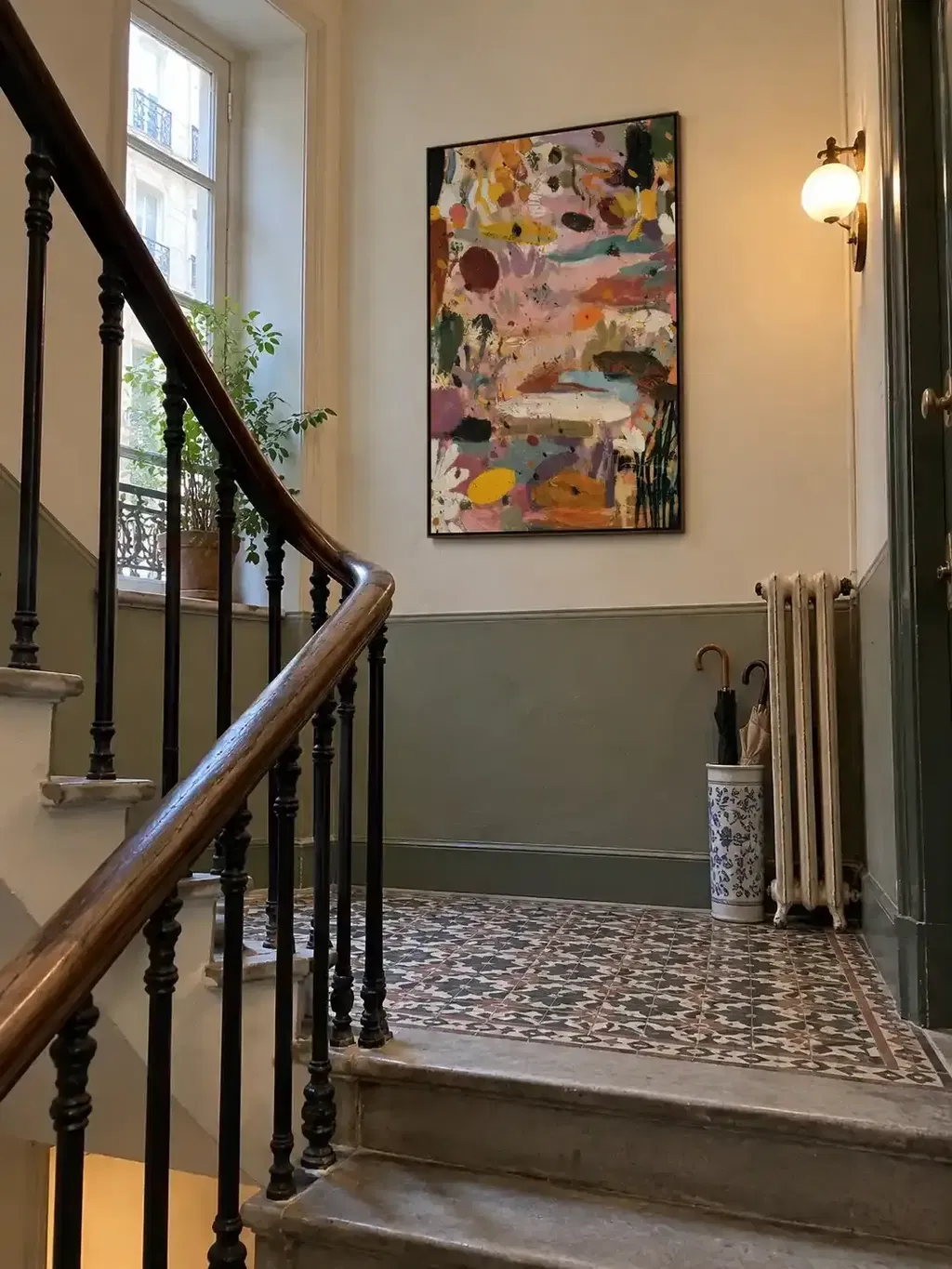
By managing the soot and heat risks associated with fireplace decor, you are not just preserving a decorative focal point; you are protecting a piece of cultural heritage. Whether it is a nature-themed biophilic work—which UPenn research shows can reduce stress by 61%—or a bold abstract, the effort spent on archival care ensures that the painting’s "essential identity" remains vibrant for generations to come.
Disclaimer: This article is for informational purposes only and does not constitute professional conservation or architectural advice. Always consult with a certified art conservator or a licensed contractor before making structural changes to your fireplace or attempting to clean high-value artwork.
References
- Marketplace: The expensive art market continues to struggle
- UChicago: Does Artwork Preserve Essential Identity?
- Tate: Conservation Concerns for Acrylic Emulsion Paints
- EPA: Indoor Air Quality and Low-VOC Paints
- Smithsonian MCI: Infrared and Ultraviolet Imaging
- ResearchGate: Ageing of Commercial Oil and Acrylic Paints
- UPenn: Visual Art in the Built Environment
- IARC: Cadmium and Cadmium Compounds