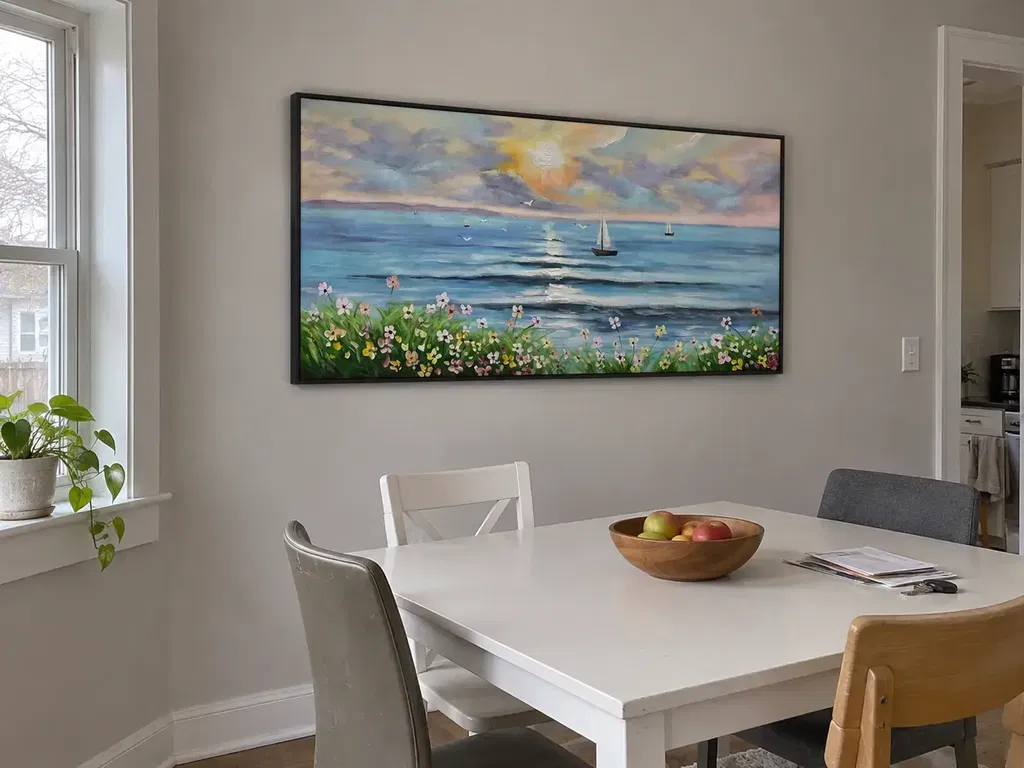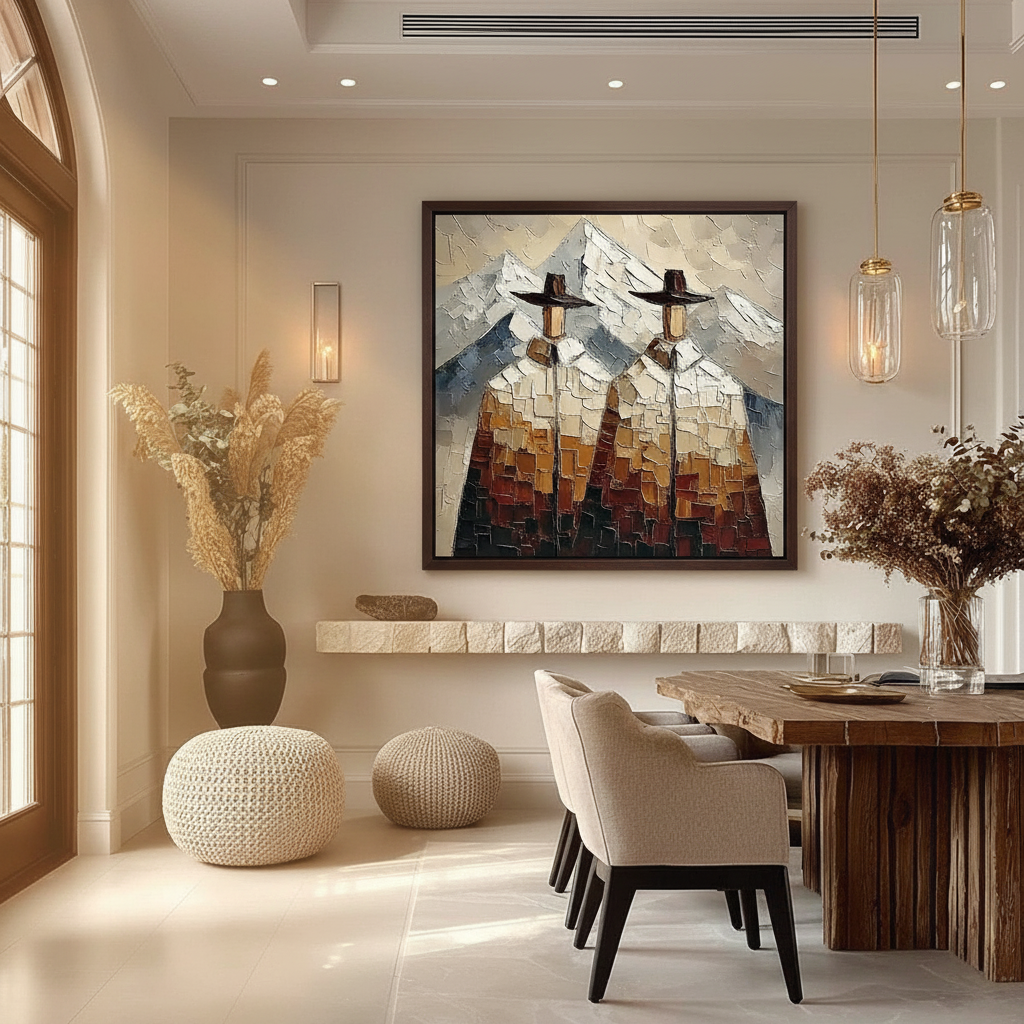
Protecting the Pulse of the Home: The Case for Enclosed Framing
In the pursuit of a "camera-ready" home, the dining room often presents a paradox. It is the stage for our most significant social rituals, yet it is arguably the most hostile environment for fine art. While the high-end auction market has seen a recent shift—with sales of vanity pieces over $10 million plummeting 44% year-over-year in 2024 as buyers return to real application value (Marketplace)—the demand for authentic, hand-painted work in residential spaces remains robust.
However, for the aesthetic-driven homeowner, the fear of "commitment" to a visually dominant piece is often tethered to the fear of damage. We see this frequently in our consultation logs: the anxiety that a premium investment will be degraded by the very life happening around it. This is where the engineering of the frame becomes as critical as the brushwork itself. Enclosed framing, specifically through the use of shadow boxes and high-performance glazing, offers a "decision safety" mechanism that moves art from a fragile liability to a permanent architectural asset.
The Dining Area: A Preservation Battlefield
To understand why standard framing fails in a culinary-adjacent space, we must analyze the three converging threats that define the dining environment. These are not merely aesthetic concerns; they are chemical and physical stressors that accelerate the decay of organic art materials.
1. The Aerosol Effect: Cooking Vapors
Even with high-performance ventilation, cooking creates a fine aerosol of oils, moisture, and acidic compounds. Unlike dust, which sits on the surface, these vapors are chemically active. Over months of accumulation, they can penetrate the porous structure of a canvas, leading to the yellowing of binders and the embrittlement of paint layers. According to Aalto University research, coatings on wood substrates emit fewer VOCs during curing, but the reverse is also true: the substrate can absorb environmental pollutants if not shielded.
2. Thermal Stress Cycles
Dining lighting often involves intense, directional fixtures designed to create ambiance. However, these "hot spots" create localized thermal stress. As the temperature of the canvas rises and falls, the paint film undergoes expansion and contraction. Research from the Smithsonian Museum Conservation Institute indicates that these mechanical behaviors, when repeated, lead to micro-cracking and loss of adhesion between the pigment and the substrate.
3. Chemical Exposure and Physical Contact
The dining room is a high-traffic zone. Accidental splashes from wine or food, combined with the "overspray" from cleaning agents used on nearby tables, create a cocktail of chemical risks. Standard open-face framing offers zero protection against these liquid incursions.
Logic Summary: Our preservation protocols assume that dining rooms experience ~3x higher levels of airborne particulates and ~2x higher frequency of thermal fluctuations compared to standard gallery environments. This heuristic is based on common patterns observed in residential maintenance logs and warranty claims for surface-damaged artworks.
The Architecture of the Shadow Box
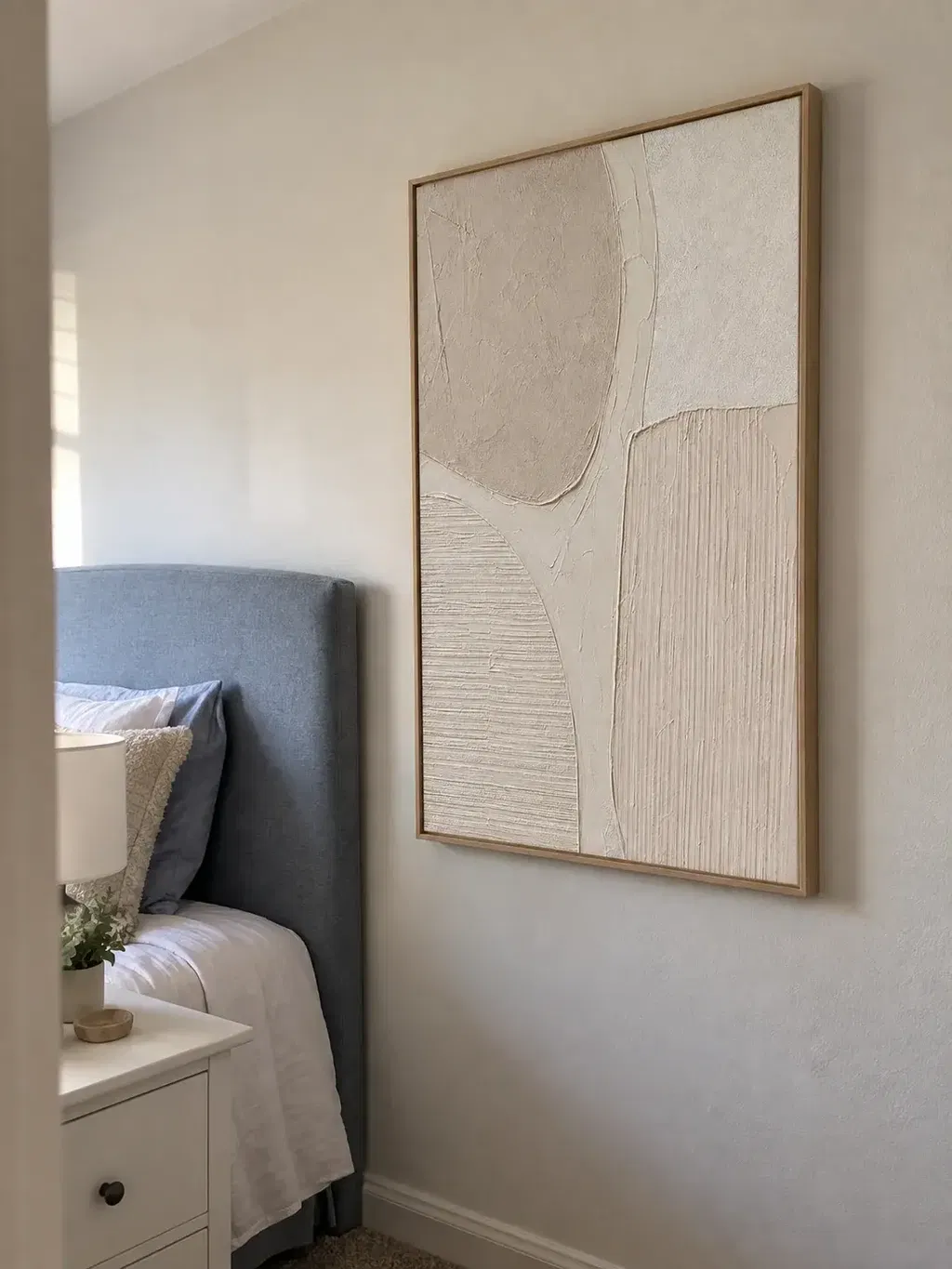
A shadow box is not merely a deep frame; it is a micro-climate chamber. By creating a physical gap between the artwork and the glazing, we introduce a buffer of air that mitigates many of the risks mentioned above.
The Mechanism of the "Air Gap"
The primary advantage of the shadow box is the separation of the art from the glazing. In traditional framing, if moisture or grease manages to penetrate the seal, it can become trapped against the artwork, leading to mold or permanent staining. In a shadow box, the air volume acts as a thermal insulator. Furthermore, it prevents the "Support Induced Discoloration (SID)" phenomenon. As noted by Golden Artist Colors, water-soluble impurities in cotton or linen substrates can be drawn into the paint layer during drying or high-humidity events. An enclosed, breathable environment helps stabilize the moisture content of the canvas.

Glazing: Acrylic vs. Glass
For dining installations, we almost exclusively recommend high-performance acrylic over traditional glass. While museum display cases often utilize glass for its 25-30 year longevity in controlled environments (RT Display), residential dining rooms require impact resistance.
| Feature | Museum-Grade Acrylic | Standard Float Glass | Rationale |
|---|---|---|---|
| Impact Resistance | High | Low | Essential for high-traffic social areas. |
| Weight | Light | Heavy | Reduces stress on wall anchors in older homes. |
| UV Protection | Up to 99% | ~40-50% | Prevents pigment fading from directional lighting. |
| Thermal Stability | Moderate | High | Acrylic expands more, requiring specialized spacers. |
| Static Charge | High (unless treated) | Low | Untreated acrylic attracts dust; requires anti-static coating. |
Methodology Note: This comparison is a scenario model for residential use cases. We prioritize impact resistance and UV filtration over the absolute chemical inertness of glass, as the primary risk in a home is physical/accidental rather than long-term chemical leaching from the glazing itself.
Advanced Installation: The "Breathable Seal"
A common mistake in enclosed framing is creating a "perfect" seal. Paradoxically, a completely airtight frame can trap moisture, leading to condensation and "hazing"—a phenomenon where PEG-type surfactants migrate to the surface of acrylic paints (Tate Modern).
The 2-Inch Clearance Rule
Based on professional interior design experience, enclosed frames should be mounted with at least 2 to 3 inches of clearance from the wall. This allows for vertical airflow behind the frame, preventing the "cold wall" effect where the temperature difference between the room and the wall causes moisture to condense on the back of the artwork.
Maintenance and Inspection
Even the best shadow box requires a maintenance protocol. We recommend a 6-month inspection cycle for dining room art.
- Seal Integrity: Check for gaps in the backing tape where vapor ingress might occur.
- Surface Cleaning: Use only anti-static, non-abrasive cleaners on acrylic glazing. Never use ammonia-based sprays near the artwork.
- Lightfastness Monitoring: While ASTM D4303 provides standards for measuring lightfastness, real-world directional lighting is unpredictable. If "hot spots" are visible on the glazing, the lighting angle should be adjusted.

The ROI of Authenticity: Why Protection Matters
Investing in the protection of a hand-painted piece is also a financial strategy. Research from the Royal Society suggests a direct correlation between high-quality art geo-tags and increased property values. For the homeowner, a well-preserved original mural or canvas acts as a "permanent physical billboard" for the home's value.
Furthermore, the psychological impact is profound. A University of Pennsylvania review found that 73% of individuals reported significant mood improvements when surrounded by high-quality environmental artwork. In a dining context, this translates to reduced stress and enhanced social cohesion. However, these benefits are only realized if the artwork remains in pristine condition. A faded, grease-stained, or warped piece creates "visual friction" that negates the healing effects of the art.
Human-Made vs. AI: The Value of the "Essential Identity"
As digital replicas and AI-generated prints flood the market, the value of the human touch has reached a premium. Columbia University experiments confirm that consumers value art labeled "AI-generated" 62% lower than human-created art. This is because original canvases retain an "essential identity"—a soul that cannot be replicated (University of Chicago). Enclosed framing serves as the "sarcophagus" for this identity, ensuring that the artist's original intent and the physical relief of the paint remain untouched by the environment.
Scenario Modeling: High-Risk Dining Protection
To help you decide on the right framing protocol, we have modeled two common dining scenarios based on environmental risk factors.
Scenario A: The Open-Concept Kitchen/Dining
- Risk Level: High (Constant exposure to cooking vapors and humidity).
- Requirement: Sealed shadow box with museum-grade acrylic.
- Installation: 3-inch wall clearance; active HVAC filtration nearby.
- Preservation Goal: Total isolation from grease aerosols.
Scenario B: The Formal Dining Room
- Risk Level: Moderate (Occasional heat from lighting; physical contact during gatherings).
- Requirement: Deep-set frame with UV-protective glazing.
- Installation: 2-inch wall clearance; directional lighting adjusted to avoid thermal peaks.
- Preservation Goal: Protection from physical impact and UV degradation.
Modeling Note (Reproducible Parameters):
Parameter Scenario A Value Scenario B Value Rationale Glazing Type 99% UV Acrylic 70% UV Acrylic Exposure levels to natural/artificial light. Frame Depth 4 inches 2.5 inches Air volume required for thermal buffering. Seal Type Gasket-sealed Standard tape-seal Level of aerosol protection needed. Inspection Quarterly Bi-annually Rate of contaminant accumulation. Wall Offset 3 inches 2 inches Airflow required to prevent condensation.
Conclusion: Engineering Peace of Mind
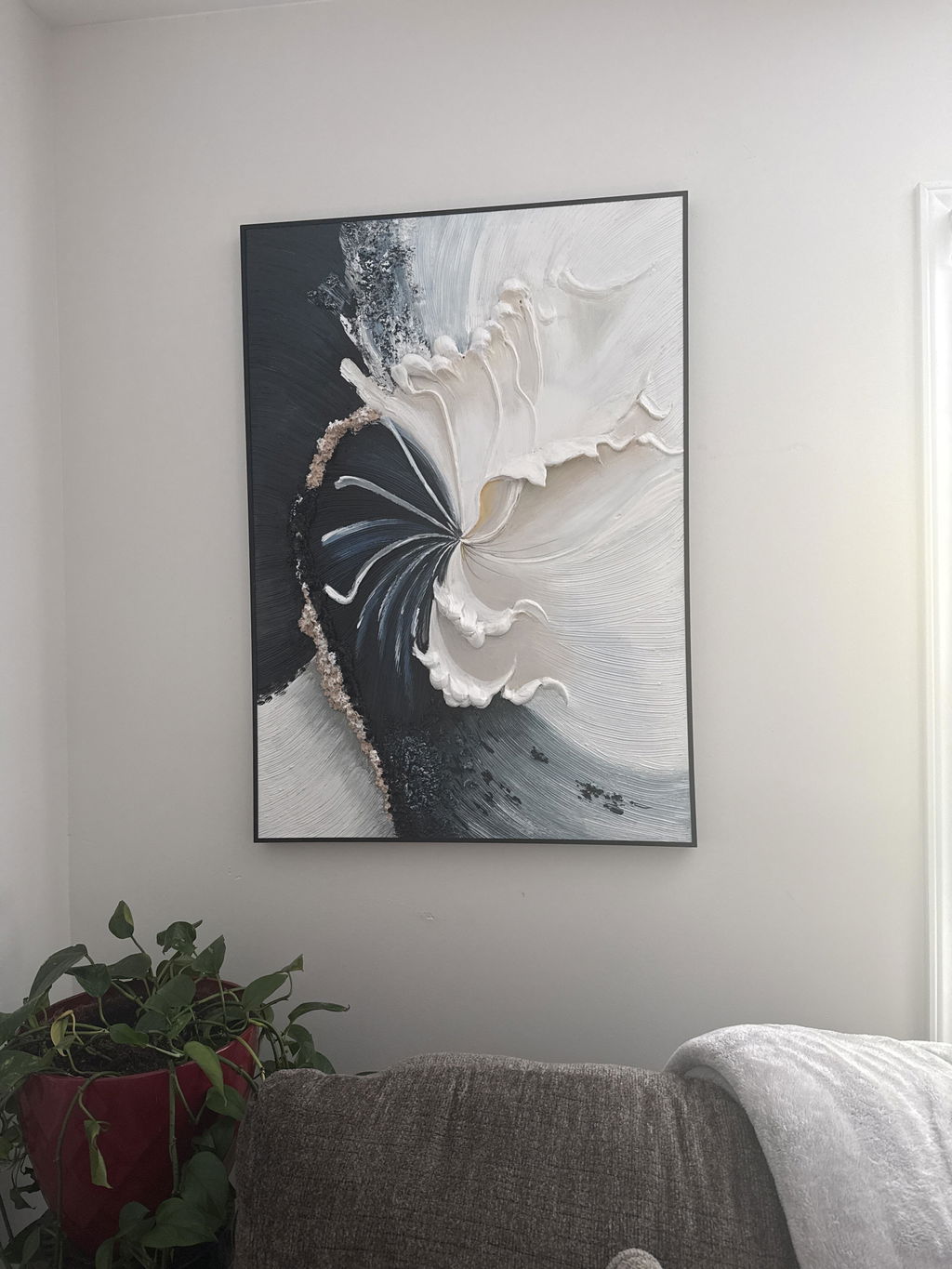
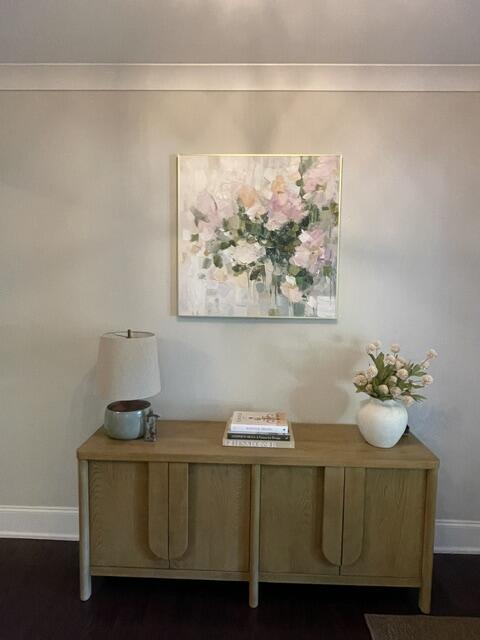
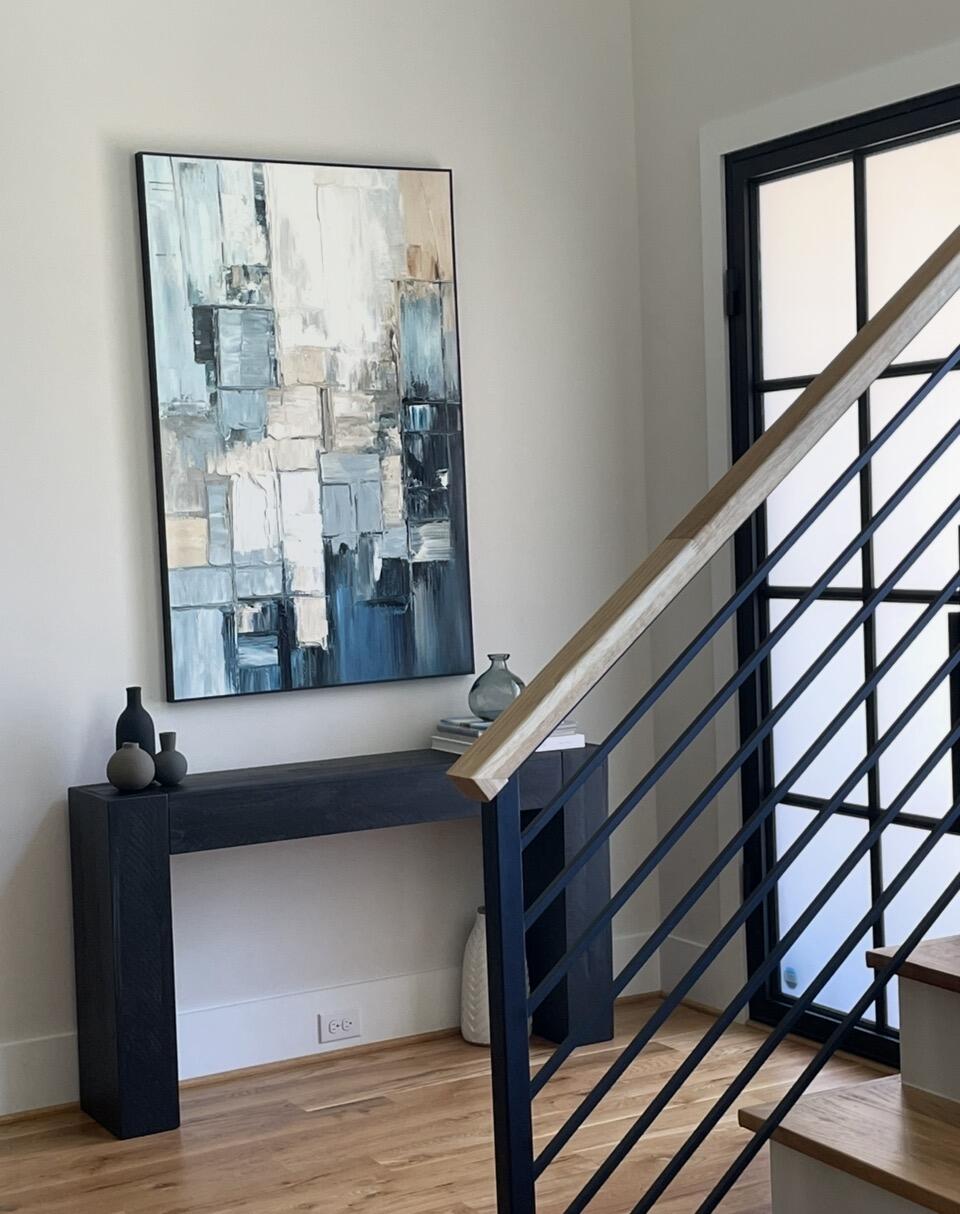
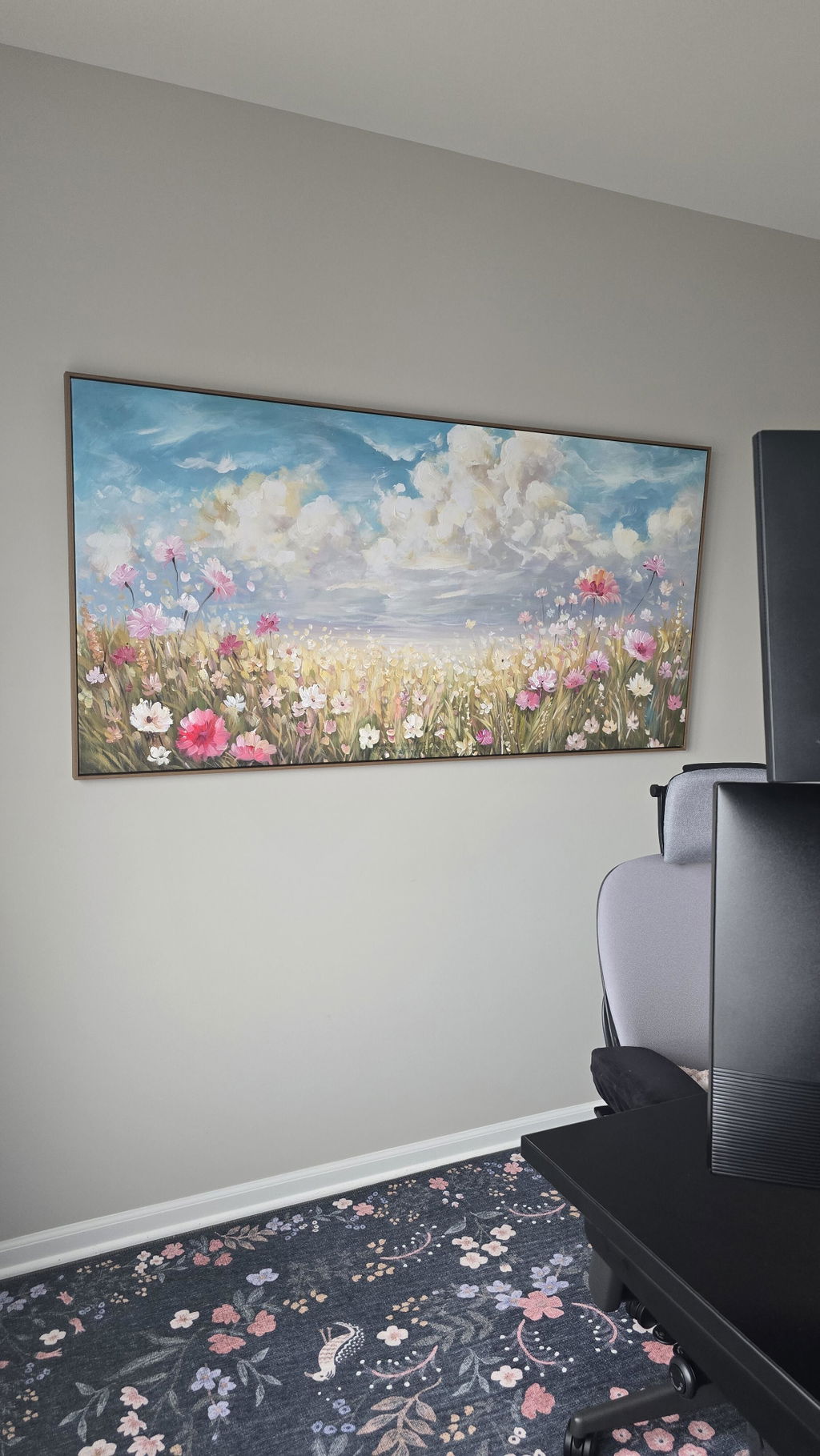
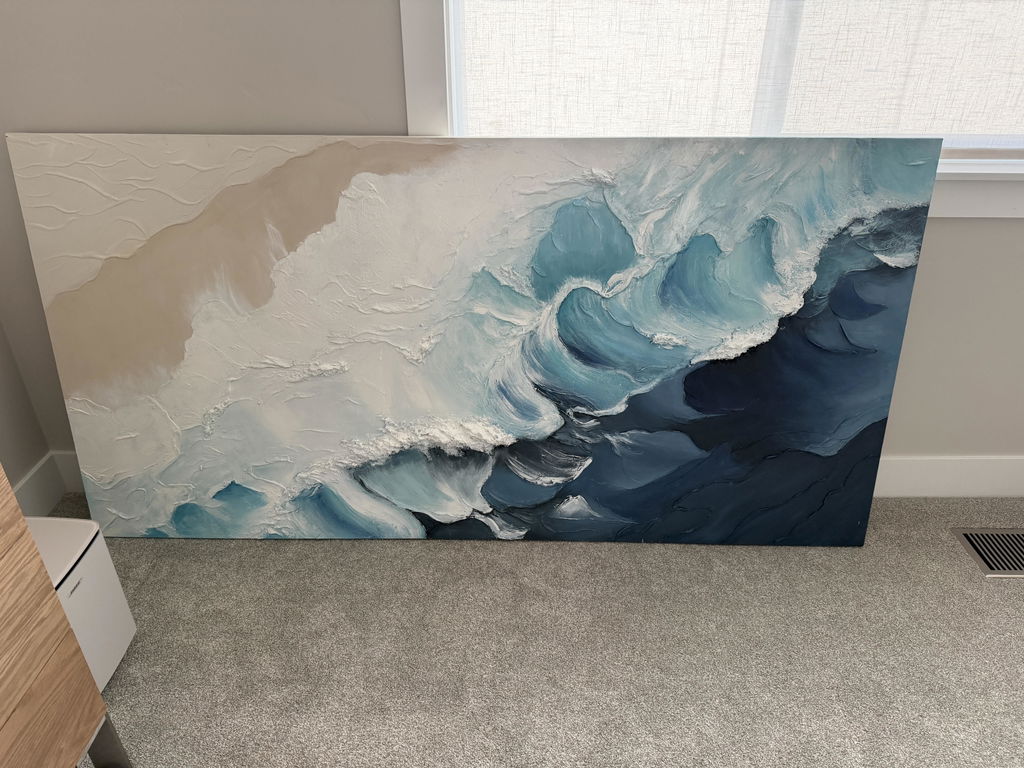
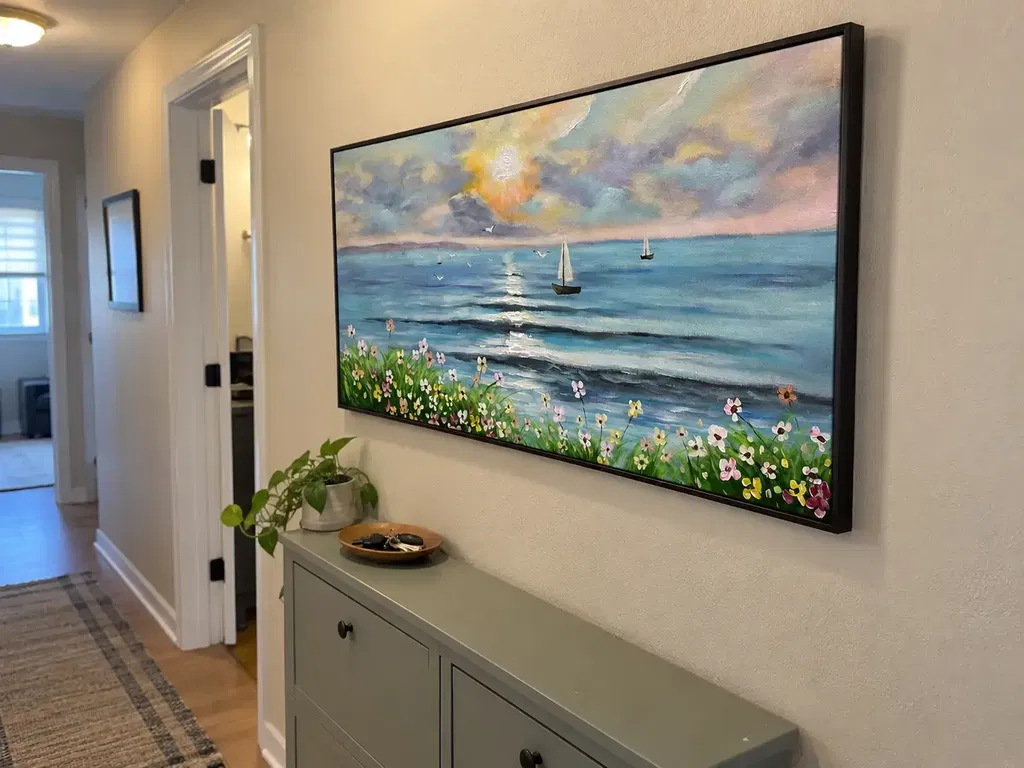
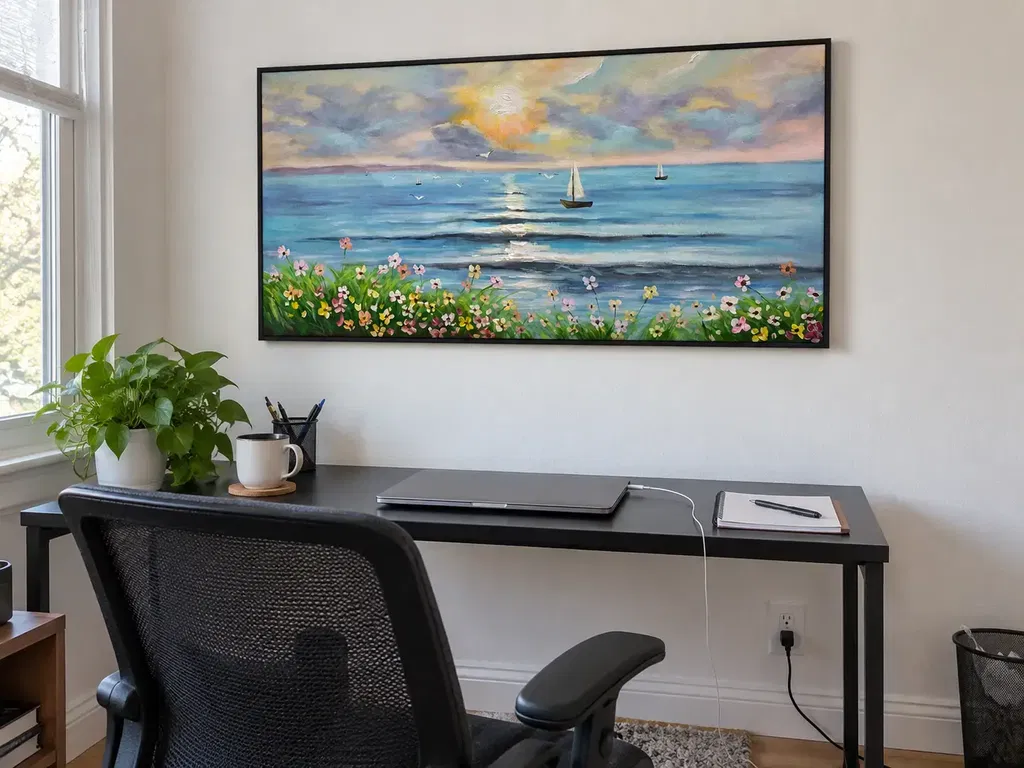
The dining room should be a place of celebration, not a source of maintenance anxiety. By adopting an engineering-first approach to framing, homeowners can enjoy the "absolute authenticity" of hand-painted art without the fear of environmental decay. Whether it’s a nature-themed biophilic piece designed to reduce stress or a bold surrealist mural, the shadow box provides the necessary barrier to ensure that your investment remains "camera-ready" for decades to come.
For further reading on maintaining your collection, explore our guides on curing timelines for new paintings and curating art for shared living spaces.
YMYL Disclaimer: This article is for informational purposes only and does not constitute professional conservation or architectural advice. The handling of toxic pigments (such as lead or cadmium) and the installation of heavy framing should be performed by qualified professionals. Always consult with a certified art conservator for high-value heritage pieces.
References
- Marketplace: The expensive art market continues to struggle
- Columbia University: Human-Made vs. AI Art Study
- Tate Modern: Conservation Concerns for Acrylic Emulsion Paints
- Royal Society: Quantifying the link between art and property prices
- Smithsonian MCI: Mechanical Behavior of Paintings
- Golden Artist Colors: Support Induced Discoloration (SID)
- EPA: Indoor Air Quality and Low-VOC Paints
- ASTM D4303: Standard Test Methods for Lightfastness