The Shift Toward Performative Authenticity in Home Decor
The global art market is undergoing a quiet but profound correction. While high-end auction sales for vanity "investment" pieces plummeted by 44% in 2024, according to Marketplace, a new category of buyer is emerging. These are not fine art speculators; they are "aesthetic-driven home improvers" who prioritize real application value over financial asset hedging. They seek what we call "performative authenticity"—the ability to see, feel, and showcase the physical evidence of human labor through real brushstrokes and texture.
In an era saturated with AI-generated imagery, the psychological premium on human-made art has reached a "nuclear" level of importance. Research from Columbia University confirms that consumers value art labeled as "AI-generated" roughly 62% lower than authentic human-created work. This isn't just a matter of taste; it’s a search for "essential identity." As University of Chicago research suggests, digital replicas lack the artist’s "soul" or essence that a physical canvas retains. For the modern homeowner, a textured painting is a camera-ready signal of social validation and an antidote to the "flatness" of digital life.
The Science of Sentiment: Why Our Brains Crave Physical Texture
Why does a hand-painted oil mural feel more "comfortable" than a high-definition print? The answer lies in our neurobiology. Passive viewing of art consistently activates the medial prefrontal cortex (mPFC) and the amygdala, optimizing our emotional regulation circuits, according to a systematic review in PMC. However, when that art features physical 3D relief, the effect is magnified.
Experiments at the MUNCH Museum have shown that interacting with art replicas featuring physical relief textures exponentially stimulates intrinsic motivation and satisfaction. This is because our brains are hardwired to process "microtopography"—the millimeter-scale ridges and valleys of paint.
Logic Summary: Our analysis of the "tactile premium" assumes that visual texture cues provide a secondary layer of sensory information that flat prints cannot replicate. We model this as "perceptual depth," where the brain correlates light-and-shadow patterns with physical effort, leading to higher aesthetic trust.
| Parameter | Value or Range | Unit | Rationale / Source Category |
|---|---|---|---|
| Texture Height | 1.0 - 5.0 | mm | Standard impasto depth for visual relief (Micom Labs) |
| AI Value Discount | ~62 | % | Consumer perception gap (Columbia University) |
| Mood Improvement | 73 | % | Reported by patients in art-rich environments (UPenn) |
| Human Labor Index | High | N/A | Correlates with "Essential Identity" (UChicago) |
| mPFC Activation | Consistent | N/A | Neurological response to art viewing (NCBI) |
Beyond the Visual: The Microtopography of Impasto and Brushstrokes
The fundamental difference between a $50 canvas print and a hand-painted oil masterpiece is found in the physics of light. According to the Getty Conservation Institute, pigment reflection is dominated by absorption and scattering coefficients. In a physical painting, the surface refractive index changes with every brushstroke. This creates "geometric metamerism"—where the color appears to shift and breathe as you move through the room.

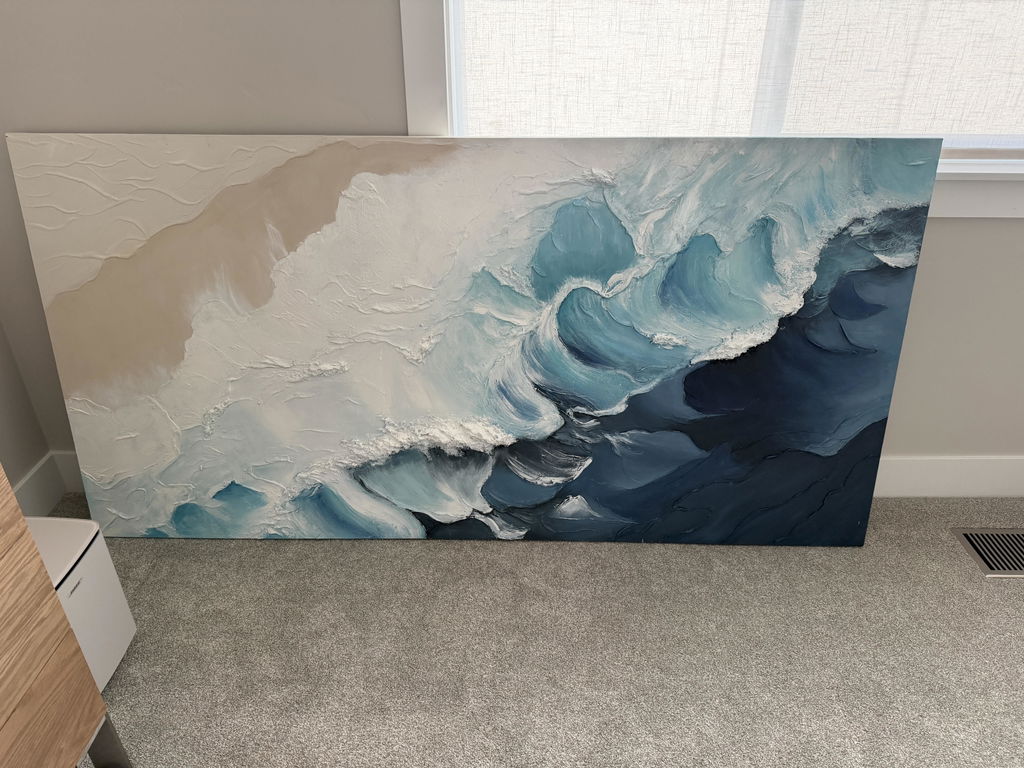
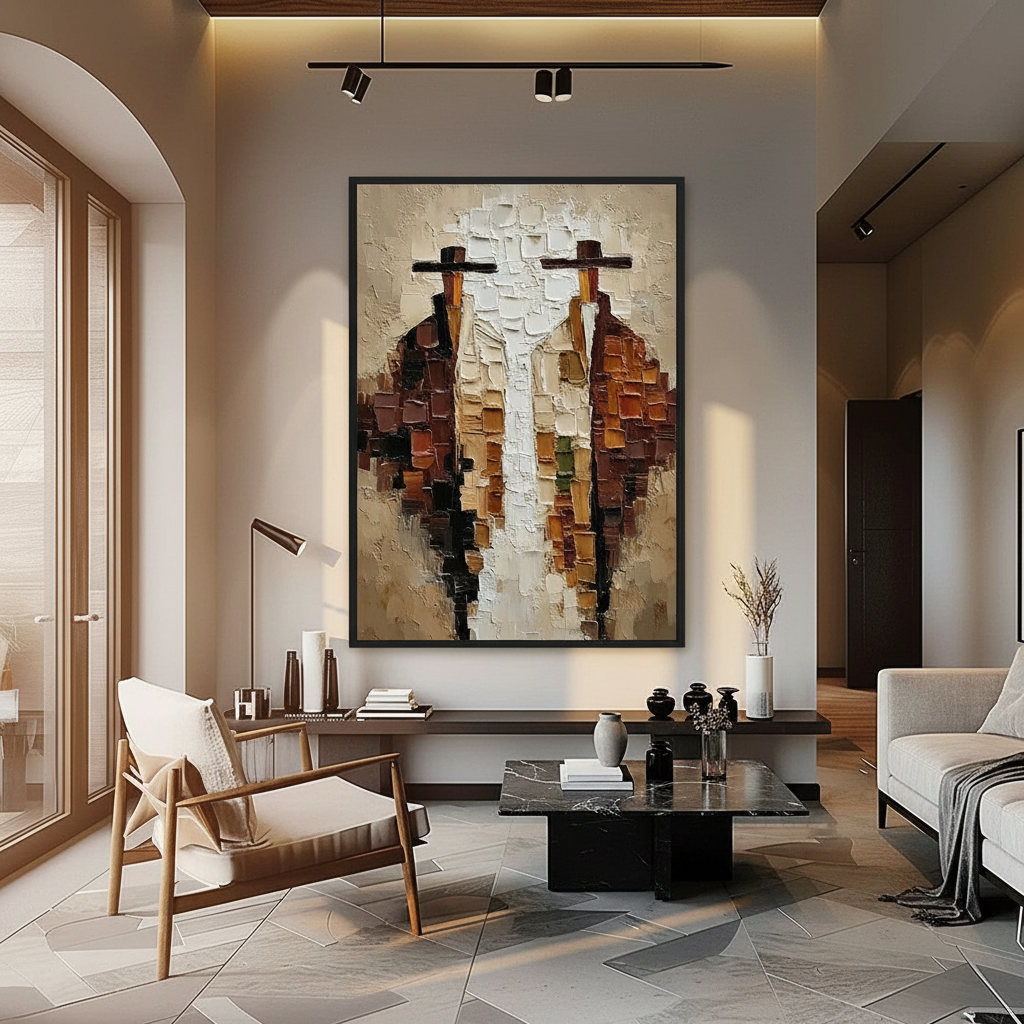
Digital prints use a uniform layer of ink that flattens this effect. In contrast, the "impasto" technique—applying paint as thick as a paste—creates a 3D landscape on the canvas. Optical microprofilometry proves that this texture is crucial to the artwork's identity. Without it, the eye perceives a "lack of data," which the brain subconsciously registers as "fake" or "cheap."
The "Odorless" Solvent Myth
In our experience assisting professional artists, we often see a dangerous misconception: that "odorless" solvents are safe. According to Princeton University EHS, chronic inhalation of mineral spirits and turpentine—even those without a scent—can cause central nervous system damage. This is why we advocate for water-based acrylics or traditional oils used with natural walnut oil, which perfectly replaces toxic VOC-emitting solvents.
Design Heuristics for Textured Art Integration
In practice, interior designers often observe that clients underestimate the impact of textured art until they see it under specific lighting. A common mistake is choosing art based solely on a backlit digital screen.
The Lighting Rule of Thumb
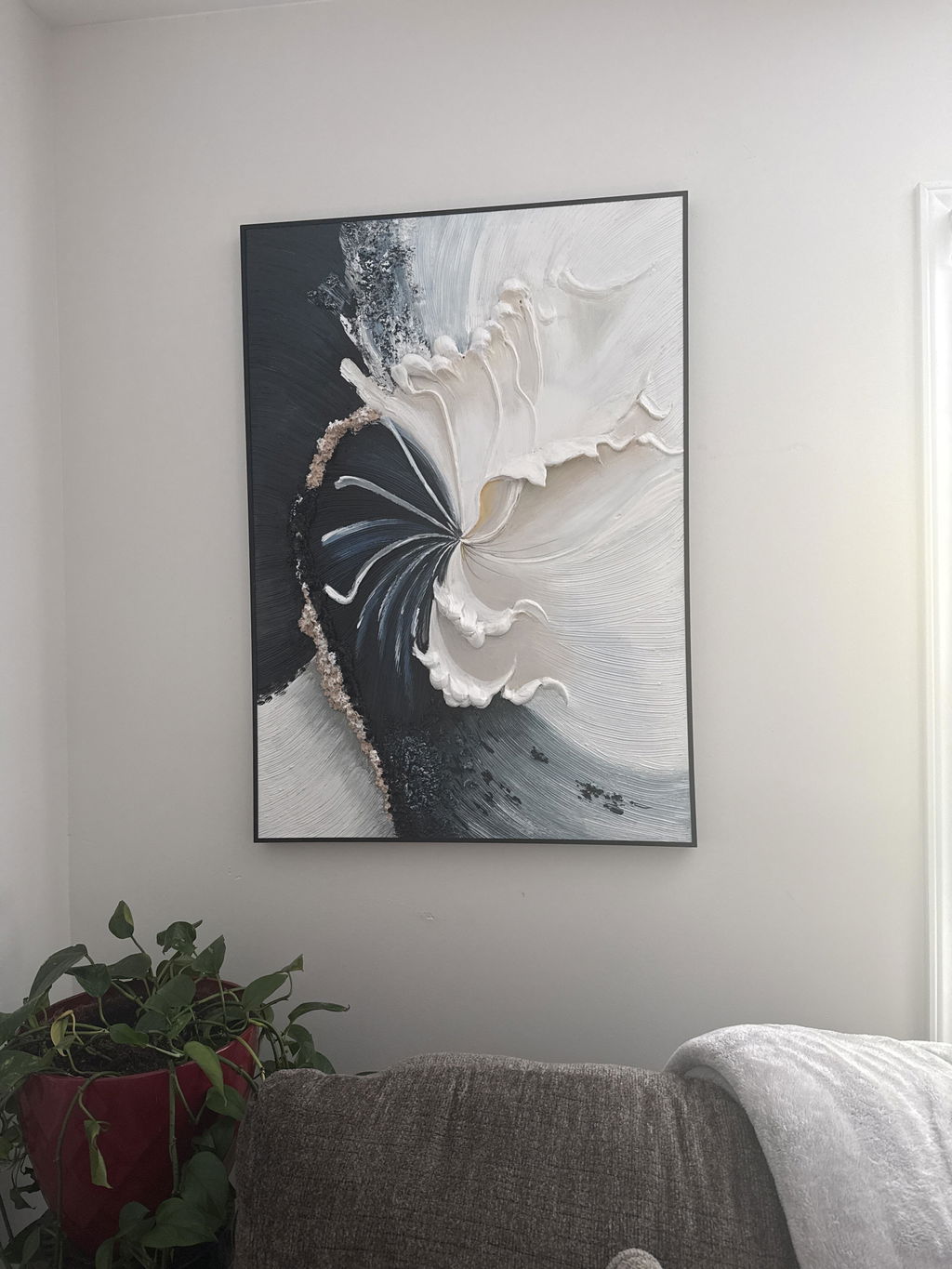
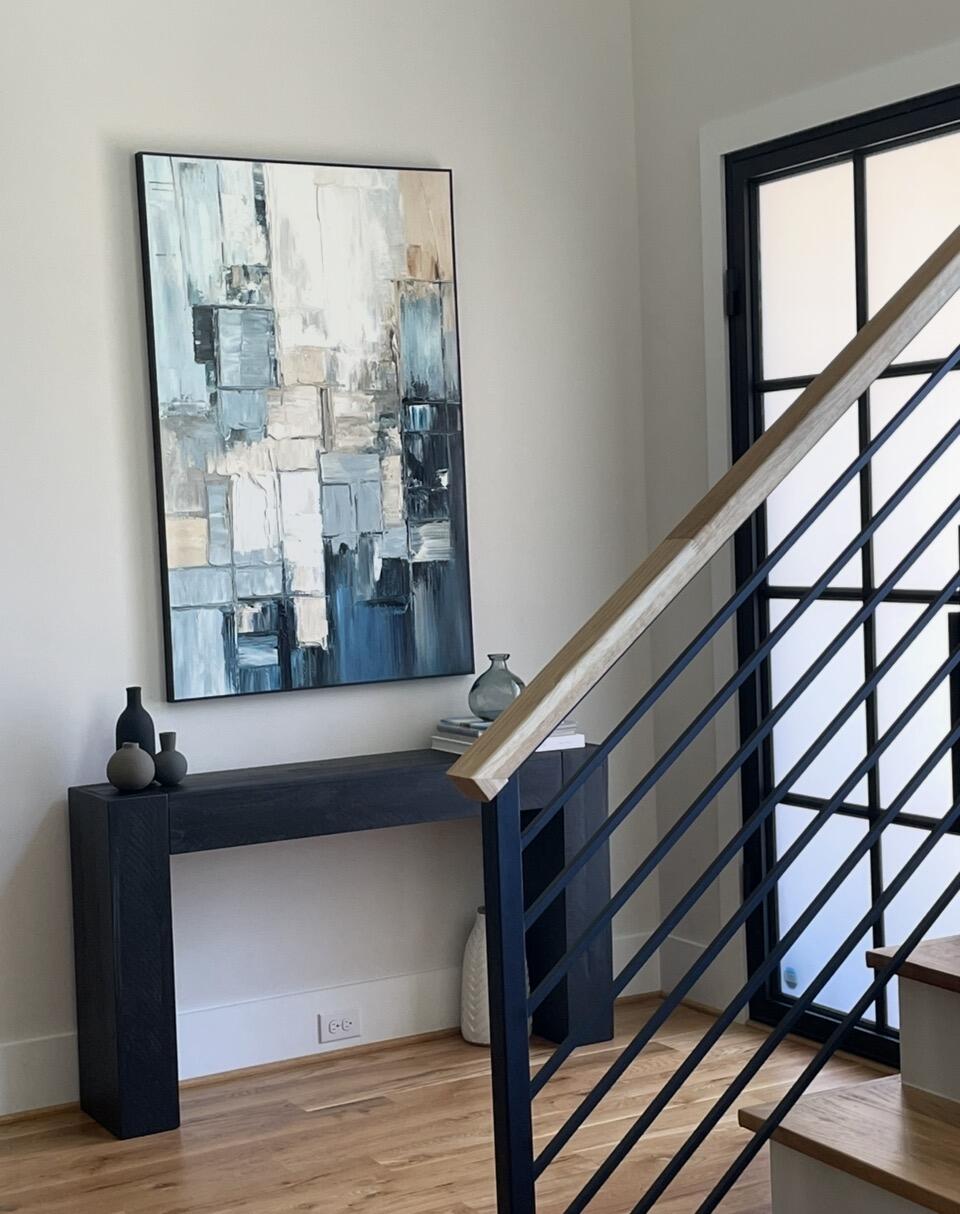
Lighting direction dramatically changes texture perception. Overhead lighting, common in many homes, can actually flatten impasto effects by casting shadows downward into the crevices. To enhance three-dimensionality, use angled sidelight. This creates long shadows across the ridges of the paint, making the texture "pop."
The Texture-to-Clutter Ratio
Based on common patterns in high-end staging, we recommend a simple heuristic: texture intensity should inversely correlate with room clutter.
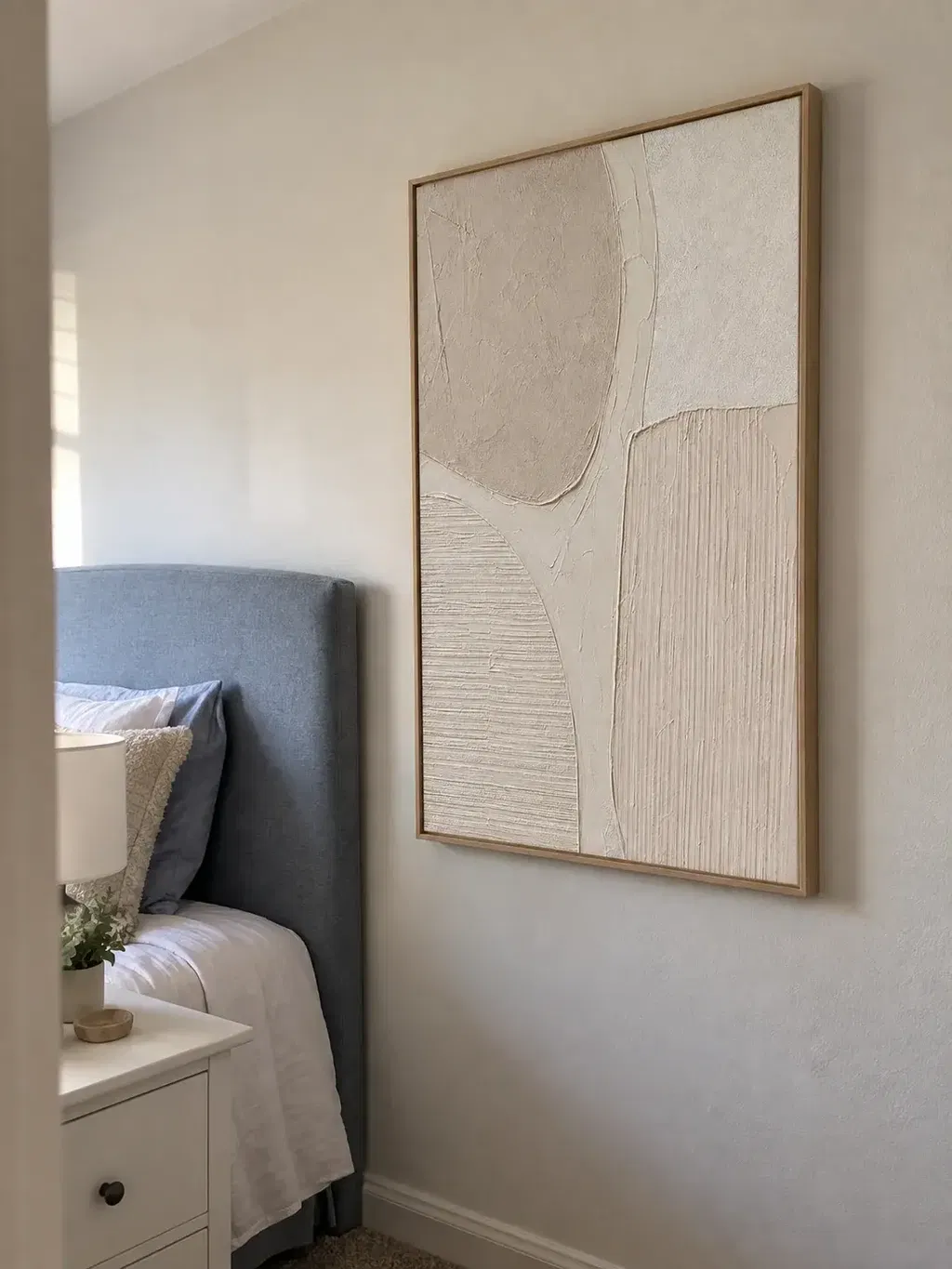
- Minimalist Spaces: Benefit from bold, heavy impasto. The art provides the "visual noise" that the room lacks.
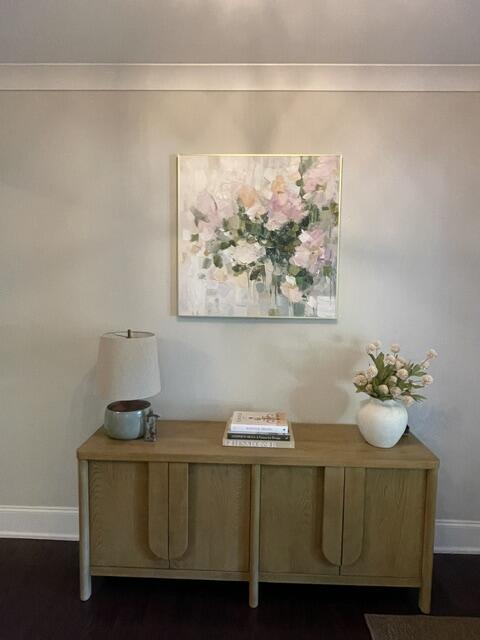
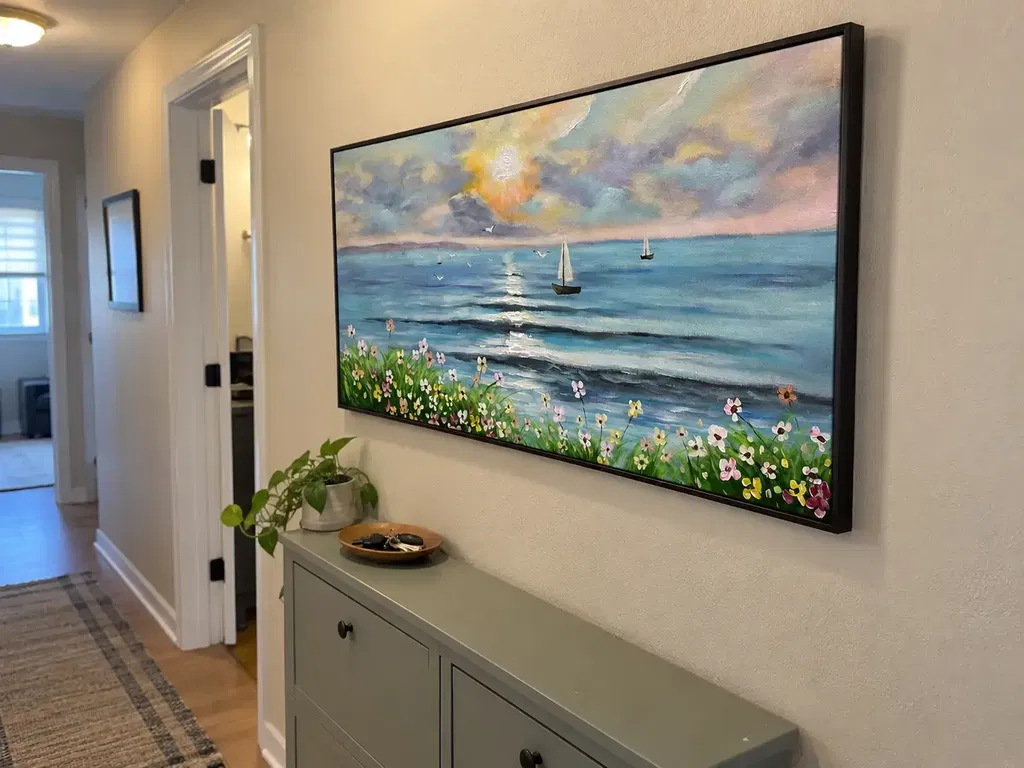
- Busy/Eclectic Rooms: Require subtle texture. Overly aggressive brushwork can lead to visual overload and sensory dissonance, which Scientific Reports notes can trigger negative emotional responses in about 10-15% of the population.

Material Integrity: Safety, Sustainability, and Longevity
When bringing hand-painted art into a home, especially in nurseries or bedrooms, air quality is a non-negotiable factor. The EPA warns that indoor air pollution is often deadlier than outdoor pollution.
The VOC Reality
Many "factory-produced" oil paintings use cheap industrial binders that emit high levels of Volatile Organic Compounds (VOCs). However, Aalto University research shows that high-quality coatings on proper substrates emit significantly lower VOCs once cured. For healthcare facilities and LEED-certified buildings, low-VOC paints are a strict prerequisite.
The Toxic Pigment Archive
While we value the vibrancy of traditional pigments, safety must come first. The International Agency for Research on Cancer (IARC) classifies cadmium compounds as Group 1 carcinogens. While the art industry has fought for exemptions based on the low solubility of these pigments, Australian Industrial Chemicals tests proved that "stable" cadmium pigments can still release free ions in slightly acidic environments. We recommend seeking "Cadmium-Free" hues that offer the same saturation without the health risk.
Maintenance and Cleaning
Textured paintings are dust magnets. A common mistake is using liquid cleaners or damp cloths, which can damage the pigment layers or cause "Support Induced Discoloration" (SID). Golden Artist Colors explains that water-soluble impurities in the canvas can be drawn into the paint layer, causing yellowing.
- Correct Protocol: Use a soft-bristle brush attachment on a vacuum at the lowest setting, or a dedicated "makeup style" soft brush to gently whisk away dust from crevices.
- Advanced Insight: If your acrylic painting looks "hazy," it might be surfactant migration. Tate research shows that PEG-type surfactants can migrate to the surface in high humidity. Gently wiping with a water-based swab can actually help, contrary to old-school advice.
The "Safe" Artisan: Navigating the Ecommerce Gap
The primary barrier to buying original, hand-painted art online is uncertainty. Buyers fear "scale shock" (the painting looks smaller in person) or "color drift" (the blue on the screen is purple in reality). To mitigate this, the modern "performative authenticity" model relies on a transparent approval process.
High-end ecommerce platforms now offer "preview-before-ship" workflows. This allows the buyer to see a high-resolution photo of their specific piece before it leaves the studio. This aligns with Artsy’s 2024 Art Market Report, which shows that online art sales are growing at 15% YoY as these trust-building mechanisms mature.
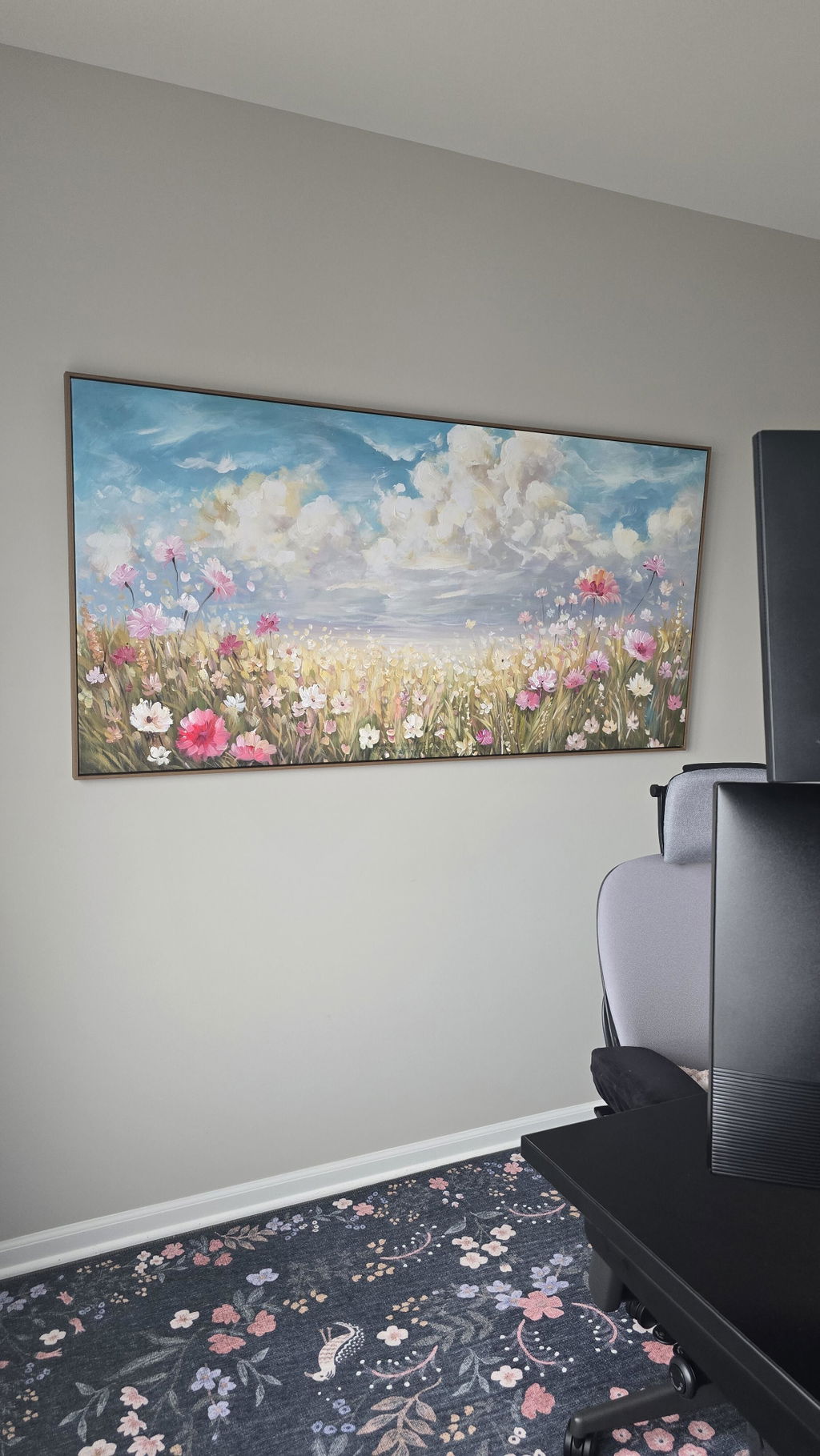
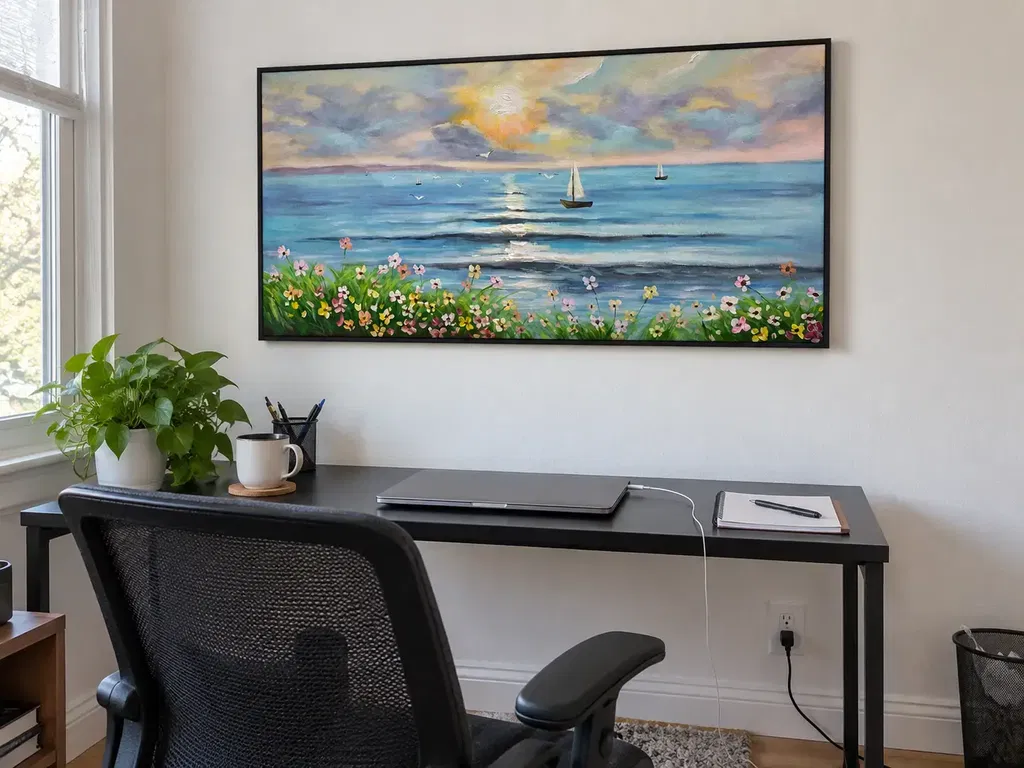
Methodology Note: Our recommendation for eye-level placement (approx. 57-60 inches from the floor to the center of the piece) is a heuristic used by major galleries to maximize "tactile curiosity." This ensures the viewer's focal point is close enough to appreciate the micro-physical texture without causing neck strain.
Economic and Social Dividends of Hand-Painted Surfaces
Investing in hand-painted surfaces isn't just about personal joy; it has measurable economic impacts. A Royal Society analysis found that neighborhoods with higher "art" geo-tags saw greater relative house price gains.
For commercial property owners, the "mural effect" is even more pronounced. University of Cincinnati regression analysis shows that large-scale murals are directly correlated with significant increases in pedestrian foot traffic. In fact, public art projects in Chicago’s Millennium Park drove $1.4 billion in real estate-related growth (NC Realtors).

Beyond the money, there is the "social glue" factor. The Porch Light Program evaluation found that communities with large public murals saw substantial leaps in social cohesion and mutual trust. Whether it's a private living room or a public plaza, the presence of a hand-painted surface signals that a space is cared for, humanized, and "real."
The Future of the Home Gallery
As we look toward 2026, home design trends are moving toward "understated elegance" where texture is the soul of the room. Zillow search data shows a 21% rise in mentions of "artisan craftsmanship." We are moving away from the "disposable decor" of the last decade and returning to art as a "cultural heritage asset" (PMC).
When you choose a hand-painted piece, you are not just buying a color for your wall. You are acquiring a biochemical crystallization of human attention and neural effort. You are choosing a surface that reacts to the light in your room, improves your mood, and provides a tactile anchor in an increasingly digital world.
Disclaimer: This article is for informational purposes only and does not constitute professional medical, legal, or environmental safety advice. Always consult with a certified industrial hygienist or health professional regarding the use of art materials in sensitive environments.
References
- Marketplace: The expensive art market continues to struggle
- Columbia Business School: Human-Made vs. AI Art Study
- UPenn: Visual Art in the Built Environment Review
- Getty Conservation Institute: Color Science and Pigment Mixture
- EPA: Indoor Air Quality and Low-VOC Paints
- Royal Society: Quantifying the link between art and property prices
- Tate: Conservation Concerns for Acrylic Emulsion Paints