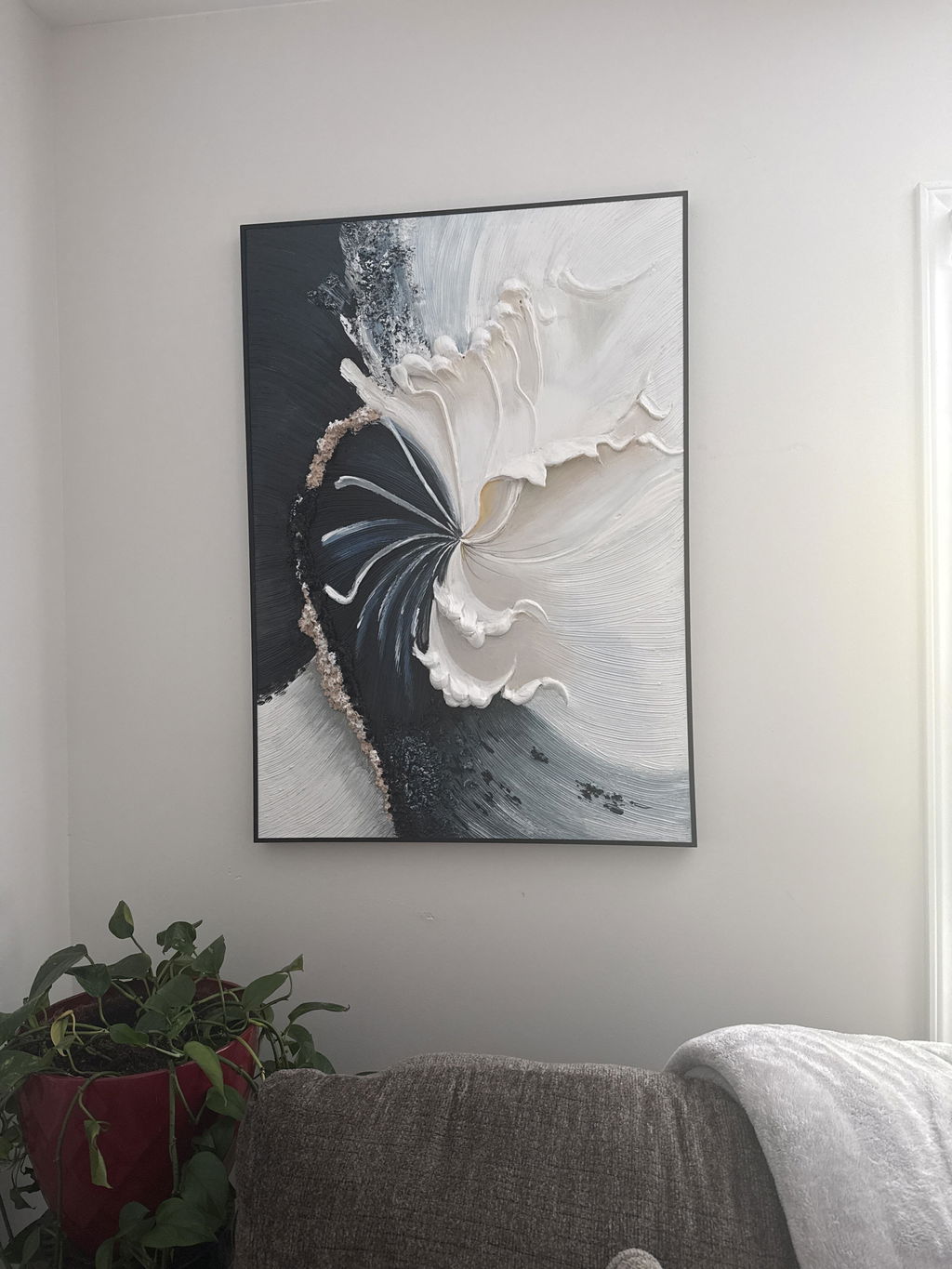
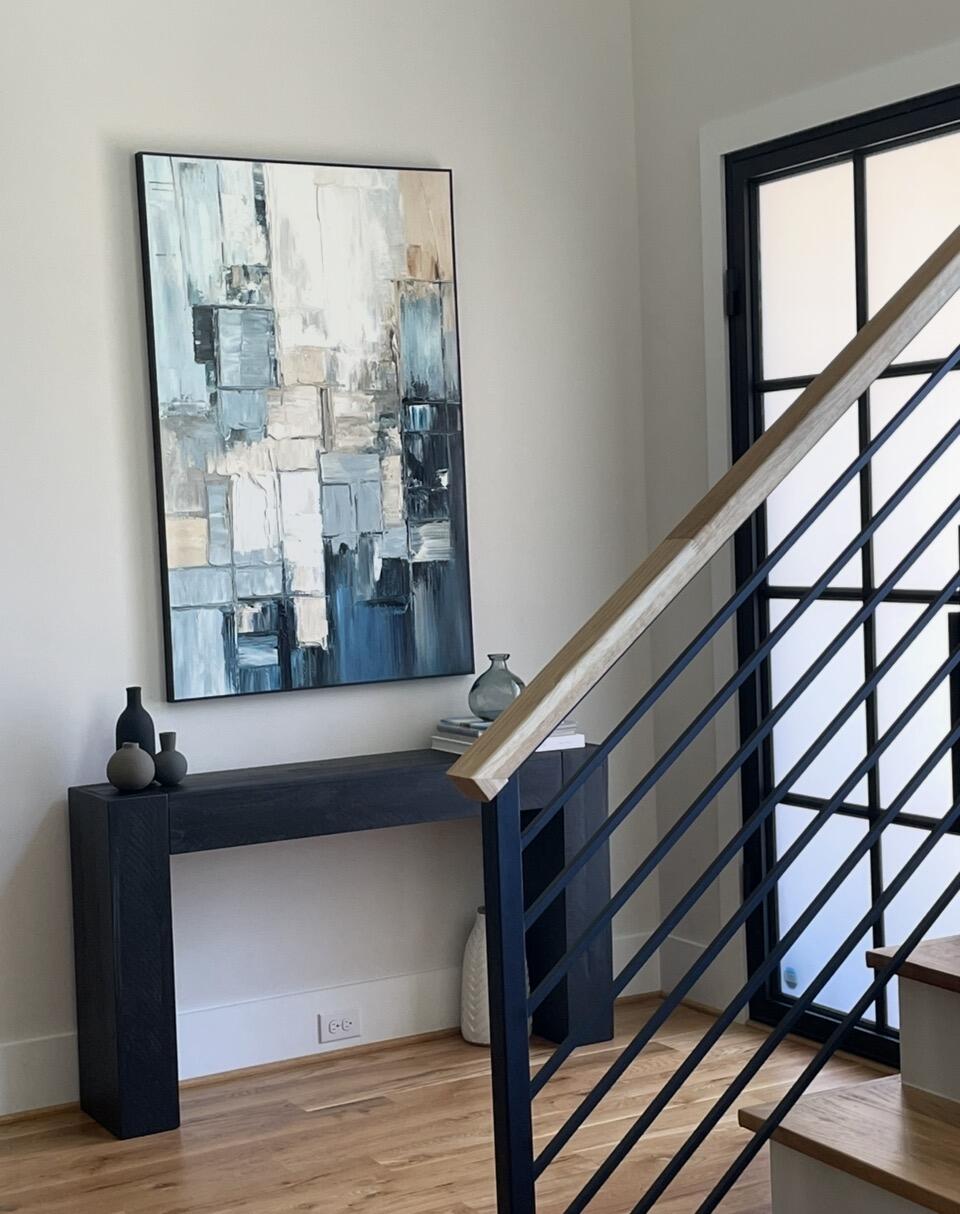
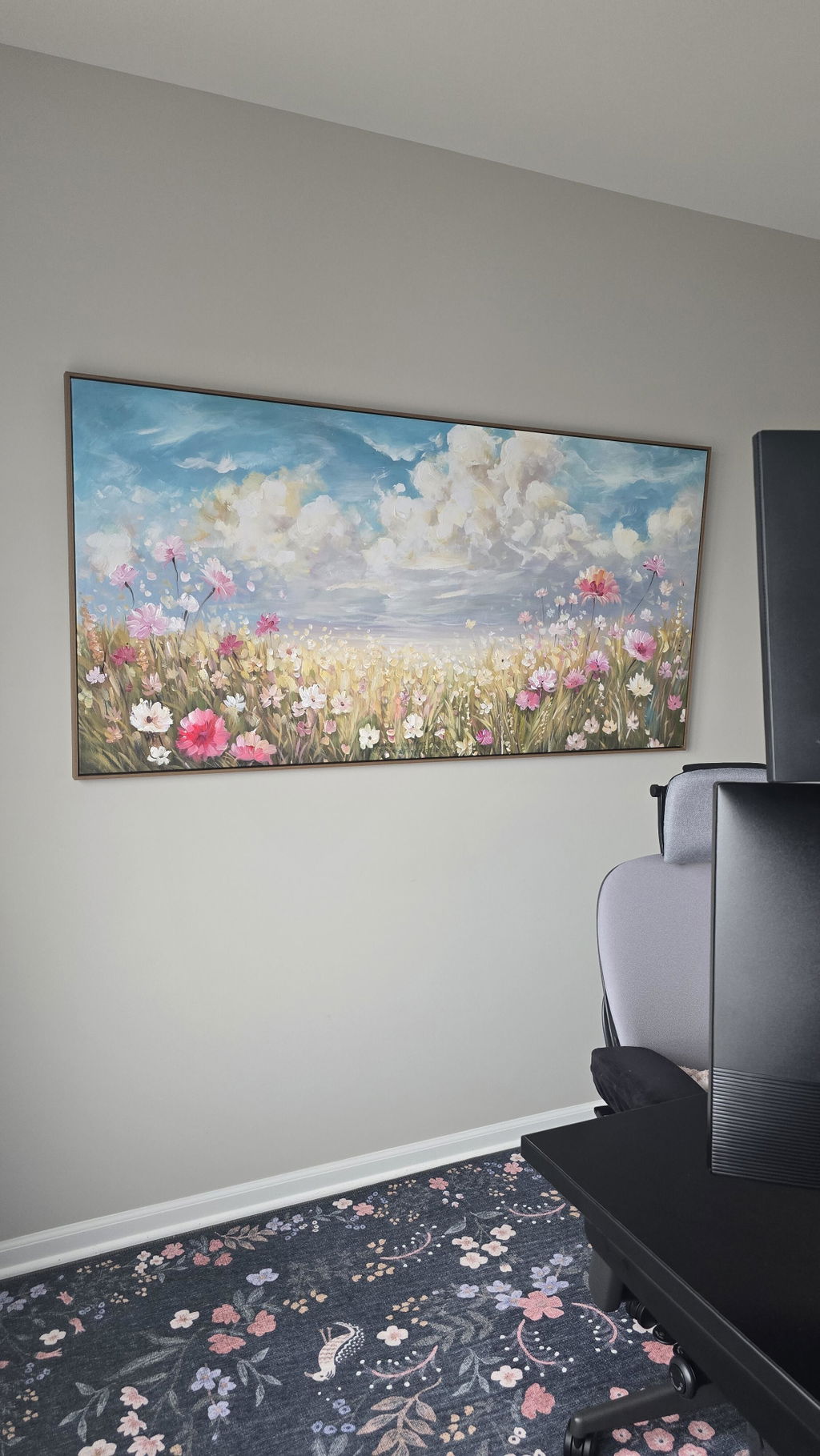
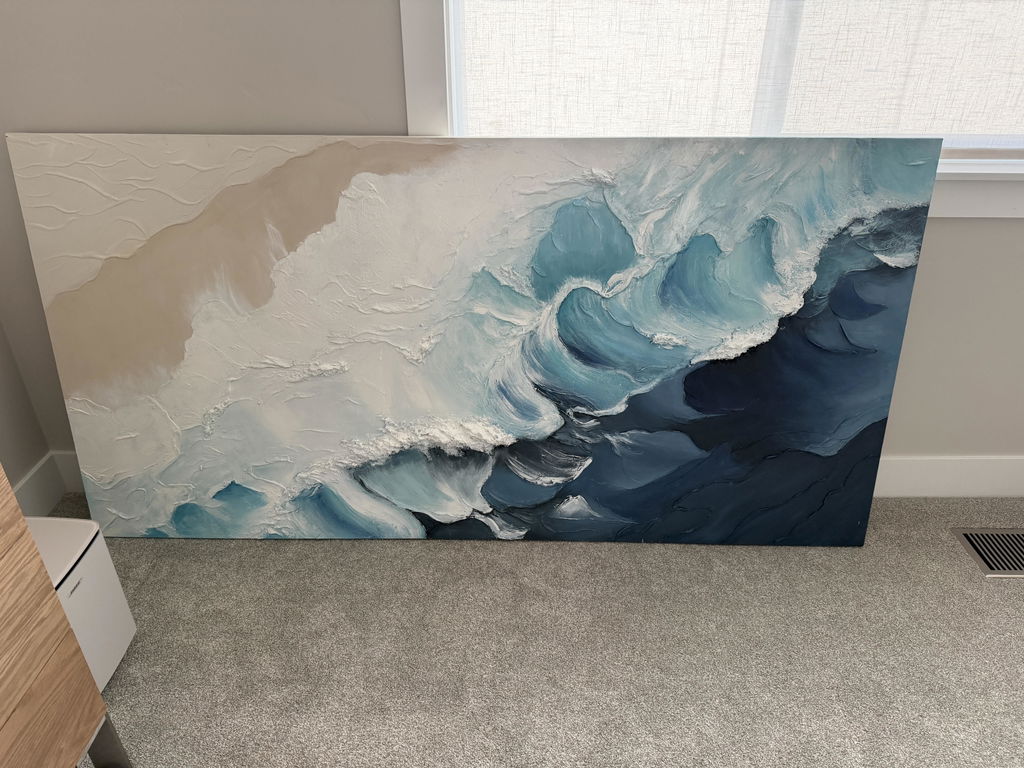
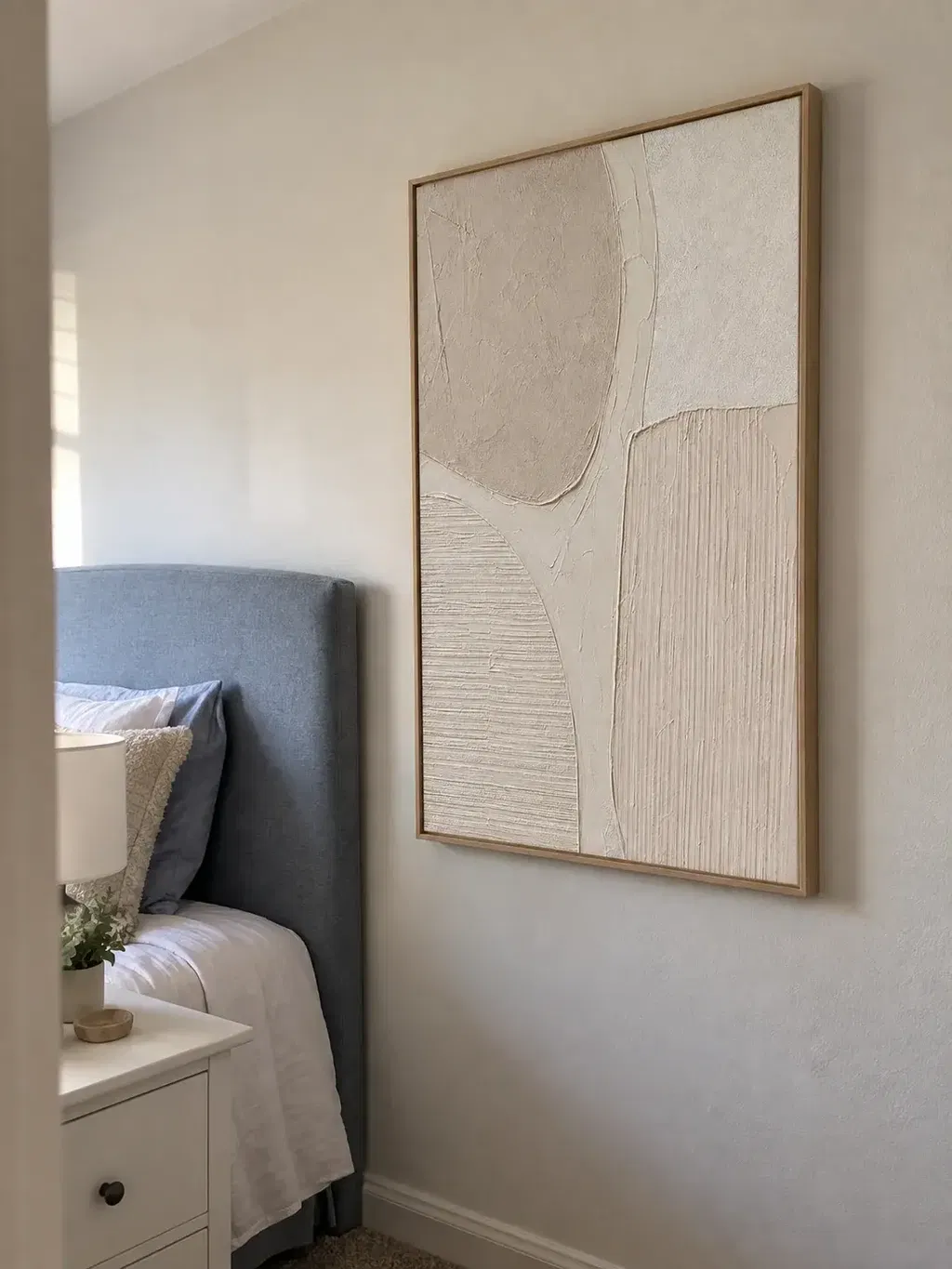
Original textured art can hold value over time, but not in the same way a dependable investment does. If you are thinking about original art investment, the real question is whether a piece has decorative value, collectable appeal, and some resale possibility later. Those are related, but they are not the same thing, and the resale side depends on demand, condition, and who shows up as a buyer.
What Value Means for Textured Originals
When people ask whether original textured art holds value, they usually mean more than one thing. A painting can be worth the price to live with because it changes a room, fits a style, or carries emotional meaning. It can also have market value if another buyer wants it later. Chicago Booth's discussion of art as an asset frames that split clearly: art can deliver personal enjoyment even when its financial return is uncertain.
That distinction matters because decorative value is immediate, while resale value is contingent. You get the room benefit now, but a future sale depends on whether someone else wants that exact work, at that time, through the channel you use. The liquidity and return risk are why textured originals should be treated as discretionary purchases first and financial bets second.

A useful rule is simple: if you would still be happy keeping the piece for years, you are buying on the right logic. If you need a dependable exit price, textured original art is usually the wrong place to expect that. Value can be real, but it is not the same as a guaranteed return.
What Actually Influences Future Worth
Textured paint alone does not make a painting more valuable. Future worth usually comes from a mix of provenance, condition, artist recognition, subject appeal, and how easy it is for the next buyer to picture it in their space. In other words, the market pays for the whole package, not just the surface treatment.
Artist Recognition and Provenance
The strongest value signal is often the story behind the work. Provenance, or the documented history of ownership, helps buyers trust what they are looking at and can support stronger secondary-market interest. Provenance and documented history matter because buyers are rarely paying for texture alone; they are paying for confidence in authorship, history, and legitimacy.
Artist recognition matters for the same reason. A work by an artist with a visible track record, collector interest, or exhibition history is easier to price later than an unsigned or poorly documented piece. That does not guarantee a higher resale price, but it usually improves buyer confidence. If the history is thin, the piece may still be attractive décor, just with a narrower path to resale.

Condition and Conservation
Condition is one of the clearest filters for future worth. Visible damage, cracking, fading, or heavy restoration can weaken buyer interest and lower resale value. Borro's valuation guidance notes that condition and restoration risk can materially affect price, which is why buyers who care about future value should look closely at the surface before they buy.
For textured paintings, condition questions can show up in slightly different ways than they do with flat prints. Raised paint, mixed media, or thick impasto surfaces may be more prone to dust retention, handling marks, or edge wear if the piece is moved often. That does not make them fragile by default, but it does mean storage and handling habits matter more than many shoppers expect.
Size, Subject Matter, and Style
A piece with broad room appeal is usually easier to resell than one with a highly specific look. Neutral palettes, versatile sizes, and subjects that fit several interiors tend to have a wider buyer pool. By contrast, a very large, very specific, or highly theme-driven painting can be harder to place later even when it is well made.
That is why size and style should be read as marketability cues, not value guarantees. A visually striking work may still be a narrow fit if it only works in a certain room type or with a certain décor style. The best way to think about it is simple: the more buyers can imagine the piece in their home without modification, the easier the future sale is likely to be.
Texture Quality and Craftsmanship
Depth, finish, and clean execution matter because buyers notice whether texture feels intentional or just busy. Good craftsmanship can make a piece feel substantial and more credible as original art. Poorly bonded or uneven texture, on the other hand, can become a liability if it ages badly or looks damaged during handling.
This is where texture can help and hurt at the same time. Strong impasto or layered work may add visual richness and a sense of originality, but it does not replace the other drivers of value. For collectors, the question is not only whether the surface looks dramatic. It is whether the piece is well made, well documented, and likely to hold up.
Where Textured Art Can Be Resold
Resale is possible, but the practical channel depends on the buyer pool and how much friction the work creates. The Smithsonian notes that object worth is market-dependent, shaped by the interests of buyers and sellers at a specific time rather than by a fixed guide price. That is why a painting can be attractive and still take time to move.
Here is the simplest way to compare common resale paths:
| Resale Channel | Typical Fit | Likely Speed | Cost / Fees | Buyer Pool | Key Caveat |
|---|---|---|---|---|---|
| Private sale | Seller wants control and can wait for the right buyer | Slow to moderate | Often lower visible fees, but more effort | Narrow to moderate | Pricing depends heavily on trust and promotion |
| Marketplace or online listing | Decorative pieces with broad visual appeal | Moderate | Platform fees and shipping can add up | Broader but more price-sensitive | Strong photos and clear documentation matter |
| Gallery or dealer resale | Works with stronger artist or collector appeal | Moderate to slow | Commission or spread is common | More selective | Often depends on artist reputation and fit |
| Local sale / direct pickup | Pieces with room-friendly size and easy transport | Faster if nearby demand exists | Lower shipping burden | Local and limited | Buyer pool may be small outside major markets |
The main point is not that one channel is always best. It is that liquidity changes with buyer intent. A décor-first buyer may be easier to find for a bold, wall-ready textured painting than a collector who wants documentation-heavy work. But collector-focused channels can be better if the piece has real provenance and the artist has a track record.
If you need a fast exit, assume you may need to accept a lower price or a narrower channel. If you have time, presentation, condition, and documentation can do more for resale than texture alone. For that reason, buyers who want broad marketability often start by looking at wall art that can live comfortably in more than one room or one style.
How to Judge a Piece Before You Buy
If resale matters, buy with a checklist, not a hunch. The goal is to separate a beautiful impulse buy from a piece that still has a plausible second life later. A resale-aware buyer should verify documentation, inspect condition, judge how flexible the subject is, and think about how easy the piece will be to store, ship, and explain to another buyer.
-
Check the documentation. Ask what is known about the artist, the medium, the date, and the ownership history. Good paperwork does not guarantee value, but missing paperwork makes future resale harder.
-
Inspect the surface closely. Look for cracking, lifting texture, discoloration, stains, or repairs. If the piece already shows stress, that is a warning sign for future marketability.
-
Test the size against more than one space. A piece that only works in one exact wall layout is harder to resell than one that can move between living rooms, bedrooms, or offices.
-
Judge how broad the subject appeal is. Neutral palettes and versatile subject matter usually create more buyer interest than niche or overly personal themes.
-
Ask how it should be stored and moved. Good care habits matter because a clean, stable piece is easier to resell than one that has been bumped, warped, or exposed to moisture.
A practical decision rule helps here: if the piece feels like a long-term décor fit even without resale, it may be worth buying. If the only reason to buy is the hope of making money later, the risk is too high. That is especially true for buyers who want textured wall art but have not yet decided whether they are shopping for decoration, collecting, or future saleability.
A Practical Buying Checklist
Buy for décor if the piece fits your room and budget now. Buy for collecting if provenance, condition, and the artist's track record are strong. Buy with possible resale in mind only if the work is documented, easy to care for, and likely to interest a wider buyer pool.
Keep the purchase grounded in what you can verify, not hype. A textured original that is well made and well cared for may hold value better than a sloppy or poorly documented one, but no painting should be treated as a guaranteed return. If you want to browse with those filters in mind, start with large wall artwork and then narrow by subject, size, and documentation.
FAQs
Does Original Textured Art Hold Value Over Time?
Sometimes, but the safest answer is that it can hold decorative and collectable value even when resale is uncertain. The most useful signal is not whether the piece looks expensive today, but whether it has documentation, condition, and a buyer pool that could still want it later. If those are weak, value is much more likely to stay personal than financial.
Can You Resell Hand-Painted Wall Art?
Yes. Hand-painted wall art can be resold through private sale, marketplace listings, galleries, or local channels. The channel that works best depends on how much proof, shipping effort, and buyer trust the piece needs. A documented, well-kept piece usually has more options than one with vague origin or visible wear.
What Makes a Textured Painting More Desirable to Future Buyers?
The strongest signals are clear provenance, solid condition, broad visual appeal, and craftsmanship that looks intentional up close. Texture helps only when it feels durable and well integrated into the work. If the surface looks fragile, oddly finished, or hard to maintain, that can narrow the buyer pool even if the piece is attractive.
How Should I Store a Textured Painting If I May Resell It Later?
Keep it clean, dry, and away from harsh sunlight, moisture, and physical pressure. For textured pieces, the goal is to avoid surface damage that could make the work harder to present later. If you need a simple standard, think in terms of saleable condition: the piece should still look ready to hang without obvious repair concerns.
Why Do Some Original Paintings Resell Better Than Others?
Usually because the next buyer's confidence is higher. Artist recognition, documentation, condition, style flexibility, and buyer pool all shape resale. A painting may be beautiful and still move slowly if its audience is narrow. In practice, stronger resale is usually about demand fit and trust, not about texture alone.