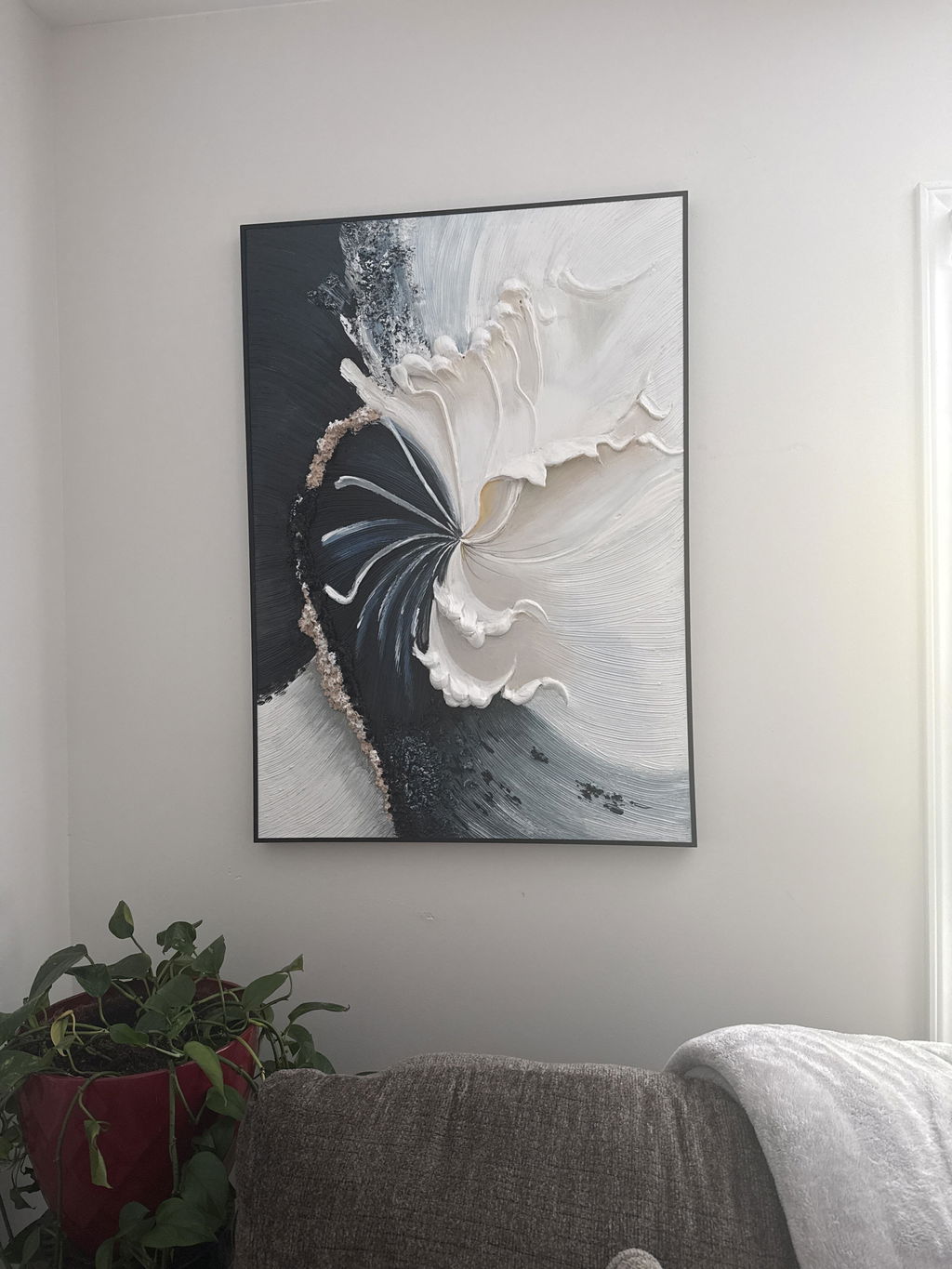
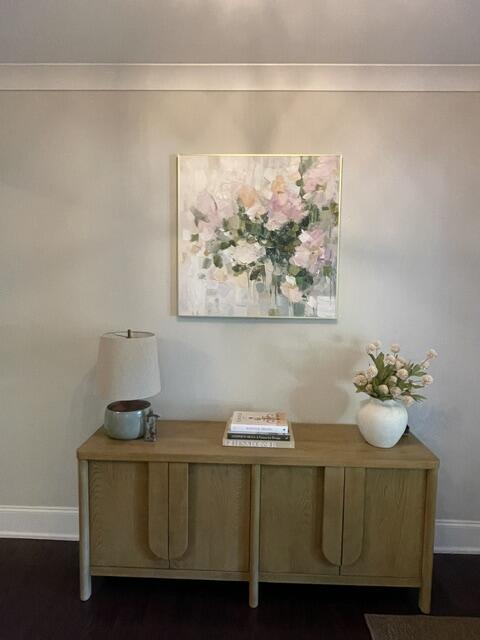
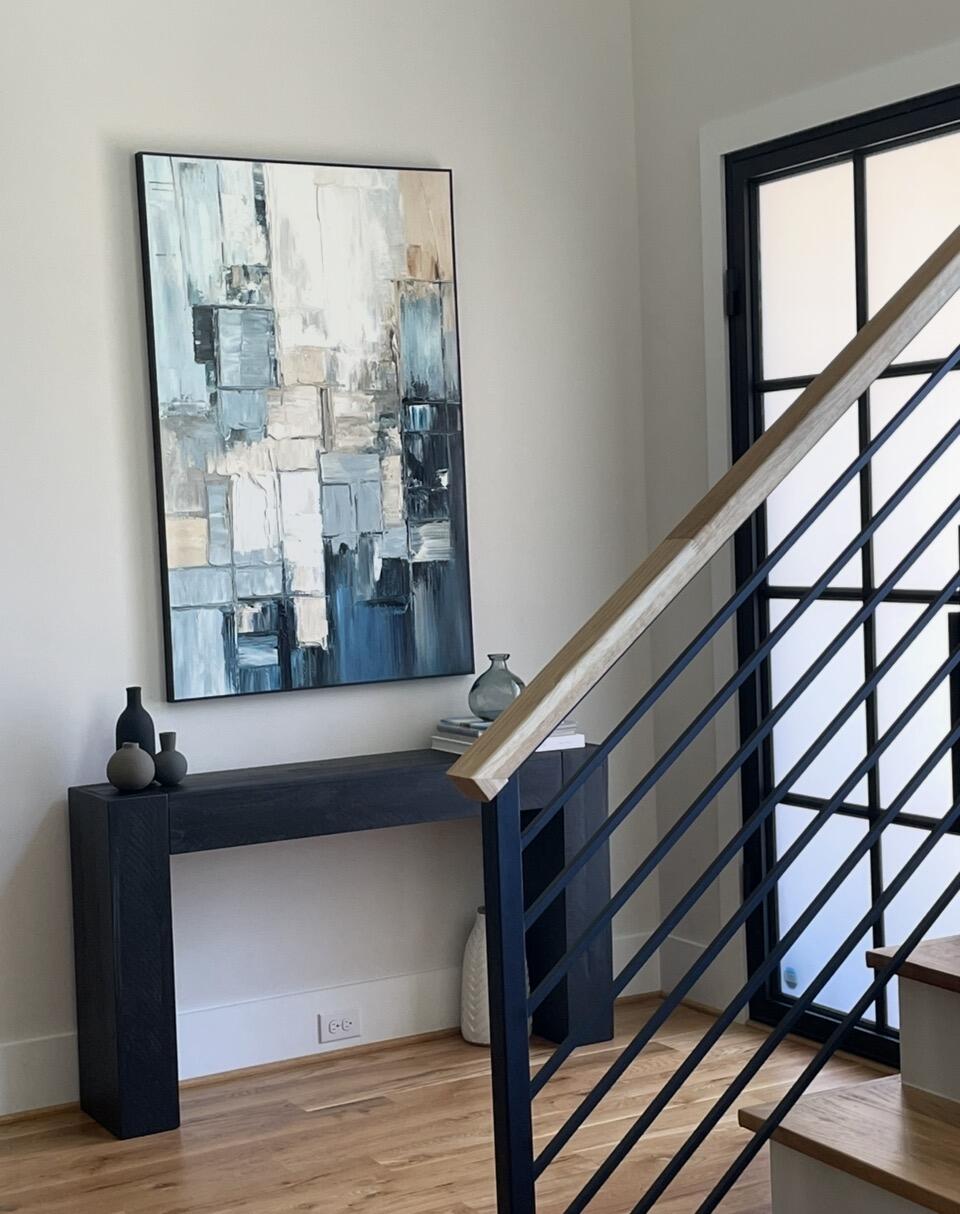
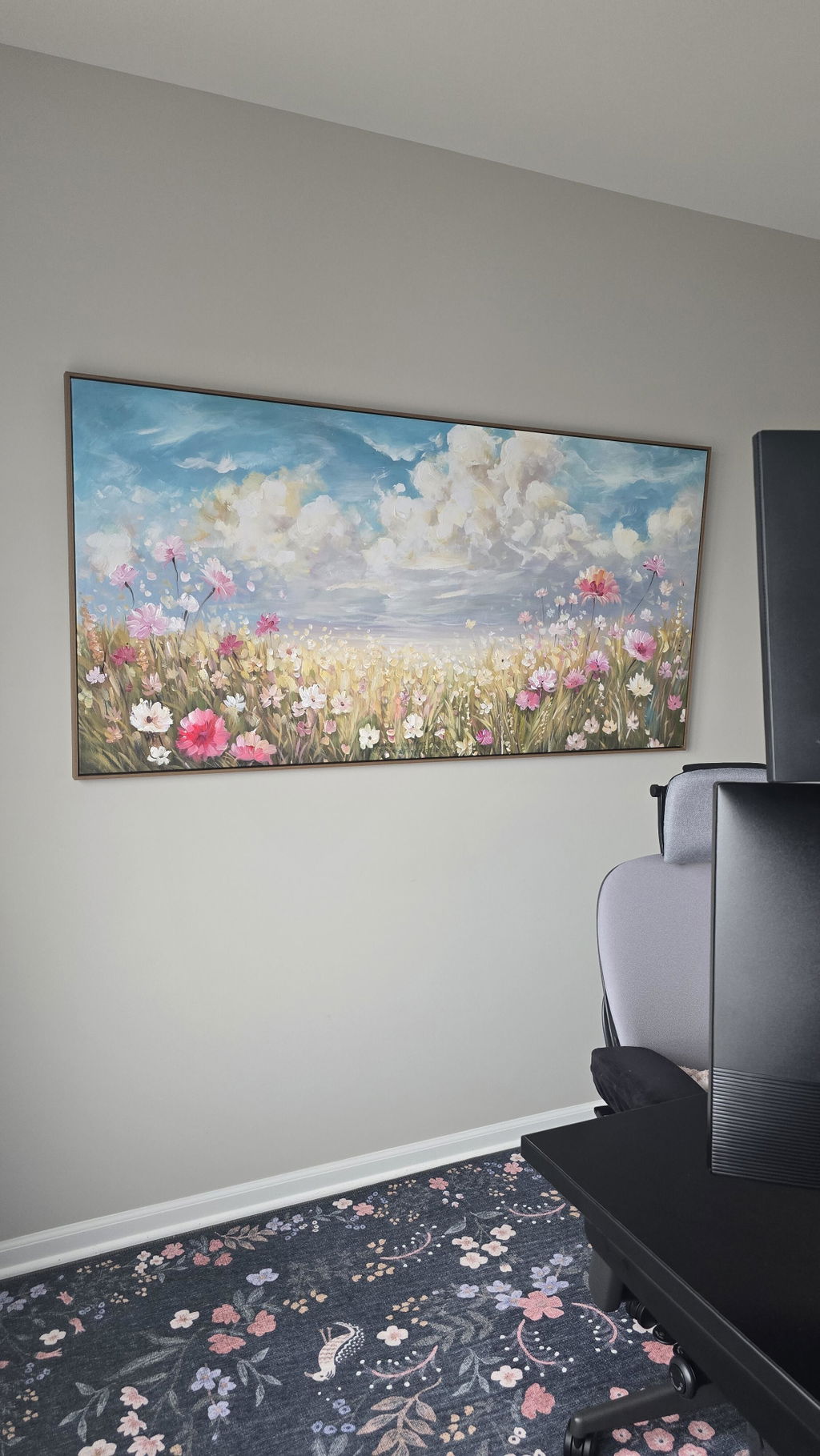
Buying original art online always carries some uncertainty, so the best way to verify hand painted art is to start with photos, then check the paperwork, then ask for more proof if anything still feels off. You are looking for a confidence filter, not a magic test: if the visual cues and document details line up, the listing gets stronger; if they do not, pause before you buy.
Start With the Fastest Visual Checks
Look for Brushwork That Changes Naturally
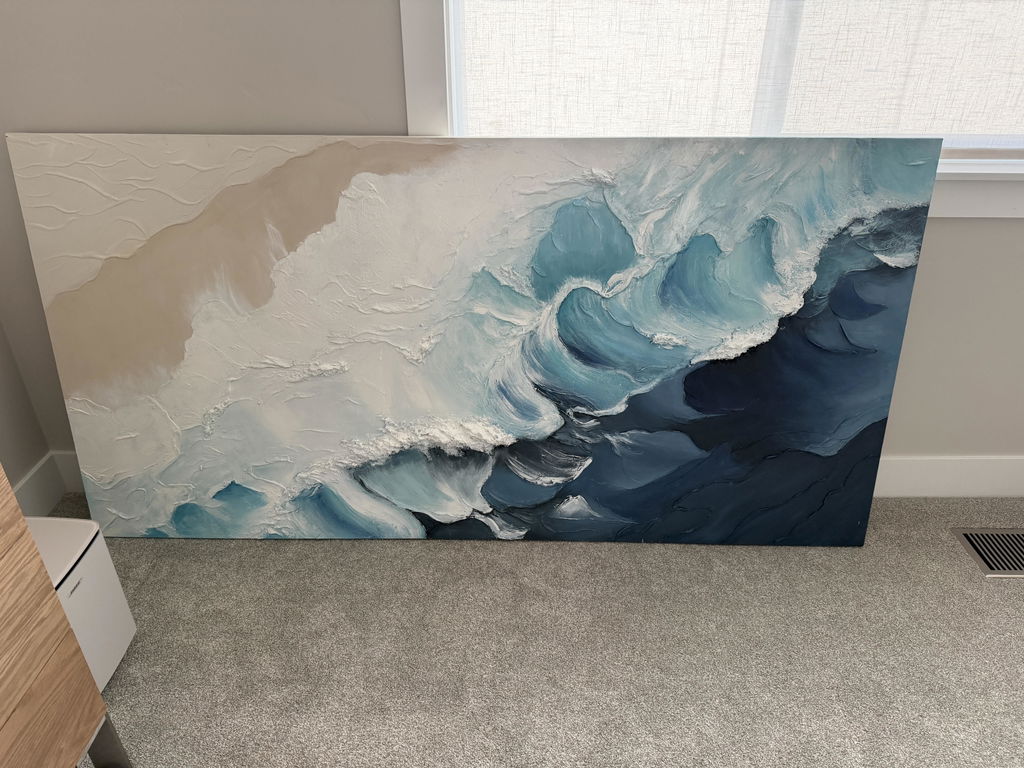
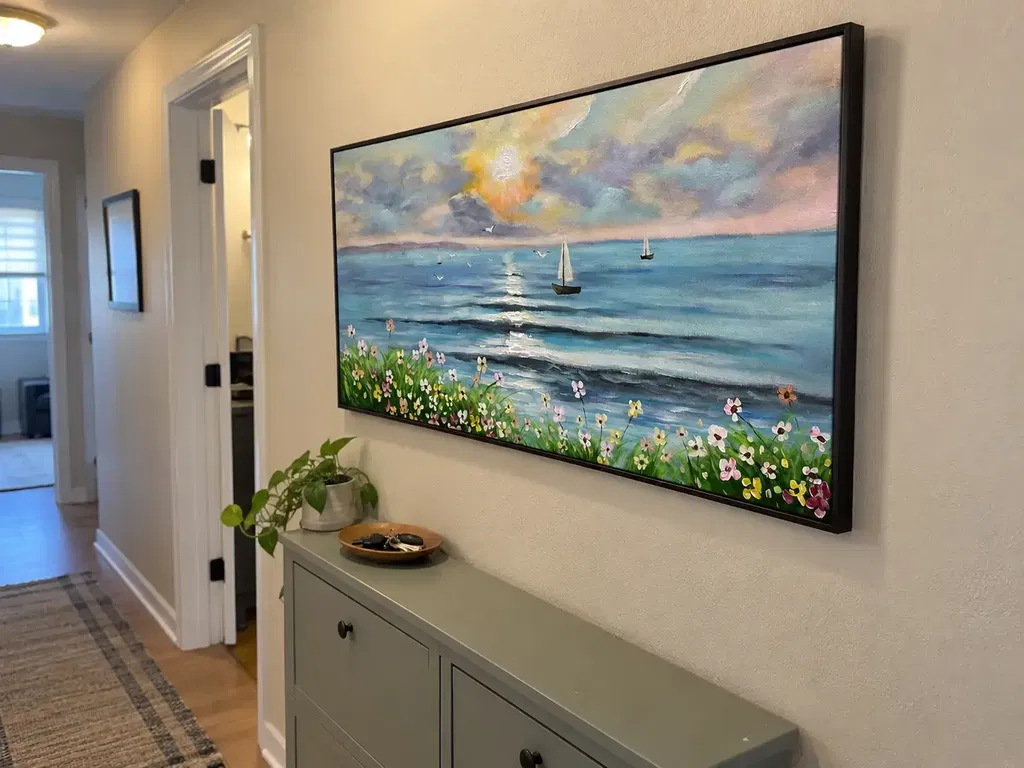
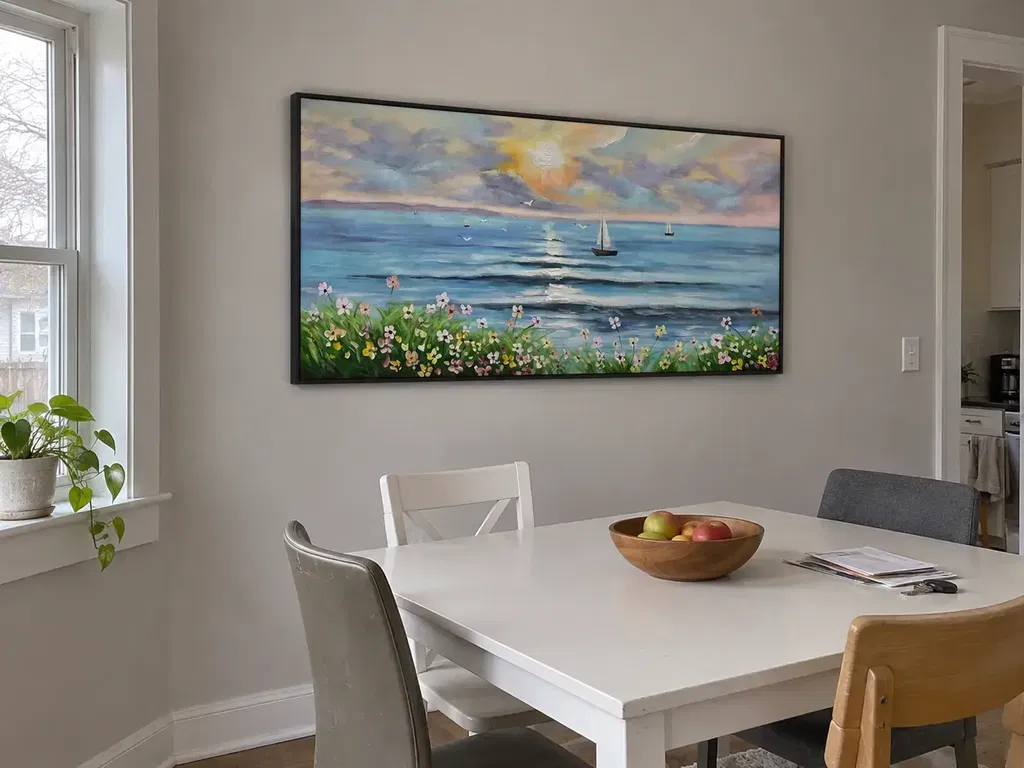
In listing photos, the first clue is whether the surface shows irregular brushwork that changes from area to area. Original paintings often have stroke direction, thickness, and paint load that vary naturally, which is why a close zoom can reveal more than a polished hero image. The original brushwork varies naturally in ways a print usually does not.
Look for small breaks, overlaps, and imperfect edges where the hand would have changed pressure or direction. If every visible stroke looks too similar, treat that as a warning sign, but not a verdict. A skilled reproduction can imitate texture well enough to fool a quick glance.

Check Whether Texture Looks Repeated or Flat
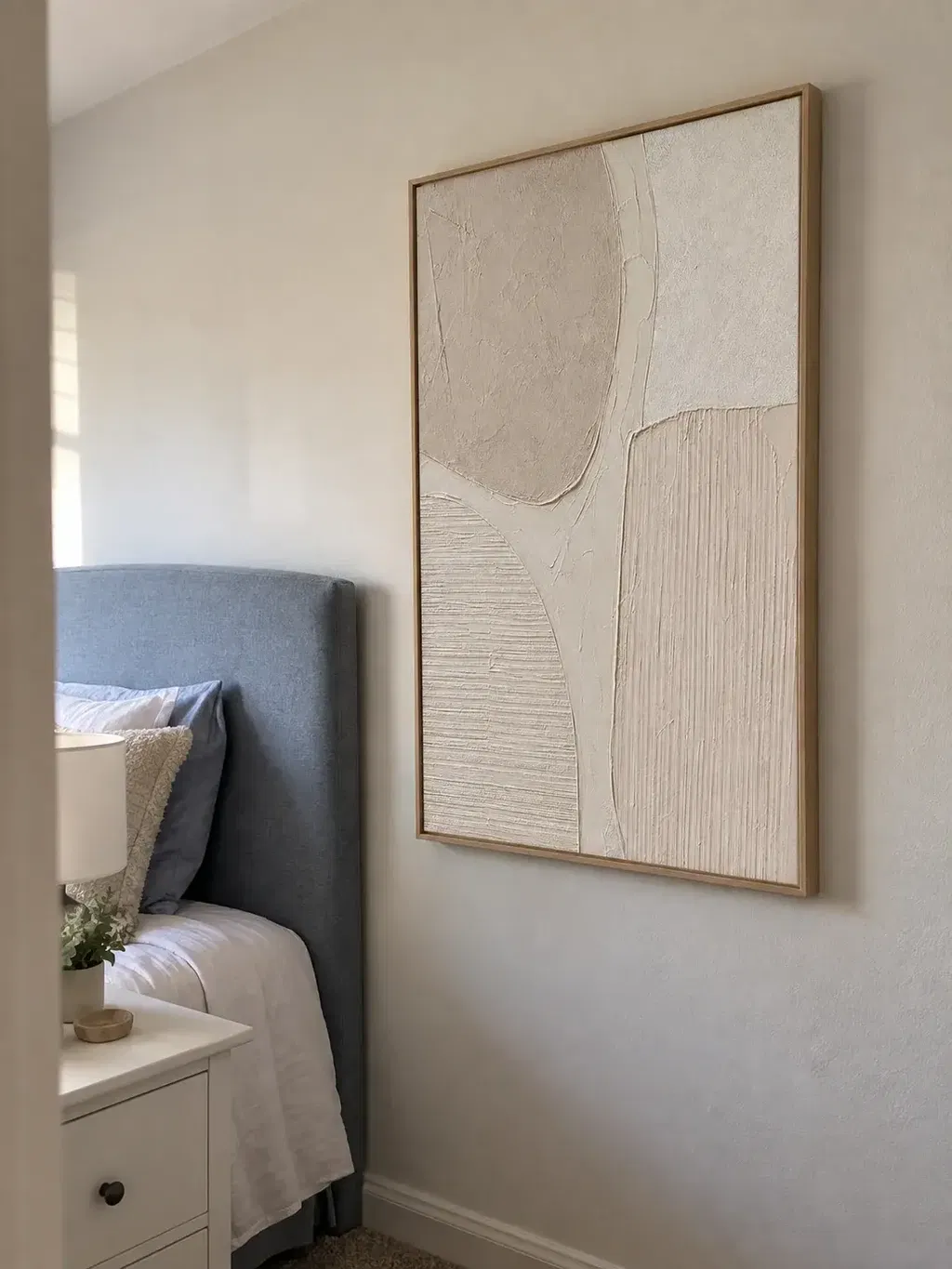
Texture matters most when it changes across the surface instead of repeating like a pattern. A real painting often has uneven ridges, localized buildup, or areas where the paint sits higher in one spot than another. If the texture looks copied, too even, or strangely flat from corner to corner, the piece may be a print or another reproduction method.
The safest move is to compare several zoomed areas, not one dramatic close-up. A single textured patch can be misleading. What you want is variation across the whole canvas, including spots that are less visually "important" in the composition.
Inspect Edges, Corners, and Backing Clues
Side angles can tell you a lot because hand-painted oil paintings often show rough, uneven paint edges on the sides where the viewer does not usually focus. The uneven canvas edges and corners are one reason buyers should ask for side photos, not just front-facing images.
If the seller shows the sides, look for wraparound paint, natural shifts at the corners, staples, labels, and canvas weave interaction. These clues do not prove authorship by themselves, but they add context that a front-only photo cannot provide. If the listing hides the sides entirely, that is a reason to ask for more images before you commit.
Compare Prints, Reproductions, and Originals
A quick side-by-side view helps because prints and originals can look similar in a clean product gallery. The difference usually shows up in surface depth, repetition, and how the edges behave when you inspect them closely. If you are trying to verify hand painted art and tell whether a canvas painting is a print or original, compare what you can see, then decide what still needs to be confirmed.
| Visible Clue | Likely Original Painting | Likely Print Or Reproduction | What To Ask If It Is Ambiguous |
|---|---|---|---|
| Surface depth | Uneven paint build-up, ridges, or areas that sit differently across the canvas | Flatter surface or texture that looks uniformly applied | Ask for angled close-ups in daylight |
| Brush variation | Strokes change direction, pressure, and thickness from area to area | Repeated texture or pattern-like marks | Ask for macro photos of several sections |
| Color behavior | Small shifts and overlap between colors, especially in textured passages | Very even color blocks or mechanical-looking consistency | Ask whether any part is printed or finished another way |
| Edge treatment | Irregular edges, wraparound paint, visible canvas response at corners | Clean, uniform edges that do not match the front surface | Ask for side and corner photos |
| Print-like clues | No obvious repeating pixels or dot pattern in high-resolution images | Repeating dots, banding, or overly smooth sheen can appear | Ask for a larger image file or closer crop |
Use that table as a shopping filter, not a courtroom test. A reproduction can still look good in a room photo, and some originals are more restrained than buyers expect. The key question is whether the surface behaves like painted material when you inspect more than one area.

If you want a broader browsing step while you compare listings, browse original paintings and ask for the same photo set from any seller before paying. That keeps the decision focused on what you can verify, not just on marketing language.
What a Certificate Can and Cannot Prove
A certificate of authenticity should include the artist name, artwork title, year, dimensions, medium, and a hand-signed signature, according to the Certificate of Authenticity guidance. Those details help you match the document to the listing and to the physical piece. If the certificate is vague, generic, or missing core details, it is weaker support.
Just as important, a COA does not automatically prove a painting is hand-painted. It can support provenance and accountability, but it is still only one piece of the puzzle. The Smithsonian's provenance guidance treats ownership history as part of authenticity work, not a shortcut around it.
Use the document as a match test. Do the title, medium, size, date, and image reference line up with the listing and the artwork photos? If the document and the listing disagree, pause. A mismatched COA is not something to "average out" with optimism.
Ask Sellers the Right Verification Questions
When photos leave you uncertain, the next step is to ask for details that the listing should be able to support. A seller who can answer clearly is helping you reduce risk; a seller who dodges the questions is leaving the doubt in place.
- Can you send side-angle photos in natural light?
- Can you share close-ups of the brushwork and texture in at least two different areas?
- Is any part printed, mixed-media, or finished by another process?
- Can you show the back of the canvas, corners, and any labels or markings?
- Does the COA match the title, size, medium, and year shown in the listing?
- Are there other photos of the exact piece, not a similar work?
- What is your return policy if the piece arrives and does not match the listing details?
Those questions are practical because buyers often want side views, brushstroke details, and artist information before they trust a listing. If the seller provides extra images and consistent answers, your confidence rises. If the replies are vague, slow, or incomplete, that uncertainty should stay in your decision.
For a deeper look at underside and backing clues, our canvas underside clues article shows how the back of a work can add context without becoming a stand-alone verdict.
Use a Buyer Checklist Before Checkout
Before you click buy, make one last pass: do the photos, COA, and listing text agree; did the seller provide the angles you requested; are any details missing without explanation; and does the return policy make the risk acceptable if the piece arrives differently than expected? If the answer is no on any major point, ask again or walk away.
Proceed only when the visual clues and document details lower doubt enough for you to accept the risk. If you still cannot verify hand painted art with reasonable confidence, do not let a nice image or a polished description push you through checkout. When the fit is real, buy with confidence. When it is not, keep looking.
If you still have doubts, send the seller one more request for side photos, close-ups, and matching document details before you buy. That small step can prevent an expensive guess.
FAQs
How Can You Tell If a Painting Is Original or a Print?
An original usually shows natural variation in brushwork, texture, and surface depth, while a print often looks flatter or more repeated. The best check is to compare several close-ups, because one textured area can mislead you. If the front image looks convincing but the edges and side views are unavailable, request more photos before buying.
What Should a Certificate of Authenticity Include for Art?
At minimum, verify the artist or seller identity, artwork title, year, dimensions, medium, and a hand-signed signature. The key decision rule is matching: if the certificate does not clearly match the exact piece in the listing, treat it as weak support rather than proof. A vague or generic certificate should lower confidence, not raise it.
How Do You Verify a Hand-Painted Canvas Without Damaging It?
Use only non-destructive checks: zoomed listing photos, side-angle images, close-ups of texture, and document matching. Do not scratch, bend, or test the surface physically when shopping online. If you need more evidence, ask the seller for additional photos of the exact piece rather than trying to verify it in person with force.
Can Brushstrokes Alone Prove a Painting Is Hand-Painted?
No. Brushstrokes are a useful clue, but they are not proof, because some reproductions can mimic textured or stroke-like detail. Use brushwork as one signal in a larger check that includes edges, backing photos, and document matches. If the other signals do not support the claim, keep the conclusion tentative.
Why Does the Back of a Canvas Matter When Checking Authenticity?
The back can add context through labels, staples, weave interaction, and how the paint behaves at the edges. That said, it still works best as supporting evidence. If the seller refuses to show the back or corners, you do not have a confirmed problem, but you do have more uncertainty, which is enough reason to pause.
What Should Make You Walk Away Before Checkout?
Walk away when the photos are too limited, the COA does not match the listing, the seller will not provide side or backing images, or the answers stay vague after a direct request. Those are not proof of a fake, but they are enough to keep the listing from passing a practical buyer check. If you cannot lower the doubt, the safest decision is to keep shopping.