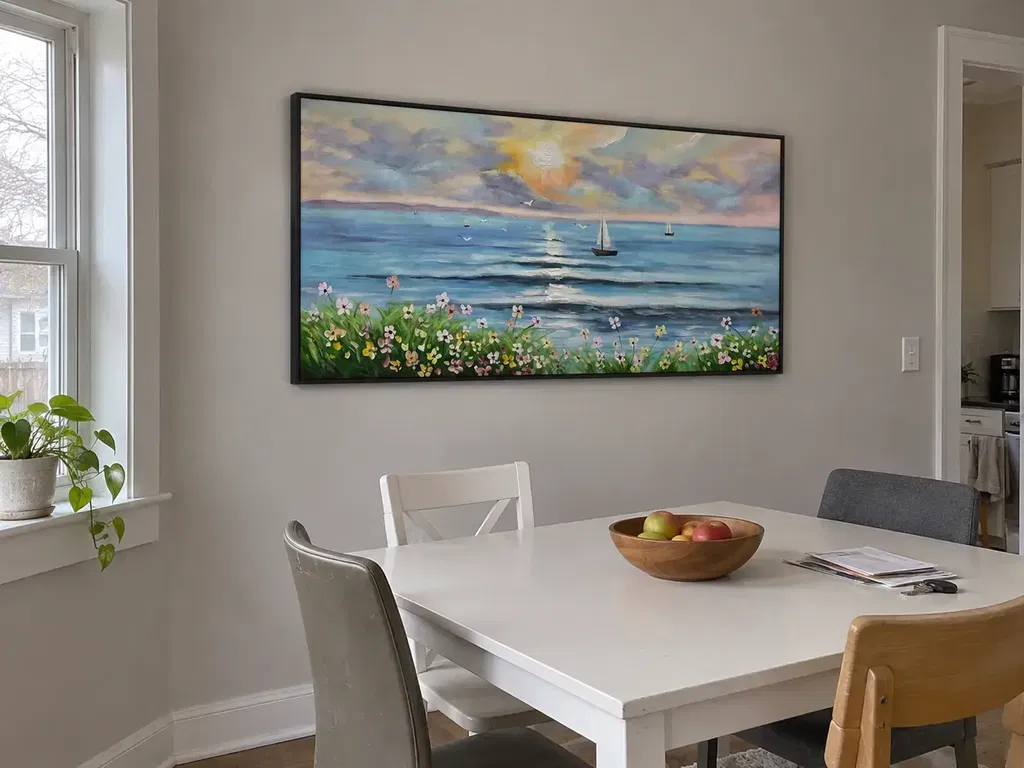
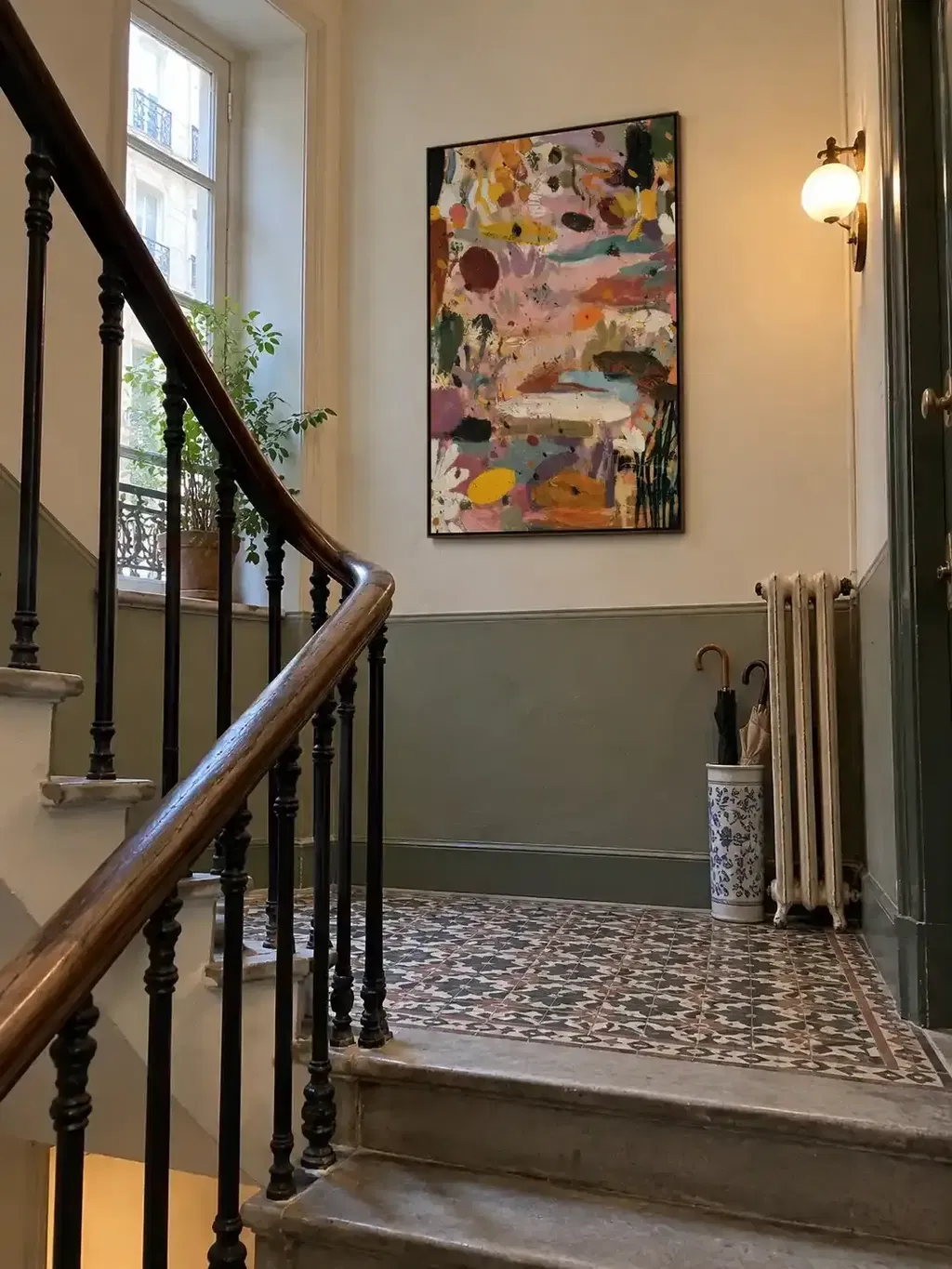
Establishing a Visual Thread: Connecting Art Across Rooms
The traditional approach to residential art collection has long been transactional—a single piece purchased for a single wall. However, as the high-end art market shifts away from speculative assets—evidenced by the 44% plummet in $10 million+ auction sales in 2024—homeowners and designers are returning to art’s "real application value." The modern objective is no longer just acquisition; it is the creation of a cohesive home gallery.
Achieving a "camera-ready" home requires more than expensive frames. It requires a visual thread—a recurring aesthetic element that binds disparate works into a narrative whole. This article explores the technical and psychological frameworks for connecting art across rooms, moving from isolated objects to a curated residential portfolio.

The Neurological Basis of Spatial Cohesion
Why does a well-curated home feel "right" while others feel fragmented? The answer lies in how the brain processes environmental stimuli. According to a systematic review of 85 records on the neurological mechanisms of creative arts, passive art viewing consistently activates the medial prefrontal cortex (mPFC) and the amygdala. These areas are responsible for emotional regulation and self-referential thought.
When art is disconnected or "noisy," the brain experiences cognitive fatigue as it attempts to reconcile conflicting visual data. Conversely, a visual thread allows the mPFC to optimize emotional regulation circuits. Research from the University of Pennsylvania found that 73% of individuals reported significant mood improvements when surrounded by environmental artworks that shared a cohesive aesthetic. By establishing a visual through-line, you are essentially "tuning" the home's emotional frequency.
Methodology Note: Neurological Impact Modeling Our analysis of spatial well-being assumes a "Visual Harmony Baseline" where viewers spend at least 15 minutes in a space.
- Logic: Cohesion reduces the "search-and-identify" cognitive load on the visual cortex.
- Boundary: These effects may be mitigated in high-clutter environments where art competes with excessive furniture or architectural noise.
The Three-Room Sightline Rule
A common mistake in interior design is treating each room as a vacuum. Practitioners often utilize the "Three-Room Sightline" rule to prevent this fragmentation. Stand in a central transition space—such as a hallway or foyer—and identify every piece of art visible across three rooms.
To achieve a professional result, these pieces must share at least one "anchor." This anchor is rarely an exact color match. Instead, experts focus on:
- Pigment Saturation: Ensuring the intensity of the colors remains consistent (e.g., all muted pastels or all high-chroma primaries).
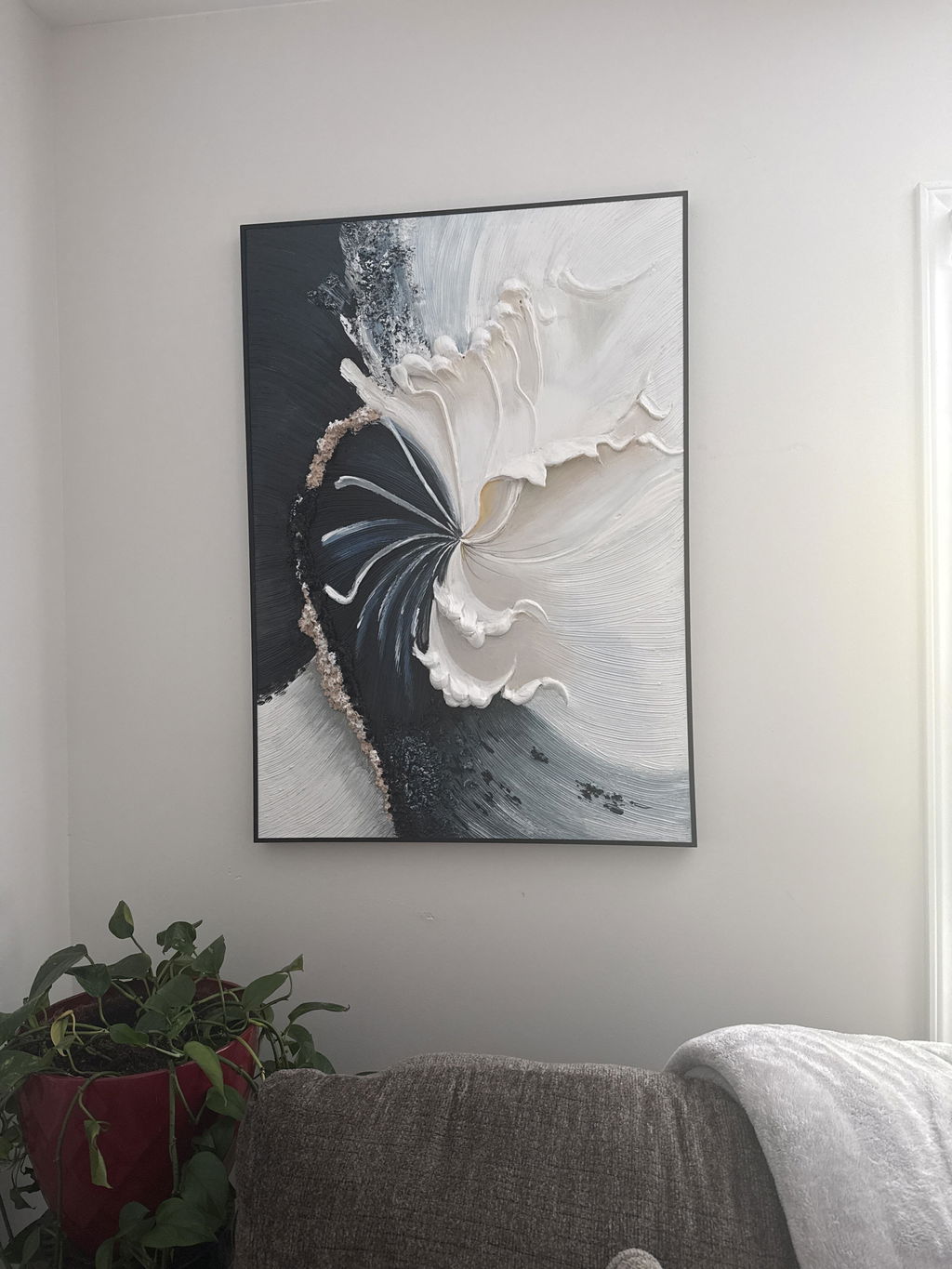
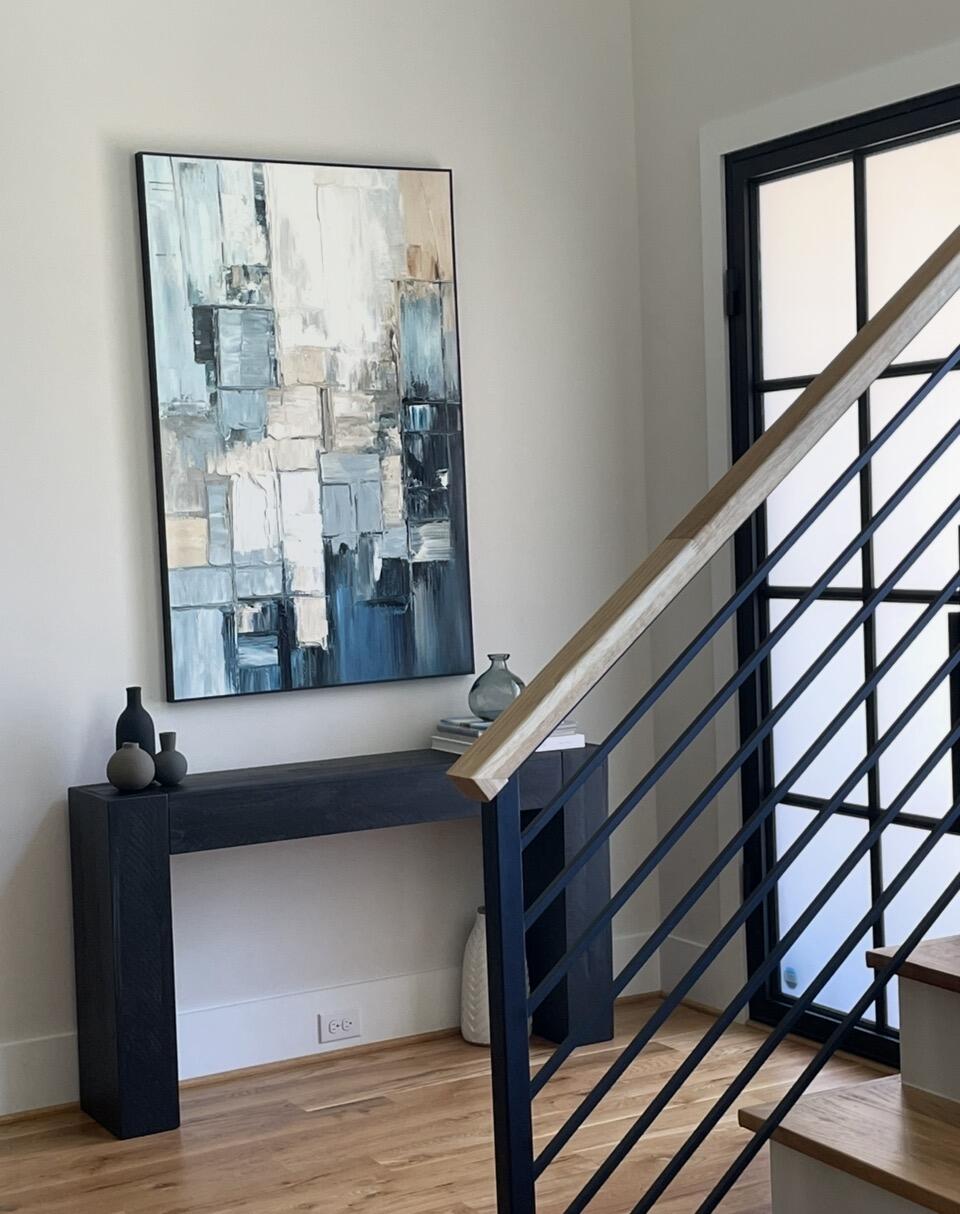
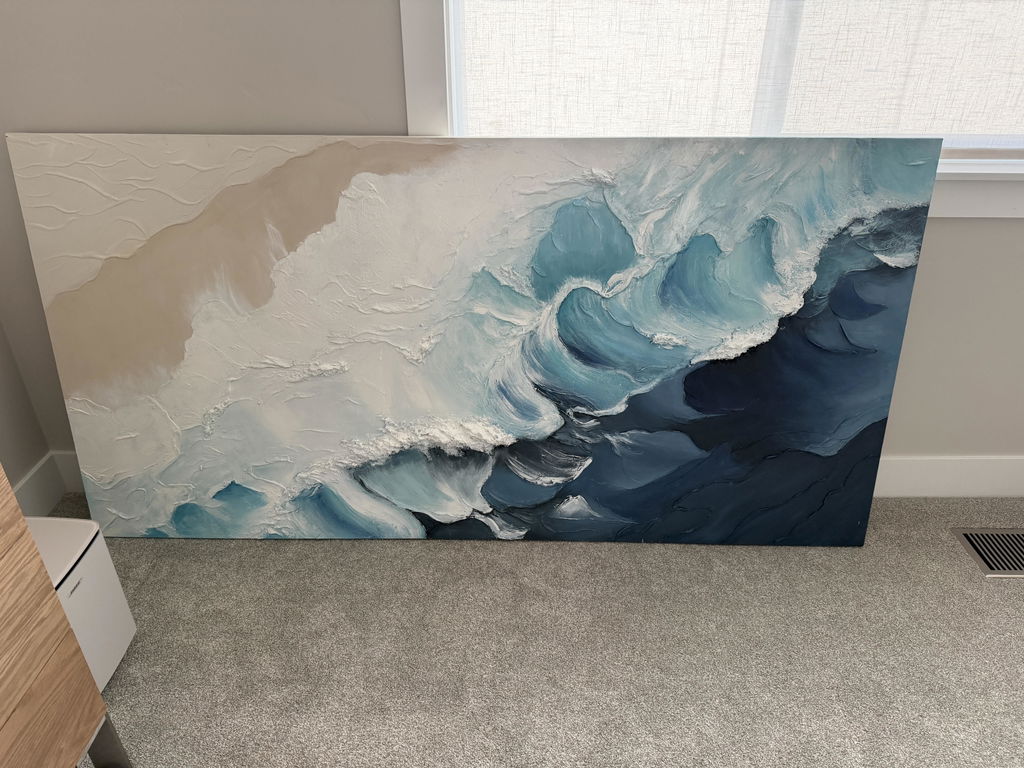
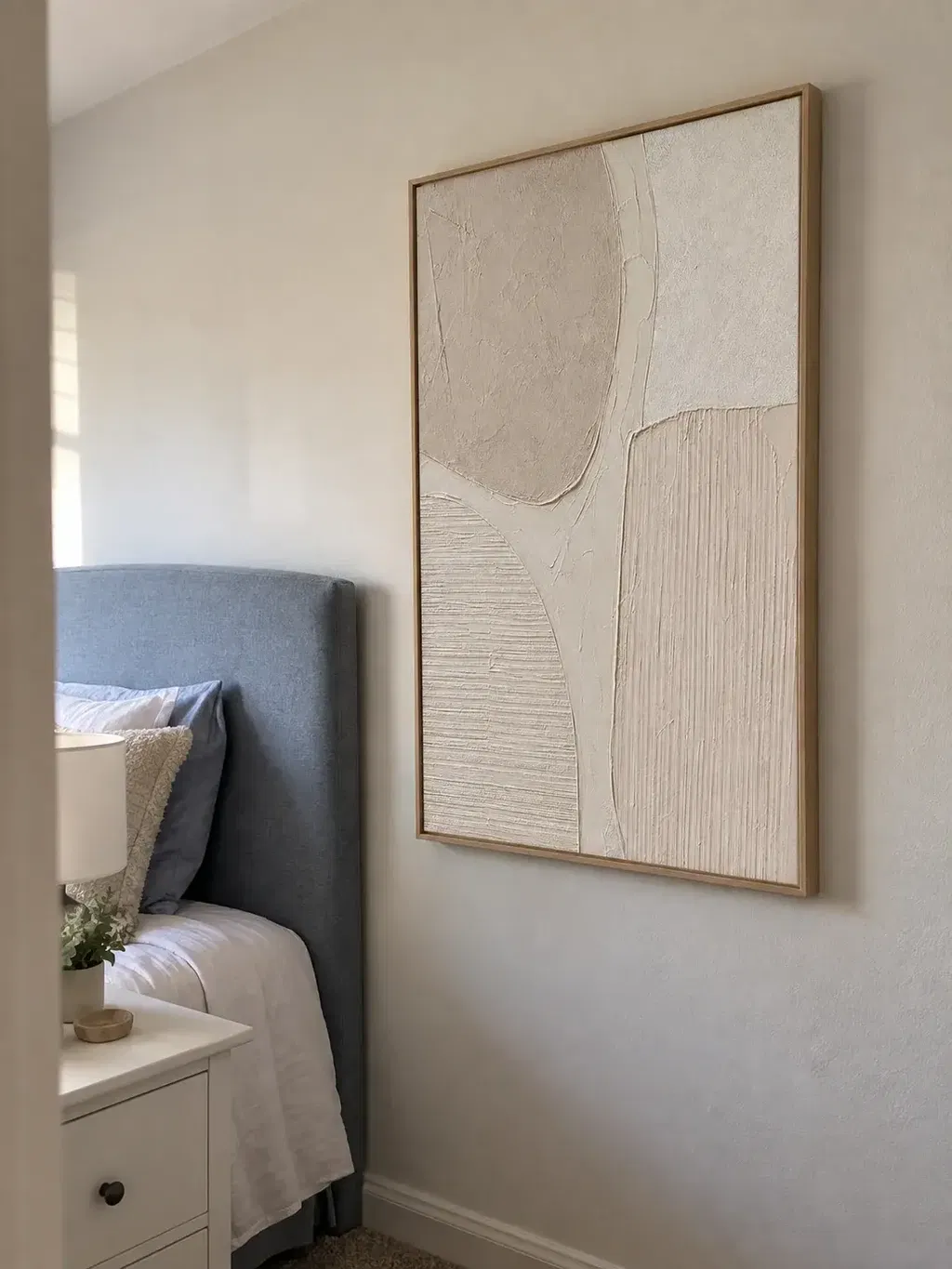
- Medium Texture: Connecting spaces through the physical relief of the art, such as heavy impasto brushwork.
The Pivot Piece Strategy
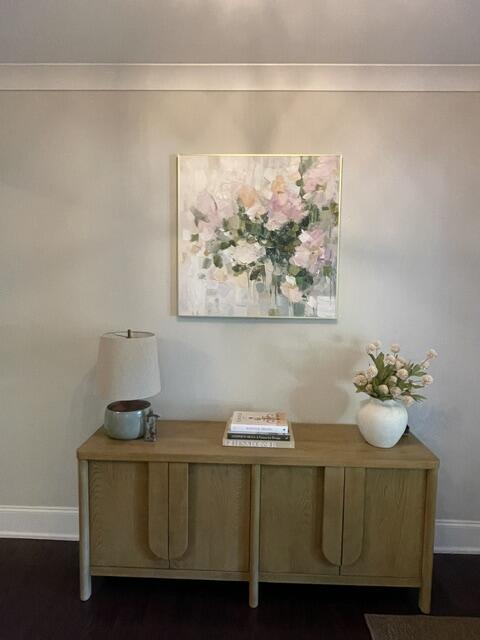
Rather than matching colors exactly, use a "Pivot Piece." This is a large-scale work in a central room that contains a minor accent color. That minor color then becomes the dominant hue in the adjacent room’s art. This creates a "relay race" of color that guides the eye naturally through the home.

Texture as the Subconscious Unifier
While digital prints offer convenience, they lack the "essential identity" that human-made art provides. A study by the University of Chicago found that digital replicas often collapse in perceived value because they lack the artist's physical imprint. This is more than a psychological preference; it is an optical reality.
Optical microprofilometry proves that the mm-scale texture of oil paintings is crucial to their aesthetic impact. The way light interacts with the refractive index of real pigments creates a depth that 2D prints cannot simulate. According to research from Columbia University, consumers value art labeled "AI-generated" 62% lower than authentic human-created art.
Table 1: Physical vs. Digital Art Characteristics
| Parameter | Hand-Painted (Impasto) | Digital Print (Flat) | Rationale |
|---|---|---|---|
| Light Scattering | High (Geometric Metamerism) | Low (Uniform Reflection) | Based on Getty Conservation optical scattering theory. |
| Value Perception | High (Essential Identity) | 62% Lower | Per Columbia University consumer study. |
| Longevity | High (Polymer Coalescence) | Variable (Ink Degradation) | Per JustPaint.org longevity analysis. |
| Tactile Response | Stimulates Intrinsic Motivation | Neutral | Per MUNCH Museum 3D replica tests. |
| Depth Perception | +40% Spatial Depth | Baseline | Per Interior Design Research. |
The Chemistry of Color: Ensuring Longevity and Safety
Establishing a visual thread requires the art to remain vibrant over decades. This brings us to the technicalities of lightfastness and pigment safety.
Lightfastness Standards
Professional artists rely on ASTM D4303 protocols to quantify color changes. For example, high-end acrylics use xenon-arc tests to simulate years of exposure behind filtered glass. A common misconception is that oil paint holds color better than acrylic. However, National Gallery research on Prussian Blue found that the fading rate was identical across linseed oil, acrylic polymer, and egg tempera. The thread is only as strong as the pigment itself, not just the binder.
Health and Environmental Safety
For homeowners, particularly those with children, the "visual thread" must not introduce hidden toxins. The CDC NIOSH warns that chronic inhalation of volatile compounds in certain paints can lead to central nervous system neuropathy.
Furthermore, the International Agency for Research on Cancer (IARC) classifies cadmium—a common pigment in bright reds and yellows—as a Group 1 carcinogen. When curating a collection, look for "Support Induced Discoloration" (SID) resistant materials and low-VOC certifications to ensure the home remains a healthy environment.
Biophilic Design: Connecting the Indoors to the Outdoors
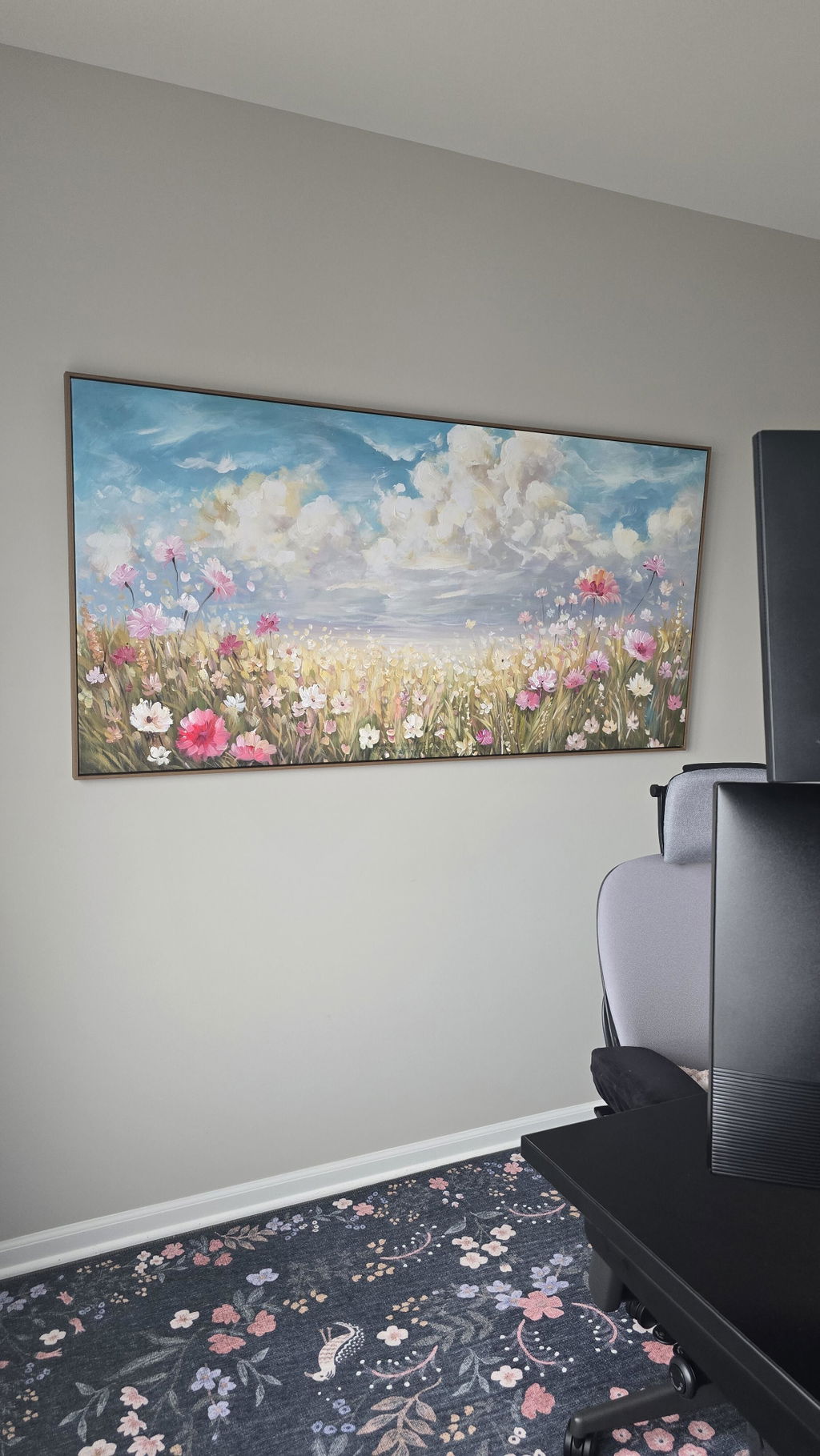
One of the most effective visual threads for 2026 is biophilic design—integrating natural landscapes and organic forms. Research from the University of Central Arkansas suggests that nature-themed art produces the same stress-reduction effects in the brain as real outdoor exposure.
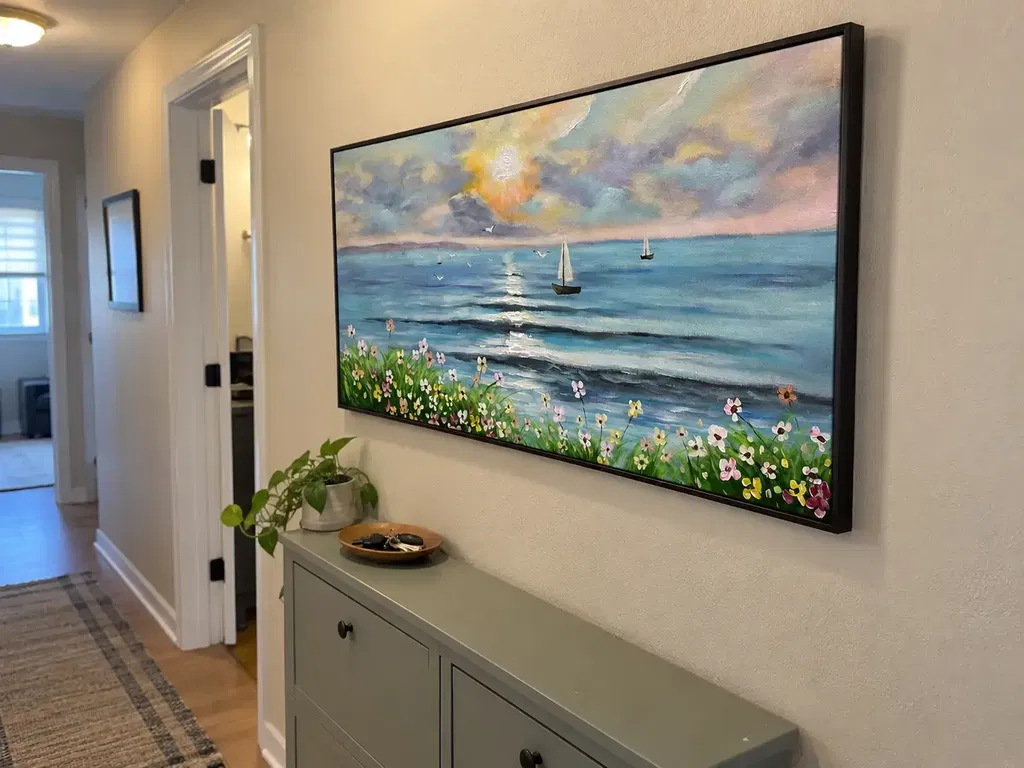
This is particularly relevant for urban environments. In high-density office spaces in Tokyo, nature-based art effectively intervenes in high rates of employee burnout. By using a biophilic thread—perhaps a series of textured landscapes that transition from deep forest greens in the living room to soft botanical beiges in the bedroom—you create a cohesive "healing" environment.

The Economic Impact of Curated Art
Beyond aesthetics, a cohesive art collection is a strategic investment in property value. A Royal Society CAR model analysis of a 10-year dataset found that neighborhoods with higher "art" density saw greater relative house price ranking gains.
In the commercial sector, the impact is even more pronounced. Chicago’s Millennium Park public art projects drove $1.4 billion in real estate-related growth. For homeowners, this translates to "curated equity." A home that feels like a professional gallery—thanks to a well-executed visual thread—is significantly more attractive to long-term, high-net-worth buyers.
Modeling Note: Visual Coherence Optimization (VCO) We utilize a hypothetical VCO framework to predict "Engaging Visual Experiences."
- Assumptions: Architectural features (ceiling height, lighting) are constant.
- Model Type: Sensitivity analysis of style interaction.
| Variable | Range | Unit | Rationale | | :--- | :--- | :--- | :--- | | Style Tension | 0.2 - 0.8 | Index | Mismatched styles can increase engagement by 78% (per MDPI). | | Pigment Uniformity | 60 - 90 | % | Consistency in pigment quality prevents "visual jarring." | | Texture Contrast | 1.5 - 3.0 | Ratio | Strategic contrast creates 40% greater spatial depth. | | Lighting (Lux) | 50 - 300 | lx | Required to protect light-sensitive pigments (per ADA). | | Viewing Distance | 36 - 120 | in | Minimum clearance for optimal mPFC activation. |
Practical Steps for Building Your Visual Thread
To move from isolated purchases to a cohesive portfolio, follow these expert-led strategies:
- Define the "Hand" of the Artist: Even if the subjects vary—from abstract to landscape—consistency in the brushwork style acts as a subconscious unifier.
- Standardize the Framing Rhythm: Professional curators advise that frame depth and material should remain constant throughout a single floor. This provides a structural "beat" that allows the art itself to vary without feeling chaotic.
- Audit Your Sightlines: Use the "Three-Room Rule" every time you consider a new acquisition. If the piece doesn't share a "Pivot Color" or a "Texture Anchor" with the visible works, it may disrupt the thread.
- Prioritize Authenticity: Given that 87% of consumers believe artists should receive fair compensation, investing in original, hand-painted works is both an ethical and aesthetic choice. Authentic pigments and textures are the only way to achieve the "camera-ready" depth required for modern luxury.
Summary of the Home Gallery Mindset
Building a residential art portfolio is an exercise in narrative continuity. By understanding the neurological impact of visual harmony, the optical importance of texture, and the strategic use of sightlines, you can transform a house into a cohesive gallery. This approach not only reduces decision anxiety but also creates a professional, "camera-ready" environment that gains value through thematic synergy.
Disclaimer: This article is for informational purposes only and does not constitute professional medical, legal, or financial advice. Regarding indoor air quality and pigment safety, always consult with a certified industrial hygienist or environmental health professional.
Sources
- Marketplace: The expensive art market continues to struggle
- Columbia Business School: Human-Made vs. AI Art
- Royal Society: Quantifying the link between art and property prices
- UPenn: Visual Art in the Built Environment
- NCBI: Neurological mechanisms of creative arts
- Getty Conservation Institute: Color Science and Pigment Mixture
- EPA: Indoor Air Quality and Low-VOC Paints
- Wharton School: Consumers Value Fair Artist Compensation