Surface Care: Safe Cleaning Methods for Oil vs. Acrylic Artworks
In the shifting landscape of the global art market—where total sales reached $65 billion in 2023—we are witnessing a significant pivot in consumer behavior. While high-end auction sales for vanity pieces plummeted by 44% in 2024, there is a resurgent focus on art with "real application value," such as custom hand-painted murals and bespoke canvases. This trend is fueled by a growing psychological preference for human-made authenticity. According to a Columbia University study, consumers value art labeled as "AI-generated" 62% lower than authentic human-created pieces.
As an investment in "essential identity," a hand-painted artwork is more than a decorative asset; it is a physical record of the artist’s neural and motor precision. However, the long-term value of these investments—whether they are public murals boosting property values or private commissions—depends entirely on preservation.
Cleaning a masterpiece is not a domestic chore; it is a chemical intervention. Misunderstanding the molecular differences between traditional oil and contemporary acrylic mediums is the leading cause of irreversible surface damage. In this guide, we break down the high-stakes science of surface care to ensure your investment remains a "permanent physical billboard" of taste and value.
The Molecular Divide: Why Oils and Acrylics React Differently
To clean a painting safely, you must first understand what holds the pigment to the surface. The "drying" process for these two mediums is fundamentally different, creating two very different types of "skin."
Oil Paintings: The Oxidative Marathon
Traditional oil paints use binders like linseed or walnut oil. These do not "dry" through evaporation; they cure through a process called oxidative cross-linking. Over decades, the oil absorbs oxygen, forming a complex, three-dimensional chemical bond. This results in a film that is initially flexible but becomes increasingly brittle and "glass-like" over time. According to research from JustPaint, this oxidative process makes old oil films highly sensitive to modern chemical cleaners, which can "leach" the remaining plasticizers and cause cracking.
Acrylic Paintings: The Physical Coalescence
Acrylics are a 20th-century innovation based on a polymer emulsion. They dry through physical coalescence: as the water evaporates, the tiny spheres of acrylic resin are forced together, forming a continuous, honeycomb-like film. This film remains slightly porous and "soft" compared to oil. While this makes them more flexible and less prone to cracking, it also means they act like a "dust magnet," trapping airborne pollutants within the microscopic pores of the polymer.
Logic Summary: Our preservation heuristics are based on the "Glass vs. Sponge" model. Oils behave like aging glass (brittle, solvent-sensitive), while acrylics behave like a high-density sponge (porous, water-sensitive, thermoplastic).

The "Safe" Cleaning Spectrum: From Dusting to Gels
When it comes to fine art, the most effective cleaning method is often the one you don't perform. However, when intervention is necessary, we follow a strict hierarchy of risk.
1. Dry Dusting: The Gold Standard
For both mediums, dry methods are the safest. We recommend using a high-quality, clean, soft-bristle brush (like a squirrel hair or synthetic hake brush) or a clean microfiber cloth.
- The Technique: Work from the top of the painting to the bottom using light, flicking motions.
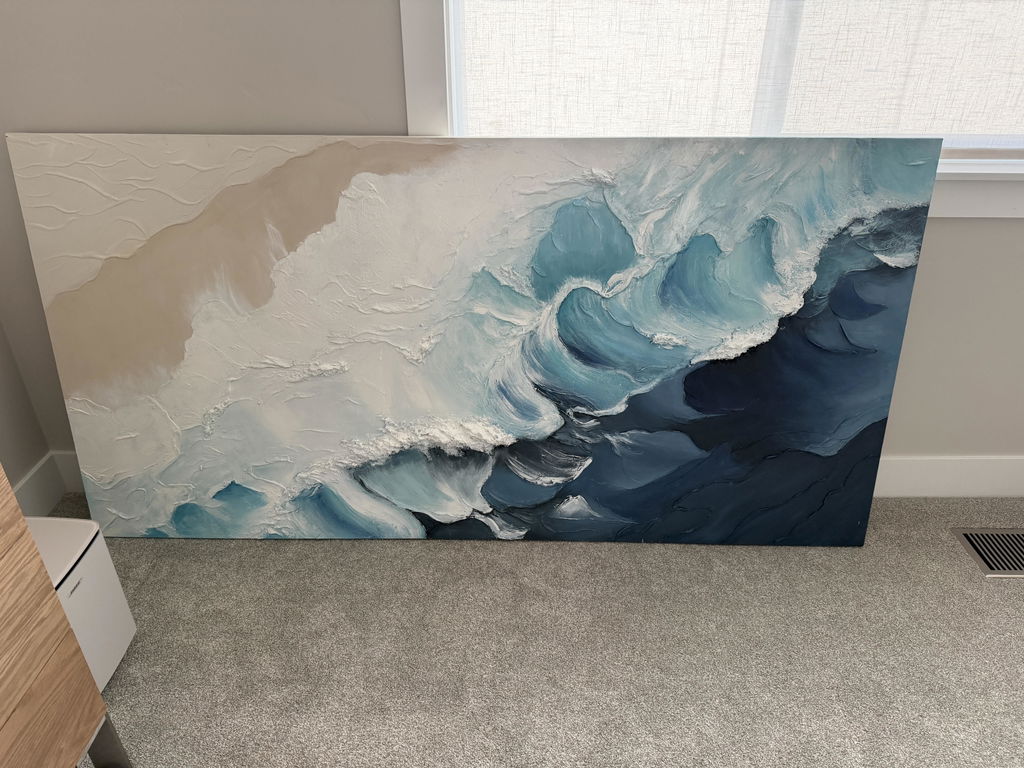
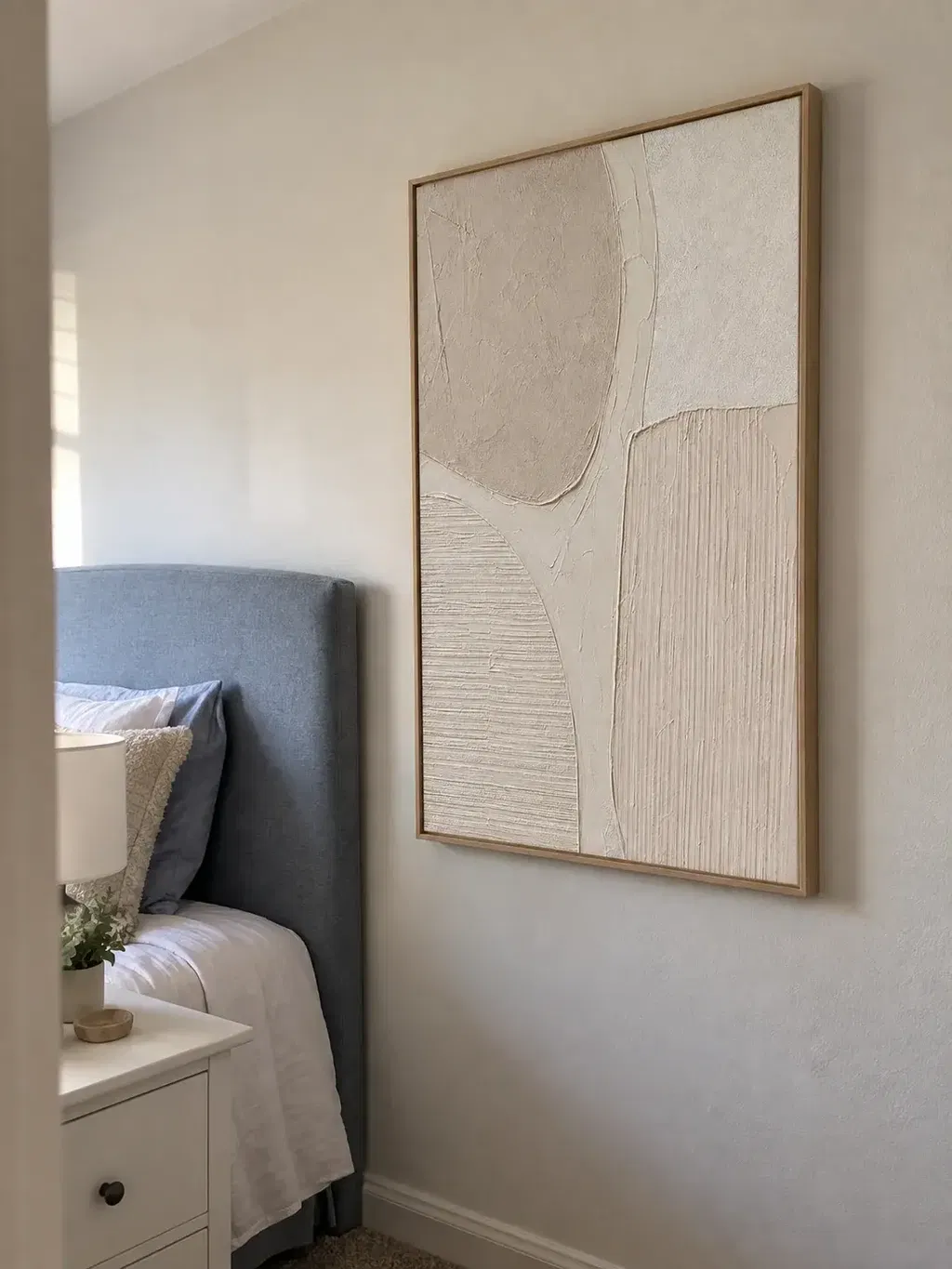
- The Risk: Avoid "feather dusters," as the quills can scratch the delicate glaze of an oil painting or catch on the impasto (thick texture) of an acrylic.
2. Aqueous Cleaning: The Tate Breakthrough
Historically, conservators were terrified of water on acrylics. However, the Tate AXA Art Modern Paints Project confirmed that a gently dampened cotton swab can actually be beneficial for acrylics.
- The Discovery: Acrylic paints often "bleed" surfactants (soapy additives) to the surface as they age, creating a hazy film. Gently removing these with a damp (not wet) microfiber cloth can prevent dirt from permanently bonding to these surfactants.
- The Oil Exception: Never use water on an oil painting. Water can penetrate micro-cracks in the brittle oil film, reaching the organic canvas or wood support and causing swelling or rot.
3. Advanced DIY: The Agarose and Starch Revolution
For collectors facing stubborn grime, traditional "saliva cleaning" is now considered scientifically obsolete. Research in Nature (2024) warns that the enzymes and bacteria in saliva can create long-term degradation pathways, especially for acrylics vulnerable to microbial attack.
- The Alternative: Structured DIY protocols now utilize 2% agarose gels or even potato starch gels. These materials provide "controlled water release," allowing you to lift surface dirt without "soaking" the pigment layer.
Comparative Analysis: Material Stress Under Environmental Pressure
To demonstrate the risk of improper cleaning and storage, we look at the physical mass changes of these mediums when exposed to moisture and heat.
| Medium & Pigment | Stress Factor | Mass Change (%) | Resulting Damage |
|---|---|---|---|
| Acrylic Yellow | 83% Relative Humidity | +7.21% | Swelling, pigment migration, and "haziness." |
| Oil Yellow | 100°C Thermal Stress | -7.50% | Catastrophic binder separation and melting. |
| Acrylic (New) | Solvent Exposure | High Sensitivity | Irreversible softening of the polymer film. |
| Oil (Old) | Water Exposure | Low/Medium | Canvas warping and internal delamination. |
Methodology Note: Data points are derived from ResearchGate's accelerated aging models. These represent extreme "worst-case" scenarios to illustrate the inherent vulnerabilities of each binder.

The "Hidden" Threats: SID and Chemical Sensitivities
Expert-level care requires looking beneath the surface. Two of the most common "gotchas" in art preservation are chemical in nature.
Support Induced Discoloration (SID)
This is a specific "nightmare" for acrylic owners. When an artist applies a thick, transparent acrylic medium, it acts as a vacuum. As it dries, it pulls water-soluble impurities (tannins and glues) out of the cotton or linen canvas. This results in a yellow or brown tint known as SID.
- The Care Tip: If you notice your "white" acrylic areas turning yellow, do not try to "scrub" it off. This is an internal chemical reaction, not surface dirt. Scrubbing will only damage the pigment saturation.
The "Odorless" Solvent Trap
Many collectors believe that "odorless" mineral spirits are safe for cleaning oil paintings. This is a dangerous myth. Princeton University EHS warns that even odorless solvents can cause "skin defatting" and, more importantly, can dissolve the delicate glazes used by masters to create depth. For oil works, we strictly advise dry methods only unless you are a trained conservator.
Health and Safety: The "Decision Safety" Framework
At MontCarta, we prioritize "decision safety"—the idea that a high-visibility purchase should not introduce hidden risks into your home. This extends to the chemical composition of the paints themselves.
1. Toxic Pigments and the Cadmium Debate
While IARC (International Agency for Research on Cancer) classifies cadmium compounds as Group 1 carcinogens, the art world has fought to keep them due to their incomparable vibrancy. However, for a home environment, we advocate for "non-toxic alternatives."
- The Fact: High-quality modern synthetics now offer 90% of the vibrancy of cadmium without the heavy-metal risk.
- The Safety Check: Ensure your art supplies or commissioned murals are lightfastness-rated and free from lead carbonates, which are largely banned in the EU under REACH Annex XVII.
2. Indoor Air Quality (VOCs)
The "new paint smell" is actually the off-gassing of Volatile Organic Compounds (VOCs). For indoor murals, this is a significant health concern.
- The Heuristic: We recommend water-based acrylics for indoor murals, as they emit significantly lower VOCs than oil-based paints during the curing phase. This aligns with EPA guidelines for maintaining healthy indoor air quality, a prerequisite for LEED-certified buildings.
Environmental Moats: Preventing Damage Before It Starts
The most effective cleaning method is a stable environment. Think of your home as a "moat" protecting your investment.
- Humidity Control: Aim for 45%–55% relative humidity. MCI (Museum Conservation Institute) notes that acrylics become soft and tacky at high humidity, making them more likely to trap dust. Conversely, extremely low humidity makes oil paintings brittle.
- Light Exposure: UV protective varnishes are essential for any work placed near windows. Even "lightfast" pigments can fade if the binder itself (the oil or acrylic) degrades under UV radiation.
- Storage: If moving or renovating, always prioritize vertical storage to prevent "pressure mottling," where the weight of stacked canvases causes the paint layers to bond together.
Summary of Best Practices
| Action | Oil Paintings | Acrylic Paintings |
|---|---|---|
| Regular Dusting | Soft brush / Microfiber (Dry) | Soft brush / Microfiber (Dry) |
| Surface Grime | Professional Only | Damp microfiber (Water only) |
| Deep Cleaning | Never DIY | Agarose / Potato Starch Gels |
| Solvent Use | High Risk (Avoid) | Catastrophic Risk (Never) |
| Environment | Avoid extreme heat/dryness | Avoid high humidity/dust |
A Final Note on Professionalism
While this guide provides a framework for safe maintenance, valuable or historical artworks should always be appraised by a professional conservator before any major cleaning. The goal of surface care is not to make the painting look "new," but to preserve the "essential identity" and structural integrity of the artist's work for future generations.
By treating your hand-painted art with the same respect as a delicate historical document, you secure both the aesthetic joy and the financial appreciation of your investment.
Disclaimer: This article is for informational purposes only and does not constitute professional conservation advice. Always conduct a small, inconspicuous spot test before applying any cleaning method to an artwork, or consult a certified member of the American Institute for Conservation (AIC).
Sources & Citations
- The Art Basel and UBS Art Market Report 2024
- Columbia University: Human-Made vs. AI Art Study
- Tate: The Tate AXA Art Modern Paints Project (TAAMPP)
- IARC: Cadmium and Cadmium Compounds (Volume 58)
- Nature: An overview of gel-based cleaning approaches
- JustPaint: Aspects of Longevity of Oil and Acrylic Paints
- EPA: Indoor Air Quality and Low-VOC Paints
- ResearchGate: Ageing of Commercial Oil and Acrylic Paints