The Shift Toward Material Integrity in Modern Art
The landscape of art acquisition is undergoing a structural transformation. Recent data indicates that high-end auction sales for pieces exceeding $10 million plummeted by 44% year-over-year in 2024, signaling a retreat from purely financial art assets as buyers return to real application value. For the modern collector, interior designer, or homeowner, the focus has shifted from "vanity names" to the physical durability and technical craftsmanship of the work itself.
Central to this craftsmanship is the foundation: the canvas. While digital prints and AI-generated art are flooding the market, they lack the "essential identity" and tactile soul that human-made art provides. In fact, research from Columbia University confirms that consumers value art labeled as "AI-generated" 62% lower than authentic human-created art. When you invest in a premium hand-painted mural or oil painting, you aren't just buying an image; you are buying a physical structure designed to last for generations.
Among professional artists and conservators, 12oz cotton canvas has emerged as the industry gold standard. It represents the precise equilibrium between tensile strength, weight, and the ability to support heavy impasto techniques without structural failure. In this guide, we will break down the technical specifications of canvas weights and explain why the underlying support is as critical as the pigment itself.

Deciphering Canvas Weight: The Physics of "Oz"
In the textile world, canvas weight is measured in ounces per square yard (oz). While the industry offers weights ranging from a feather-light 4oz to a heavy-duty 24oz, the 12oz designation occupies the "medium-duty" category, which is optimized for professional fine art.
Logic Summary: Our analysis of canvas durability assumes standard gallery conditions (20°C, 50% humidity). The 12oz standard is treated as a heuristic for "medium-to-large" works (up to 60 inches) where the weight-to-tension ratio must remain stable over 50+ years.
The choice of weight is not arbitrary. It is a response to the mechanical stresses placed on the fabric by the paint and the stretcher bars. According to Big Duck Canvas, while smaller works or light acrylic washes can perform well on 8oz or 10oz supports, larger oil paintings—especially those utilizing heavy textures—require the structural "heft" of 12oz or higher.
The Dimensional Heuristic
In our studio practice, we follow a specific rule of thumb for scaling canvas weight to the size of the artwork. Conservators observe that improper canvas selection accounts for approximately 30% of structural failures in oil paintings over 50 years old. To mitigate this risk, we use the following heuristic: Canvas weight should increase by approximately 2oz for every 20-inch increase in painting dimensions beyond 36×48 inches.
| Canvas Weight | Typical Application | Recommended Max Dimension | Structural Risk Level (Low Weight) |
|---|---|---|---|
| 8oz - 10oz | Small sketches, light acrylics | 24" x 36" | High (Sagging, tearing) |
| 12oz | Professional Oil/Impasto | 60" x 72" | Low (Standard Stability) |
| 14oz - 18oz | Oversized murals, heavy relief | 100"+ | Minimal (Over-engineered for small works) |
Why 12oz is the Impasto Standard
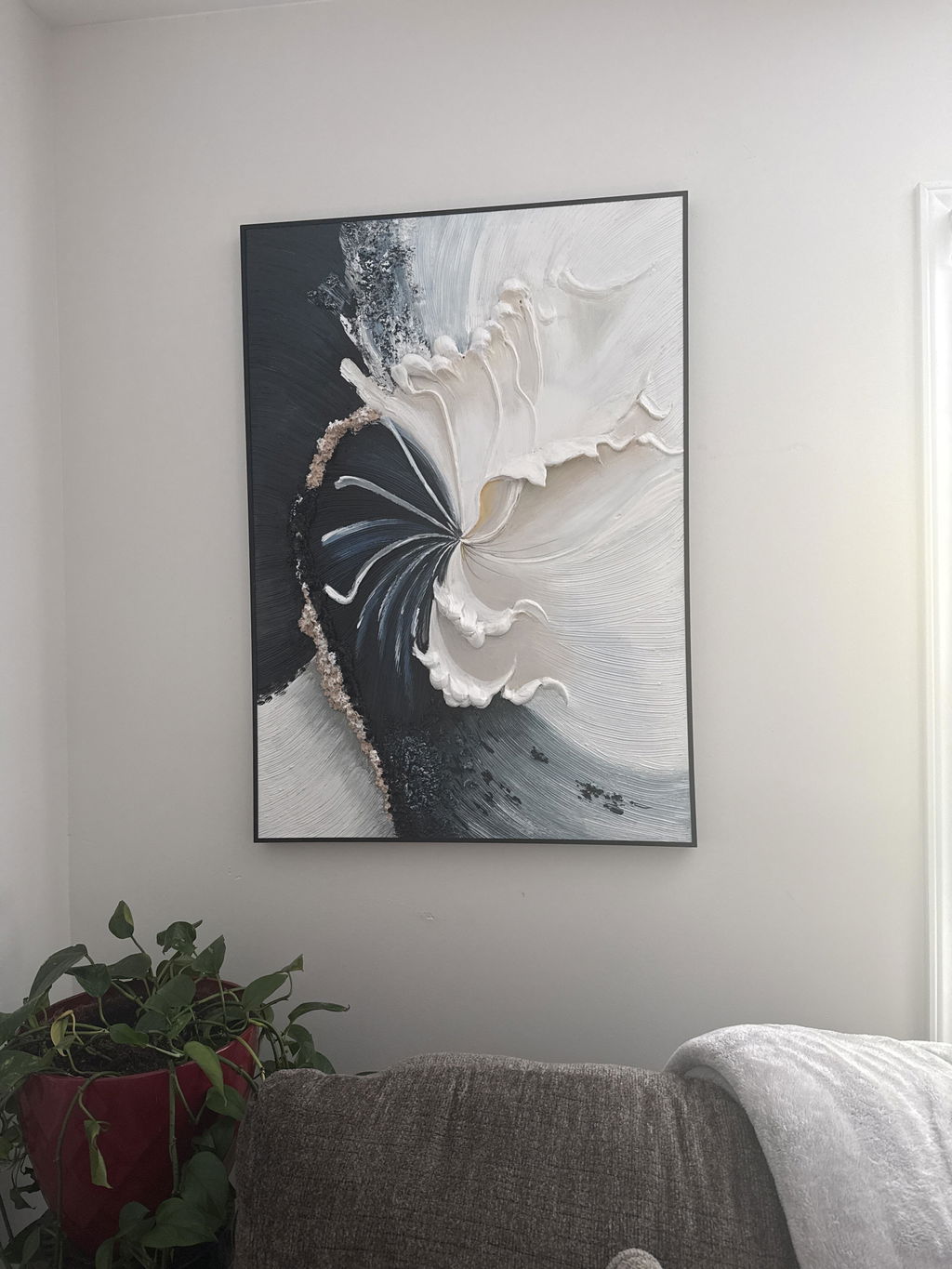
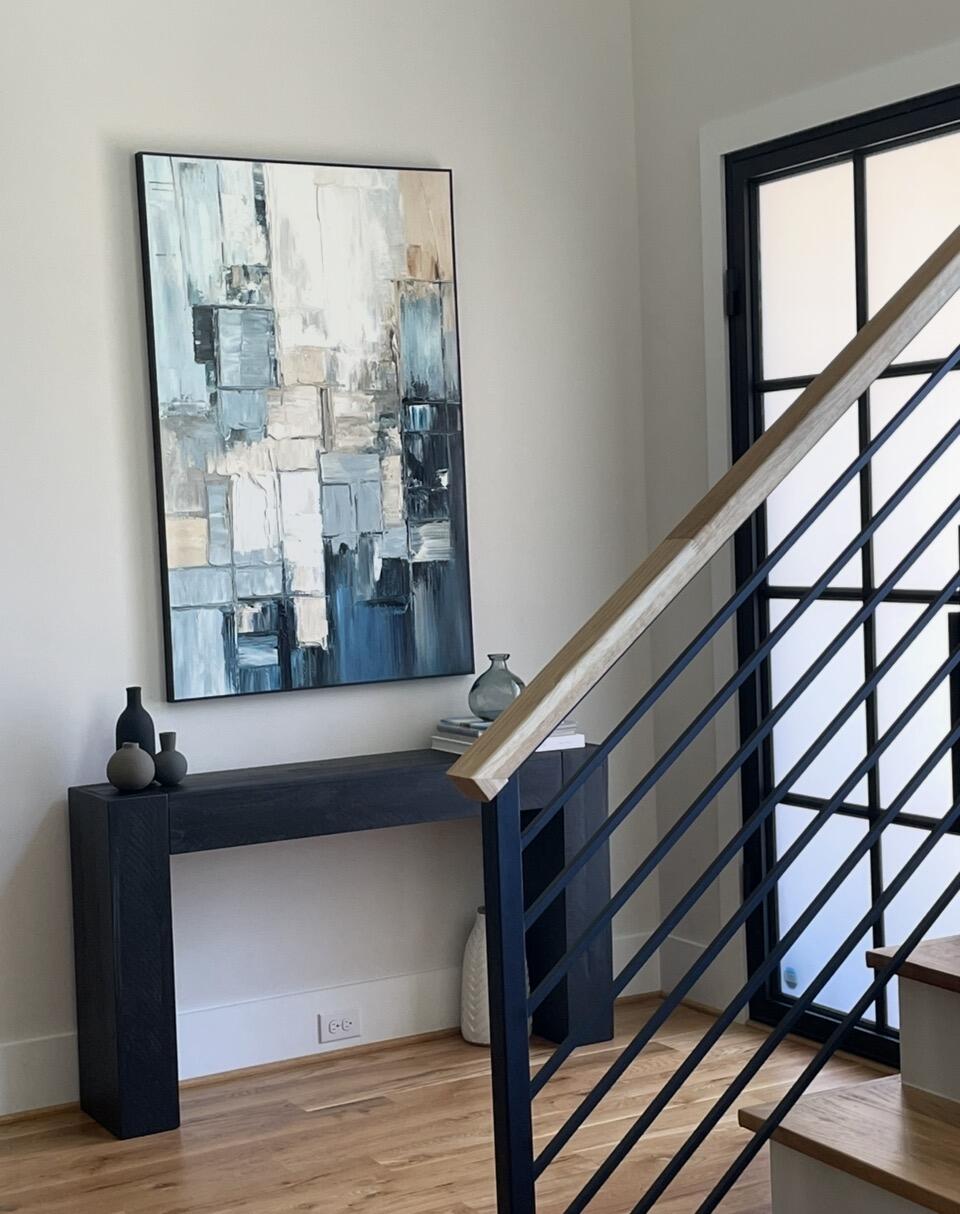
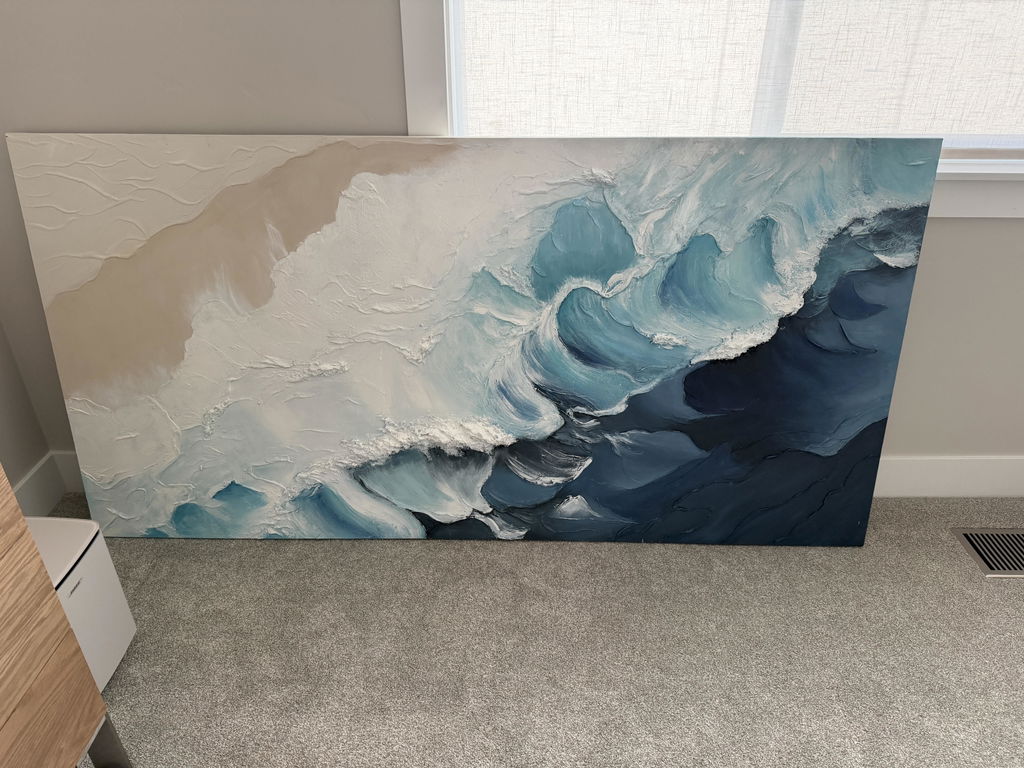
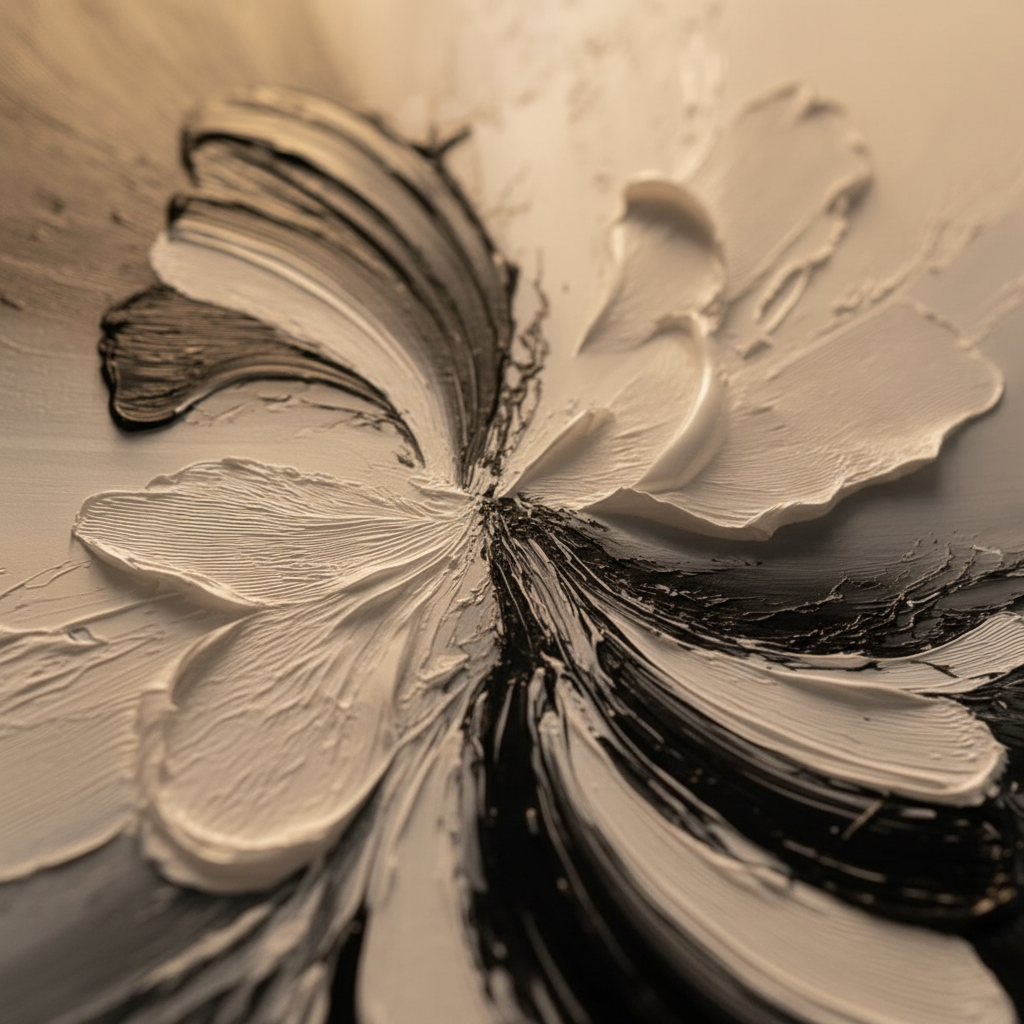
For collectors who appreciate the "sculptural" quality of oil paint—where brushstrokes stand off the surface in thick ridges—the canvas must act as a load-bearing wall. Professional artists working with heavy impasto techniques note that canvas weight becomes critical when paint layers exceed a 1/4 inch thickness.
When you apply heavy loads of oil paint to a light 8oz canvas, the fabric lacks the tensile strength to resist the "pull" of the drying paint. Over 2-3 years, this results in permanent sagging or "rippling" at the corners. A 12oz cotton duck canvas provides the necessary resistance to maintain a drum-like tension even under the weight of several pounds of dried pigment and binder.
Beyond Weight: The Importance of Weave Density
A common mistake among collectors is focusing solely on the weight while ignoring the weave density. A tightly woven 12oz canvas often outperforms a loosely woven 14oz canvas in tensile strength tests. Standardized testing frameworks like ASTM D737 measure multiple mechanical properties, including tear resistance and how the fabric interacts with moisture. We prioritize a high thread count within the 12oz category to ensure that the pigment saturation remains uniform and the surface does not "bleed" through to the back.

Structural Longevity and the Role of Priming
The longevity of a 12oz canvas is not solely dependent on the cotton fibers. It is a synergistic relationship between the weight of the fabric and the quality of the "ground" or priming.
The Gesso Barrier
Without proper priming, the acidic linseed oil in oil paints will eventually "burn" or rot the cotton fibers, a process known as support-induced decay. A 12oz canvas provides a robust enough surface to hold multiple layers of high-quality acrylic gesso or traditional oil grounds without the fabric becoming brittle.
We often observe that premium oil binders play a massive role in preventing long-term paint cracking. When these binders are applied to a 12oz support, the fabric has enough "give" to expand and contract with environmental changes, yet enough "strength" to prevent those movements from fracturing the paint film.
Support Induced Discoloration (SID)
A technical nuance often overlooked by amateur painters is Support Induced Discoloration. As noted in Golden Artist Colors' technical bulletins, water-soluble impurities in cotton canvas can be drawn out when applying thick transparent mediums, causing a yellow or brown tint. Using a heavier 12oz canvas with professional-grade priming acts as a superior buffer against this chemical migration compared to thinner, student-grade alternatives.
Health, Safety, and the "Clean Art" Movement
As art becomes more integrated into our living and working environments—moving from galleries to bedroom walls and hospital lobbies—the chemical composition of the materials becomes a health priority.
The VOC and Pigment Challenge
The EPA warns that indoor air pollution can be significantly higher than outdoor levels, and low-VOC paints are now strict prerequisites for healthcare facilities seeking LEED certification. We emphasize the use of non-toxic pigments and eco-friendly binders, such as walnut oil, which can perfectly replace toxic solvents like turpentine.
Furthermore, the history of pigments is a cautionary tale of toxicity. For example, the International Agency for Research on Cancer (IARC) classifies cadmium and its compounds as Group 1 carcinogens. While cadmium pigments offer unparalleled vibrancy, the industry is shifting toward safer alternatives that provide the same lightfastness without the health risks.
Methodology Note: Our safety recommendations are based on a review of CDC NIOSH and EPA guidelines regarding paint and coating hazards. We assume that residential art should meet or exceed the safety standards of commercial "green building" protocols.
| Pigment Type | Health Risk | Modern Alternative | Market Trend |
|---|---|---|---|
| Lead White | High (Neurotoxic) | Titanium White | 90% Market Dominance |
| Cadmium Red | High (Carcinogenic) | Pyrrole Red | Increasing Adoption |
| Solvent-Based | Respiratory Irritant | Water-based / Natural Oils | LEED/WELL Compliance |
The ROI of Hand-Painted Excellence
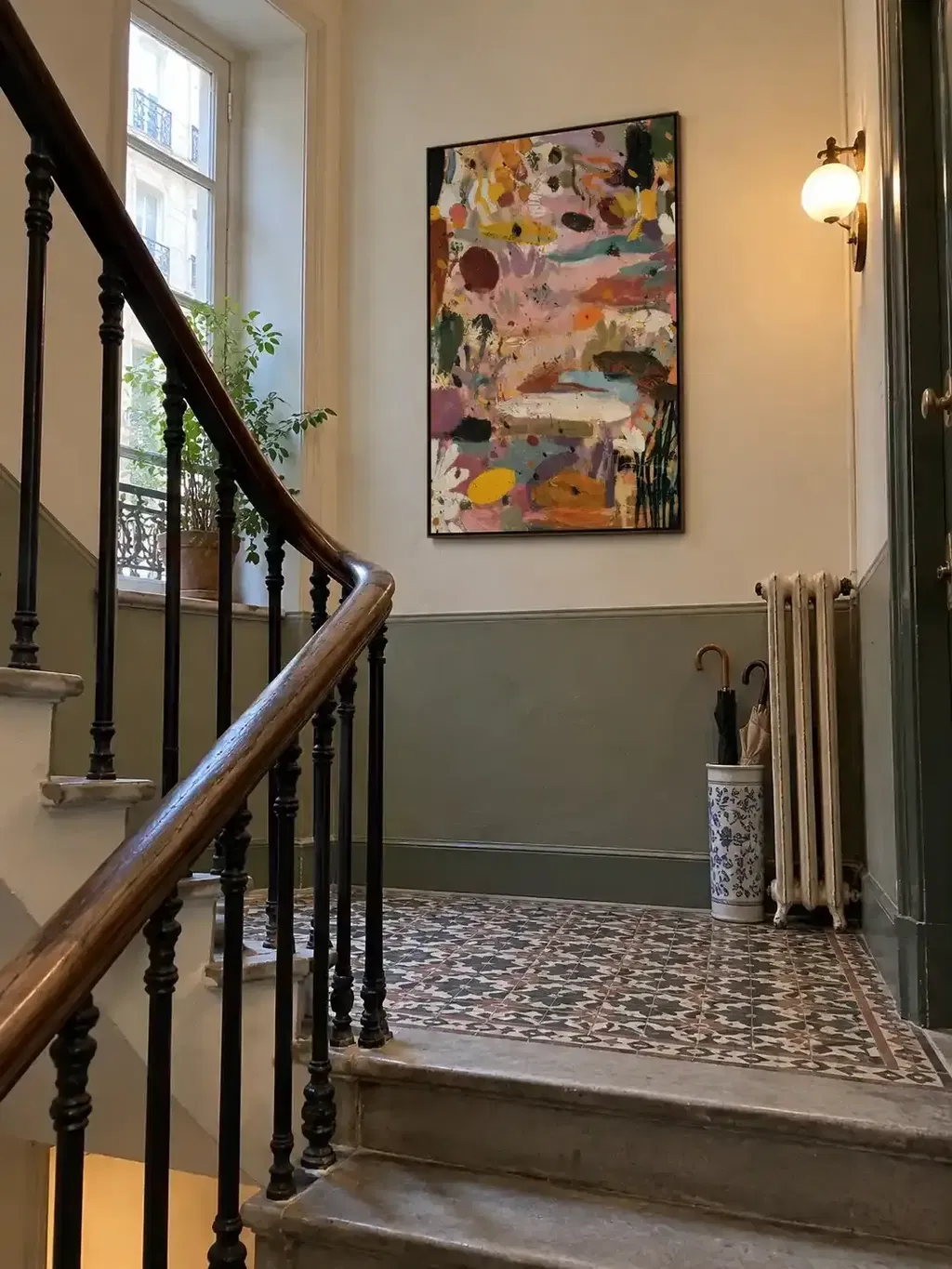
Beyond the technical specs, there is a clear economic and psychological argument for choosing high-quality hand-painted art on 12oz canvas over mass-produced prints.
Real Estate and Commercial Value
Data from the Royal Society indicates that neighborhoods with higher "art" geo-tags see greater relative house price gains. In commercial real estate, murals have been shown to drive significant foot traffic and even reduce neighborhood crime rates by up to 40% (University of Michigan's "Busy Streets Theory"). For a property owner, a mural on 12oz canvas is not an expense—it is a "permanent physical billboard" and a cultural heritage asset.
The Biophilic Connection
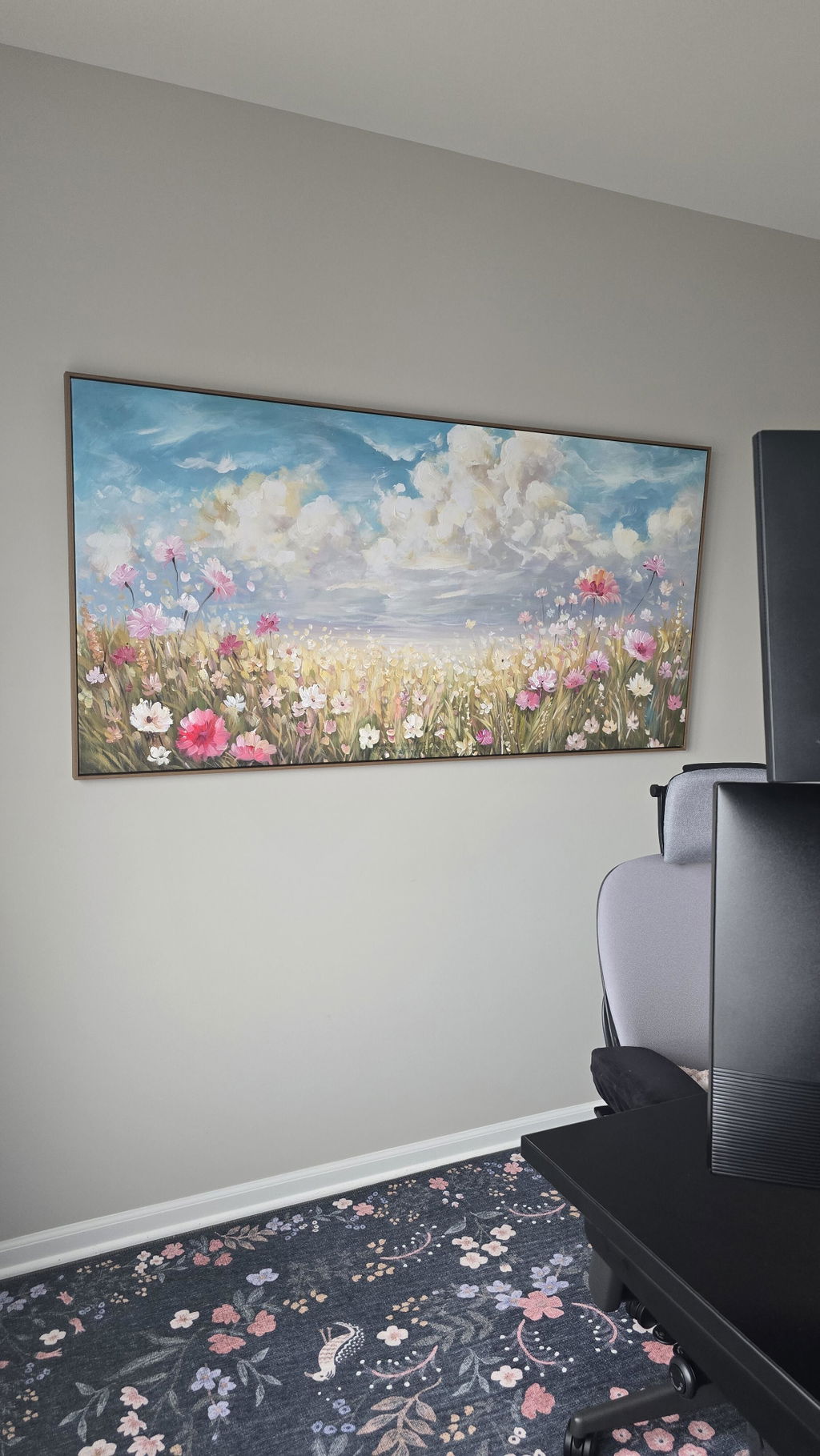
In corporate and healthcare settings, biophilic design—art featuring natural landscapes—has been proven to reduce stress and accelerate healing. A UPenn review found that 73% of patients reported mood improvements when exposed to environmental artworks. The tactile, 3D relief of an oil painting on a heavy canvas provides a sensory depth that digital screens cannot replicate, activating the brain's emotional regulation circuits (mPFC and amygdala).

Ensuring Your Investment Lasts
When you are evaluating a piece of art for purchase, look beyond the image. Ask about the "bones" of the work. A 12oz cotton canvas, properly primed and stretched, is the silent partner in the artwork's longevity. It ensures that the fade-resistance of professional pigments is matched by a support that won't sag, tear, or discolor over time.
By prioritizing these technical specifications, you are not just decorating a room; you are preserving a piece of human creativity. In an era of disposable digital assets, the physical weight of a 12oz canvas serves as a grounding reminder of the enduring value of the artist's hand.
Disclaimer: This article is for informational purposes only. The discussion of pigment toxicity and indoor air quality does not constitute medical advice. For specific health concerns related to art materials, consult a qualified toxicologist or medical professional. Always ensure adequate ventilation when working with traditional oil solvents.
Sources
- Marketplace: The expensive art market continues to struggle
- Columbia University: Human-Made vs. AI Art Perception Study
- Royal Society: Quantifying the link between art and property prices
- IARC: Cadmium and Cadmium Compounds
- UPenn: Visual Art in the Built Environment Review
- Big Duck Canvas: 12oz Cotton Canvas Specifications
- Golden Artist Colors: Support Induced Discoloration (SID)