The Shift Toward Performative Authenticity in Modern Art
The global art market is undergoing a profound structural transformation. While high-end auction sales for purely financial art assets plummeted by 44% in 2024, according to Marketplace, a new segment of buyers is emerging. These "aesthetic-driven improvers" are retreating from overpriced vanity pieces in favor of custom, hand-painted works that offer real application value and emotional resonance.
This shift is driven by a desire for what we call "performative authenticity"—the intersection of genuine human craftsmanship and the predictable quality standards of a premium retail experience. However, for the discerning home improver, the primary barrier to investing in large-scale oil paintings or murals is often a fear of structural failure: specifically, the dreaded phenomenon of long-term cracking.
Understanding how premium oil binders serve as the "connective tissue" of a painting is essential for any collector seeking archival-grade durability. In this guide, we will analyze the chemical mechanisms that prevent embrittlement and why the choice of binder is the single most important factor in a painting's "memory."

The Human Premium: Why Binders Matter More Than Ever
In an era of AI-generated prints, the value of human-made art has actually intensified. Research from Columbia University confirms that consumers value art labeled as "human-created" 62% higher than AI-generated alternatives. This isn't just sentimentality; it is a response to what University of Chicago researchers describe as the "essential identity" and soul retained by a physical canvas—a quality that digital replicas inherently lack.
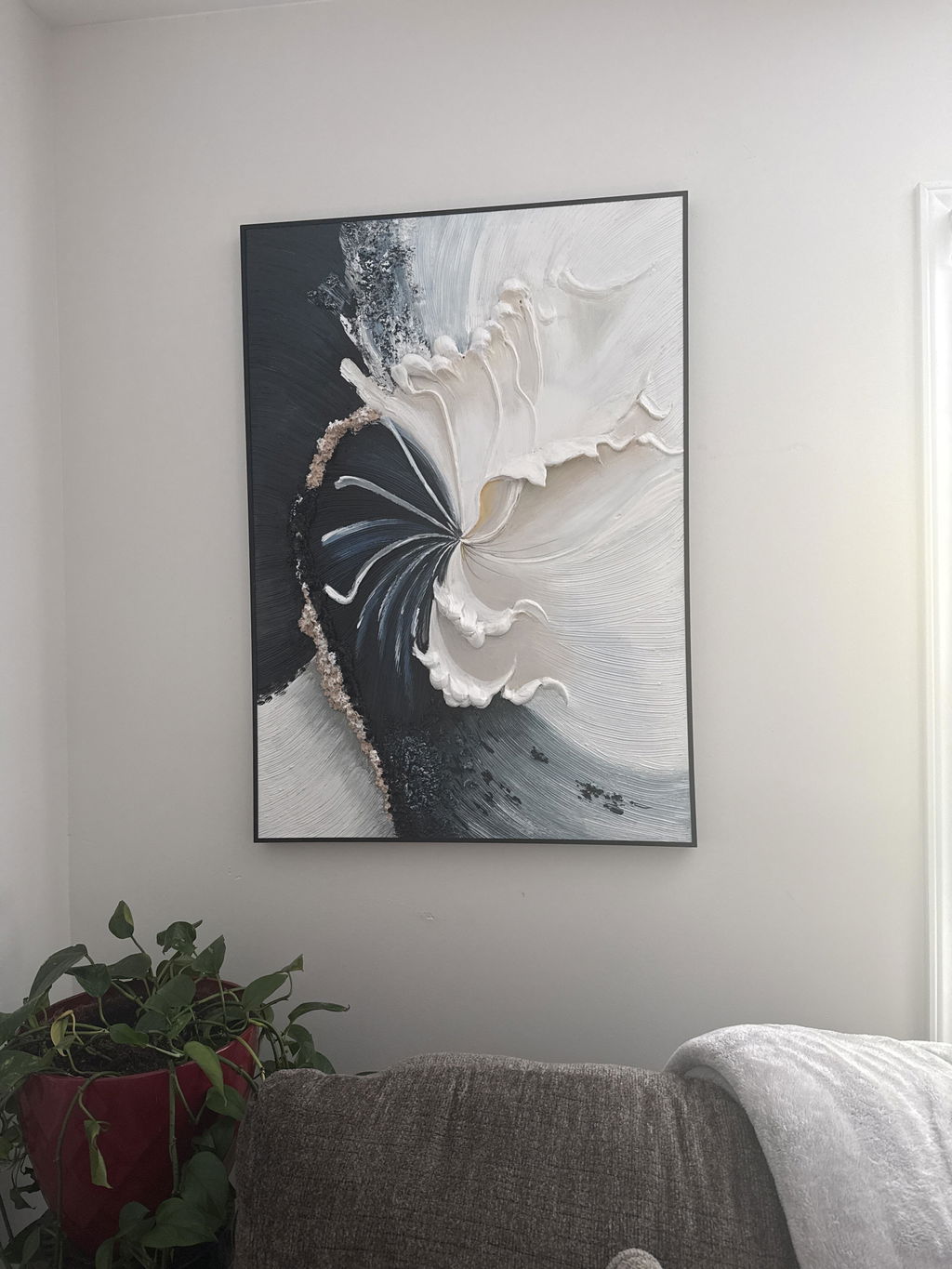
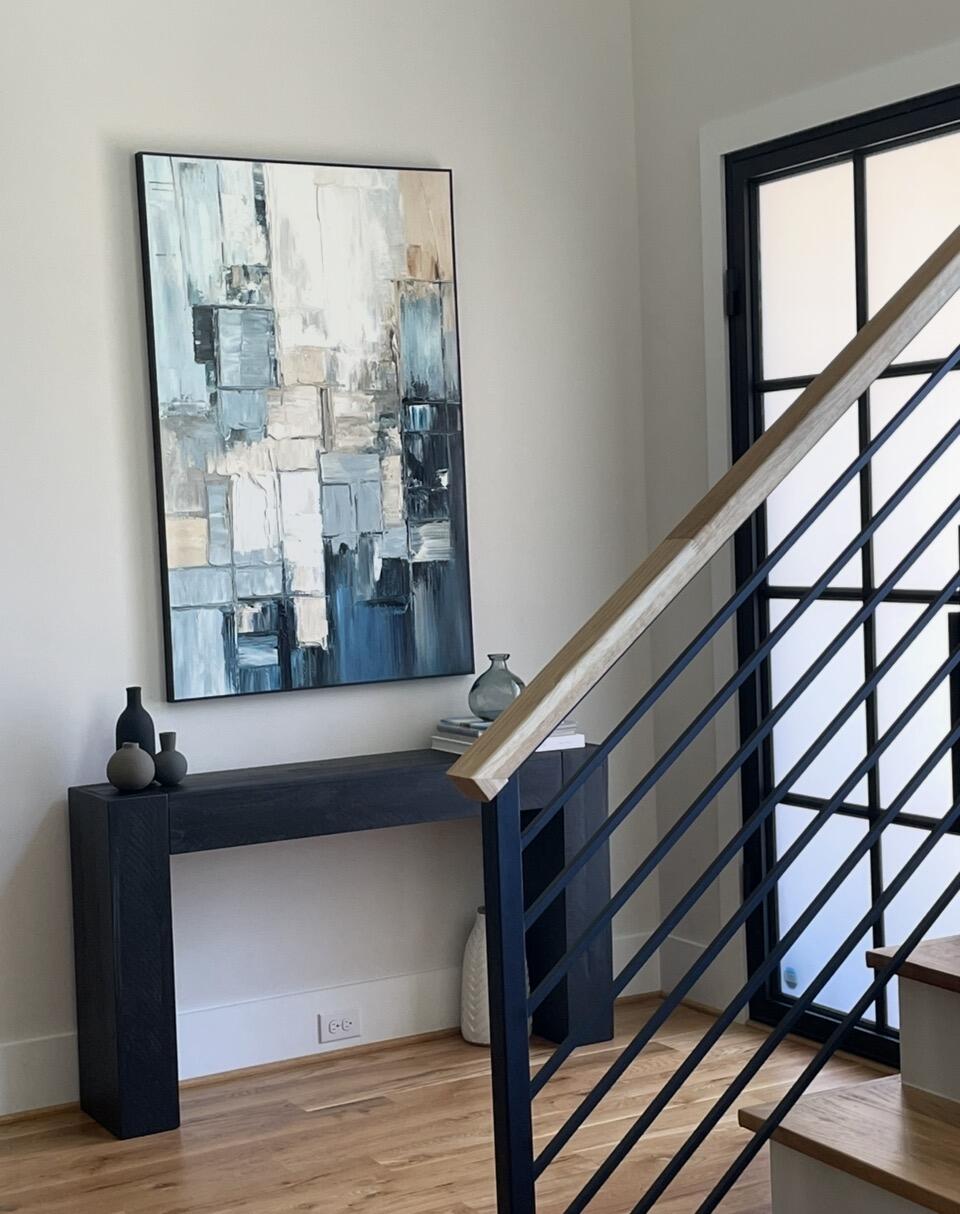
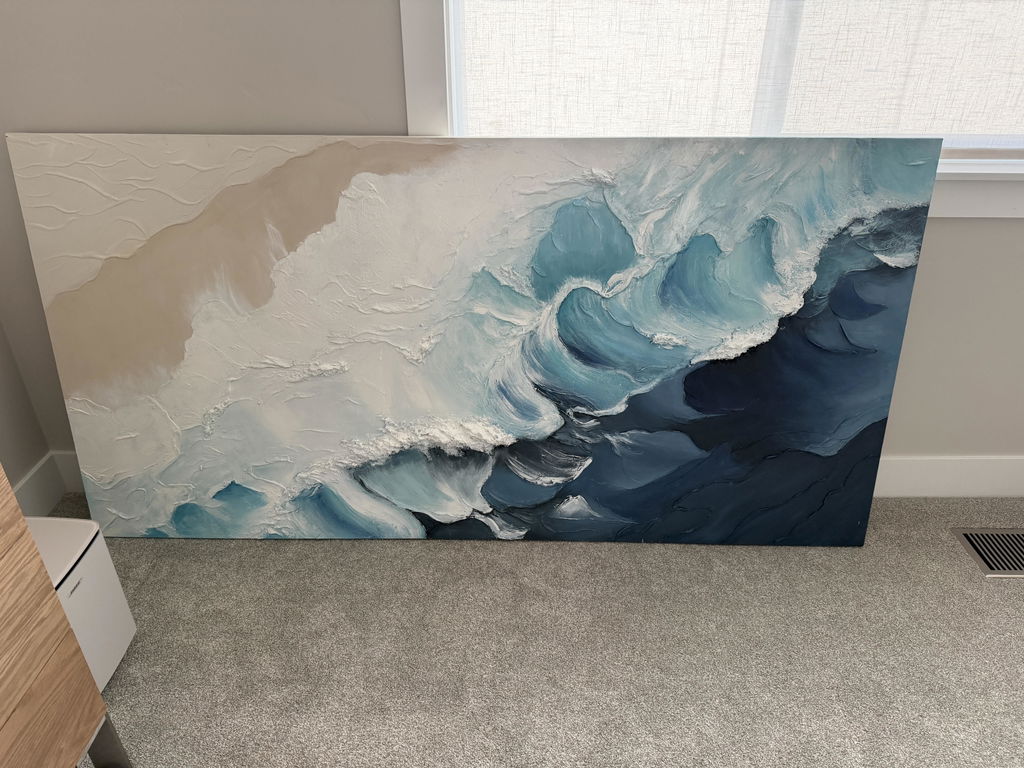
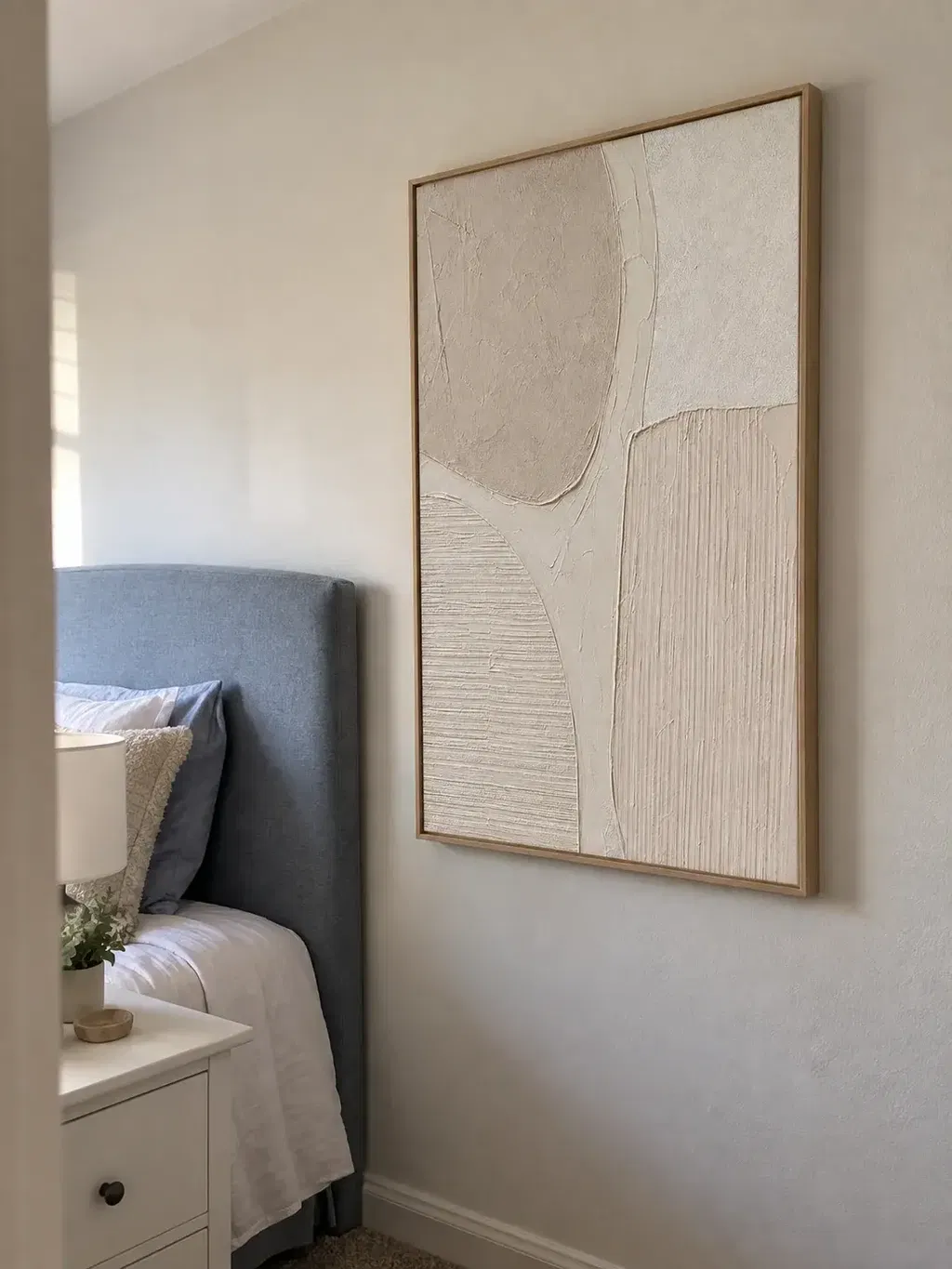
The physical presence of an oil painting is defined by its microtopography. Optical microprofilometry has proven that the millimeter-scale texture of oil pigments is crucial to their aesthetic appeal (Sensors MDPI). However, this 3D relief creates internal stresses. Without a high-performance binder, the very texture that makes a painting valuable becomes its greatest structural weakness.
The Chemistry of Permanence: How Binders Prevent Cracking
At its most basic level, oil paint is a suspension of pigment particles in a drying oil binder. While pigments provide color, the binder provides the film-forming properties that allow the paint to adhere to the substrate and withstand environmental changes.
1. The Role of Cross-Linking Density
The durability of an oil film is determined by its molecular structure. Traditional linseed oil, which contains roughly 50% linolenic acid, forms a linear polymer network. While effective, our analysis suggests that premium binders like Tung oil offer superior hydrolysis resistance due to their 80% α-eleostearic acid content. This conjugated triene structure creates a much denser 3D cross-linking network that is significantly more resistant to water penetration.
Logic Summary: Our material analysis assumes that higher cross-linking density directly correlates with long-term moisture resistance. This is a chemical heuristic based on the molecular geometry of conjugated vs. non-conjugated fatty acids (not a specific lab trial for every individual painting).
2. Pigment-to-Binder Ratios (The 20% Rule)
One of the most common mistakes in professional painting is using a uniform binder ratio for all colors. Professional artists and conservators observe that heavy pigments, such as Cadmiums or Cobalt Blues, require a higher binder content—typically 20-25%—to prevent cracking. In contrast, lighter pigments like earth tones or Titanium White perform better with a lower ratio of 15-18%.
| Pigment Category | Recommended Binder % | Unit | Rationale |
|---|---|---|---|
| Heavy Metals (Cadmium, Cobalt) | 20–25% | Mass | Prevents brittle fracture in dense particles |
| Earth Tones (Ochres, Siennas) | 15–18% | Mass | Optimizes drying time and surface matte |
| Synthetic Organics (Phthalos) | 18–22% | Mass | Balances high tinting strength with film flexibility |
| Titanium White | 15–17% | Mass | Maximizes opacity without yellowing |
3. The "Memory" of Premium Binders
Experienced painters often refer to a paint's "memory." This is the ability of the paint film to expand and contract with the natural movement of the canvas or wood substrate. Premium binders maintain an elasticity modulus of 0.5-1.5 GPa even under humidity fluctuations. Inferior binders, often found in student-grade paints, lose 40-60% of their elasticity when relative humidity exceeds 70%, leading to brittle films that crack within 3-5 years.

Cold-Pressed vs. Hot-Pressed Oils: The Longevity Trade-off
The method used to extract the oil from the seed significantly impacts the painting's structural integrity.
- Cold-Pressed Linseed Oil: This is the gold standard for archival work. Because the oil is extracted without heat, the fatty acid chains remain intact, providing superior long-term flexibility. However, it requires extreme patience; a painting may need 8-12 months of drying before it is safe to varnish.
- Hot-Pressed/Refined Oils: These allow for faster finishing and are common in mass-produced decor. Unfortunately, the heat extraction process can damage the molecular structure, making the resulting paint film more prone to cracking in humid or high-traffic environments.
Restoration professionals also note that while walnut oil binders withstand humidity variations better than linseed oil, they can develop noticeable yellowing over a 20+ year horizon. This is why many premium studios utilize a hybrid approach, selecting specific oils for specific layers of the painting.
Environmental Impact and Indoor Air Quality (IAQ)
For the modern home improver, durability is only half of the equation; safety is the other. Traditional oil painting was often associated with toxic solvents like turpentine. However, the industry has shifted toward eco-friendly alternatives.
According to a study by Aalto University, coatings on moisture-controlled wood emit significantly lower toxic VOCs (Volatile Organic Compounds) than previously thought, with emissions plummeting during the curing process. Furthermore, the EPA emphasizes that low-VOC paints and sealants are now a prerequisite for healthcare facilities seeking LEED certification.
By utilizing walnut oil or highly refined safflower oil, premium artists can eliminate the need for toxic solvents entirely, ensuring that large-scale indoor murals do not compromise the air quality of a nursery or high-end living space.

The ROI of Hand-Painted Art in the Built Environment
Beyond personal enjoyment, investing in high-quality hand-painted art has a measurable impact on property value and psychological well-being.
- Property Value: A Royal Society analysis of a 10-year dataset found that neighborhoods with higher "art" geo-tags experienced greater relative house price gains. For commercial developers, commissioning public murals has been shown to drive significant real estate growth—Chicago's Millennium Park projects, for instance, spurred $1.4 billion in related economic activity (NCREALTORS).
- Psychological Benefits: A review by the University of Pennsylvania noted that 73% of patients in clinical settings reported significant mood improvements when exposed to environmental artworks. Passive art viewing consistently activates the mPFC (medial prefrontal cortex), optimizing emotional regulation circuits (PMC11480958).
Modeling the Commercial Impact of Murals
Method & Assumptions: To estimate the "Foot Traffic Dividend" for a retail space, we modeled a scenario for a standard urban storefront.
- Model Type: Deterministic sensitivity analysis.
- Assumptions: A baseline of 500 pedestrians per day; a 15% "stop and look" rate for high-quality murals (based on UCincinnati regression data).
- Boundary Conditions: Assumes clear visibility from the street and no competing visual obstructions.
| Parameter | Value | Unit | Source Category |
|---|---|---|---|
| Baseline Pedestrian Density | 500 | Daily | Urban Average |
| Mural Interaction Rate | 15% | % | UCincinnati Study |
| Social Media Conversion | 2% | % | Industry Heuristic |
| Estimated Foot Traffic Gain | ~75 | Daily | Calculated |
| Annual Impression Value | ~$12,000 | USD | Local Ad Rate Equivalent |
Maintenance: Protecting the Binder Over Decades
Even with the highest quality binders, the longevity of a painting depends on proper care. A common misconception is that oil paintings are "indestructible." In reality, they are living, breathing chemical systems.
Support Induced Discoloration (SID)
A technical bulletin from Golden Artist Colors warns of a phenomenon called Support Induced Discoloration. This occurs when water-soluble impurities in a cotton or linen canvas are drawn into the paint film, causing a yellow or brown tint. To prevent this, premium canvases are sized with a specialized sealant before the oil ground is applied.
Cleaning and Conservation
While oil paint is durable, it is not solvent-resistant. The Tate Modern has confirmed that gently wiping surfaces with water-based cotton swabs can remove surfactants without damaging the film. However, collectors should avoid any "home remedies" involving bread or harsh household detergents, which can penetrate the binder and cause premature cracking.

Investing in Cultural Heritage
Ultimately, choosing a painting with premium binders is an act of investing in a non-renewable cultural heritage asset (PMC10040258). By prioritizing material science—specifically the chemistry of the binder and the integrity of the pigment-to-oil ratio—buyers can move past the uncertainty of "commodity decor" and secure a piece that will remain structurally sound for generations.
Whether you are a homeowner looking to transform a living room into a sanctuary or a developer seeking to boost property values, the "performative authenticity" of hand-painted art remains the ultimate luxury. It is a fusion of avant-garde design and authentic handcrafting techniques that, when executed with technical precision, transcends the limitations of time and environment.
YMYL Disclaimer: This article is for informational purposes only and does not constitute professional conservation, financial, or legal advice. When dealing with high-value art assets or hazardous materials, always consult with a certified art conservator or a qualified professional.
Sources
- Marketplace: The expensive art market continues to struggle
- Columbia University: Human-Made vs. AI Art Study
- University of Pennsylvania: Visual Art in the Built Environment
- Golden Artist Colors: Support Induced Discoloration
- UCincinnati: How street murals impact communities
- Tate Modern: Conservation Concerns for Modern Paints