The Evolution of the Wall: Choosing Between Standard and Gallery-Wrap Stretcher Bars
In the current art market, we are witnessing a significant shift in how collectors and homeowners value their acquisitions. While high-end auction sales for pieces over $10 million plummeted by 44% YoY in 2024, there has been a resurgence in art with "real application value"—pieces intended for living, breathing spaces rather than climate-controlled vaults (Marketplace). This transition has brought the technicalities of presentation to the forefront. When you commission or purchase a hand-painted canvas, one of the most immediate decisions you face isn't just the subject matter, but the physical structure supporting it: the stretcher bar.
Choosing between a standard stretcher bar and a gallery wrap is more than a technicality; it is a decision that dictates the artwork’s relationship with your room's architecture. Whether you are aiming for the "essential identity" and soul that UChicago research suggests is missing in digital replicas, or you are looking to maximize the 73% mood improvement reported in UPenn clinical reviews of art-filled environments, the profile of your canvas is the finishing touch.
Defining the Profiles: Standard vs. Gallery Wrap
To the uninitiated, the difference might seem like a matter of mere inches. However, in interior design, an inch can be the difference between a piece that "floats" modernly and one that integrates traditionally.
Standard Stretcher Bars (0.75" to 1.5" Depth)
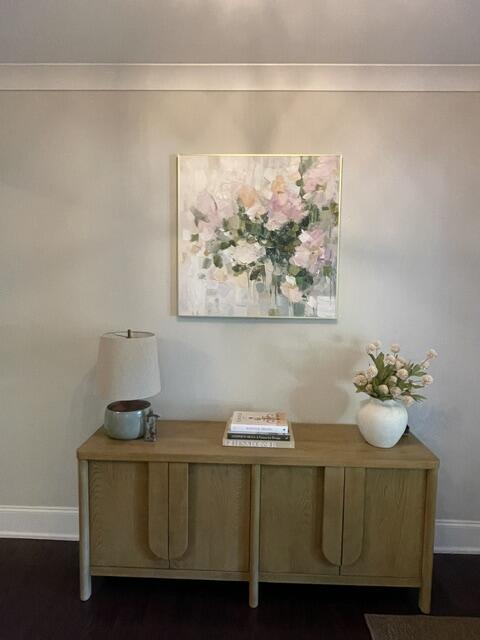
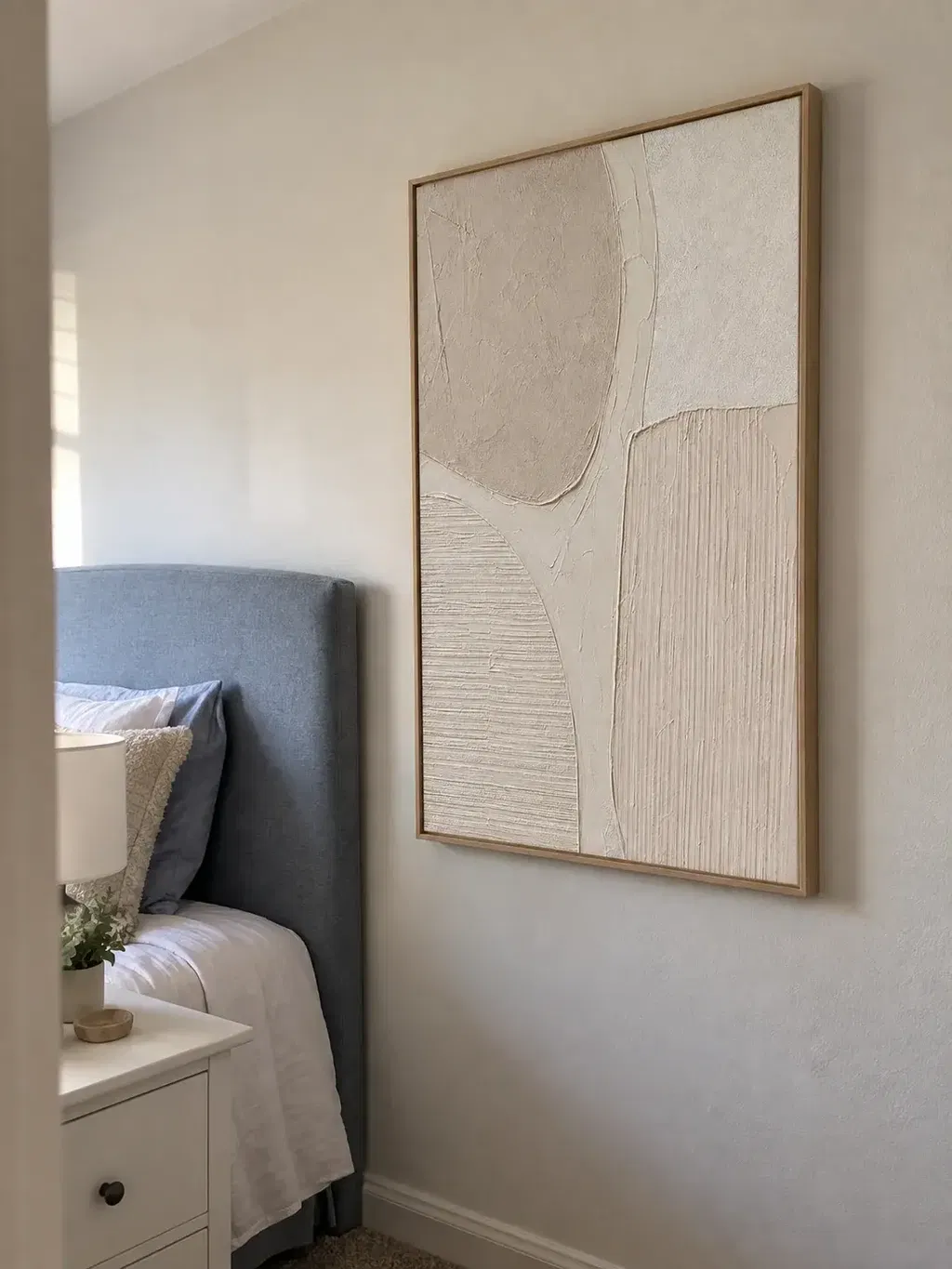
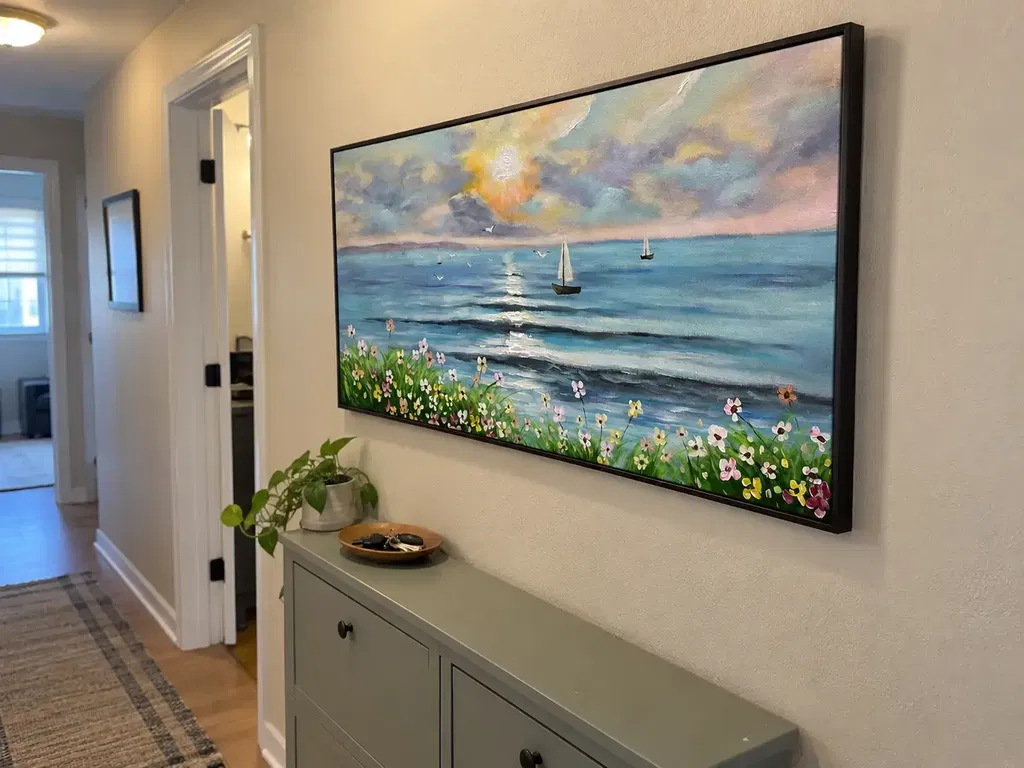
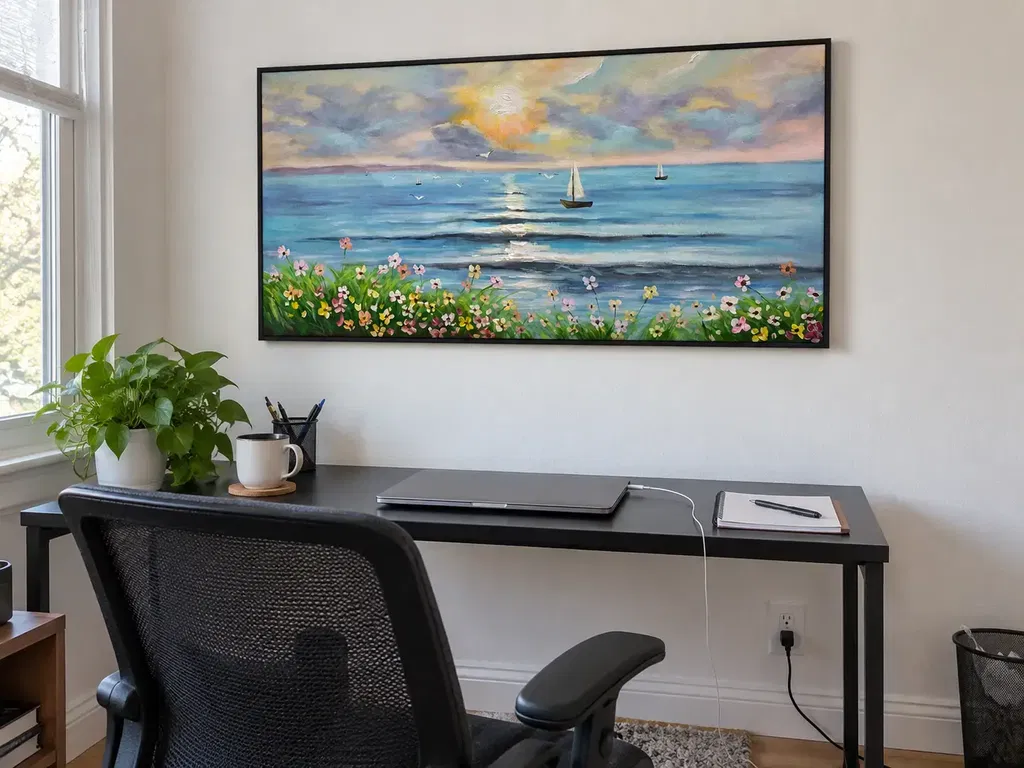
Standard bars are the traditional choice. They typically range from 0.75 to 1.5 inches in thickness. Their primary purpose is to provide a stable foundation for a canvas that will eventually be placed into a decorative frame. Because the depth is shallow, the artwork sits relatively flush against the wall, allowing the frame to provide the visual "weight."
- Best For: Traditional furniture, rooms with textured wallpaper, and collectors who prefer ornate or minimalist outer framing.
- Technical Note: Standard bars often perform better in rooms with varying natural light. Because they lack a deep profile, they do not exaggerate shadow lines that can distract from the painting’s surface during different times of the day.
Gallery-Wrap Stretcher Bars (1.5" to 2.5"+ Depth)
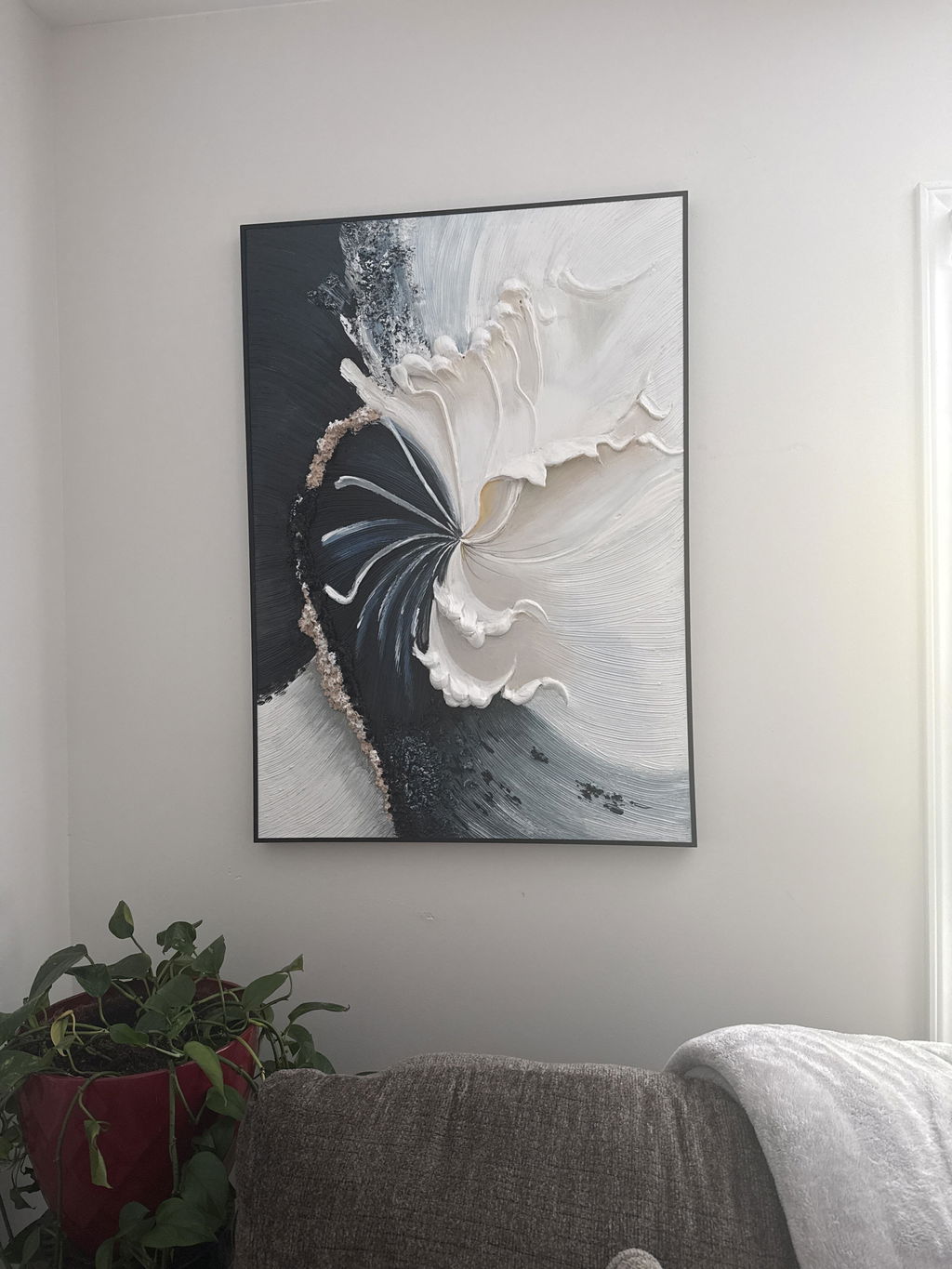
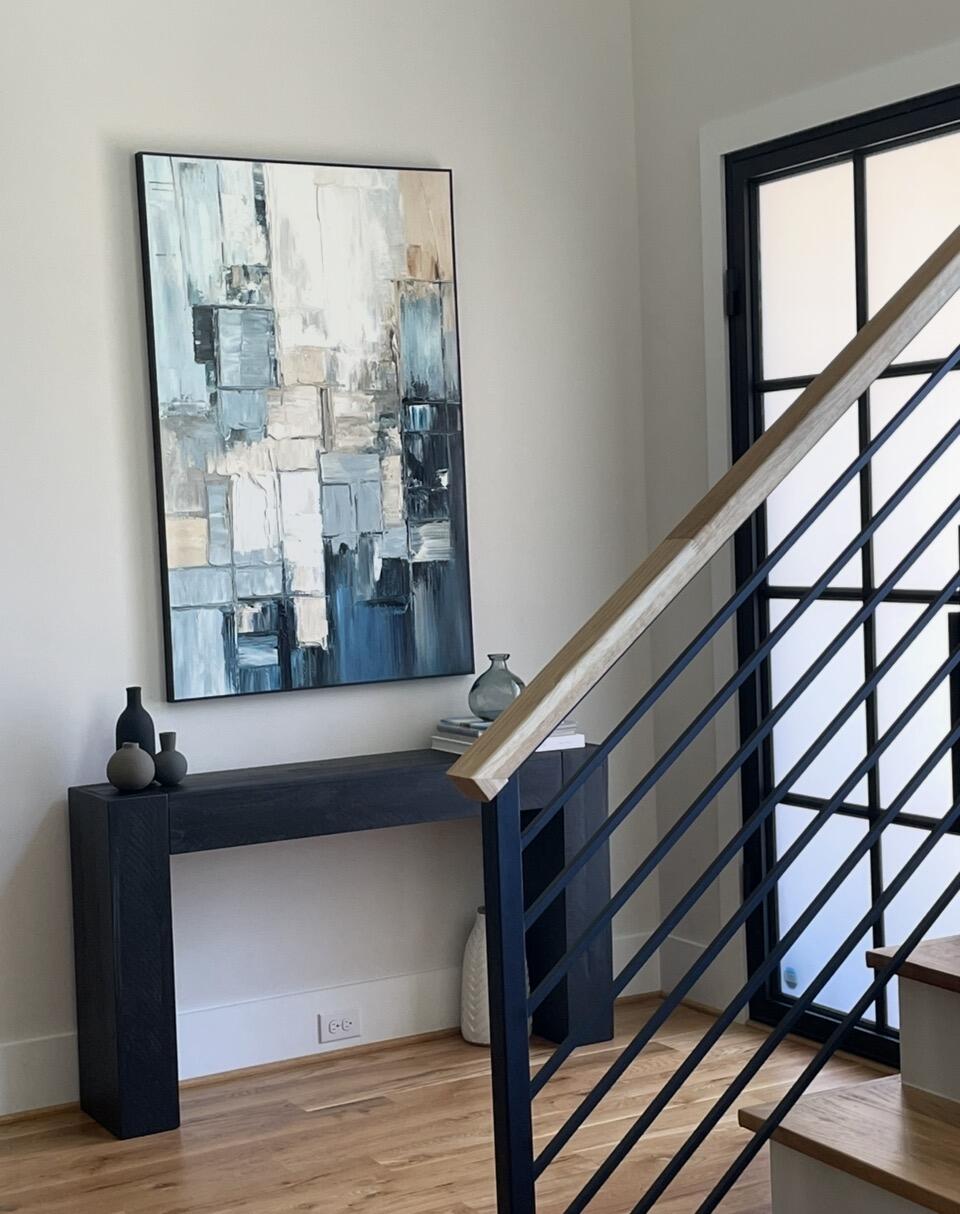
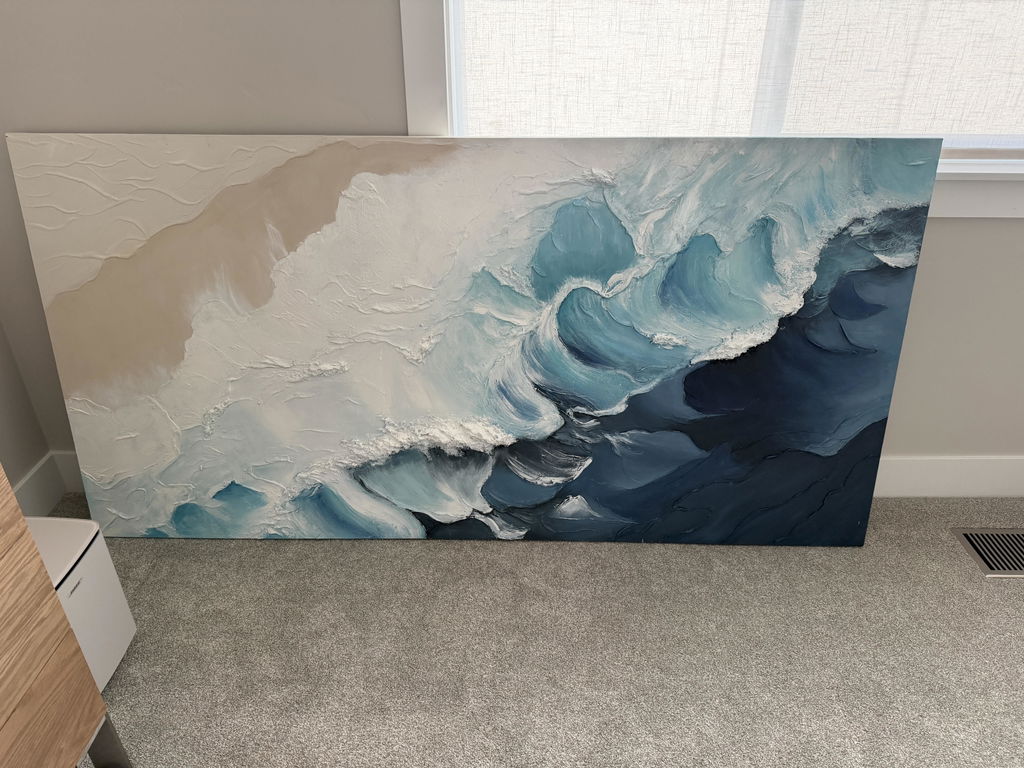
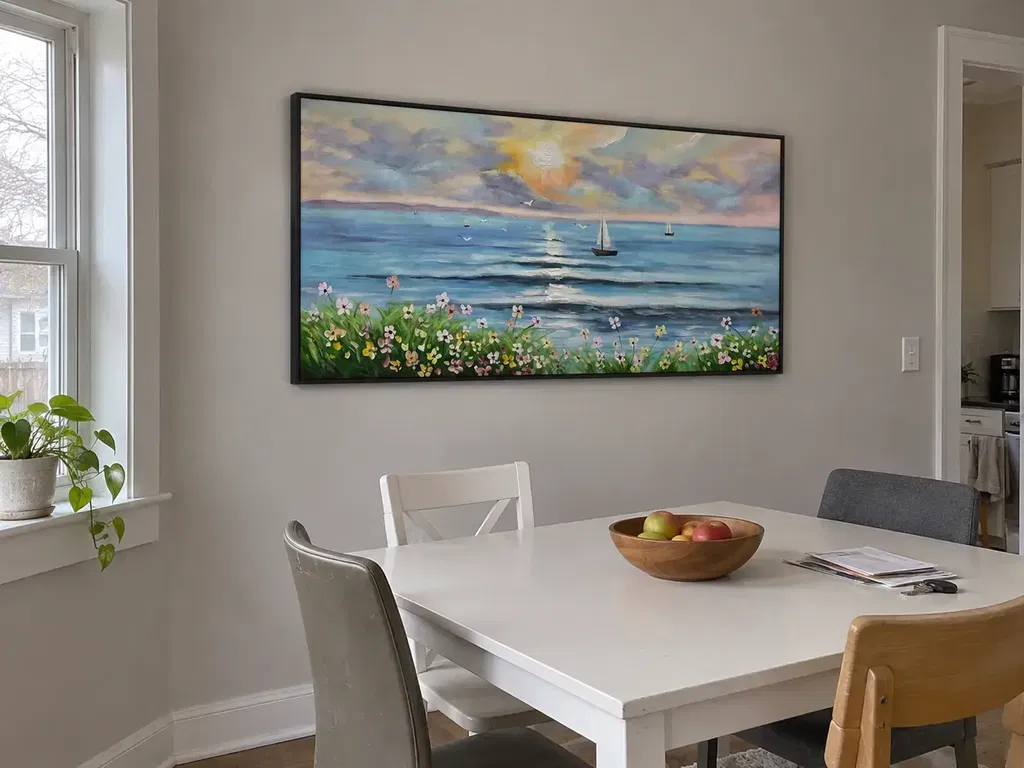
A "gallery wrap" refers to a method where the canvas is stretched over thicker bars (usually 1.5 to 2.5 inches deep) and secured to the back rather than the sides. This leaves the edges of the canvas clean and often painted, allowing the artwork to be hung without a frame.
- Best For: Modern minimalist interiors, large-scale abstract works, and high-ceiling "gallery" style rooms.
- Technical Note: These deep profiles create a "box" effect. While visually striking, they require careful consideration of furniture proximity. If a sofa or architectural element is too close, a deep gallery wrap can create a sense of "visual crowding."

Logic Summary: Our profile recommendations are based on spatial modeling heuristics used by interior designers to balance "visual weight." We assume a standard ceiling height of 8–9 feet for "standard" recommendations and 10+ feet for "gallery" recommendations.
The Psychology of the "Hand-Painted" Edge
Why does the physical profile matter so much? It comes down to the perceived value of human craftsmanship. In a study by Columbia University, consumers valued art labeled as "human-created" 62% higher than AI-generated alternatives. A gallery-wrapped edge that shows the physical texture of the paint—the "microtopography" of the brushstrokes—serves as a constant visual reminder of that human touch.
Getty Conservation research confirms that this micro-scale texture is crucial to aesthetics. When you choose a deep gallery wrap, you are essentially inviting the viewer to see the "sides" of the creative process. This tactile fruition is something a flat digital print can never replicate.
Interior Design Harmony: Matching the Profile to the Room
We often see homeowners make the mistake of choosing gallery wraps for rooms with low ceilings or heavy, traditional wood furniture. This often results in visual dissonance.
The Modern Minimalist Approach
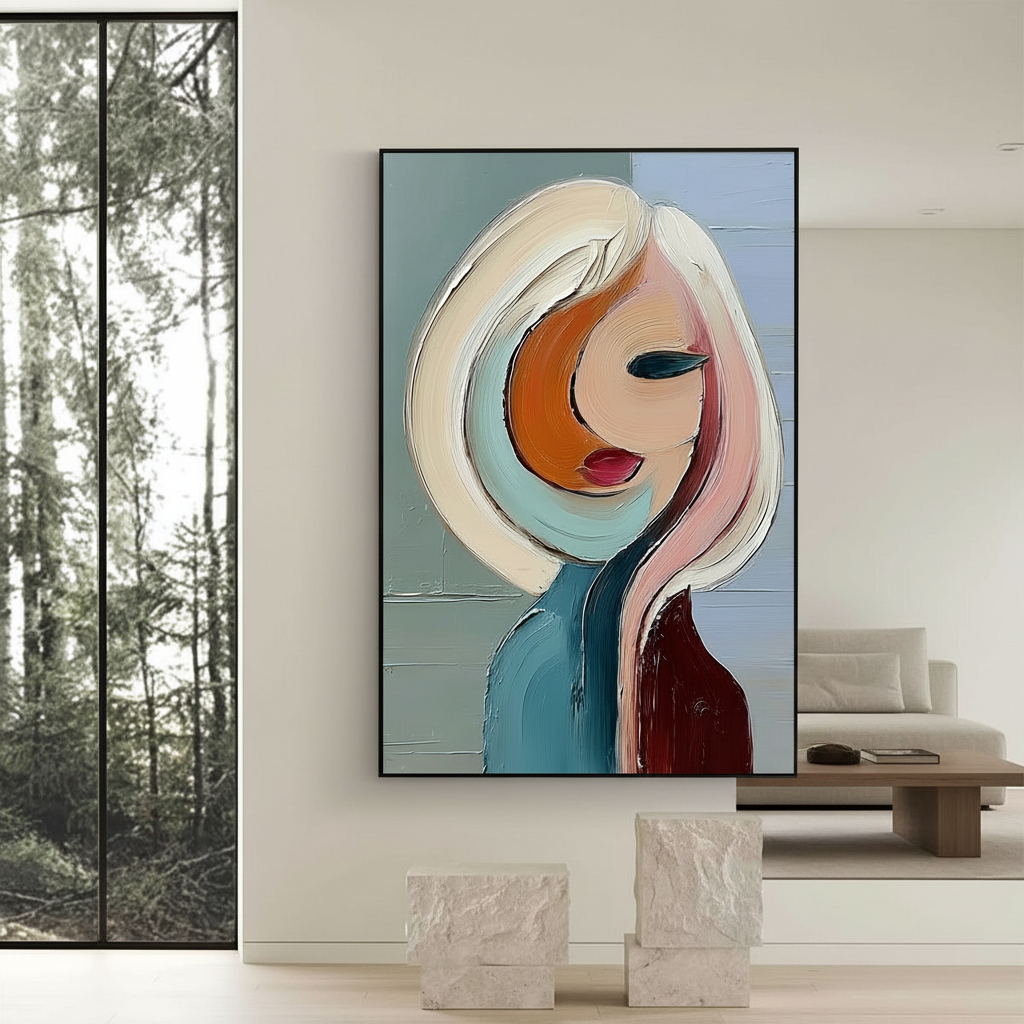
If your home features neutral wall colors and minimalist furniture, the gallery wrap is your best ally. It aligns with the 2026 high-end design trends toward "understated elegance" where texture is the soul of the space (Design State of Mind). The deep profile creates a natural shadow line that acts as a "soft frame," providing depth without the rigidity of wood or metal borders.
The Traditional and Transitional Approach
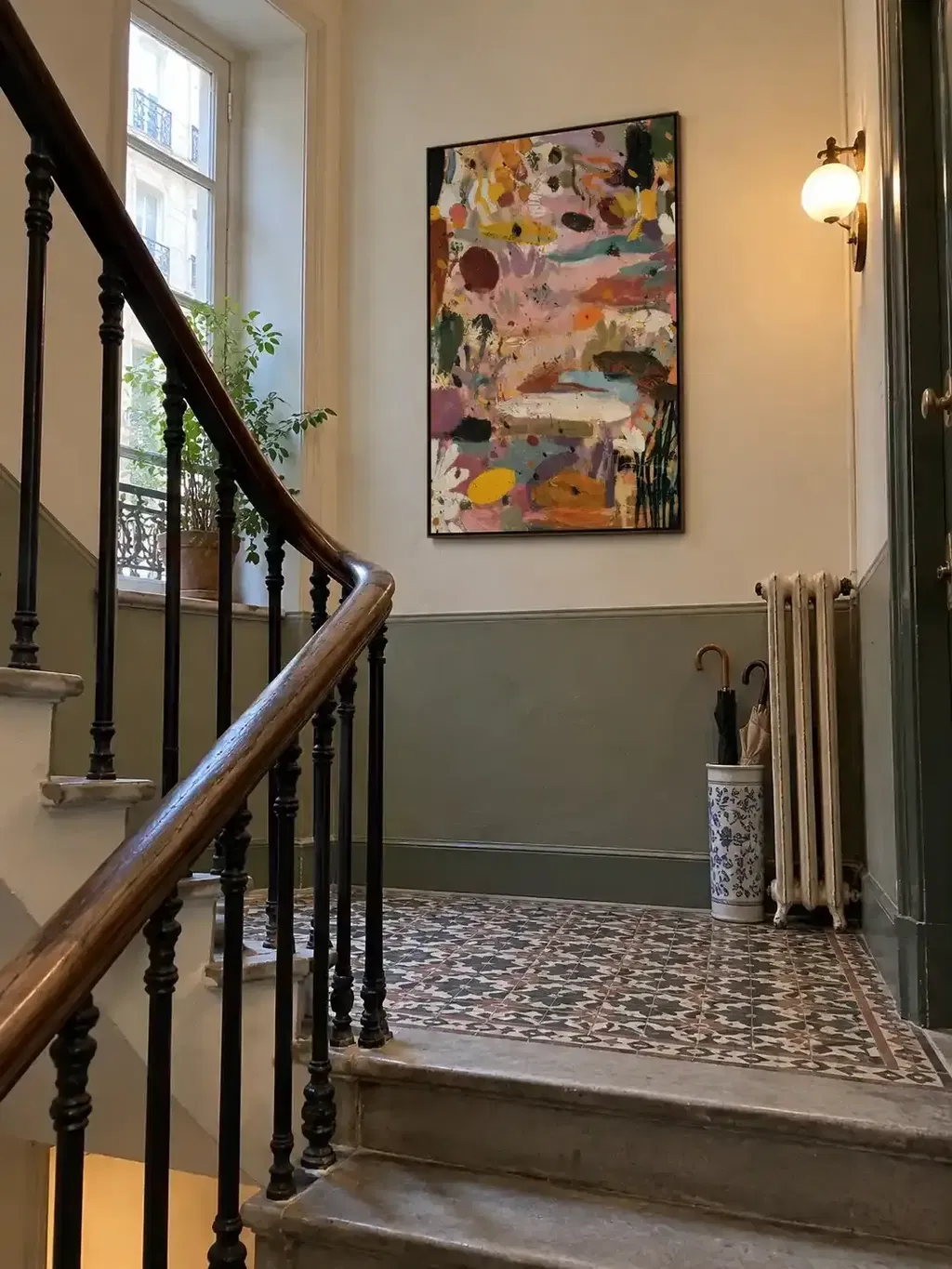
For rooms with crown molding, wainscoting, or antique furniture, standard bars are typically more effective. They allow the artwork to sit back, letting the room’s architectural details shine. Furthermore, standard bars are the prerequisite for custom framing, which is seeing a massive 329% spike in Yelp search interest as consumers move away from "assembly-line" decor (PA Realtors).
| Feature | Standard Bar | Gallery Wrap |
|---|---|---|
| Typical Depth | 0.75" - 1.25" | 1.5" - 2.5" |
| Framing | Required/Recommended | Optional (Frameless) |
| Visual Effect | Integrated, Traditional | Bold, Modern, 3D |
| Shadow Lines | Minimal | Significant |
| Cost | Baseline | 25-40% Higher (Material/Labor) |
Economic and Social Value: Beyond Aesthetics
Whether you are a homeowner or a commercial developer, the choice of art presentation impacts the bottom line. Research published by the Royal Society found that neighborhoods with higher "art" geo-tags saw relative gains in house price rankings. In the commercial sector, the impact is even more pronounced. NCREALTORS notes that public art projects, like murals, have driven over $1.4 billion in real estate-related growth in cities like Chicago.
By choosing a high-quality, hand-painted canvas on a professional stretcher bar, you aren't just buying decor; you are investing in a "cultural heritage asset" (PMC). This mindset shift is critical. A cheap, 1-inch printed canvas from a big-box store is disposable. A hand-painted oil work on heavy-duty bars is a permanent physical billboard for the quality of your home or business.

The Science of Longevity: Canvas and Support
The "Why" behind our preference for high-quality bars often lies in the chemistry of the canvas itself. At MontCarta, we prioritize the relationship between the support and the pigment.
Support Induced Discoloration (SID)
A common technical "gotcha" in the art world is Support Induced Discoloration. As revealed by Golden Artist Colors, water-soluble impurities in common cotton canvases can be drawn out when applying thick acrylic mediums, causing a catastrophic yellowing of the artwork. This is why professional-grade preparation—including proper gessoing and the choice of linen or high-grade cotton—is vital for the long-term stability of the piece.
Environmental Impact and Safety
Modern consumers are increasingly sensitive to the environmental footprint of their homes. Aalto University experiments have shown that coatings on wood with specific moisture levels emit significantly lower VOCs. Furthermore, the shift from toxic Lead White to the now-dominant Titanium Dioxide (which holds 90% of the market share according to NCBI) has made indoor art safer for families.
When choosing a stretcher bar, consider the wood source. Eco-friendly alternatives like hemp or flax canvases consume half the water of traditional cotton (Cincinnati Art Museum).
Healing Walls: The Biophilic Advantage
For those designing for healthcare or high-stress office environments, the presentation of the art can have clinical implications. The World Health Organization (WHO) confirms that art interventions effectively alter clinical indicators for mental health.
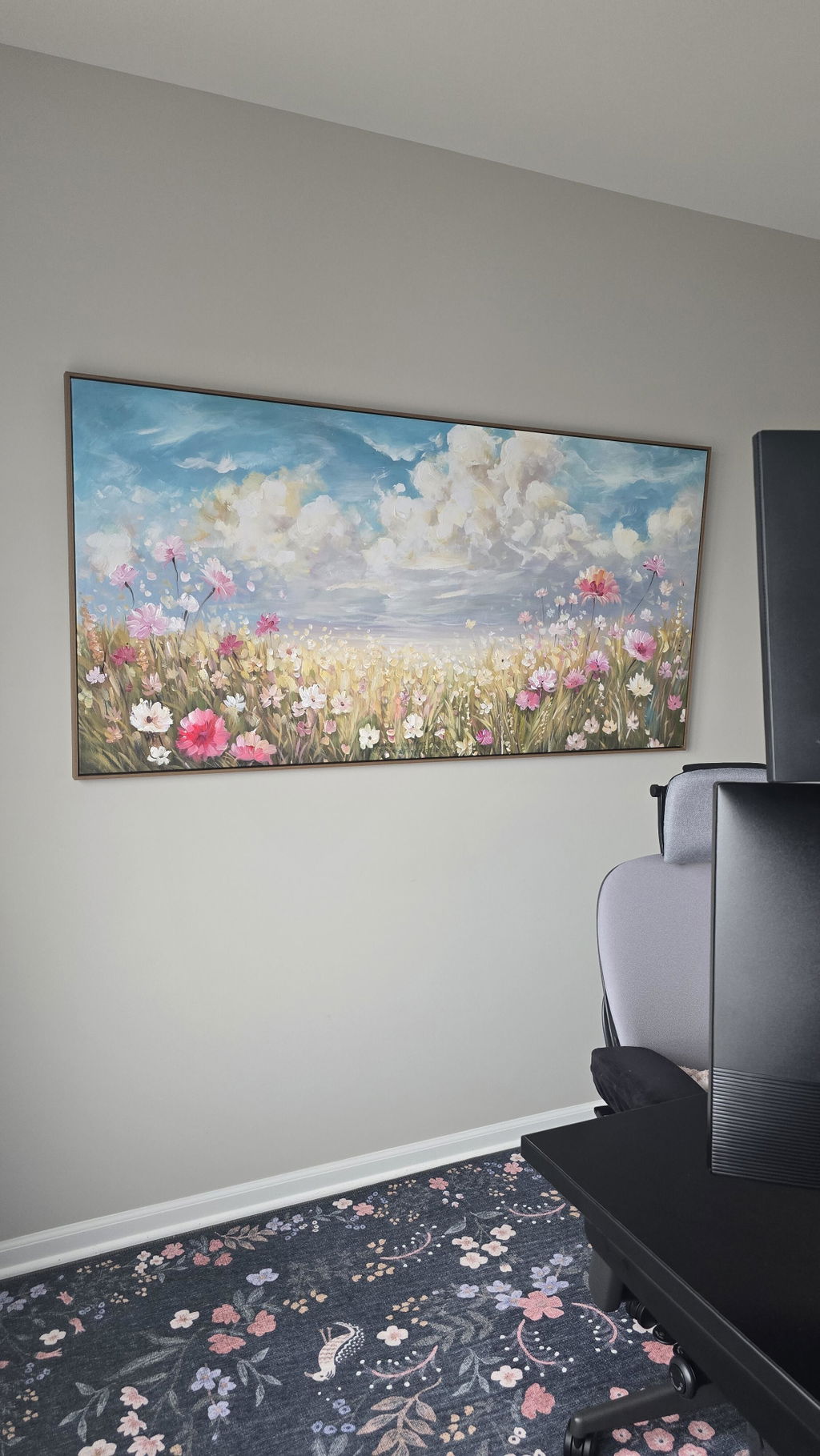
In these settings, we often recommend "Biophilic" hand-painted series. Biophilic design—art that mimics natural landscapes—has been shown to reduce cognitive fatigue and burnout in high-density office spaces by up to 30% (University of Hawaii). A gallery-wrapped biophilic mural can turn a sterile workstation into a "window" to nature, triggering stress-reduction circuits in the brain's mPFC and amygdala (NCBI).

Practical Maintenance and Conservation
Once you’ve chosen your profile, maintaining the "Predictable Outcome" of the piece is key.
- Cleaning: Contrary to some amateur advice, the Tate Modern Paints Project confirmed that gently wiping acrylic surfaces with water-based cotton swabs can actually help reduce dirt adhesion by removing free surfactants.
- UV Protection: For outdoor murals or art in sun-drenched rooms, UV absorbers are essential. They block harmful light waves at the molecular level, preventing the "chalking" or fading of pigments like Prussian Blue, which is notoriously light-sensitive (National Gallery).
- Tension Management: Be aware that thicker gallery wrap bars can create concentrated stress at the corners. In humid environments, this may lead to canvas sagging faster than standard bars (Arthaus Framing).
Heuristics for the Final Decision
To simplify your choice, we’ve developed a quick self-check framework based on our experience with hundreds of interior installations.
- The 2-Inch Rule: If your room's ceiling is under 8 feet, avoid stretcher bars thicker than 1.5 inches. The "visual weight" will overwhelm the vertical space.
- The Lighting Check: Place a flashlight at a 45-degree angle to your wall. If the resulting shadow from a hypothetical 2-inch block is distracting, opt for a standard 0.75-inch bar.
- The Furniture Proximity Test: If your artwork will be hung within 12 inches of a bookshelf or door frame, a standard bar is almost always better to avoid a "crowded" aesthetic.
Authenticity in Every Inch
In an era where digital replicas and AI art are flooding the market, the physical presence of a hand-painted canvas is a statement of ethics and quality. By supporting real artists—87% of whom consumers believe should receive fair compensation (Wharton School)—you are ensuring that the "essential identity" of the work remains intact.
Whether you choose the sleek, modern depth of a gallery wrap or the timeless, integrated profile of a standard bar, your decision should prioritize the harmony of your space and the longevity of the art. A well-chosen stretcher bar is the silent partner to the masterpiece it supports, ensuring that the risk of a poor aesthetic outcome is reduced to zero.
Disclaimer: This article is for informational purposes only. When dealing with structural installations or high-value art conservation, always consult with a professional installer or conservator. For healthcare installations, ensure all materials comply with local Indoor Air Quality (IAQ) and LEED certification standards.
References
- Art Basel and UBS Art Market Report 2024
- Columbia University: Human-Made vs. AI Art Perception
- Royal Society: Quantifying the link between art and property prices
- UPenn: Visual Art in the Built Environment Review
- Aalto University: VOC Emissions from Painted Wood
- Tate: The Tate AXA Art Modern Paints Project