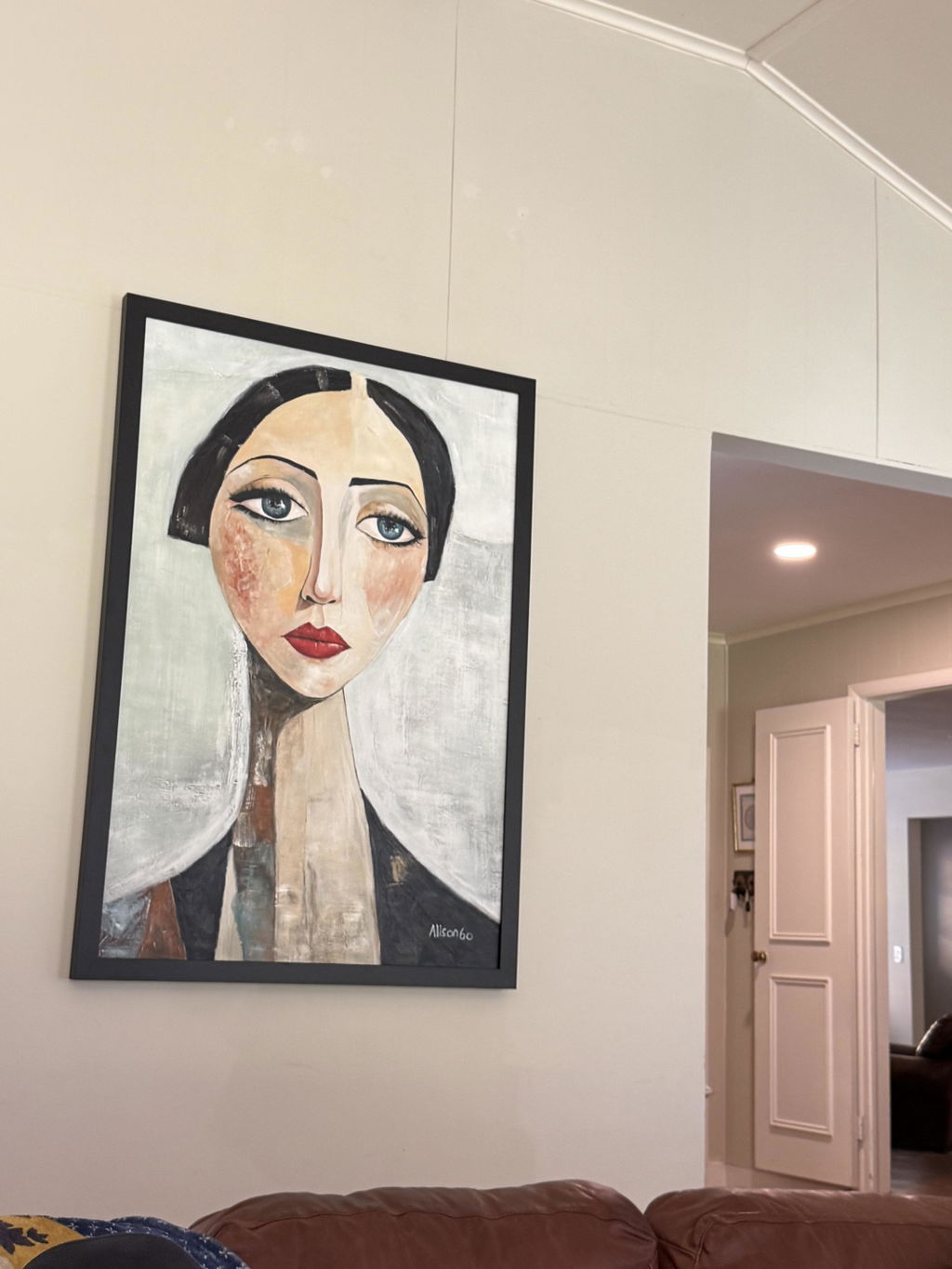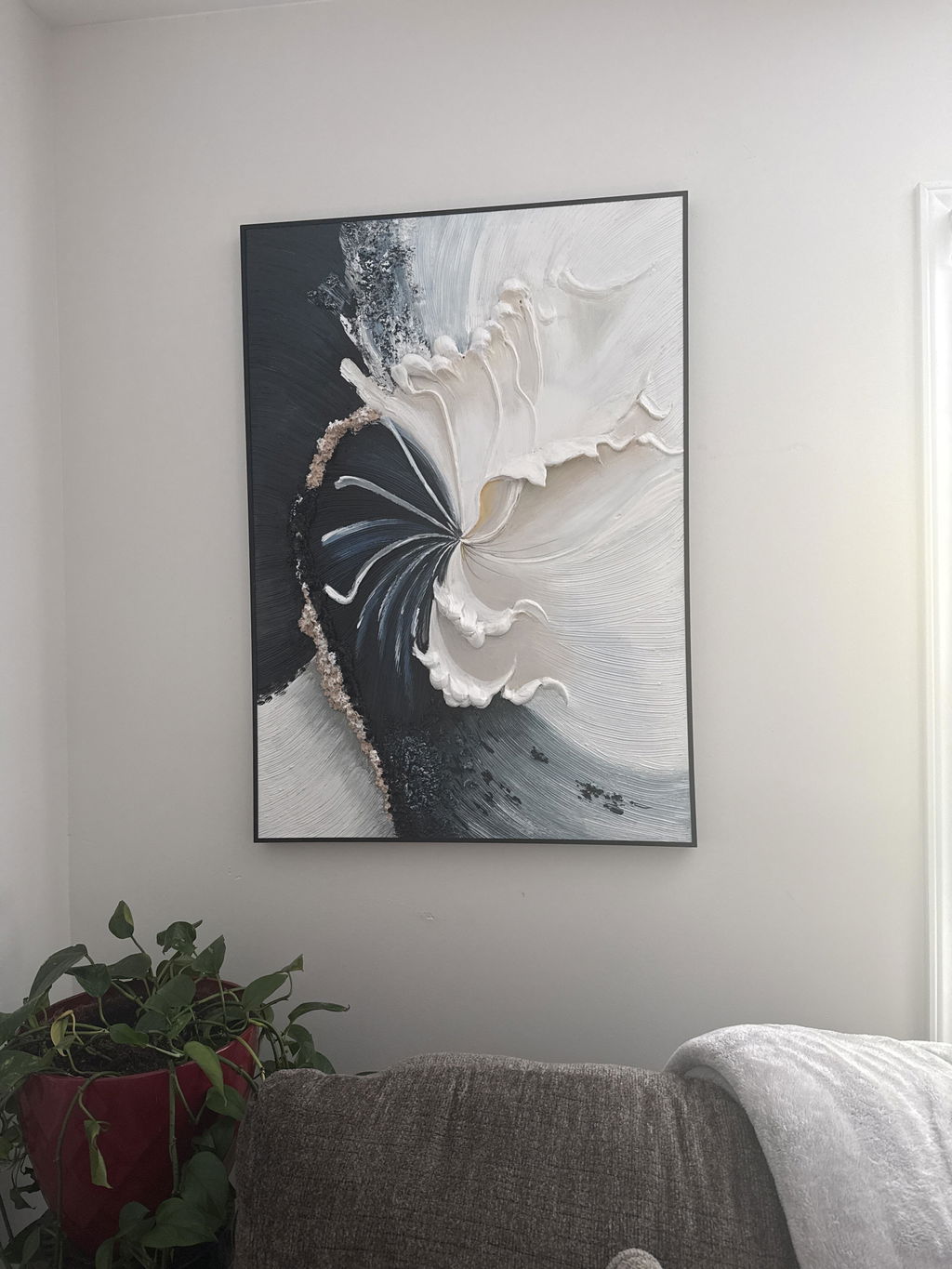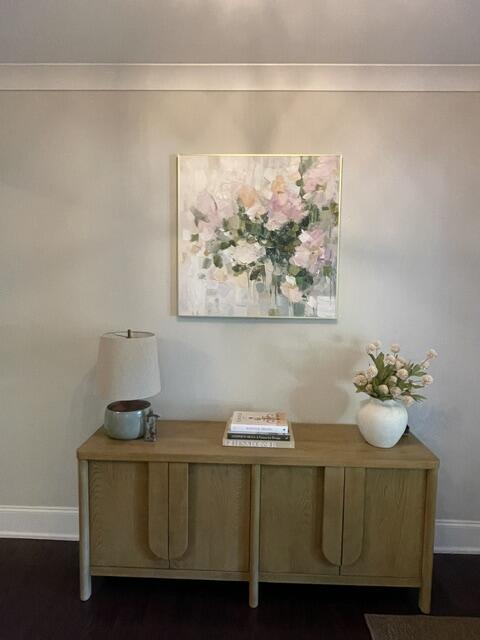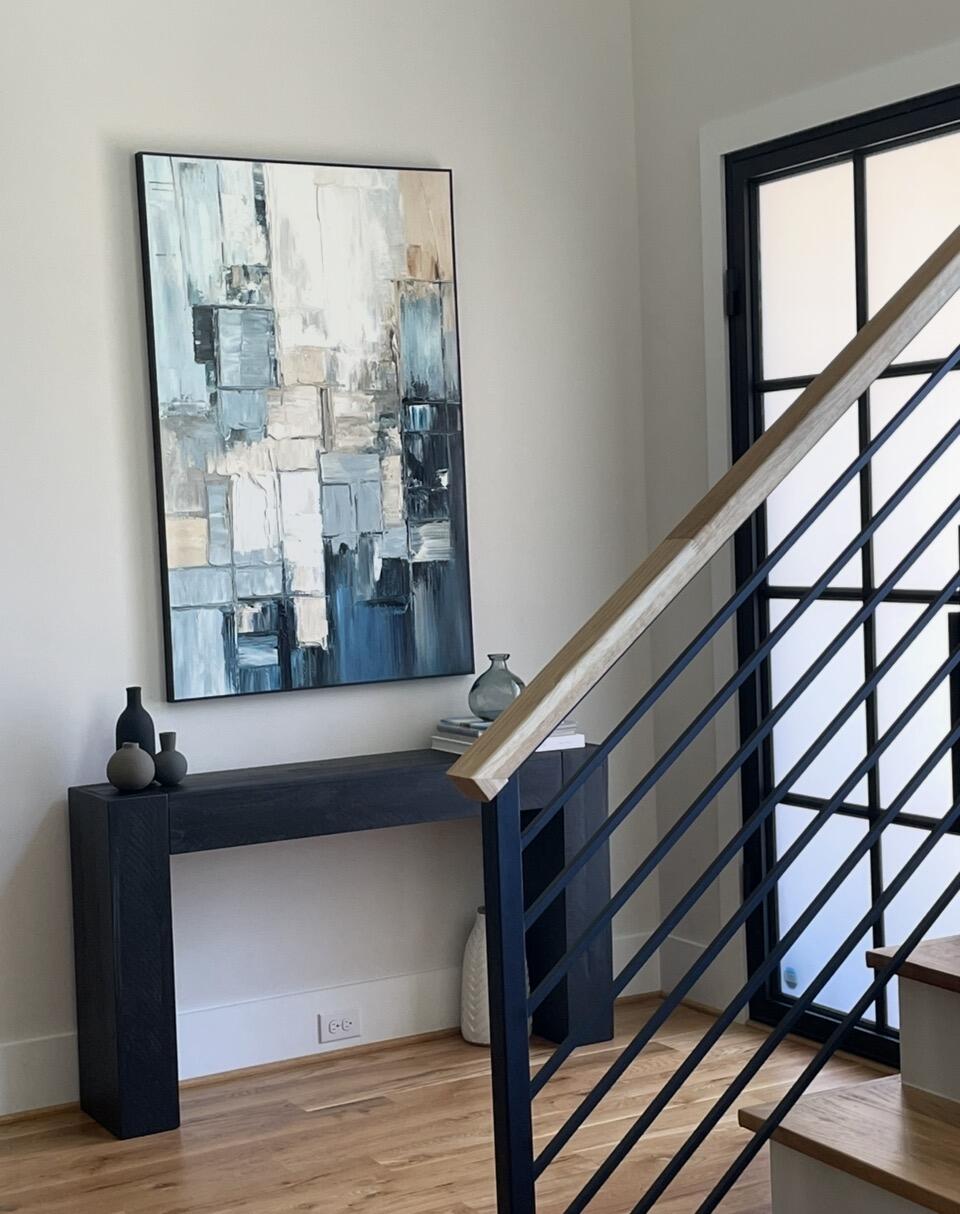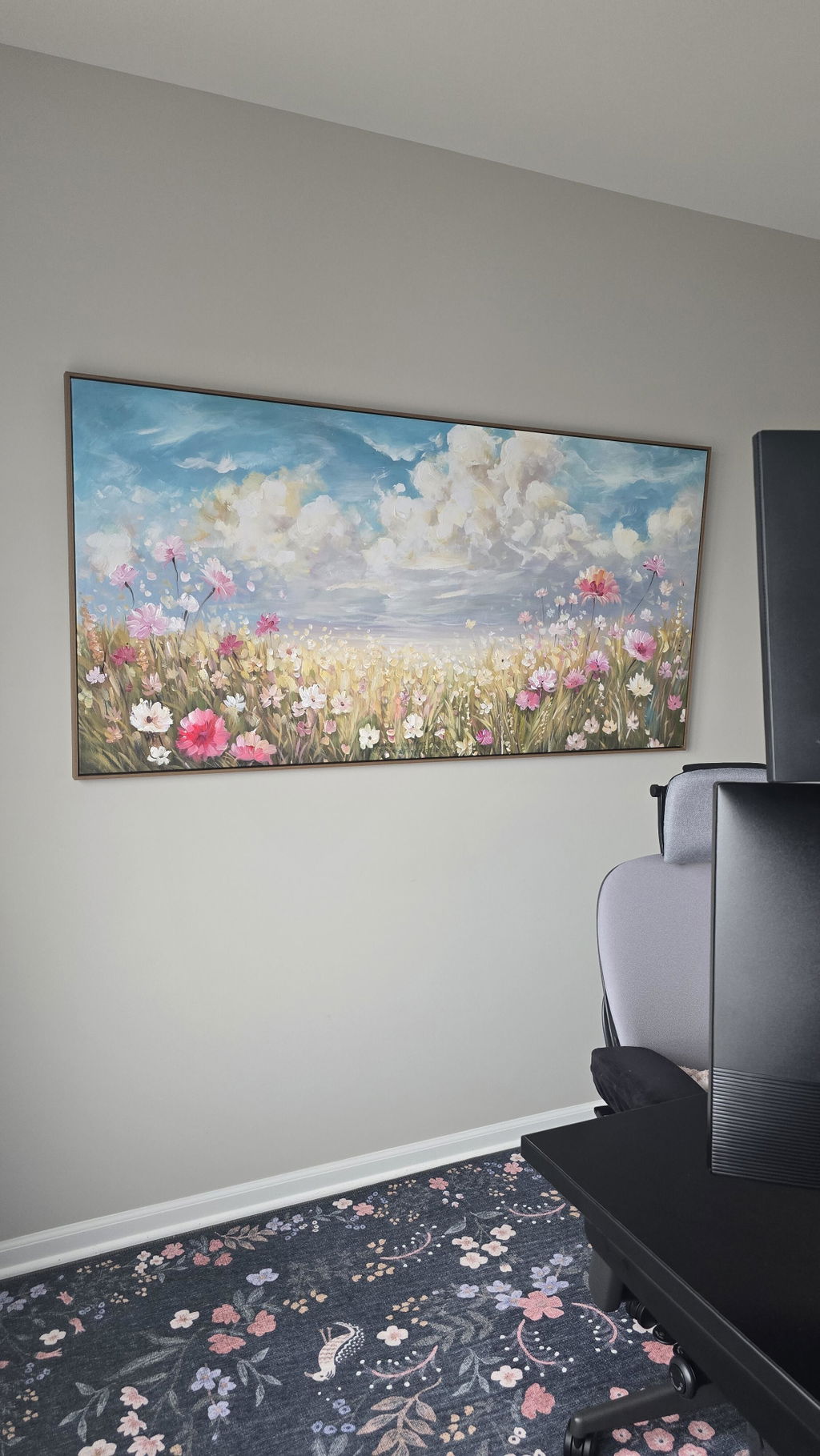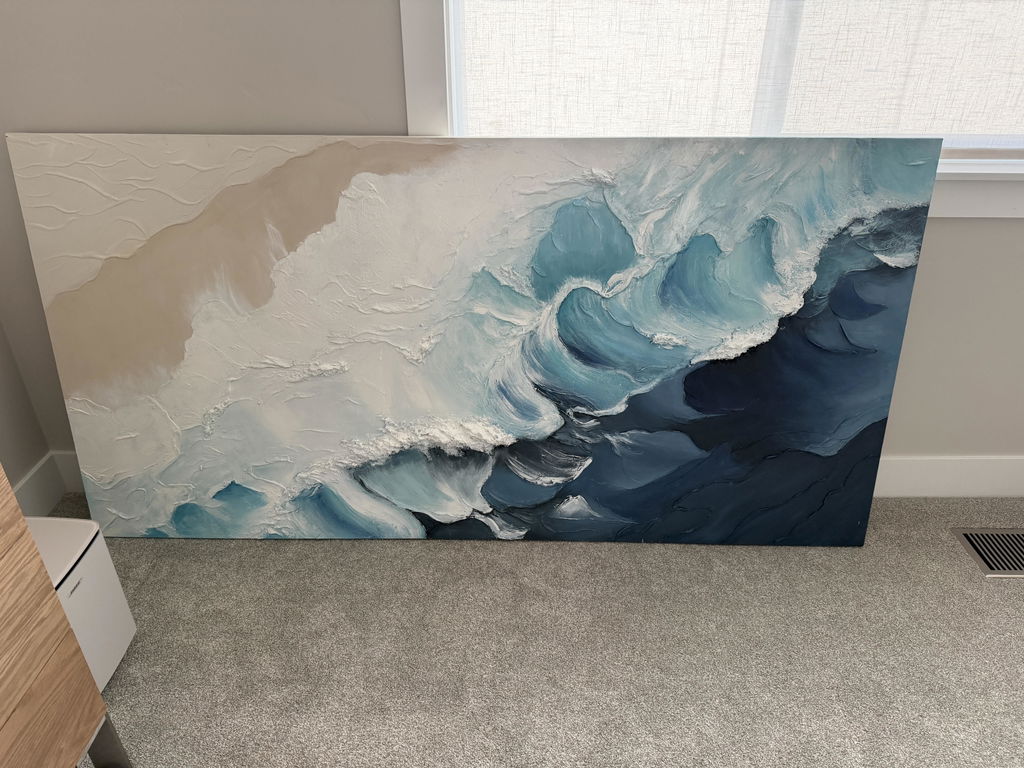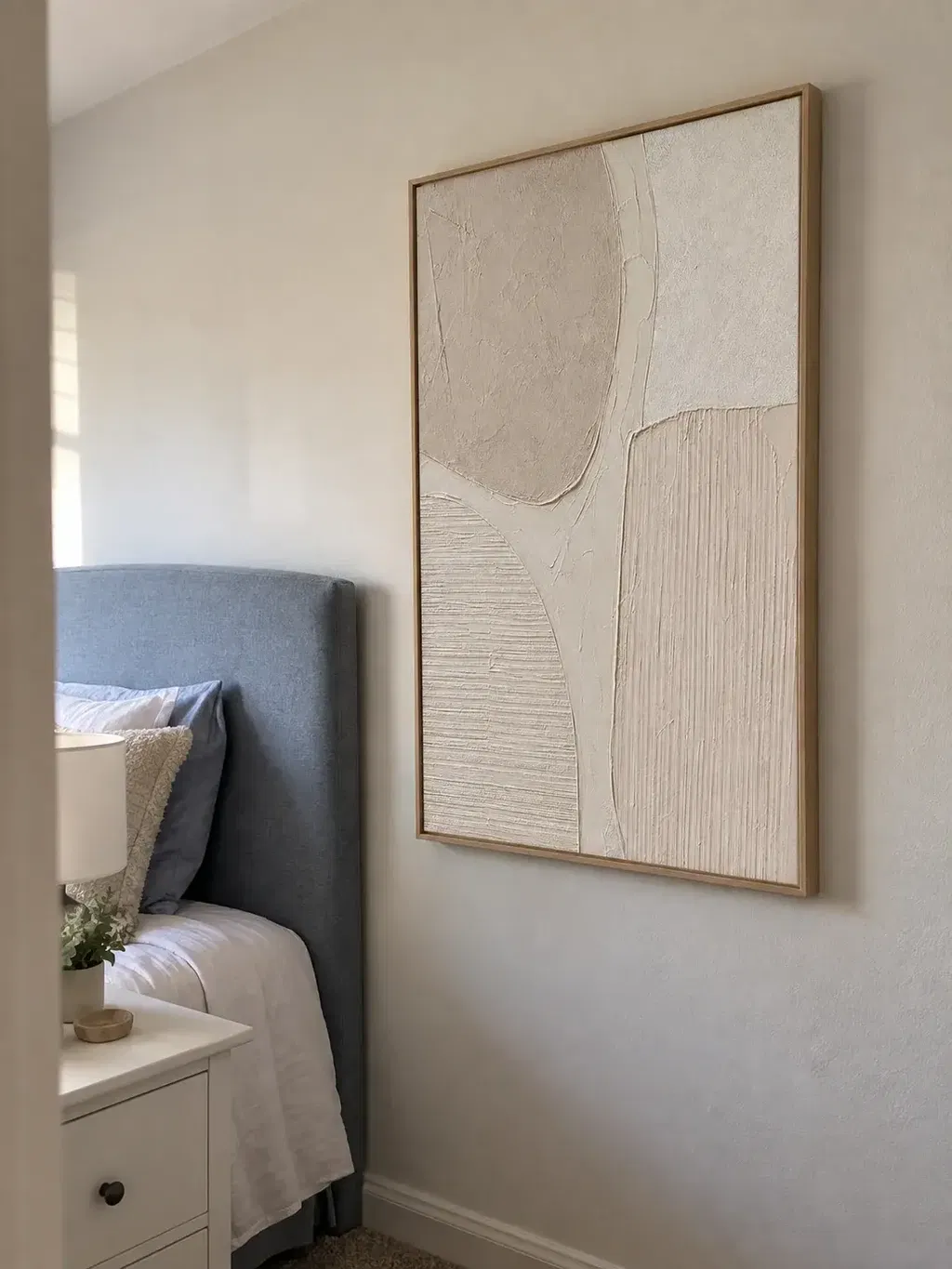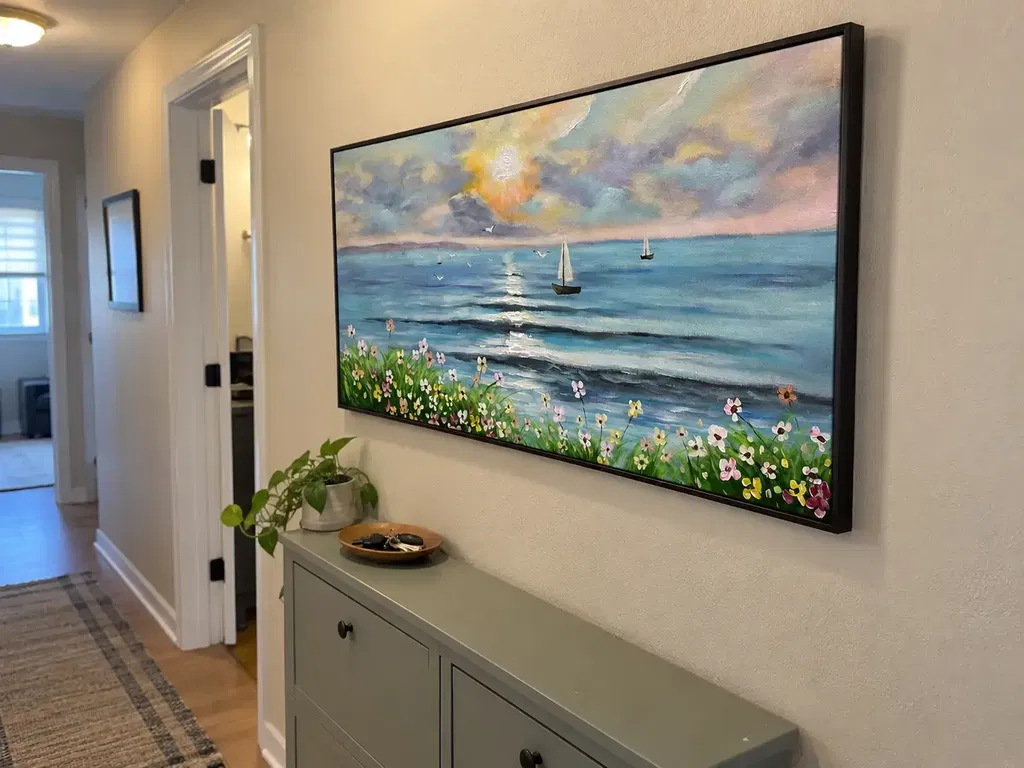
A workplace is more than desks and chairs. The walls greet people first—whether it's a splash of color, a calming landscape, or a bold abstract piece, the art on display sets the tone the moment someone steps inside. Office wall art has become more than decoration—it is a strategic investment in company culture, signaling values, energy, and identity without a word spoken.

The Business Value of Office Wall Art
Art in the office changes how a space feels. The benefits of art in the workplace include reinforcing company personality, welcoming visitors with warmth, and lifting the daily spirit of employees. A bold canvas in the lobby often makes visitors stop for a moment, while a quiet photo in the hallway softens the walk to a meeting room. Even a small piece above a table can ease tension during a pause in conversation. These touches show care and make the space feel alive.
Strengthening Brand Presence
Every company has a story. A tech firm might choose digital prints that reflect innovation, while a family-run business could display local landscapes. Clients often notice, and that impression speaks louder than words.
Boosting Employee Engagement
Employees pay attention in subtle ways. Some glance at a favorite piece on their way to grab coffee, others use it as a quick reset on a busy day. Small details like this remind them they are valued, not just their work.
Enhancing Client Perception
First impressions form fast. Bare walls feel cold, while curated art shows confidence and care. A single striking piece in reception can spark conversation and set the tone for the meeting that follows.
Office wall art provides tangible business benefits by strengthening brand image, supporting employee engagement, and shaping how clients perceive the company.

How to Choose Corporate Office Art That Matches Company Identity
Selecting art for the workplace is not about random decoration. Many decision makers first wonder what kind of art is appropriate for an office, and the answer depends on aligning choices with the company's identity and message.
Aligning With Core Values
An office representing innovation might feature bold, abstract pieces. A company rooted in tradition may prefer timeless photography or classical motifs. The key is consistency between the artwork and what the company stands for.
Considering Colors and Emotions
Colors carry psychological weight. Blues and greens can promote calm and trust, while bright yellows and oranges may stimulate energy. Choosing a palette aligned with office goals helps maintain the right emotional tone.
Respecting Cultural Sensitivity
Corporate offices are diverse environments. Art selections must consider cultural backgrounds to ensure inclusivity. Choosing universal themes such as nature, architecture, or abstract patterns avoids misunderstandings.
Corporate office art should reflect the company's identity through values, colors, and cultural awareness, ensuring alignment between workplace visuals and organizational character.
Matching Office Art With Space and Size Requirements
Art must not only fit conceptually but also physically. Proper scale and placement determine how well art enhances a room.
Lobbies and Reception Areas
The lobby is the handshake of the office. Imagine a visitor stepping in and being greeted by a large, striking piece—suddenly the space feels alive, and the company's confidence is communicated without a word.
Conference Rooms
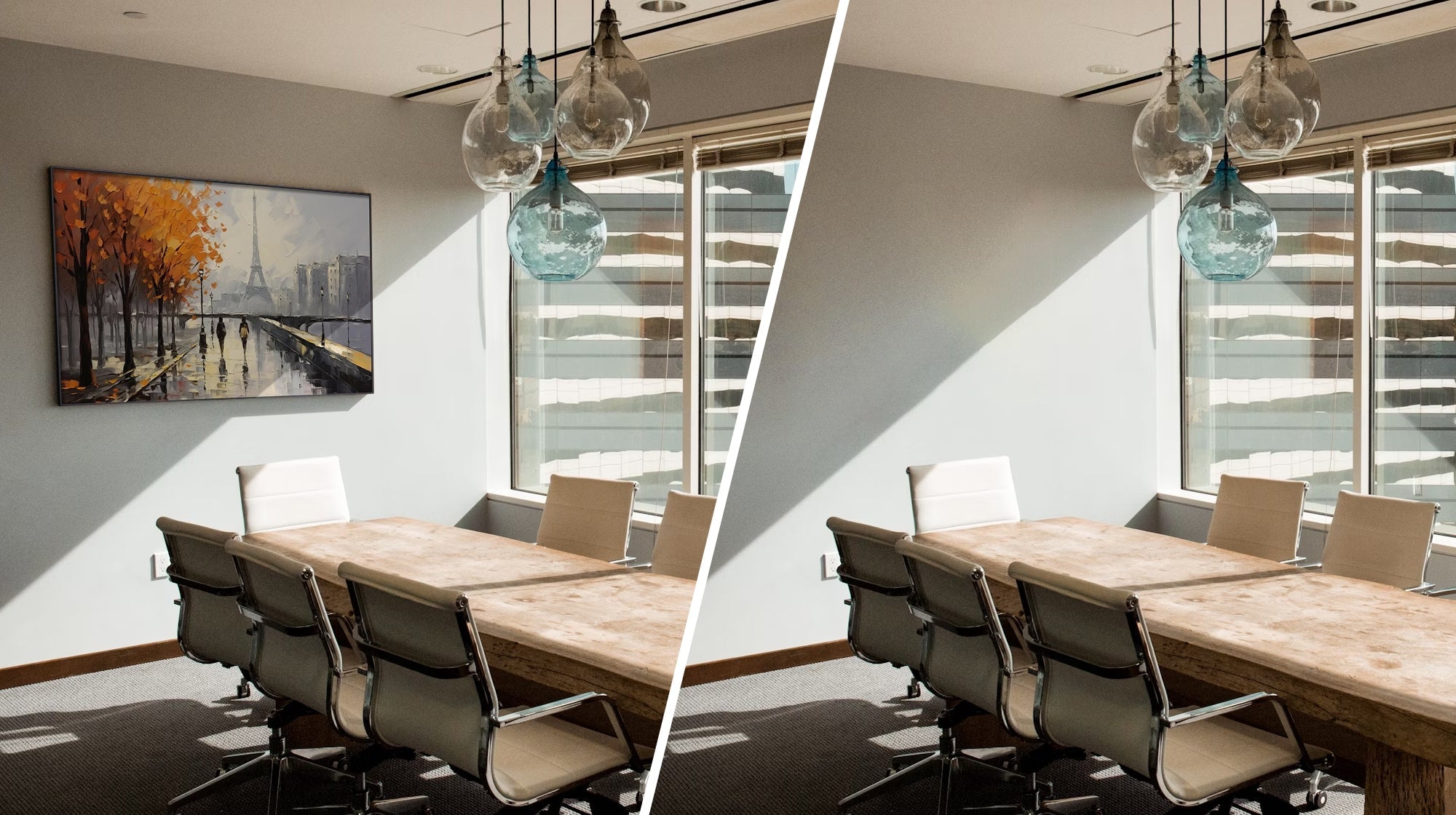
Meeting spaces call for balance. Art here should spark creativity and conversation without being distracting. Maps, abstract designs, or muted photography often work well, offering focus while maintaining energy.
Workspaces and Open Areas
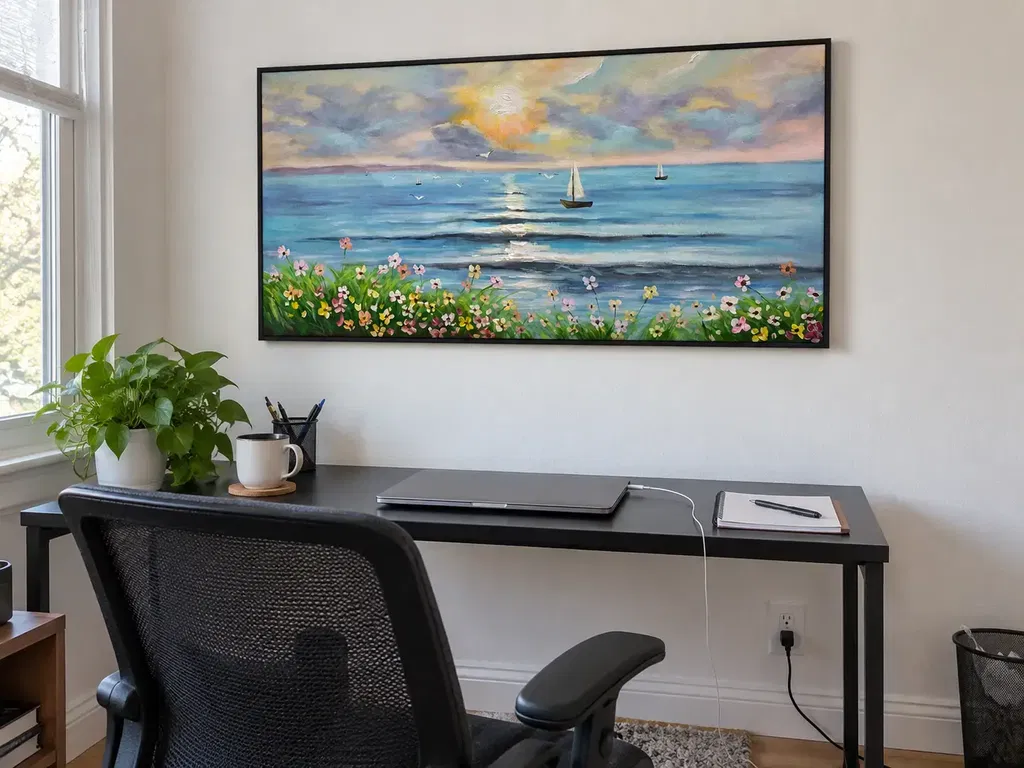
Employee work zones benefit from art that feels approachable and calming. Mid-sized pieces repeated in rhythm across walls can reduce visual clutter while creating harmony.
Properly sizing and positioning office art ensures each space—from lobby to workspace—feels intentional, balanced, and functional.

How to Plan and Install Corporate Office Art
Investing in office art involves practical steps that bring vision to life. Careful planning saves time and prevents costly mistakes.
Planning the Budget
Budgets vary widely depending on company size and goals. Allocating funds upfront ensures the project remains realistic. Remember that quality art does not always mean high expense—prints, photography, and commissioned local works can all deliver a strong impact.
Sourcing and Selection
Options range from galleries to online platforms and direct collaboration with artists. For companies short on time, a professional corporate art solution can cover everything from sourcing to installation, ensuring consistency across spaces. Material selection also impacts both durability and visual appeal, with acrylic prints delivering superior longevity and color retention compared to paper-based alternatives.
Logistics and Installation
Measuring wall space, checking the wall's strength, and hiring professionals for hanging may sound tedious, but skipping them often leads to frustration. Few things are worse than a painting that hangs crooked or a frame that slips a week later. Lighting considerations also matter—spotlights can transform how a piece feels.
By addressing budget, sourcing, and logistics step by step, companies can turn the idea of office art into a finished, impactful presence.
5 Common Mistakes to Avoid in Office Art Selection
Choosing art is exciting, but mistakes are easy to make. A canvas that looks perfect online may feel wrong once it's on the wall. Knowing the common traps helps avoid regret.
- Forgetting Company Culture: A playful cartoon might work in a creative studio, but in a law firm, it sends the wrong message.
- Using Generic Prints: Overused stock images—like the same skyline or mountain scene—quickly fade into the background.
- Getting the Scale Wrong: A tiny frame on a wide wall looks lost; an oversized piece in a small room can feel suffocating.
- Overloading Walls: Hanging too much art makes the space restless instead of dynamic.
- Skipping Professional Help: Crooked frames or loose hooks distract everyone and may even be unsafe.
Avoiding these errors keeps the office looking thoughtful, professional, and welcoming.
Elevate Your Workspace With a Corporate Art Program
Corporate art is at its strongest when it is not a single purchase but an ongoing program. Frequent rotation of walls keeps spaces up-to-date and engaging.
- Twice-yearly rotating exhibitions maintain employee interest.
- Coexistence with resident artists encourages social cohesion.
- Employee-engagement art programs strengthen culture.
A thoughtful corporate art program turns blank walls into a source of pride. Over time, it does more than decorate—it becomes part of the daily rhythm, reminding people why they enjoy coming to work.
FAQs about Office Wall Art
Q1: What role does office art play in shaping client impressions during meetings?
Prospects make judgments quickly, sometimes within minutes of entering an environment. Bare walls may suggest indifference, while carefully chosen artwork communicates professionalism, creativity, and attention to detail. A striking lobby piece can spark conversation, ease the atmosphere before meetings, and leave a lasting impression of confidence and personality.
Q2: How can office art strengthen a company's brand identity?
Artwork serves as a visual expression of what the company represents. A tech firm might display abstract or digital art to convey innovation, while a historically oriented business might feature photography or classical designs. Such choices align the environment with company values and support brand storytelling in a subtle yet powerful way.
Q3: Does office art need to be expensive to be effective?
Not at all. Impact comes from thoughtfulness, not cost. High-quality prints, photography, or commissioned work by regional artists can achieve strong results without large budgets. The key is aligning artwork with company identity so that it feels deliberate and authentic rather than forced.
Q4: What are the long-term benefits of maintaining a corporate art program?
A structured art program keeps spaces lively. Semi-annual rotations refresh the workplace and prevent visual stagnation. Collaborations with artists strengthen community connections. Over time, such programs weave art into the company's identity, reinforcing both internal culture and external brand image.