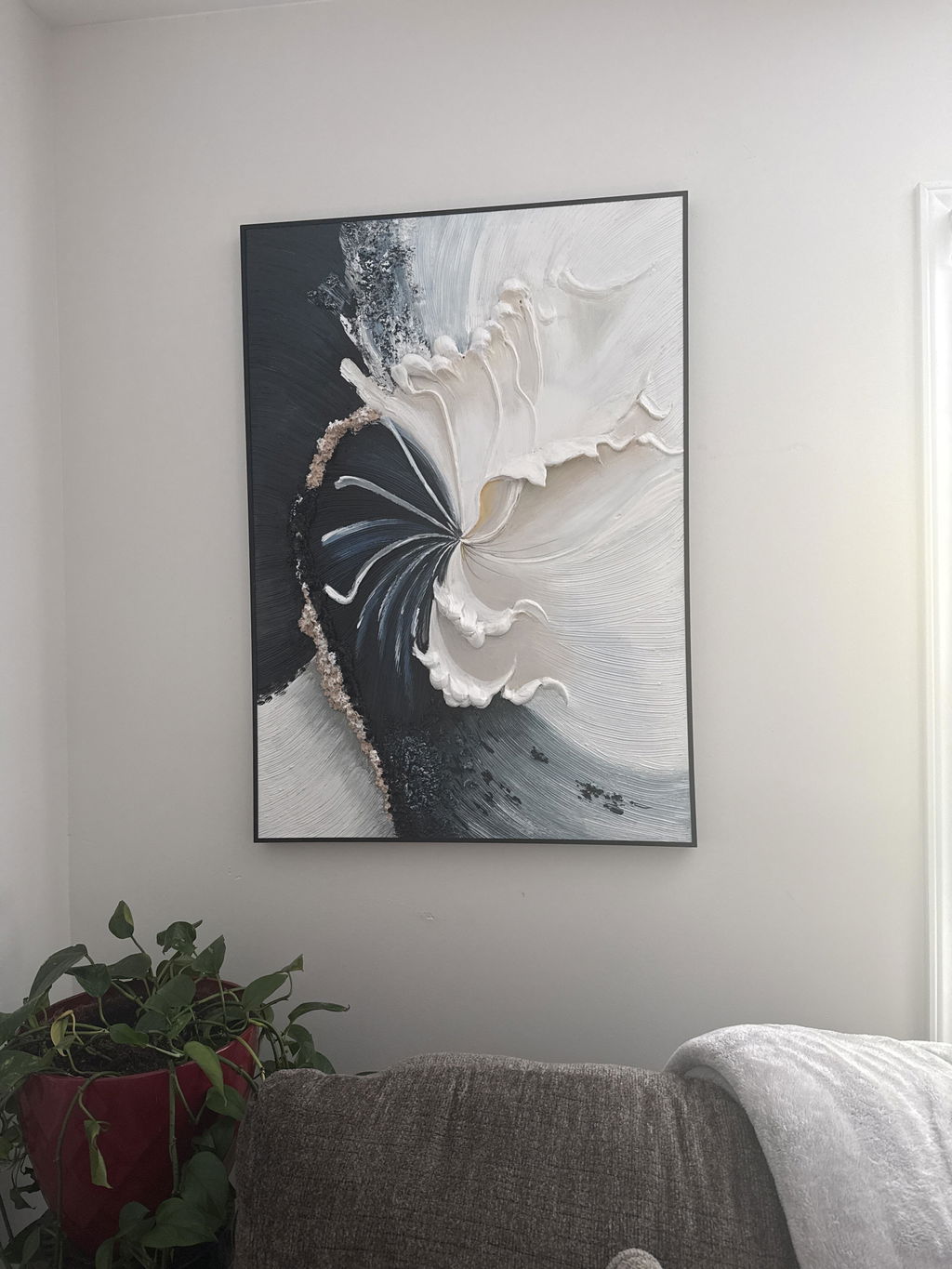
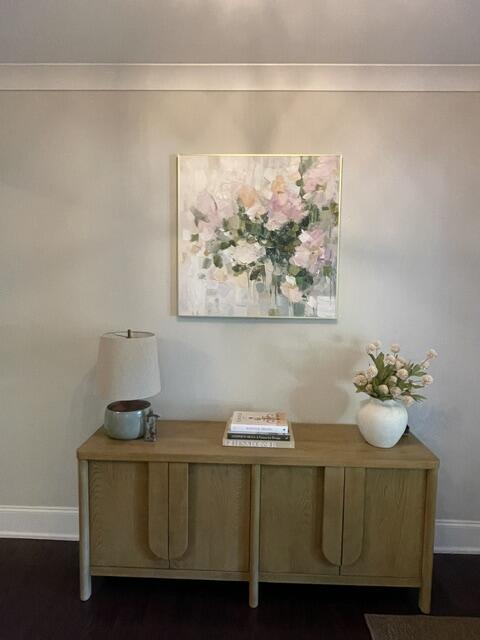
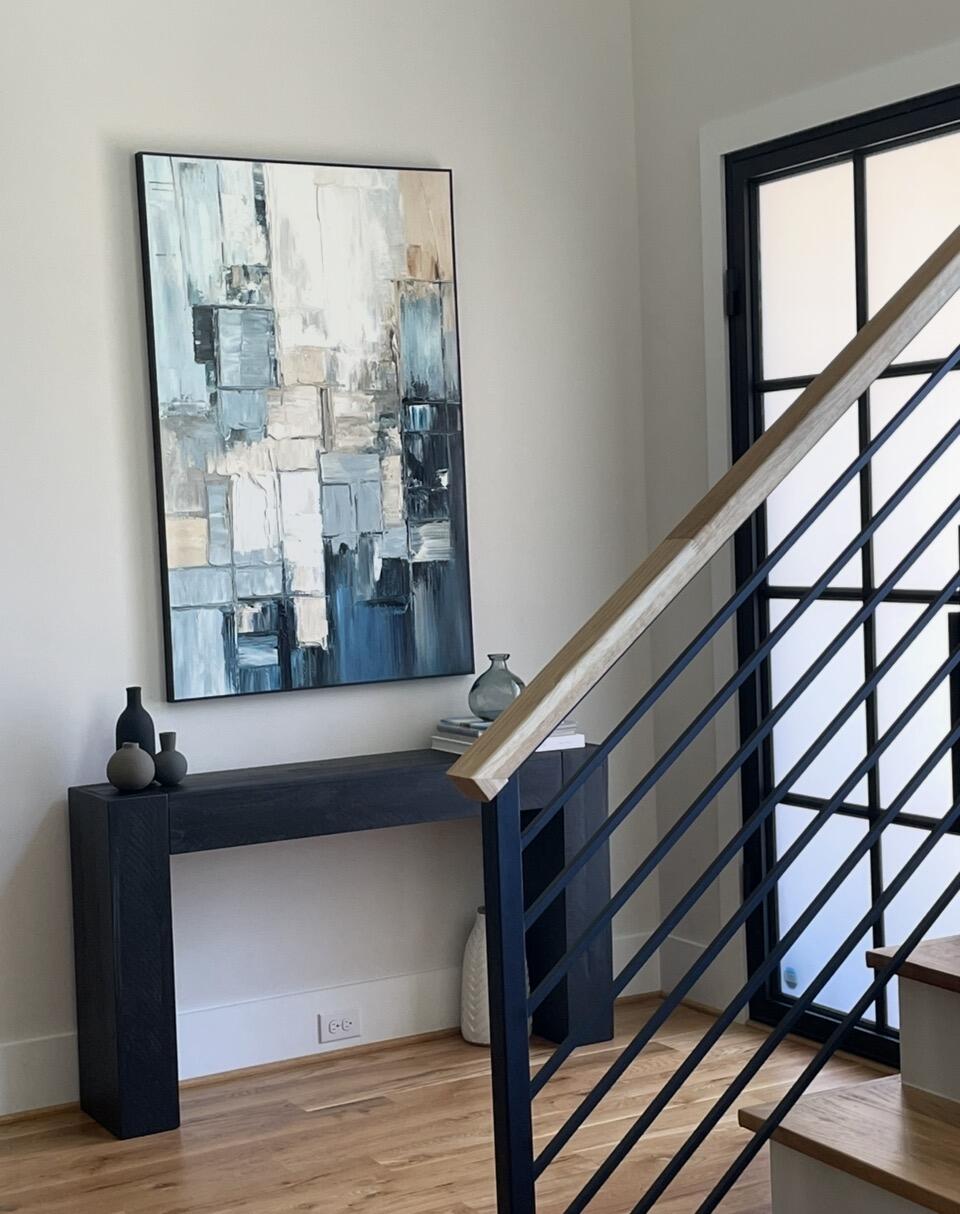
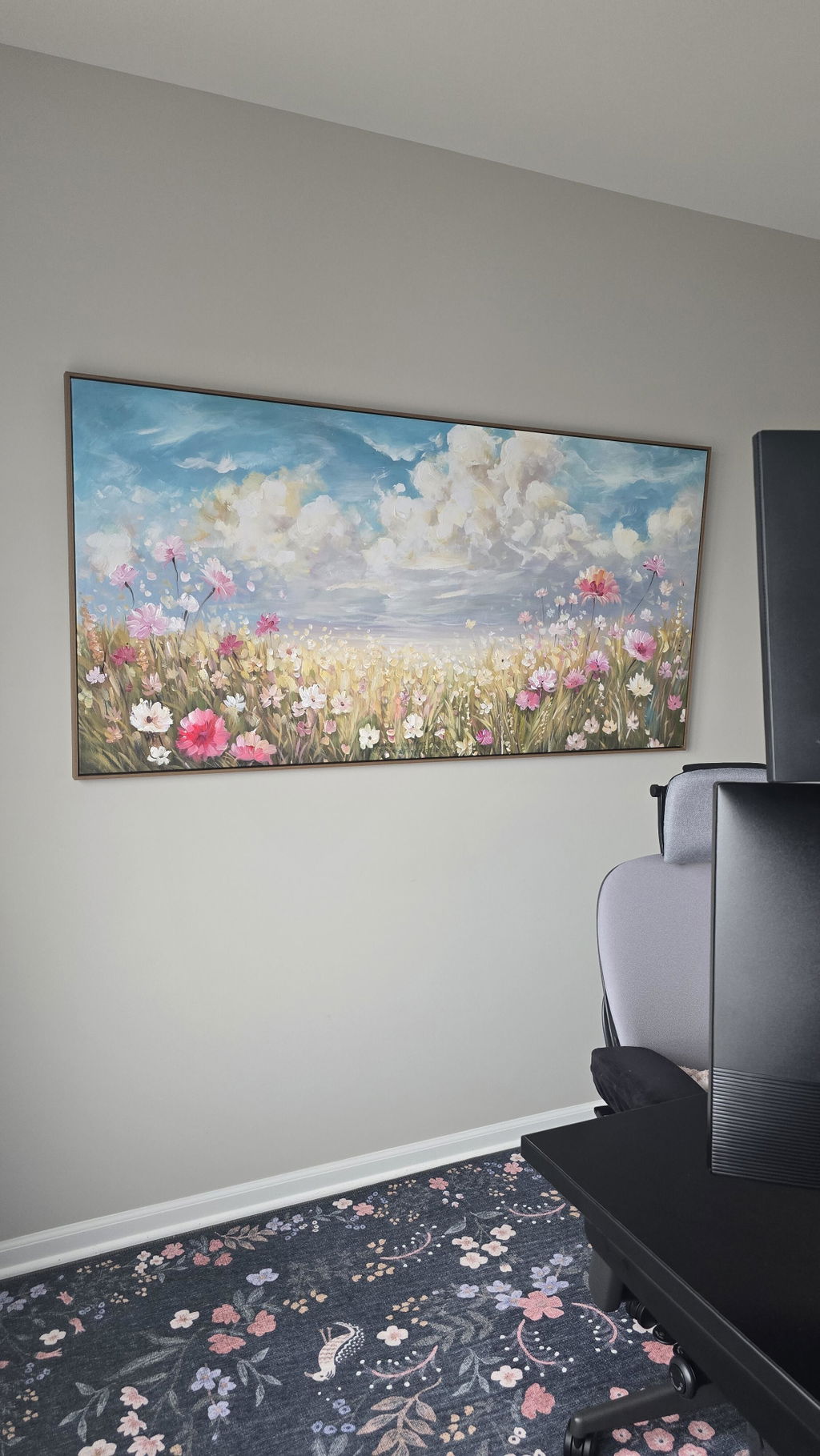
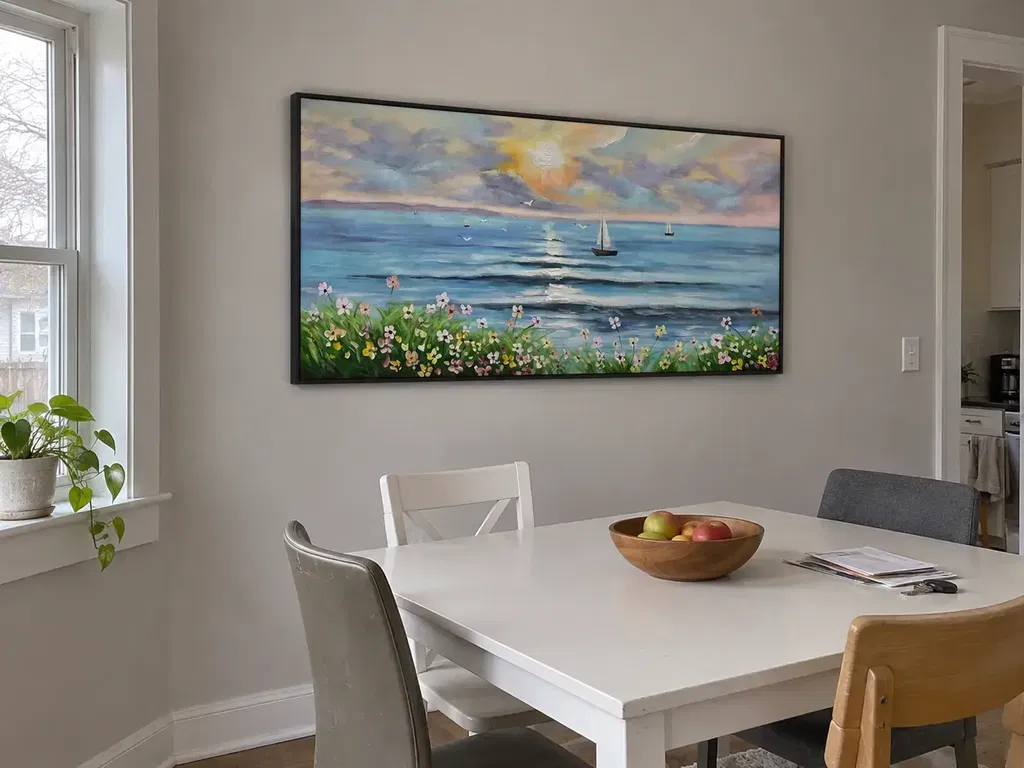
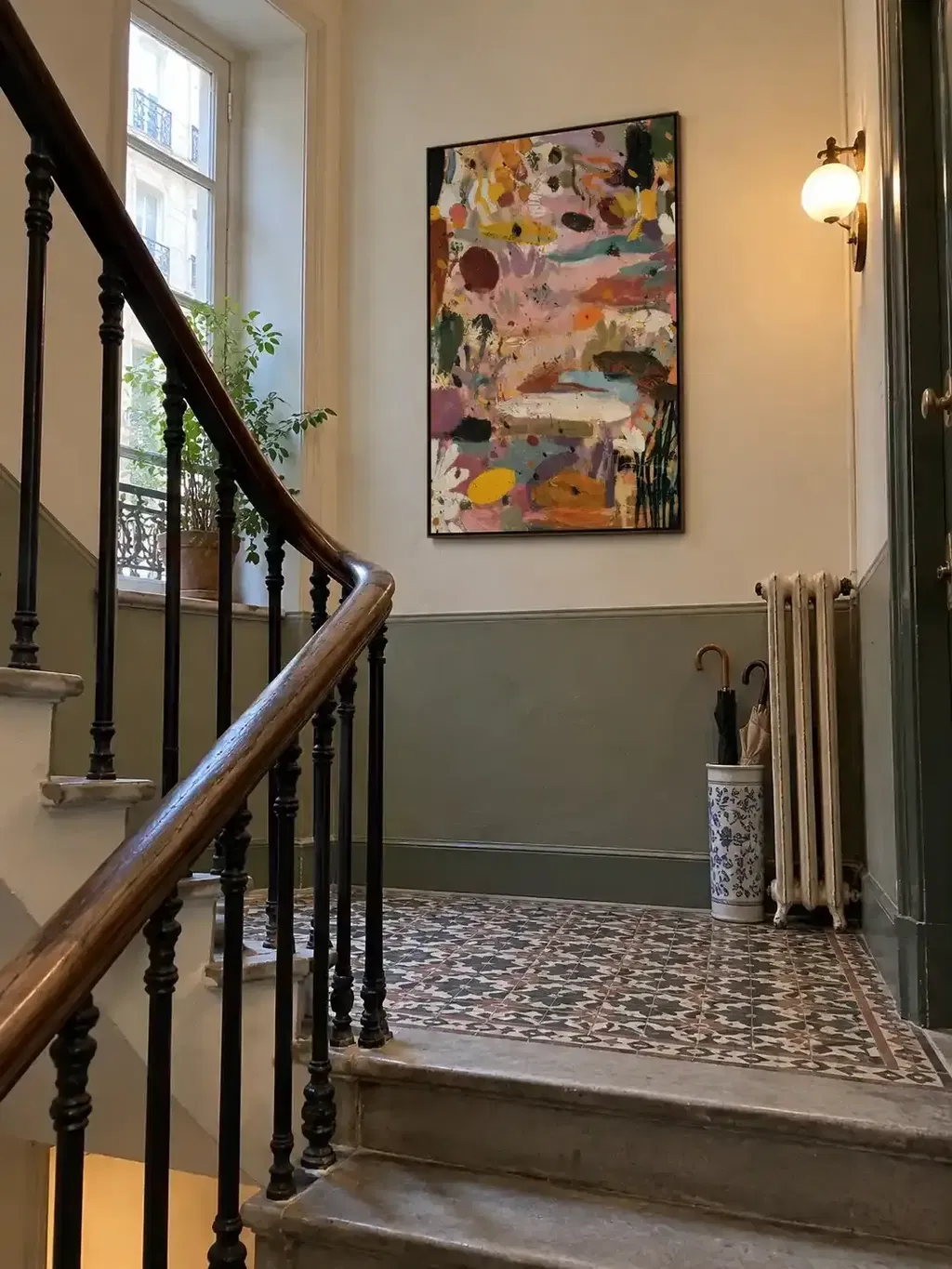
Textured art living room choices work best when proportion, furniture scale, and lighting all point in the same direction. A piece can be the right size on paper and still feel too heavy, too small, or too busy once it is above a sofa. The safest starting point is to judge the wall, the seating, and the room’s light together, then let texture tell you whether the piece should stay subtle or become the focal point.
Why Proportion Matters in Living Rooms
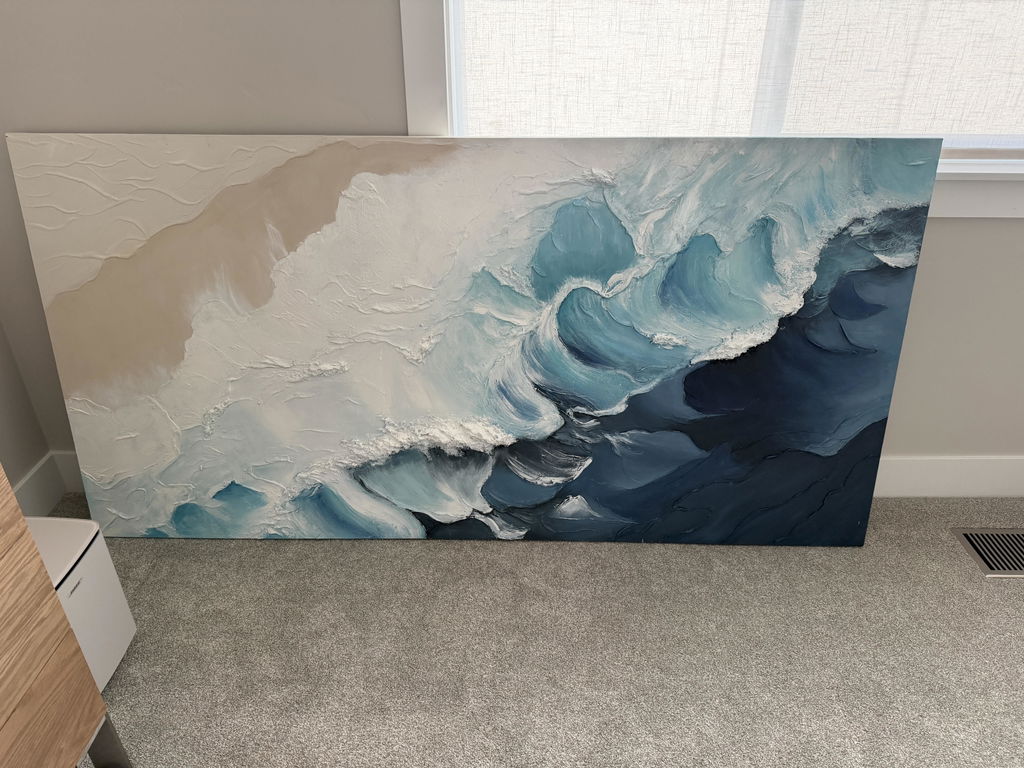
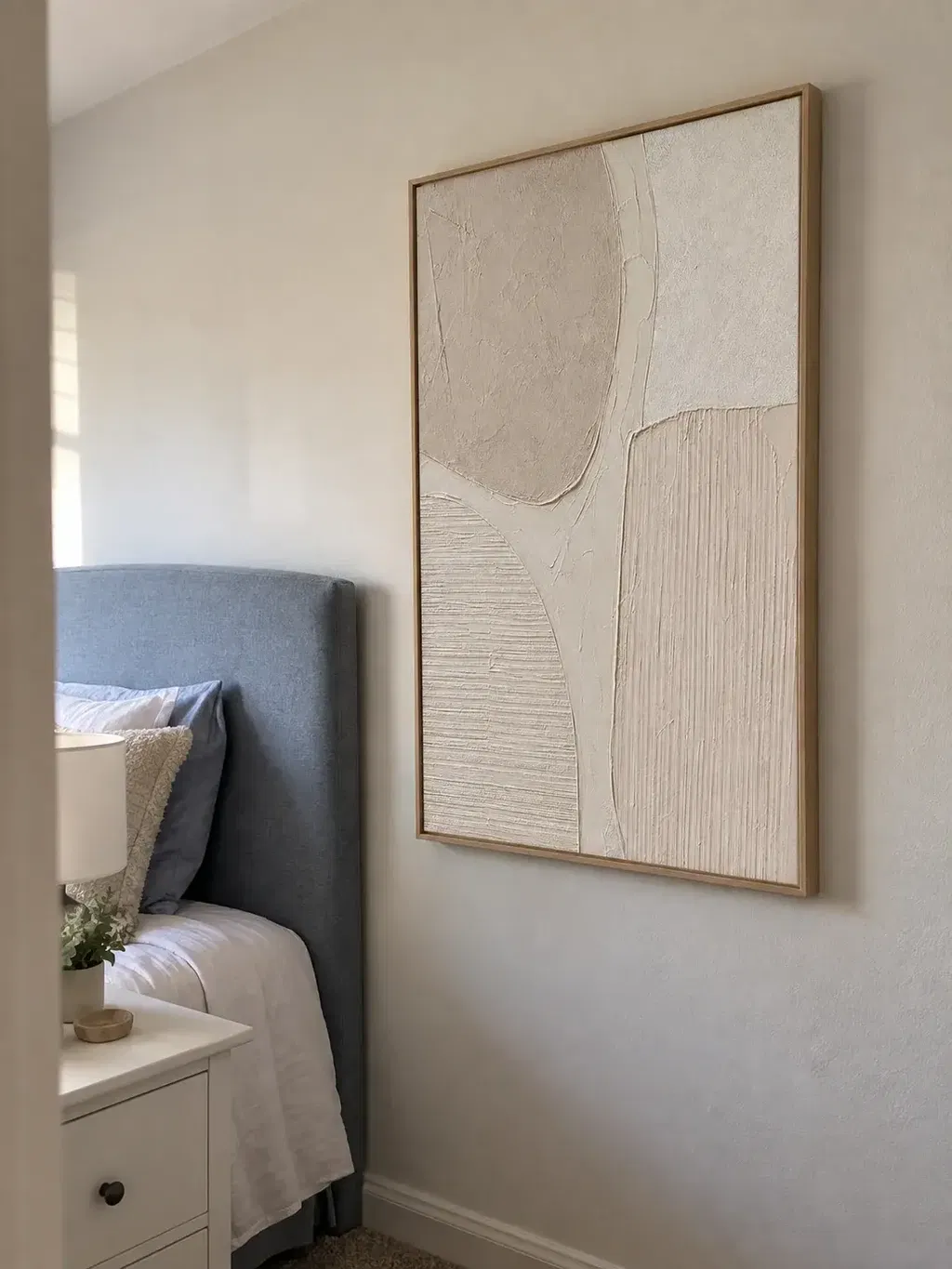
A textured statement piece is not just filling blank wall space. It has to relate to the sofa width, the wall span, and the amount of visual activity already in the room. That matters because texture changes how a piece reads: the same dimensions can feel more substantial than a flat canvas when the surface catches light and throws small shadows. In other words, texture adds visual weight, so proportion is partly about size and partly about how strongly the surface pulls attention.
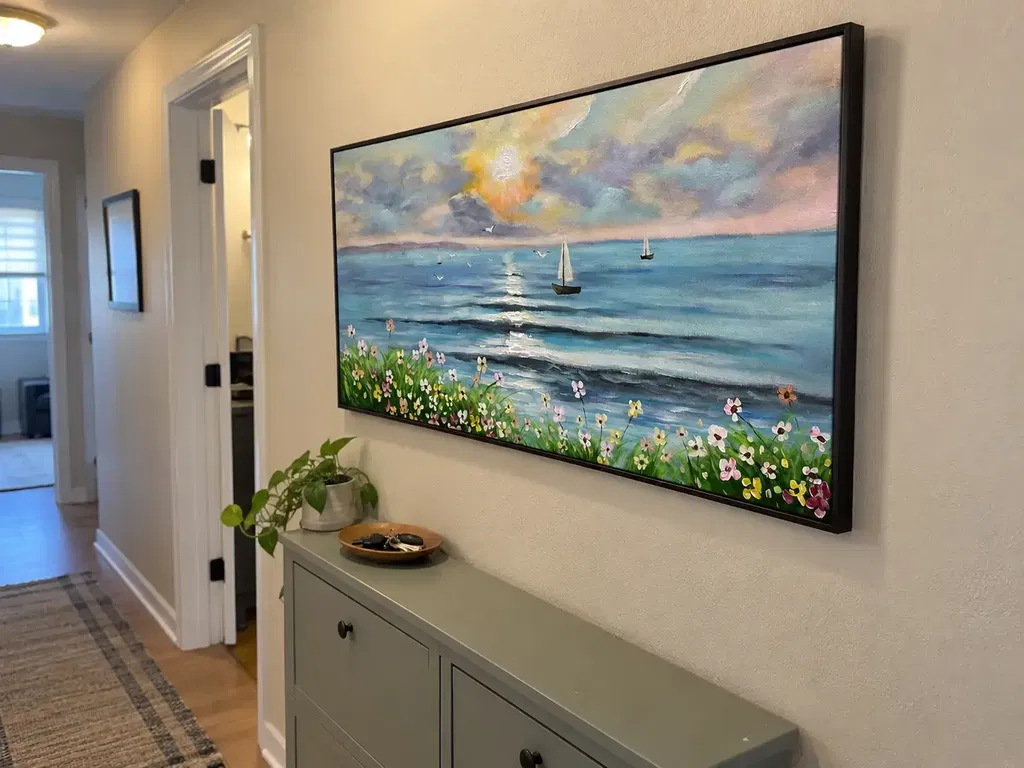
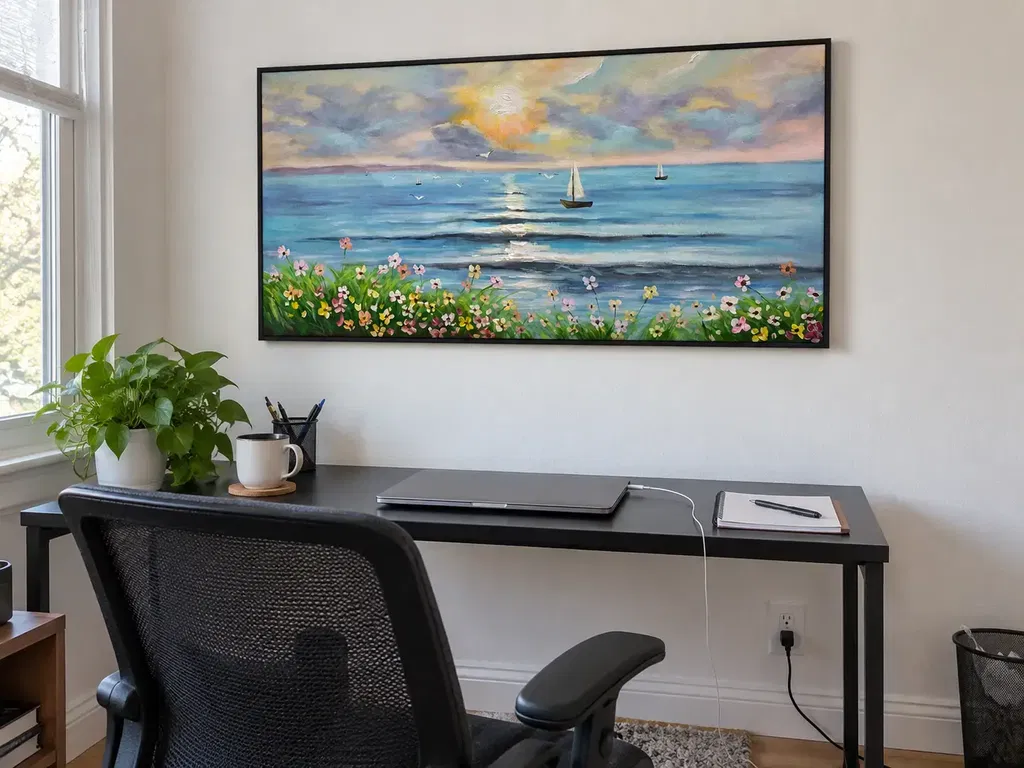
For buyers comparing oversized options, the room is the real test, not the product photo. A large textured piece can finish a seating area when the wall is broad and the decor is restrained. The same piece can feel oversized if the sofa is compact, the rug is busy, or the room already has a lot of strong surfaces. If you are browsing a broad living room wall art assortment, start by asking whether the piece should anchor the space or simply support it.

How to Size Art Above a Sofa
A practical above-sofa workflow is easier than trying to memorize a perfect rule. Start with the sofa, then check the wall span, then decide whether the art should read as a centered anchor or as a lighter accent. As a bounded design heuristic, art often looks balanced when it spans roughly 60% to 75% of the furniture width rather than the full sofa width. In practice, that usually means the art is narrower than the sofa but wide enough to feel tied to it.
- Measure the sofa width and the wall area directly above it.
- Compare the art width to the sofa so the piece does not look stranded in the middle or stretched edge to edge.
- Check hanging height. A common placement check is to keep the art visually connected to the furniture rather than floating high on the wall; many decorators use a 6 to 12 inch gap as a starting point, but treat that as a heuristic, not a fixed rule.
- Confirm the edges will not crowd lamps, side tables, or the nearest wall turn.
Sectionals need one extra step: center the piece to the seating zone, not just the backrest. That matters because wide corner seating creates more visual mass, so a piece that looks perfect over a standard sofa can read too small over an L-shape. If you want a shopping shortcut after the measuring step, the large wall art buying guide is a useful fit check, and extra large wall art is the more natural browse path when the wall span is generous.

Texture, Light, and Visual Weight
Texture is where the same piece can change character from one room to the next. Raised brushwork, impasto, and layered surfaces catch light differently from flat art, so the piece can feel deeper and more present than its measurements suggest. That effect is strongest when the lighting creates clear shadow edges. Research on relief surfaces shows that shadow offset and perceived depth are closely linked, which is why directional light often makes texture read more clearly.
For most living rooms, the most useful check is simple: look at the piece from the main seating spot during the parts of the day when you use the room most. In daylight, texture may look more open and detailed if the window light hits it from the side. In evening light, lamps can make the same surface feel more dramatic because a directional beam creates stronger highlights and shadows. BenQ’s directional light guidance for surface depth is a useful reminder that angled light usually reveals relief better than flat overhead light.
Mixed lighting needs the most caution. If the room gets both bright daylight and multiple lamps, a highly textured piece can shift from refined to busy depending on the hour. That does not mean texture is a bad choice. It means you should judge whether the room has enough calm surfaces around it for the art to keep its shape when the light changes.
Match Scale to Seating Layout
| Seating Layout | What Usually Works Best | Why It Works | When It Breaks Down |
|---|---|---|---|
| Standard sofa | One large piece or one statement canvas with clear side margins | It anchors the seating zone without needing extra visual support | It feels lost if the wall is very long or the ceiling is tall |
| Wide sectional | Larger art or a piece with stronger visual weight | The seating mass is bigger, so the art needs more presence | A small piece can look accidental or off-center |
| Open-plan living room | A statement piece that helps define the seating area | It gives the room a focal point and separates zones | It can compete with adjacent dining or entry elements if the decor is already busy |
| Small living room | More restrained scale or a quieter textured surface | It keeps the room from feeling crowded | Heavy texture and strong contrast can make the room feel tighter |
The best choice flips when the room’s visual mass changes faster than the wall size does. A standard sofa usually welcomes a centered statement piece, but a sectional often needs more width or stronger texture to hold its own. Open-plan living rooms are even less forgiving, because one wall may have to balance multiple zones at once. In that case, the question is not only “How big is the wall?” but also “What else is competing with the art in the same sightline?” If you need a broader selection path, huge wall art is the natural browse point for long walls and larger seating layouts.
One useful decision sentence: if the room already has a patterned rug, strong upholstery, and several decorative surfaces, a quieter piece usually fits better than the most dramatic textured option. Another: if the wall is long, the ceiling is tall, and the sofa feels visually small in the room, a larger statement piece is more likely to look intentional than a compact one.
Choose a Piece That Finishes the Room
Before you buy, run one last balance check. Make sure the width works with the sofa or seating zone, the texture intensity matches the room’s light, and the color contrast does not fight the other surfaces in view. If the room already has a lot of pattern, choose the version that gives you texture without adding more visual noise. If the room is spare and calm, a more contrasty piece can become the right focal point.
A good textured art living room purchase should solve a room problem, not create a new one. The best pieces feel finished because they connect to the furniture, hold up under the room’s lighting, and leave enough breathing room around the rest of the decor. If you want the next step, compare the living room wall art browse path with extra large wall art, then check which scale matches your wall before you add anything to cart.
FAQs
What Size Wall Art Works Best Above a Sofa?
Start with the sofa width, then choose art that feels tied to it rather than equal to the entire span. A centered piece usually looks best when it leaves side breathing room and does not crowd lamps or tables. For wider sofas, the art can be broader, but the key signal is whether the arrangement feels anchored from the main seating position.
How Does Texture Change the Way Wall Art Looks in a Living Room?
Texture often makes art read more visually weighty because light catches the surface and creates small shadows. That effect is usually stronger with directional light and softer with flat overhead light. If you want a subtle look, pick lower-relief texture and quieter contrast; if you want the art to lead the room, use stronger surface depth.
Can a Large Textured Piece Work in a Small Living Room?
Yes, if the wall span, furniture scale, and overall decor stay controlled. A large piece can still work when the room is simple and the seating area is clearly defined. It breaks down when the room already feels crowded, because extra texture and contrast can make the space feel tighter instead of more finished.
Why Do Some Textured Paintings Look Bigger Than Their Dimensions?
Strong texture can make a piece feel larger because the surface creates more shadow, more edge detail, and more visual activity than a flat surface of the same size. That usually matters most in close viewing and in side-lit rooms. If you are unsure, compare the piece from your usual seat, not just from a few feet away.
What Should I Check Before Buying Oversized Art for My Living Room?
Check the sofa width, the wall span, the viewing distance, the room’s light at different times of day, and whether the room already has strong patterns or surfaces. Those five signals tell you more about fit than style alone. If two of them are already pushing the room toward visual clutter, a quieter or slightly smaller piece is usually safer.