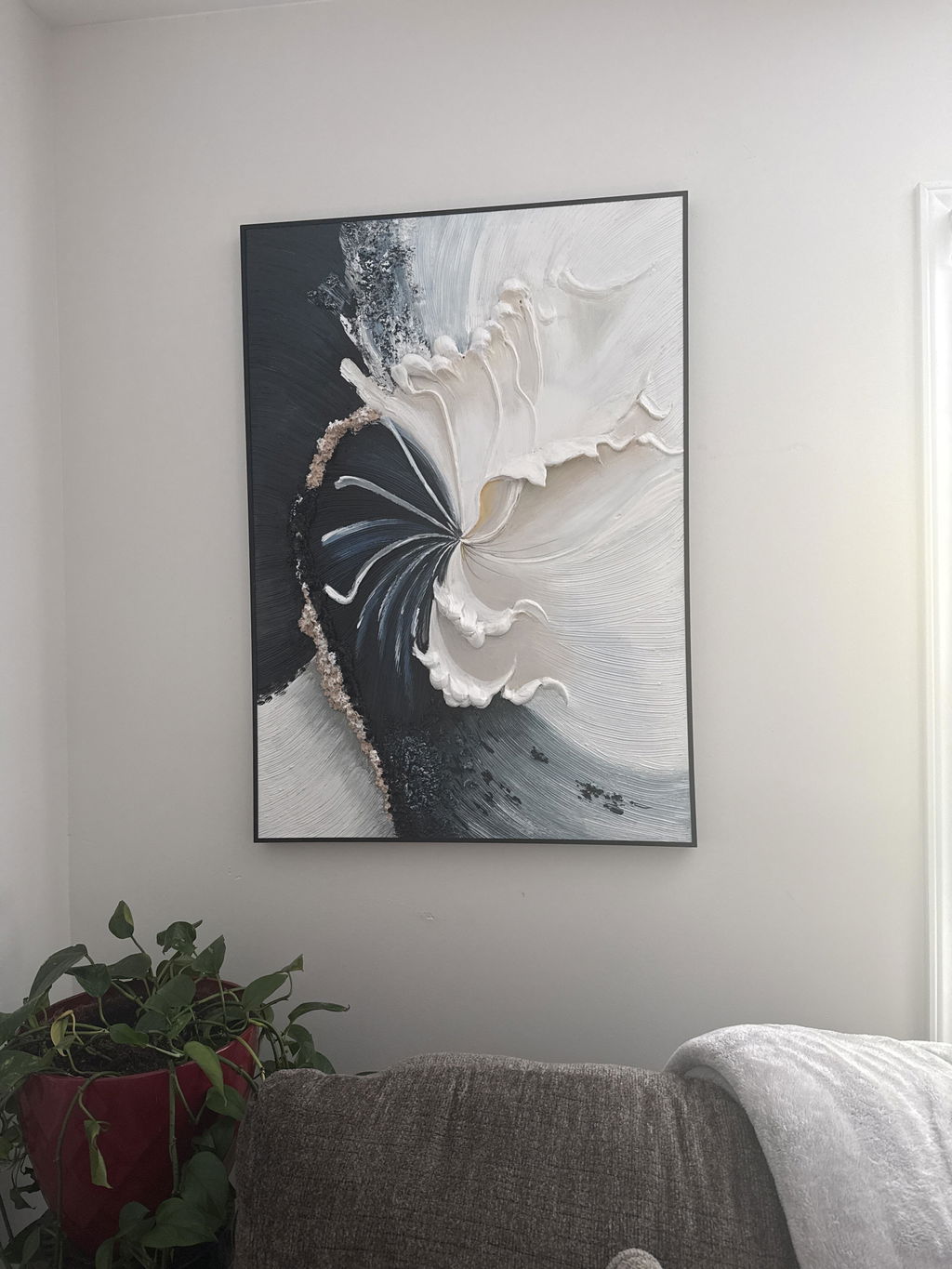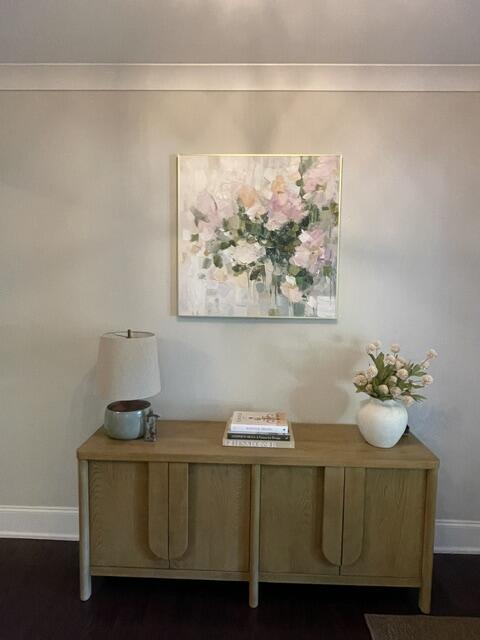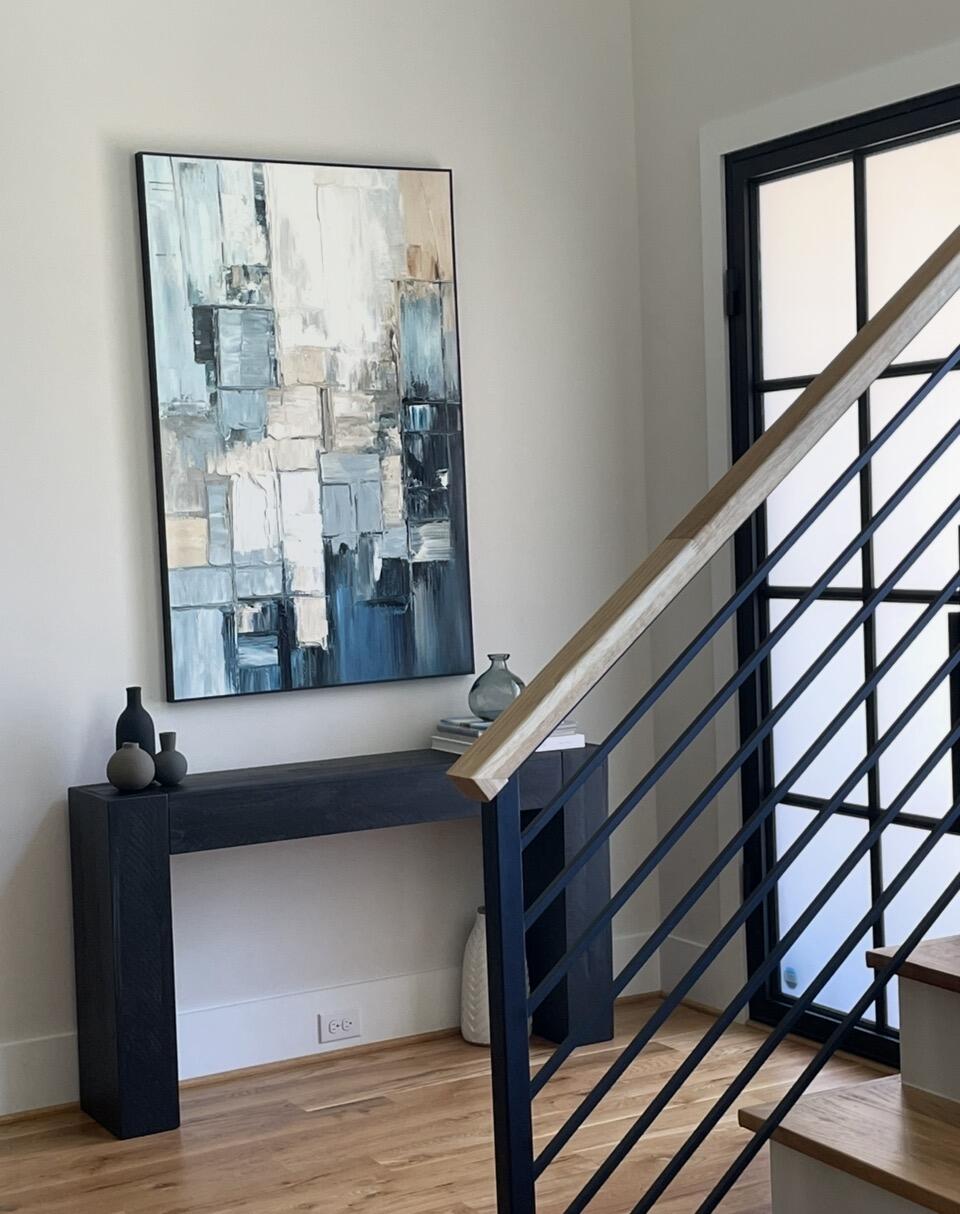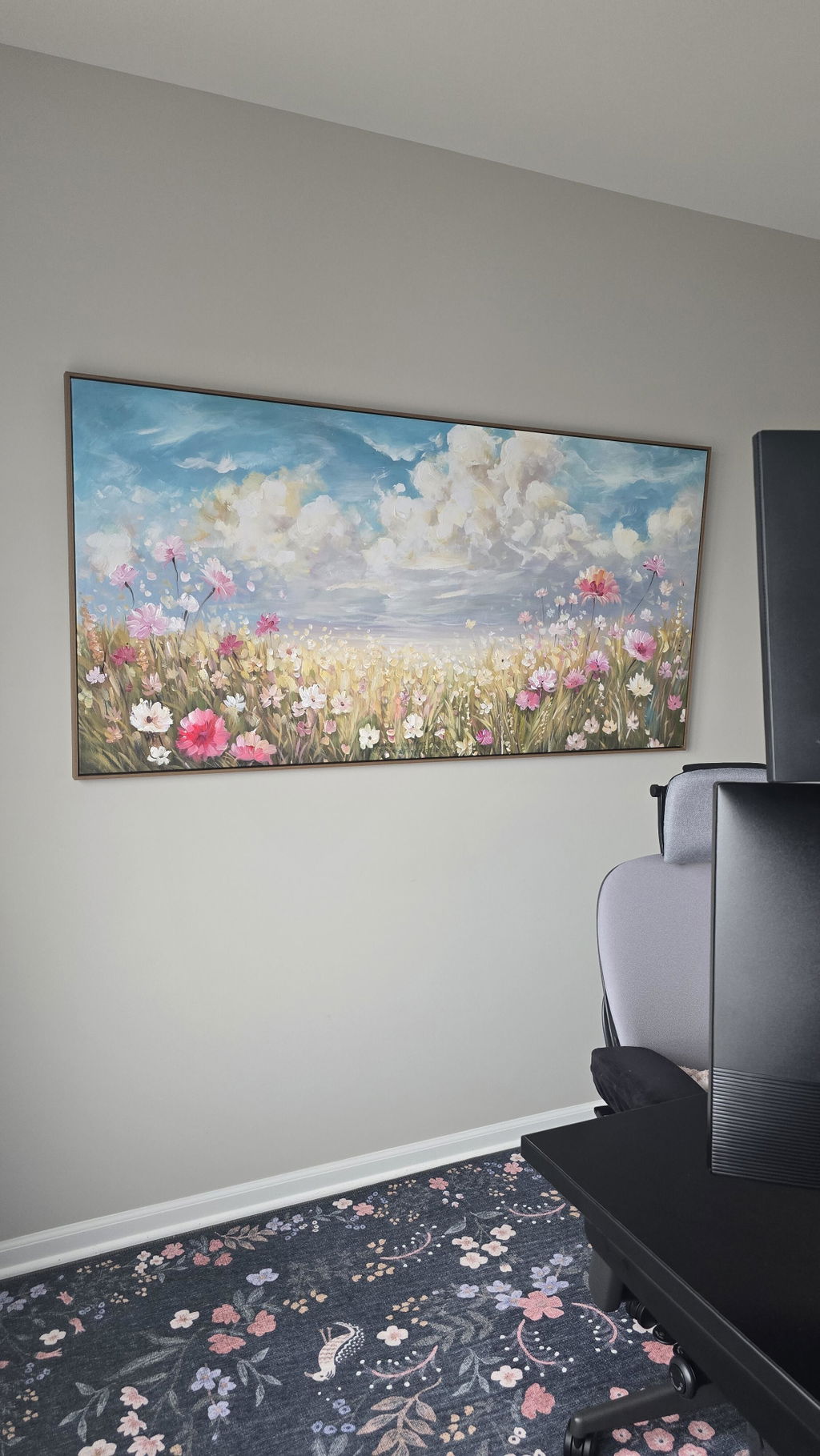
The Evolution of the Rental Canvas: Beyond the White Box
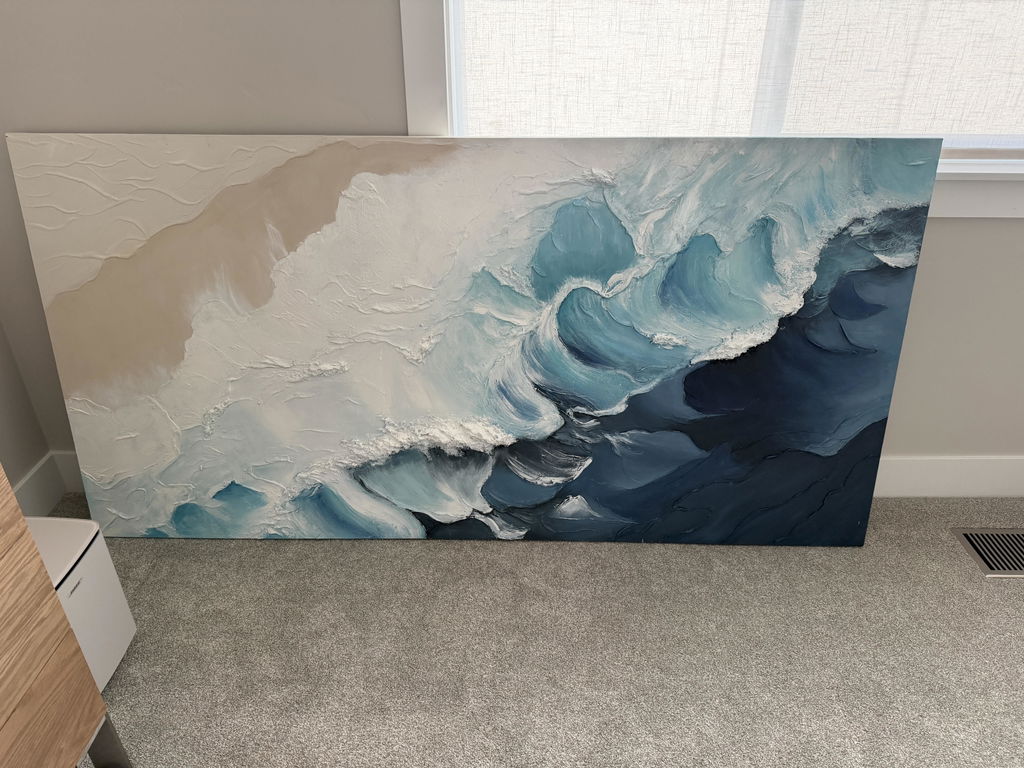
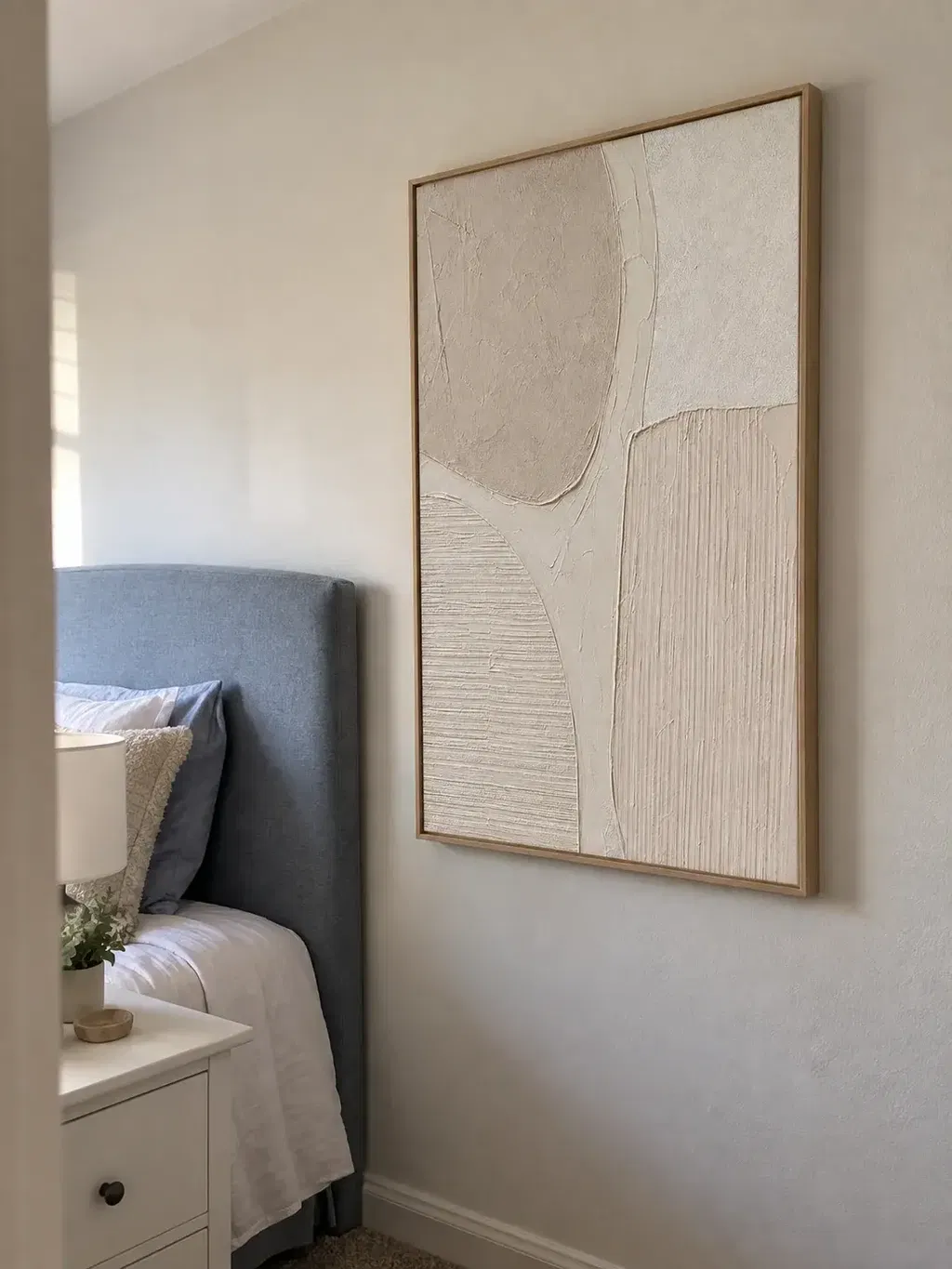
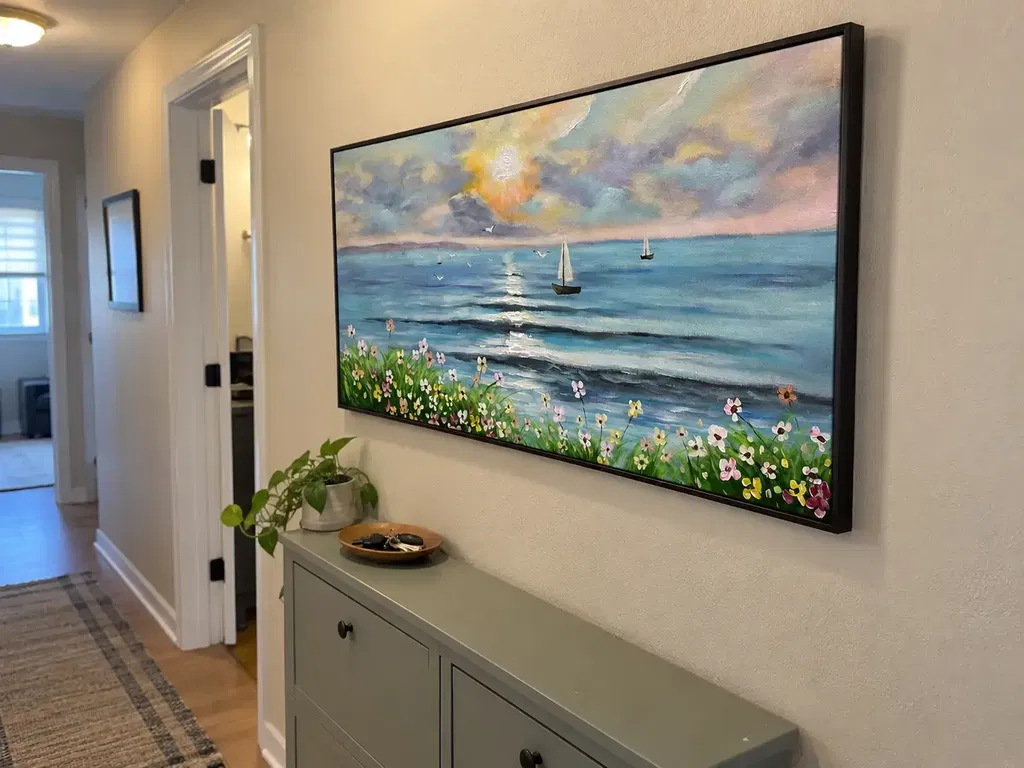
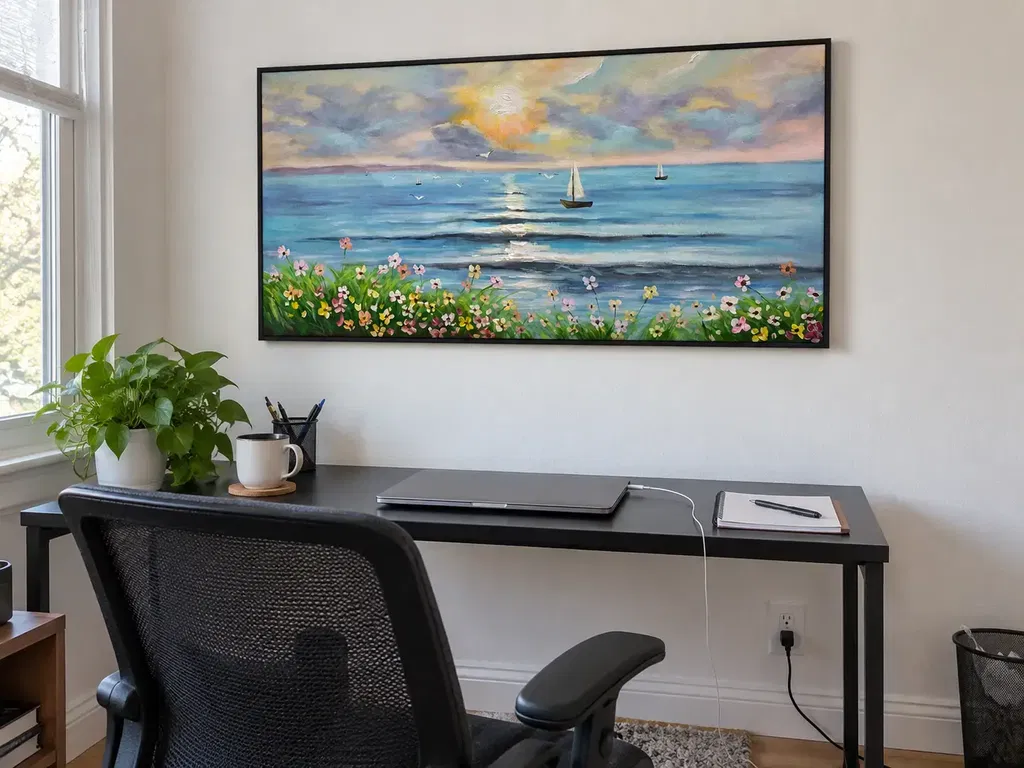
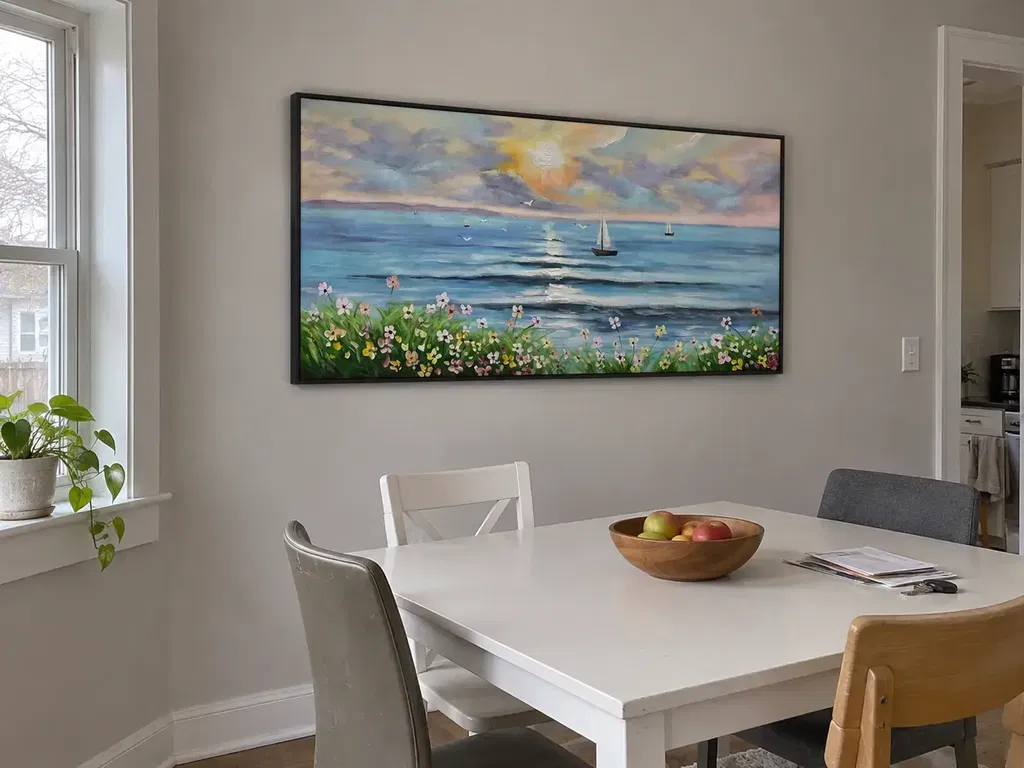
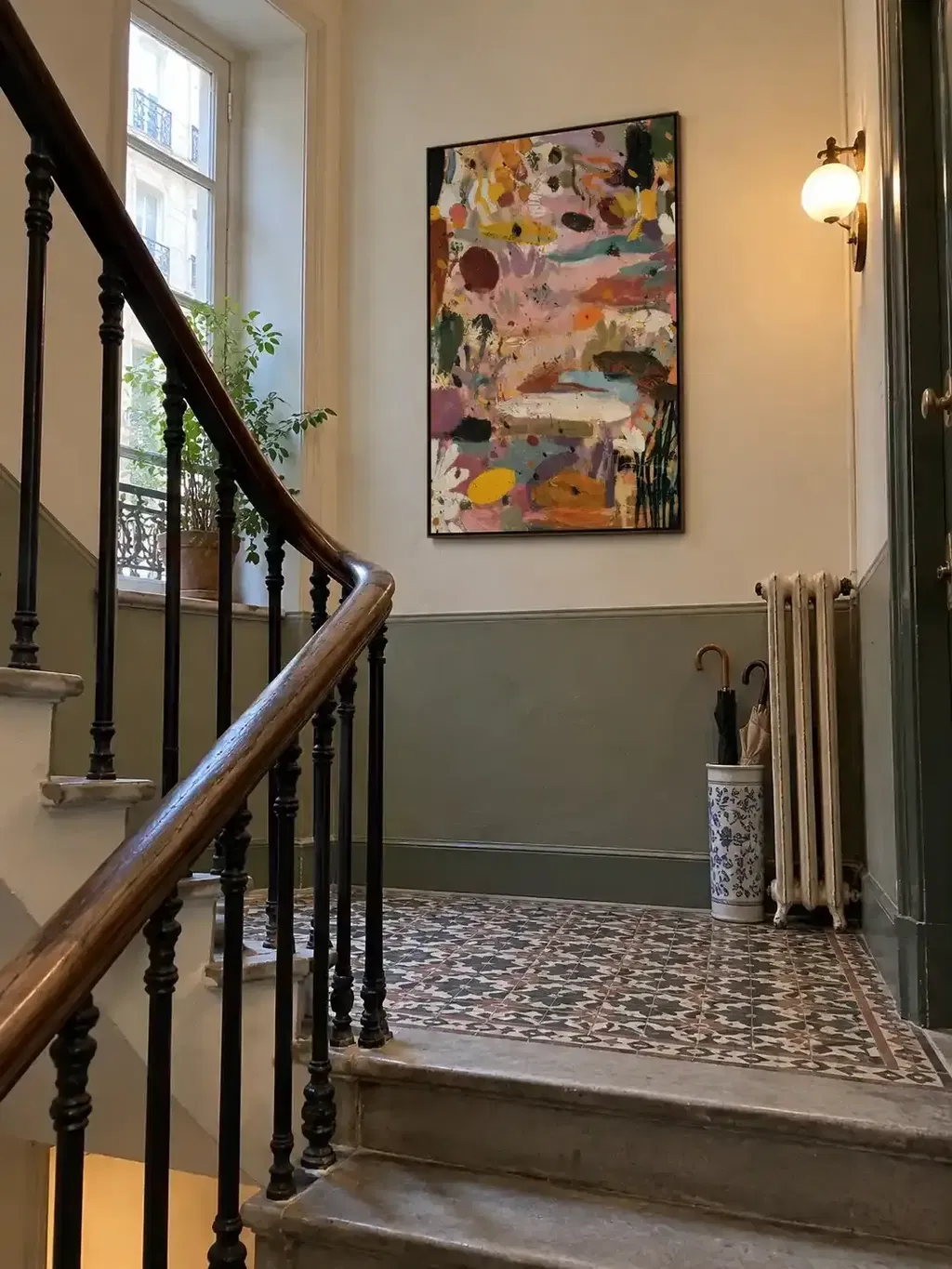
The modern art market is undergoing a structural correction. As high-end auction sales for vanity assets plummeted by 44% in 2024, a new consumer priority has emerged: real application value. According to Marketplace, buyers are retreating from speculative financial pieces in favor of art that provides authentic emotional connection. For the modern renter, this shift manifests as a desire for hand-painted murals and large-scale acrylic canvases that transform a temporary "white box" into a sanctuary of "essential identity" (University of Chicago).
However, renters face a unique mechanical friction: the inability to hardwire professional lighting. Traditional gallery setups require recessed cans or junction boxes—modifications that forfeit security deposits. The challenge is to achieve museum-quality illumination using non-permanent, damage-free solutions. This guide breaks down the technical physics of acrylic lighting, the chemistry of safe adhesives, and the practical strategy for illuminating art without a single drill bit.

The Science of Acrylic Illumination: Angle and Temperature
Lighting an acrylic painting is not merely about visibility; it is about managing the material's physical topography. Unlike flat digital prints, hand-painted acrylics possess a "micro-physical texture" where pigment thickness varies by millimeters. Optical microprofilometry proves that this texture is crucial to the artwork’s aesthetic soul.
The 30-Degree Glare Elimination Rule
A common industry heuristic suggests a 45-degree lighting angle for wall art. However, for acrylics—which often feature glossy binders or varnishes—this angle typically results in "hot spots" that wash out detail. In our analysis of gallery-style rental setups, we find that a 30-degree angle (measured from the wall) is significantly more effective.
By positioning the light source at 30 degrees, you ensure that the specular reflection (glare) is directed toward the floor rather than the viewer's eye. This steep angle also creates micro-shadows behind heavy brushstrokes, which MUNCH Museum research suggests exponentially increases viewer satisfaction by highlighting the physical relief of the paint.
Logic Summary: The Glare-Texture Tradeoff
- Heuristic: The "30-Degree Rule."
- Mechanism: Directs light to bounce off the glossy acrylic film at an angle that avoids the viewer's line of sight while maximizing the visibility of impasto texture.
- Boundary Condition: If the painting is exceptionally tall (over 60 inches), the light may need to be moved to 35 degrees to ensure the bottom of the canvas receives adequate footcandles.
Color Temperature: The 3000K Sweet Spot
While many modern LEDs default to a "cool" 4000K or 5000K, these temperatures often flatten the rich pigments found in hand-painted work. Research on acrylic color vibrancy indicates that temperatures between 2700K and 3000K (Warm White) provide the most natural appearance. This range enhances the depth of earth tones and reds without the "clinical" blue-shift that can make high-end art look like a mass-produced poster.
Damage-Free Hardware: Battery and Plug-In Solutions
For renters, the hardware must be entirely removable. We have categorized the most effective non-permanent solutions based on their operational reliability and aesthetic impact.
1. Battery-Powered Picture Lights
Modern LED picture lights have evolved beyond the dim, flickering units of the past. High-performance models now offer 100+ hours of runtime and high Color Rendering Index (CRI) ratings.
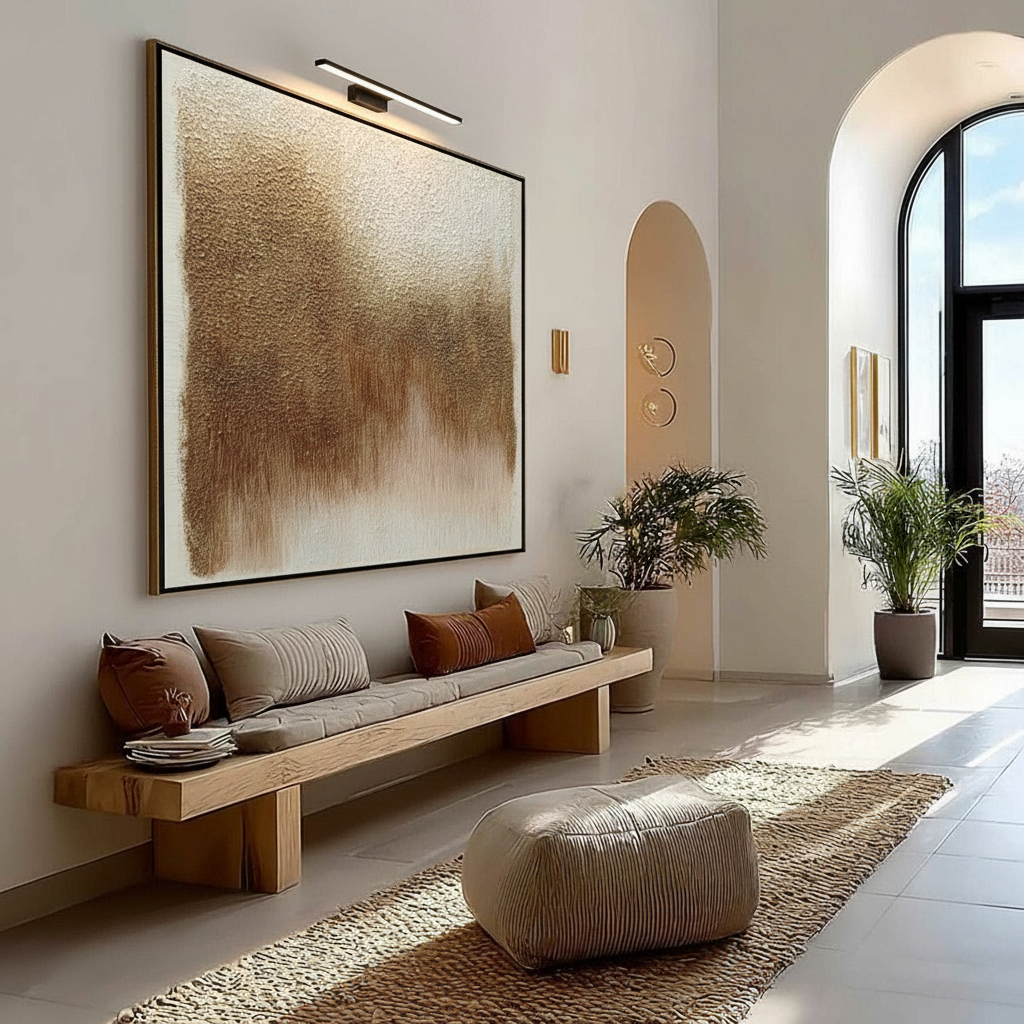
- Placement: Mount the light directly to the top of the frame or the wall using museum-quality adhesive strips.
- Operational Tip: Choose units with a remote control and timer. According to PowerBee, professional rental solutions now incorporate battery monitoring systems that alert you at 20% capacity, preventing "blackouts" during evening hosting.
2. Wireless LED Spotlights (Puck Lights)
If you are lighting a large mural or a gallery wall, individual puck lights offer more flexibility than a single picture light.
- Spacing Heuristic: Space puck lights every 12 to 18 inches along the ceiling line. This prevents "scalloping" (uneven pools of light) and creates a continuous wash.
- Distance: Maintain a distance of 24 to 36 inches from the wall. Placing lights too close creates harsh shadows that distort the artist’s intended forms.
3. Plug-In Track Lighting
For those who want the look of a permanent gallery, plug-in track systems are the "gold standard." These tracks can be mounted using heavy-duty adhesive channels. They offer the highest light output and allow for precise aiming of multiple heads.

The "Lighting First" Installation Workflow
The most frequent mistake in rental decor is hanging the art first and positioning the lights second. For acrylic works, the physics of glare requires a reversed approach.
- Calculate the 30-Degree Drop: Determine the height of your light source. Use a simple geometric calculation to find where the center of the artwork should sit to catch the light at 30 degrees.
- Test for Natural Light Interference: Rental spaces often have inconsistent window placement. Test your lighting setup at different times of day. A setup that looks perfect at 8 PM might be completely washed out by morning sun hitting the acrylic's surface.
-
Adhesive Load-Bearing Check: Not all "removable" adhesives are created equal. For canvases over 5 pounds, use strips rated for "museum-quality" use.
- Pro Tip: When removing, pull the tab parallel to the wall at a low angle. This prevents the "peeling" force that damages drywall paper.
Modeling Note: Adhesive Reliability
Parameter Value/Range Unit Rationale Max Load per Strip 1.5 - 2.0 lbs Based on standard large-strip heuristics Surface Temp 50 - 105 °F Adhesives fail in extreme heat/cold Cure Time 1 - 24 hours Full bond strength requires waiting before loading Texture Limit < 1 mm Adhesives require flat, non-porous surfaces Removal Speed < 5 cm/sec Fast removal increases risk of paint tearing Note: This is a scenario model based on common interior design practices, not a lab-controlled study.
The ROI of Art and Light: Wellbeing and Value
Investing in original art and professional lighting isn't just an aesthetic choice; it's a wellness strategy. A WHO scoping review of over 3,000 studies confirms that art interventions effectively alter clinical indicators for mental health. In corporate or home-office rental environments, nature-themed murals can reduce cognitive fatigue by 30% (University of Hawaii).
Furthermore, for those using their rental as a commercial or "flex" space, the presence of art has a direct economic impact. The Royal Society found that neighborhoods with higher "art" geo-tags saw greater relative house price gains. By treating your rental with the respect of a gallery, you are participating in a creative economy that adds $1.2 trillion to the U.S. GDP (NEA).
Material Integrity: UV Protection and Indoor Air Quality
When selecting lighting for acrylics, renters must consider the long-term health of both the artwork and the occupants.
Blocking the "Invisible Fader"
Acrylic polymers are long-chain molecules that form films through physical coalescence. While they are more resistant to embrittlement than oils, they are particularly vulnerable to UV damage. Standard battery-powered lights often lack UV protection. To preserve your investment, we recommend using LED lights with integrated UV filters or applying UV-filtering acrylic glazing to the frame, which blocks 98% of harmful radiation.
The VOC Factor
Indoor air quality is a critical concern in smaller rental units. The EPA warns that indoor air pollution can be significantly higher than outdoor levels. When commissioning murals or buying fresh acrylics, ensure the artist uses low-VOC pigments. Aalto University experiments prove that coatings on moisture-stable substrates emit significantly lower toxic compounds during the curing process, making them safe for maternal or infant environments.

Summary of Best Practices for Renter Art Lighting
To achieve a professional result without permanent modifications, follow this checklist:
- Prioritize CRI over Lumens: Look for lights with a Color Rendering Index (CRI) of 90 or higher to ensure colors appear as the artist intended.
- Manage Your Cables: Use adhesive-backed cable channels rather than tape. Channels provide a cleaner look and are less likely to pull paint upon removal.
- Monitor Your Humidity: Acrylic yellow pigments can swell by up to 7% in mass under high humidity (ResearchGate). Ensure your lighting setup doesn't contribute to localized heat pockets that could stress the paint film.
- Support Local Talent: Data from the NYC Comptroller shows that the freelance creative workforce remains financially vulnerable. Choosing hand-painted art over AI-generated prints supports real artists and provides you with a piece that retains its "essential identity."
By combining the physics of the 30-degree angle with modern, battery-operated LED technology, renters can finally break free from the limitations of their lease. You don't need a permit to create a masterpiece; you just need the right light.
Disclaimer: This article is for informational purposes only. When using adhesives on rental walls, always perform a patch test in an inconspicuous area. Consult your lease agreement before mounting heavy fixtures. Lighting setups involving high-capacity batteries should be monitored for heat; ensure all products are UL-listed for safety.