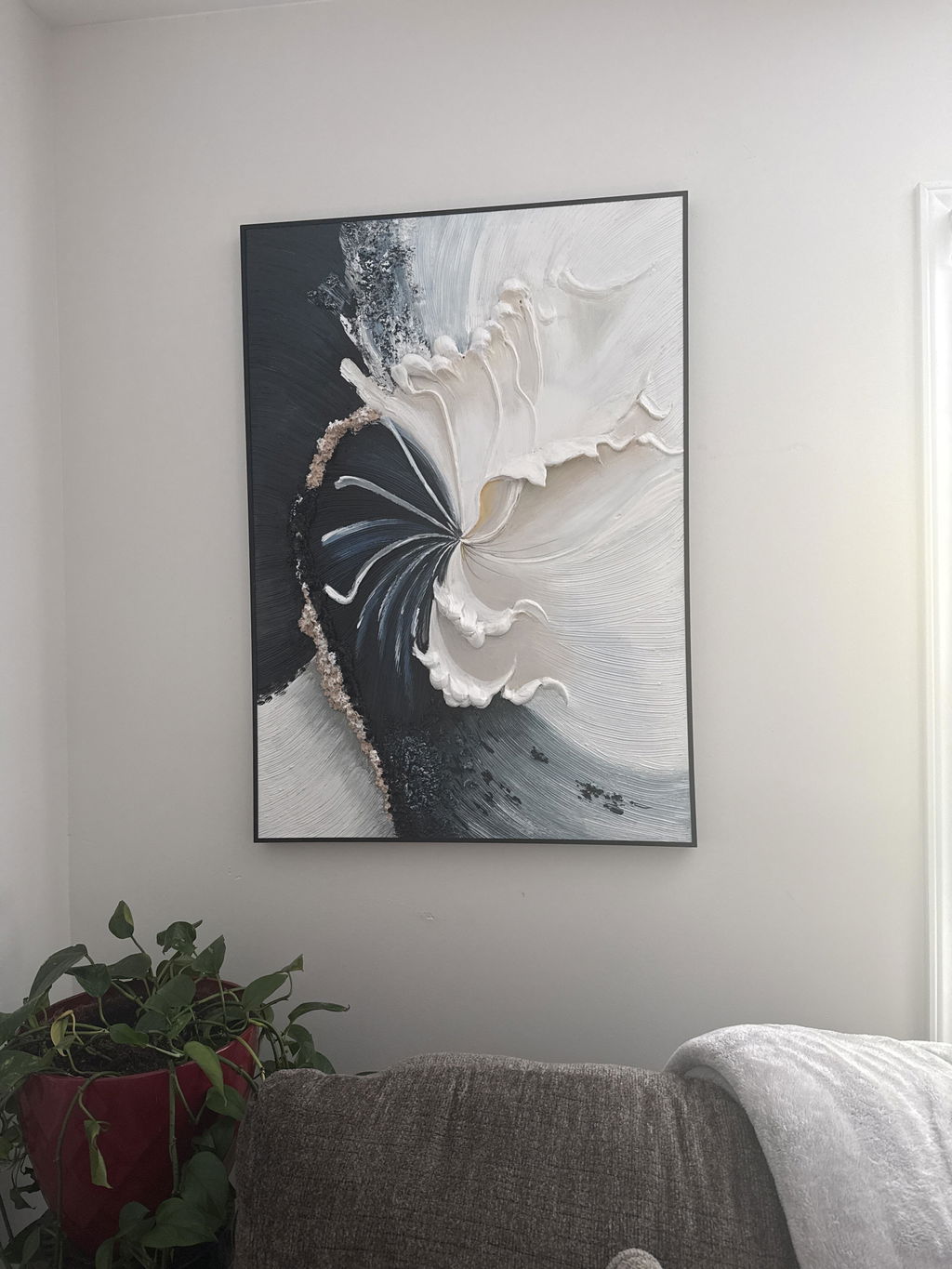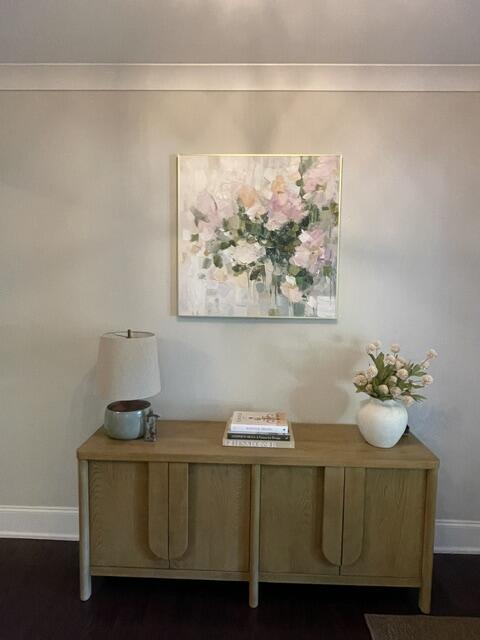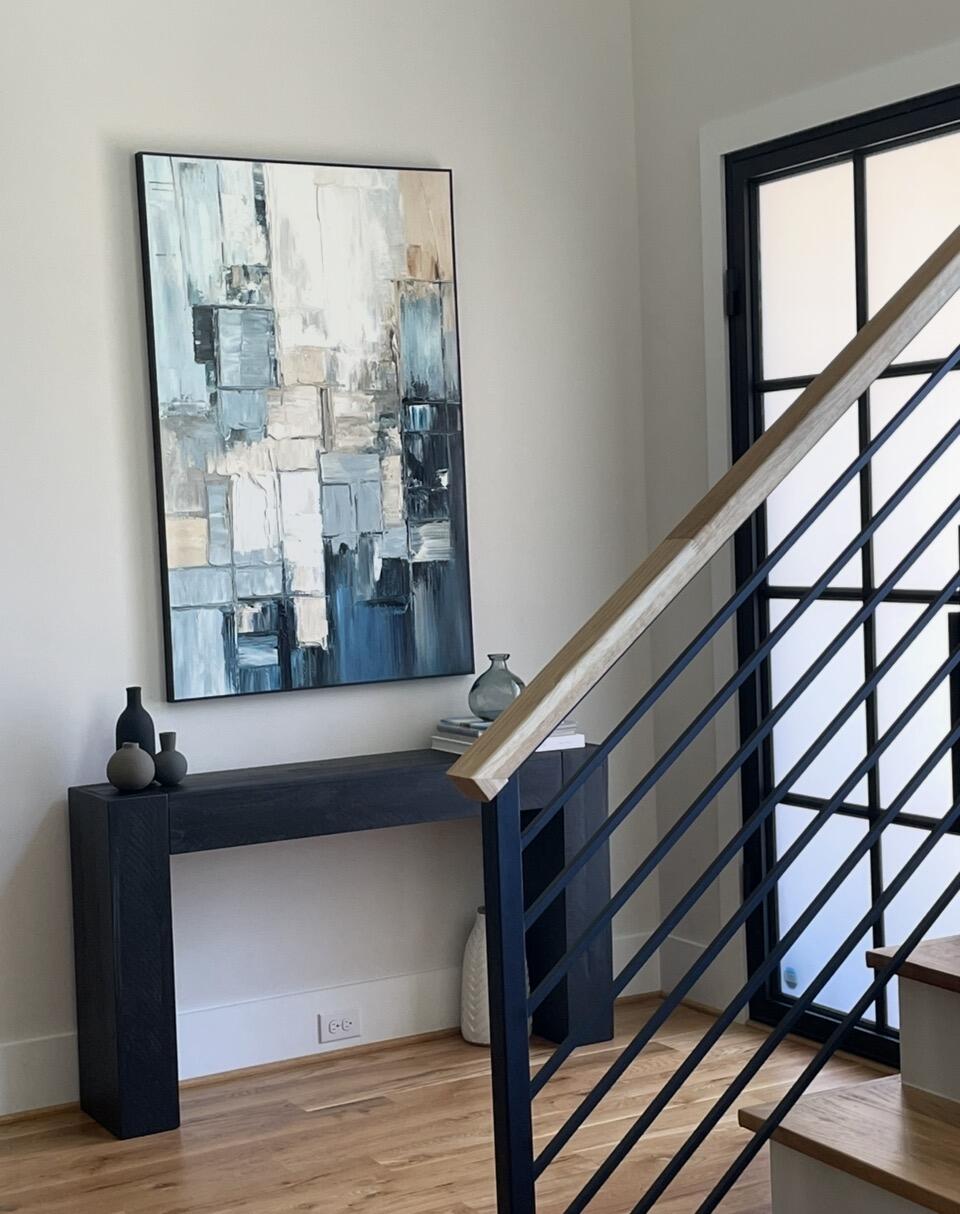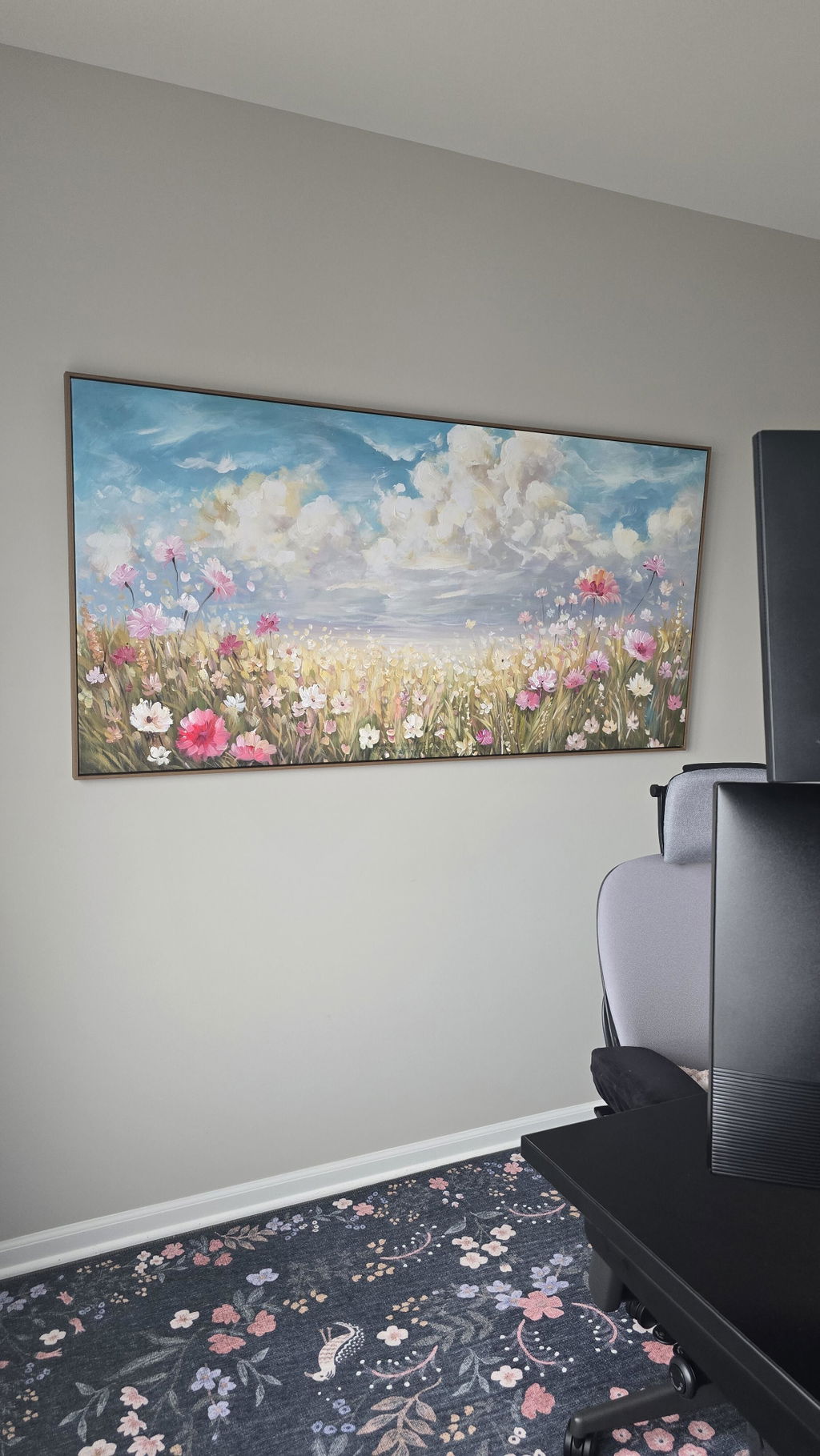
The Tactile Shift: Why Texture Defines Modern Luxury Art
The global art market is undergoing a structural realignment. While high-end auction sales for purely financial art assets plummeted by 44% in 2024, according to Marketplace, a different segment is thriving: art with "real application value." Modern collectors and interior designers are moving away from overpriced vanity pieces and toward authentic, hand-painted works that offer emotional resonance and tactile depth.
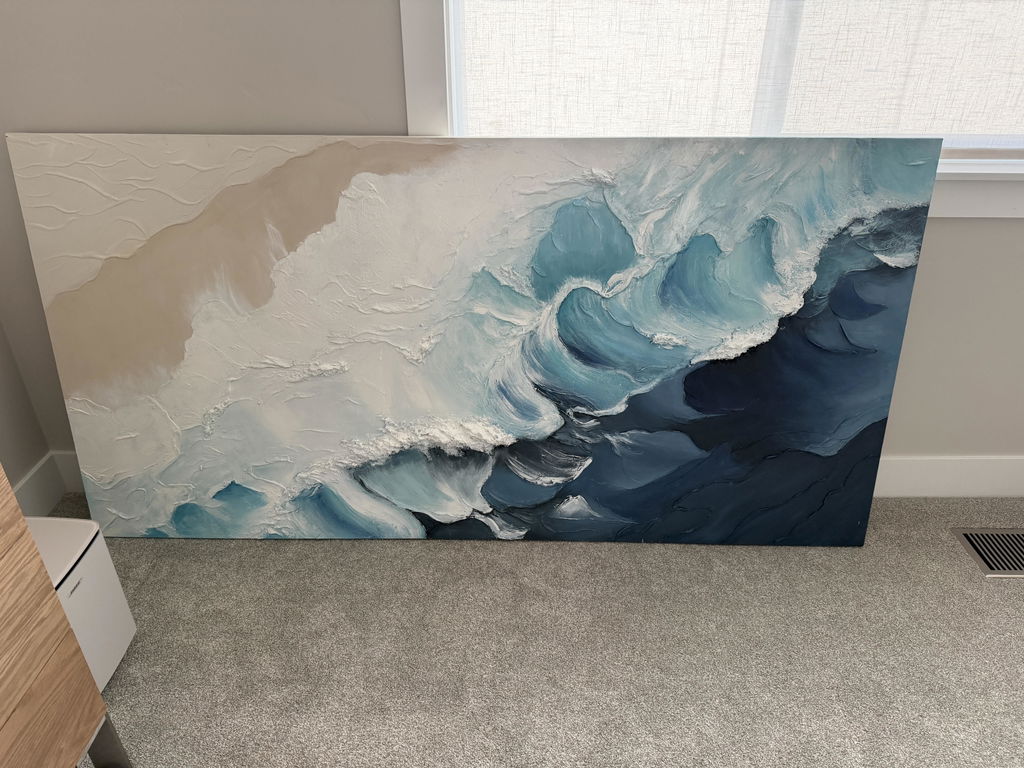
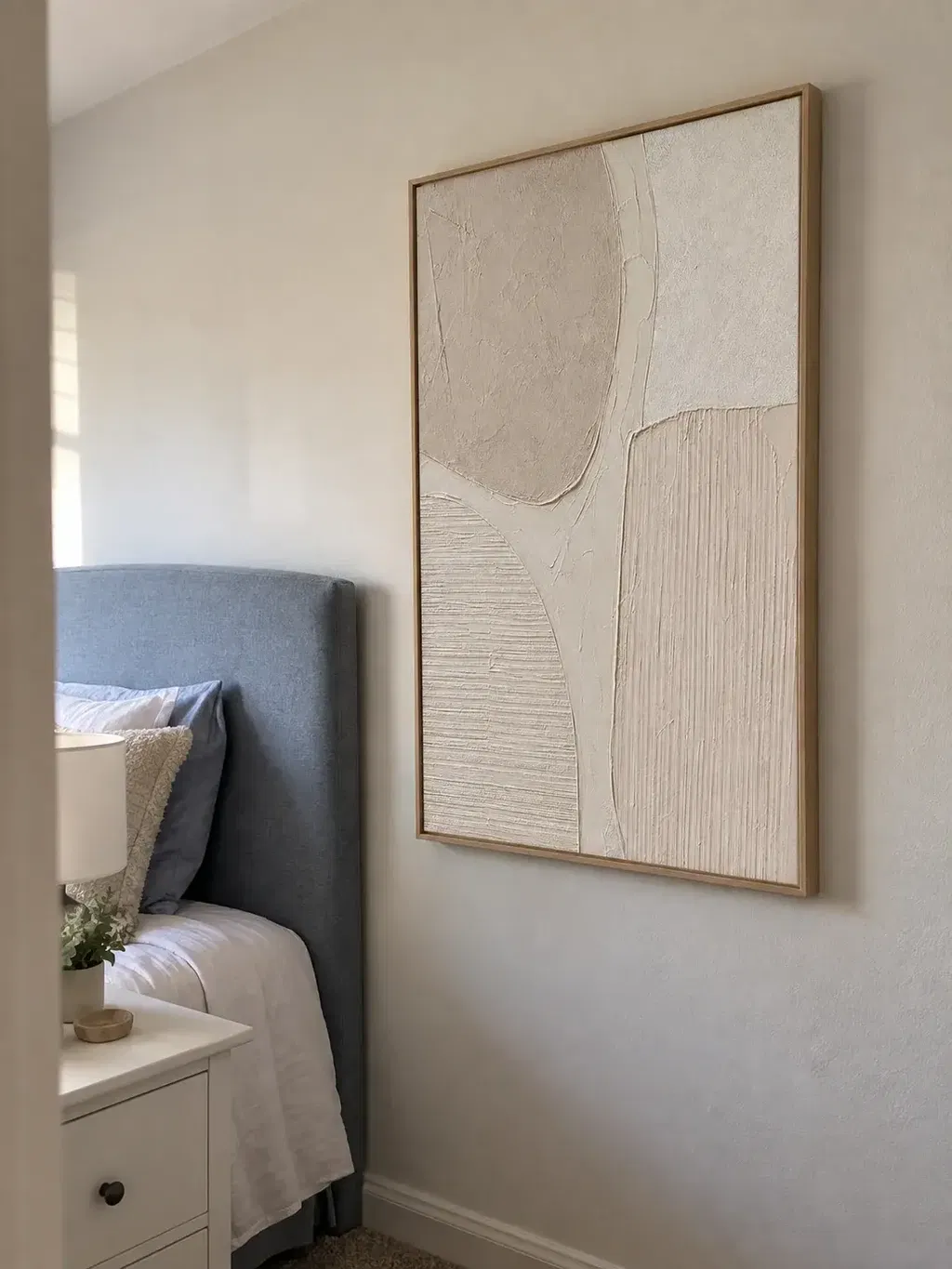
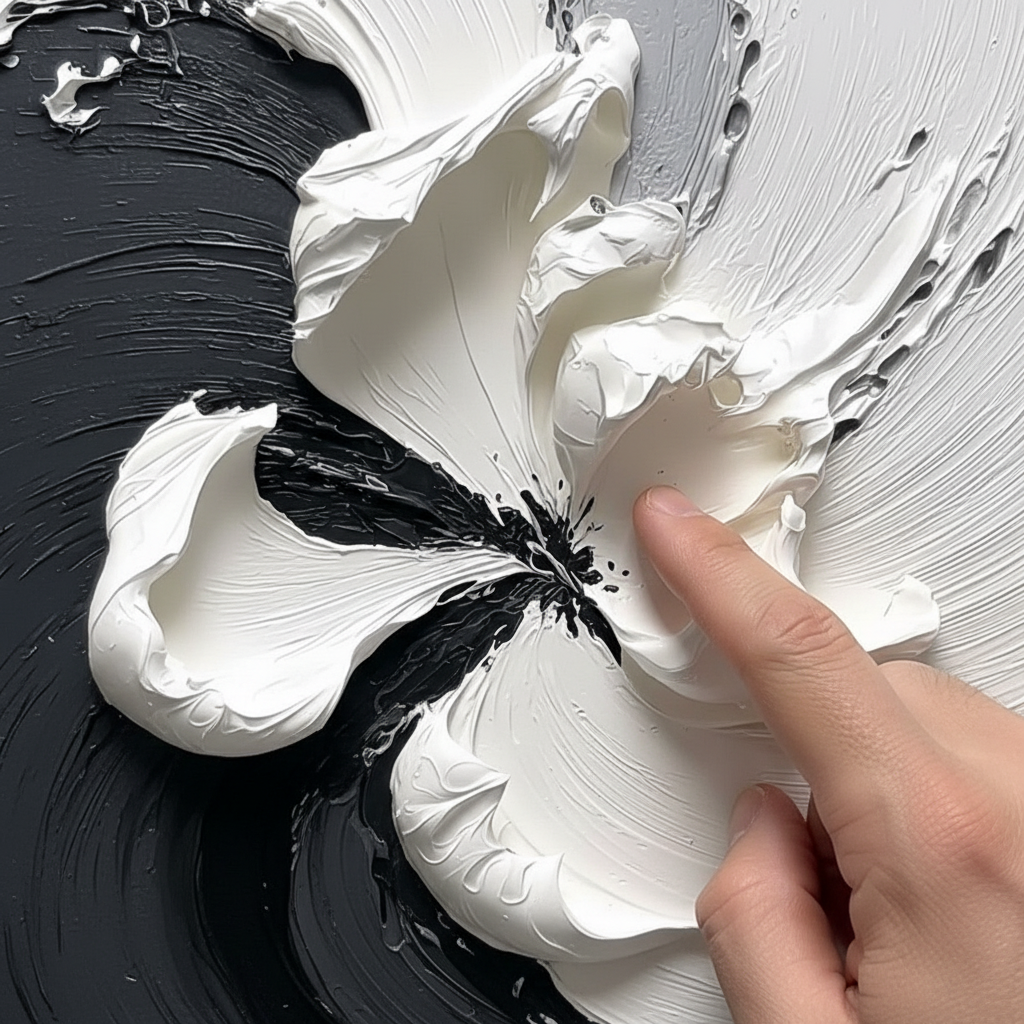
In an era dominated by flat digital screens and AI-generated prints, the physical "relief" of a painting—the way light catches a raised ridge of pigment—has become the ultimate hallmark of luxury. However, for a designer or homeowner, the challenge lies in predictability. Why does a palette knife mark stay crisp in one medium but appear "sunken" in another? Understanding the molecular mechanics of texture integrity is not just for artists; it is essential for anyone investing in the aesthetic longevity of a space.

Molecular Foundations: Oxidation vs. Evaporation
The primary difference between oil and acrylic texture lies in how they transition from a liquid to a solid. This process determines whether a palette knife's "peak" remains a sharp architectural element or softens into a rounded mound.
The Oil Curing Process: Structural Growth
Oil paint does not "dry" in the traditional sense; it cures through a chemical reaction called oxidation. When linseed or walnut oil is exposed to air, it absorbs oxygen, causing the molecules to cross-link into a complex, three-dimensional polymer network. Because this process involves adding oxygen rather than losing a solvent, the paint film maintains its volume.
According to research on air-drying artist's oil paint, this curing is a long-term evolution that continues for over 24 months. For the collector, this means that heavy impasto marks in oil maintain nearly 100% of their original height and "crispness" because there is no significant mass loss during the initial setting phase.
The Acrylic Drying Process: The Shrinkage Reality
Acrylics, conversely, are water-based emulsions. They dry through evaporation. As the water leaves the paint film, the polymer beads are forced together in a process called coalescence. This leads to what we identify as "dual shrinkage."
Modeling Note (Texture Integrity Scenario): Our analysis of texture loss in standard artist-grade acrylics assumes a typical water-to-polymer ratio.
Parameter Value/Range Unit Rationale Initial Water Content 30–40 % Standard emulsion specs Polymer Coalescence Shrinkage 5–10 % Molecular fusion loss Total Volume Reduction 35–50 % Compound effect Peak Height Retention ~50 % Observed relief loss Curing Duration 24–72 Hours Surface dry time Boundary Conditions: These estimates apply to "heavy body" acrylics without added structural gels. Results vary significantly with the use of high-solid-content mediums.
Based on industry observations and Thin Film Materials research, acrylic impasto marks can lose up to 50% of their original height. This "flattening" is the most common frustration for designers seeking the sculptural quality of palette knife work in an acrylic medium.

Long-Term Integrity: The "Haziness" and Softening Trap
Expertise in art selection requires looking beyond the first day of installation. Both oil and acrylics undergo physical changes over time that can alter their tactile appeal.
Surfactant Migration in Acrylics
A non-obvious "gotcha" in the world of acrylic art is the migration of surfactants. These are soap-like chemicals used to keep the pigment and polymer stable in the tube. Over 2 to 5 years, these surfactants (specifically polyethylene oxide-based types) migrate to the surface of the painting.
According to a literature review by the Tate Modern, this migration can cause a "haziness" or a tacky film that attracts dust. More critically for texture, this process can lead to "texture softening," where the once-firm ridges of a palette knife mark become slightly more pliable and prone to mechanical damage.
Support Induced Discoloration (SID)
For those specifying large-scale white or neutral textured pieces, a chemical phenomenon known as Support Induced Discoloration (SID) is a major risk. When thick layers of acrylic medium are applied to common cotton or linen canvases, the water in the paint can pull yellowing impurities out of the canvas fibers as it dries. As noted in Golden Artist Colors technical bulletins, this can lead to a catastrophic yellow or brown tint appearing within the deep crevices of the texture, often months after the piece is finished.
The Economic and Psychological Value of Human-Made Texture
Why does this technical minutiae matter to a property developer or a homeowner? Because the market values human labor and physical authenticity over digital replication.
The AI Valuation Gap
A study by Columbia University confirmed that consumers value art labeled as "AI-generated" 62% lower than authentic human-created art. The presence of irregular, hand-applied texture—marks that cannot be perfectly replicated by a printer or an algorithm—serves as an "authenticity certificate" that preserves the work's essential identity.
Art as a Property Value Catalyst
For commercial developers, the "texture" of a building’s art is a direct driver of revenue. Analysis by the Royal Society found that neighborhoods with higher art "geo-tags"—often driven by large-scale, textured murals—saw greater relative house price ranking gains. Furthermore, the Urban Institute reports that high-quality public art, such as intersection murals, can cause a 50% drop in pedestrian-involved traffic accidents, proving that visual texture has tangible social and safety benefits.

Safety and Sustainability: The Hidden Chemistry
When selecting art for residential or healthcare environments, the "smell" of the paint is often the first concern. However, the real risks are often odorless.
The VOC Myth
Many buyers assume that "odorless" solvents used in oil painting are non-toxic. However, Princeton University EHS guidelines warn that acute inhalation of mineral spirits can cause central nervous system issues, and chronic exposure can lead to brain damage.
For healthcare facilities seeking LEED or WELL certification, low-VOC (Volatile Organic Compound) materials are a strict requirement. In these cases, high-quality acrylics or oils thinned with walnut oil (which eliminates toxic turpentine) are the preferred choice. Data from Aalto University shows that coatings on wood with 16% moisture emit significantly lower VOCs during curing than dry wood, highlighting the importance of substrate preparation in indoor air quality.
Toxic Pigments: A Parent's Guide
If you are commissioning art for a nursery or a school, the pigment choice is as important as the medium.
- Cadmium: The International Agency for Research on Cancer (IARC) classifies cadmium as a Group 1 carcinogen. While beautiful, it poses a risk if the paint film is ever chipped or sanded.
- Lead White: Now largely banned in the EU under REACH regulations, lead white has been replaced by Titanium Dioxide.
- Titanium White: According to the NCBI, titanium dioxide now captures 90% of the global white pigment market due to its extreme hiding power and chemical inertness.
Designing for Wellness: The Biophilic Impact
Beyond the economics, the physical presence of art has a profound effect on human health. A review by UPenn’s Center for Neuroaesthetics noted that 73% of patients reported significant mood improvements when exposed to environmental artworks.
This is particularly true for "biophilic" designs—art that mimics natural textures and landscapes. The World Health Organization (WHO) has reviewed over 3,000 studies confirming that art interventions effectively alter clinical indicators for mental illness and brain injuries. In a workspace, nature-themed murals can reduce team cognitive fatigue by up to 30%, making them a high-ROI investment for corporate HR departments.
Decision Framework: Choosing Your Medium
For those balancing artistic authenticity with retail-grade certainty, use the following guide to determine which medium fits your project needs.
| Feature | Traditional Oil | Contemporary Acrylic |
|---|---|---|
| Texture Retention | Superior; holds sharp "peaks" without shrinkage. | Moderate; prone to 15–20% flattening. |
| Drying Time | Slow (weeks to months); allows for blending. | Fast (minutes to hours); ideal for tight deadlines. |
| Long-term Stability | Prone to embrittlement over decades; needs varnish. | Flexible; resistant to cracking but attracts dust. |
| Health Profile | Requires solvents (unless using walnut oil). | Water-based; generally lower VOCs. |
| Best For | High-end focal points, heirloom pieces. | Commercial projects, nurseries, quick turnovers. |
Professional Insight: The "Two-Pass" Technique
If you prefer the fast drying time of acrylics but demand the texture of oil, look for artists who utilize a "two-pass" technique. This involves applying a structural "base" layer of clear impasto gel to build the relief, followed by a second layer of pigmented paint once the first has partially shrunk and set. This effectively mitigates the 15-20% volume loss mentioned earlier.
Final Considerations for Designers and Collectors
Investing in hand-painted art is an investment in human craftsmanship. As the European Crafts Alliance 2025 outlook suggests, the ultimate luxury for modern consumers is the fusion of avant-garde design with authentic handcrafting techniques.
When selecting a piece, do not be afraid to ask about the materials. A reputable artist or gallery should be able to provide data on lightfastness (ideally ASTM D4303 compliant) and the specific binders used. For more on protecting your investment from environmental factors, see our guide on Saving Oil Art from Structural Moisture.
By prioritizing material integrity—whether it’s the oxidation-stable peaks of oil or the reinforced gels of high-end acrylics—you ensure that the "soul" of the artwork remains visible for decades to come.
Disclaimer: This article is for informational purposes only and does not constitute professional medical, legal, or financial advice. Pigments and solvents used in fine art can be hazardous; always consult safety data sheets (SDS) and follow local environmental regulations for disposal.