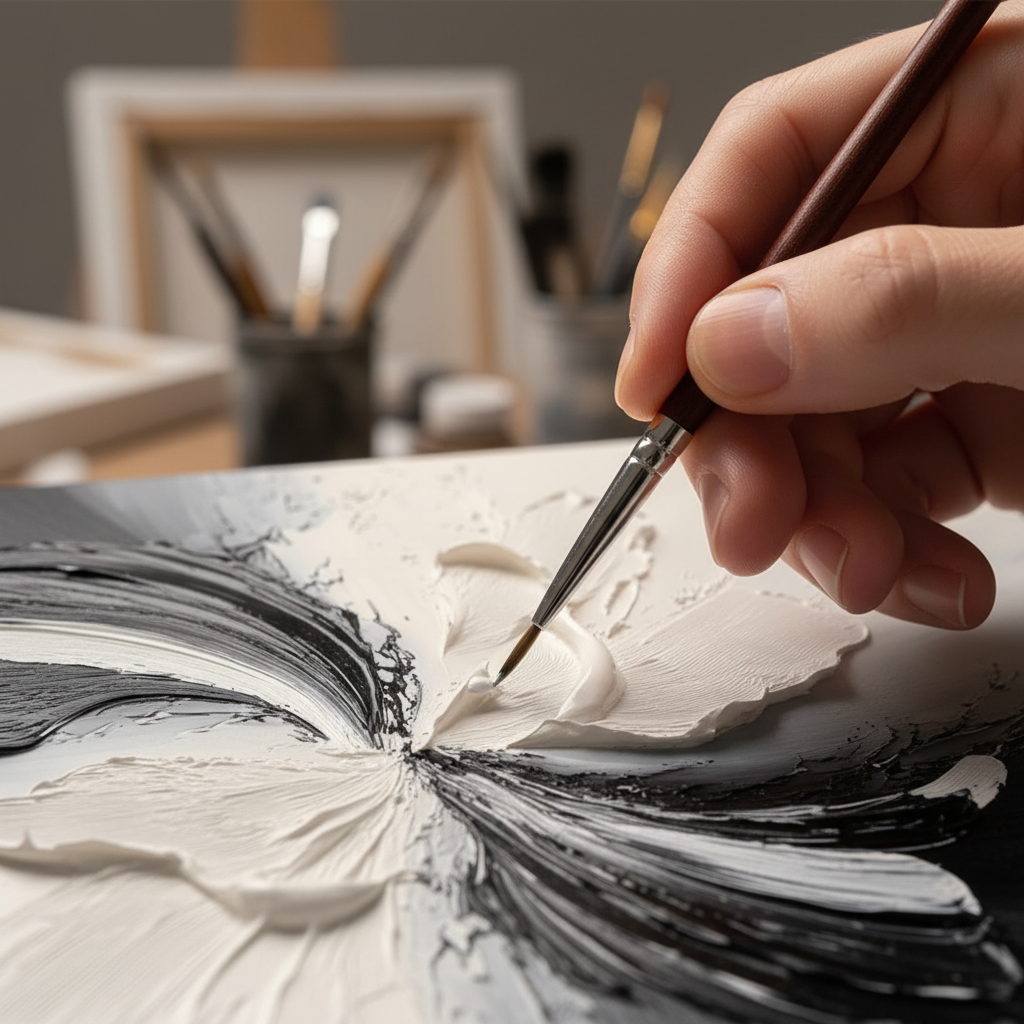
Micro-Detailing: The Invisible Labor of High-End Artistry
In the current global art landscape, a significant shift is occurring. While high-end auction sales for purely financial art assets—those exceeding $10 million—plummeted by 44% year-over-year in 2024, the demand for art with "real application value" remains robust. According to Marketplace, collectors are retreating from vanity auction pieces in favor of works that offer emotional resonance and authentic craftsmanship.
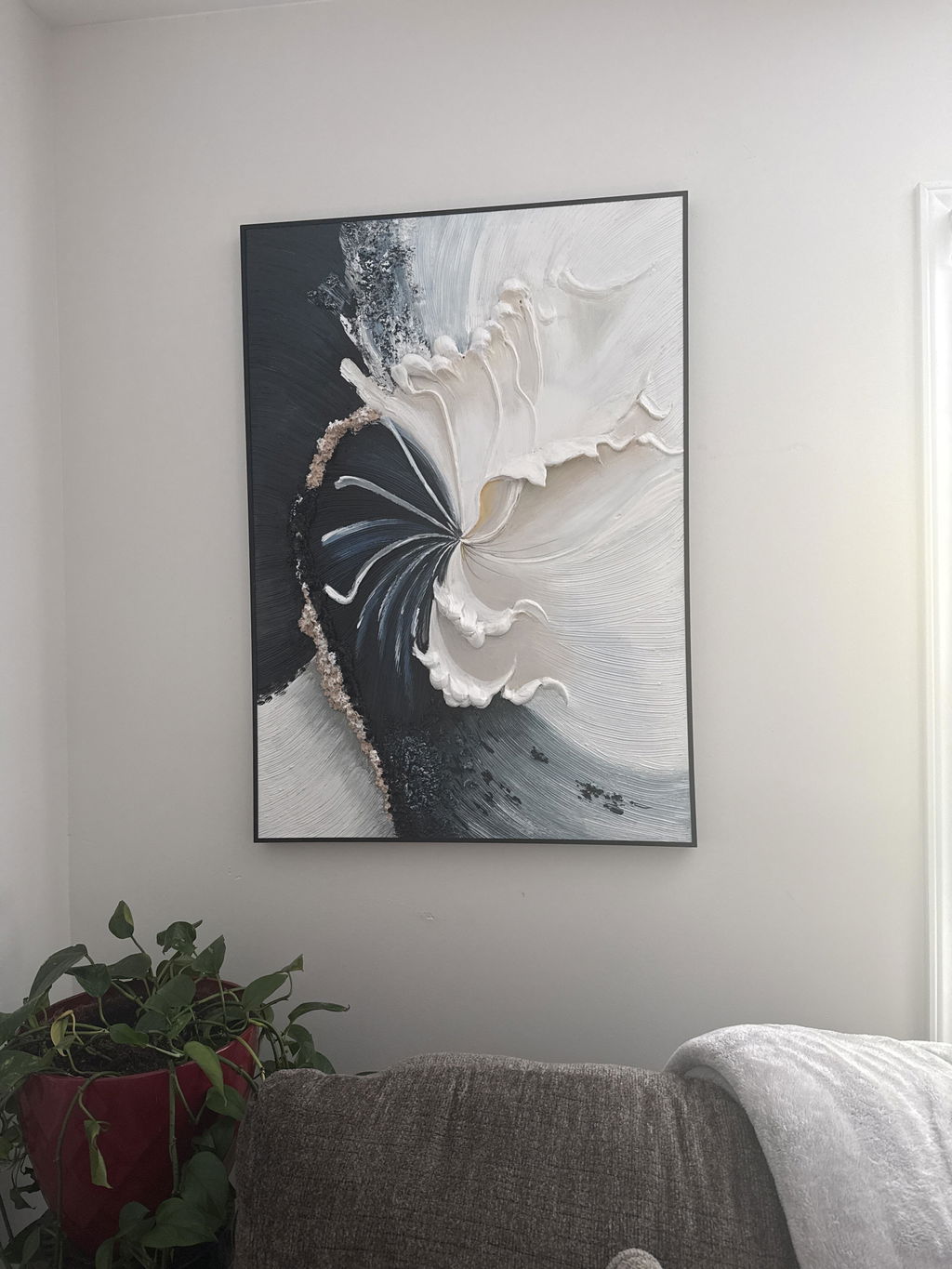
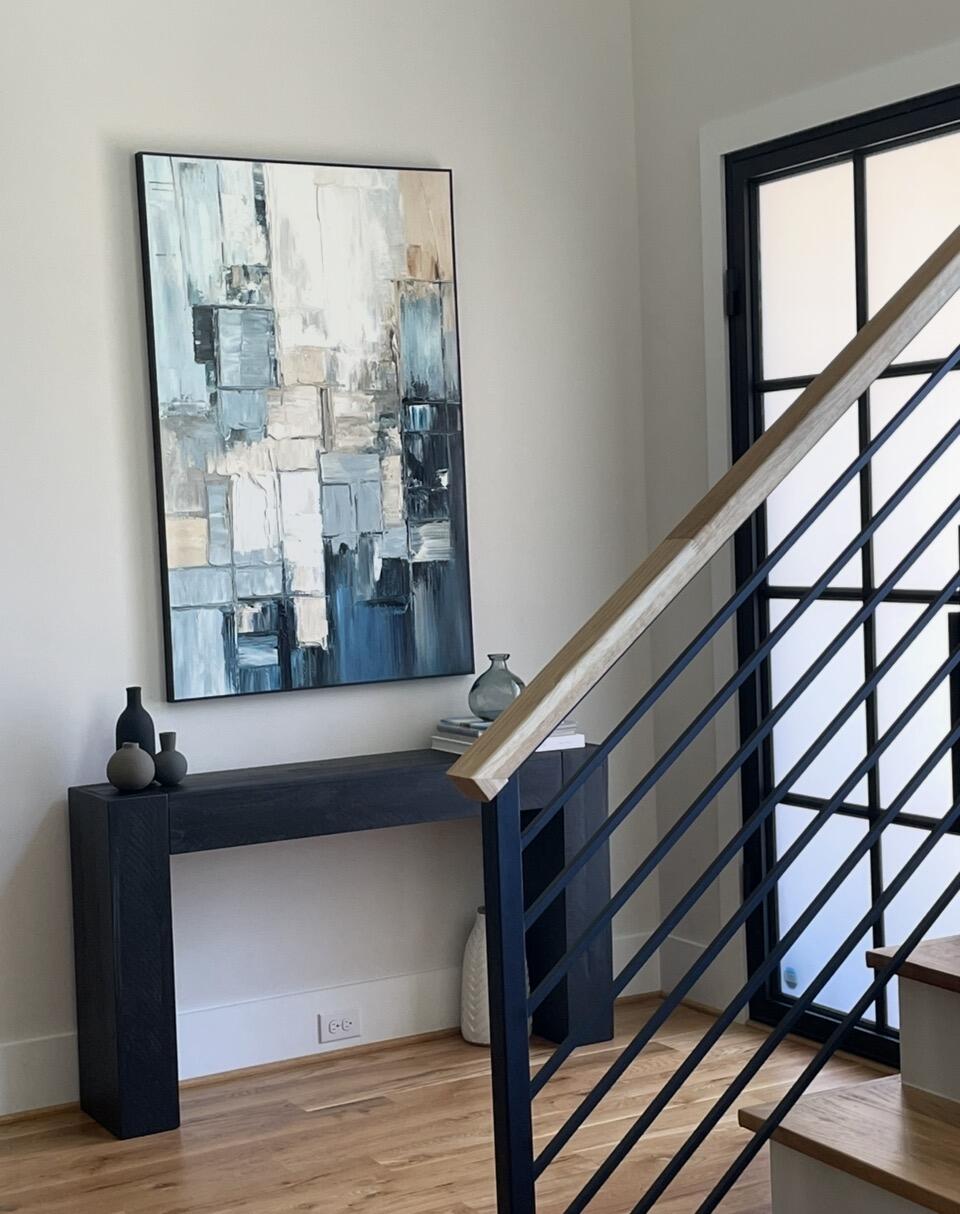
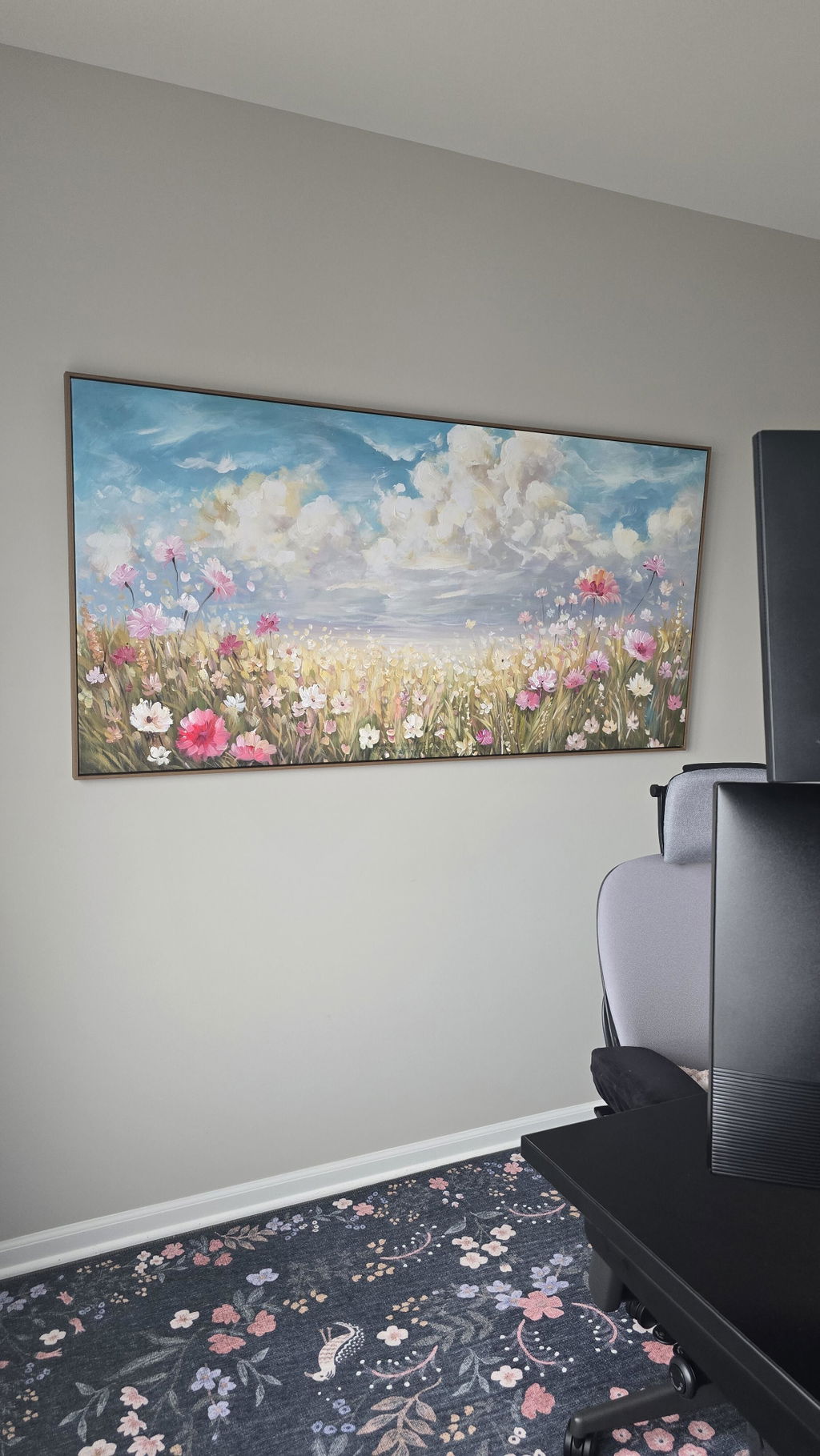
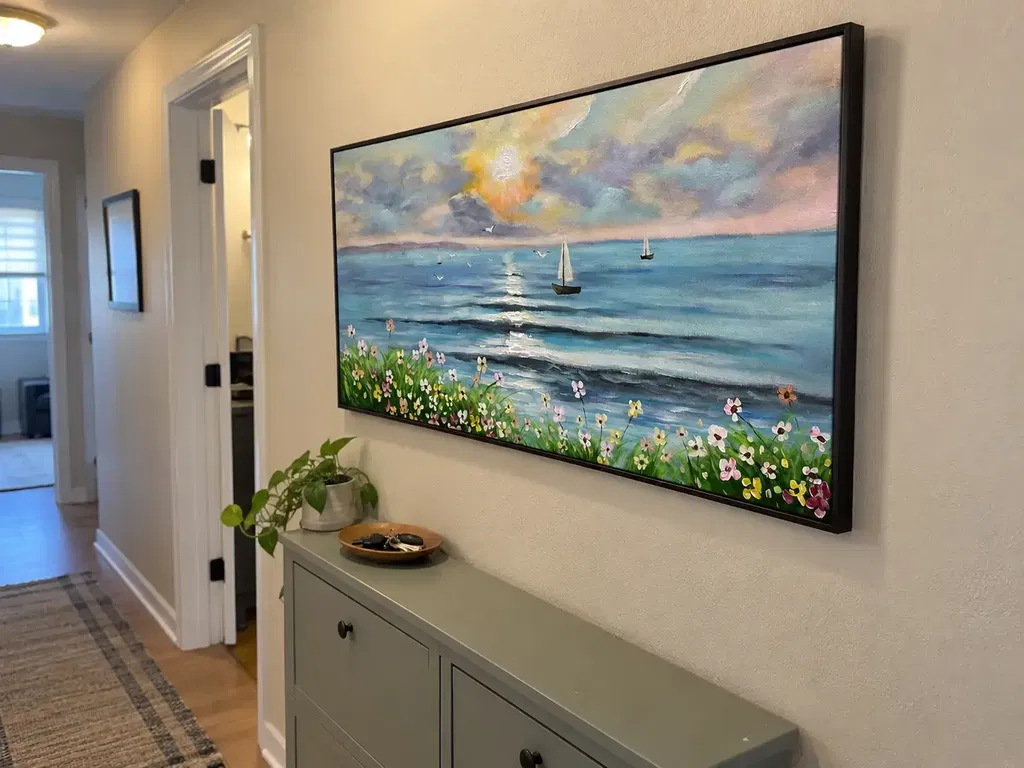
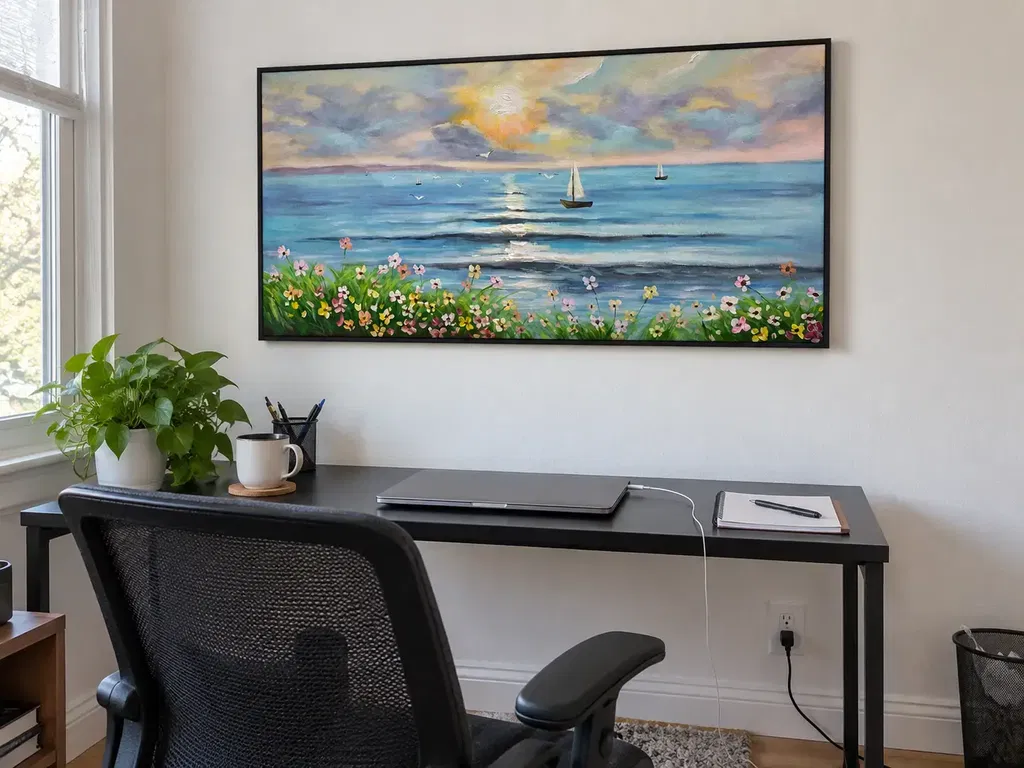
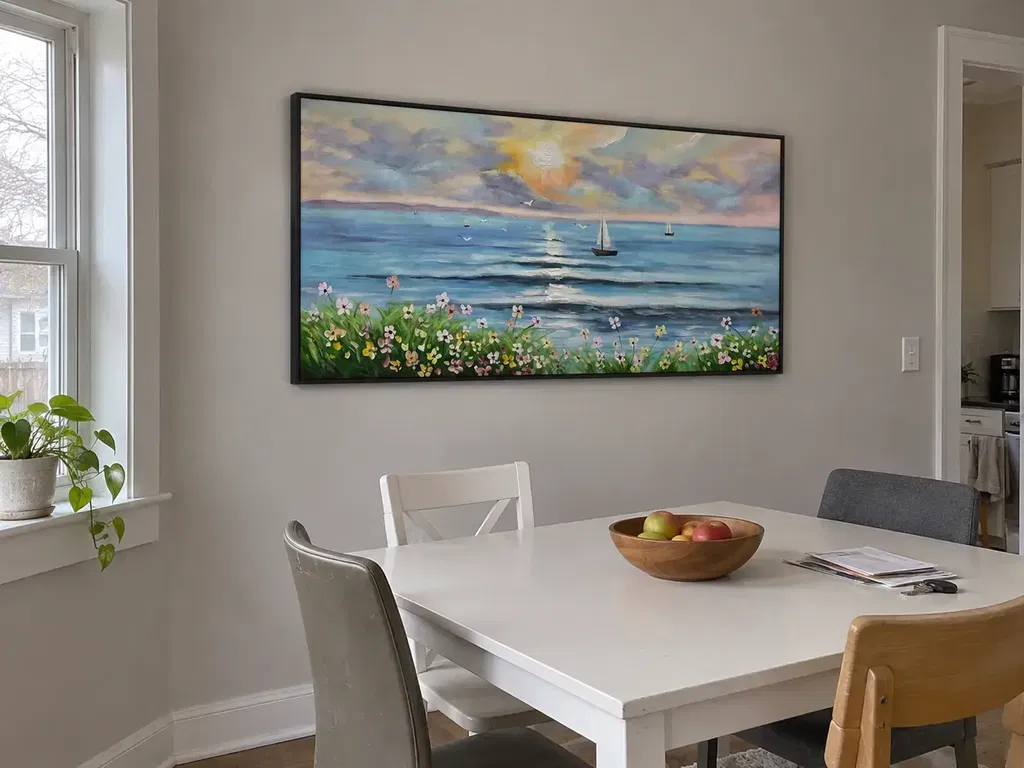
At the heart of this movement lies "micro-detailing"—the meticulous application of pigment using single-hair brushes, often under magnification. This is not merely a stylistic choice; it is a physical and temporal investment that distinguishes a masterwork from a mass-produced replica. For the discerning home decorator or interior designer, understanding this invisible labor is the key to justifying the premium pricing of hand-painted murals and canvases.

The Psychological Moat: Why "Human-Made" Commands a Premium
The commercial divide between human artistry and digital reproduction is backed by rigorous behavioral science. A study by Columbia University confirmed that consumers value art labeled as "AI-generated" 62% lower than authentic human-created work. This "human-made premium" stems from what University of Chicago researchers describe as "essential identity." Their empirical research shows that digital replicas and NFTs lack the artist's soul in the eyes of the consumer, causing a collapse in perceived value.
When we create a micro-detailed mural, we are not just applying paint; we are embedding a human signature into the architecture of a room. This is particularly relevant in the luxury sector, where "texture" has become the primary soul of high-end interior design for 2026.
Logic Summary: The Value Perception Model
- Premise: Perception of value is inversely proportional to the ease of reproduction.
- Mechanism: Human labor creates "Essential Identity" (UChicago), which triggers a 62% higher valuation (Columbia).
- Application: Micro-detailing serves as a physical proof of labor that digital prints cannot simulate.
The 30-Minute Rule: The Physical Cost of Precision
To the untrained eye, a highly detailed painting looks like a finished product. To the artist, it represents a series of high-stakes ergonomic sessions. Micro-detailing requires a level of neural control that suppresses the body's natural perceptual constancy illusions. Research from Stockton University reveals that top painters possess a unique ability to suppress these illusions through robust bottom-up neural control.
However, this mental and physical focus comes at a cost. In our studio practice, we adhere to the "30-Minute Rule." Most artists can only maintain peak precision for approximately 20 to 30 minutes before hand tremors from fatigue begin to compromise the work.
| Parameter | Standard Brushwork | Micro-Detailing | Rationale |
|---|---|---|---|
| Brush Size | #4 - #12 Rounds/Flats | 10/0 to 20/0 Liners | Precision requirements |
| Time per Sq. Inch | 5–10 minutes | 45–120+ minutes | Complexity of stroke |
| Physical Strain | Moderate (Shoulder/Elbow) | High (Wrist/Fine Motor/Eye) | Static posture requirements |
| Cost Multiplier | 1.0x (Baseline) | 3.0x – 5.0x | Time & skill scarcity |
| Lighting Needs | Ambient Natural | North-facing + Magnification | Minimize glare/parallax |
Table 1: Comparison of labor intensity between standard and micro-detailed painting. Data estimated based on MoMAA commission pricing heuristics.
This labor is often "invisible" until you consider the ergonomic interventions required. Academic research published via ResearchGate highlights that specialized handle designs are necessary to manage the repetitive strain injuries (RSI) inherent in precision work. When you pay for micro-detailing, you are compensating for the physical toll the artist's body takes to achieve that "wow" factor.
The Science of Surface: Microtopography vs. Flat Prints
One of the most common anxieties for buyers is the "quality perception vs. reality" gap. Why does a $5,000 hand-painted piece look "better" than a $50 high-definition print? The answer lies in microtopography.
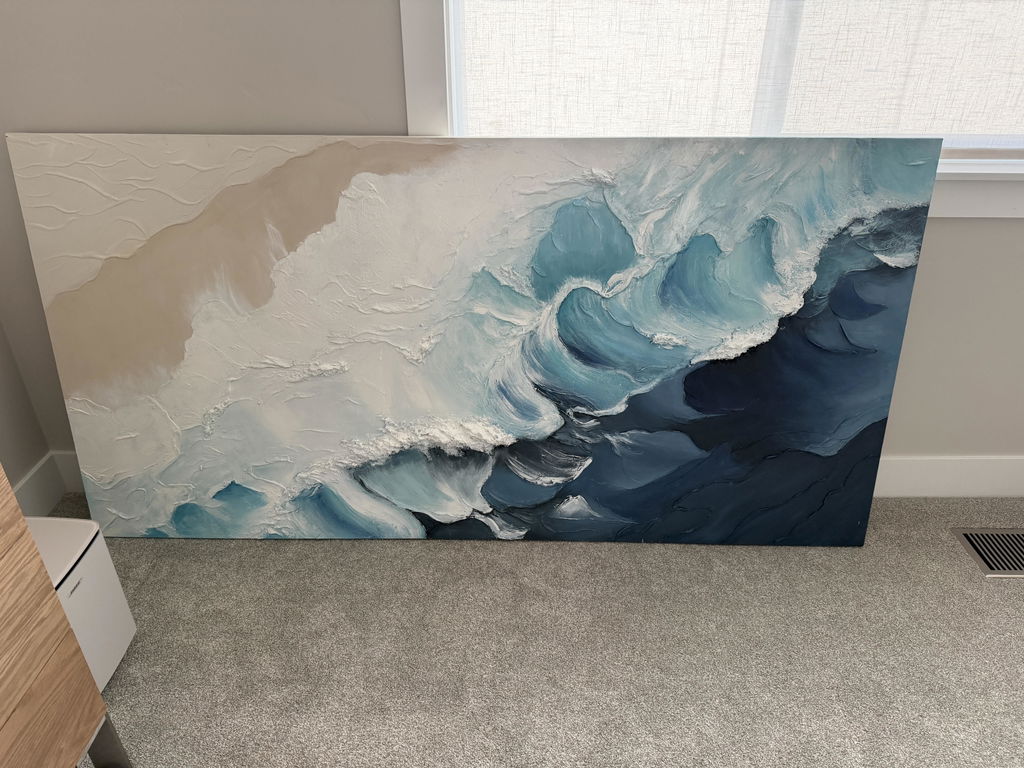
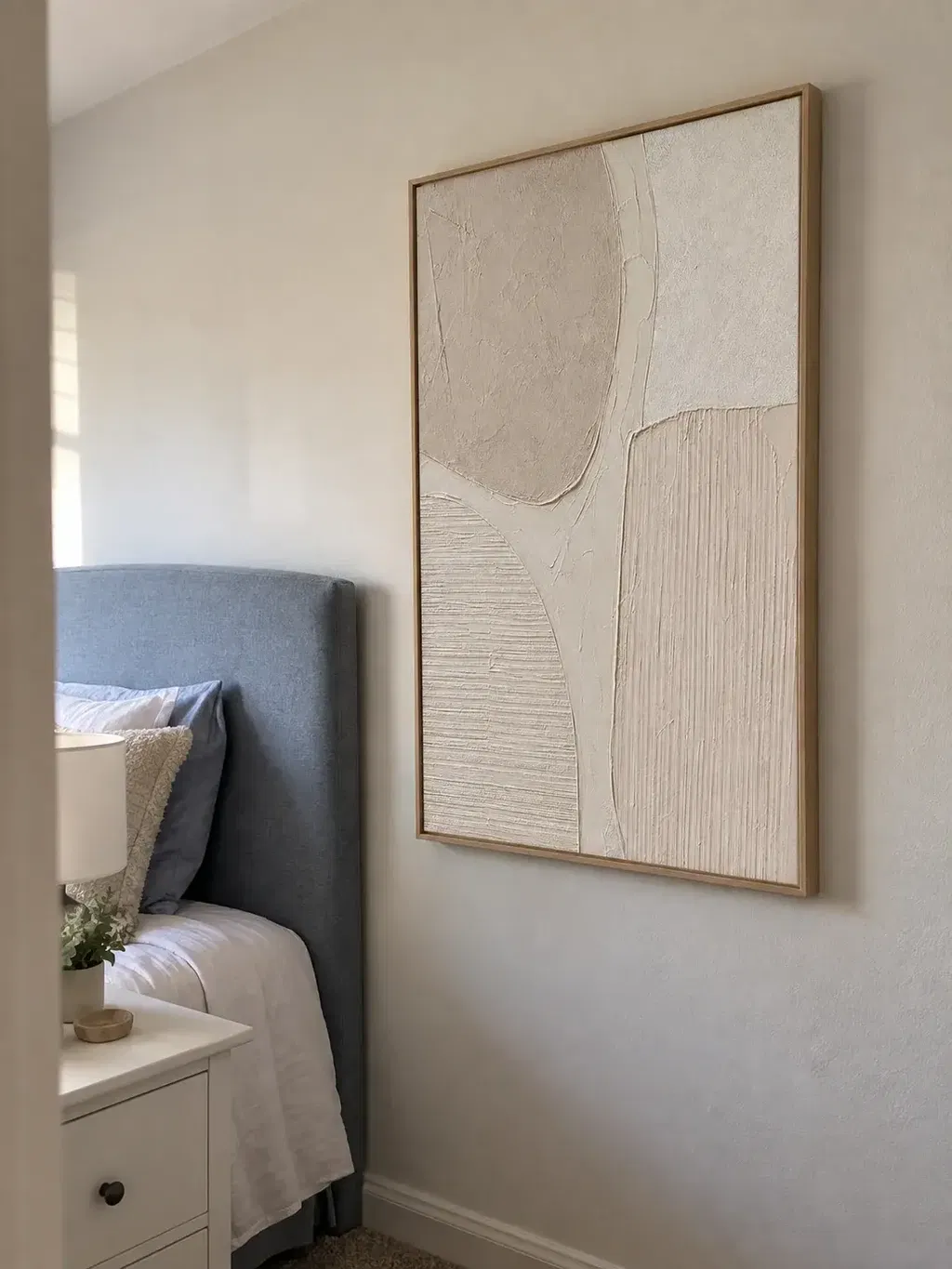
Optical microprofilometry proves that the mm-scale texture of oil and acrylic paintings is crucial to their aesthetic impact. According to Sensors (MDPI), the physical relief of paint creates shadows and highlights that change as you move through a room. This is known as "tactile fruition."
Furthermore, the Getty Conservation Institute uses the Kubelka-Munk equation to explain that pigment reflection is dominated by absorption and scattering coefficients. In a hand-painted work, the refractive index of real pigments creates a depth of color saturation that a CMYK printer—which relies on flat dots of ink—simply cannot replicate.

Health, Safety, and the "Green Building" Imperative
For high-end residential and healthcare projects, the "craftsmanship" claim must be balanced with safety. The CDC NIOSH warns that chronic inhalation of volatile organic compounds (VOCs) in traditional oil paints can lead to central nervous system neuropathy.
We address this by utilizing low-VOC acrylics and walnut-oil-based mediums that eliminate toxic turpentine. This is critical for clients seeking LEED or WELL certifications. According to the EPA, indoor air quality is a strict prerequisite for large healthcare facilities.
Methodology Note: The Indoor Air Quality (IAQ) Promise
Our safety protocols are modeled on the Aalto University chamber experiments, which proved that specific coatings on moisture-controlled substrates emit significantly lower VOCs than standard industrial paints. We treat art as "public health infrastructure," especially in clinical settings where nature-themed murals have been shown to reduce patient stress by 61% (UPenn Review).
The Economic Catalyst: Murals as Real Estate Assets
Beyond aesthetics, hand-painted art serves as a powerful economic lever. For commercial developers, commissioning a unique mural is a "marketing trump card." Data from the Royal Society found a direct correlation between high "art" geo-tags and relative house price ranking gains.
In Chicago, the Millennium Park public art projects drove $1.4 billion in real estate-related growth (NC Realtors). For a business owner, a hand-painted exterior is not just decor; it is a "permanent physical billboard" that generates pedestrian foot traffic. Regression analysis from the University of Cincinnati confirms that murals remain directly correlated with significant pedestrian increases, even when controlling for urban density.
Case Studies in Application
Scenario A: The Luxury Powder Room
In the NKBA 2025 Design Awards, a dominant trend emerged: "wrapping mural wallpaper entirely around the walls" to create immersive escapism. For a private homeowner, a hand-painted panoramic mural in a powder room transforms a functional space into a gallery-level experience. By using micro-detailing on focal points—such as the veins of a leaf or the iris of a bird's eye—we create a "discovery moment" for guests.
Scenario B: The Tech Headquarters
Corporate HR departments are increasingly using "Biophilic Design" to combat employee burnout. Research from the University of Central Arkansas shows that nature-based murals produce the same stress-reduction effects in the brain as real outdoors. In high-density office spaces, like those studied in Tokyo, these interventions effectively reduce cognitive fatigue.
Preserving the Investment: The Maintenance of Detail
A common pitfall for buyers is improper cleaning. Heavily textured micro-details are fragile. We recommend the "Museum Method" for maintenance:
- Dusting: Use a soft-bristled goat hair brush. Never use a cloth, as fibers can snag on raised paint ridges.
- Cleaning: For acrylics, a gently dampened cotton swab can remove free surfactants that migrate to the surface (Tate Modern TAAMPP Project).
- Protection: Ensure the work is finished with a UV-protective varnish to prevent "chalking" and photochemical aging (PMC Research).

The Future of Craftsmanship
As we move toward 2026, the global creative economy—already accounting for 3.1% of global GDP (UNCTAD)—is doubling down on the "New Consumer of Crafts." This demographic values the fusion of avant-garde design with authentic handcrafting techniques as the ultimate luxury (European Crafts Alliance).
When you invest in a micro-detailed work, you are not just buying a product; you are supporting a fair-trade ecosystem. We adhere to the Wharton School's findings that 87% of consumers believe artists deserve fair compensation. By prioritizing human labor over algorithmic generation, we ensure that the "essential identity" of the artist remains a permanent fixture in your home or business.
YMYL Disclaimer: This article provides information regarding the chemical properties of art materials and their environmental impact. It is for informational purposes only and does not constitute professional health, safety, or legal advice. Always consult with a certified industrial hygienist or environmental professional when planning large-scale installations in sensitive environments.
References
- Marketplace (2025): The expensive art market continues to struggle
- Columbia University (2024): Human-Made vs. AI Art: Consumer Perception Study
- University of Chicago (2024): Does Artwork Preserve Essential Identity?
- Royal Society (2016): Quantifying the link between art and property prices
- UPenn (2025): Visual Art in the Built Environment: A Critical Review
- World Health Organization (WHO): Scoping Review on Arts and Health
- Tate Modern: The Tate AXA Art Modern Paints Project (TAAMPP)
- CDC NIOSH: Paint and Coating Hazards