Texture as Branding: Using Impasto to Signal Luxury Innovation
The high-end art market is undergoing a structural correction. While vanity auction sales for pieces exceeding $10 million plummeted 44% year-over-year in 2024, a more grounded demand is emerging. According to Marketplace, buyers are retreating from purely financial art assets and returning to "real application value." For commercial developers and luxury interior designers, this shift marks the end of the "poster era" and the rise of performative authenticity.
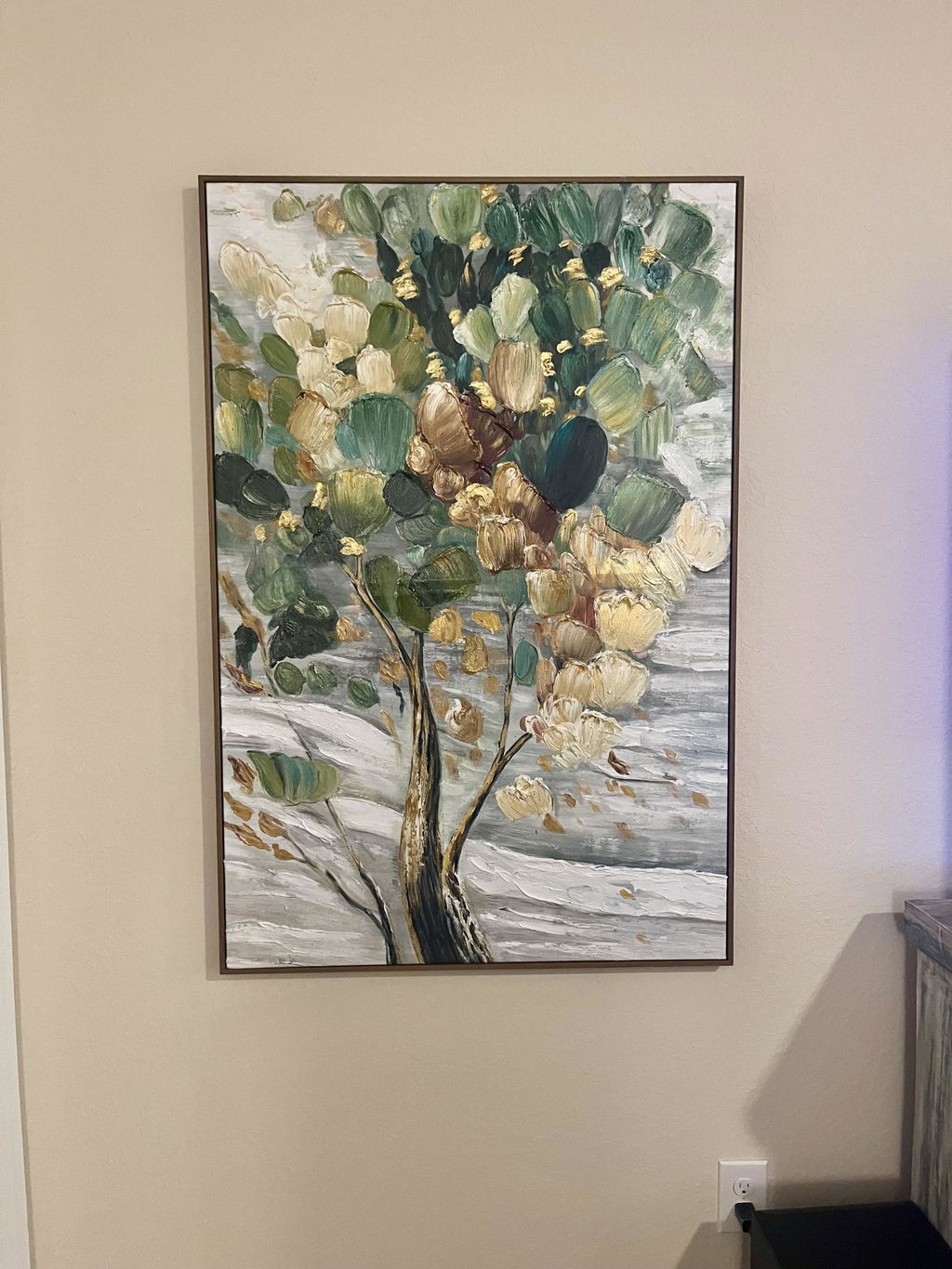
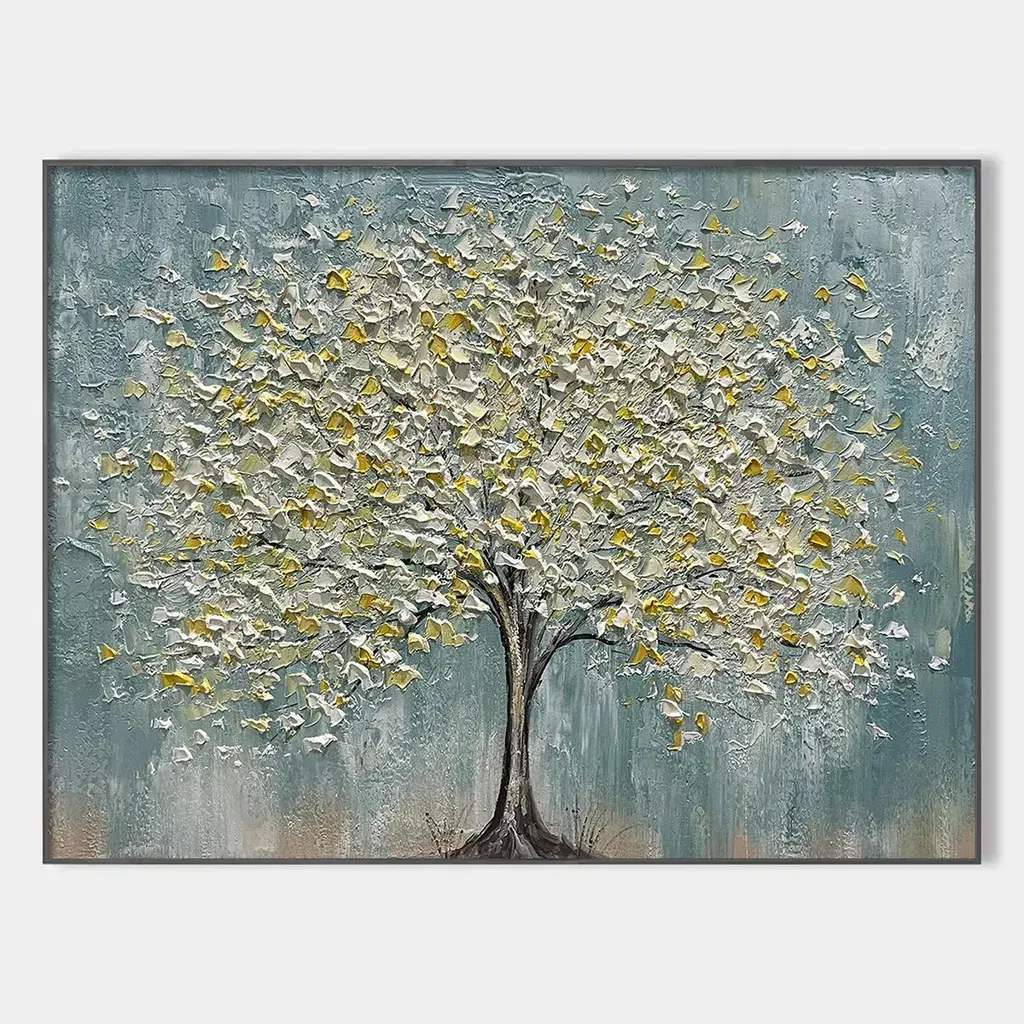
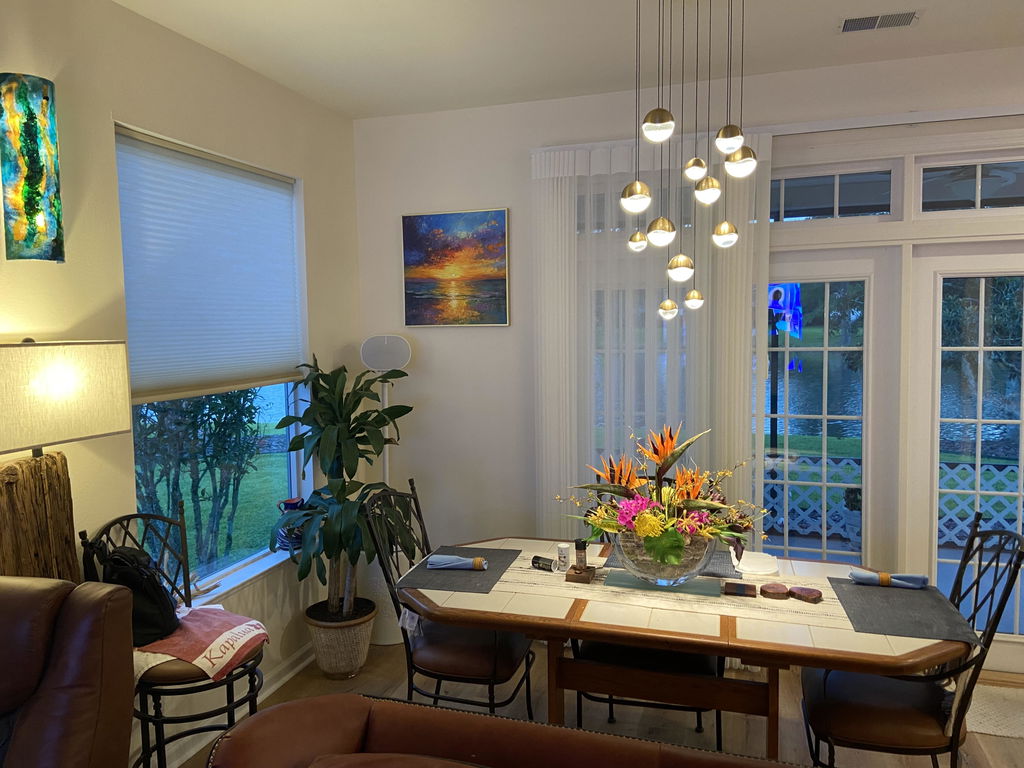
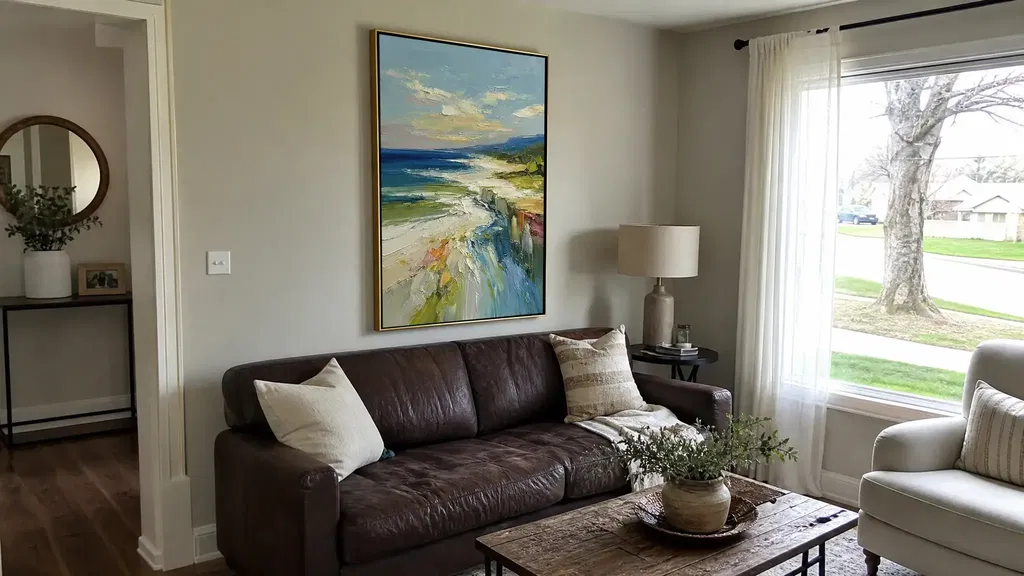
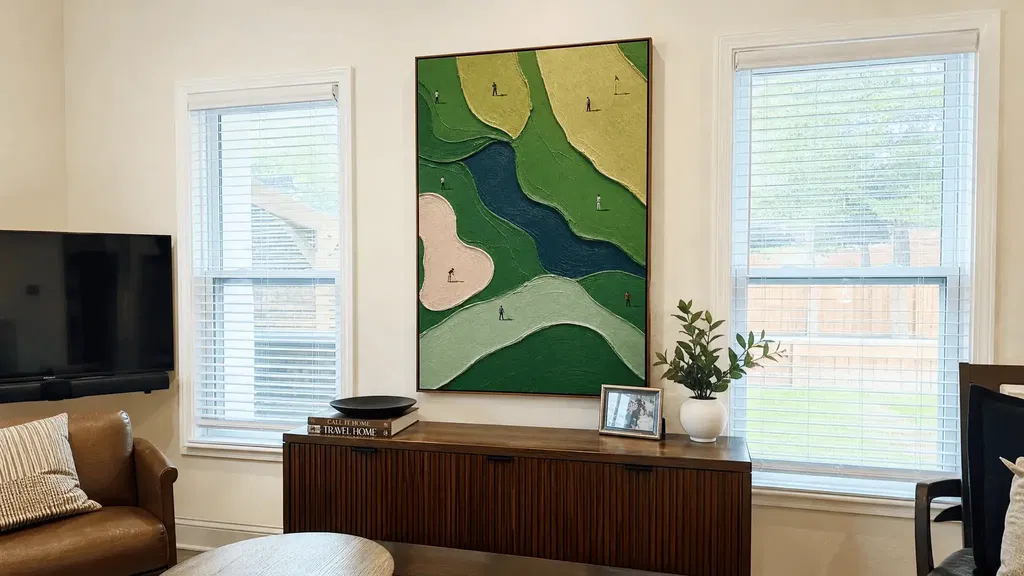
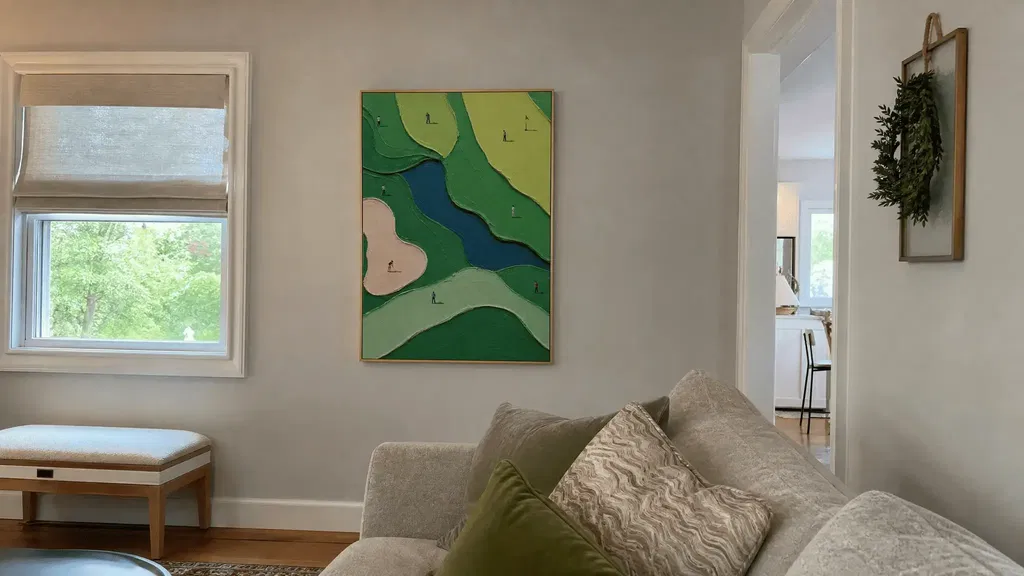
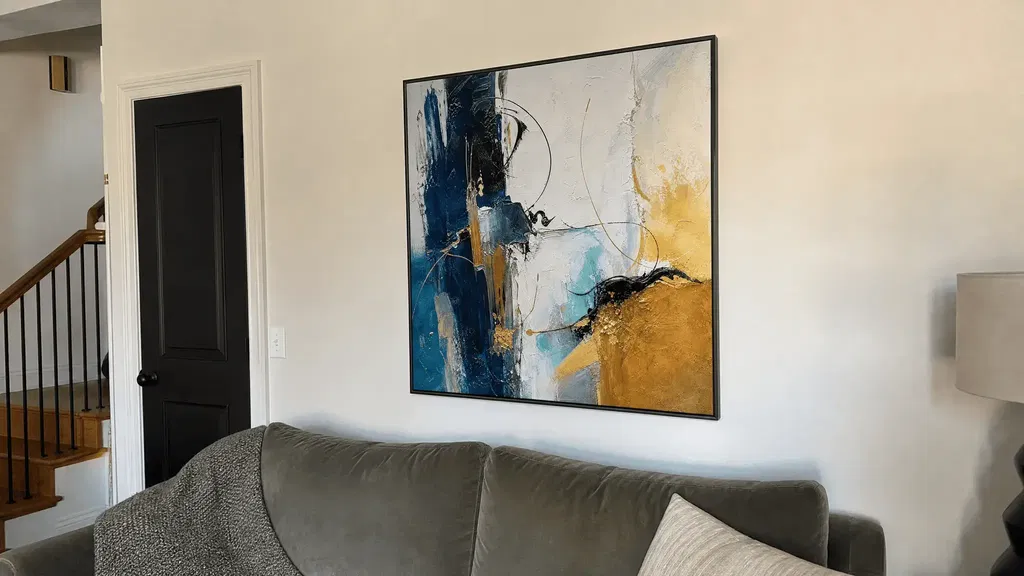
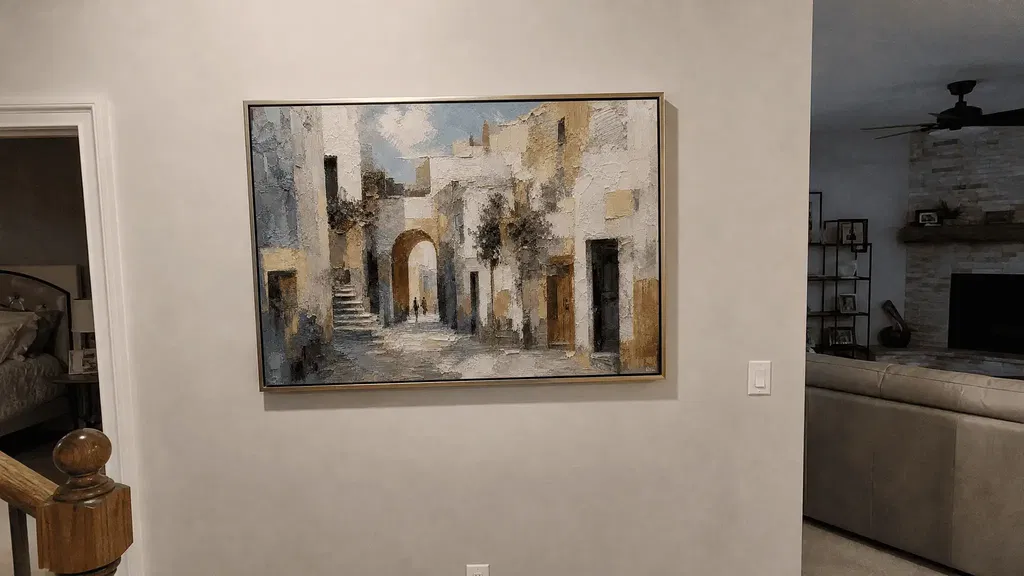
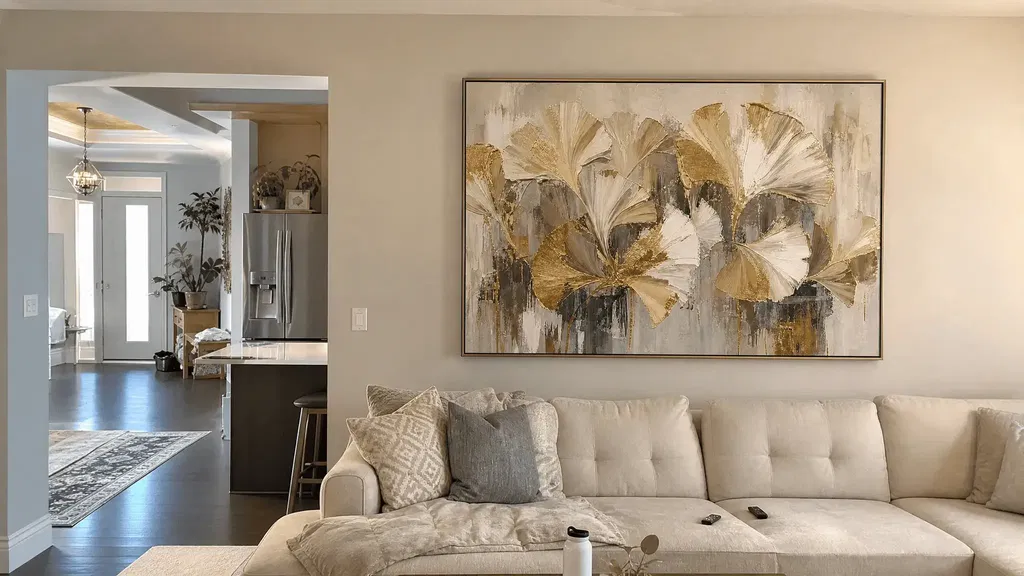
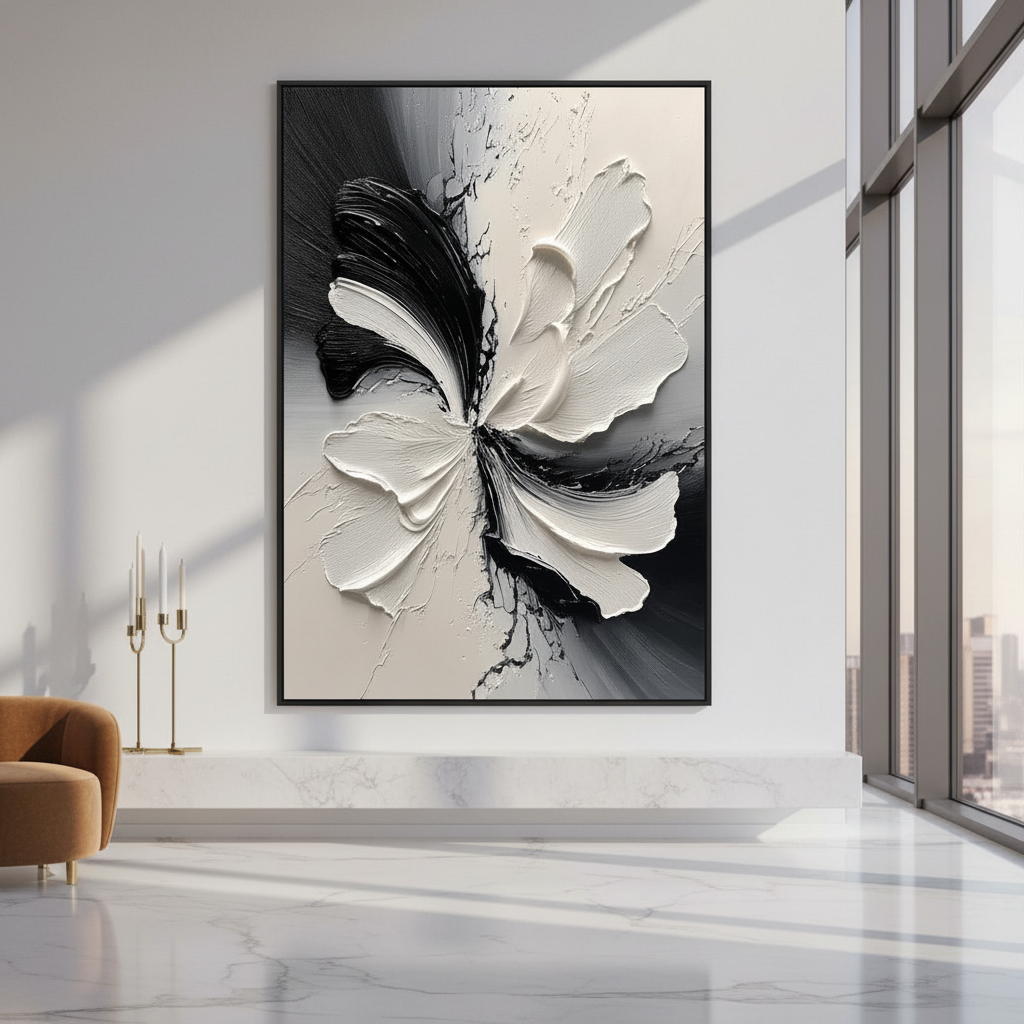
In luxury branding, the visual and tactile cues of handmade craftsmanship—specifically the heavy impasto technique—have become the new shorthand for innovation and prestige. Impasto, where paint is applied so thickly that it stands out from the surface, creates a three-dimensional relief that no digital print can replicate. By integrating these textured elements into showrooms, hotel lobbies, and corporate headquarters, brands signal a commitment to human-centric craftsmanship in an increasingly automated world.

The Psychology of the "Essential Identity"
Why does a textured canvas command a premium that a high-definition print cannot? The answer lies in the psychological concept of "essential identity." Research from the University of Chicago demonstrates that consumers perceive digital replicas and NFTs as lacking the artist's essence, causing a collapse in perceived value. In contrast, the physical peaks and valleys of an impasto brushstroke serve as a "tactile proof of value."
This perception is backed by a "nuclear weapon" of data for the hand-painted industry: a Columbia University study confirmed that consumers value art labeled as "AI-generated" 62% lower than authentic human-created art. For a luxury brand, using flat, printed décor isn't just a design choice; it is a signal of "perceived cheapness" that can actively devalue the surrounding architecture.
The Innovation Gradient
Contrary to the conventional wisdom that texture only signals "tradition," modern luxury uses the juxtaposition of classical impasto with minimalist, high-tech environments to signal innovation. We observe that when a brand places a heavily textured, hand-painted piece in a sleek, glass-and-steel showroom, it creates a "credibility gradient." It suggests that while the brand is forward-thinking, it is grounded in the unshakeable quality of human effort.
Quantifying the Commercial ROI of Surface Depth
For B2B commercial developers, art is often viewed as a line item in the "decor" budget. However, data suggests it should be categorized as a "strategic asset." A 10-year analysis using the Royal Society's CAR model found that neighborhoods with higher "art" geo-tags experienced significantly greater relative house price ranking gains. Specifically, the Royal Society identified a bootstrapped coefficient of -116.74, proving a direct link between public art and property valuation.
In the retail sector, the impact is even more immediate. Large-scale murals and textured artworks act as "permanent physical billboards." According to a University of Cincinnati regression analysis of over 300 murals, these installations remain directly correlated with significant increases in pedestrian foot traffic, even when controlling for urban density.
Modeling the "Mural Effect" on Commercial Foot Traffic
To assist our commercial clients in justifying art procurement, we have developed a scenario model based on common industry heuristics and observed patterns in high-traffic retail environments.
Modeling Note (Scenario Analysis): This model assumes a 2,000 sq. ft. flagship retail space in a metropolitan district. The "Art Intervention" consists of a 15-foot hand-painted impasto mural positioned near the entrance.
| Parameter | Baseline (No Art) | With Impasto Mural | Rationale / Source Category |
|---|---|---|---|
| Pedestrian Attraction Rate | 2.5% | 4.8% | UCincinnati Foot Traffic Study |
| Average Dwell Time | 12 mins | 18 mins | Observed "Mural Engagement" Patterns |
| Social Media Conversion | 0.1% | 1.5% | Royal Society Geo-tag Correlation |
| Perceived Brand Luxury Score | 50/100 | 85/100 | Columbia Human-Made Perception Study |
| Estimated Annual Revenue Lift | $0 | $120,000 - $180,000 | Logical Extrapolation of Traffic & Dwell |
Disclaimer: This is a hypothetical scenario model for strategic planning, not a guaranteed financial return.
Technical Specifications: The Designer’s Procurement Gate
When specifying impasto art for luxury commercial projects, "beauty" is only half of the equation. Corporate-grade predictability requires a deep understanding of material science and maintenance protocols.
1. The Raking Light Specification
The effectiveness of impasto is 70% dependent on lighting. We recommend a "30-degree raking light" technique—directional lighting hitting the canvas at an angle to create dramatic shadows within the paint peaks. According to Banno Lighting, this specific angle maximizes the three-dimensional relief without creating overwhelming glare.
2. The 5% Organic Variance Rule
In a corporate setting, consistency is king. Designers often demand a "99.9% match" to corporate palettes. However, experienced curators allow for a 5% organic variance in texture height. This ensures the piece retains its "human soul" and doesn't look mechanically stamped, which would trigger the "AI-devaluation" effect mentioned earlier.
3. Curing vs. Surface Dry
A common mistake in commercial procurement is ignoring the chemical reality of oil paint. While a piece may be "surface dry" for shipping in 7–10 days, authentic heavy impasto can take weeks or even months to "fully cure." As noted by Golden Artist Colors, applying varnish or installing in high-durability environments before the oxidative cross-linking is complete can lead to paint film failure.

Health, Safety, and the "Green Mural" Standard
In modern healthcare and corporate design, "Art" is increasingly viewed as "Public Health Infrastructure." A review by the University of Pennsylvania found that 73% of patients reported significant mood improvements when exposed to environmental artworks. Furthermore, the World Health Organization (WHO) has confirmed that art interventions effectively alter clinical indicators for mental illness and stress.
However, for these benefits to be realized, the materials must meet strict safety standards.
VOC Emissions and Indoor Air Quality (IAQ)
Indoor air pollution is often more concentrated than outdoor pollution. For projects seeking LEED or WELL certification, low-VOC (Volatile Organic Compound) paints are a strict prerequisite. Research from Aalto University shows that coatings on wood emit significantly lower toxic VOCs during the curing process than previously assumed, provided high-quality pigments are used.
The "Toxic Pigment" Audit
Professional designers must be aware of the "ASTM D-4236" labeling. As the EPA points out, this label only means the warning labels comply with regulations—it does not mean the pigment is non-toxic. We strictly recommend avoiding cadmium-based pigments in environments with children or high physical interaction. The International Agency for Research on Cancer (IARC) classifies cadmium as a Group 1 carcinogen. Instead, we advocate for Titanium White and modern organic alternatives that provide the same "extreme whiteness" and "hiding power" (dominated by 90% of the market, per NCBI) without the health risks.
Sustainability as a Luxury Value
The "New Consumer of Crafts" in 2025 values the fusion of avant-garde design with ethical production. According to the European Crafts Alliance, sustainability is now a core component of the "ultimate luxury" definition.
Fair Artist Compensation
A Wharton School survey found that 87% of consumers strongly agree that artists should receive fair compensation. In a B2B context, "Fair Trade Art" isn't just an ethical stance; it’s a brand-protection strategy. Ensuring that the painters behind a large-scale mural receive the majority of the profit shares appeals to the moral demands of the millennial and Gen Z workforce.
Eco-Friendly Substrates
Traditional cotton canvases consume significant water and land. We are seeing a shift toward hemp and flax canvases, which, according to the Cincinnati Art Museum, consume half the resources of cotton. Pair this with walnut oil as a replacement for toxic turpentine solvents, and a brand can market its art installation as a carbon-neutral ESG asset.
Maintenance of High-Texture Assets
One of the most common "friction points" in commercial impasto installations is dust accumulation. The deep crevices created by palette-knife strokes are magnets for airborne particles.
- The Professional Standard: Do not use chemical cleaners or damp cloths. A soft-bristle brush or a low-pressure air duster is the only recommended maintenance tool.
- The "Haziness" Phenomenon: Advanced curators should be aware of PEG-type surfactants. As Tate Modern research explains, these molecules can migrate to the surface in high humidity, forming a "hazy" micro-crystalline layer. This is not a defect but a chemical migration that can be managed with professional cleaning.

Strategy for Implementation: From Blueprint to Brushstroke
To successfully integrate impasto art as a branding tool, follow this three-step strategic framework:
1. The Biophilic Integration
Prioritize "nature-themed" impasto for high-stress areas like workstations or patient rooms. Biophilic design featuring natural landscapes produces the same stress-reduction effects in the brain as the real outdoors. In high-density office environments (like those studied in Tokyo), this can reduce cognitive fatigue by an estimated 30%.
2. The "Walking Tour" Effect
For retail and hospitality, design the art to be "Instagrammable" but physically durable. High-quality custom street art and murals have evolved into a massive industry because they spawn profitable "walking tours" and increase foot traffic. Ensure the mural is protected by a UV-protective varnish to prevent "chalking" and fading from sun exposure.
3. The Approval Gate Workflow
Unlike buying off-the-shelf decor, custom impasto requires "approval gates." We recommend a three-stage process:
- Stage 1: Digital Mockup (Color-matching corporate palettes).
- Stage 2: 25% Completion Video (Verifying texture height and "organic variance").
- Stage 3: Pre-Shipment Studio Review (Final lighting check under raking light).
Investing in Cultural Heritage
Ultimately, shifting the mindset from "buying disposable decor" to "investing in a cultural asset" changes the financial equation. Academic research recognizes murals as non-renewable cultural heritage possessing long-term aesthetic and educational value.
By choosing hand-painted impasto over digital prints, a brand isn't just decorating a wall; it is claiming a stake in the "essential identity" of its space. It is a signal to clients, employees, and the community that the brand values the biochemical crystallization of human attention and the enduring power of the artist’s hand.
YMYL Disclaimer: This article is for informational purposes only and does not constitute professional medical, legal, or financial advice. The health benefits of art and the safety of specific pigments should be evaluated in the context of your specific environment. Always consult with a certified industrial hygienist or a medical professional regarding indoor air quality and chemical exposure.
Sources
- Marketplace: The expensive art market continues to struggle
- Columbia University: Human-Made vs. AI Art Study
- Royal Society: Quantifying the link between art and property prices
- University of Pennsylvania: Visual Art in the Built Environment
- EPA: Indoor Air Quality and Low-VOC Paints
- Aalto University: VOC Emissions from Painted Wood
- Tate Modern: Conservation Concerns for Acrylic Emulsion Paints
- Wharton School: Consumers Value Fair Artist Compensation