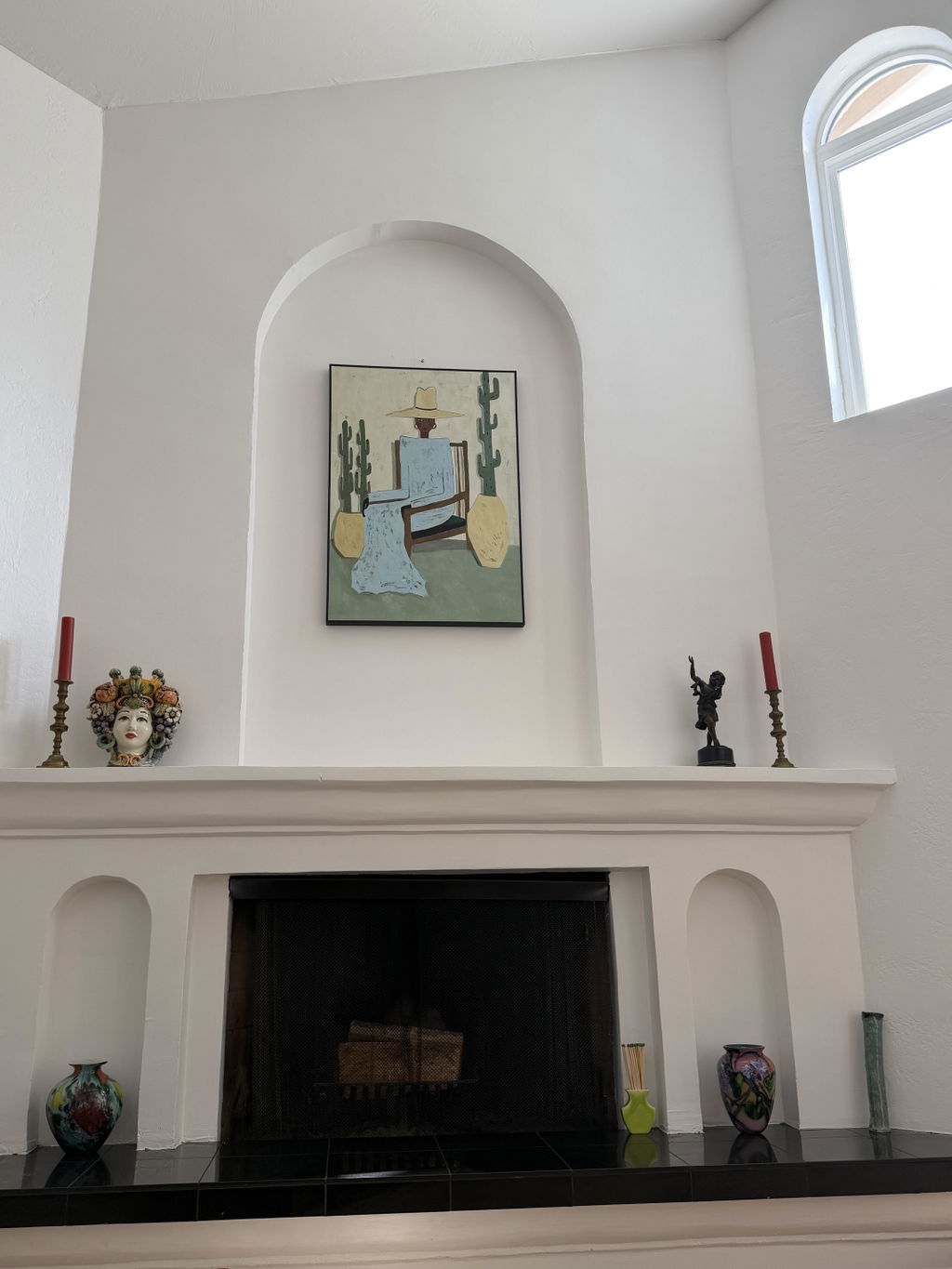
The Strategic Tension Between Artistry and Hospitality Timelines
In the high-stakes world of hospitality design, the final 5% of a project—the styling and art installation—often determines the "soul" of the space. However, a growing conflict exists between the desire for authentic, hand-painted oil art and the rigid deadlines of grand openings. Procurement professionals often find themselves caught between the aesthetic demands of luxury and the physical realities of chemical curing.
The global art market is currently undergoing a structural shift. While high-end auction sales for "financial assets" plummeted 44% in 2024, as reported by Marketplace, there is a resurgence in "real application value." Designers are moving away from overpriced vanity pieces in favor of custom hand-painted murals and canvases that provide emotional resonance. This trend is backed by the Art Basel and UBS Art Market Report 2024, which values the global market at $65 billion, proving the stable economic baseline for original works.
For the hospitality professional, "decision safety" is paramount. The risk of a fresh oil painting "ghosting"—leaving permanent marks on packing materials—or "slumping" during transit can derail a grand opening. Navigating this requires a deep understanding of the curing process, logistics, and the measurable ROI that authentic art brings to a commercial property.

The Physics of Curing: Why "Dry to Touch" is a Hospitality Trap
One of the most common friction points we observe in procurement is the misunderstanding of "drying" versus "curing." In oil painting, the medium does not dry through evaporation like water-based acrylics. Instead, it undergoes a chemical process called oxidative cross-linking.
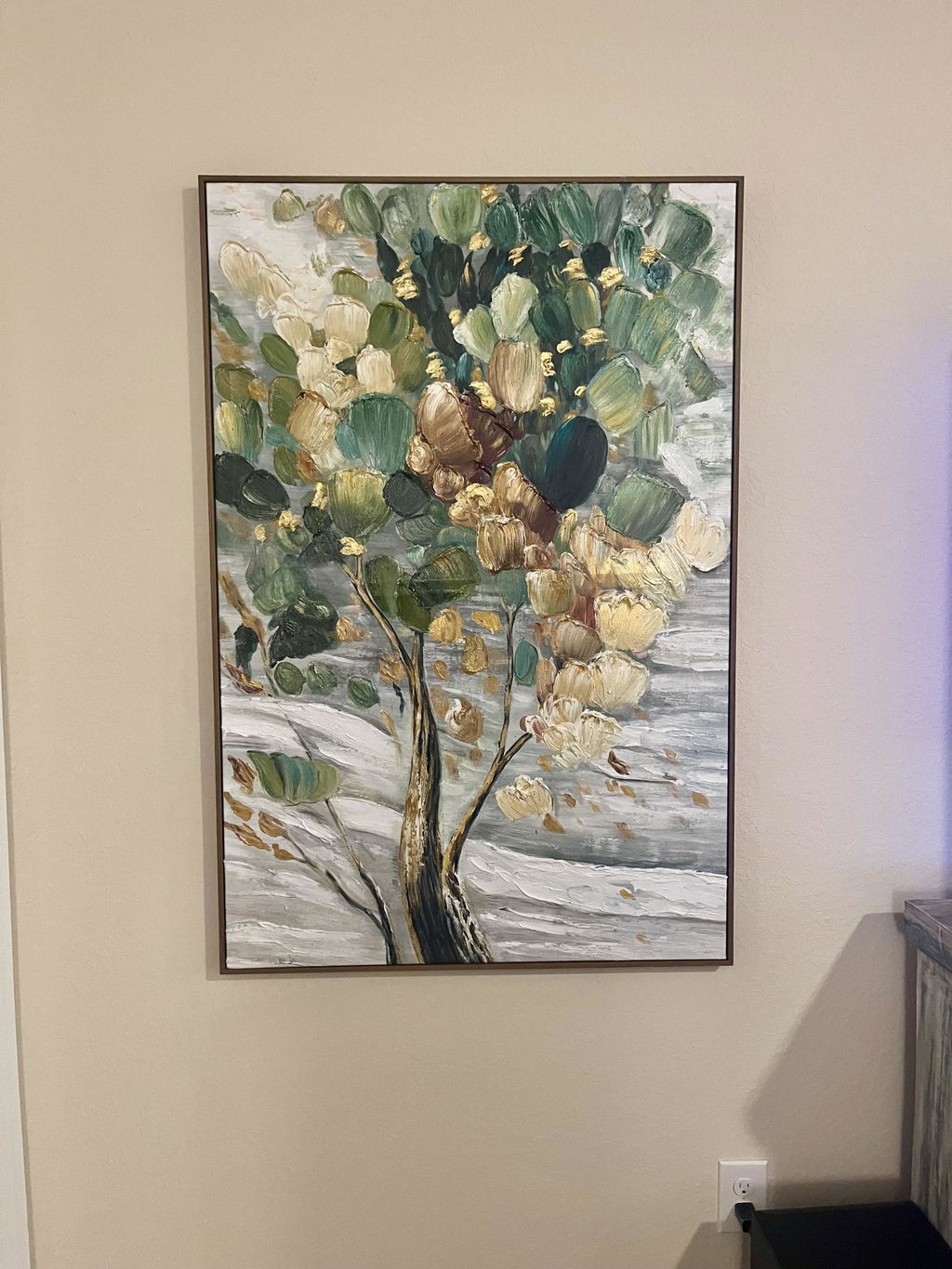
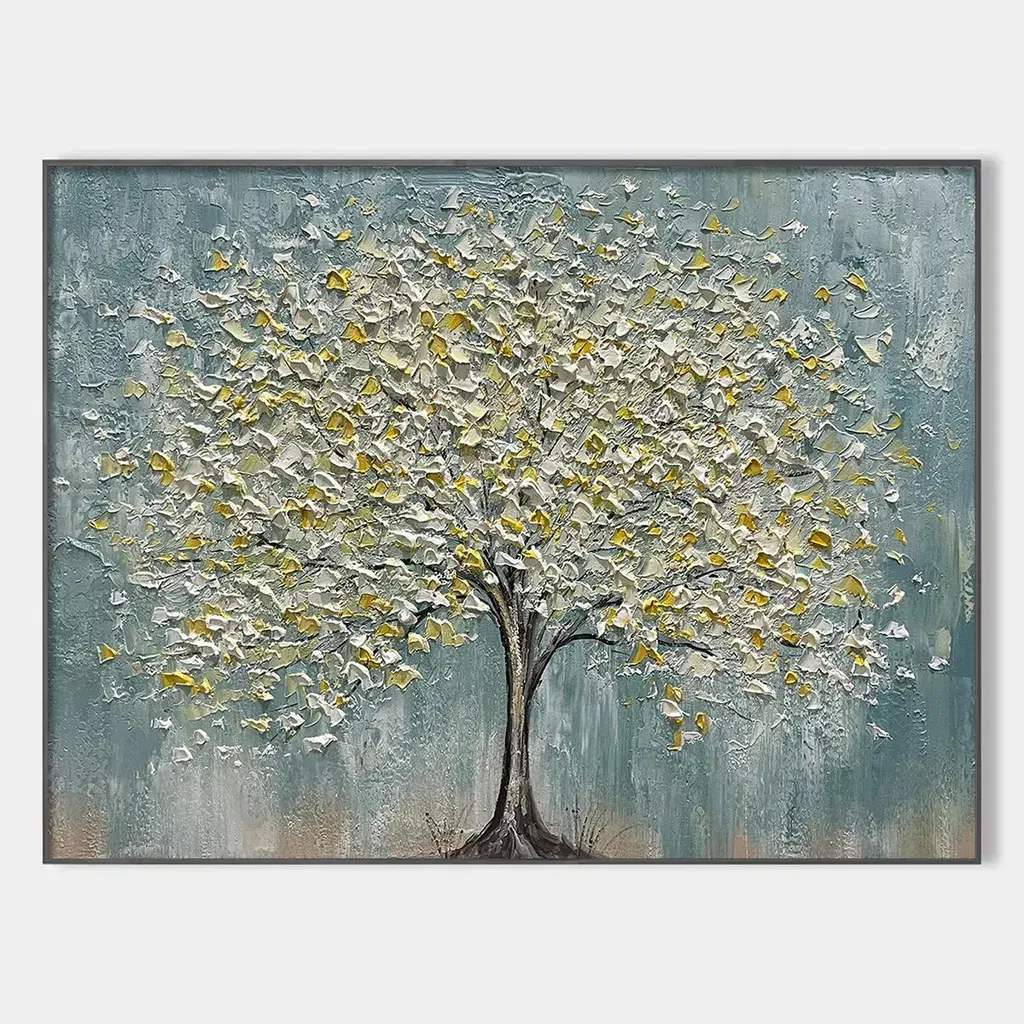
According to research insights on natural oil finishes, such as those discussed by Engineer Fix, this molecular process creates an immutable 30-day barrier. In a hospitality context, thick impasto techniques—where paint is applied in heavy, sculptural layers—are the primary cause of missed deadlines. The surface "skins over," appearing dry to the touch, while the core remains liquid. If crated prematurely, the pressure of packing materials can cause the paint to shift or "ghost," requiring expensive on-site restoration.
The Professional Curing Heuristic
To provide predictable lead times, we utilize a standard industry heuristic for fresh oil commissions.
Logic Summary: This model assumes a climate-controlled studio environment (approx. 70°F and 50% humidity). Variations in these parameters, common in unfinished hospitality sites, can exponentially increase these timelines.
| Parameter | Estimated Value | Unit | Rationale |
|---|---|---|---|
| Baseline Drying | 1 | Day | Per 0.5mm of paint thickness |
| "Dry to Ship" Buffer | +3 to 5 | Days | Safety margin for oxidative skinning |
| Climate Sensitivity | ±25 | % | Impact of humidity/temp fluctuations |
| Impasto (5mm+) | 10 to 14 | Days | Minimum window before light handling |
| Full Cure | 6 to 12 | Months | Required before final picture varnish |
For projects requiring a high-gloss finish for a grand opening, experts recommend using a "retouch varnish" rather than a final picture varnish. A final varnish seals the surface too early, preventing the necessary oxidation and leading to future cracking. Retouch varnish allows the paint to continue "breathing" while providing the temporary sheen needed for the opening night.
The ROI of Authenticity: Human-Made vs. AI-Generated Art
In an era of rapid digital reproduction, the commercial premium of "100% human hand-painted" art has become a measurable asset. A Columbia University study confirmed that consumers value art labeled "AI-generated" 62% lower than authentic human-created work. For a hotel, this translates directly into guest perception and room rates.
Psychologically, digital prints cannot replace the "essential identity" of a canvas. Research from the University of Chicago suggests that consumers feel digital replicas lack the artist's soul, leading to a collapse in perceived value. In luxury hospitality, where "authenticity" is the primary currency, the tactile relief of oil paint provides a sensory experience that prints cannot mimic.
Impact on Property Value and Guest Well-being
The presence of original art is not merely a decorative choice; it is a financial strategy.
- Property Appreciation: A Royal Society analysis found that neighborhoods and developments with high "art" engagement saw significant gains in relative property price rankings.
- Clinical Benefits: In healthcare and wellness-focused hospitality, the impact is even more profound. A University of Pennsylvania review noted that 73% of patients reported significant mood improvements when exposed to environmental artworks.
- Stress Reduction: The World Health Organization (WHO) has identified art interventions as "public health infrastructure," capable of altering clinical indicators for stress and mental fatigue.

Technical Integrity: Safety, VOCs, and LEED Certification
For B2B procurement, aesthetic beauty must be balanced with environmental safety and building certifications. Modern hospitality projects often aim for LEED or WELL certification, which places strict limits on Indoor Air Quality (IAQ) and Volatile Organic Compounds (VOCs).
While traditional oil painting involved toxic solvents like turpentine, the industry has shifted toward safer alternatives. Aalto University experiments prove that modern coatings and paints emit significantly lower VOCs during the curing process than previously thought, provided the substrates are properly prepared.
Material Safety Checklist for Procurement
- ASTM D-4236 Compliance: Ensure all art materials are reviewed by a toxicologist. As noted by the EPA, this label indicates that chronic health hazards are properly disclosed, though it does not mean the paint is "edible."
- Pigment Toxicity: Avoid heavy metals where possible. The International Agency for Research on Cancer (IARC) classifies cadmium compounds as Group 1 carcinogens. Professional studios now offer "Hue" alternatives that mimic the vibrancy of cadmium without the health risks.
- Solvent-Free Studios: Prioritize artists who use walnut oil or pH-neutral cleaners instead of mineral spirits. Princeton University guidelines warn that chronic inhalation of solvent vapors can lead to central nervous system issues.
Advanced Troubleshooting: Avoiding Support Induced Discoloration (SID)
A technical "gotcha" that frequently plagues large-scale commissions is Support Induced Discoloration (SID). This phenomenon occurs when water-soluble impurities in common cotton or linen canvases are drawn into the paint layer during the drying process.
According to technical bulletins from Golden Artist Colors, this is particularly common when applying transparent mediums or thick layers of paint. The result is a catastrophic yellow or brown tint that appears weeks after the artist has finished. To mitigate this, professionals specify "triple-primed" canvases or the application of a dedicated gloss medium barrier before the painting begins. This level of technical oversight is what separates "retail-grade" art from professional hospitality-grade commissions.
Professional Logistics: The "Dry to Ship" Protocol
The journey from the studio to the hotel wall is the most dangerous phase for an oil painting. We distinguish between "dry to touch" (safe for light handling) and "dry to ship" (safe for crating). For a hospitality project, the "dry to ship" date is the true deadline.
Packing Best Practices
- Breathable Materials: Never allow bubble wrap to touch the surface of a semi-cured oil painting. The plastic can leave permanent circular indentations. Instead, use acid-free glassine paper as the primary barrier.
- Climate-Controlled Transit: Significant temperature spikes can cause "binder separation" or melting in fresh oil films. ResearchGate data shows that oil pigments can experience binder melting at high temperatures, leading to permanent surface damage.
- Vertical Crating: Large canvases should always be shipped vertically to prevent the weight of the stretcher bars from sagging into the paint film.

Future Trends: The 2026 Hospitality Landscape
Looking toward 2026, the demand for "artisan craftsmanship" is projected to rise significantly. Zillow and Yelp data, analyzed by PA Realtors, show a 21% increase in searches for "artisan" details and a massive 329% spike for "custom framing."
For hotel brands, this means moving toward "immersive escapism." The NKBA 2025 design awards highlighted a trend of wrapping entire rooms in murals to create a sense of theater. This "biophilic" approach—using nature-themed hand-painted art—is proven to reduce cognitive fatigue in high-density environments, such as the office spaces studied in Tokyo.
By integrating local artists and authentic hand-painted works, hotels provide travelers with a rare sense of "place" and "authenticity" that mass-produced prints simply cannot achieve. As the Avenue of the Arts study suggests, these investments act as "catalytic infrastructure," attracting private investment and increasing the long-term value of the entire commercial district.
Disclaimer: This article is for informational purposes only and does not constitute professional legal, environmental, or medical advice. The chemical properties of art materials can vary by manufacturer. Always consult with a certified industrial hygienist or professional conservator when specifying materials for large-scale public installations.
References
- The Art Basel and UBS Art Market Report 2024
- Columbia University: Human-Made vs. AI Art Study
- WHO Scoping Review on Arts and Health
- EPA: Indoor Air Quality and Low-VOC Paints
- Golden Artist Colors: Technical Bulletins on SID
- Royal Society: Quantifying the link between art and property prices
- IARC: Cadmium and Cadmium Compounds Toxicology