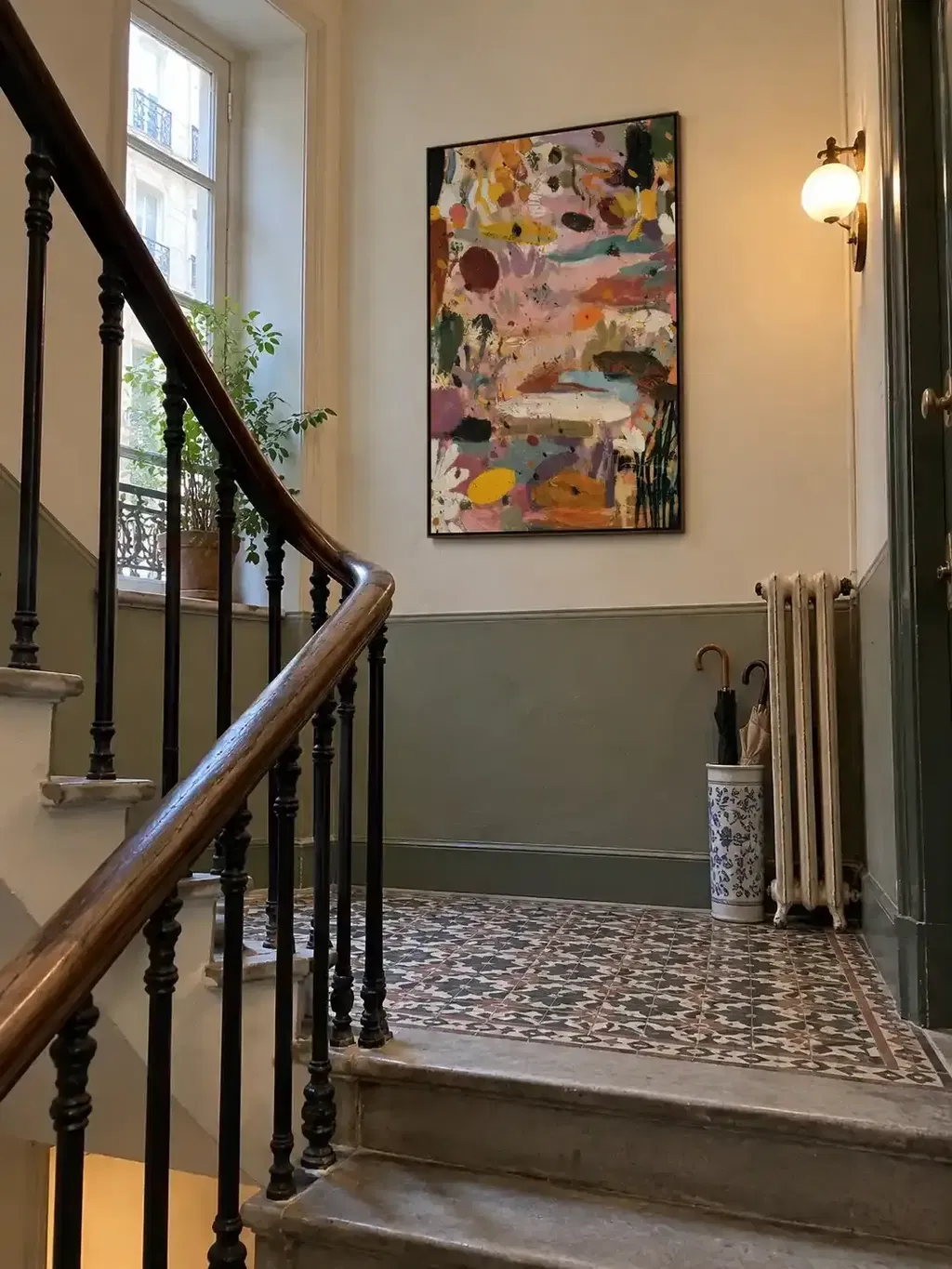
Floater vs. Traditional Frames: Impact on Art Perception
The landscape of the high-end art market is undergoing a structural transformation. Recent data suggests that the era of speculative, "vanity" auction pieces is cooling, with sales of works over $10 million plummeting 44% year-over-year in 2024, according to Marketplace. In its place, a more grounded demand is emerging—one focused on "real application value," where collectors and homeowners seek authentic, hand-painted works that offer emotional resonance and aesthetic longevity.
When investing in such pieces, the final decision—the frame—is often the most critical factor in "decision safety." The choice between a modern floater frame and a traditional lip-over frame does more than just hold the canvas; it fundamentally alters the viewer's focus, the perceived value of the work, and even its physical preservation. This guide breaks down the technical standards and psychological impacts of framing to help you make a confident, expert-level choice for your space.

The Psychology of the Boundary: Traditional Lip-Over Frames
Traditional frames, characterized by a "lip" that covers the outer edge of the canvas, have been the museum standard for centuries. This style creates a definitive psychological "boundary" that separates the world of the artwork from the room it inhabits.
Perceived Permanence and Museum Authority
In our experience assisting collectors, we observe that traditional frames often imbue an artwork with a sense of "permanence." This aligns with research from the University of Chicago, which suggests that physical objects like canvases retain an "essential identity" that digital replicas lack. A substantial traditional frame acts as a physical endorsement of that identity.
- The Aesthetic Anchor: Heavy, ornate, or even classic "clean-line" traditional frames provide structural support for larger, heavier canvases.
- The Focal Point: By masking the edges, the frame forces the eye inward, focusing the viewer’s attention entirely on the composition rather than the object's construction.
Logic Summary: The "Boundary Heuristic" suggests that traditional frames are most effective when the goal is to elevate the artwork to a "museum-worthy" status, particularly for portraits or classical landscapes where the edge of the canvas is not part of the artistic narrative.
The "Visual Moat": The Modern Floater Frame
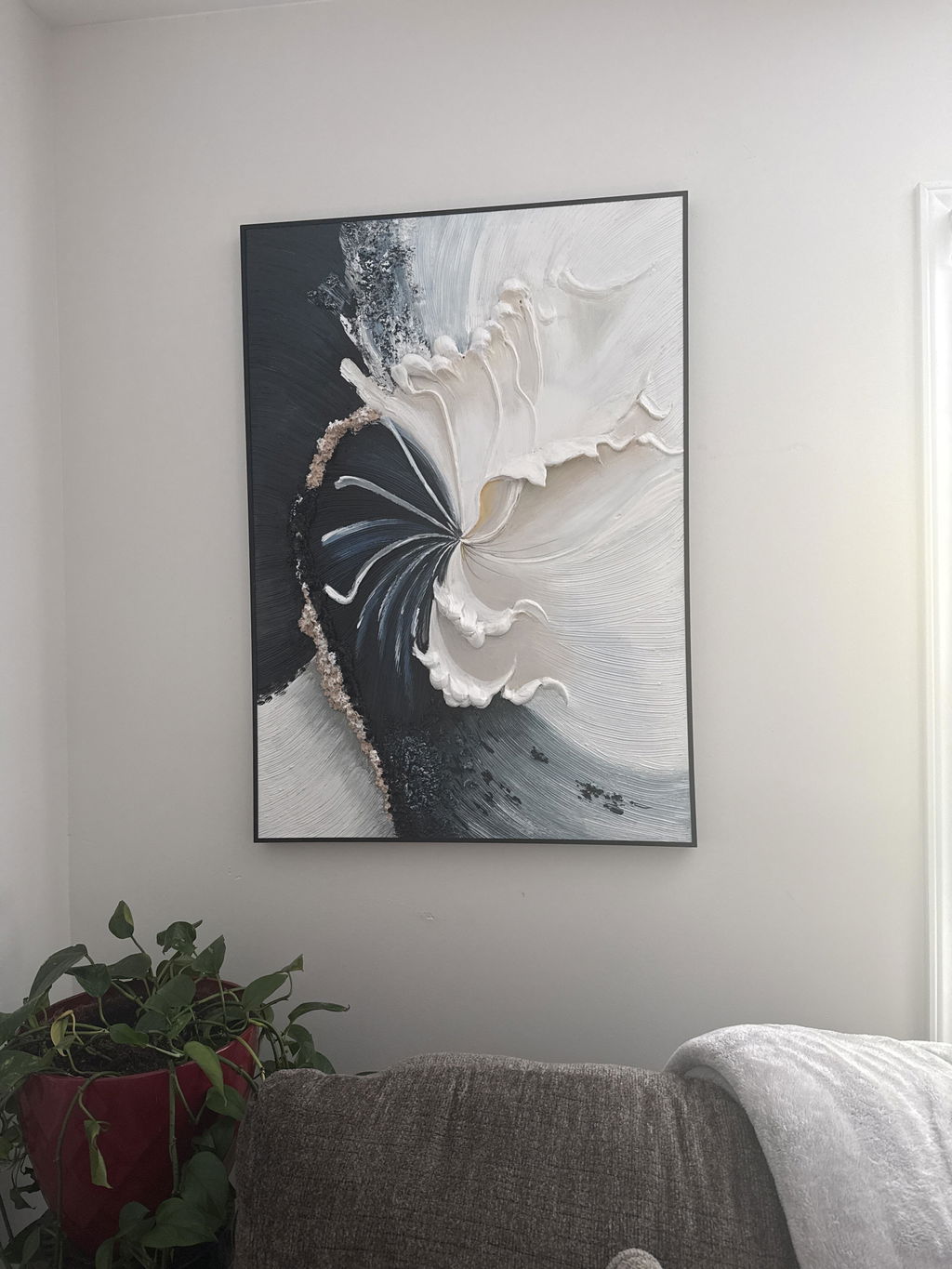
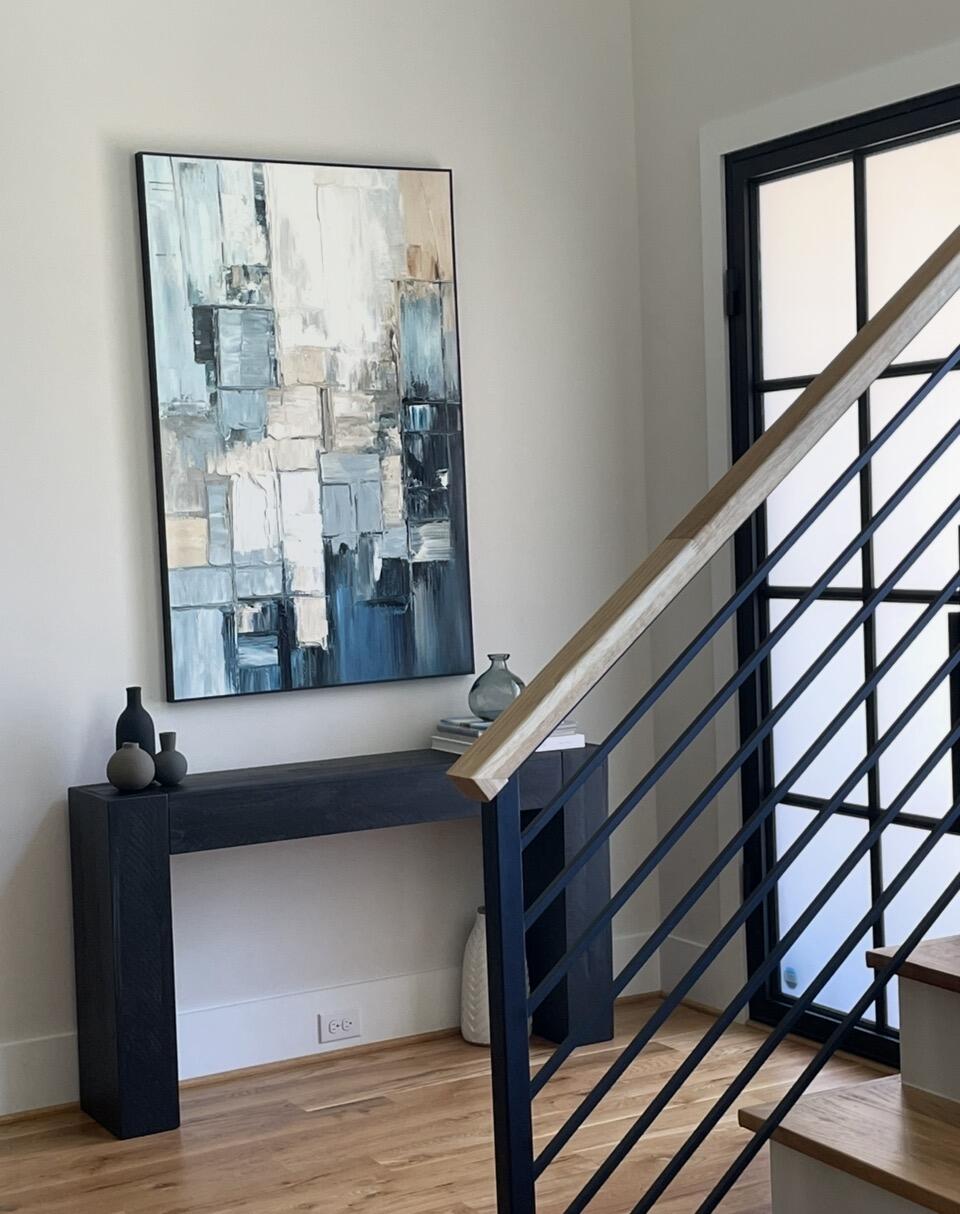
Floater frames are the preferred choice for contemporary, textured oil paintings. Unlike traditional frames, the canvas is secured from the back, leaving a gap—a "visual moat"—between the edge of the art and the inside of the frame.
Showcasing the "Hand" of the Artist
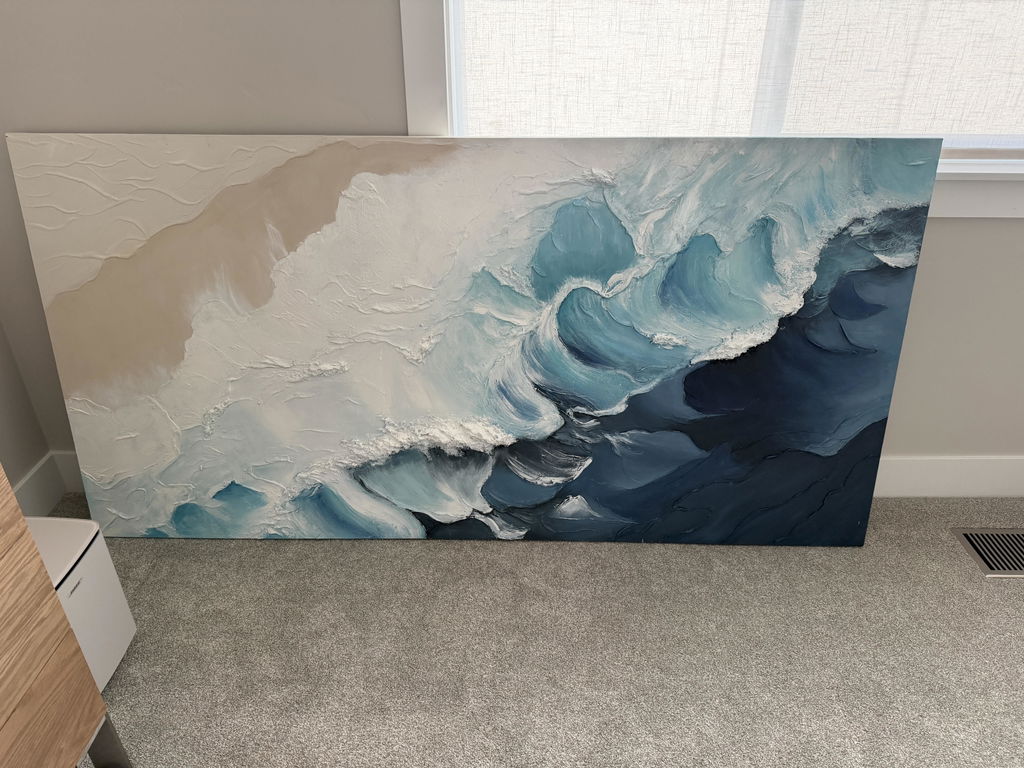
One of the most significant trends for 2026 is a 21% rise in searches for "artisan craftsmanship," as noted by Zillow data. Floater frames are uniquely suited to this trend because they leave the entire canvas edge visible. This is crucial for works with heavy impasto or 3D textures.
Experiments at the MUNCH Museum confirm that allowing audiences to interact with the physical relief textures of an artwork exponentially increases satisfaction. A floater frame allows that texture to "breathe" and be seen from the side, reinforcing the fact that the work is 100% human-hand-painted.
- The Precision Gap: A critical technical standard we follow is the "1/4 to 1/2 inch rule." A gap smaller than 1/4 inch can look like a mistake, while a gap larger than 1/2 inch can make the artwork feel disconnected from its frame.
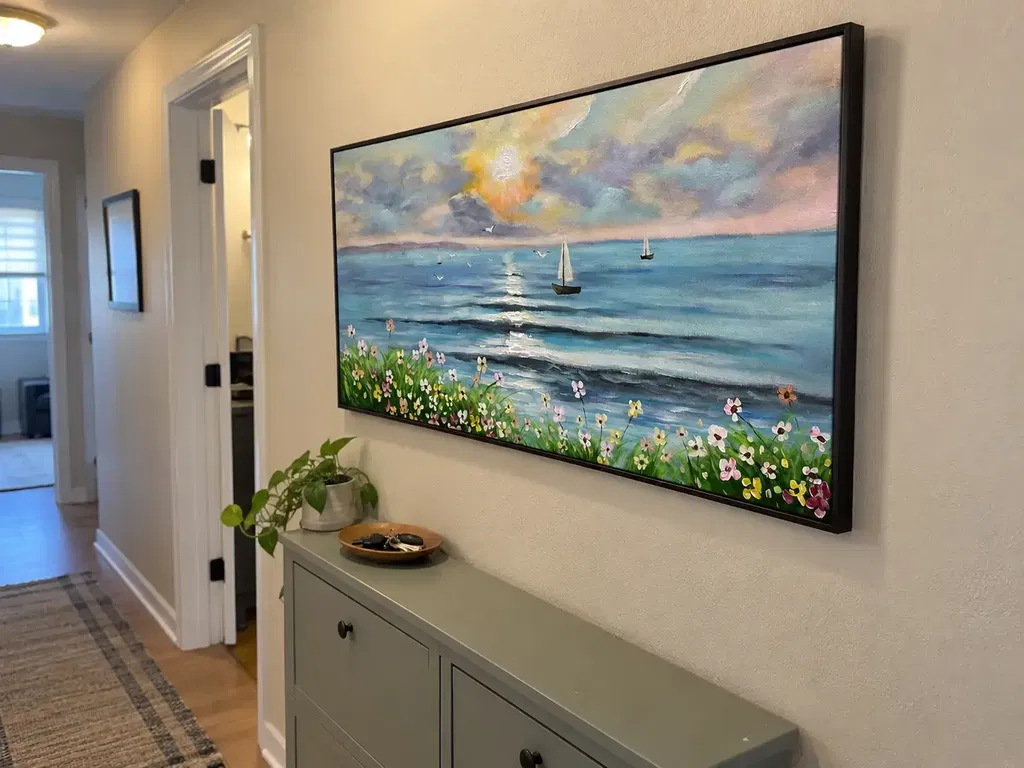
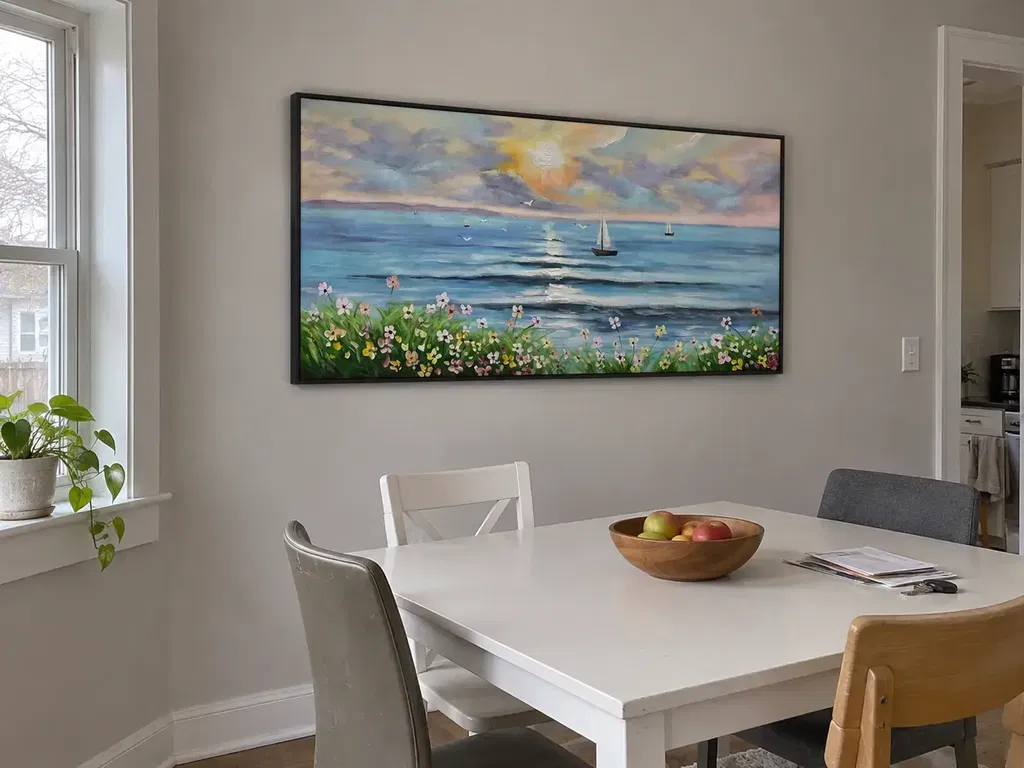
- The Depth Illusion: By creating a shadow line around the art, the floater frame makes the piece appear to levitate, adding a layer of modern sophistication.

Technical Standards for Structural Mounting
Framing is not merely an aesthetic choice; it is a structural requirement. Large-scale oil paintings require specific mounting standards to prevent long-term degradation.
The Airflow Imperative
A common mistake in residential settings is ignoring climate control. According to the Littleton Museum’s installation guidelines, professional framing must prioritize protection. Oil paintings are "living" materials that expand and contract.
Traditional frames, if too tight, can trap moisture against the canvas. We recommend frames that allow for a small amount of airflow behind the stretcher bars. This prevents the warping and "sagging" often seen in poorly mounted works. For more on this, see our guide on why oil paintings need framing spacers.
Canvas Weight vs. Frame Substantiality
A practical heuristic we use: Match frame thickness to canvas weight.
- Heavy Canvases: Benefit from substantial traditional frames that provide a rigid outer skeleton, preventing the wooden stretcher bars from bowing under the tension of the paint and fabric.
- Light/Medium Canvases: Are ideal for floater frames, which offer a sleek look without the need for the frame to act as a primary load-bearing structure.
The "Authenticity Premium": Human vs. AI Art
As AI-generated art floods the market, the value of authentic, hand-painted work has skyrocketed. A Columbia University study found that consumers value art labeled "AI-generated" 62% lower than human-created art.
This "Authenticity Premium" is why framing choices that highlight the physical nature of the paint—such as floater frames for impasto work—are so vital. They provide visual proof of the "micro-physical texture" that optical microprofilometry proves is crucial to the aesthetic experience of an oil painting.
Chemical Safety and "Decision Safety"
For high-visibility home purchases, "decision safety" includes the health and safety of your living environment. Many consumers are unaware of the chemical complexities within art materials.
VOCs and Indoor Air Quality
The EPA warns that indoor air pollution is often more concentrated than outdoor pollution. When selecting art, ensure that the pigments and sealants used are low-VOC. Research from Aalto University shows that coatings on moisture-controlled wood (like quality stretcher bars) emit significantly lower toxic VOCs during curing than dry, untreated wood.
The Toxic Pigment Legacy
Historically, pigments like Lead White and Cadmium were standard. While the International Agency for Research on Cancer (IARC) has classified cadmium as a Group 1 carcinogen, it is still found in some professional-grade paints.
| Pigment Type | Common Risk Factor | Modern Alternative |
|---|---|---|
| Lead White | Neurotoxicity | Titanium White (90% market share) |
| Cadmium Yellow | Carcinogenic (if inhaled/ingested) | Arylide Yellow (Hansa) |
| Prussian Blue | Fading in alkaline environments | Phthalo Blue |
| Solvents | Central nervous system damage | Walnut Oil or Odorless Mineral Spirits |
Note: Based on data from CDC NIOSH and EPA ASTM D-4236 standards.
Framing for Commercial and Public Impact
The impact of art extends beyond the living room. For commercial developers and business owners, custom murals and large-scale framed art serve as "permanent physical billboards."
Boosting Property Value
A Royal Society analysis found that neighborhoods with higher "art" geo-tags saw significant gains in relative house price rankings. In Chicago, public art projects drove $1.4 billion in real estate growth, according to NCREALTORS.
Biophilic Design and Wellness
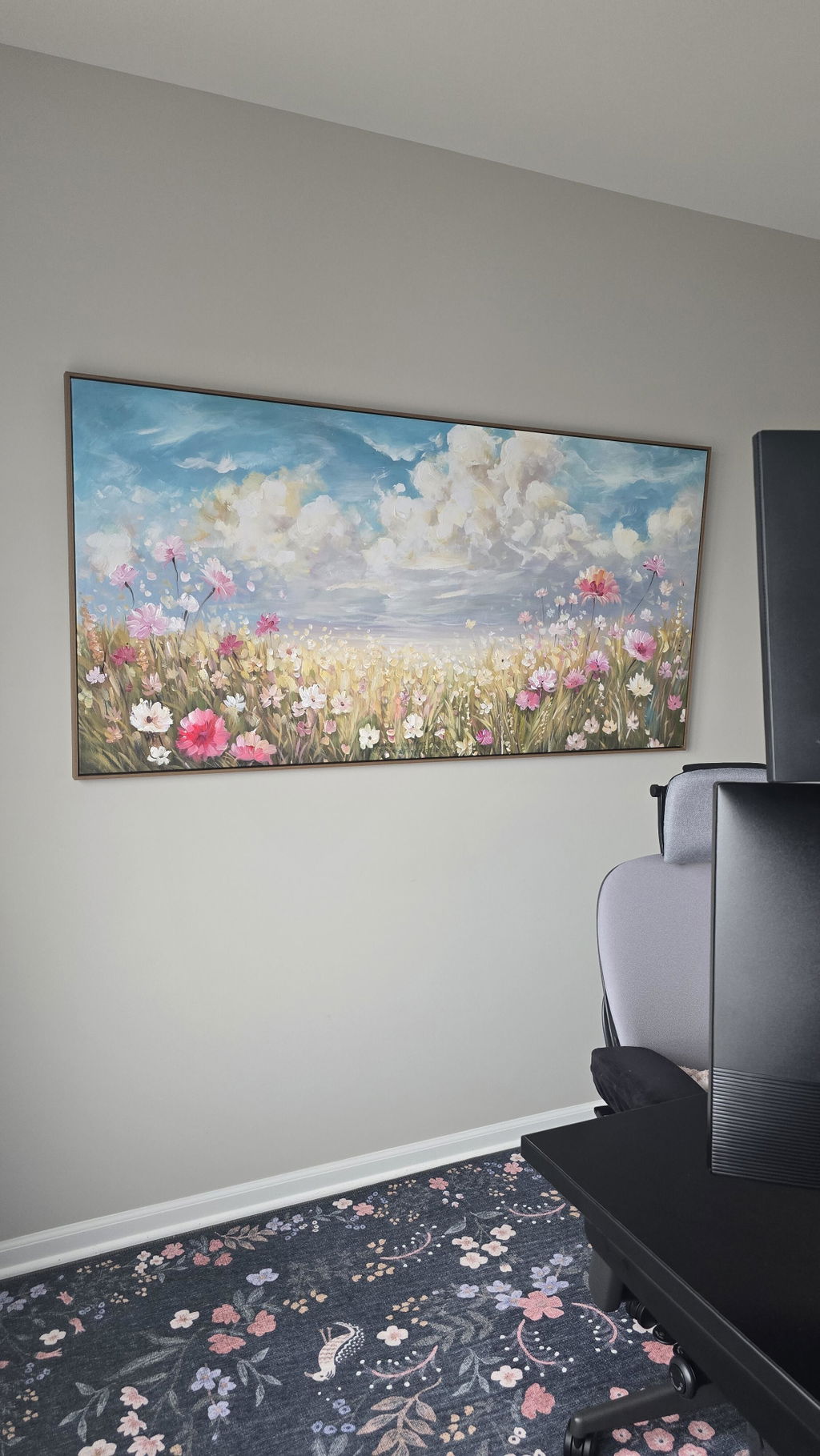
In healthcare and office settings, the framing of nature-themed art is a strategic tool. A University of Pennsylvania review noted that 73% of patients reported significant mood improvements when exposed to environmental artworks. Using biophilic design—hand-painted landscapes in natural wood frames—can reduce employee burnout and accelerate healing.

Heuristics for the Perfect Frame Selection
To ensure "decision safety," use these professional benchmarks when choosing your frame style:
-
The Style Match:
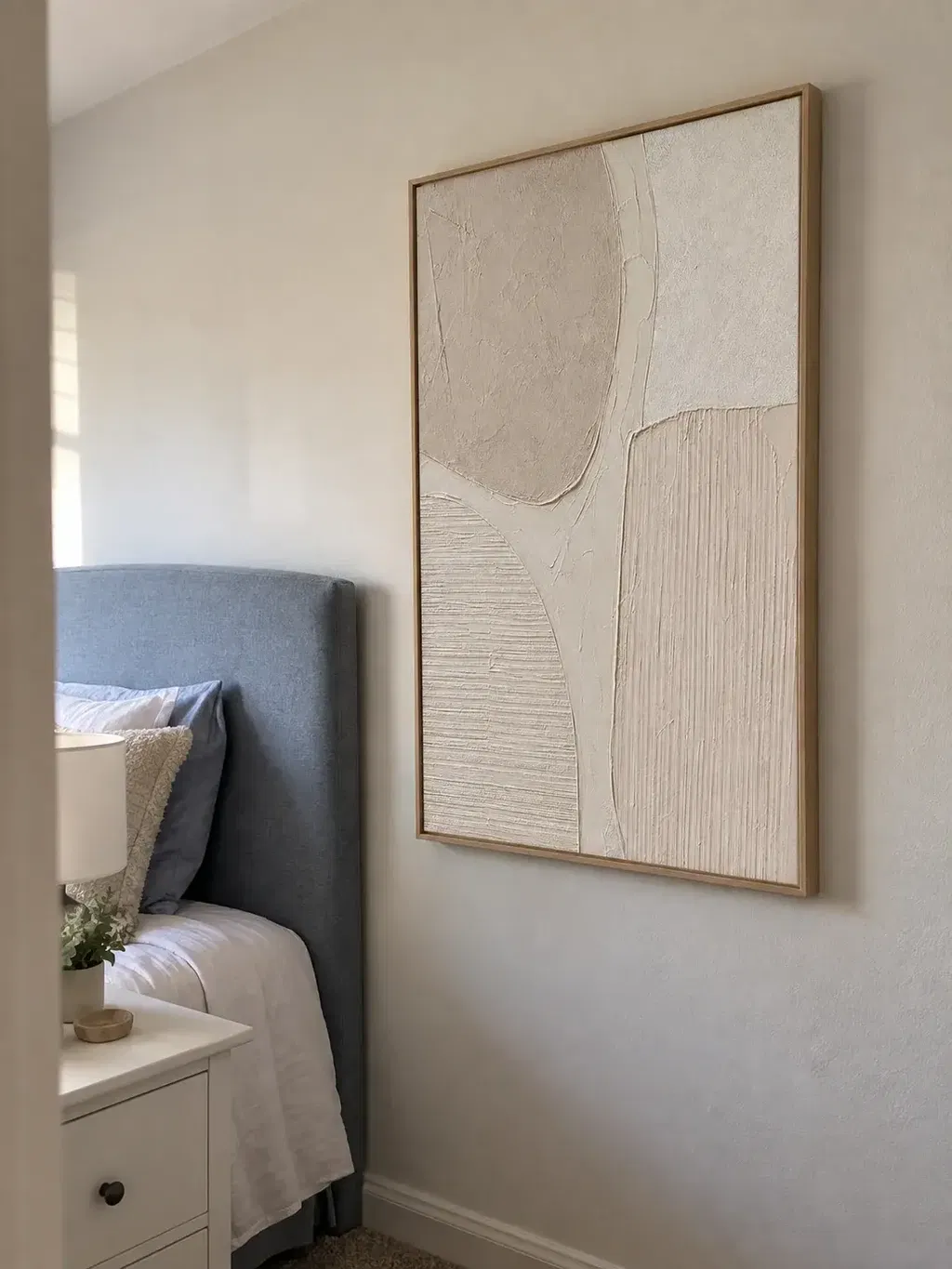
- Abstract/Contemporary: Choose a Floater Frame to emphasize the object-hood and texture of the painting.
- Realism/Portraiture: Choose a Traditional Frame to create a window-like effect that draws the viewer into the scene.
-
The Scale Check:
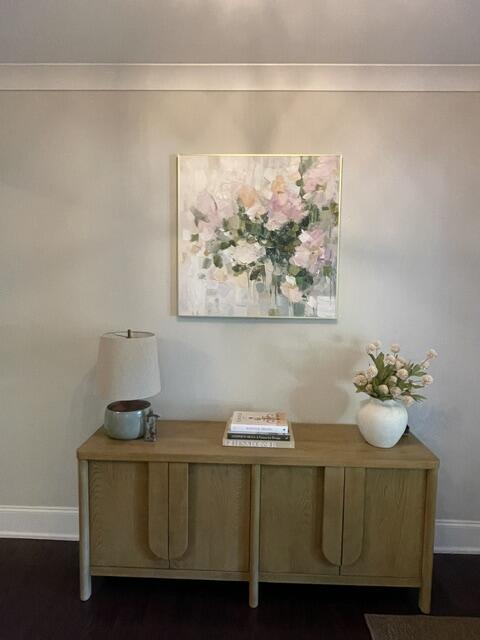
- Small Art: Traditional frames can "overwhelm" small pieces. A slim floater frame often provides the necessary finish without suffocating the art.
- Large Art: Substantial traditional frames provide the necessary visual "weight" to anchor a large piece on a vast wall.
-
The Environment Check:
- High Humidity (Bathrooms/Kitchens): Avoid traditional frames that trap moisture. Ensure the back of the canvas is open for breathability. See our guide on selecting frames for deep-texture paintings for more on environmental protection.
Summary of Framing Impacts
The choice between floater and traditional frames is a balance of aesthetics, psychology, and technical preservation. While floater frames are the modern standard for showcasing the "essential identity" and texture of hand-painted art, traditional frames offer a timeless authority that can elevate a work’s perceived value.
By adhering to professional mounting standards—such as ensuring proper airflow and using non-toxic, low-VOC materials—you protect not only your investment but also the health of your home. As the global creative economy continues to grow, reaching a record $1.4 trillion in exports according to the UNCTAD Creative Economy Outlook, the value of well-framed, authentic art remains one of the most stable and rewarding assets for any collector.
Disclaimer: This article is for informational purposes only. When dealing with antique art or hazardous pigments, always consult a professional conservator or industrial hygienist. Framing decisions should take into account the specific environmental conditions of your space.
Methodology and Logic Summary
Modeling Note: The recommendations provided in this article are based on a synthesis of museum installation standards (Littleton Museum, AAM), consumer search trend data (Zillow, Yelp), and peer-reviewed psychological research (UChicago, Columbia).
Parameter Standard/Heuristic Rationale Floater Gap 1/4" - 1/2" Prevents visual "crowding" while maintaining cohesion. Frame Weight Proportional to Canvas Ensures structural integrity and prevents stretcher bowing. VOC Levels < 50g/L (Low VOC) Aligned with EPA and LEED certification requirements. Lightfastness ASTM D4303 Ensures color permanence behind filtered glass. Airflow Gap ~1/8" minimum Prevents moisture buildup and canvas rot in residential settings. These heuristics are intended as a practical baseline for high-end home decor and may vary based on specific artistic intent or extreme environmental conditions.
References & Sources:
- Marketplace: The expensive art market continues to struggle
- Columbia University: Human-Made vs. AI Art Study
- Royal Society: Quantifying the link between art and property prices
- University of Pennsylvania: Visual Art in the Built Environment
- ASTM International: Standard Test Methods for Lightfastness
- CDC NIOSH: Paint and Coating Hazards
- UNCTAD: Creative Economy Outlook 2024
- Littleton Museum: Installation and Framing Guidelines