
Panoramic wall art delivers sweeping, immersive views and dramatic scale, transforming your space with breathtaking scenes and modern visual impact.








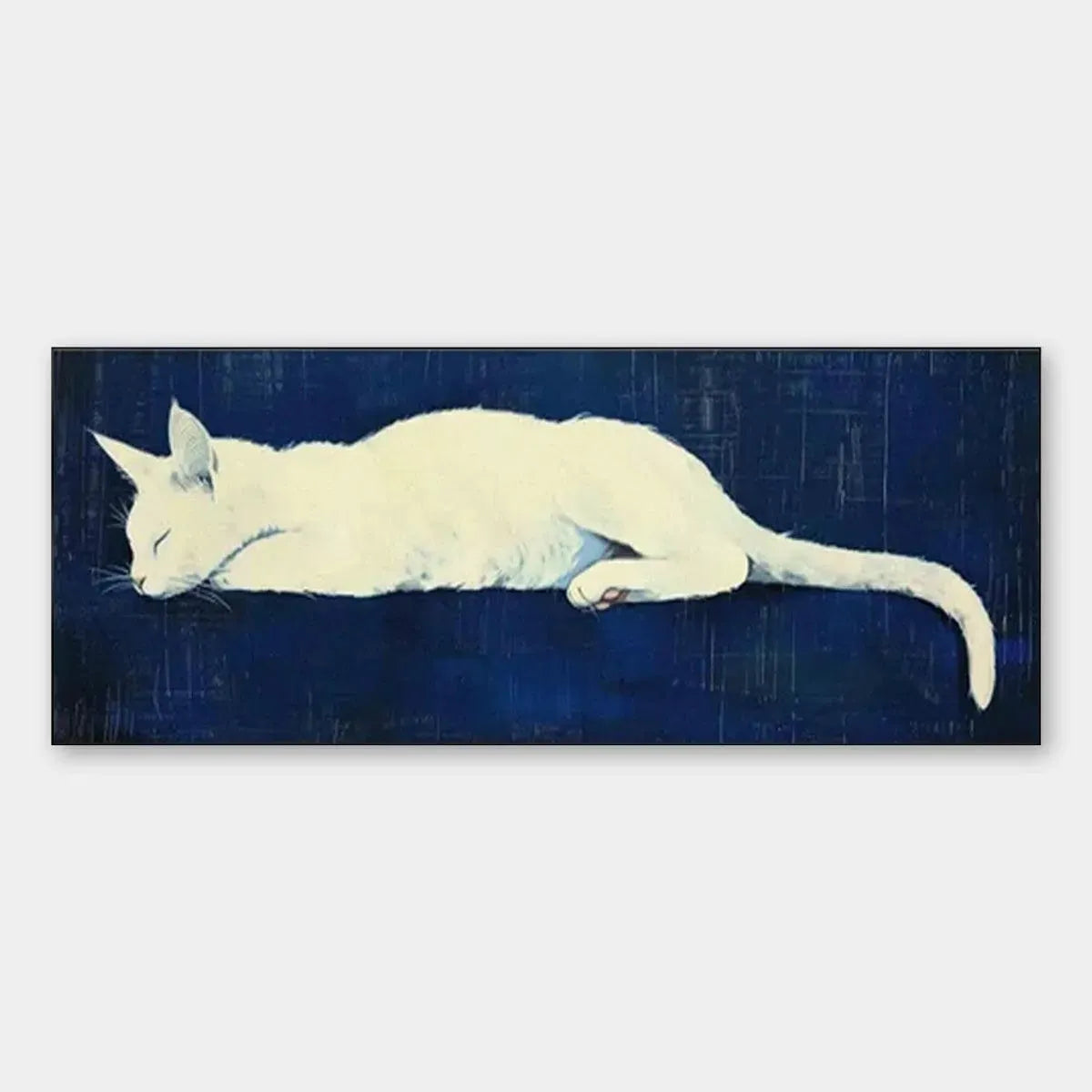
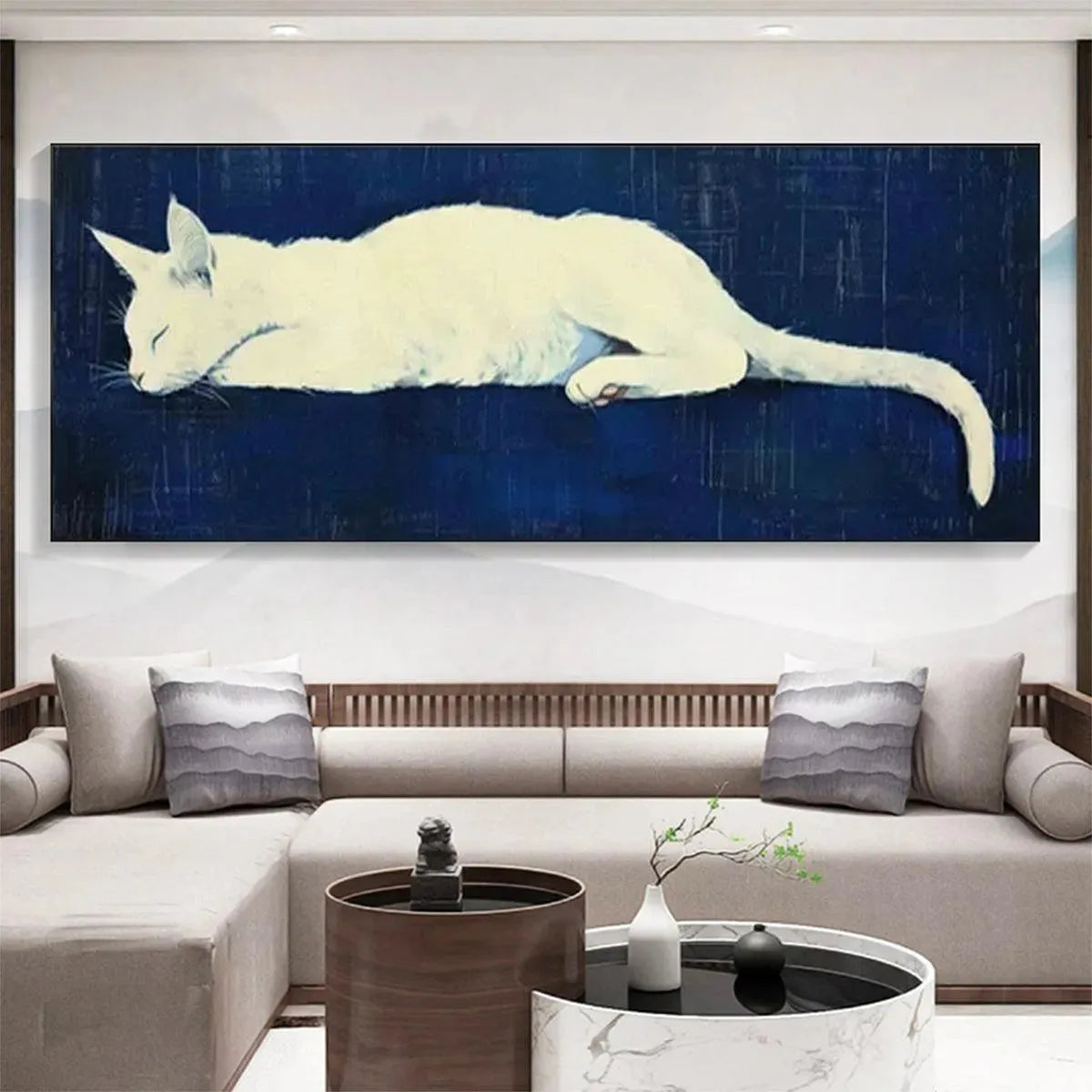




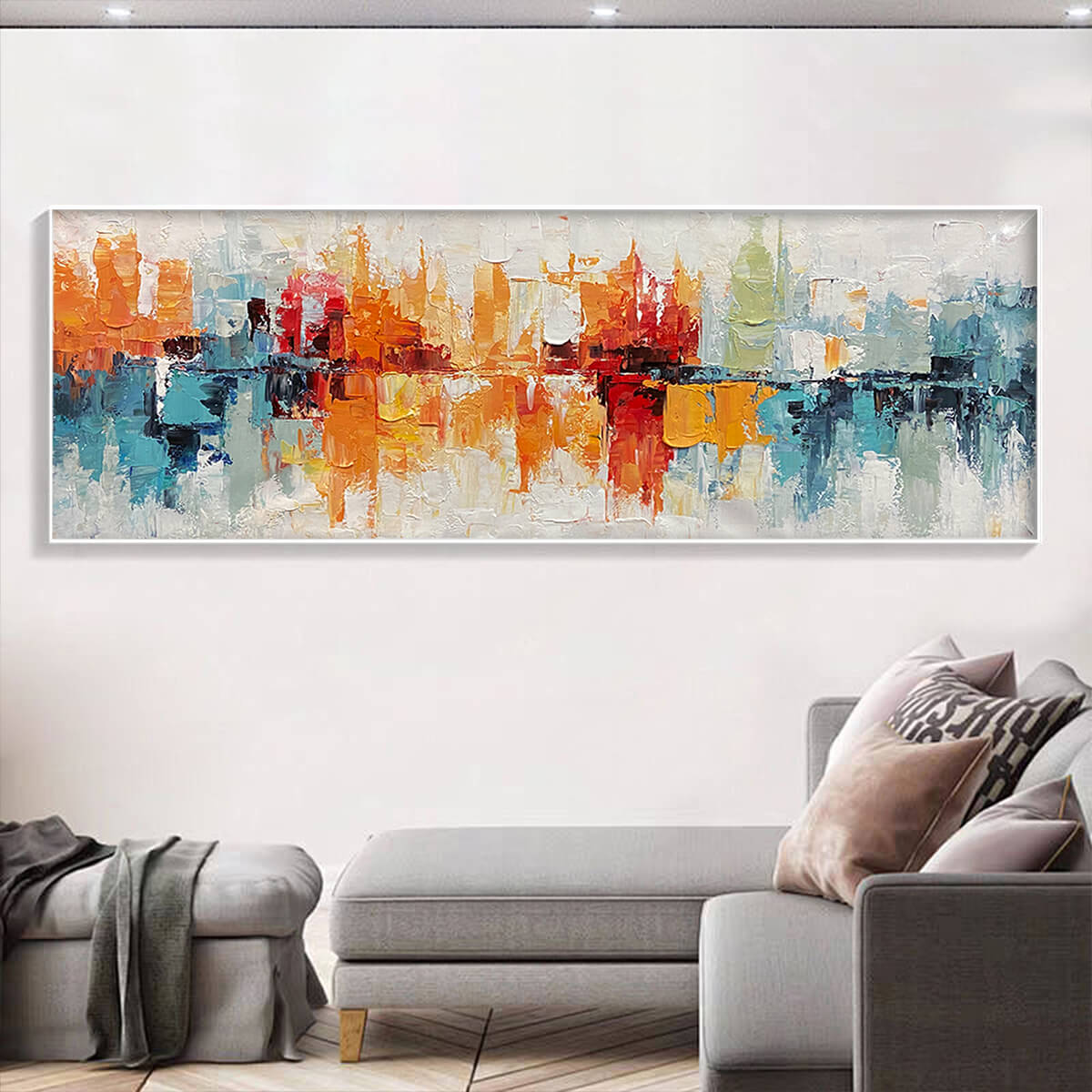
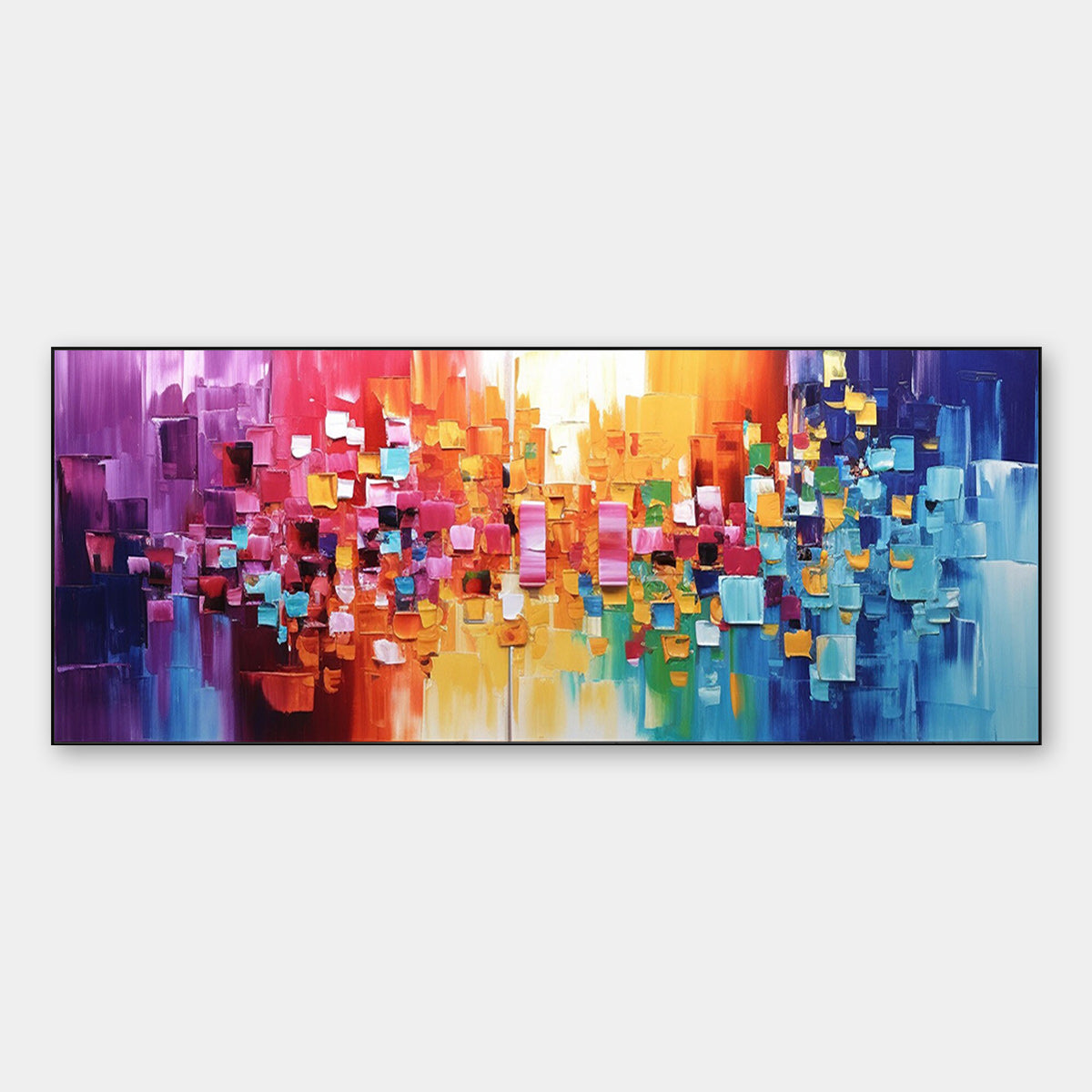
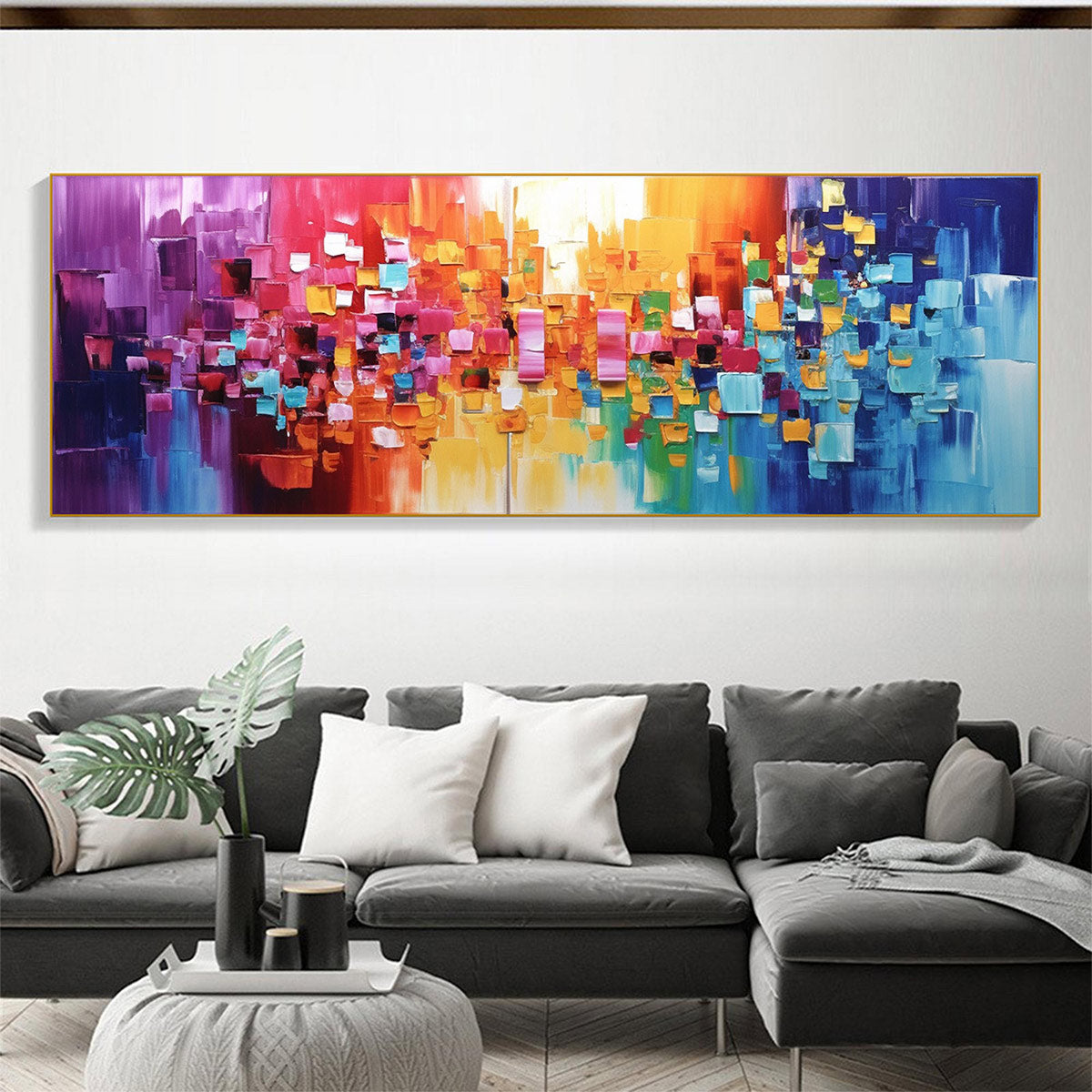
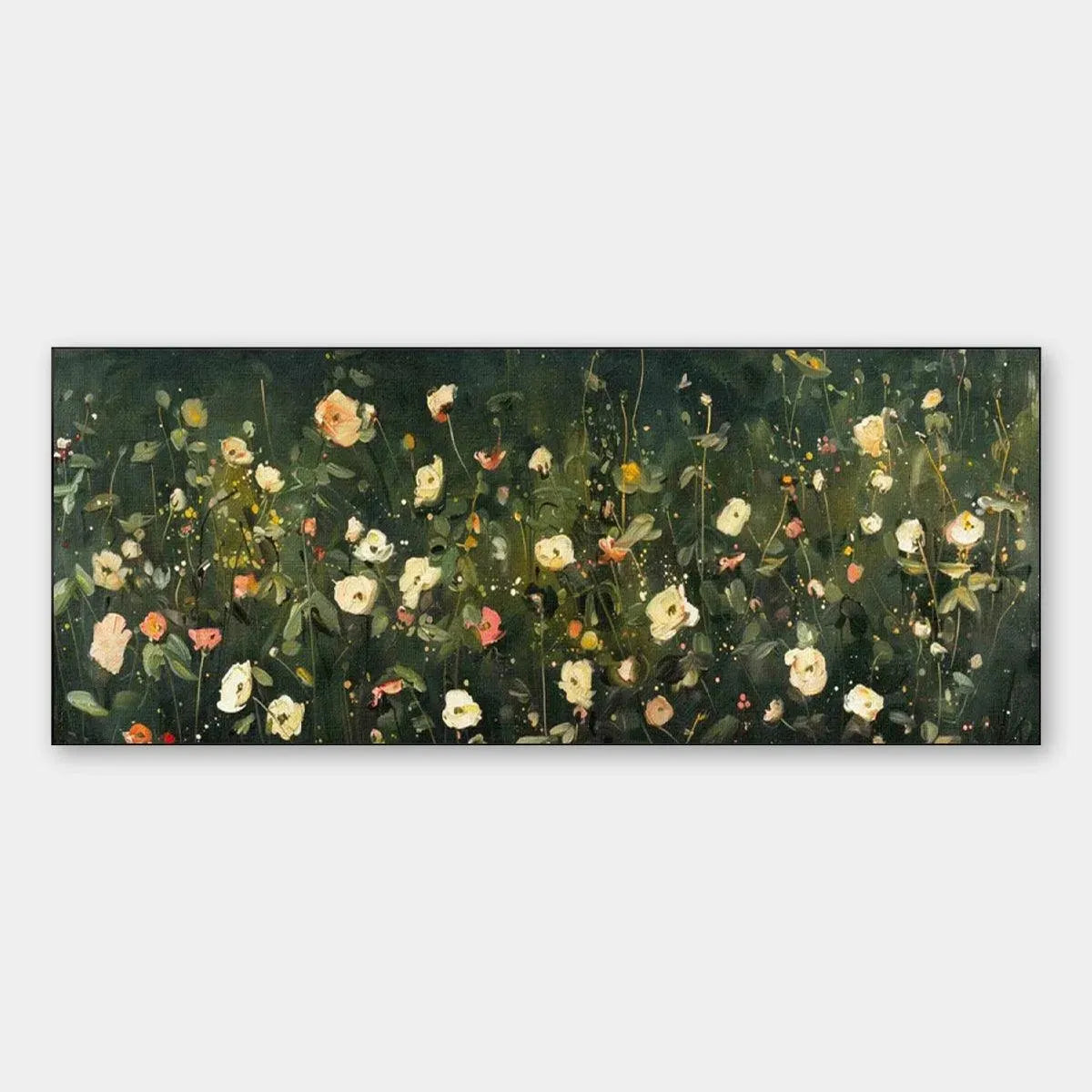





Panoramic Wall Art for Long Walls and Open Views
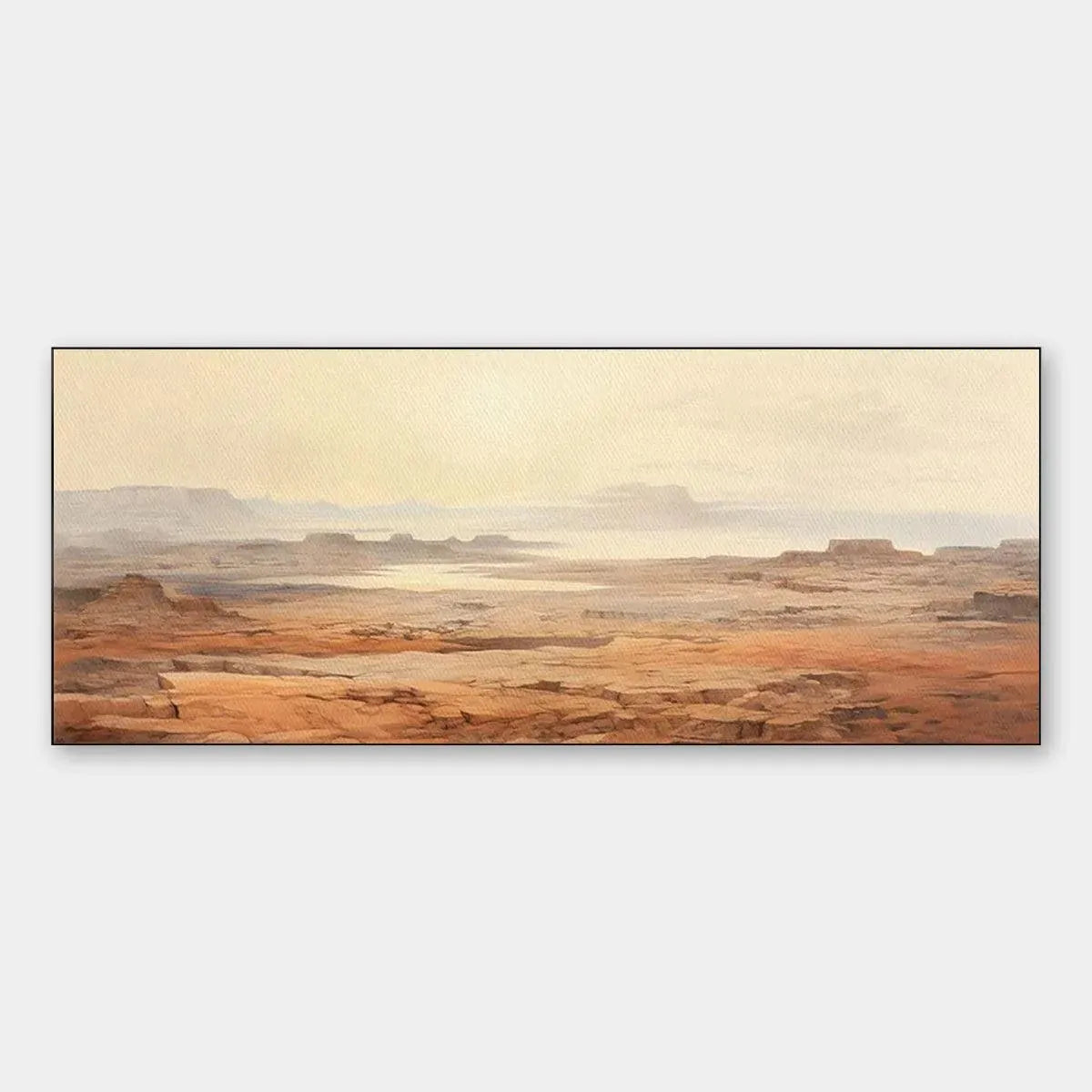
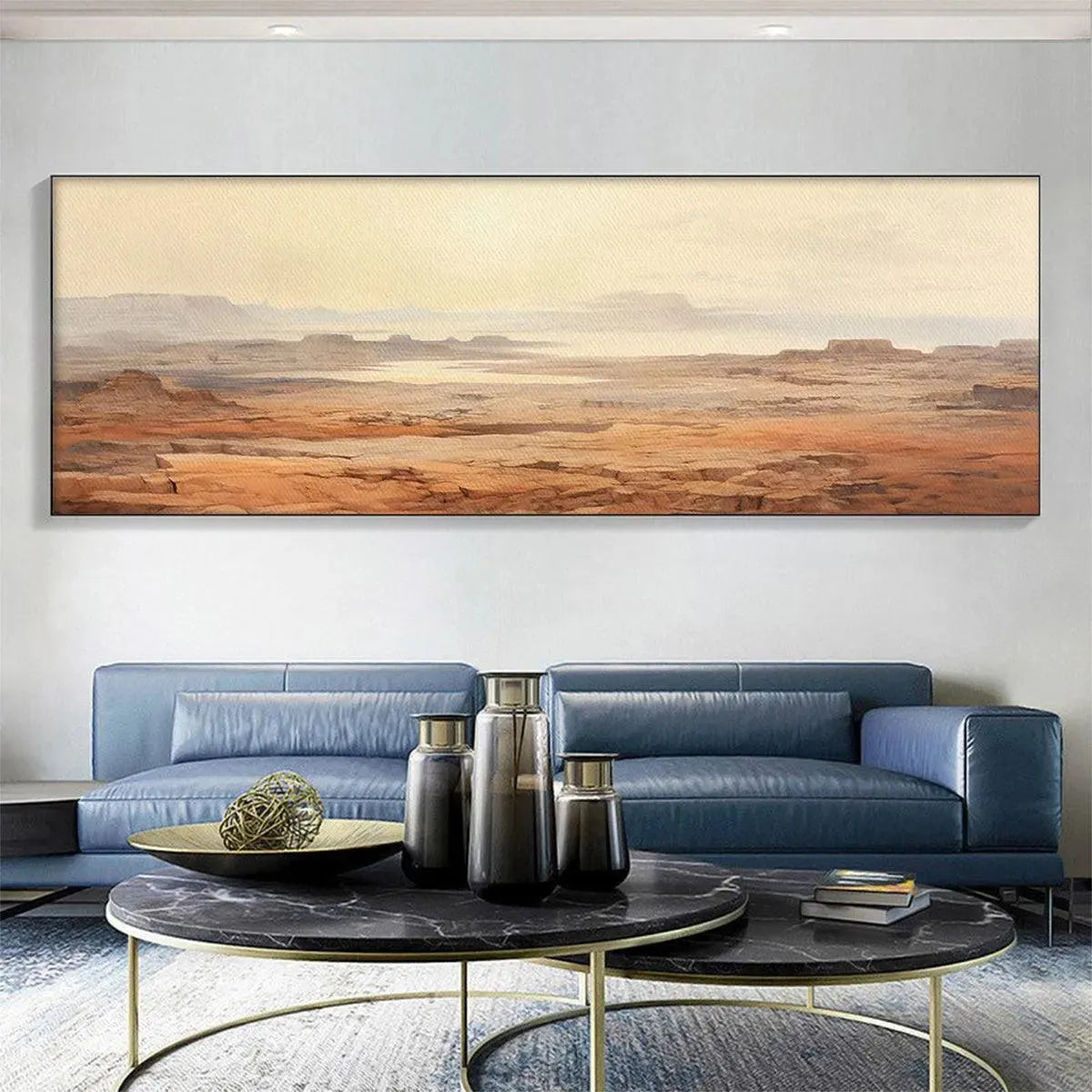
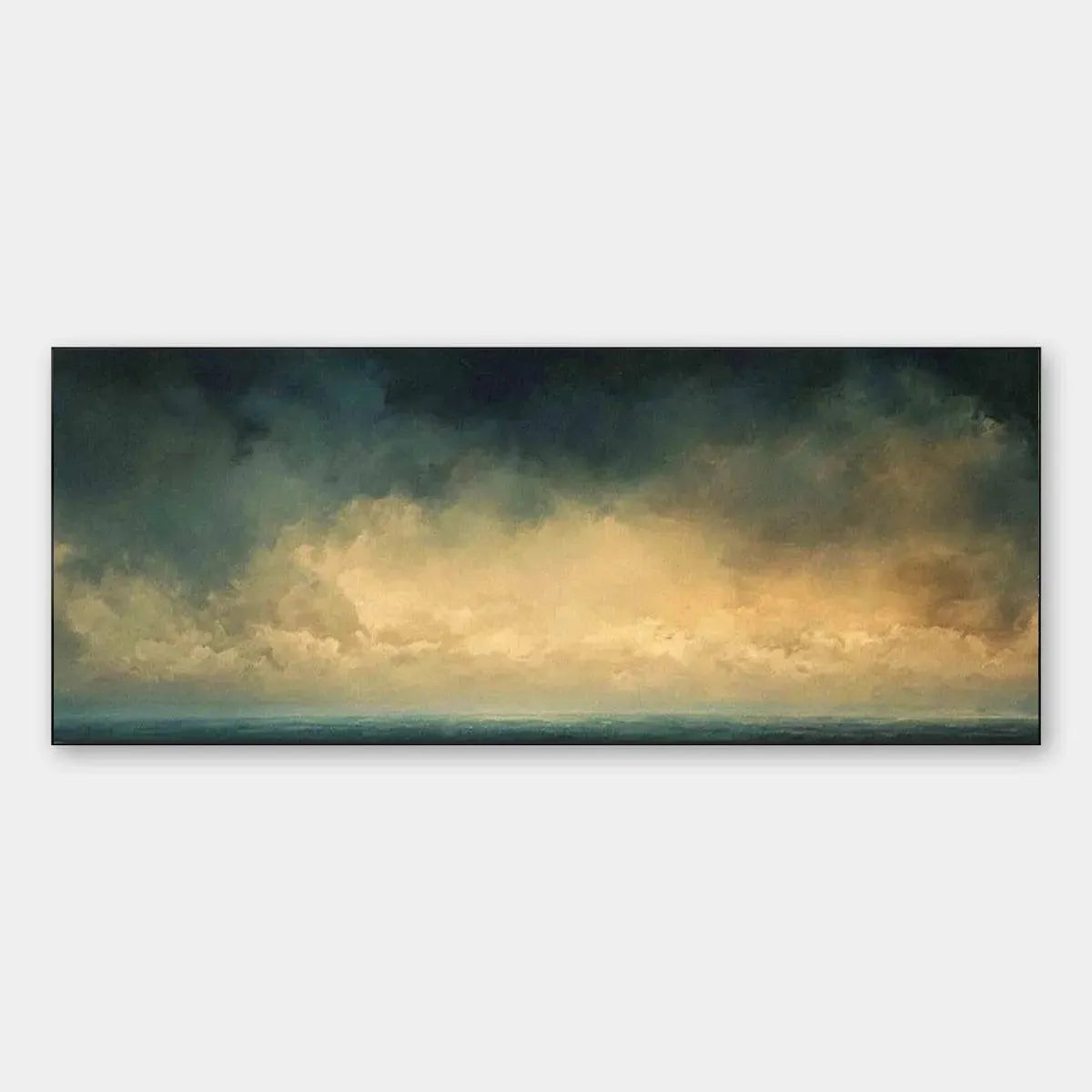
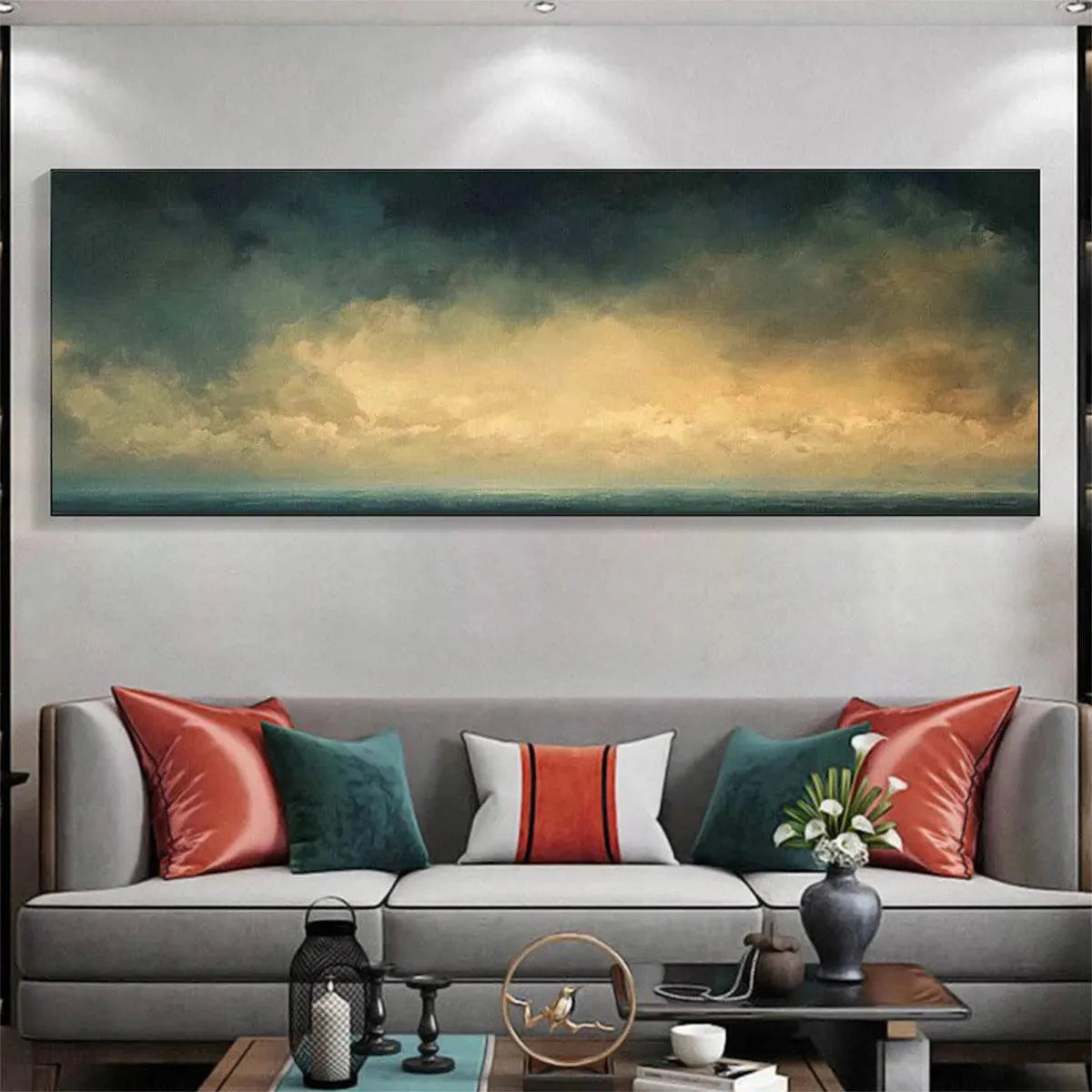
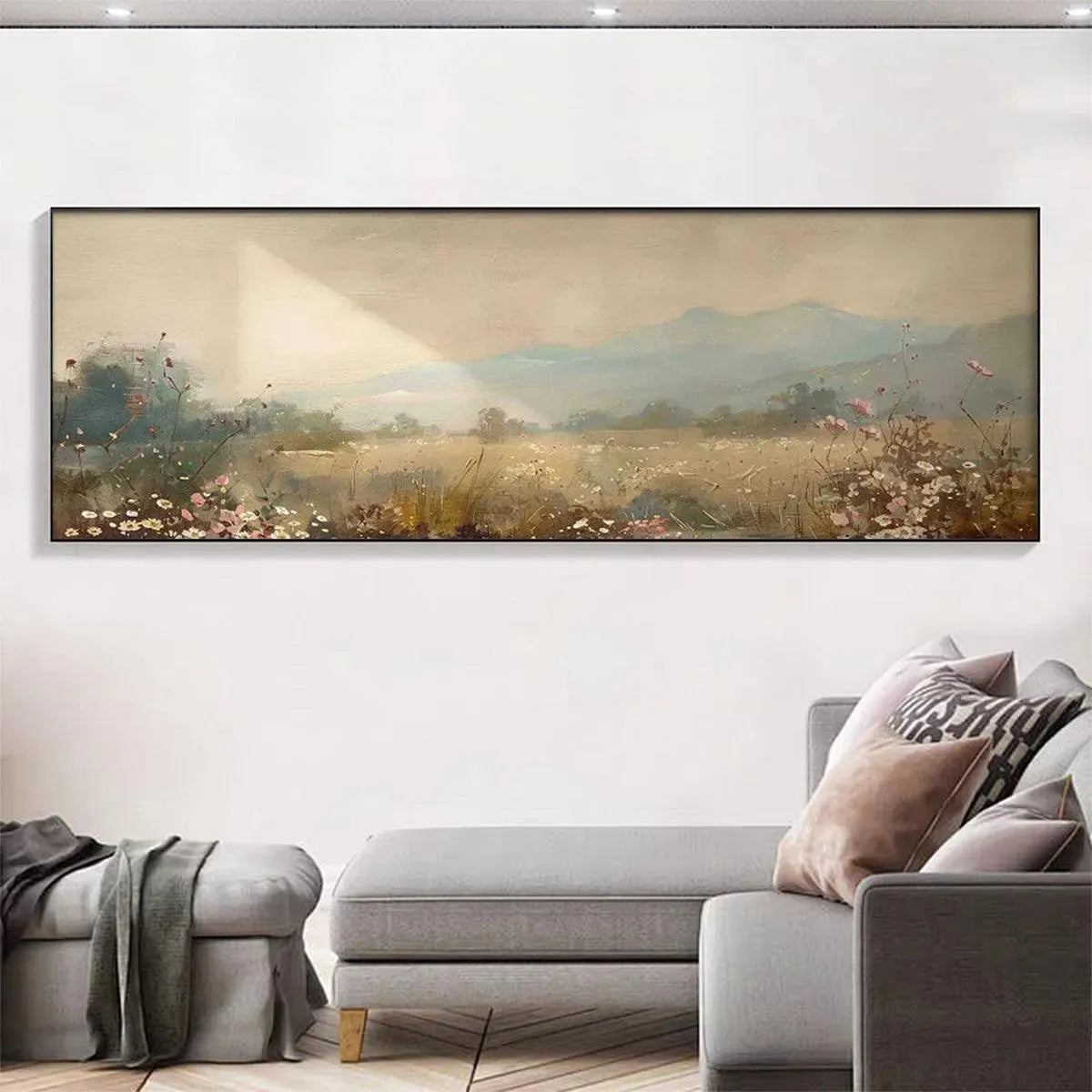
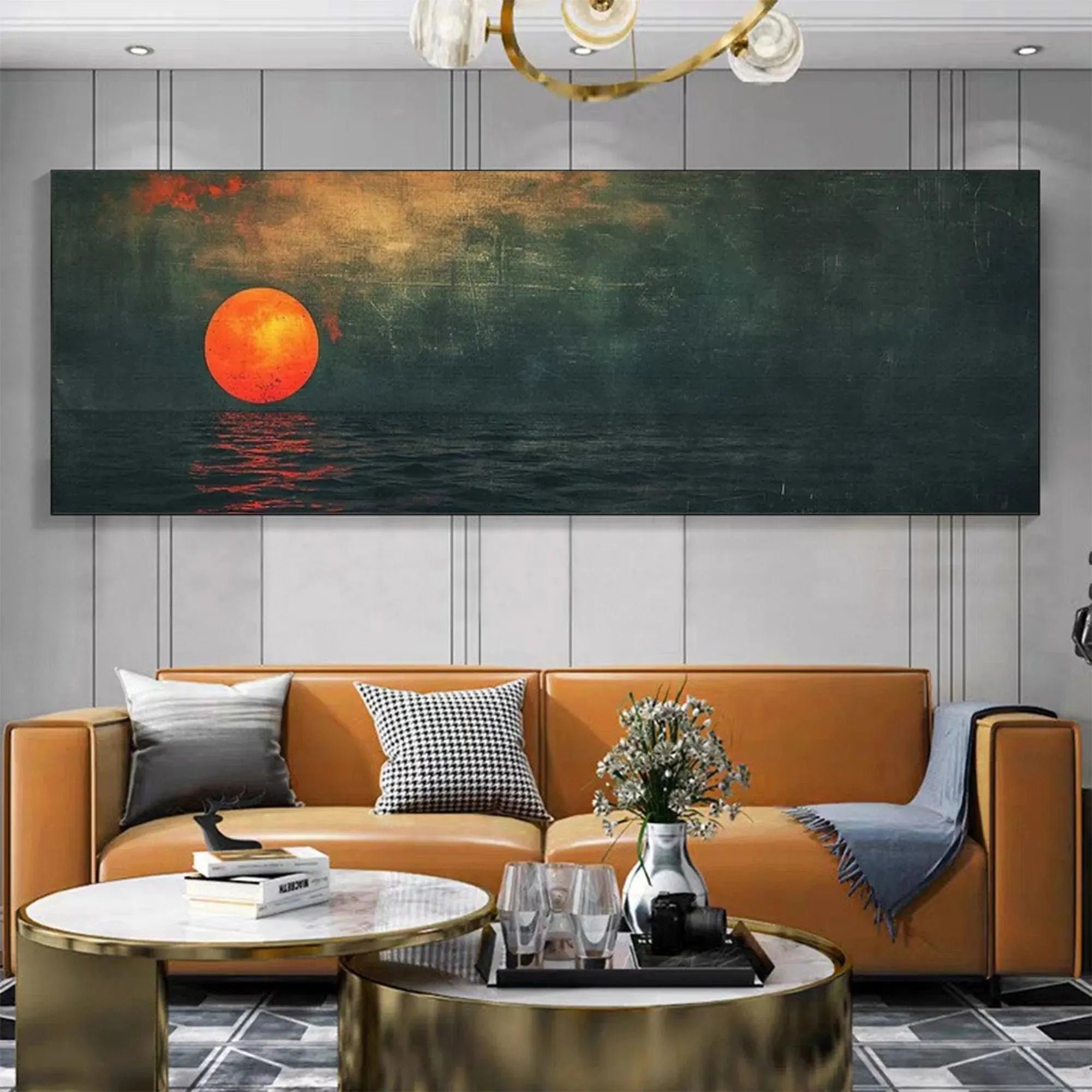
A long wall can have width but little usable height. A high sofa back, a headboard, or nearby shelving may leave a shallow band for a painting. Panoramic wall art gives that space a continuous composition: a shoreline, a mountain scene, or branches extending across the canvas. Start with the shape of the available wall, then choose the view you want to live with.
Follow the painting from one end to the other
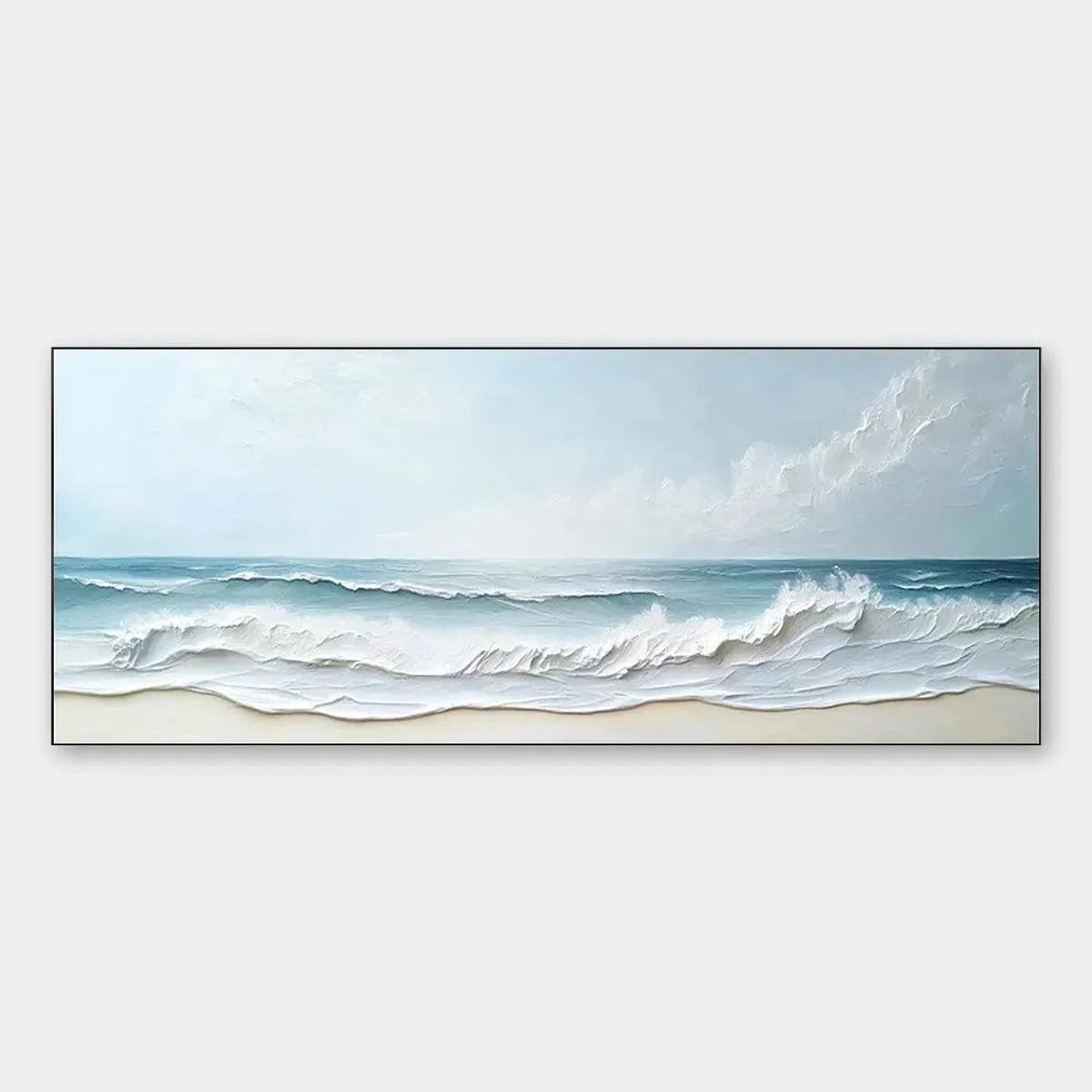
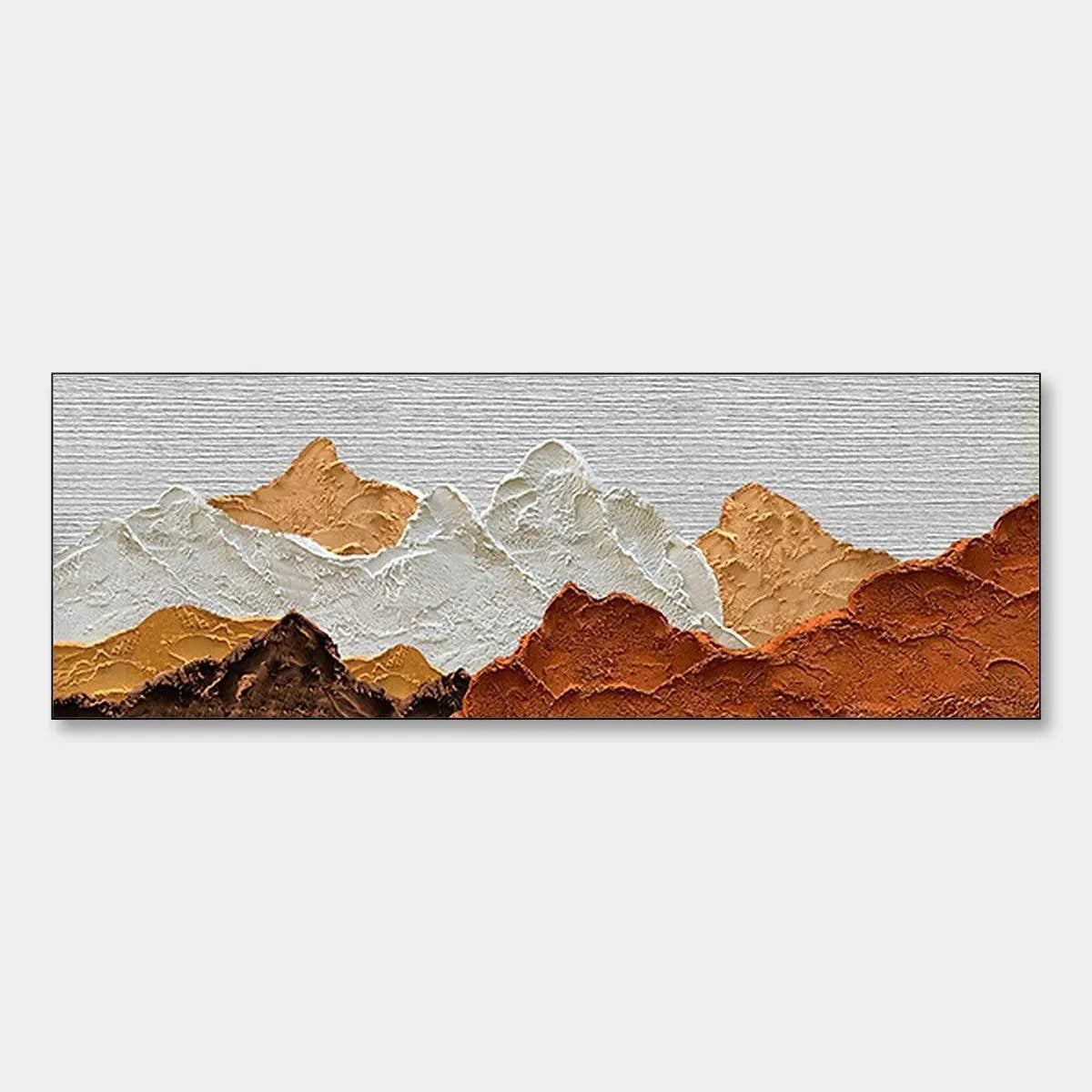
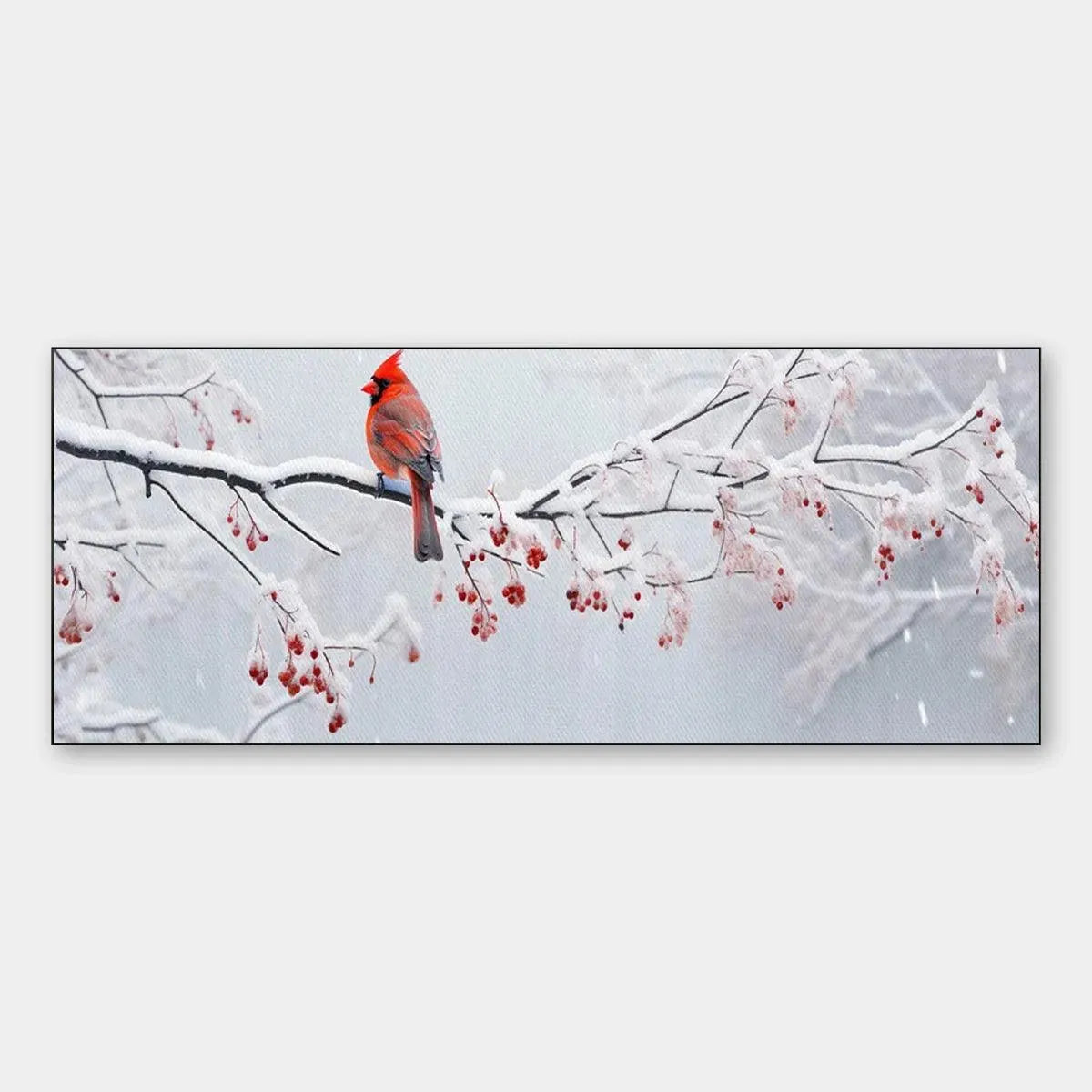
The appeal of a panoramic painting is the way its subject carries your eye sideways. An uninterrupted coast can hold the wall together above a long sofa. A line of mountains introduces distance, while an extended floral branch gives the same width a closer, more intimate subject.
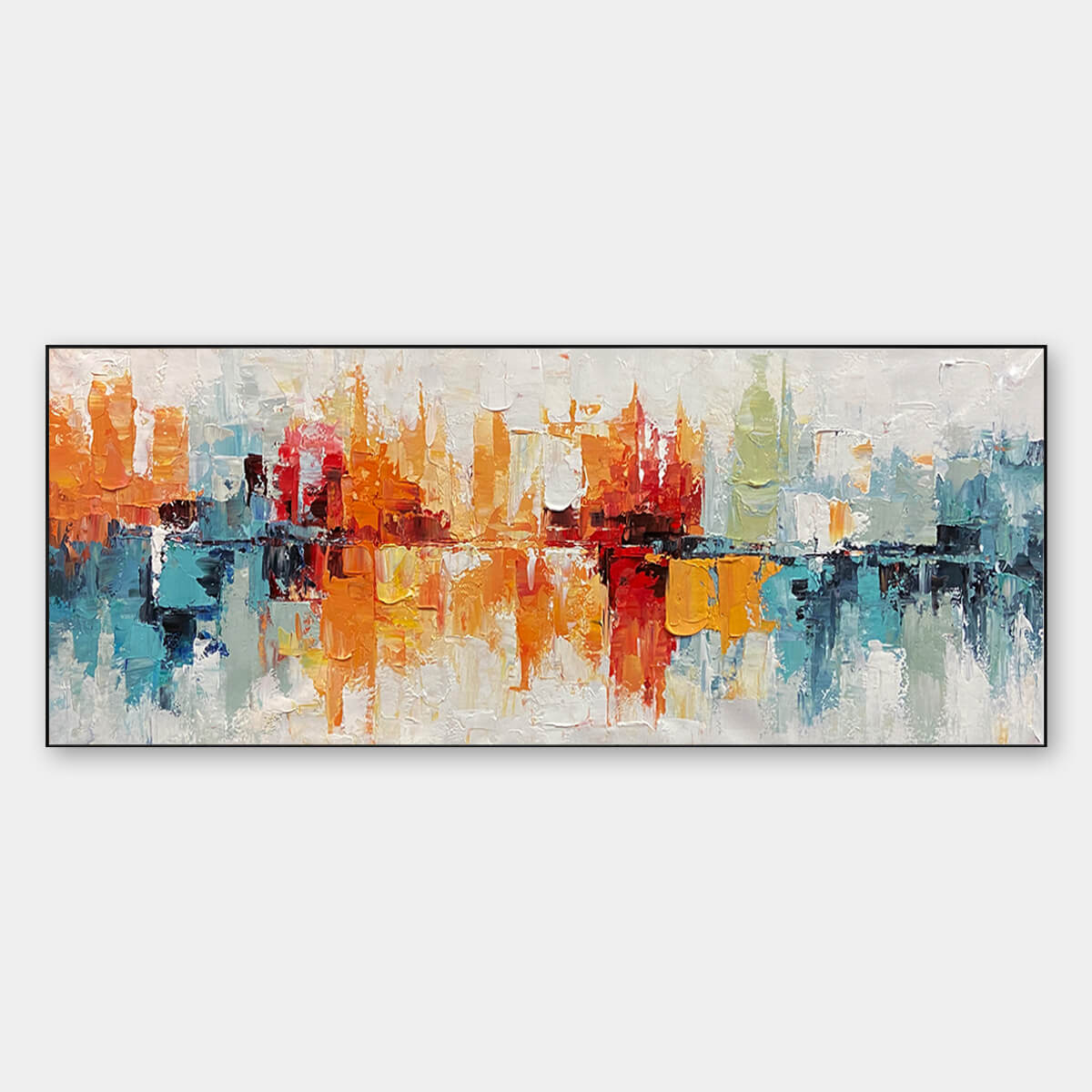
Look beyond the center of the product photograph. Notice what happens at both edges and how the quieter areas connect the main forms. Compare a busy composition with one that surrounds a focal point with open space, according to how much activity you want above the furniture.
Panoramic and horizontal wall art can overlap. Horizontal describes orientation broadly; panoramic usually emphasizes a longer, narrower shape and a sweeping composition. The dimensions of the individual painting are more useful than either label when deciding what fits.
Find the usable band above your furniture
Measure the width between the obstacles around the painting, including wall lights, windows, shelves, and tall plants. Then measure the clear height above the furniture. These two measurements show whether a long, narrow format will sit comfortably or leave the composition squeezed against the ceiling.
Mark a possible outline with removable paper or tape suitable for your wall finish. View it from the doorway and from your usual seat. Leave some visible wall at both ends so the painting has a clear boundary. If it looks crowded, test a smaller outline before deciding that the widest available size is necessary.
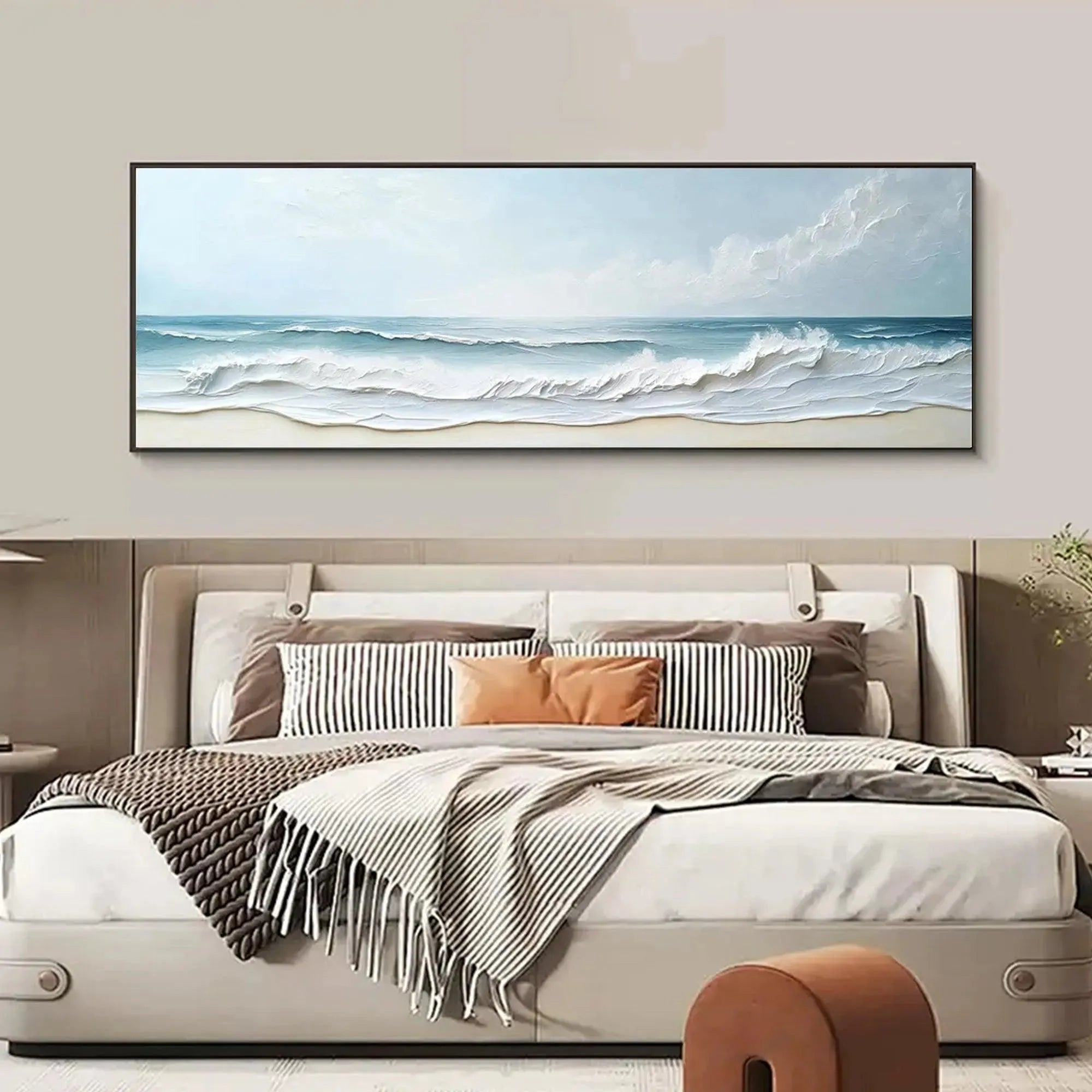
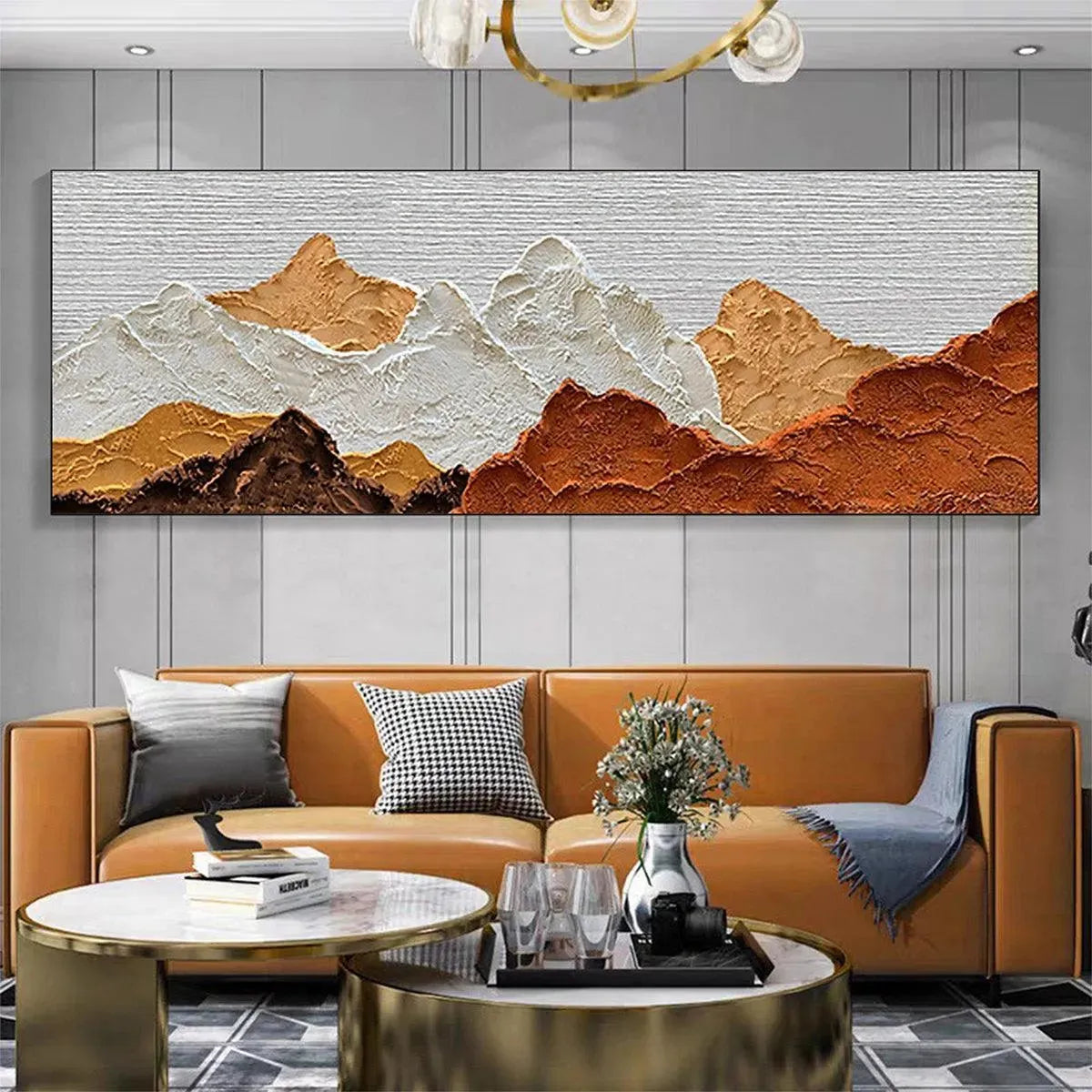
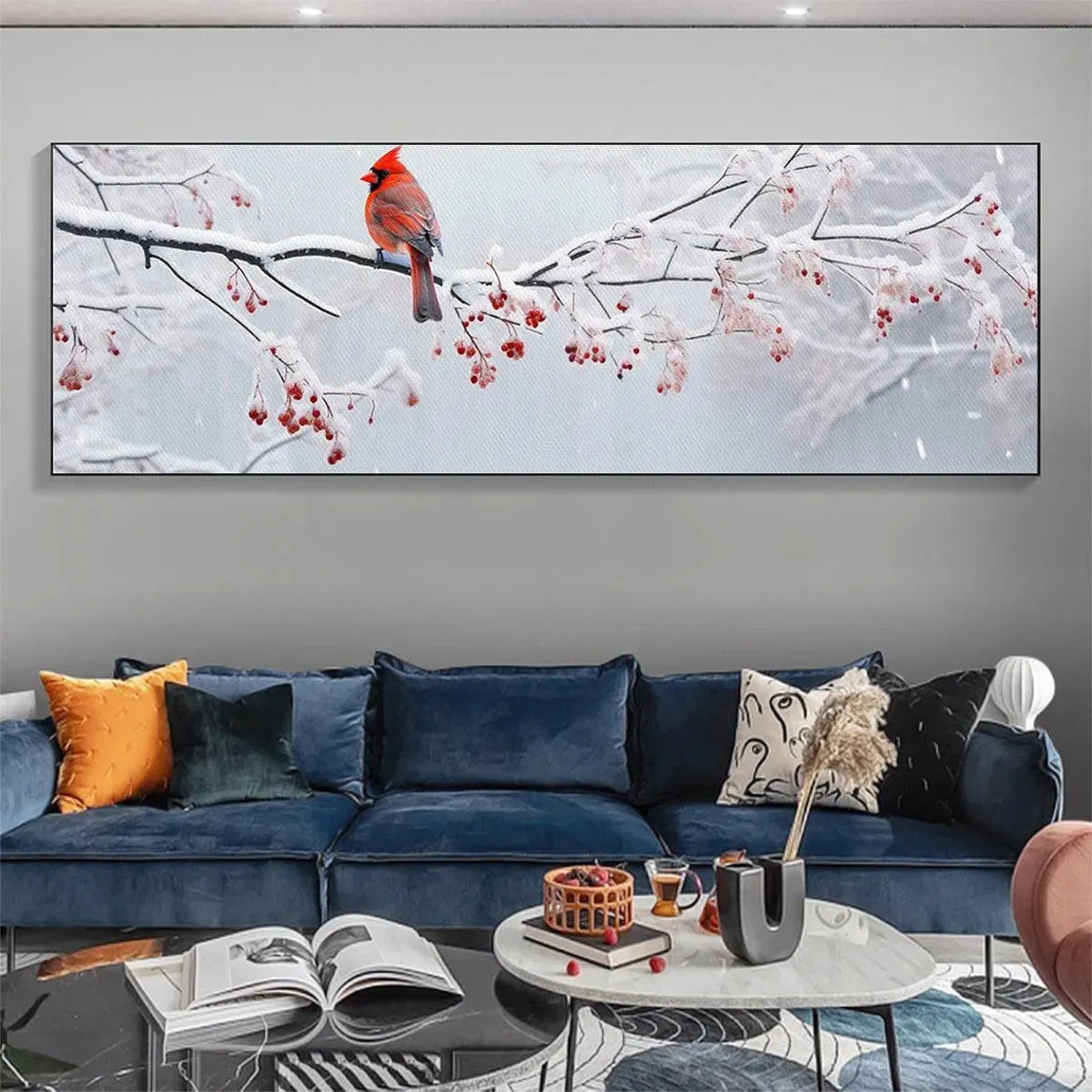
Above a sectional, relate the painting to the back of the sofa beneath that wall rather than the full footprint of the seating arrangement. Above a bed, check the outline while the pillows are in place. In both cases, the furniture changes how much of the lower wall remains visible.
Three ways to use the long composition
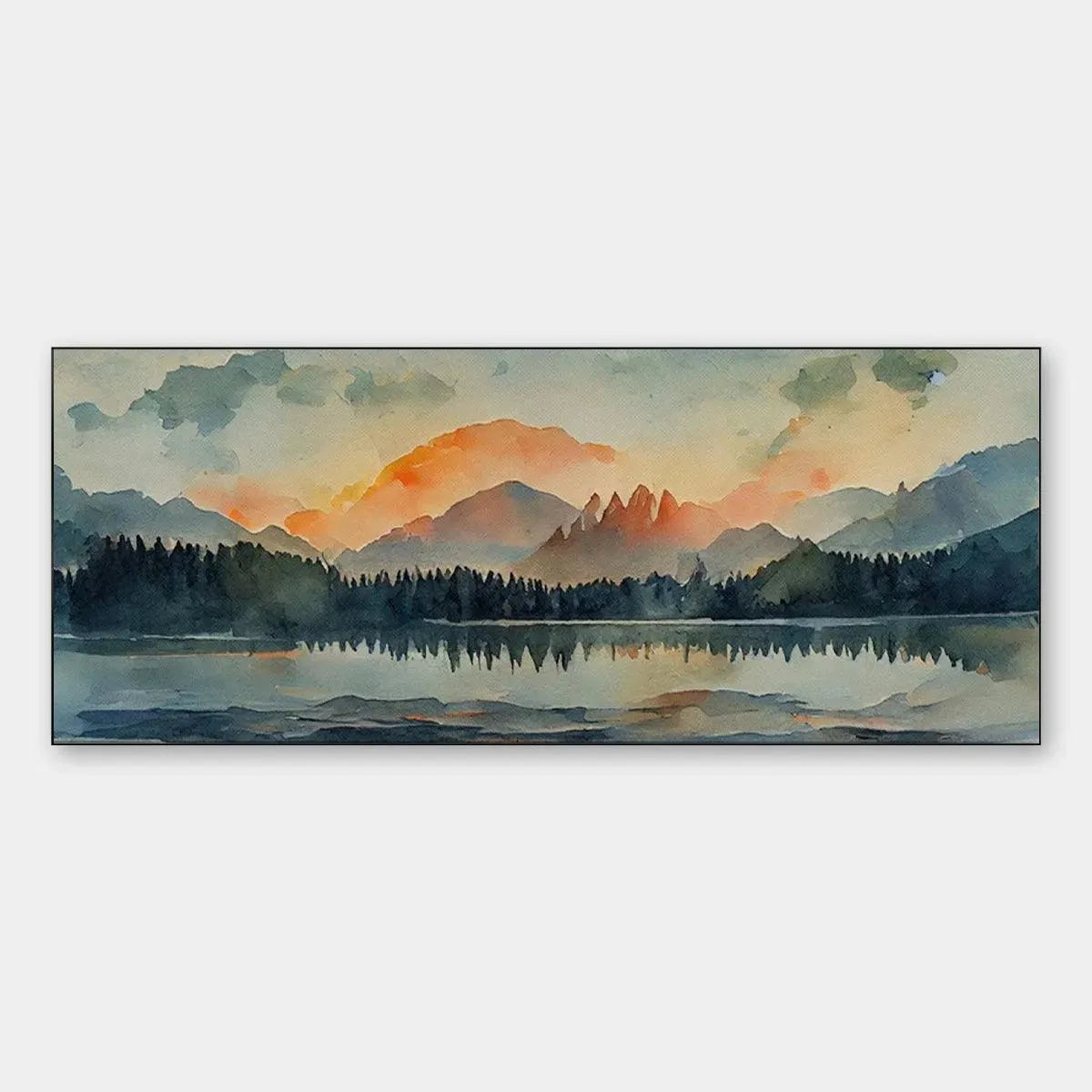
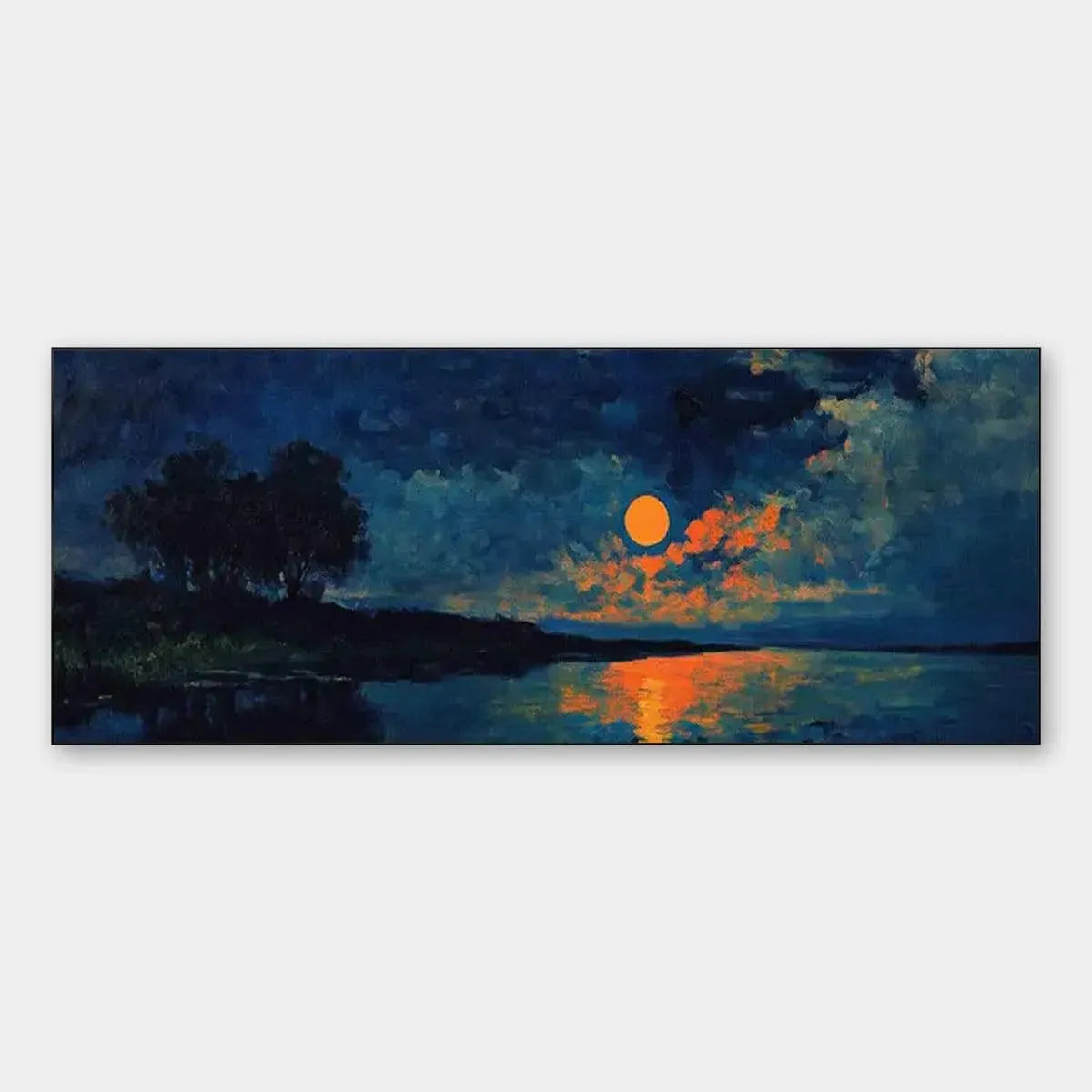
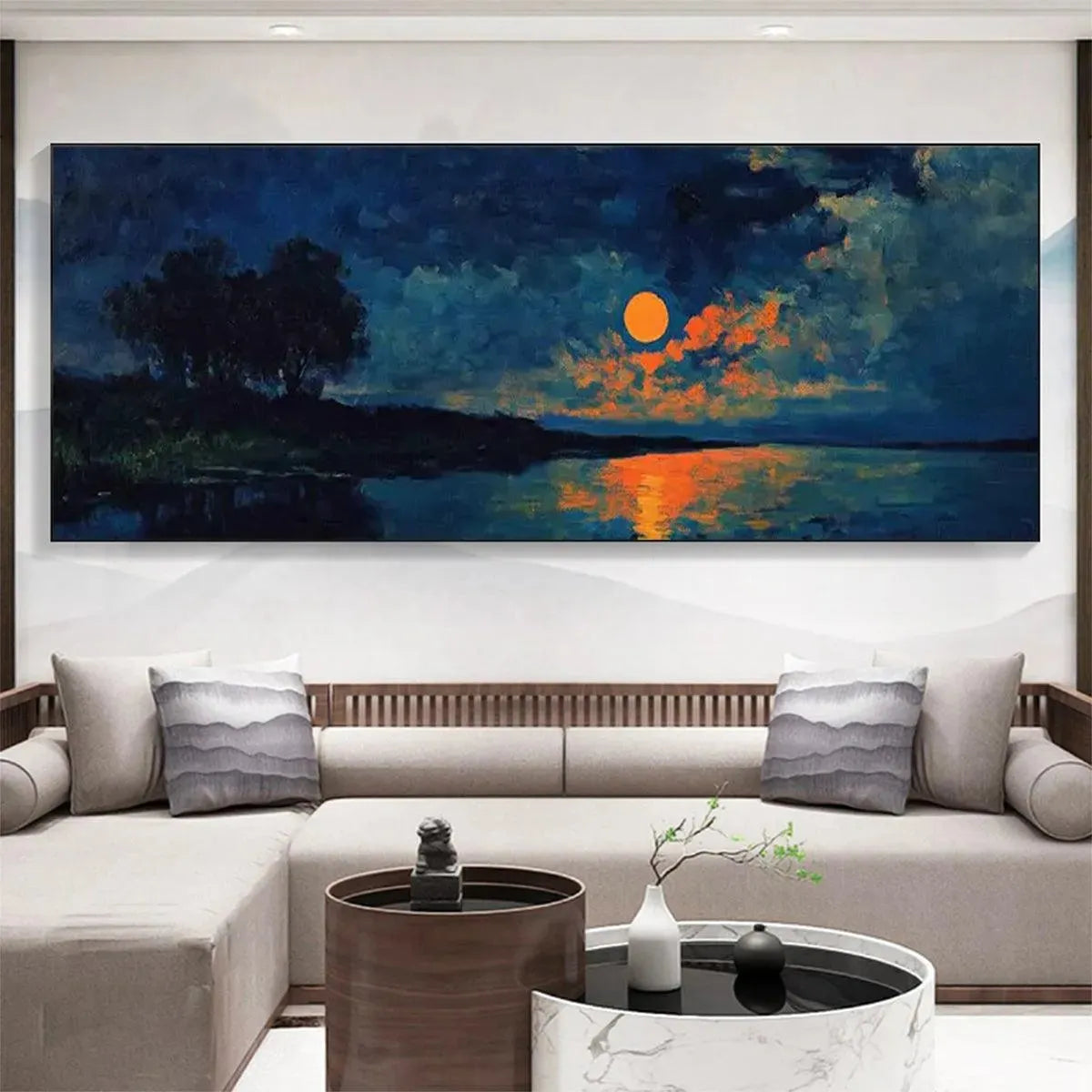
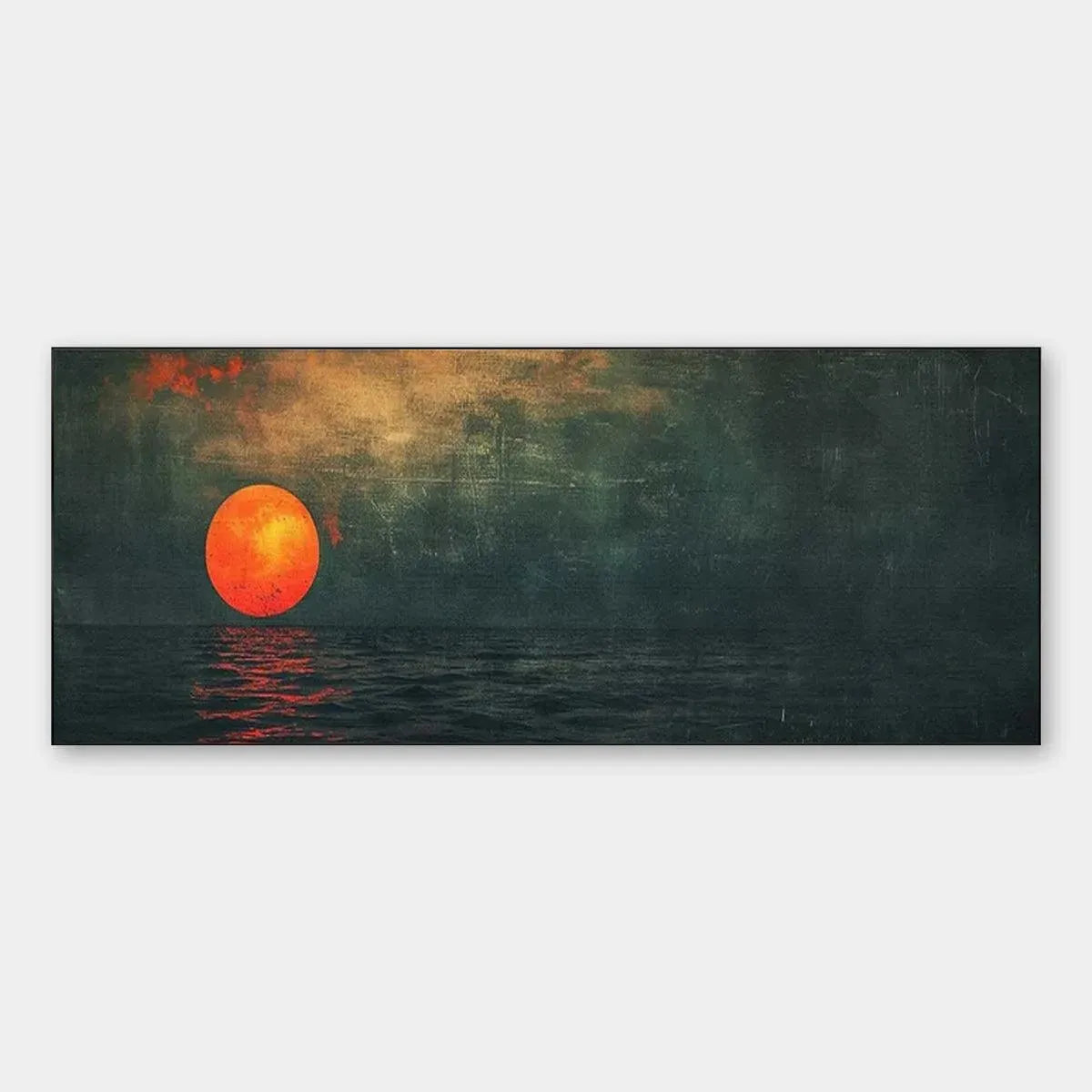
Zen Mountain Sunset Panoramic, by Chen Liu, combines misty mountains, stylized trees, and a red sun. Consider it when you want a landscape with a distinct accent rather than an entirely subdued palette. A small red object elsewhere in the room can echo the sun without repeating the whole scene.
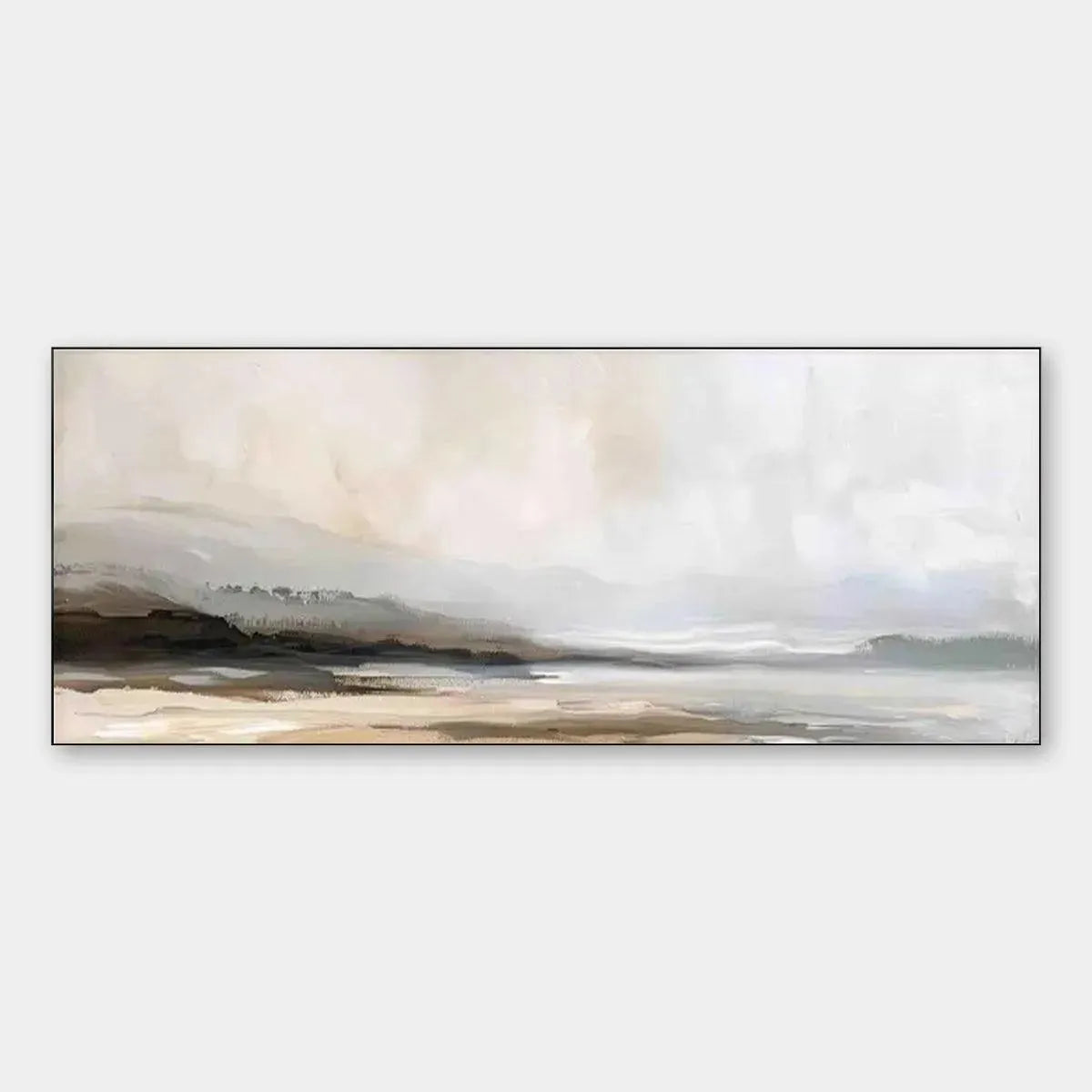
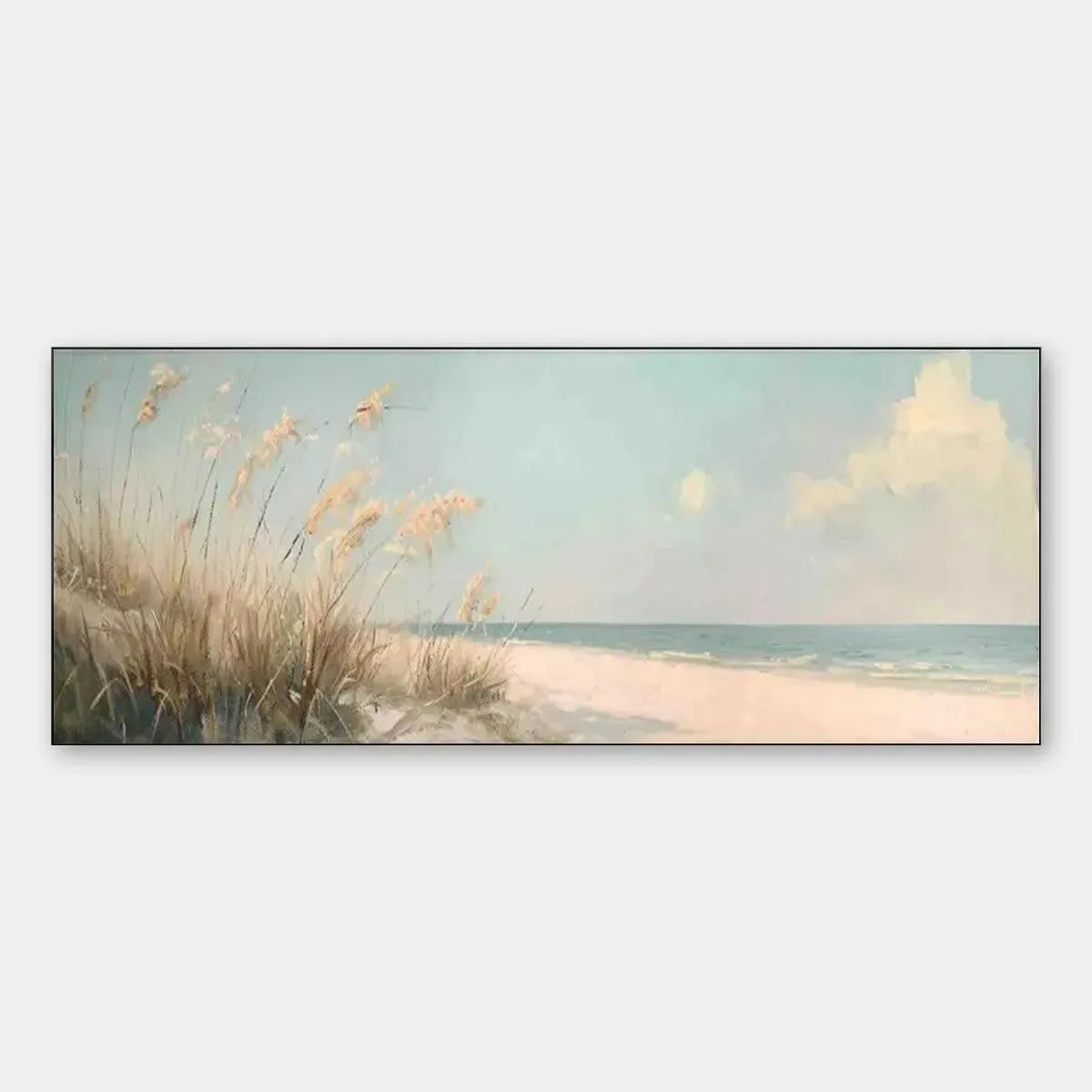
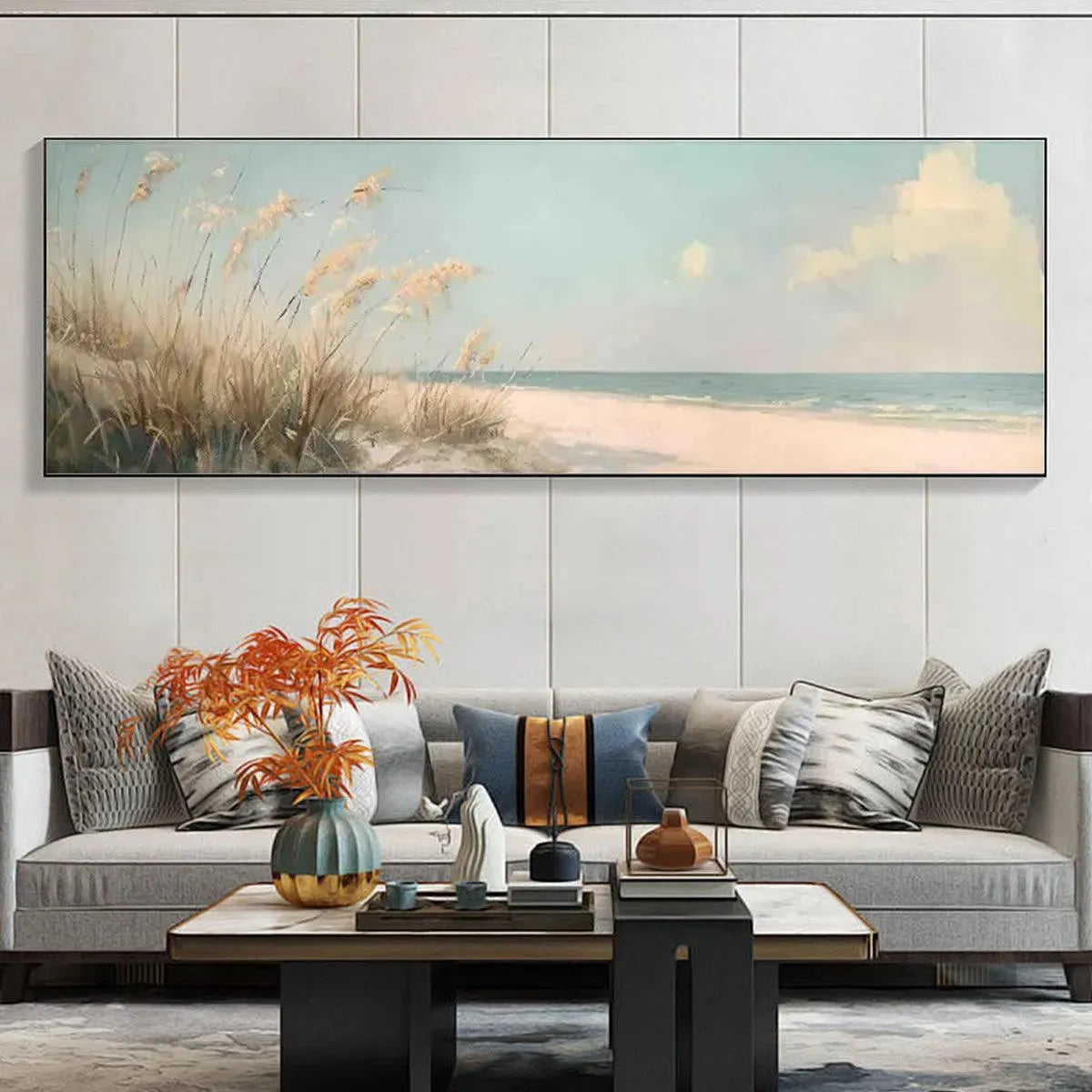
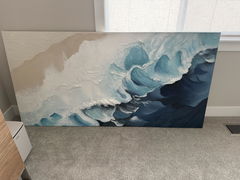
Turquoise Dream Panoramic, by Liam O'Connell, depicts a beach with turquoise water and soft colors. It gives you a coastal direction to compare with existing upholstery and rugs. If your room already contains several blues, check those shades together instead of assuming every blue will coordinate.
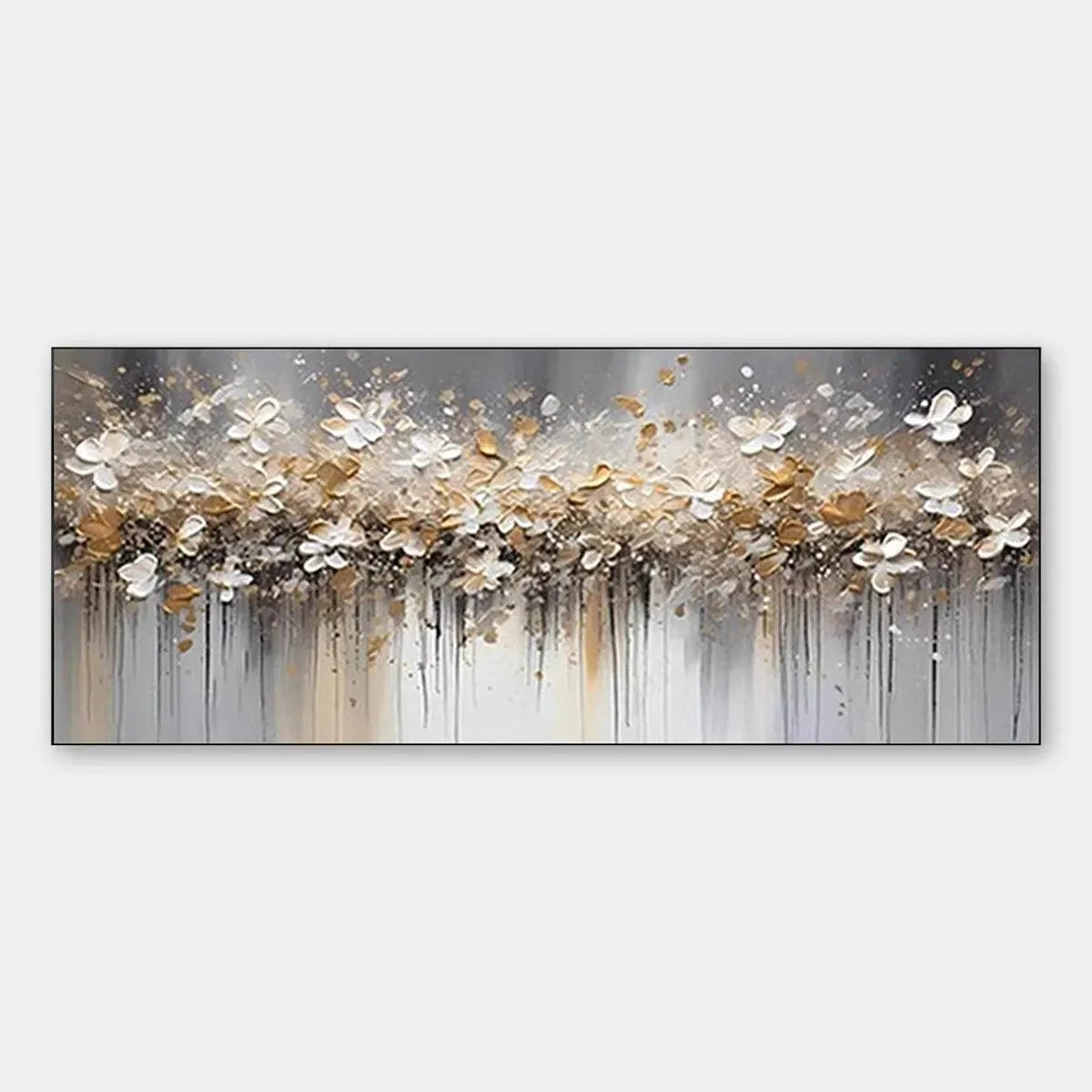
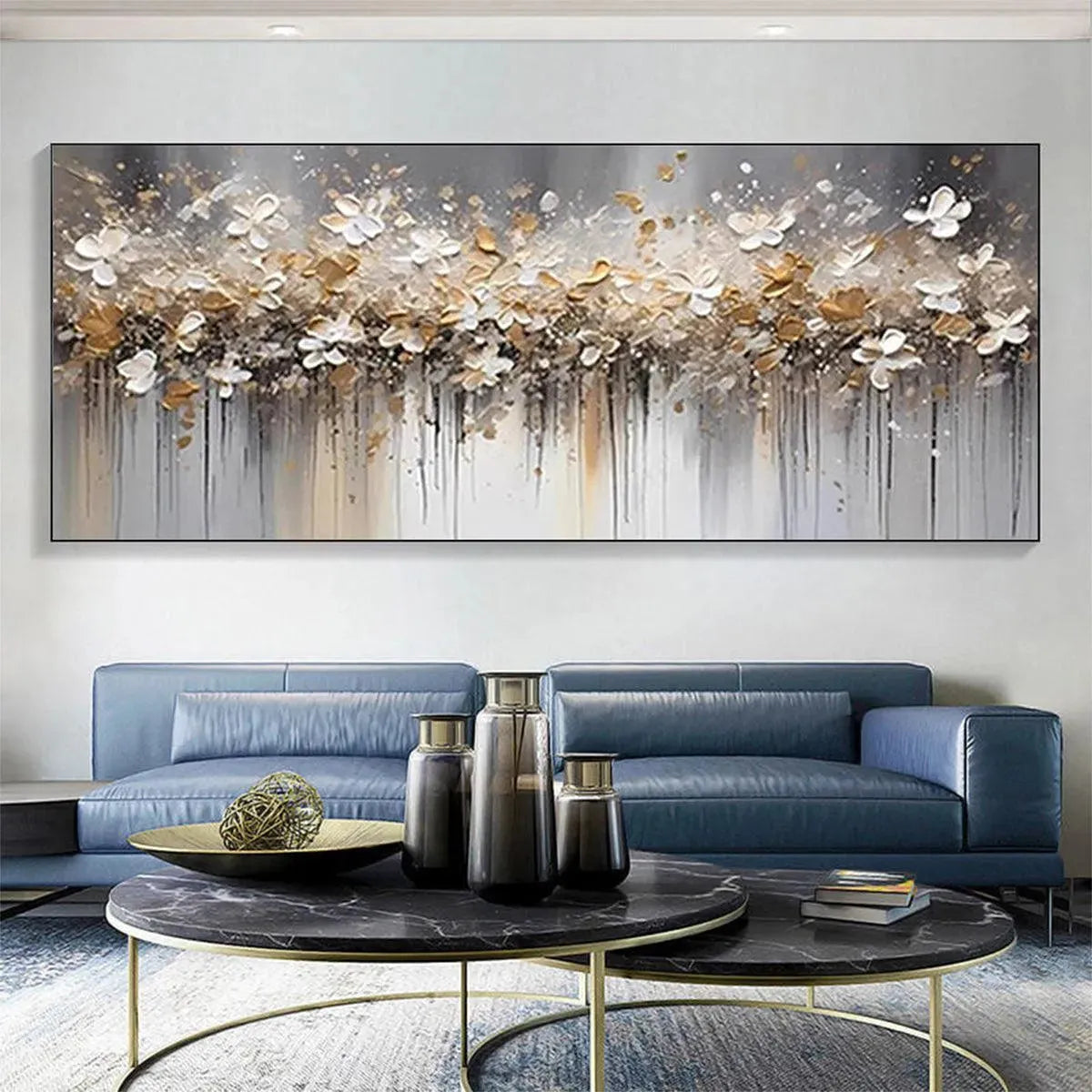
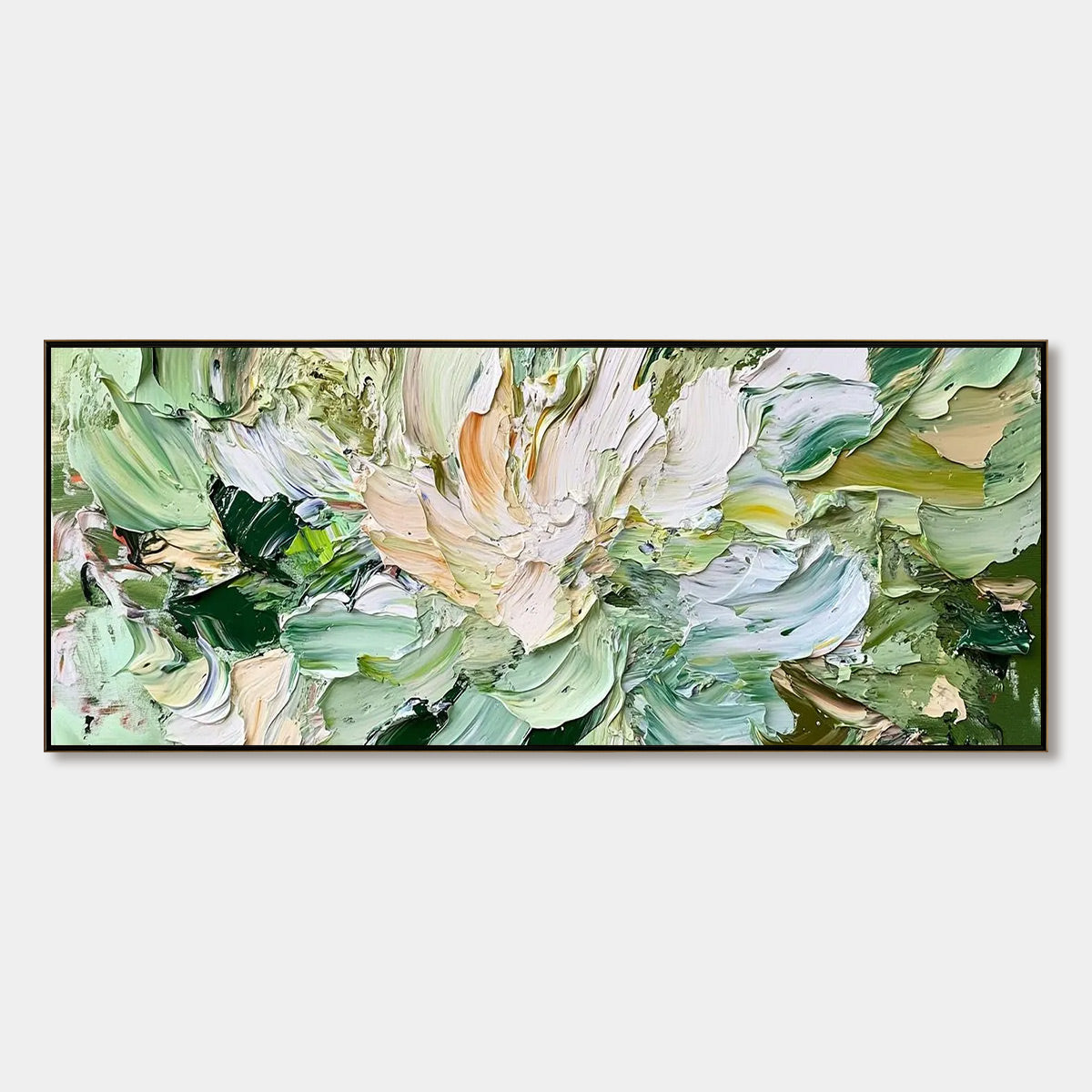
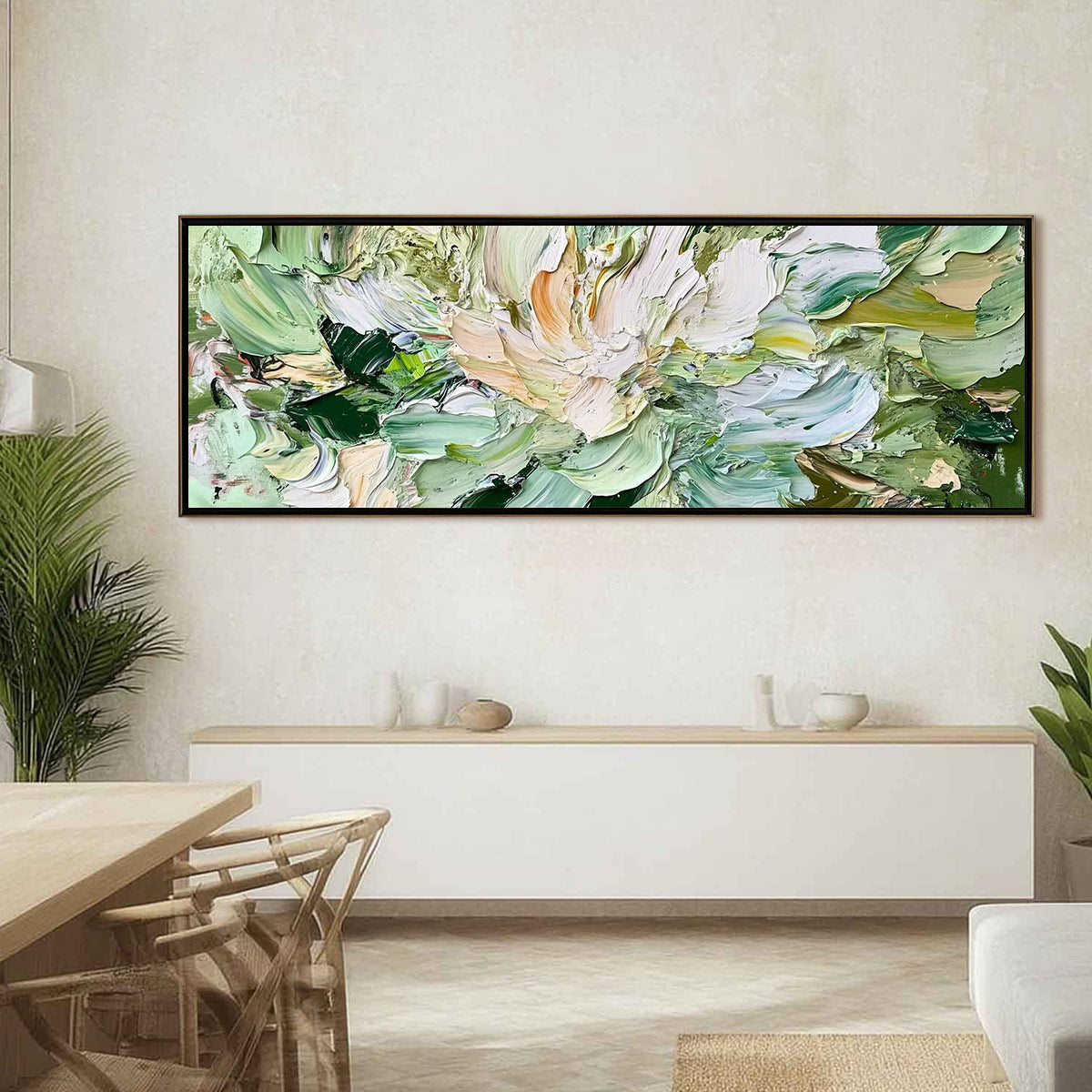
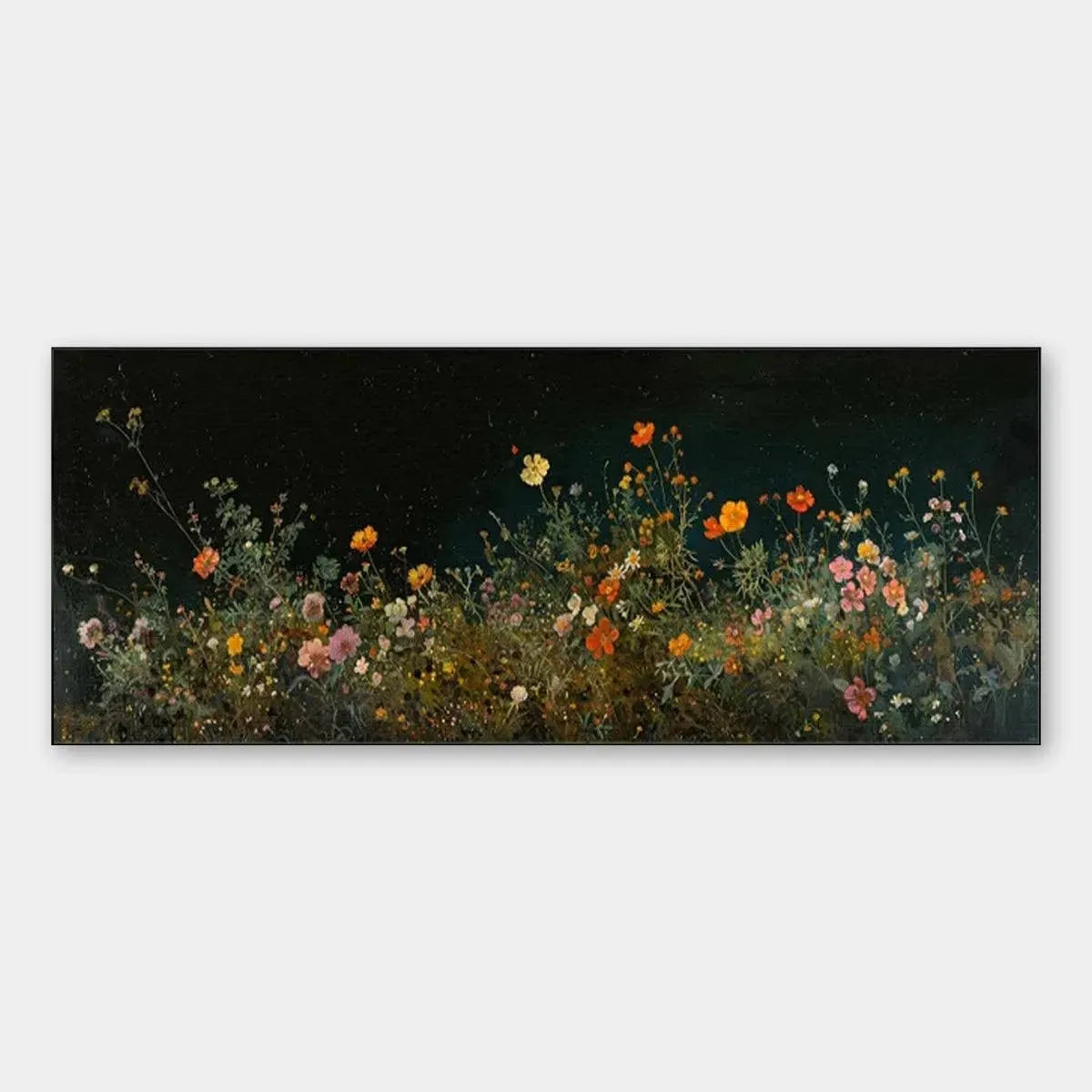
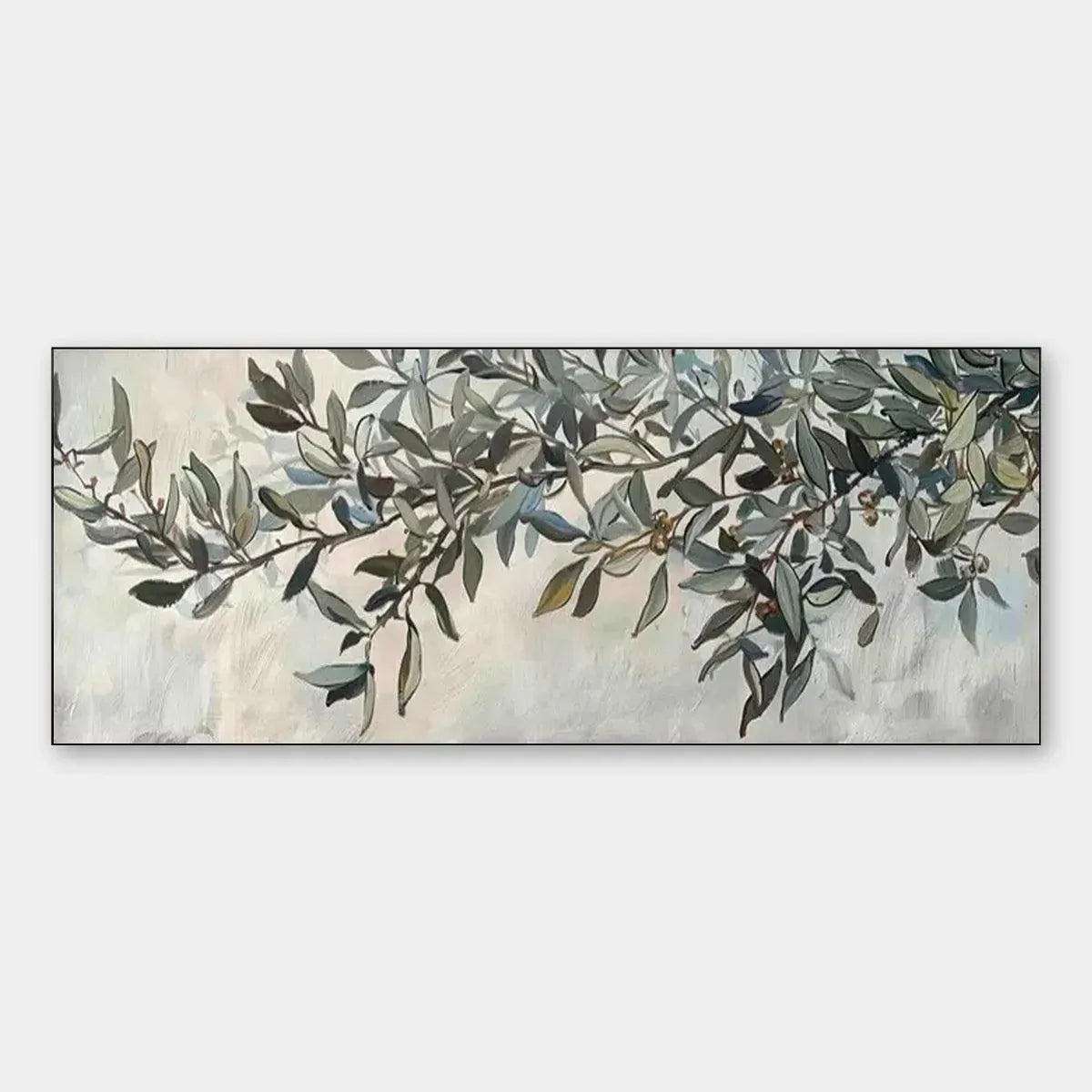
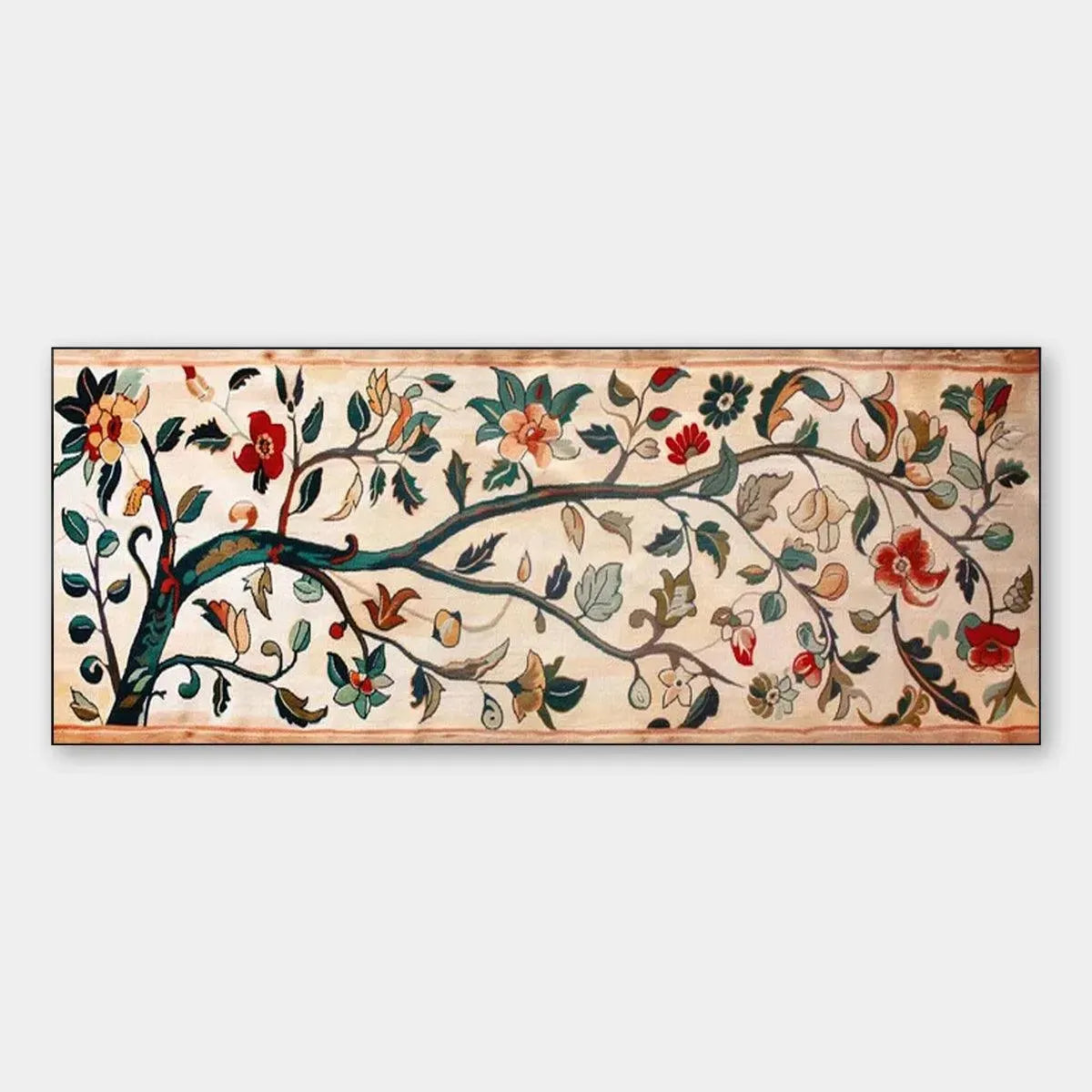
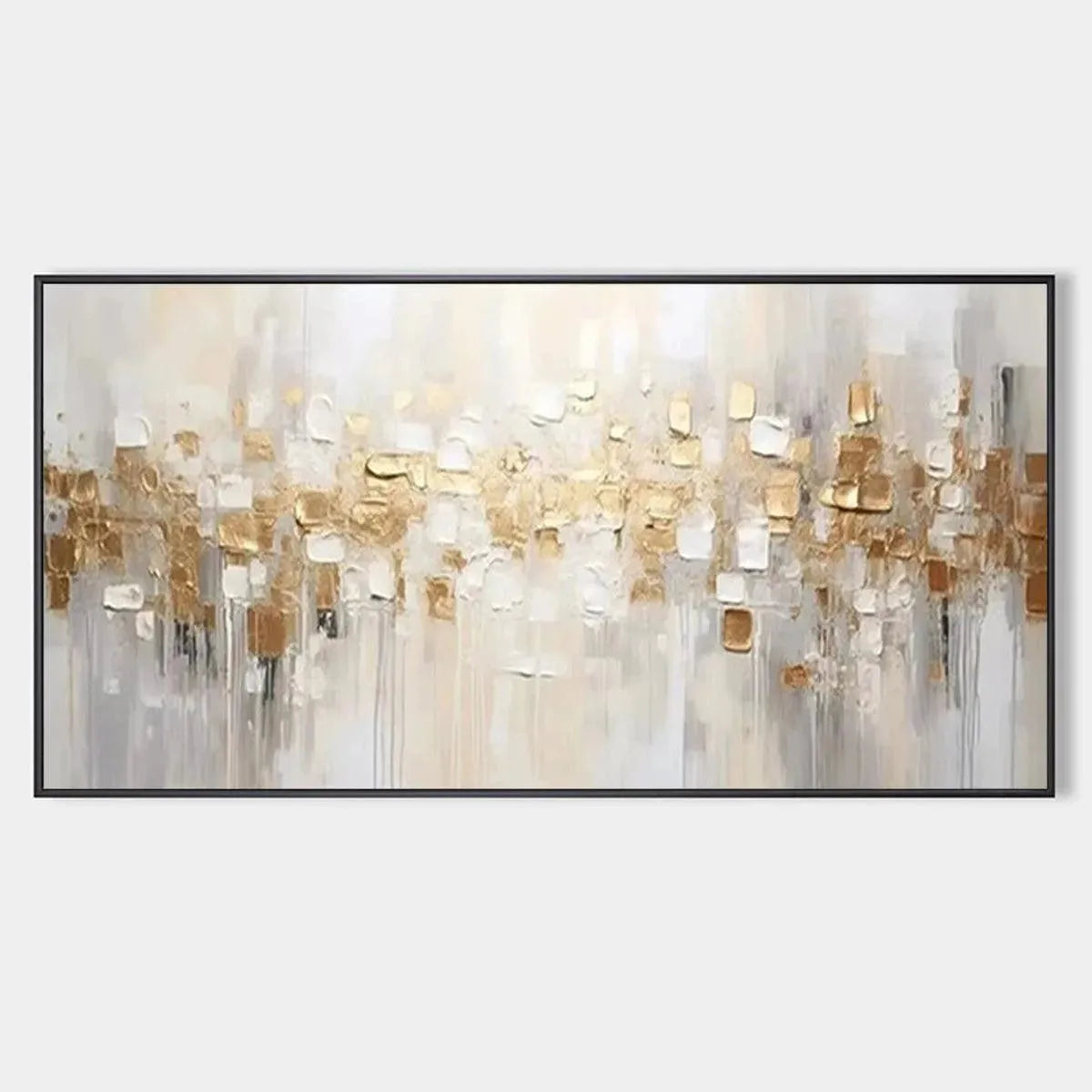
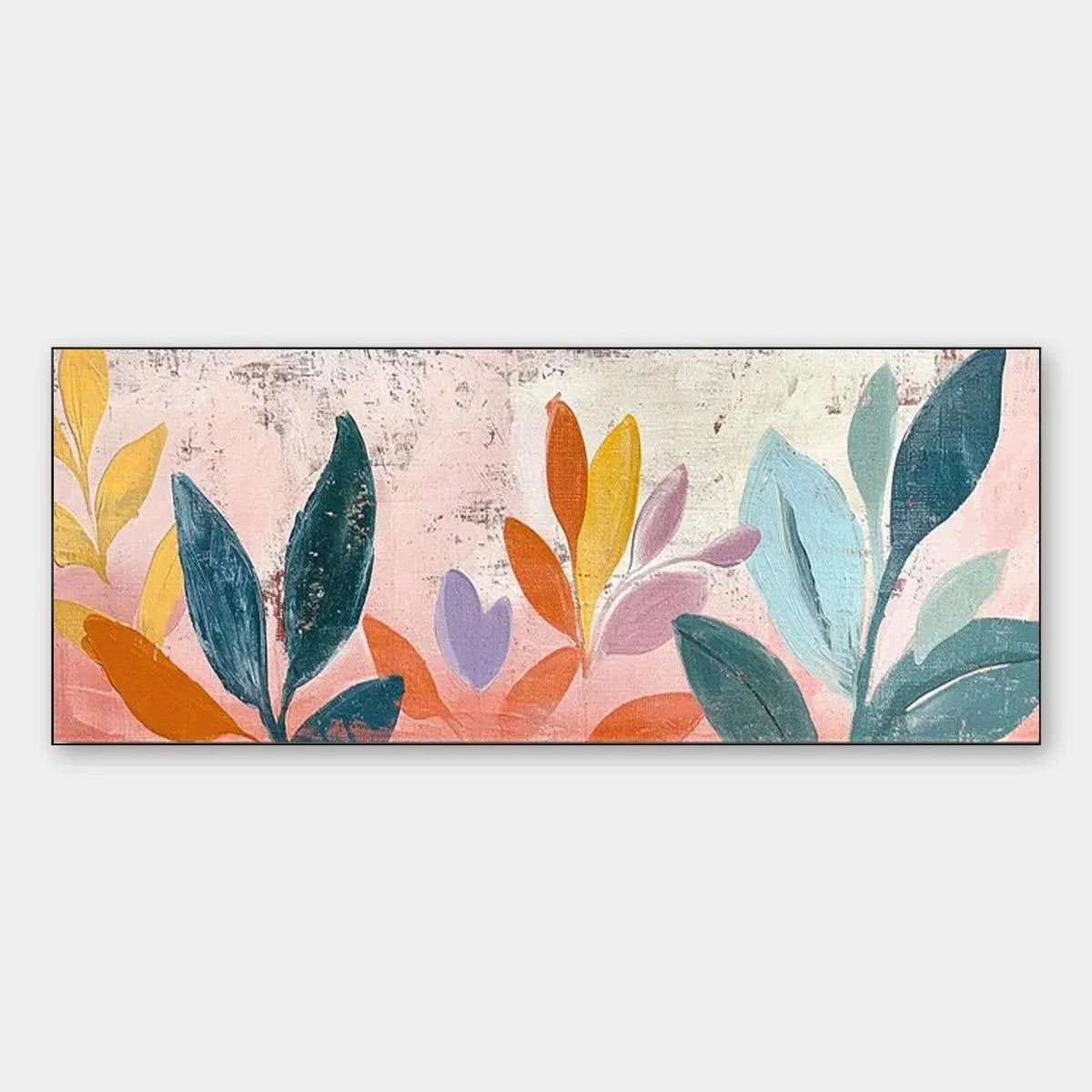
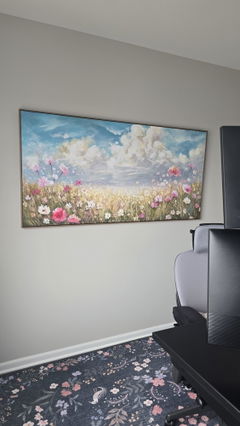
Golden Branch, by Elodie Dubois, uses a floral branch, soft gold accents, and airy neutral texture. This is a different use of the panoramic shape: a botanical subject extends across the wall without relying on a distant horizon. Consider it beside warm neutrals when you prefer branches and flowers to a seascape.
Give a continuous scene enough viewing distance
A panoramic composition is easier to take in when you can see both ends from the main viewing position. In a living room, check it from the sofa opposite or from the entrance. In a dining area, sit down before judging the height. A placement that works while standing can feel detached from the furniture once seated.
A long corridor needs a separate check. Although its wall may accommodate the width, you may only see the painting at an angle or from very close up. Test the outline from both approaches. If doors repeatedly interrupt the available wall, smaller separate works may suit the space better than one continuous image.
Keep neighboring objects in the decision. Tall lamps can obscure the ends, while a shelf directly above may compress the composition. For room-based ideas, compare the living room collection. You can also browse all paintings if the subject matters more to you than the format.
Compare the selected size and finish
The three paintings discussed here list sizes including 16 × 40 inches and 24 × 60 inches. Use those as possible outlines to test, then review the complete size menu on the painting you select. Check the dimensions in your preferred unit rather than estimating scale from a styled room photograph.
Their frame menus include rolled canvas, frameless stretched canvas, and several stretched frame finishes. Choose the presentation deliberately: rolled canvas and a stretched option involve different preparation for display. Confirm the finished outside dimensions and installation requirements for your selection before arranging the wall around it.
Panoramic wall art questions
Does panoramic wall art have one fixed aspect ratio?
No single ratio should replace checking the dimensions. Panoramic generally describes an elongated composition, but the selected size determines its actual proportions. Compare width and height together, especially when you have limited clearance above furniture.
Can a panoramic painting work in a small room?
Yes, if the wall offers enough uninterrupted width and you can see the composition comfortably. Test a paper outline first. Room size alone is less useful than the available wall area, furniture height, and position from which you will view it.
Does panoramic art have to show a landscape?
No. A coast or mountain range is one approach, but a floral branch can also extend across the format. Golden Branch provides a botanical example in this collection. Choose whether you want a distant view or a closer subject before comparing colors.
How should I choose between panoramic and horizontal art?
Compare the actual dimensions and composition. Begin here if you want a long, relatively shallow image with a continuous sweep. Browse horizontal work as well when your wall has more available height or you want a broader range of rectangular proportions.
★ Reviews









