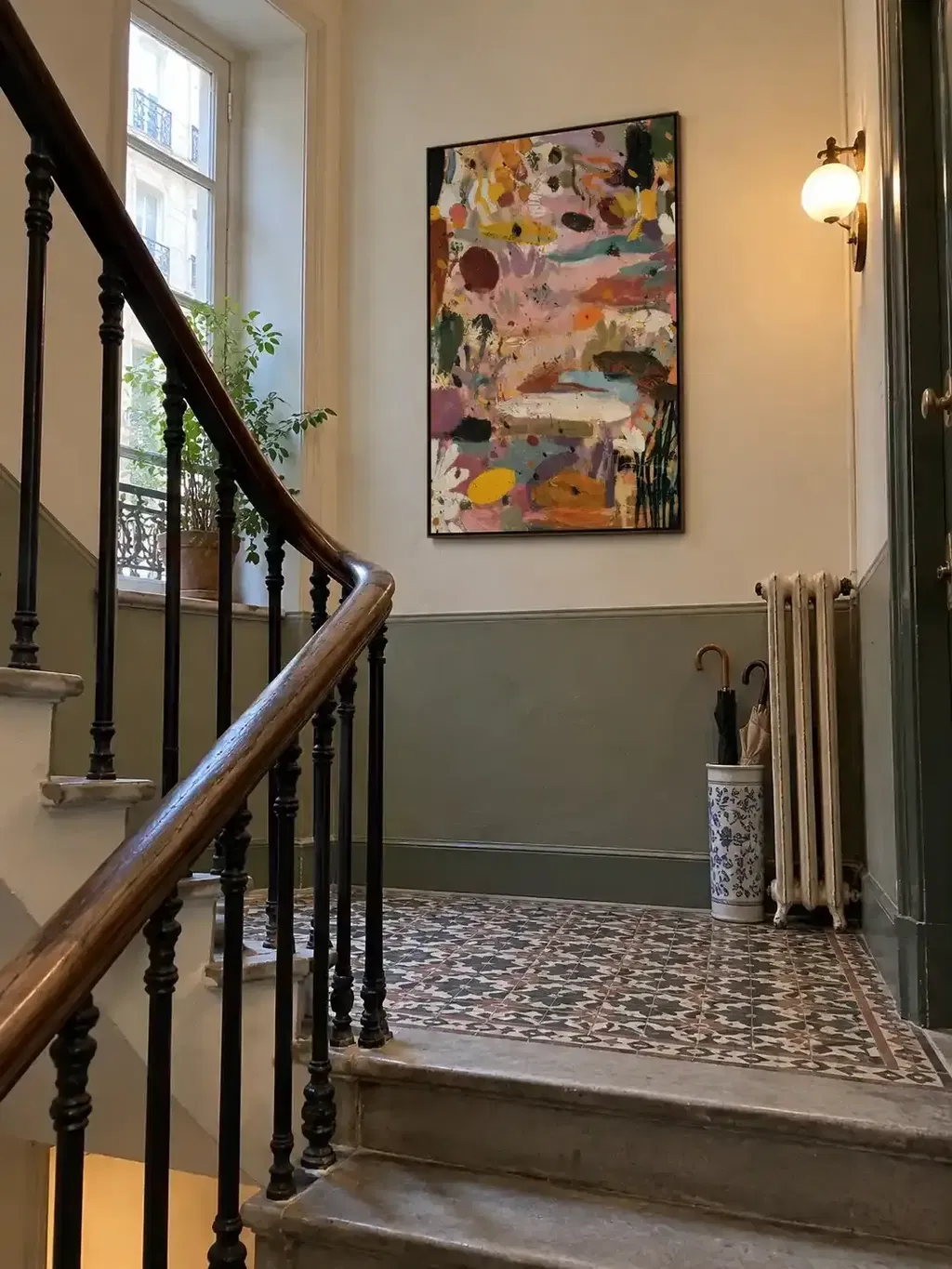
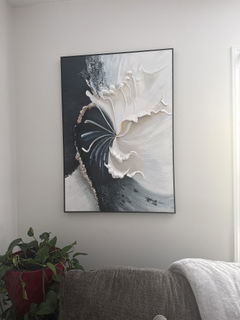
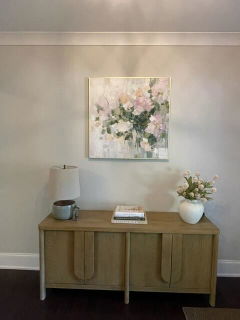
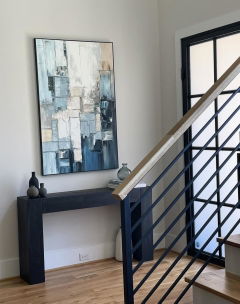
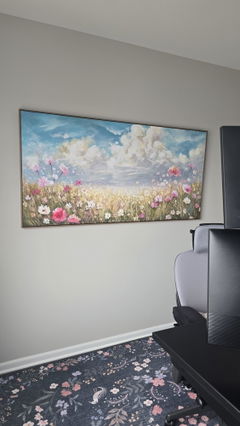
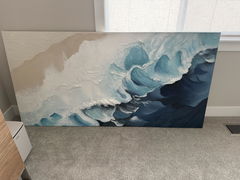
Horizontal wall art stretches your view, adding balance and visual harmony to your space with wide, captivating scenes and modern decorative appeal.

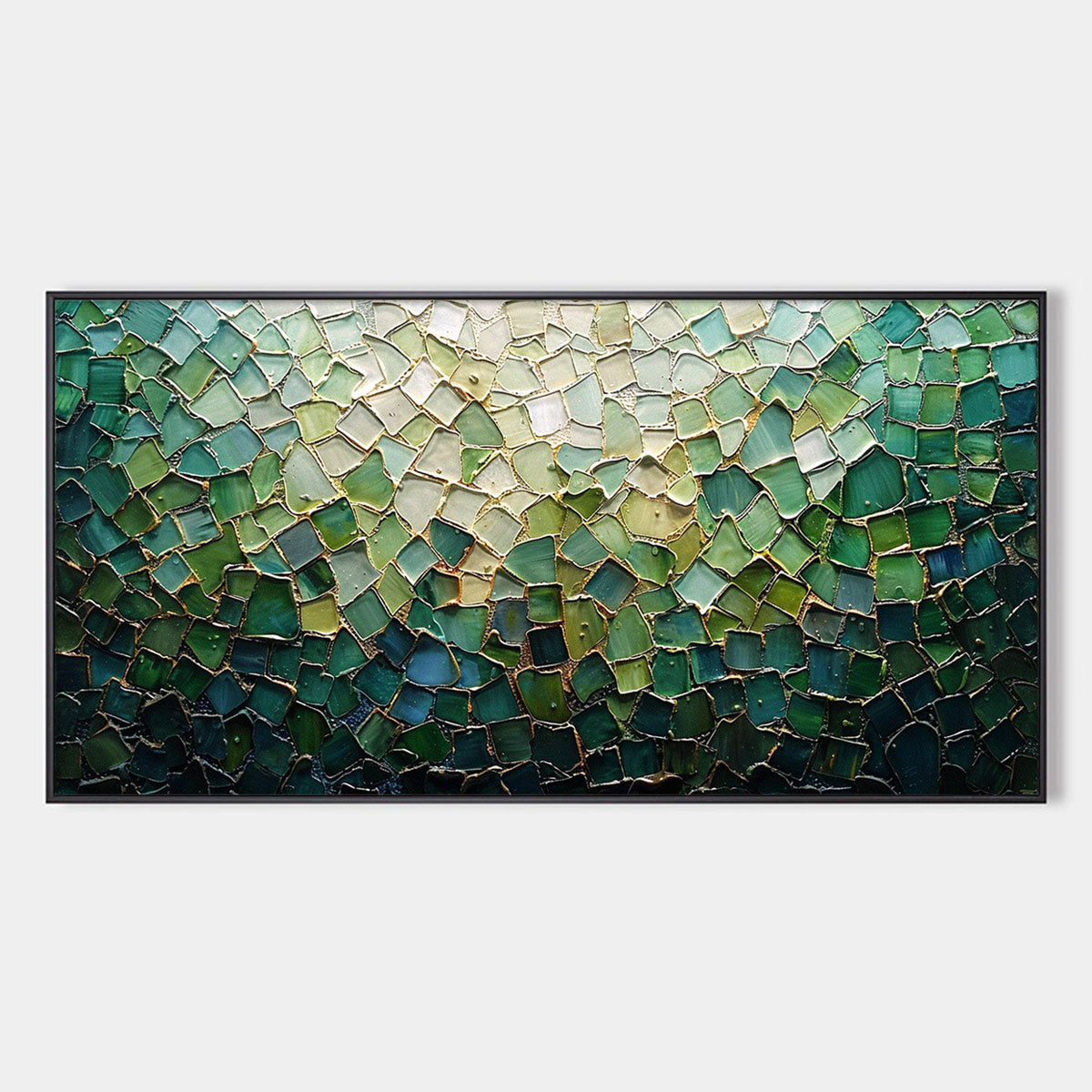
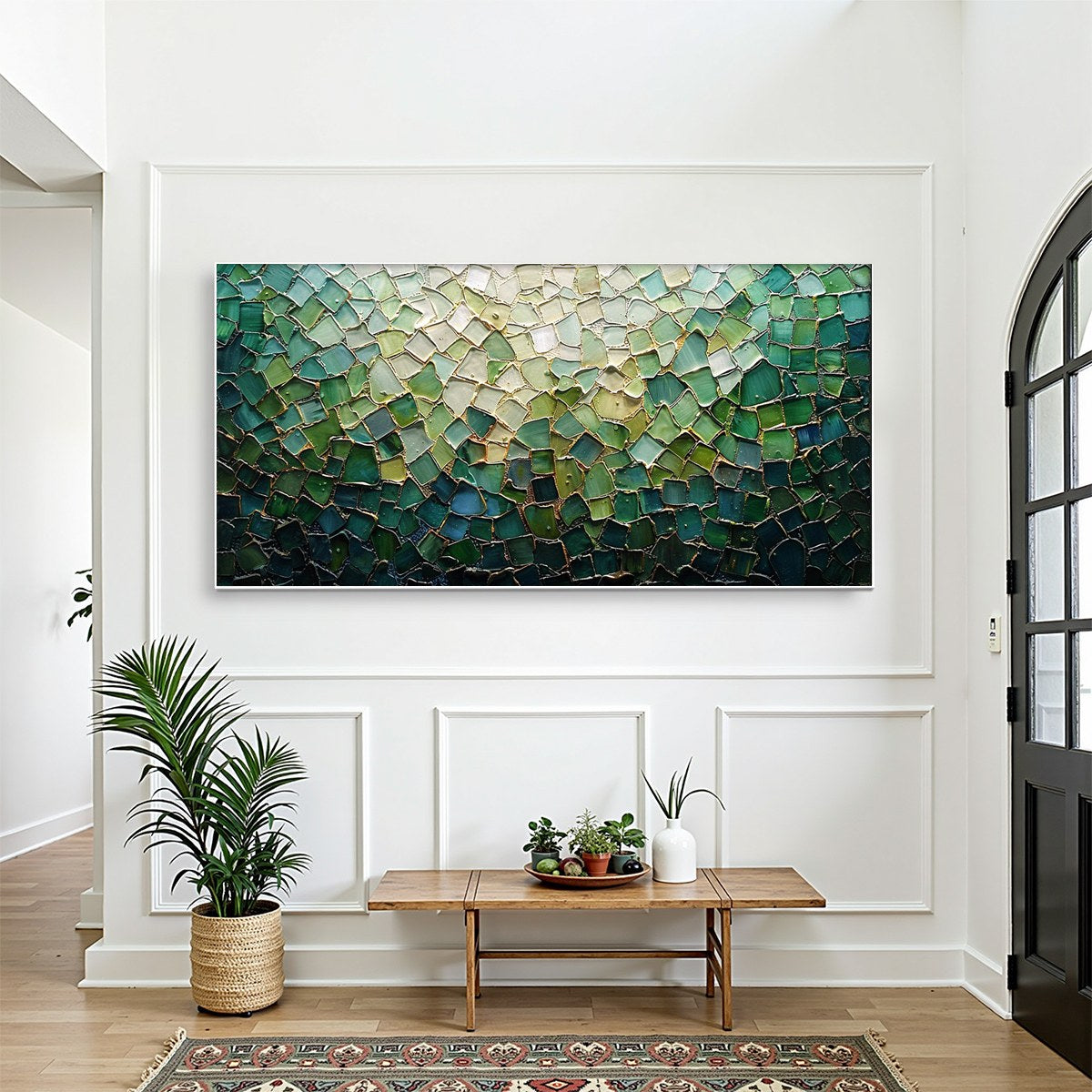
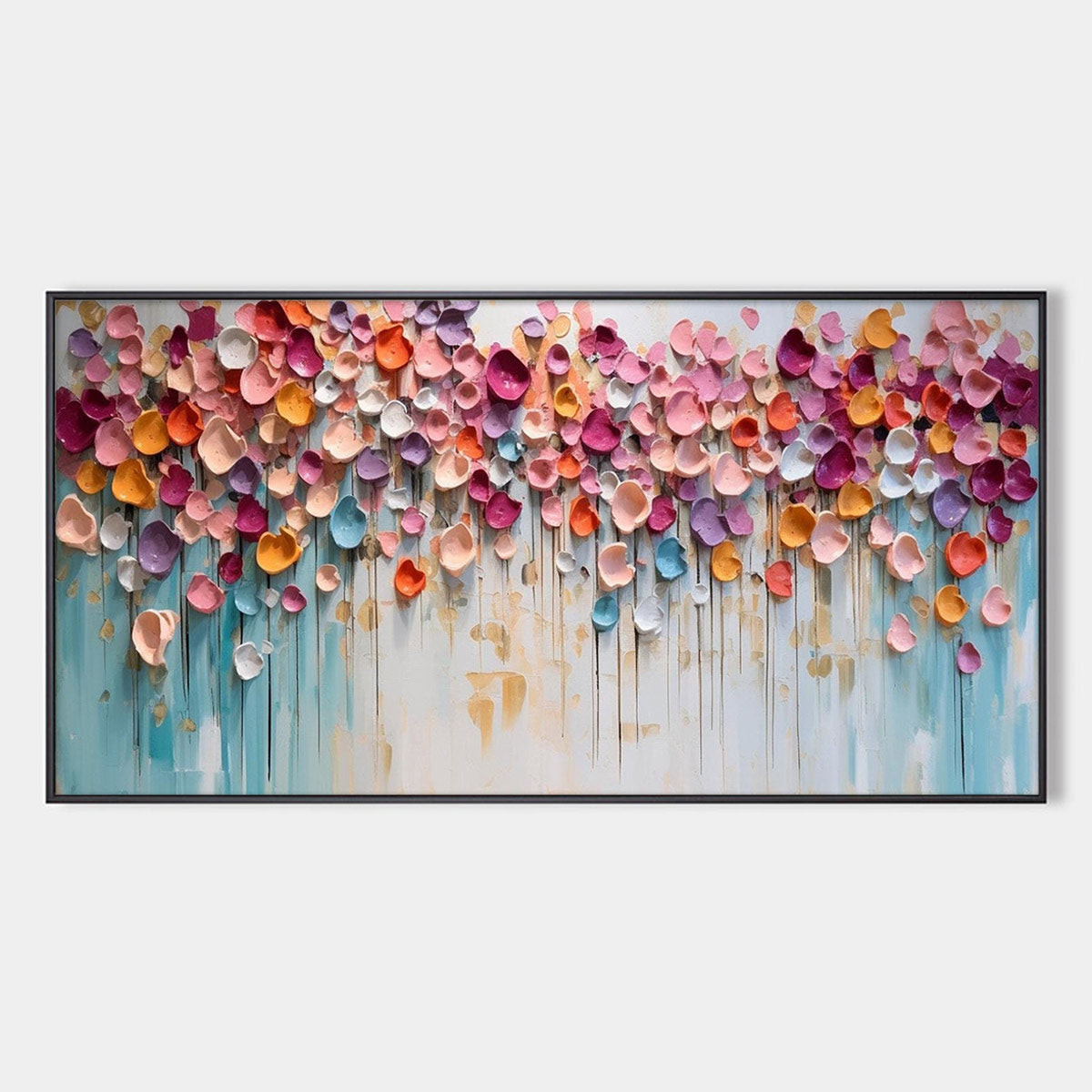
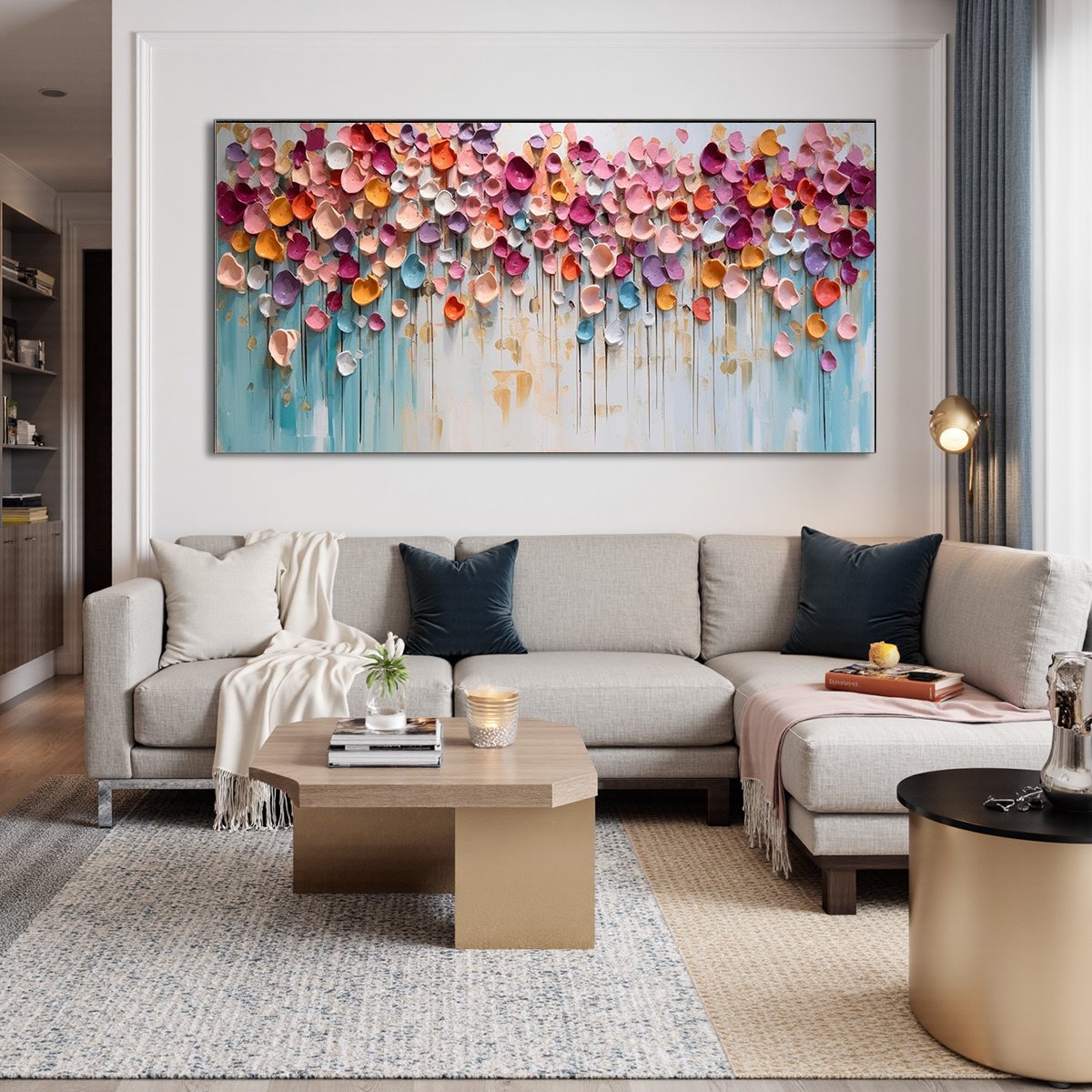
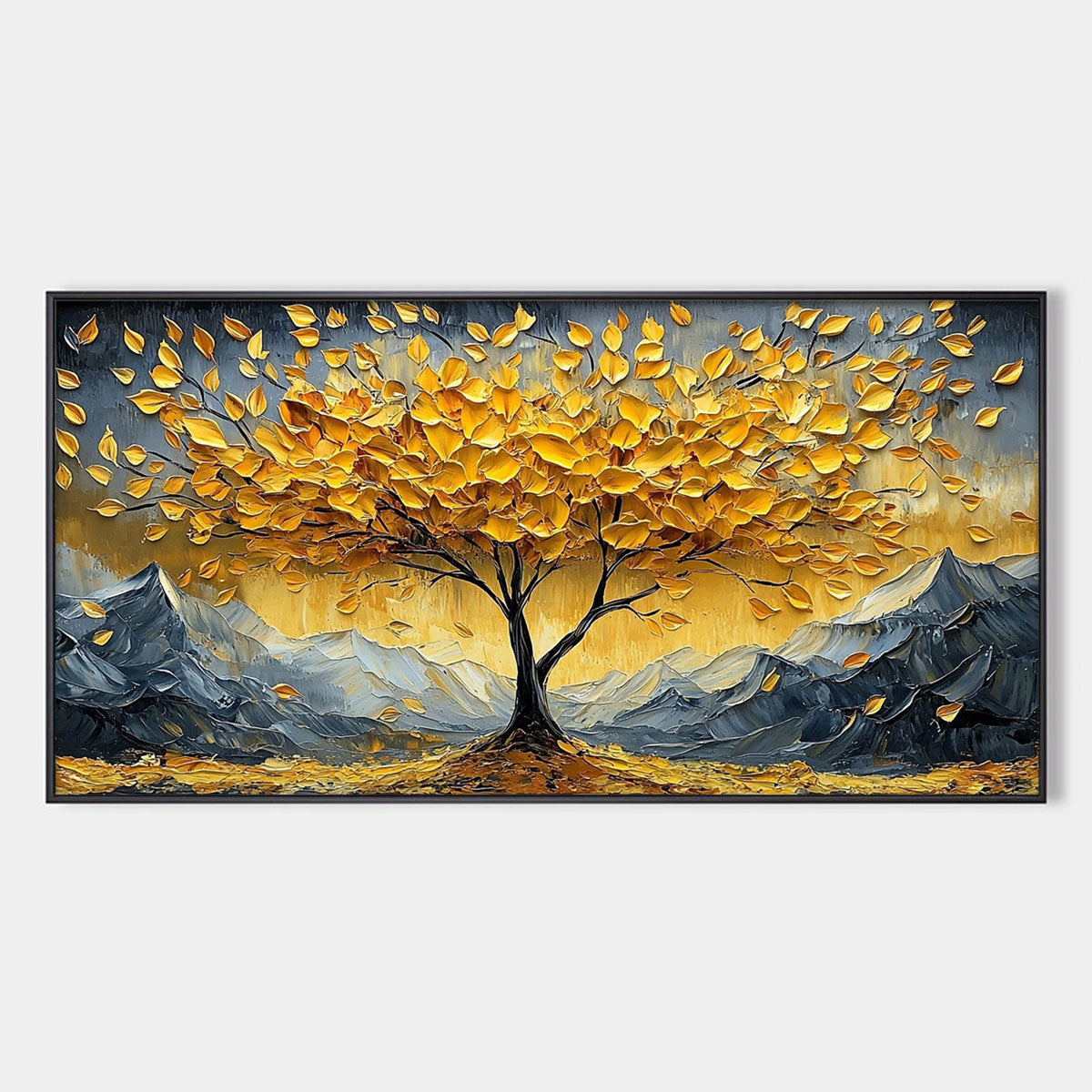
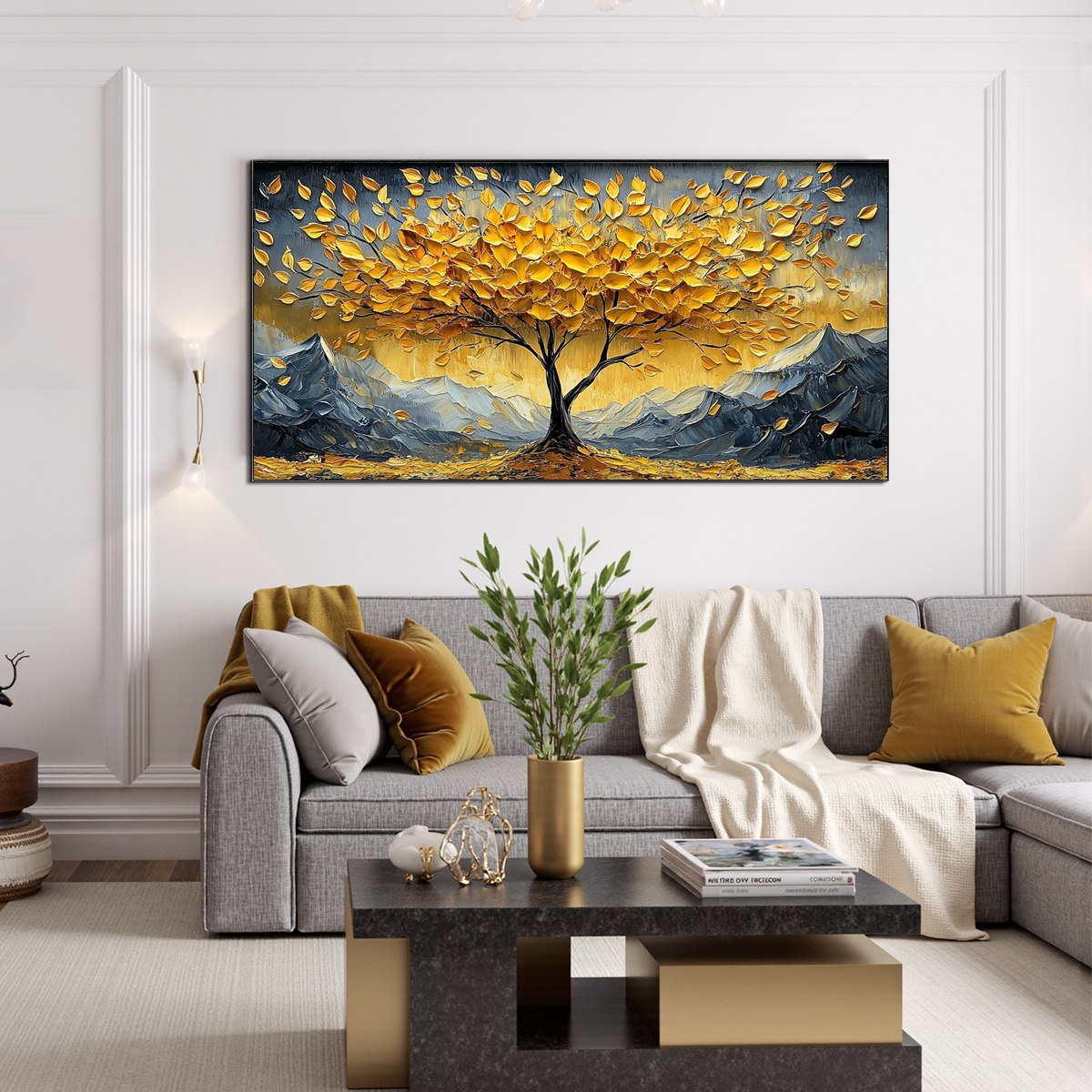
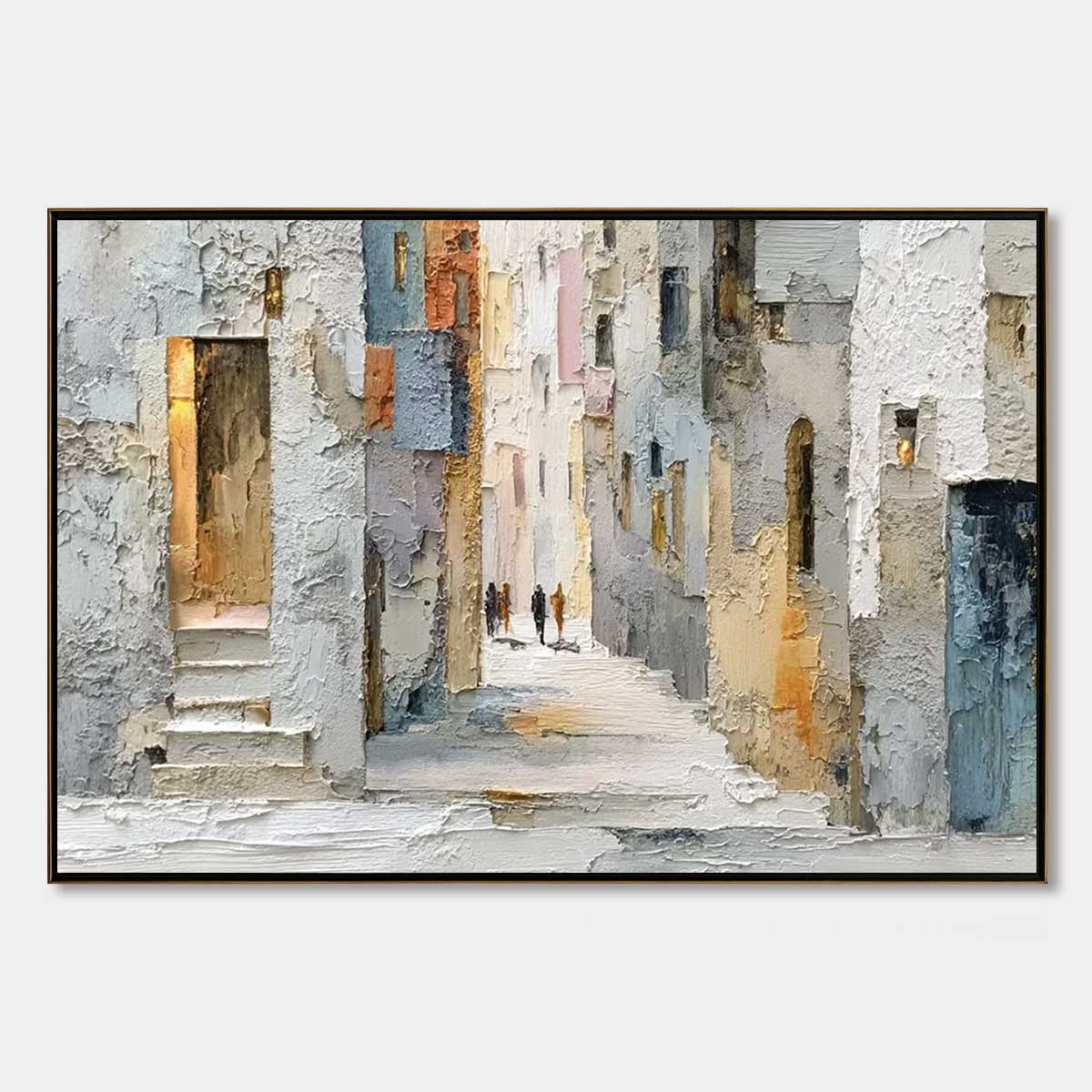
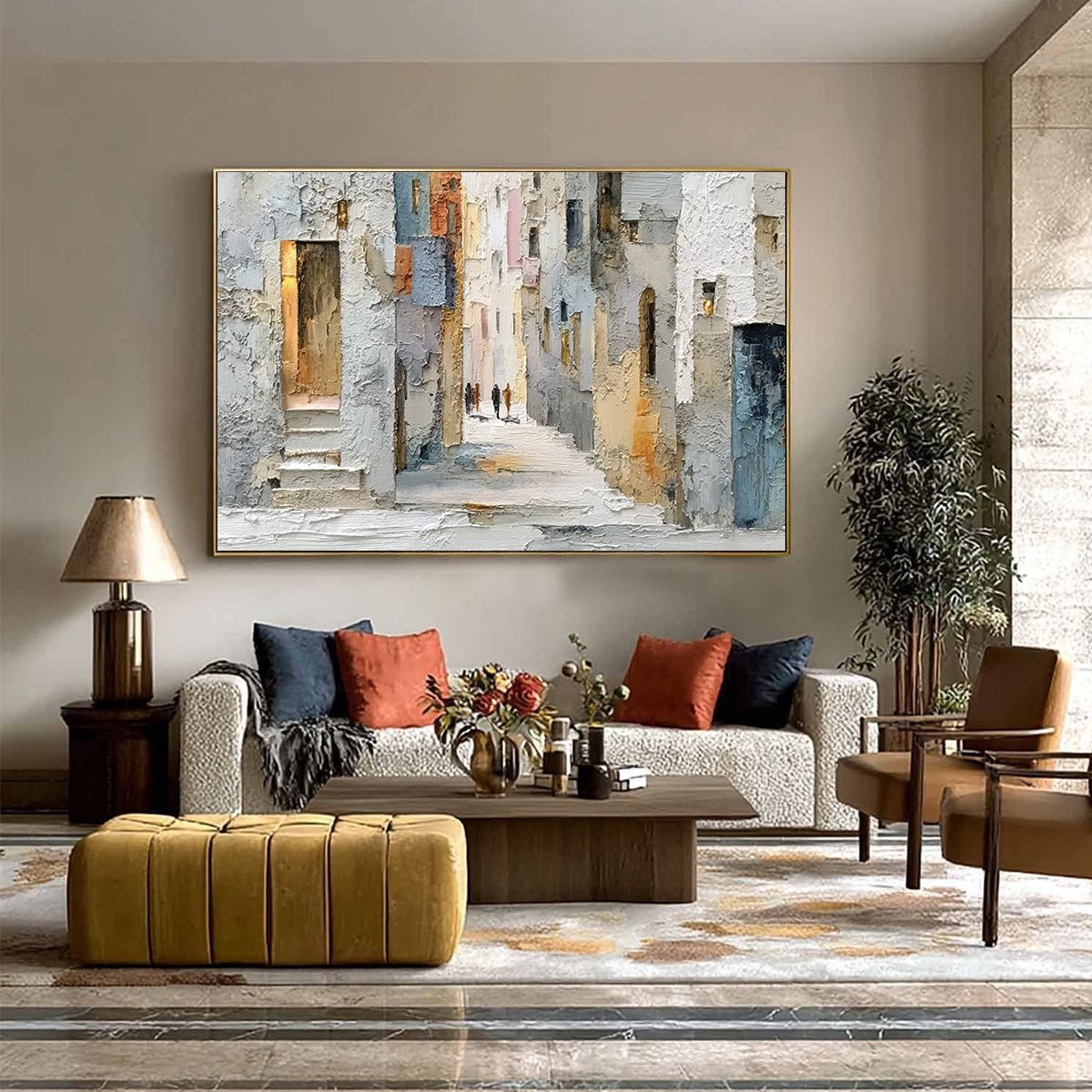





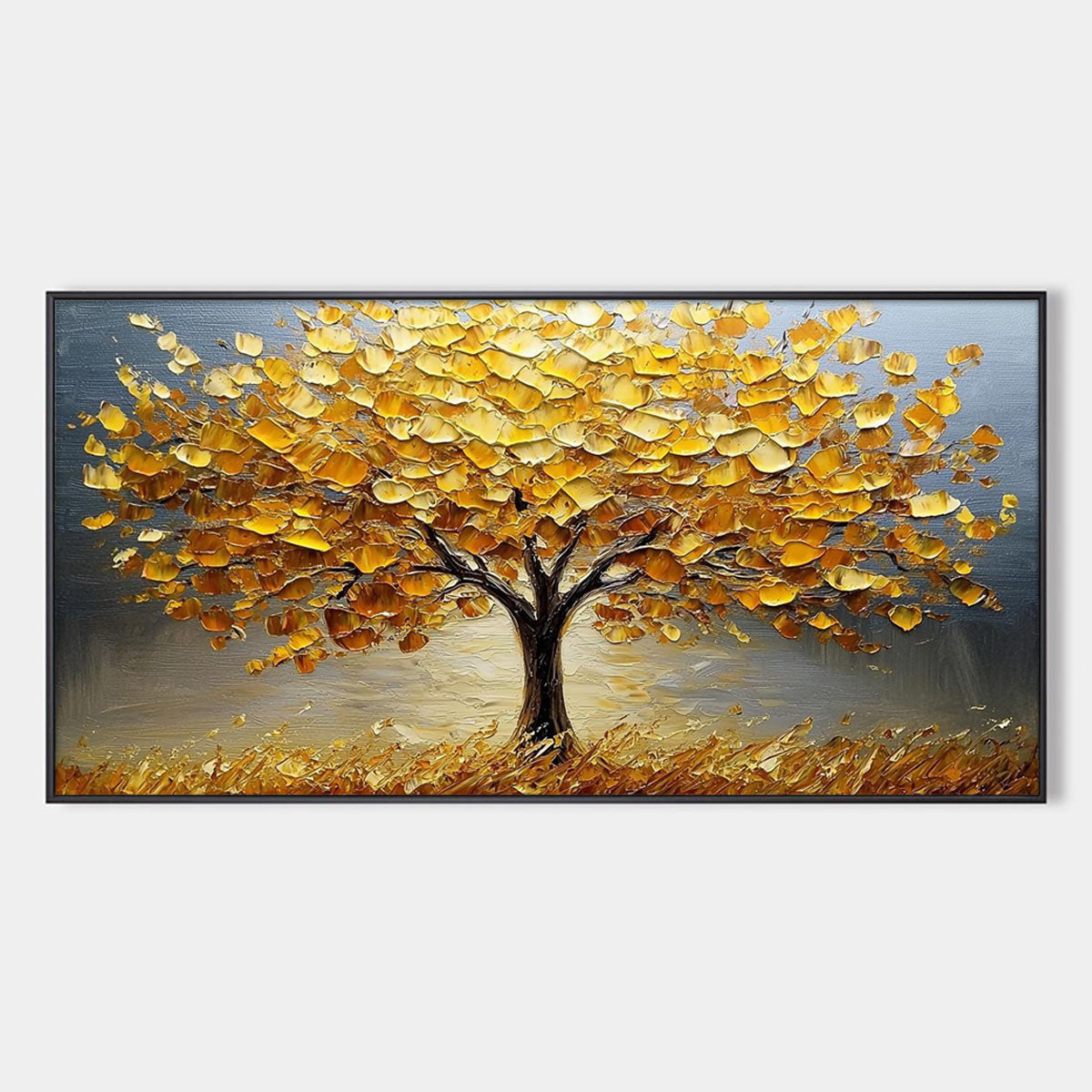
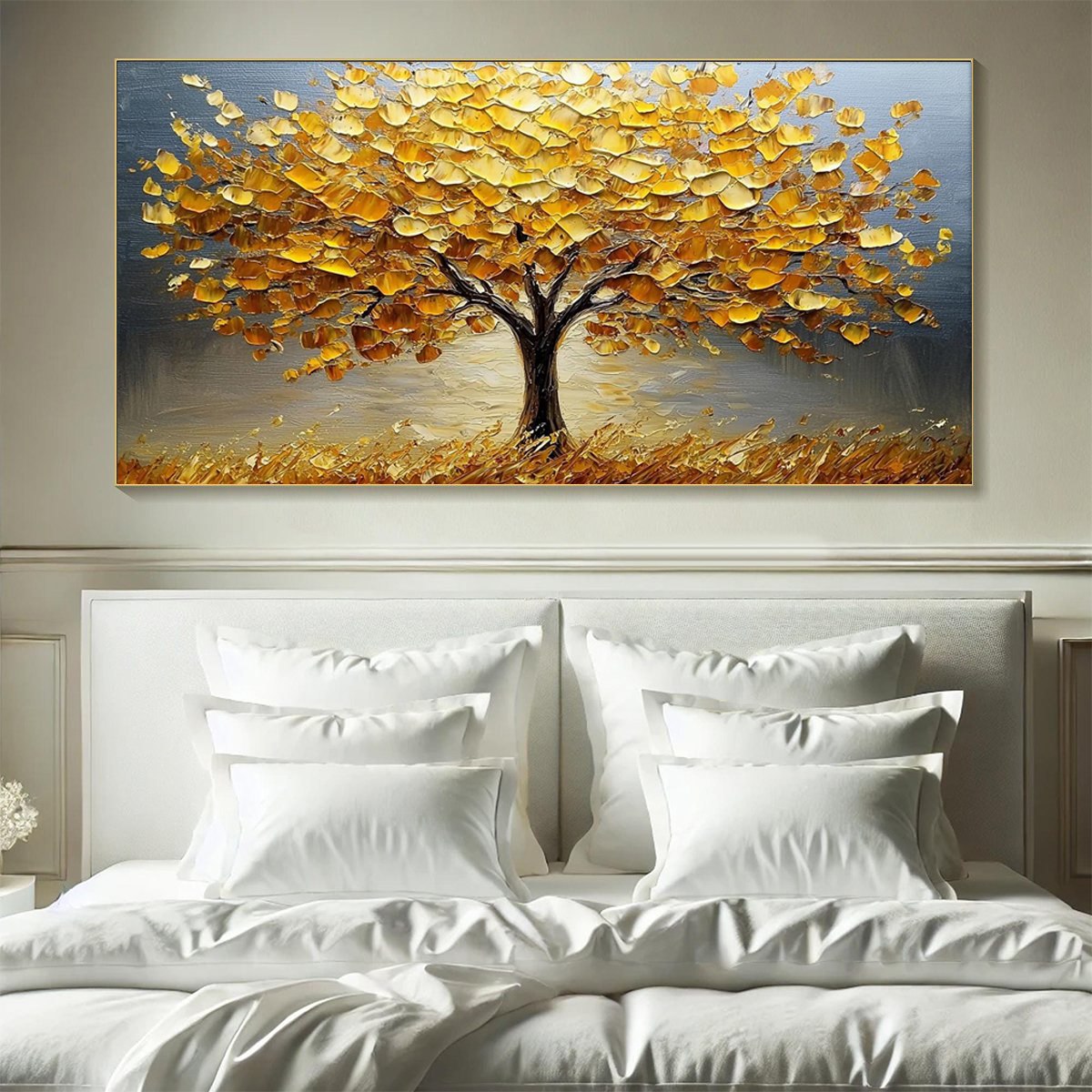





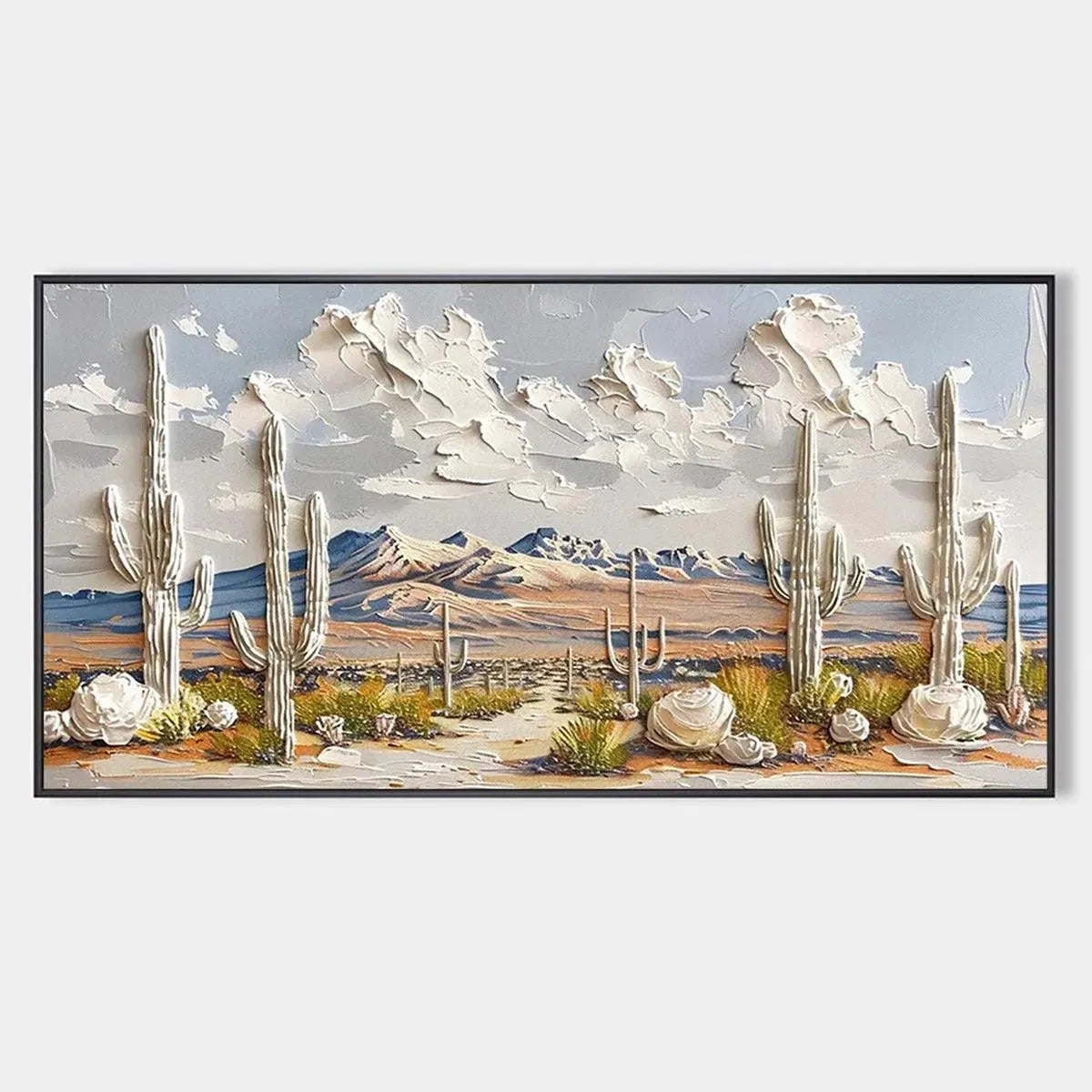
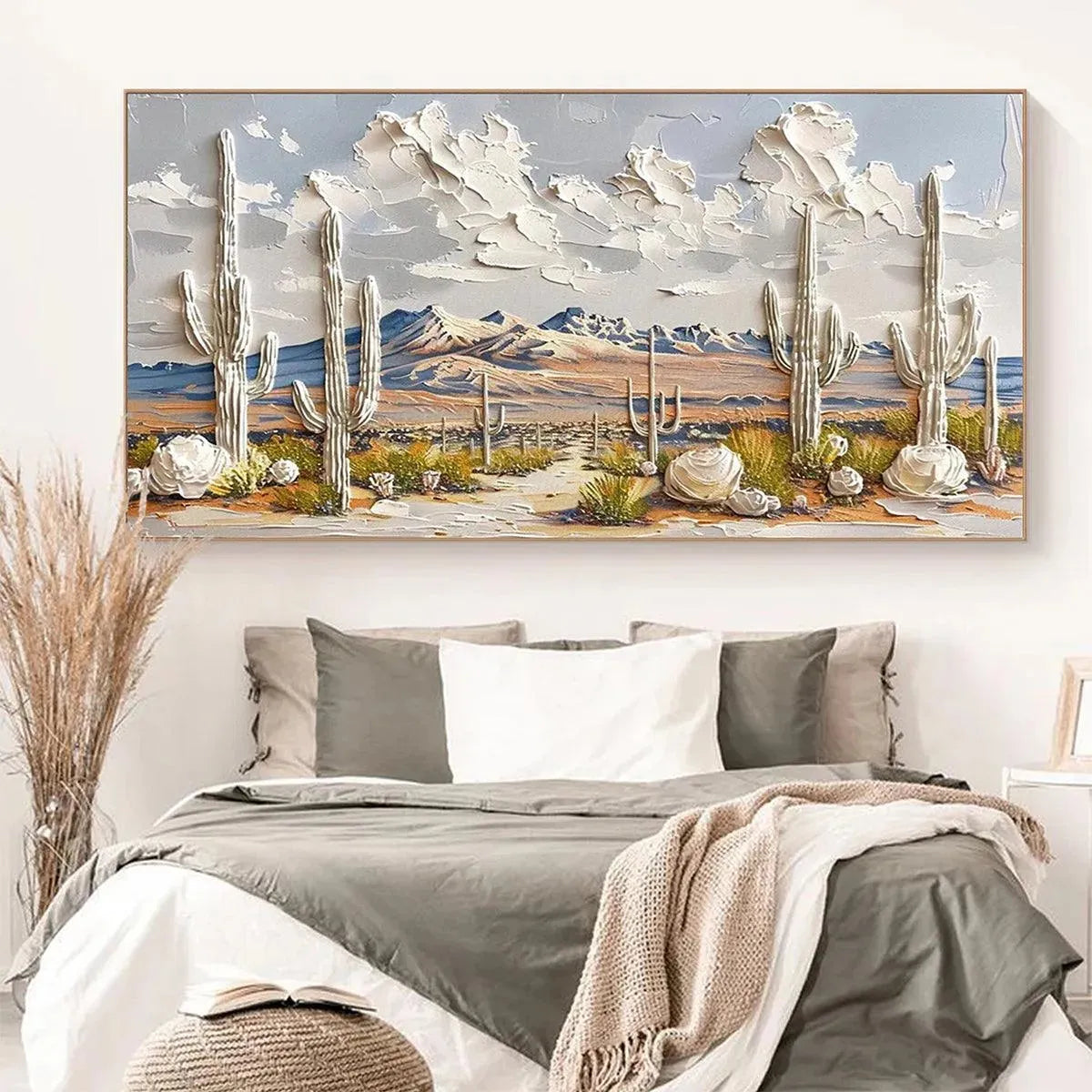
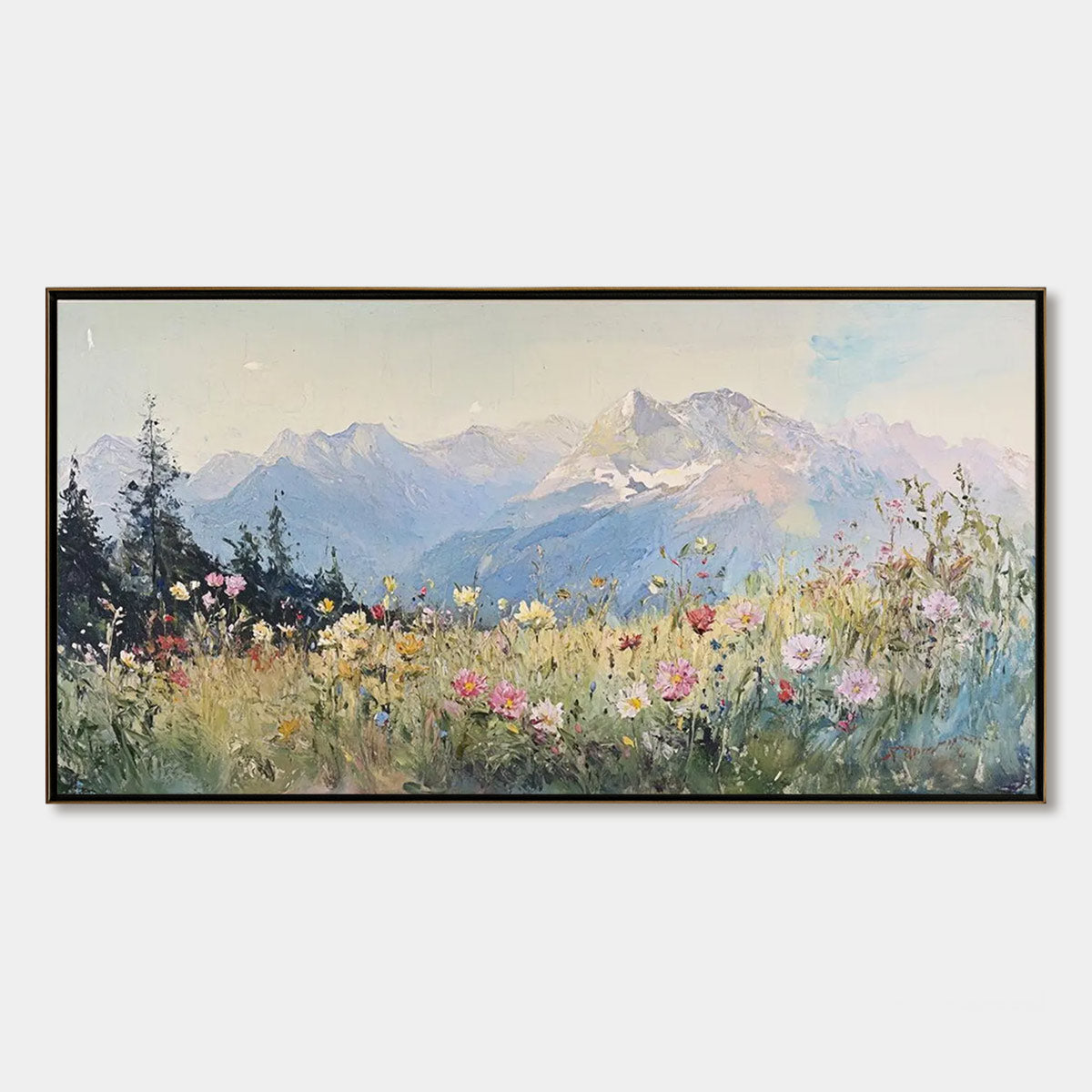
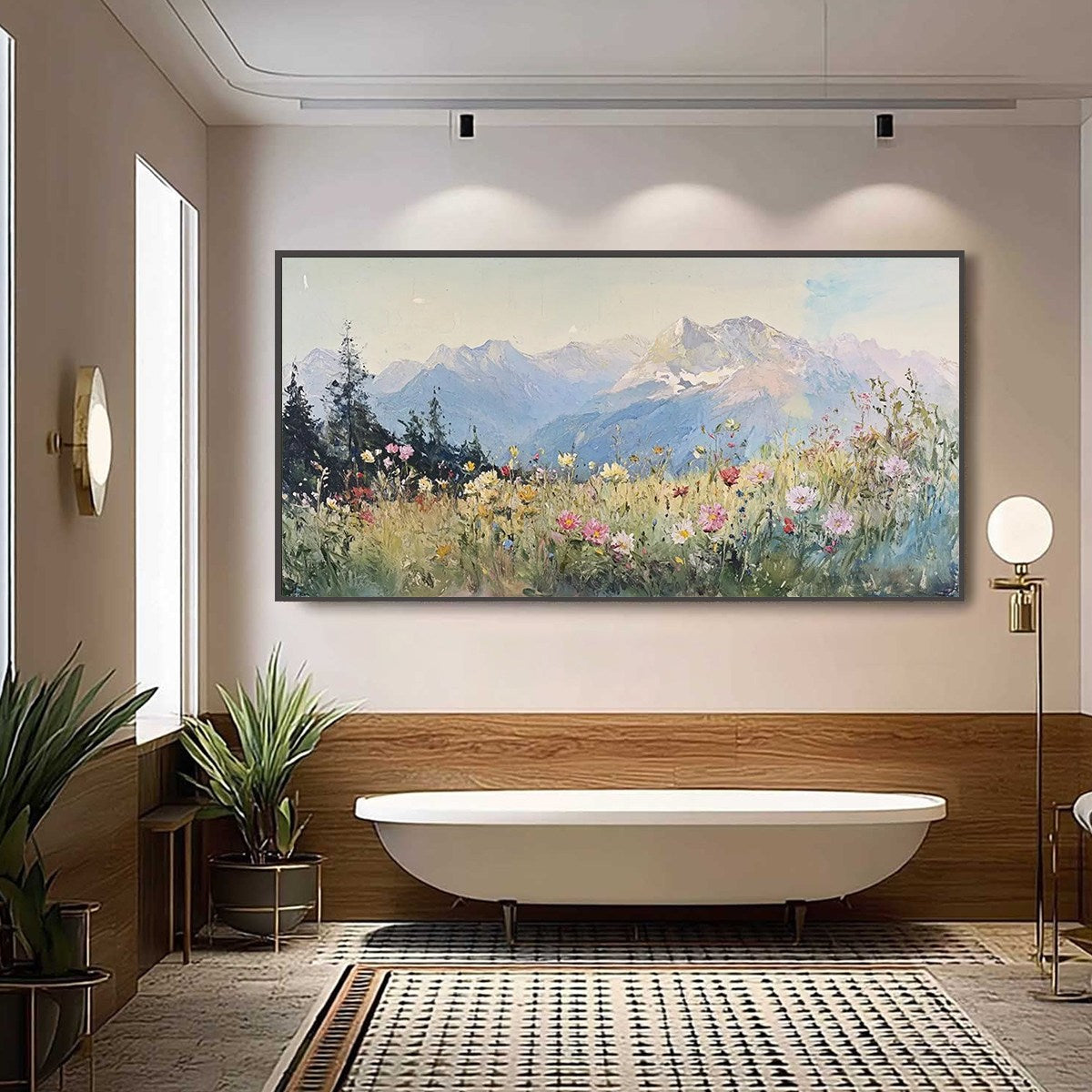







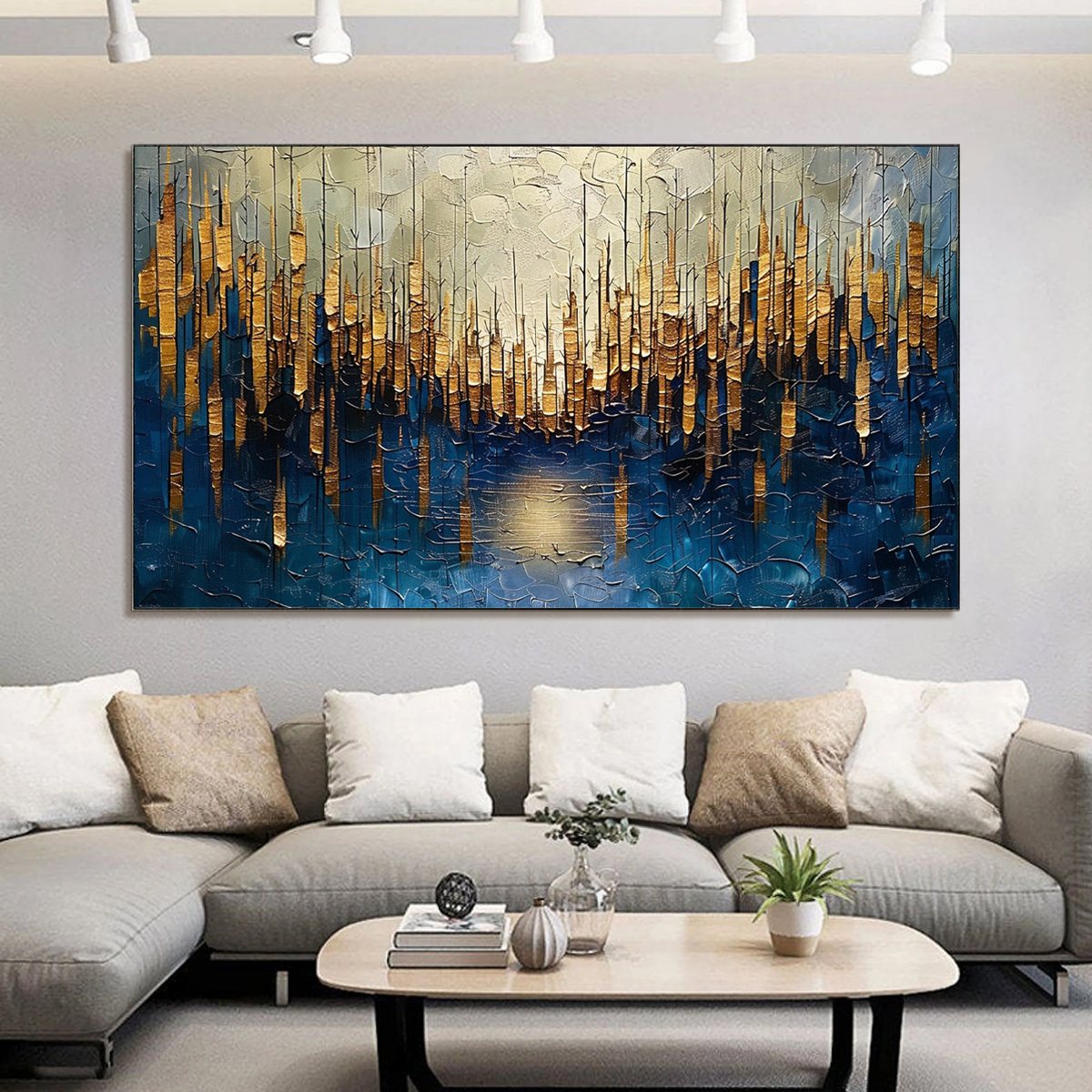

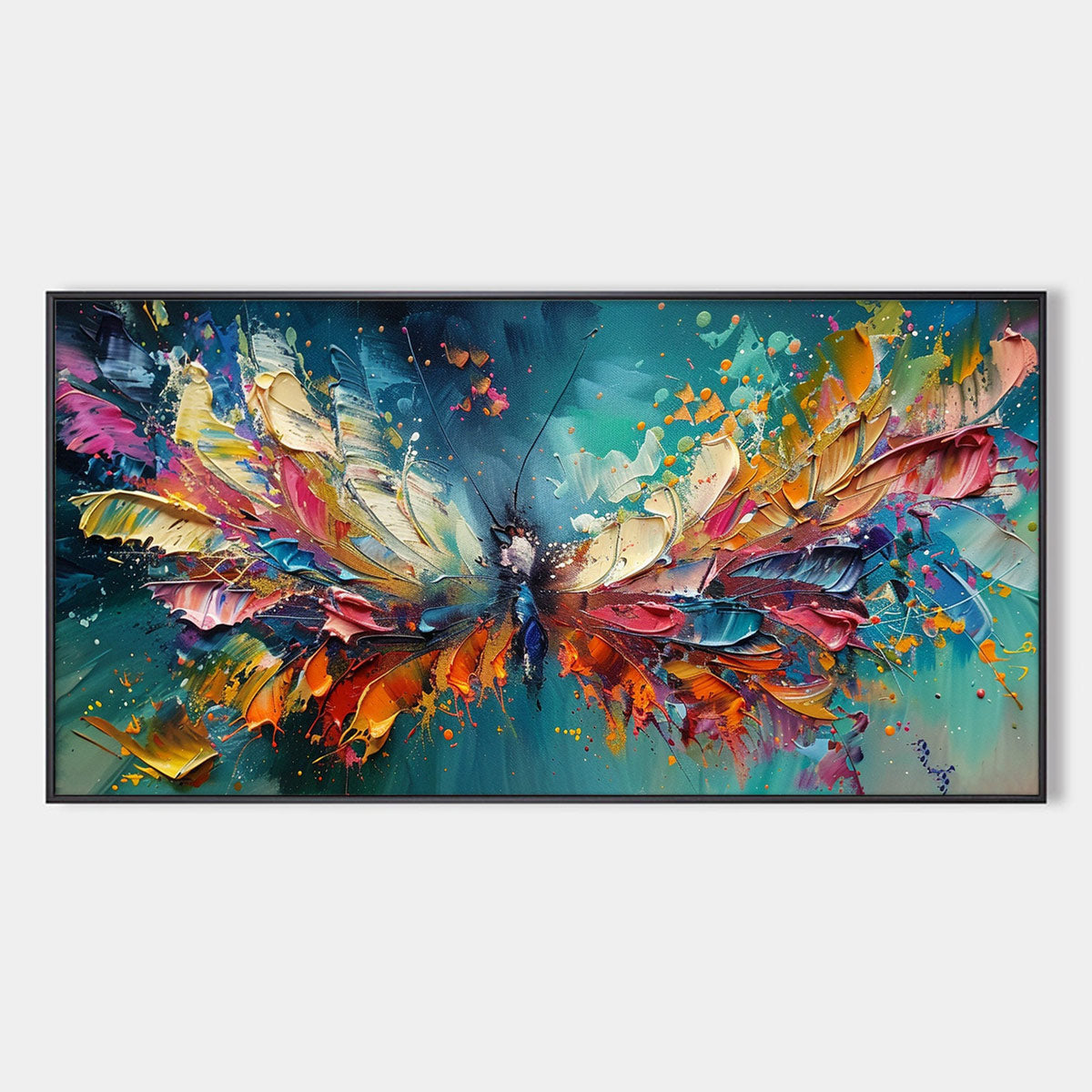


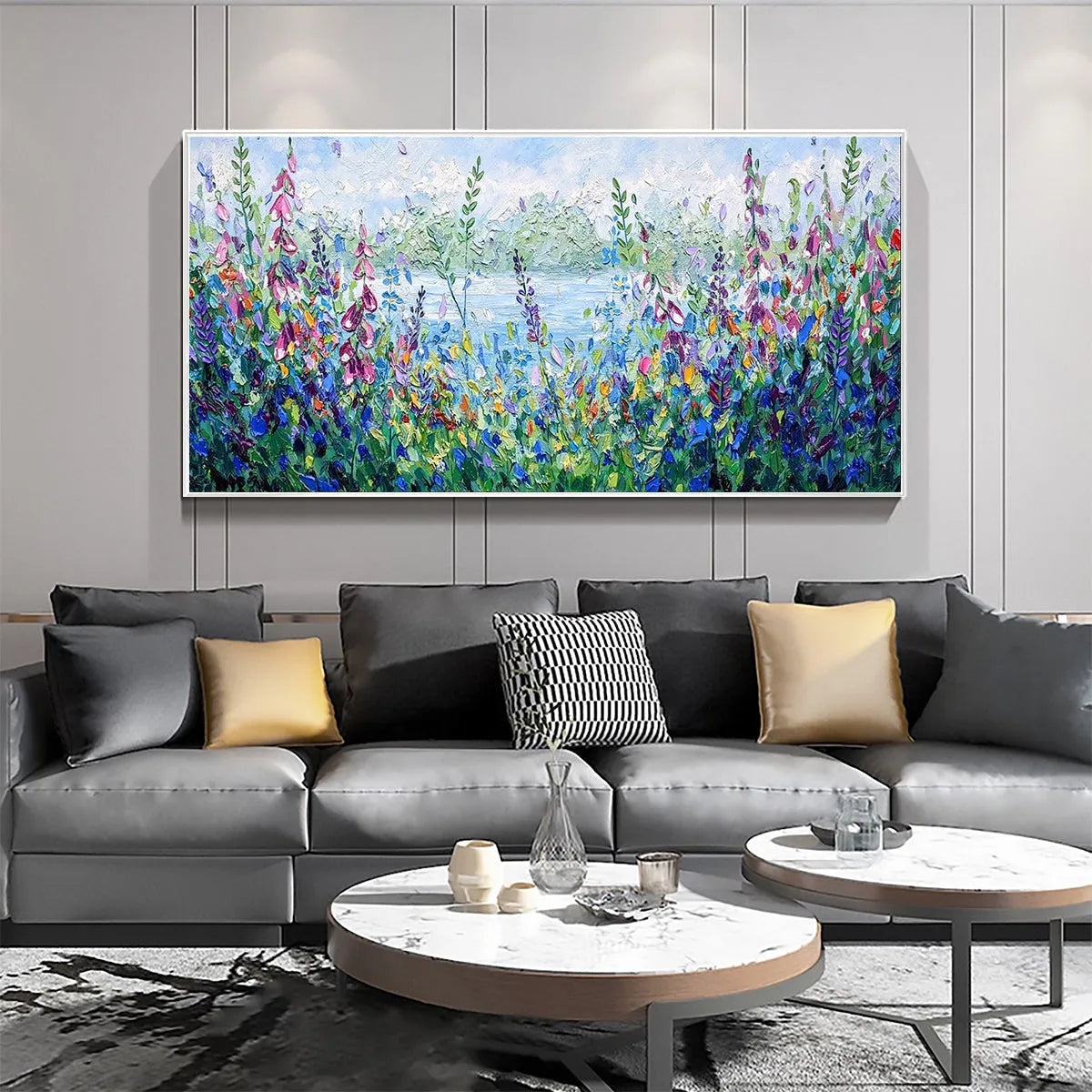

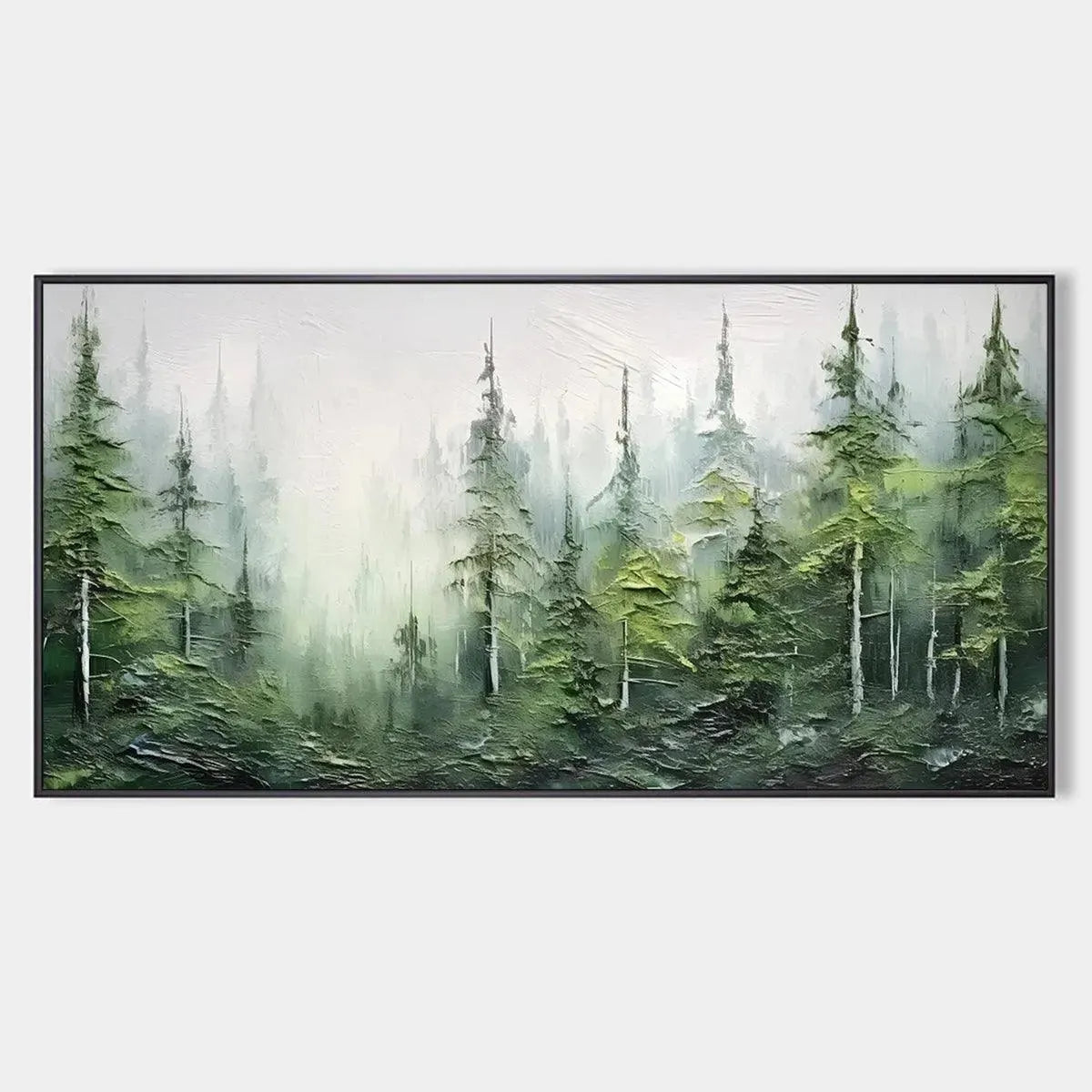

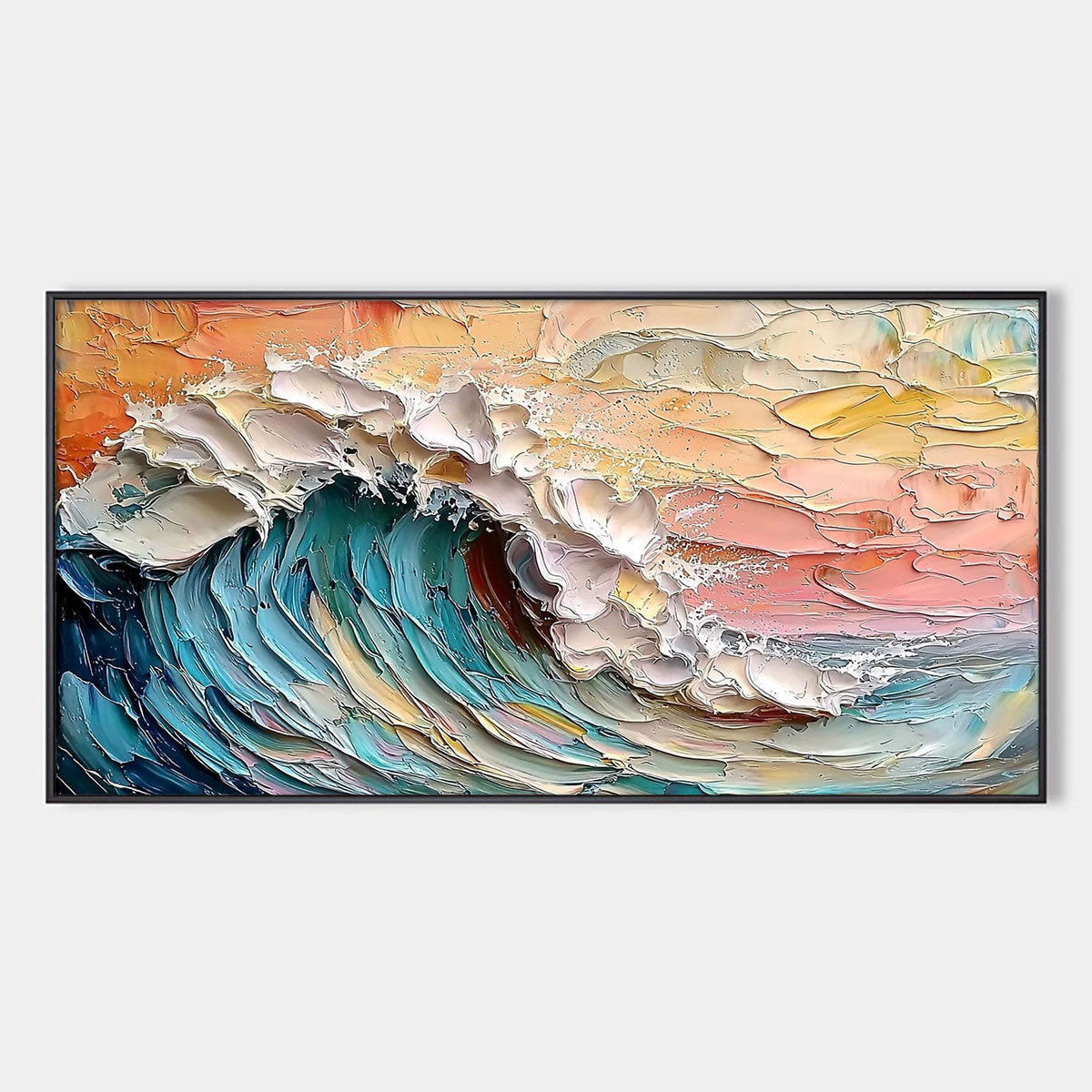
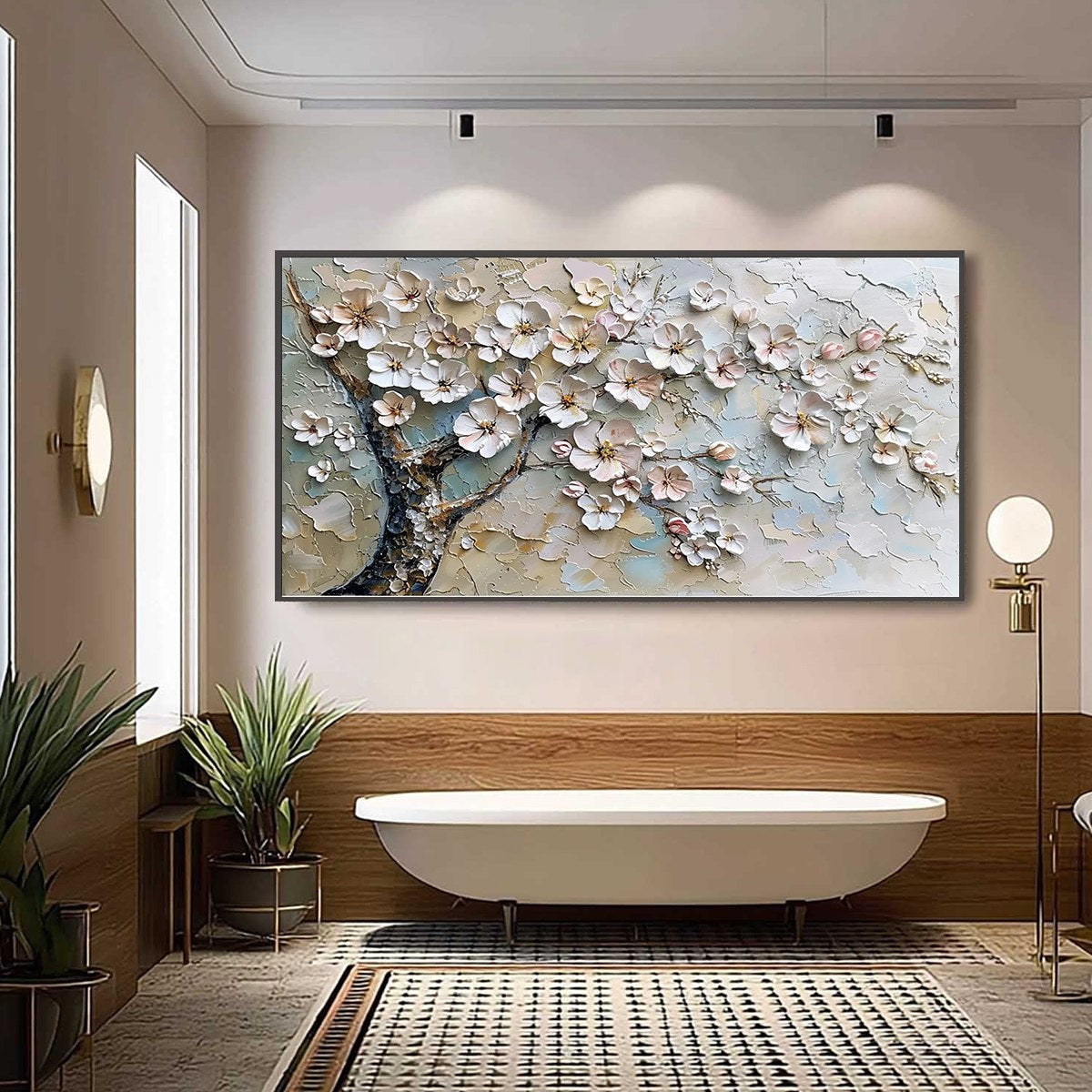

Horizontal Wall Art for Sofas, Sideboards and Bedroom Walls
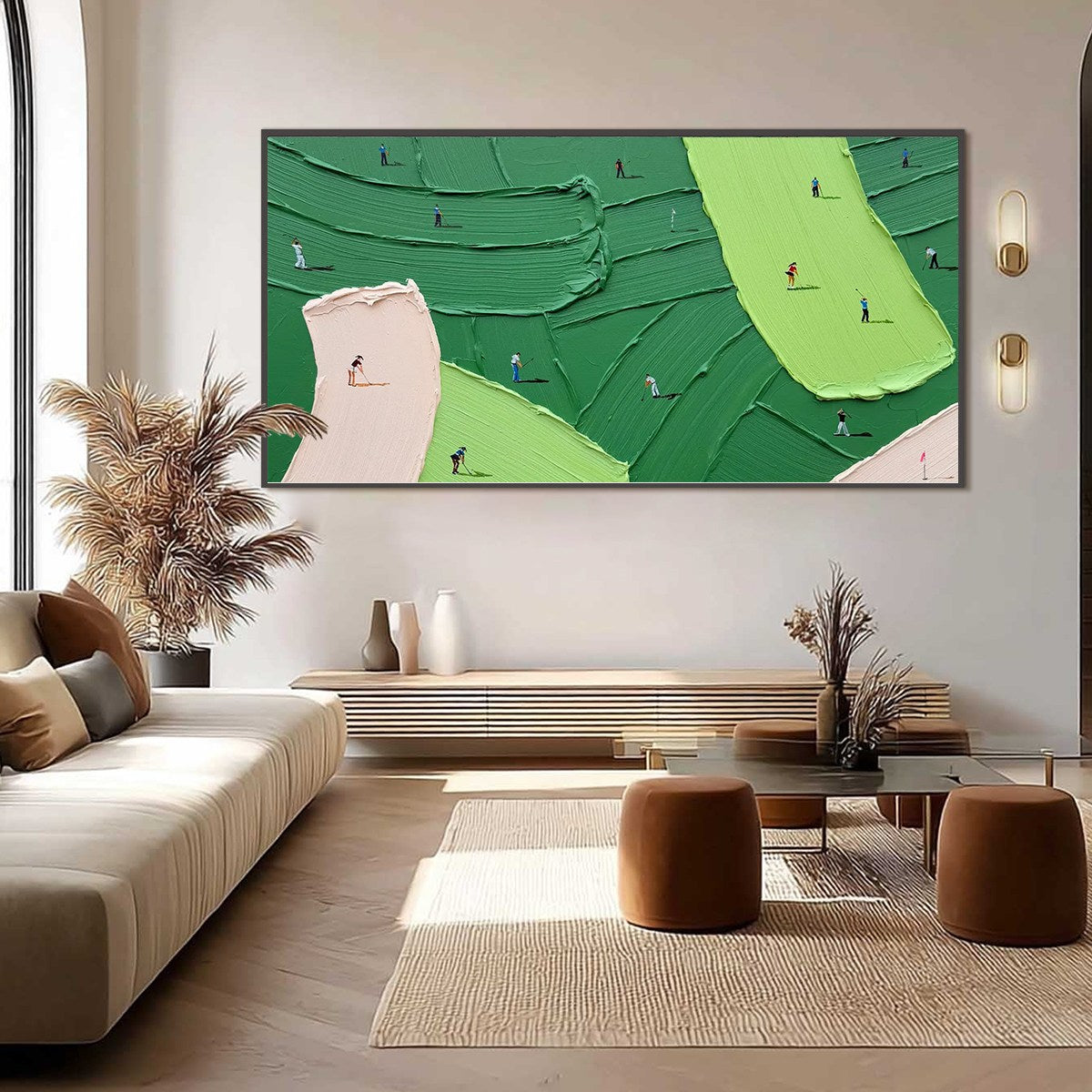
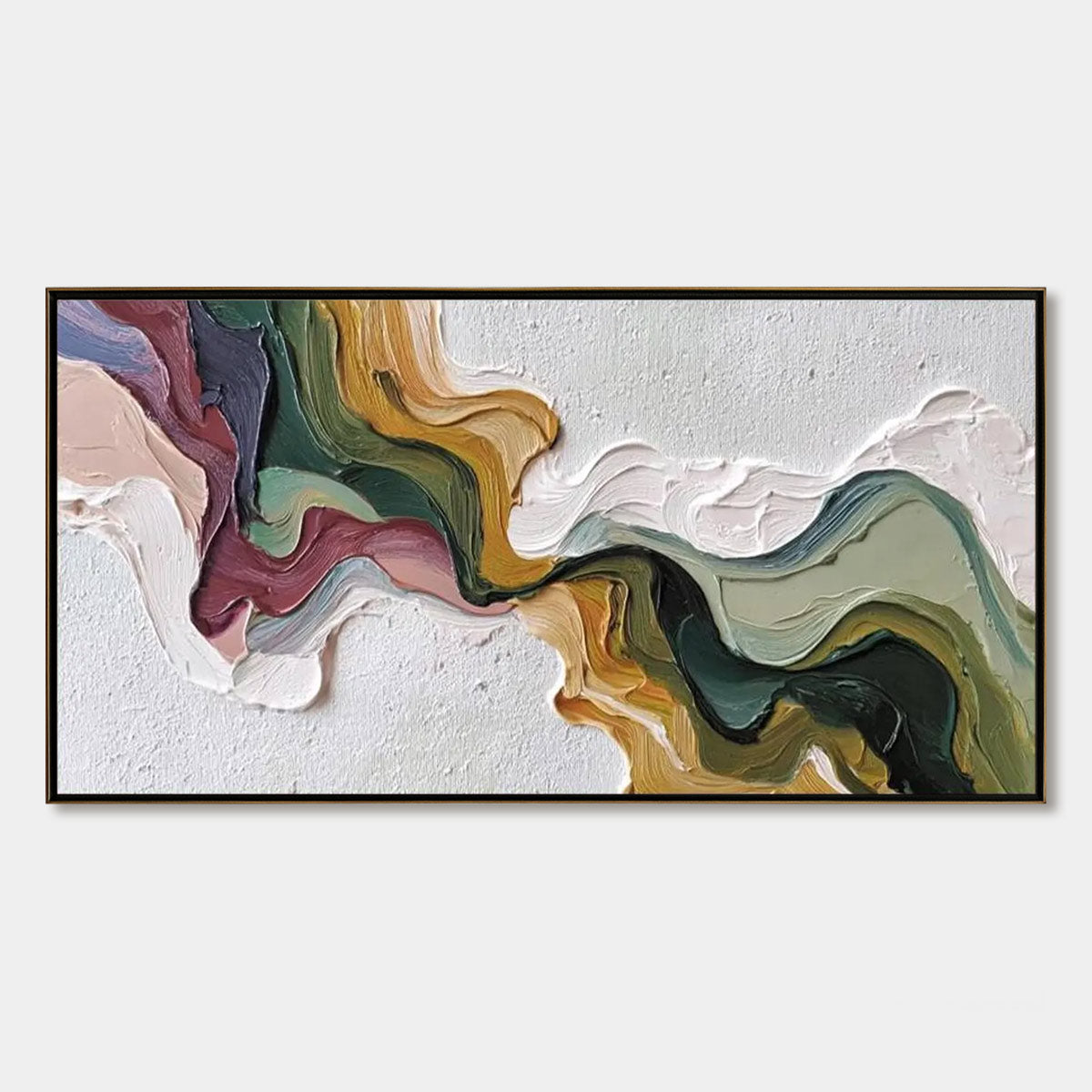
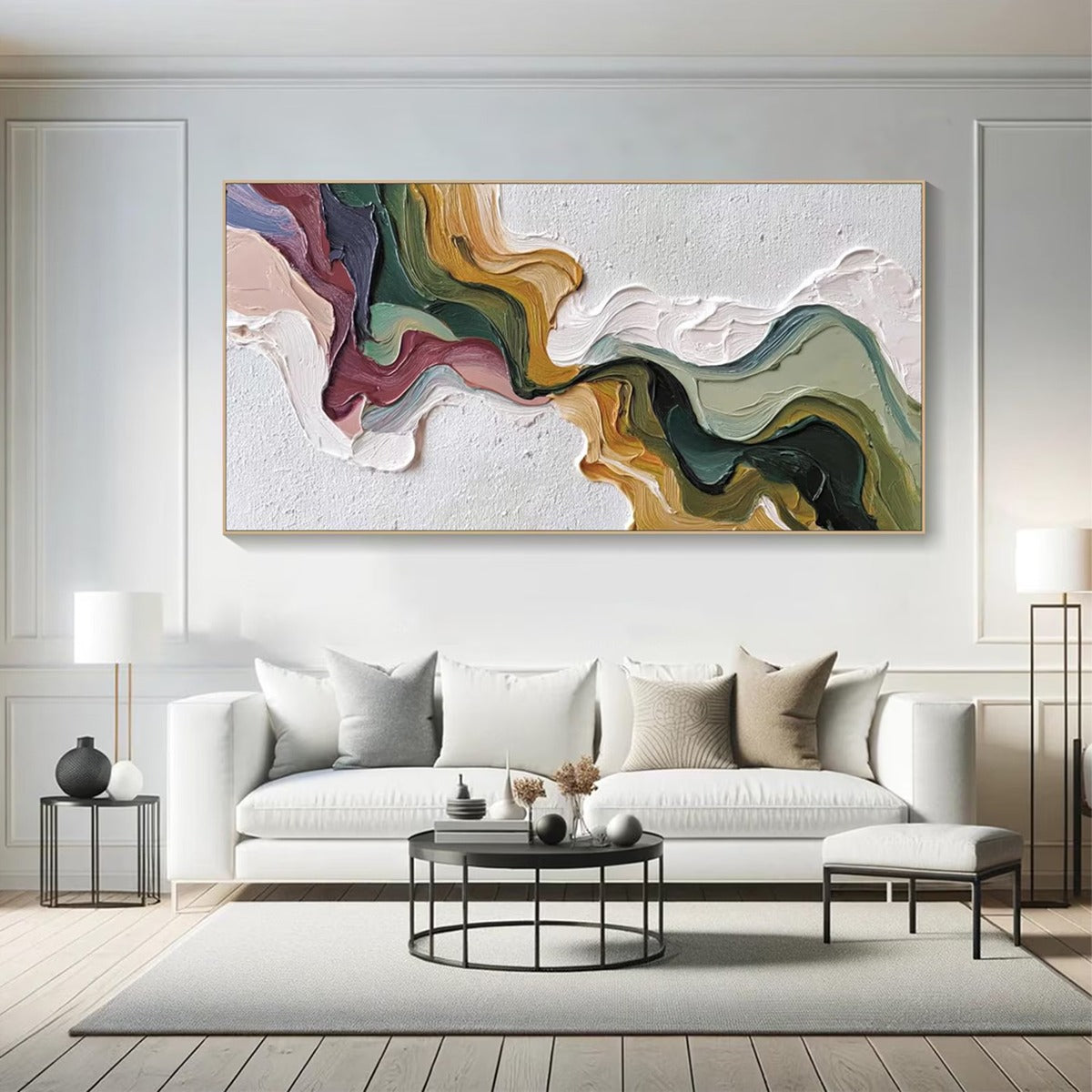
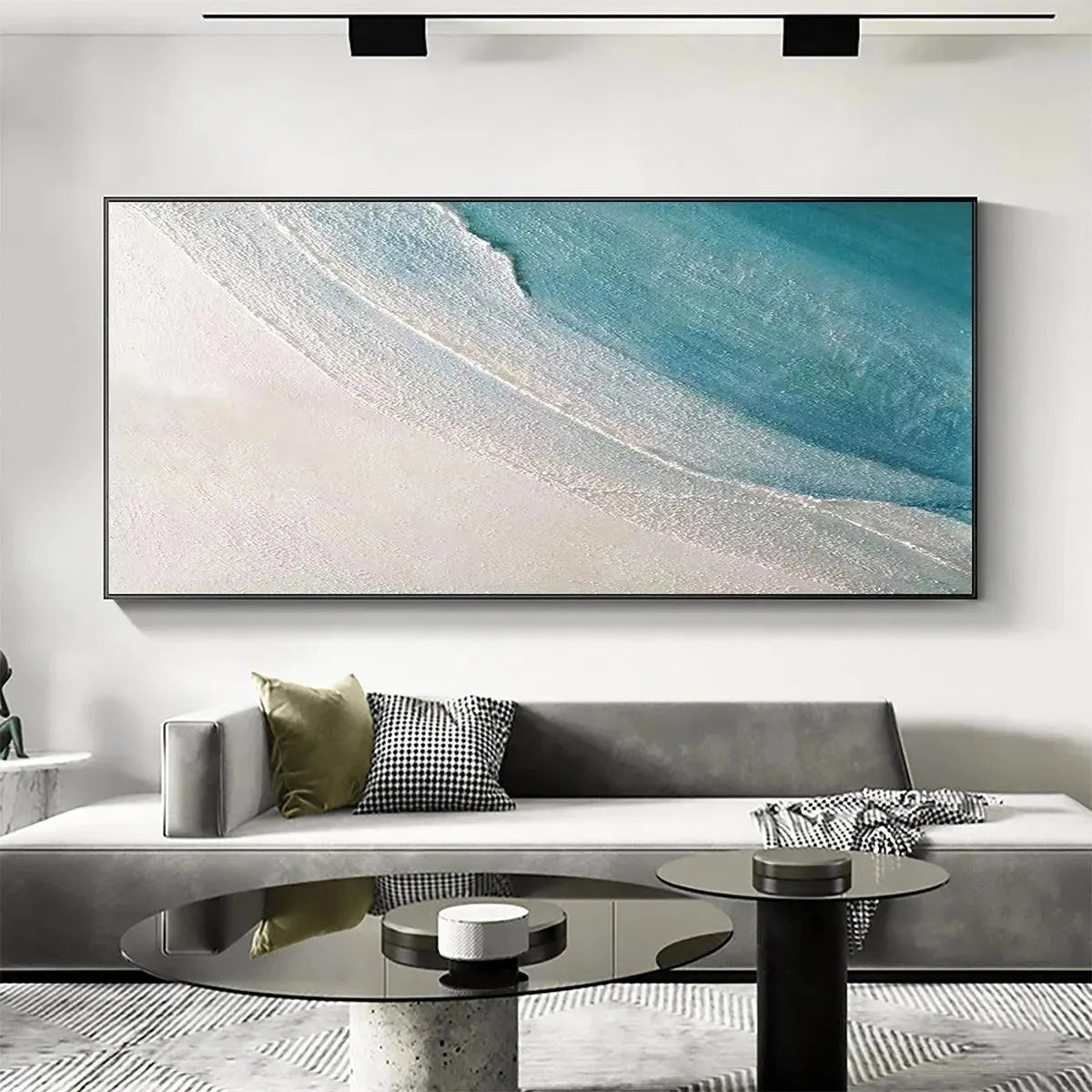
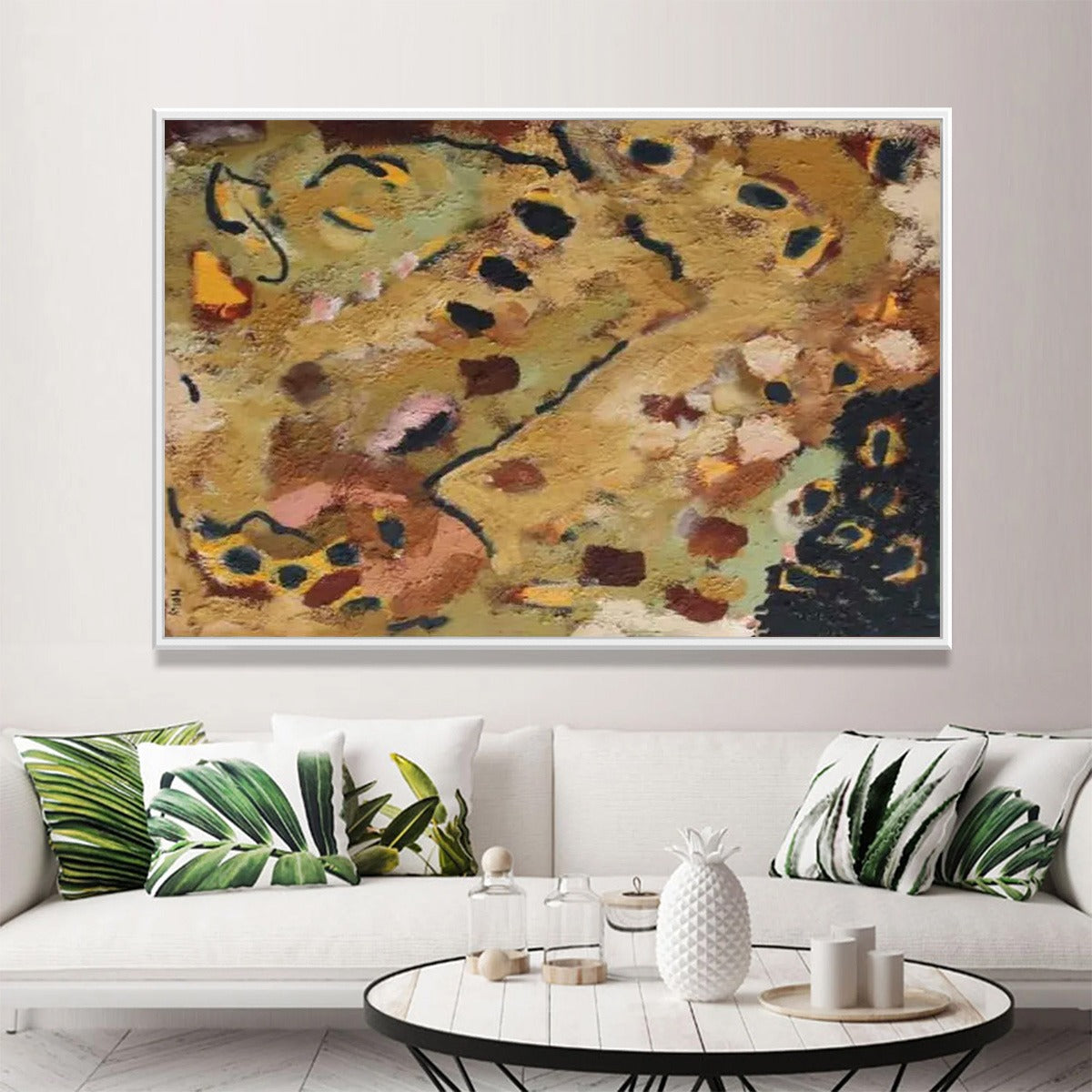
Horizontal wall art often fits the spaces that furniture leaves behind: the rectangle above a sofa, the wall over a sideboard, or the area above a headboard. The useful question is how much width and height that particular space allows. This collection brings together horizontal paintings with different subjects and proportions, so you can choose the relationship to your furniture before narrowing down the color and style.
Start with the furniture beneath the painting
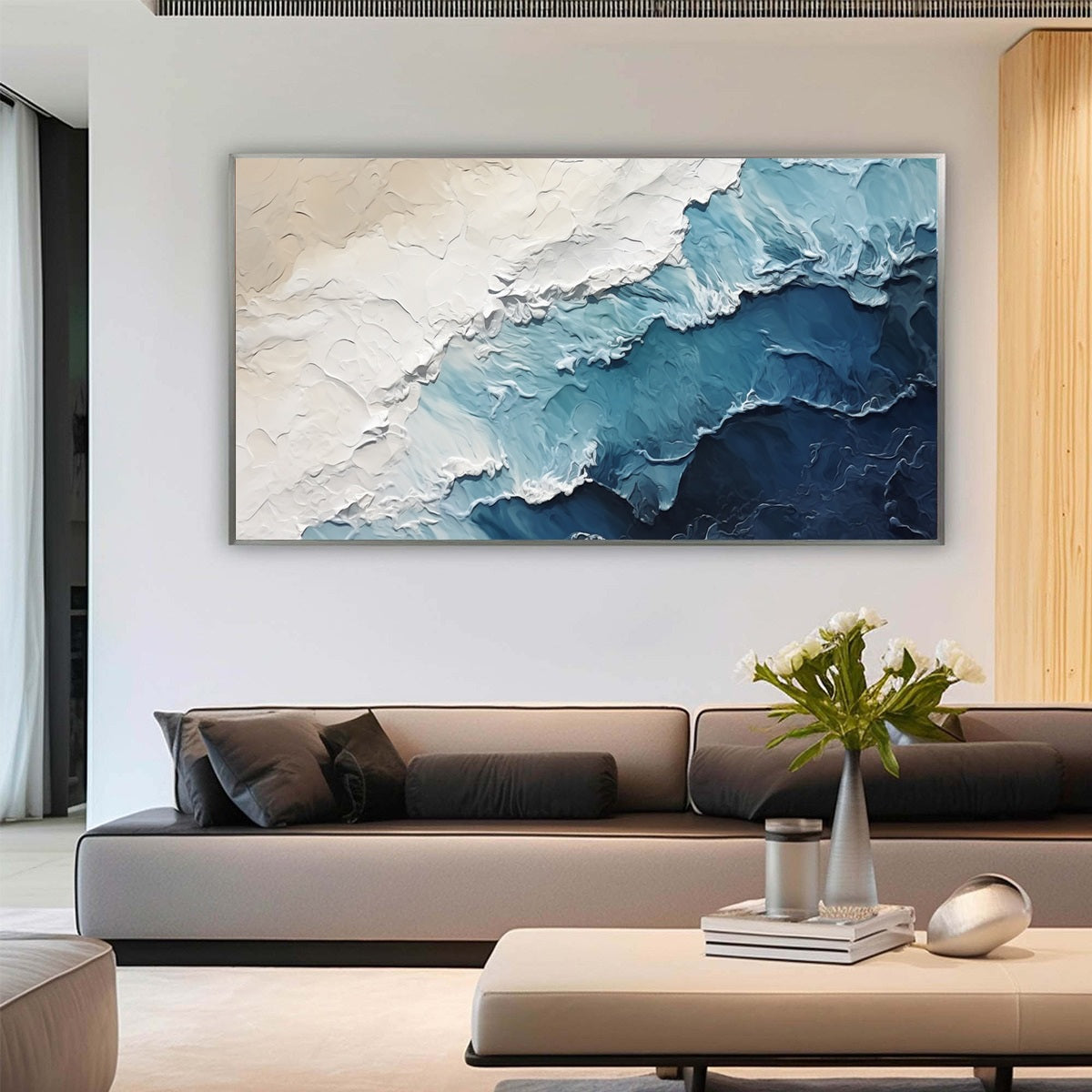
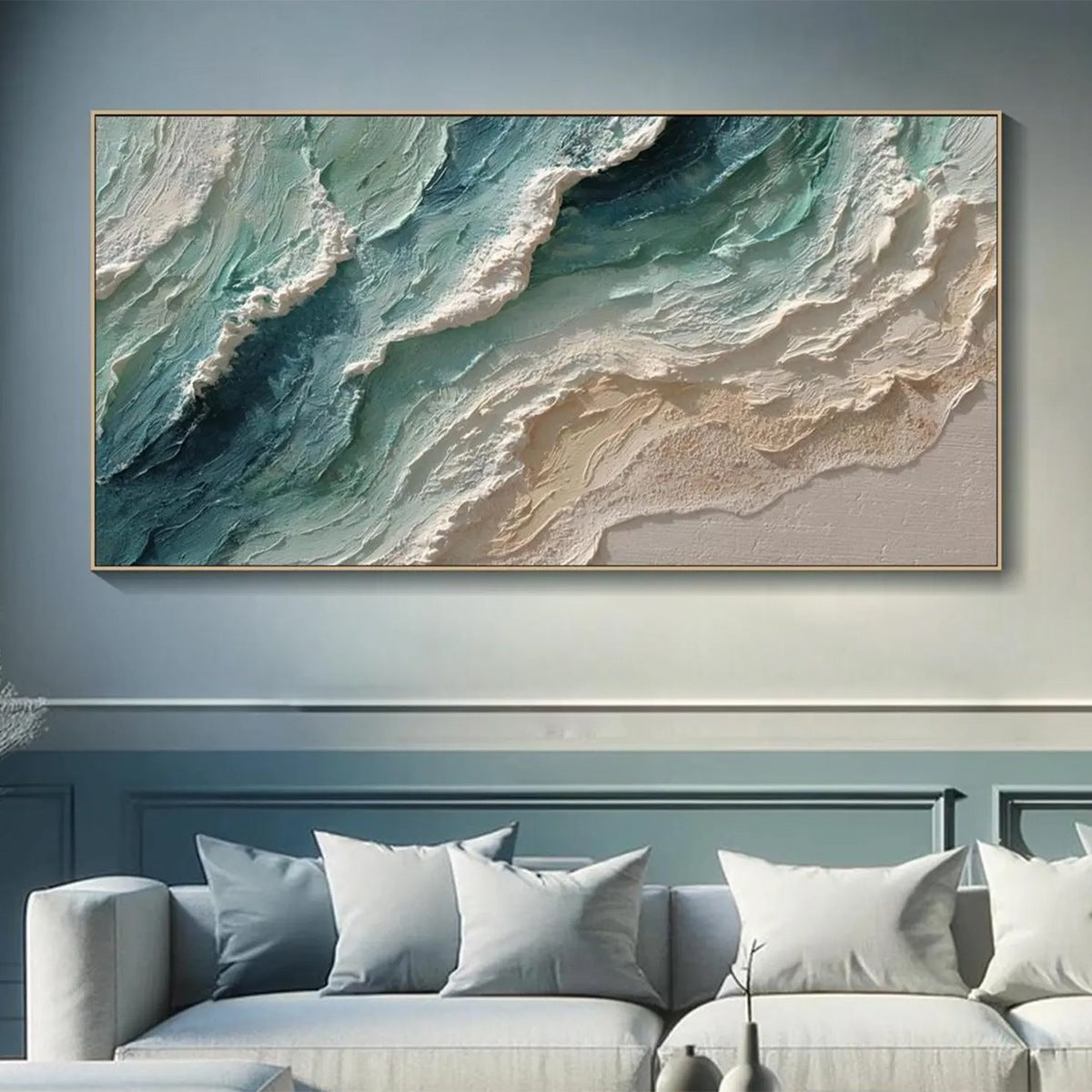
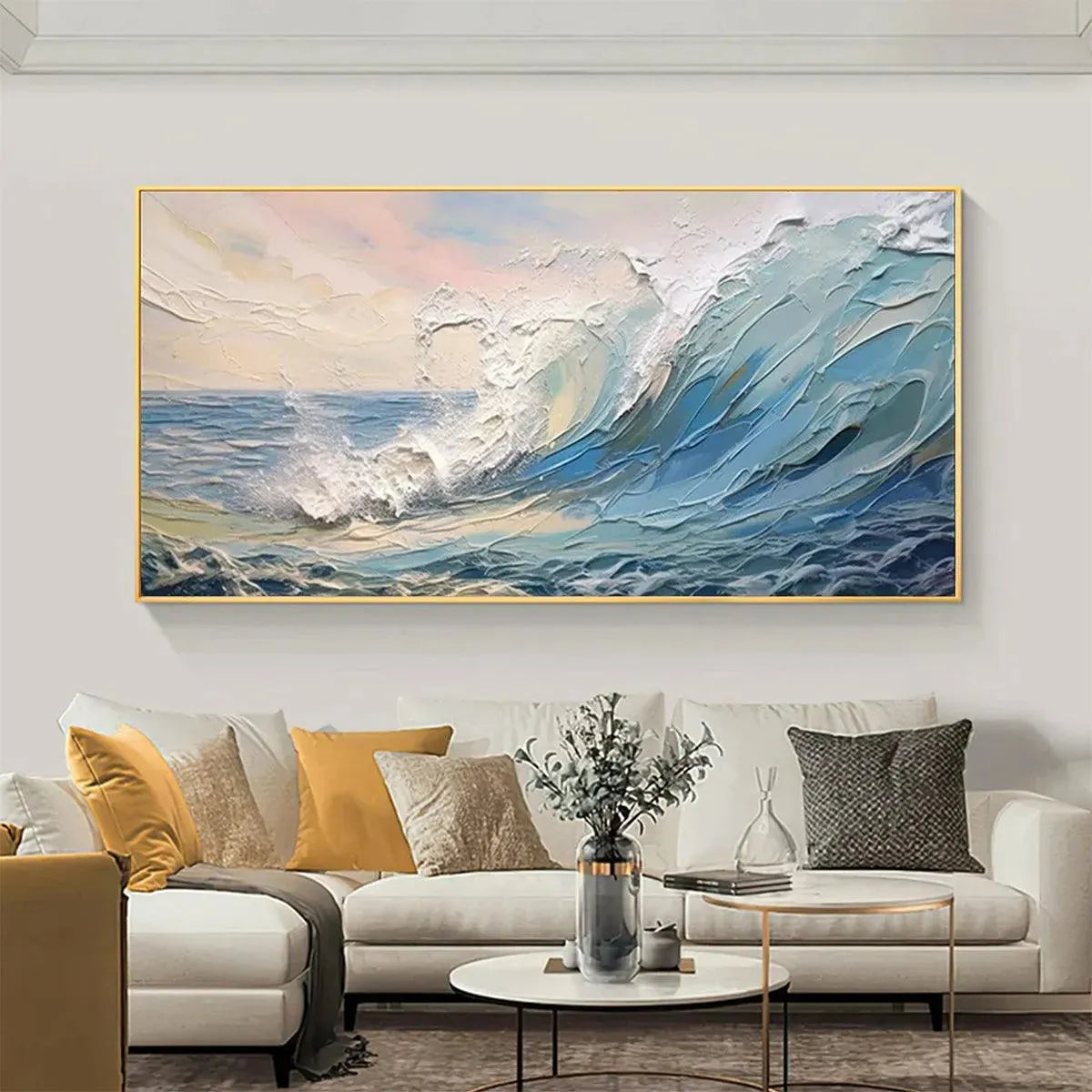
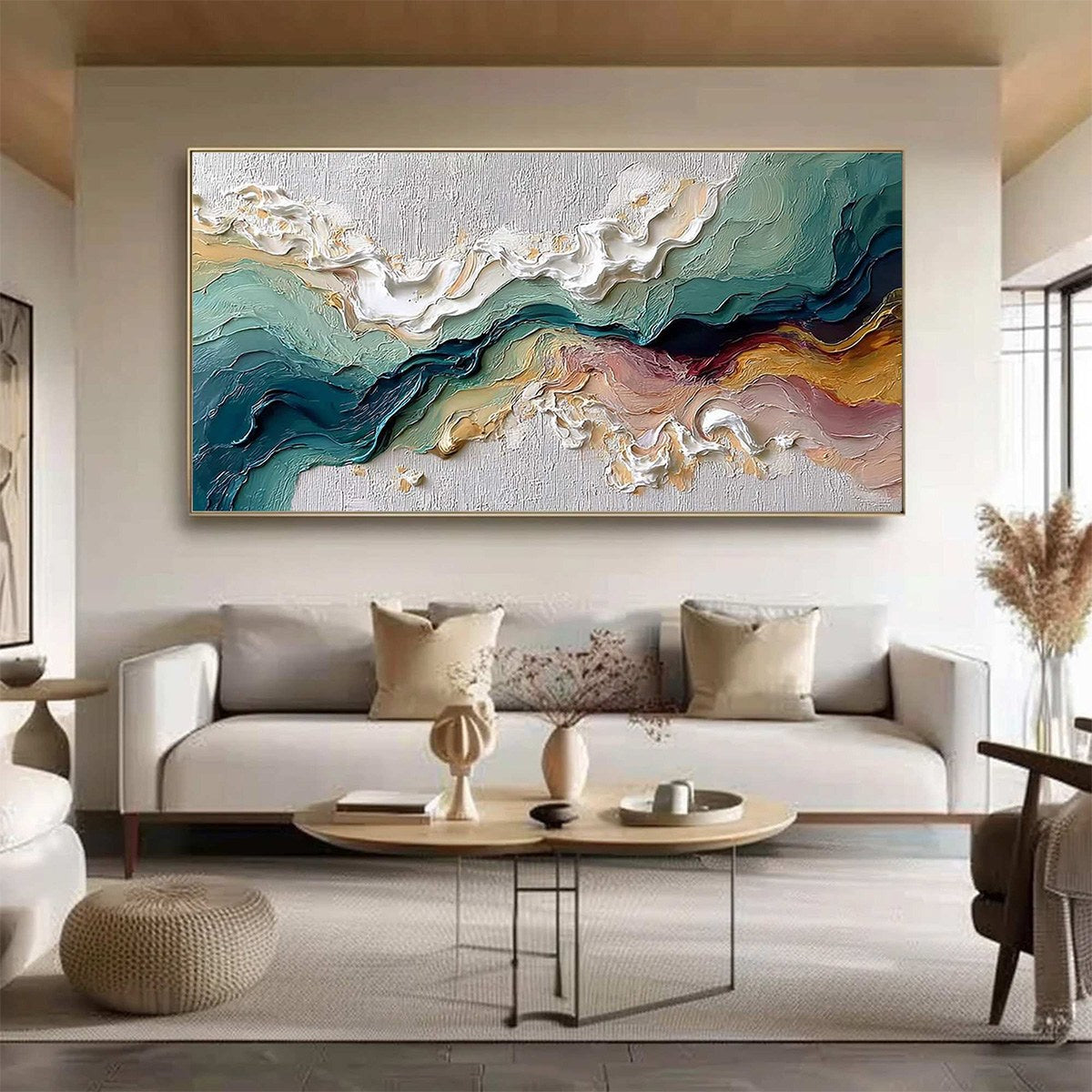
A sofa gives a painting a clear reference point. Look at the width of the sofa back and the open wall above it, including anything that intrudes from the sides. A floor lamp, curtain, or bookcase can make the usable area much smaller than the wall itself. Center your proposed painting within that furniture arrangement, then check the result from across the room.
A sideboard presents another problem: objects on top can compete with the painting. Arrange the lamps, bowls, or vases you intend to keep before measuring. You may prefer a painting with more height above a low cabinet, while a taller sideboard and substantial table lamps may leave room for a shallower rectangle.
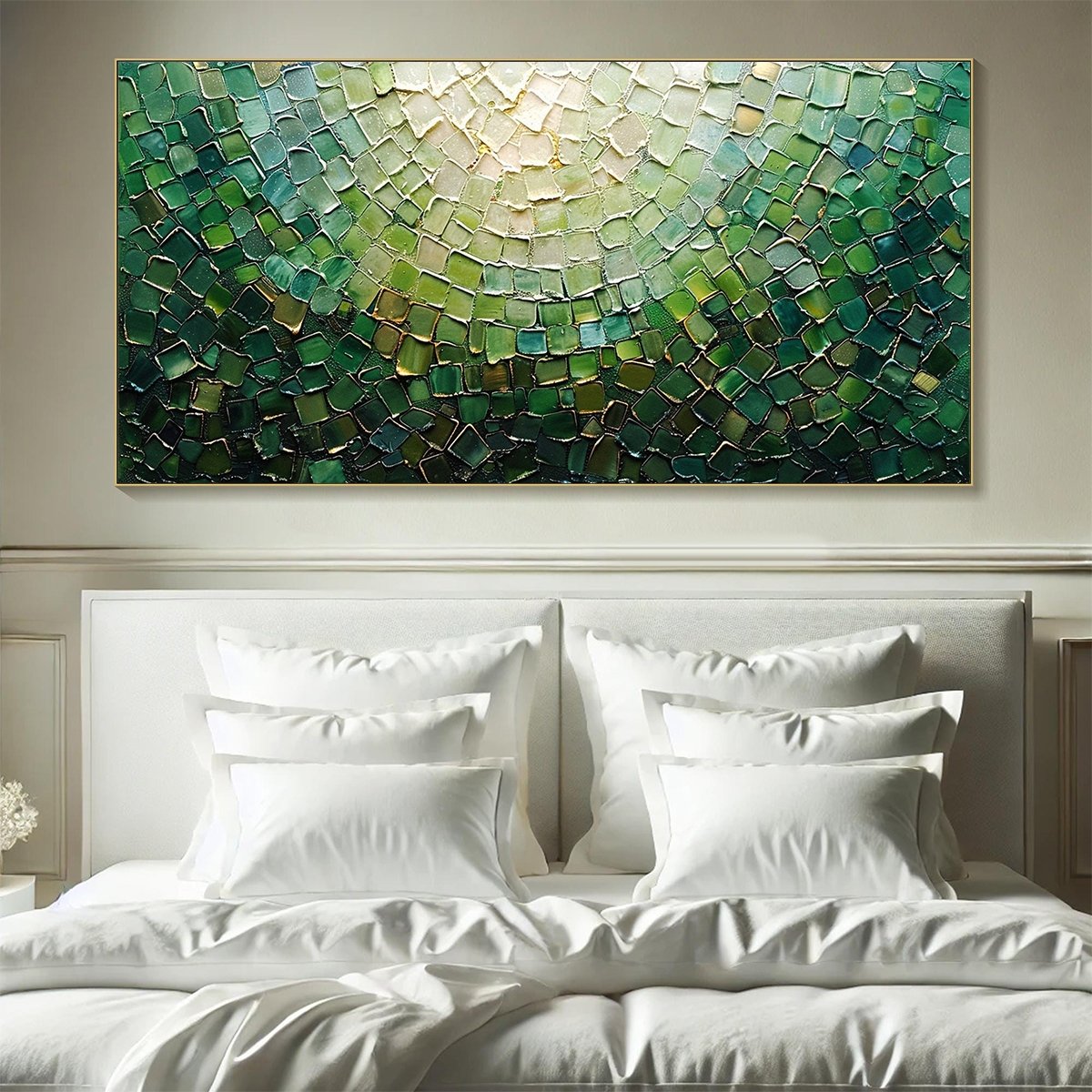
For a bed, include the headboard and pillows in your test. Test a paper outline from the doorway, leaving visible wall between the furniture, painting, and ceiling.
Check height as carefully as width
Horizontal does not mean one fixed shape. Two paintings can have a similar width but occupy very different amounts of wall because their heights differ.
Measure both dimensions of the selected size. Then check the outline while seated as well as standing. Use the position that reflects how you actually use the room.
If the available space is especially long and narrow, compare the panoramic collection. There can be overlap between panoramic and horizontal work; the labels are browsing aids, and the individual measurements should decide the fit. For a tall, narrow gap beside a window, vertical wall art offers another starting point.
Choose what the room needs to look at
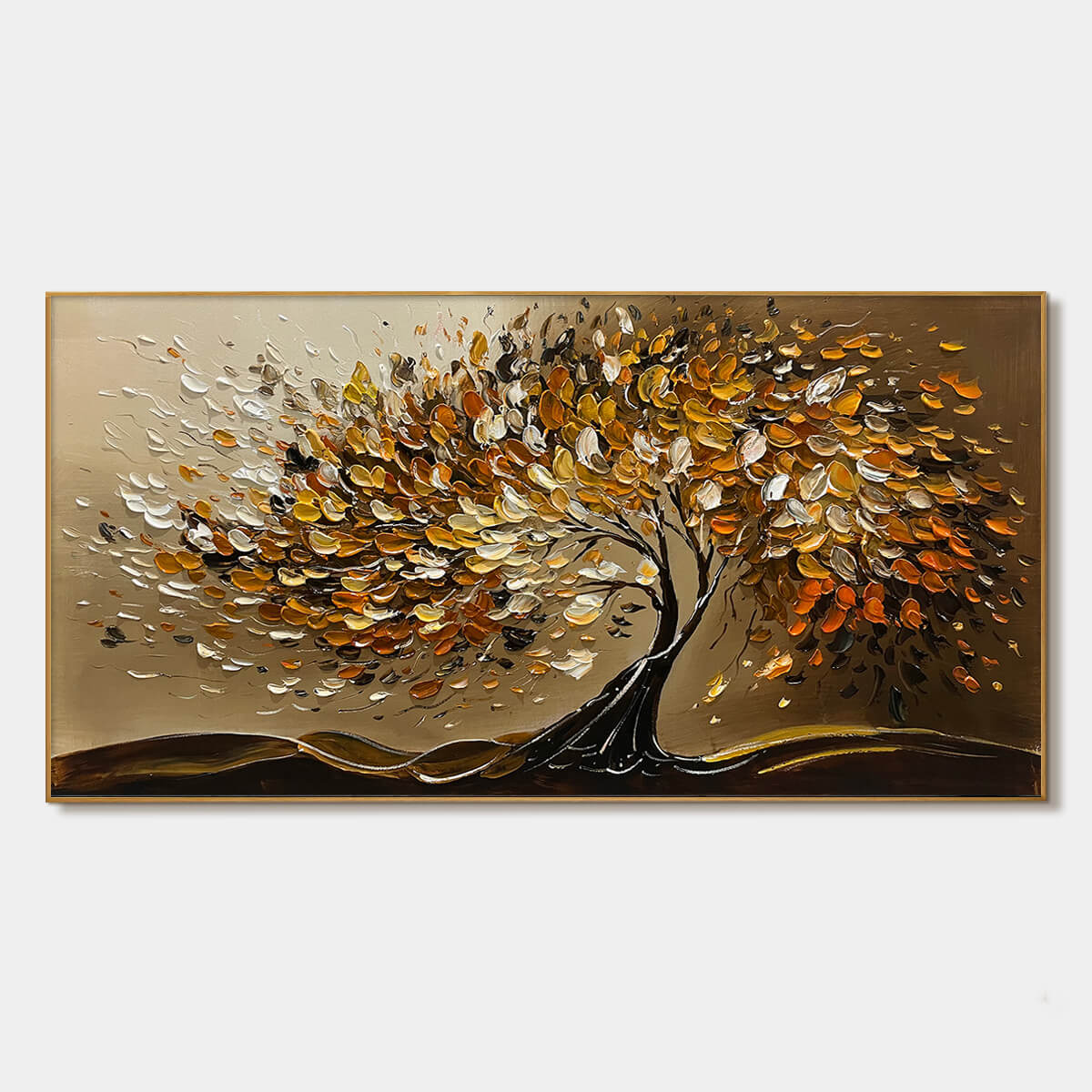
Once the outline works, consider whether you want movement, a recognizable scene, or a quieter surface. A strong subject can give a simply furnished room something specific to look at. Where patterned rugs and upholstery already carry much of the visual activity, a more restrained palette may be easier to coordinate.
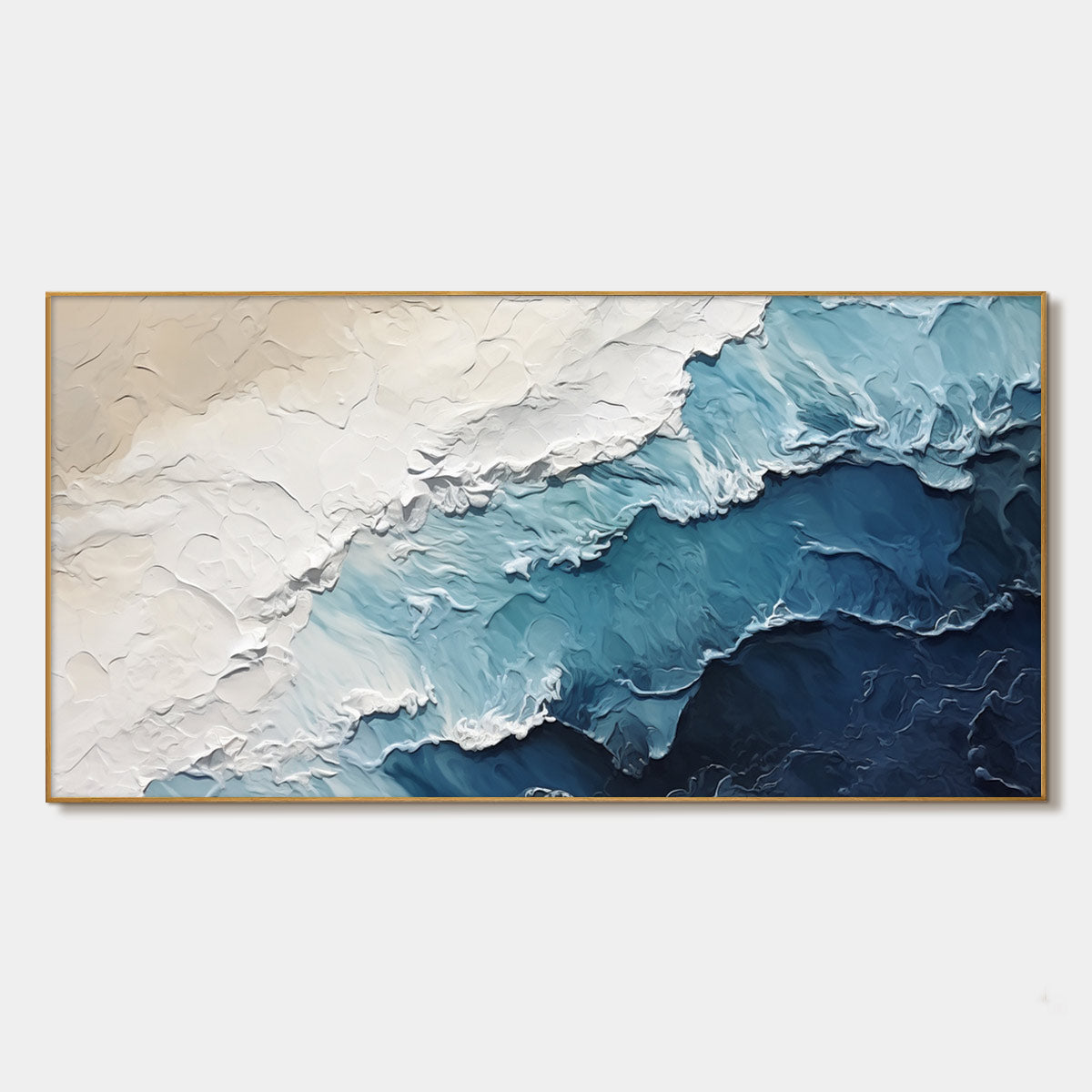
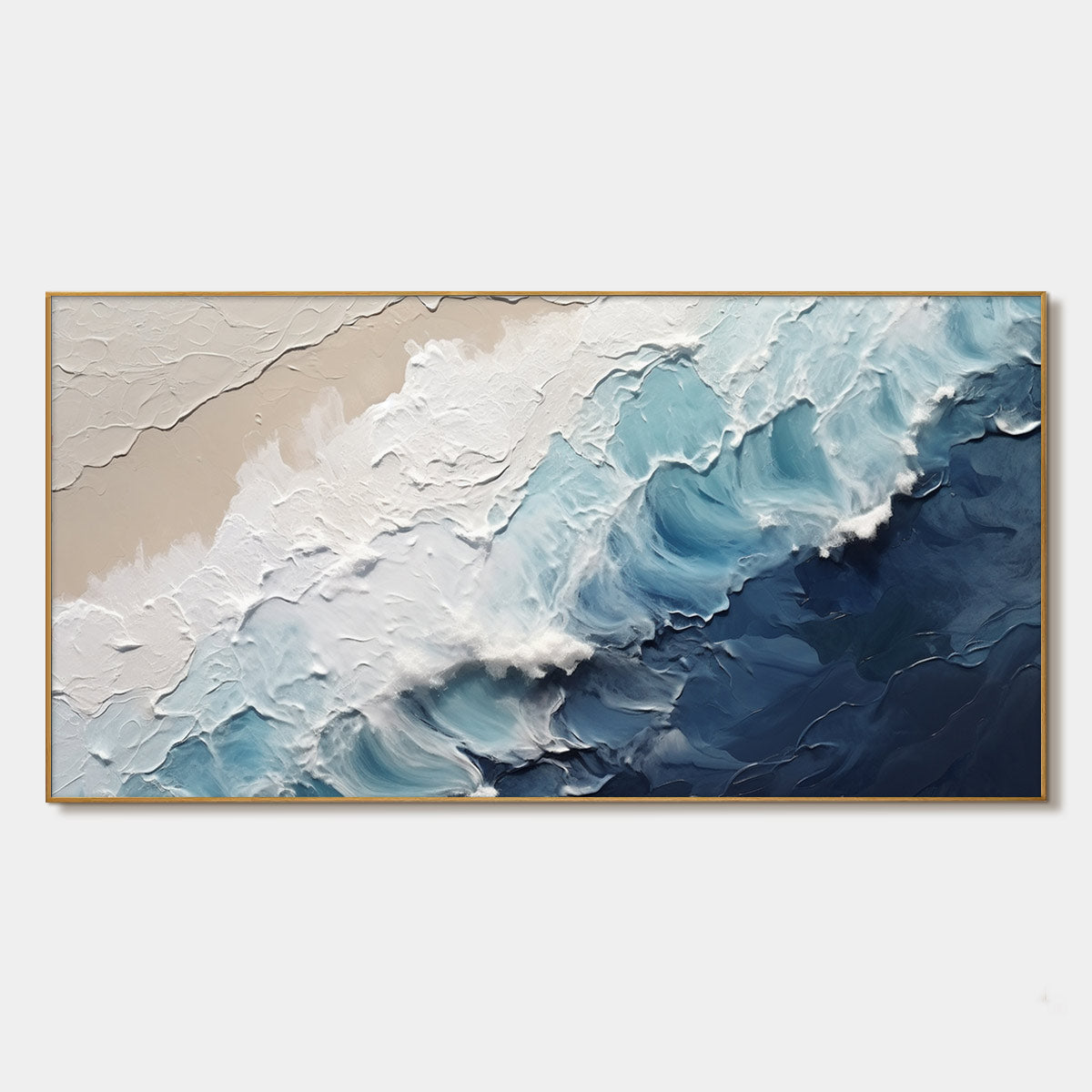
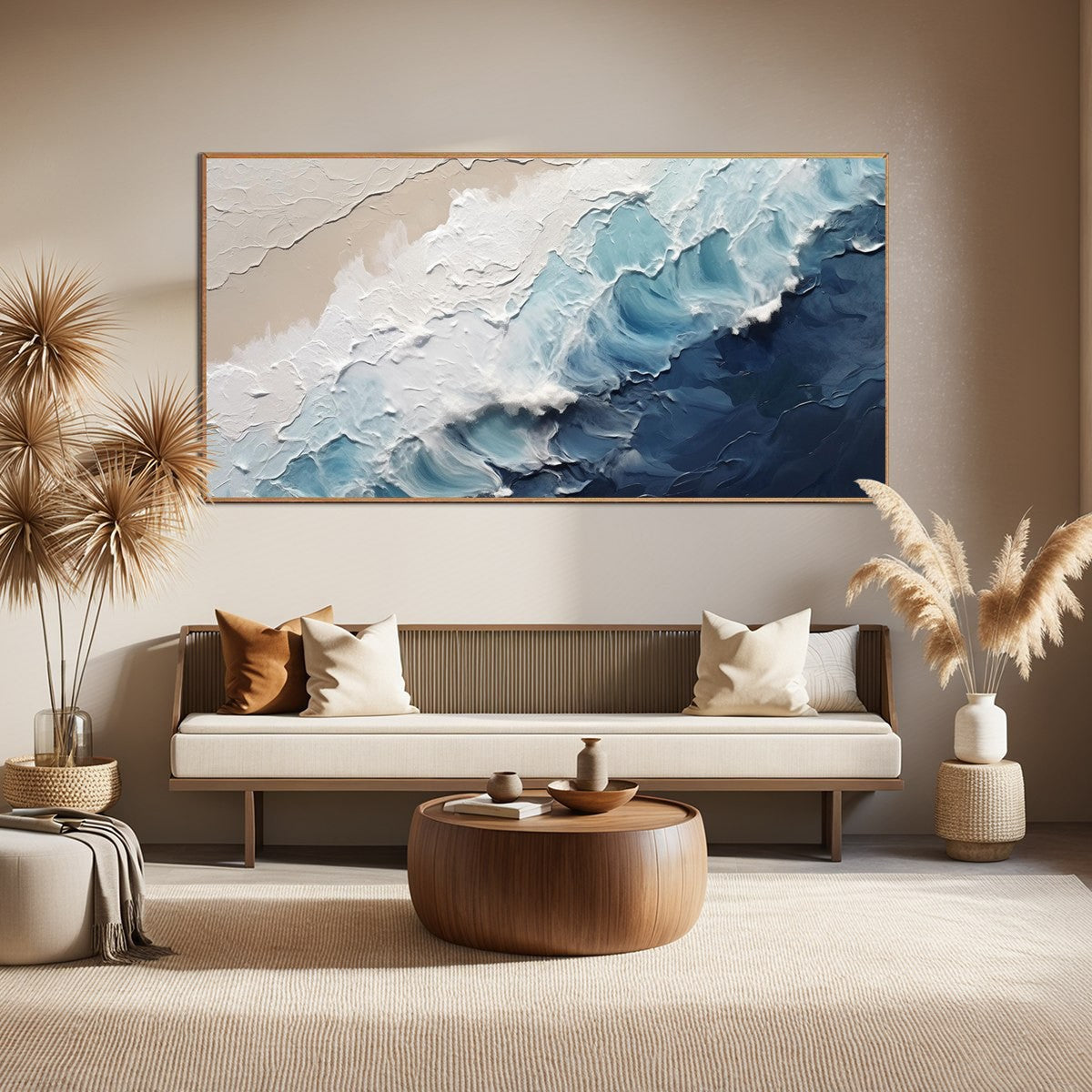
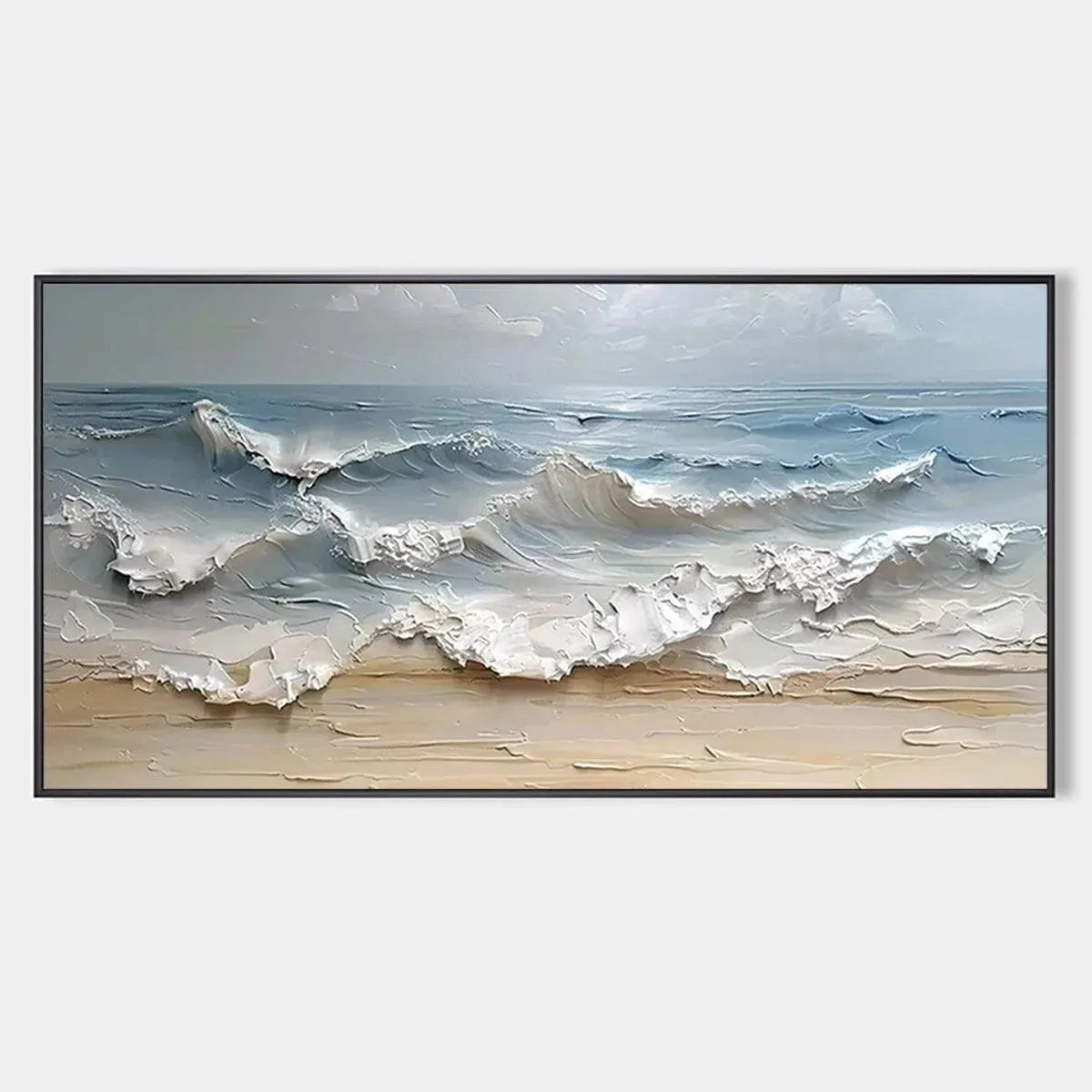
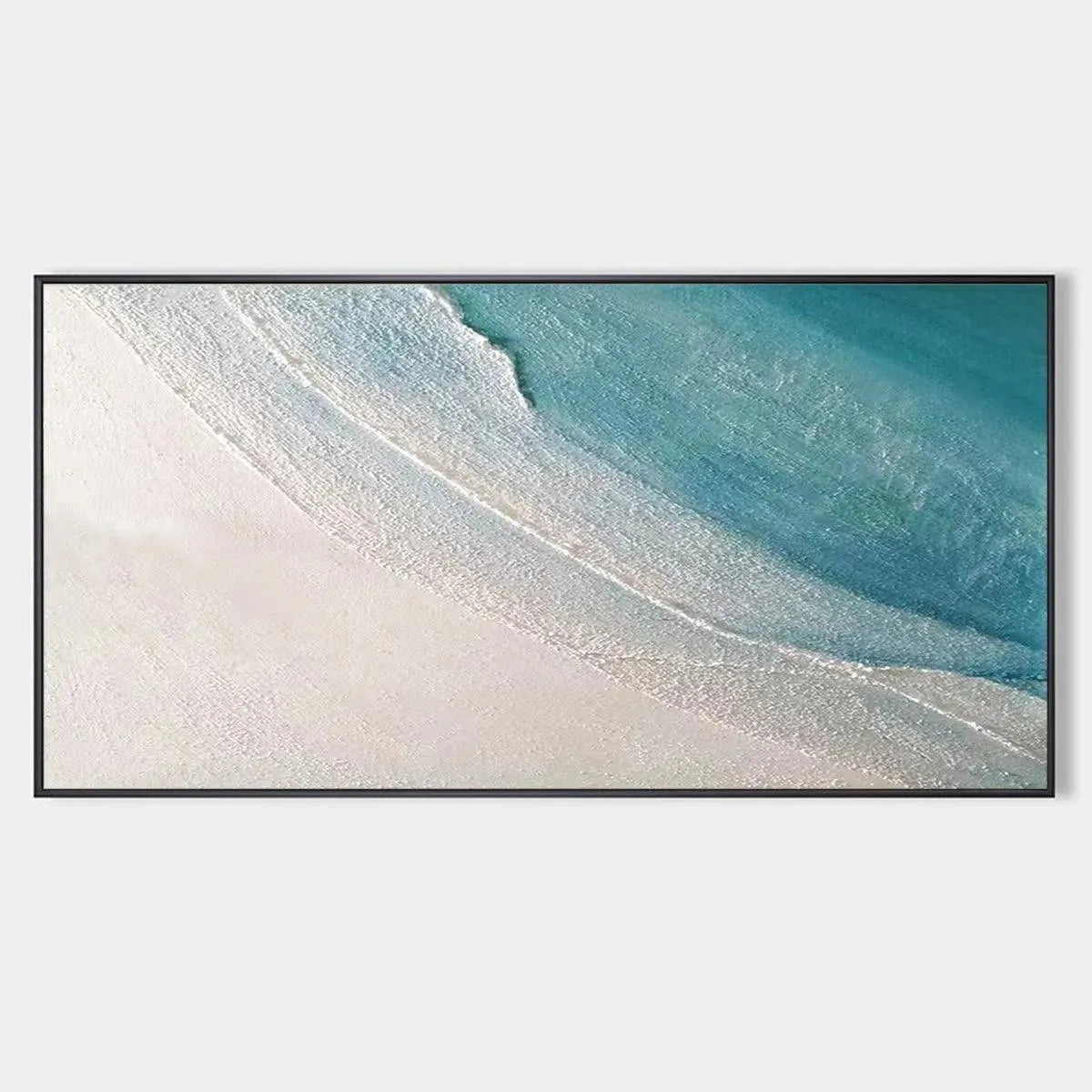
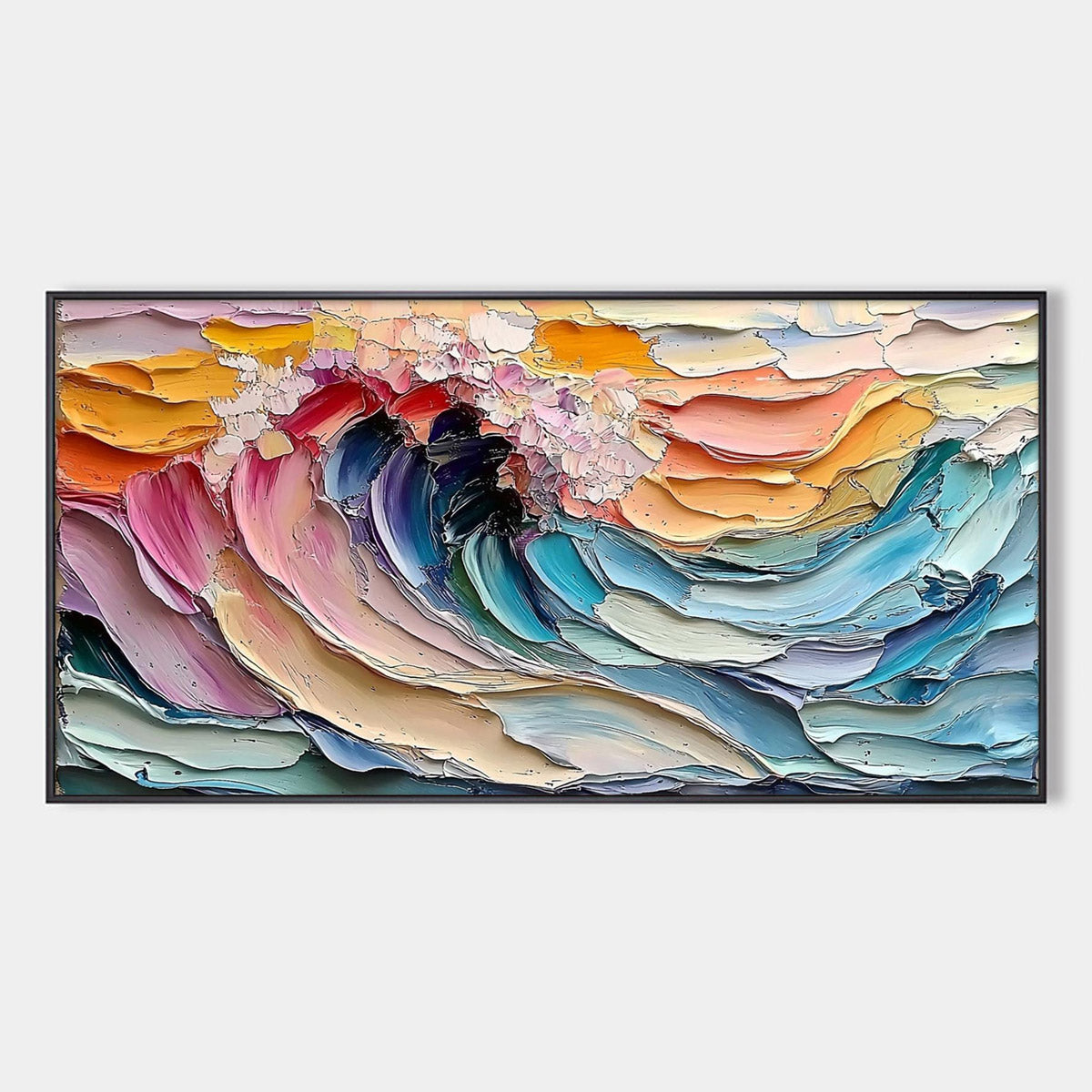
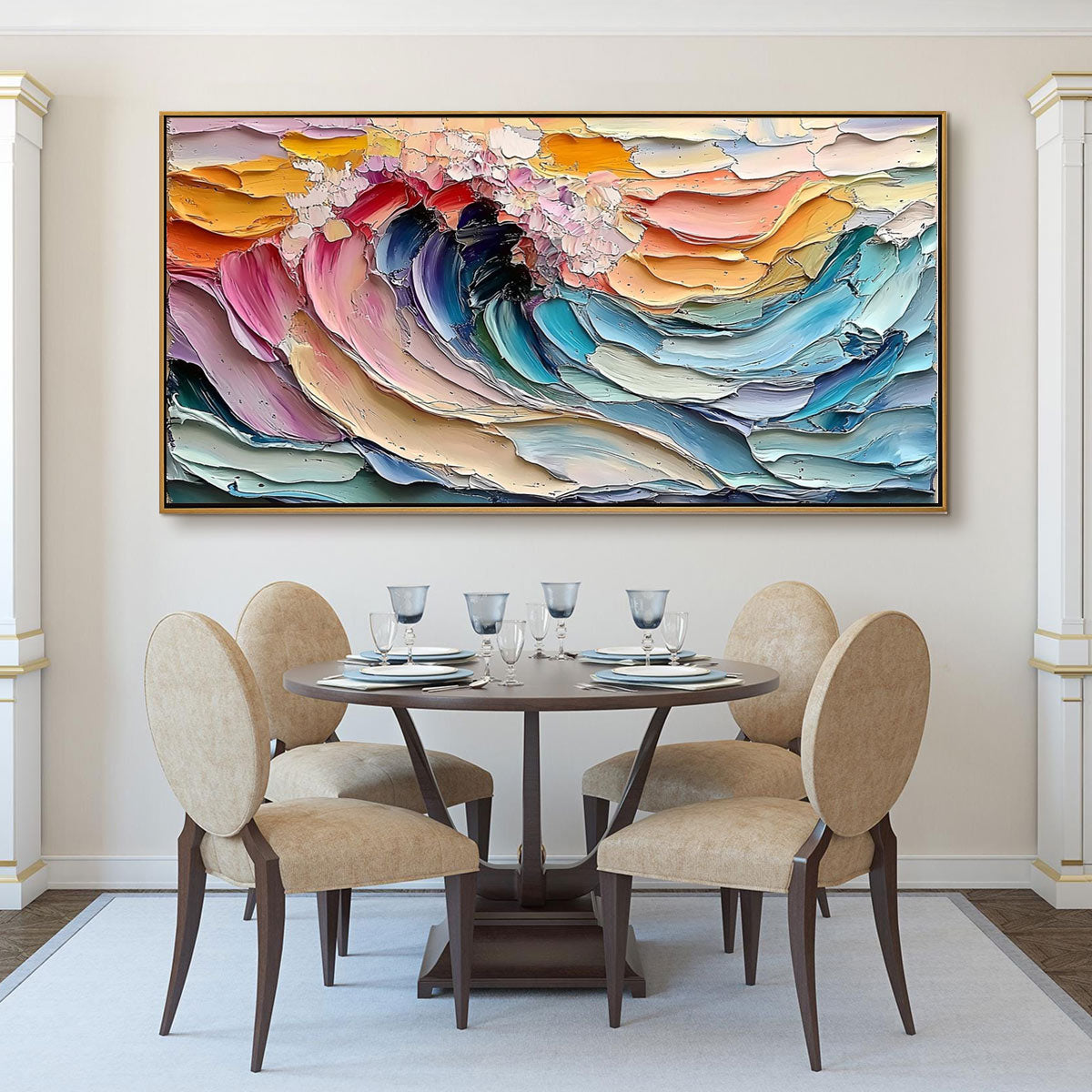
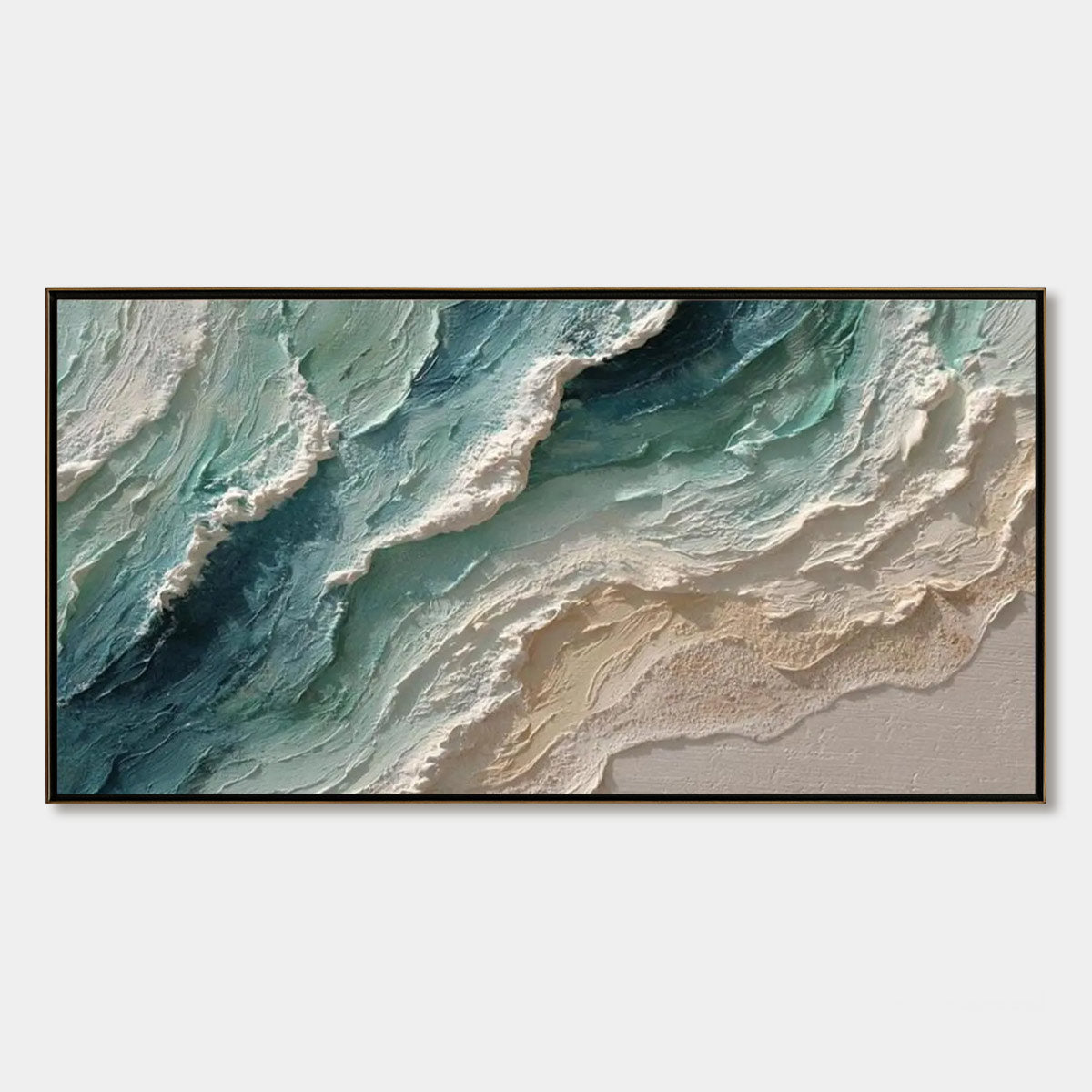
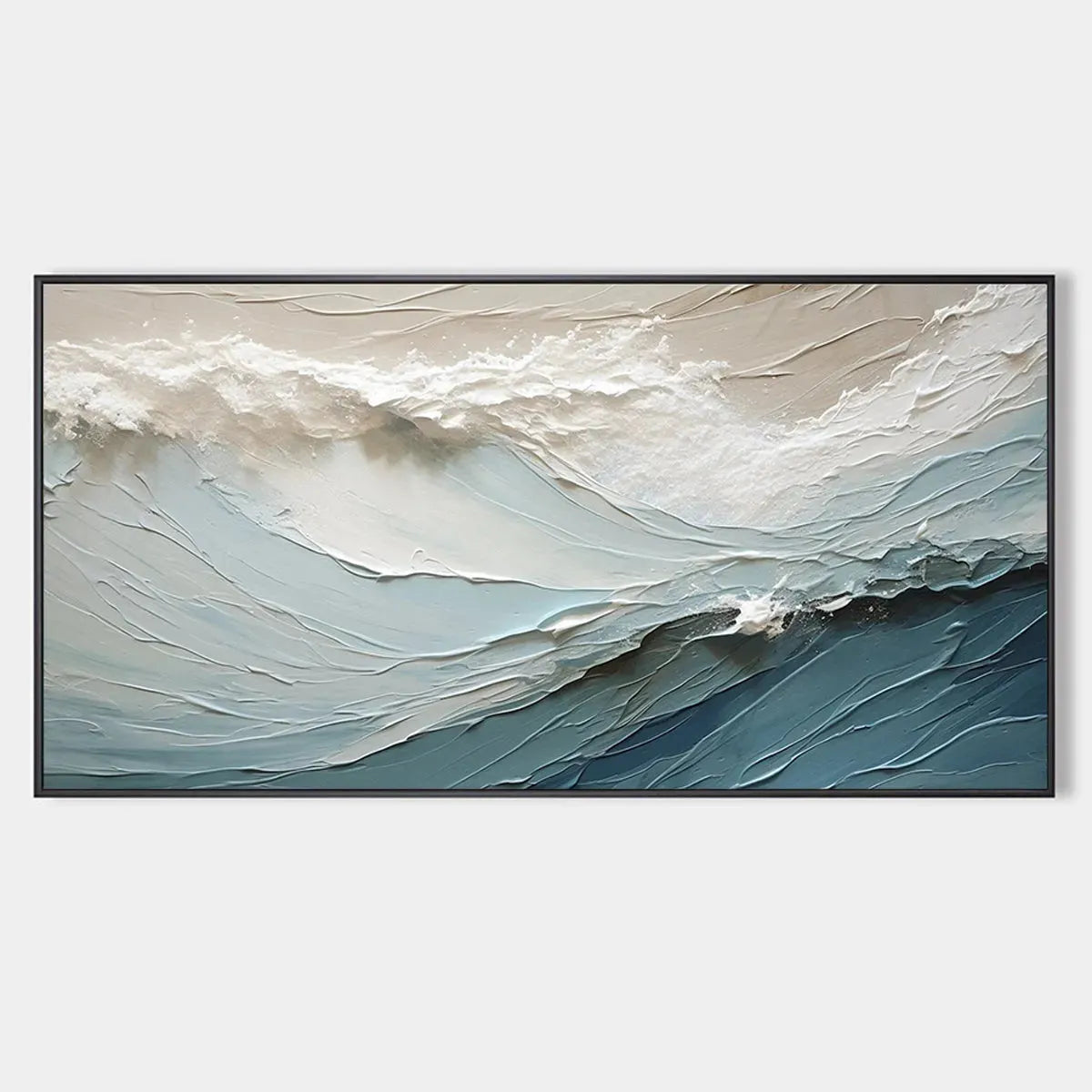
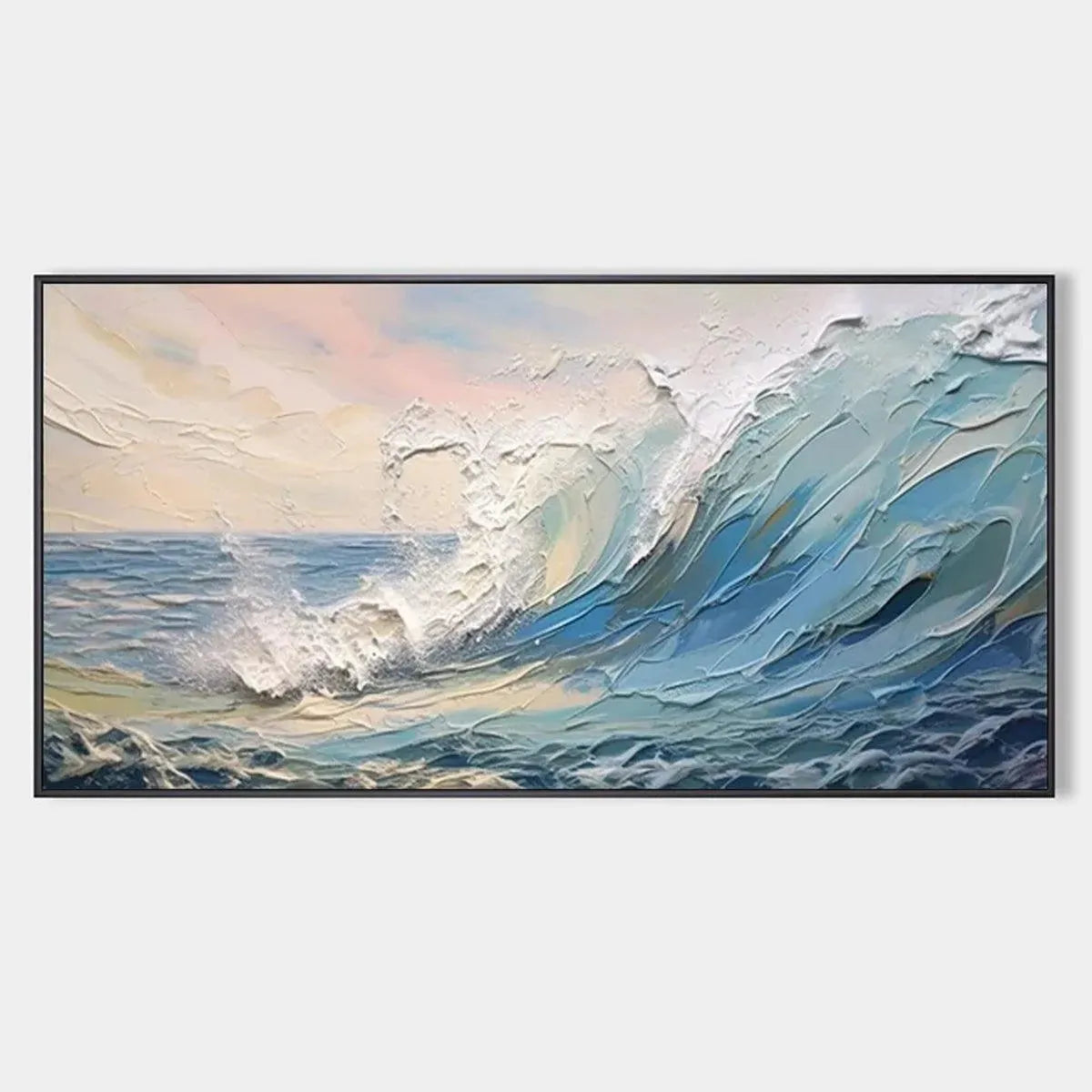
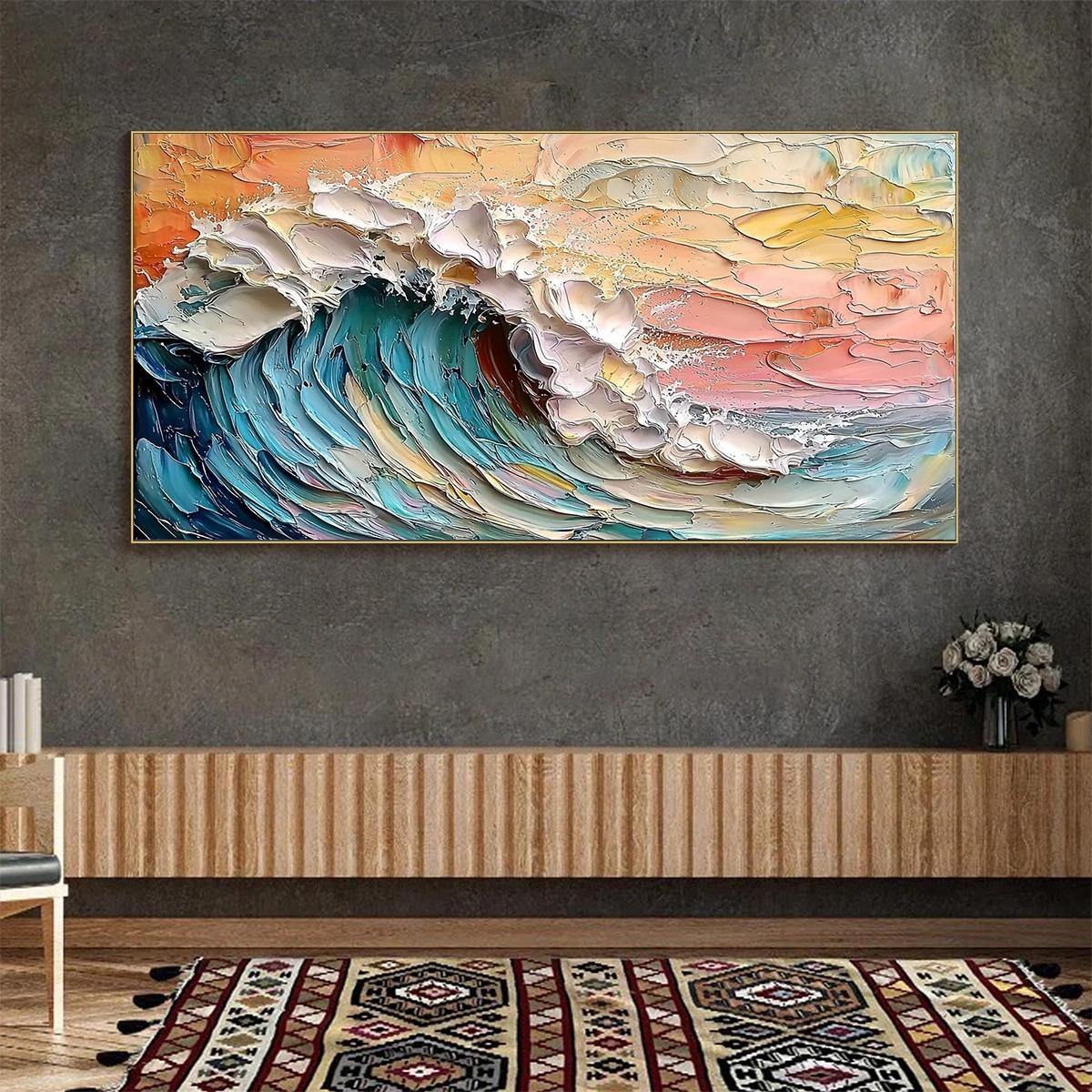
Ocean Whispers, by Liam O'Connell, depicts crashing waves with textured brushstrokes and contrasting blue and white. Consider it above a sofa when you want an active coastal subject. Compare the blue in the artwork with your existing textiles, and let the wave scene remain visible rather than covering its edges with tall accessories.
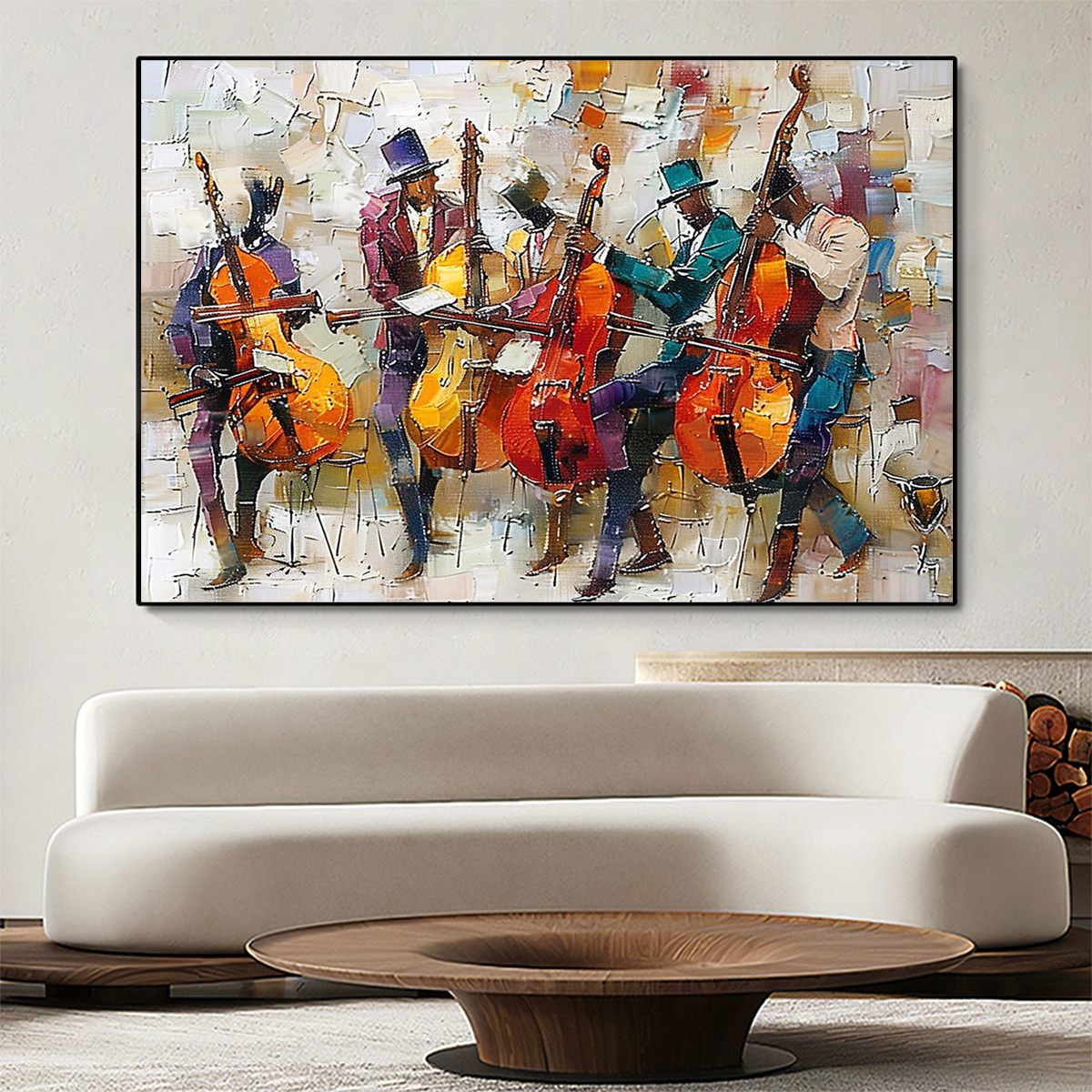
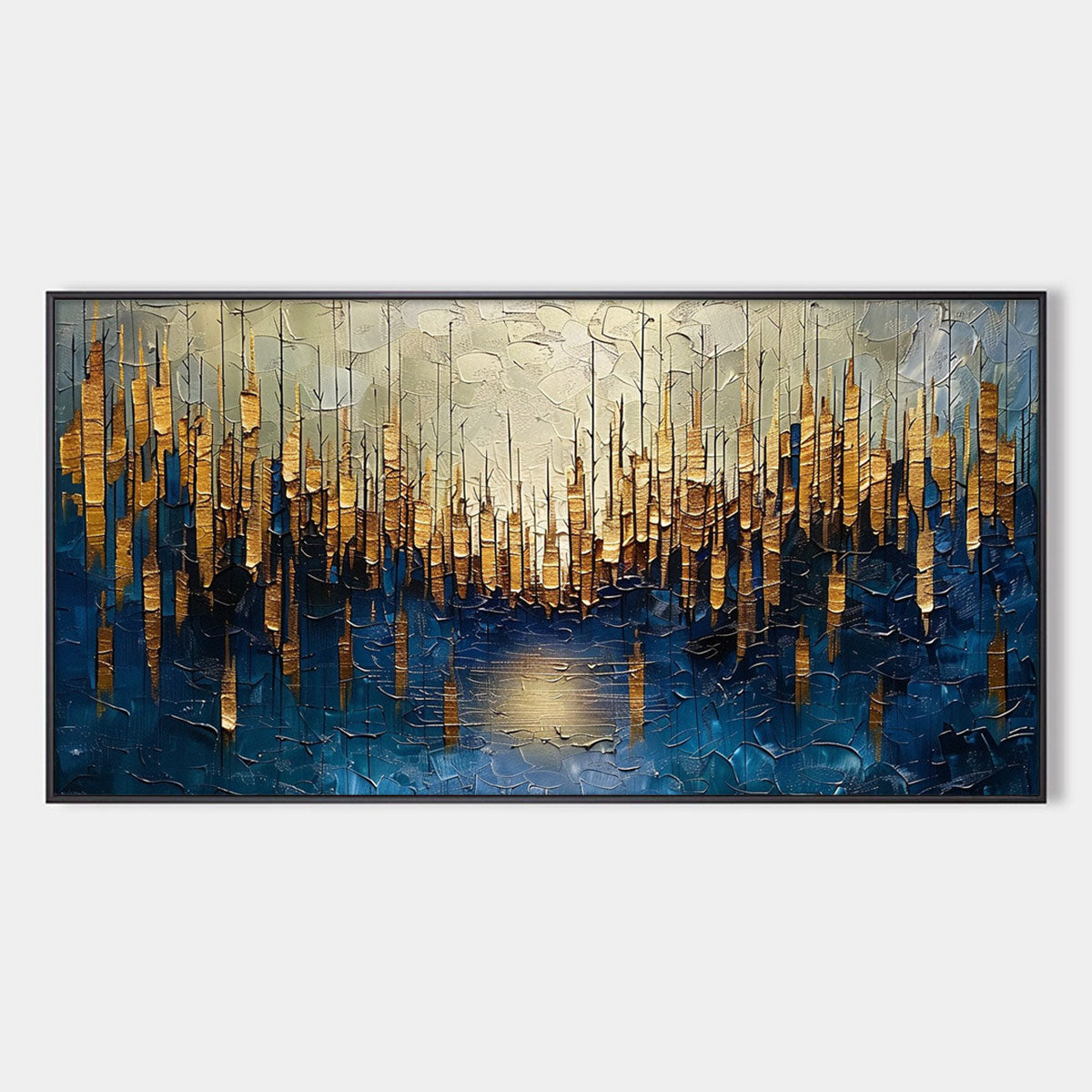
Cellos in Harmony, by Chak Yu Lam, brings musicians and their instruments into a richly colored, textured composition. It provides a subject-led choice for a dining room or a space where music is part of everyday life. Give it a position where you can stop and look at the figures.
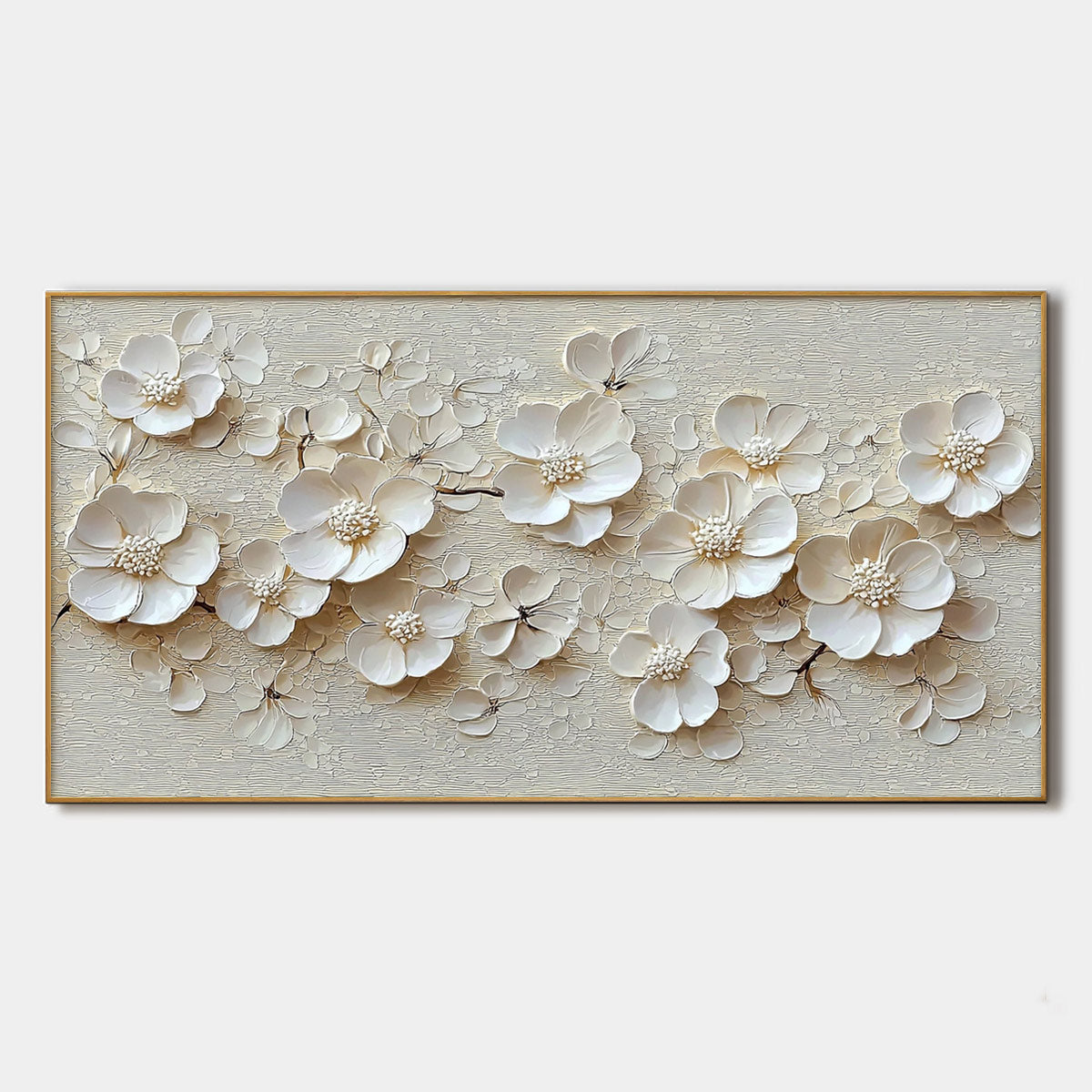
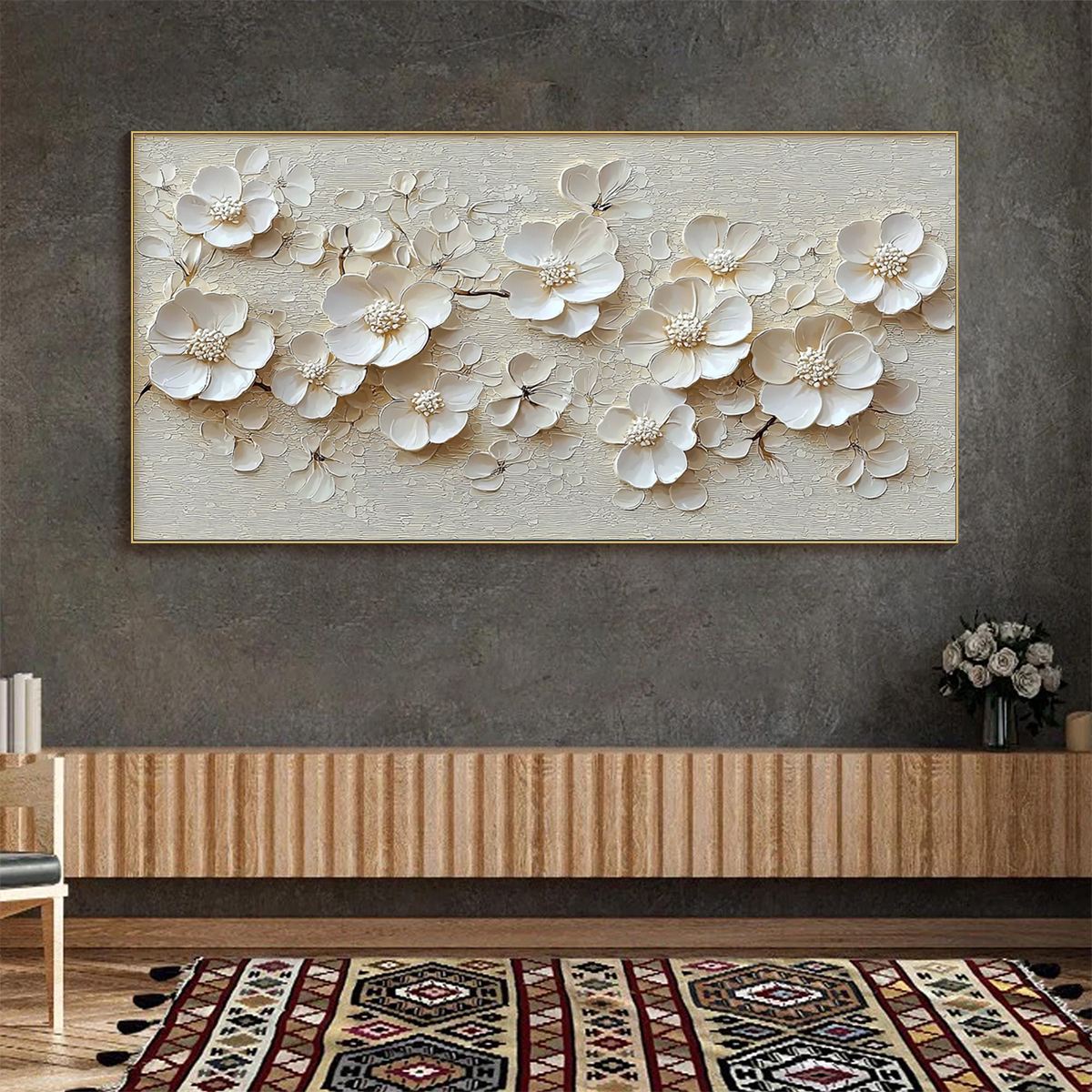
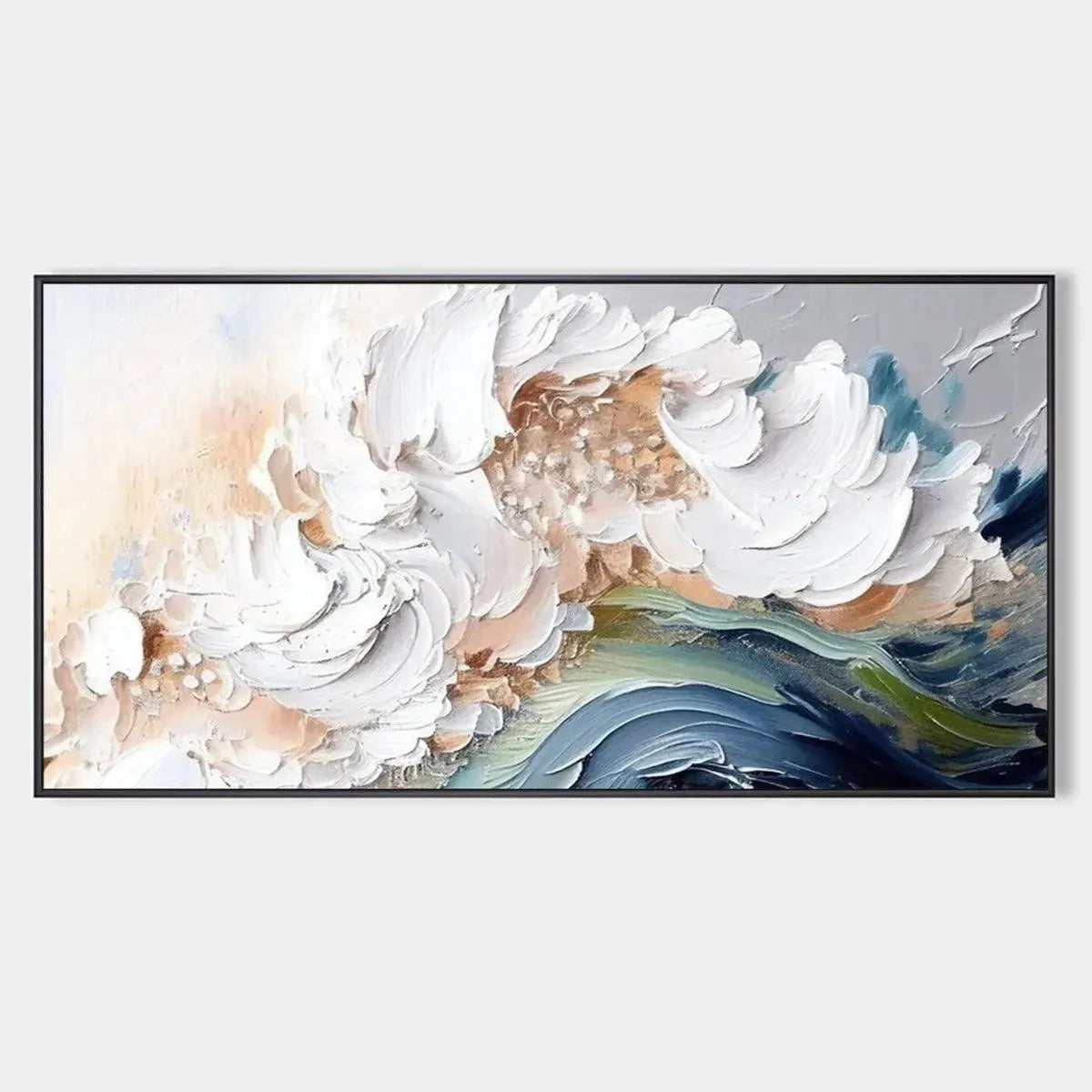
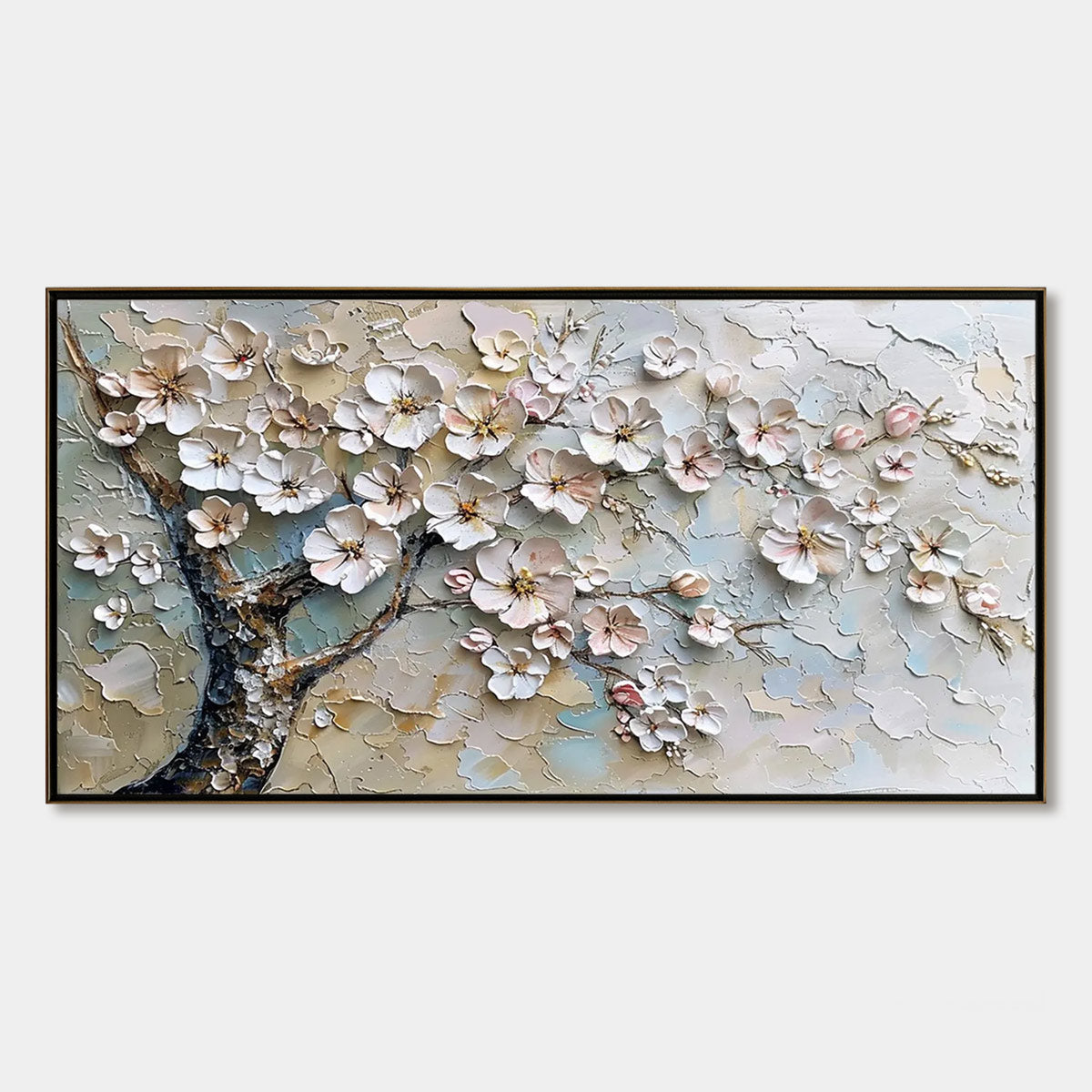
Blossom Serenade, by Elodie Dubois, shows white blossoms in a textured, sculptural style with a creamy white palette. Consider this direction when your room already has strong colors and you want a more restrained floral subject. Compare the creamy tones with the wall color; warm and cool whites can look quite different beside one another.
Make the frame part of the arrangement
A frame adds an edge between the painting and the wall. A dark finish can create a pronounced outline; a lighter finish may be less conspicuous against a pale wall. Look at the frame beside the furniture finish and nearby lighting rather than choosing from the artwork image alone.
The three featured paintings list rolled canvas, frameless stretched canvas, and stretched options in gold, silver, white, black, and wood frame finishes. Review the option you intend to order and confirm its finished dimensions. Do not assume that the space occupied by the completed piece is identical across all presentations.
Size menus also differ. Ocean Whispers and Blossom Serenade list a 16 × 32 inch option; Cellos in Harmony lists a 20 × 28 inch option. These examples show why it helps to compare complete dimensions rather than treating every horizontal painting as the same rectangle.
Leave room for the rest of the wall
A single horizontal painting can be enough above a piece of furniture. Before adding smaller works around it, live with the proposed outline and see whether the wall needs more. If you do build a group, plan the combined arrangement first, including the gaps between pieces.
Browse the living room collection to compare subjects in that setting, or return to all paintings when you want to search beyond orientation. Keep your measurements nearby while comparing subjects.
Horizontal wall art questions
How wide should a painting be above a sofa?
Start with the sofa back and the clear wall around it. Test an outline narrower than the furniture so there is visible space on both sides, then judge it from your normal viewing position. Nearby curtains and lamps may affect the fit as much as sofa width.
Is horizontal wall art the same as landscape art?
Horizontal describes orientation; landscape describes a subject. A horizontal painting may show waves, flowers, musicians, or an abstract composition. Decide on the dimensions first if your wall is restrictive, then choose the subject you would enjoy seeing there.
Can I use horizontal art above a tall sideboard?
Yes, provided enough clear height remains. Include the objects on the sideboard when testing the outline. If lamps or vases overlap too much of the painting, move those objects or compare a shallower format before selecting a size.
Should I choose one painting or a group?
Choose one when you want a single subject to anchor the furniture. A group allows several subjects, but its total width includes every frame and gap. Test the whole arrangement on the wall rather than sizing each piece independently.
★ Reviews